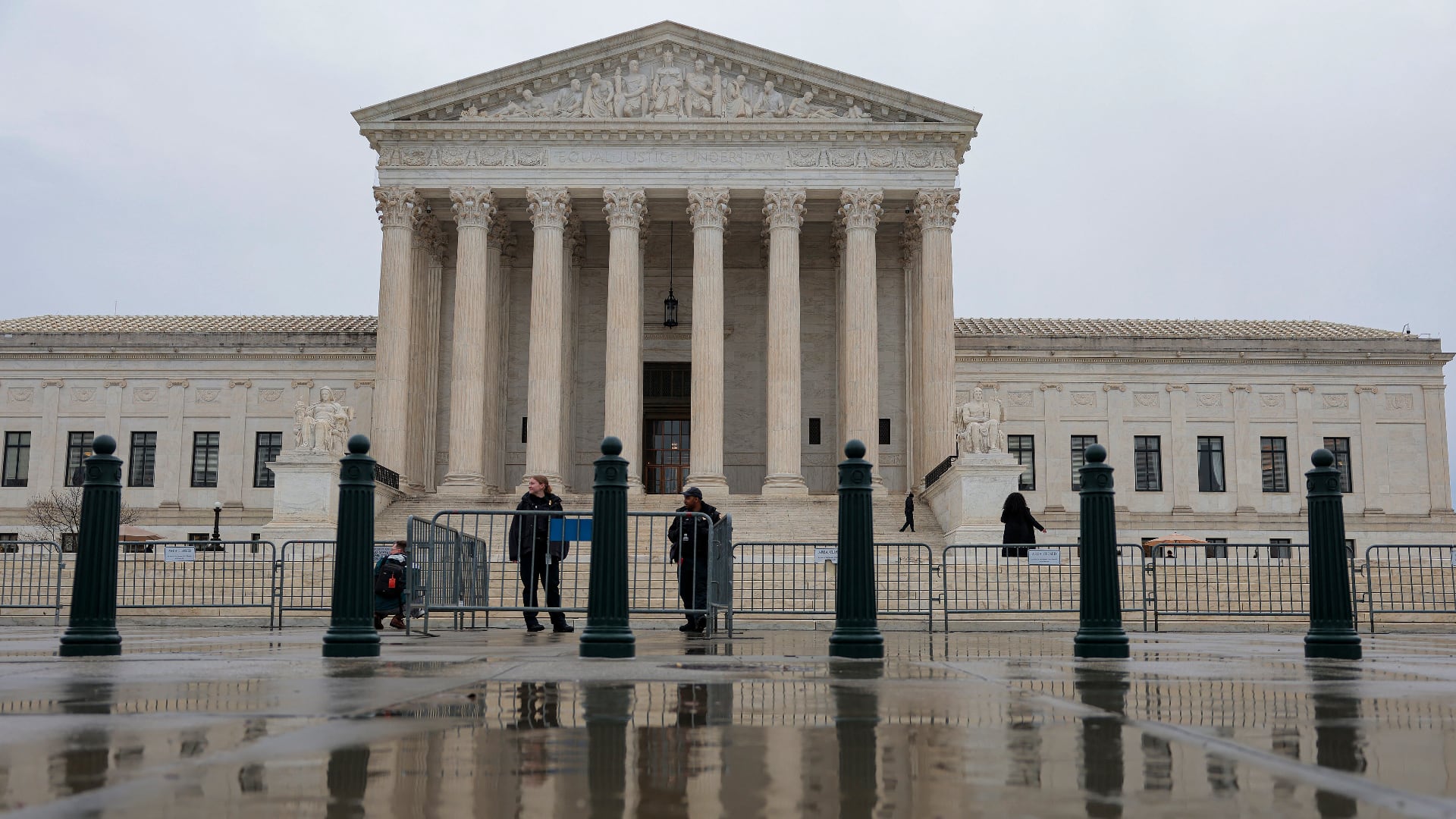
After President Trump authorized a military strike killing a top Iranian military commander, the escalating conflict sent stocks down around the world, and oil and gold prices up on the first Monday of the new year.
Brent oil prices, the international benchmark, hit the $70 mark for the first time in three months and the price of West Texas Intermediate, the American oil benchmark, reached more than $63 a barrel after the Pentagon's announcement confirming an airstrike at Baghdad's airport. Crude oil last hit the $70 mark in September after drones suspected to have been launched by Iran struck Saudi Arabian oil plants. Saudi Arabia, Iran, and Iraq account for almost half of the world's oil reserves.
Prices are up amid a growing list of concerns after the killing of Gen. Qassem Soleimani: Iran may close the Strait of Hormuz, has already threatened retaliation, and said it will no longer abide by the 2015 nuclear deal the U.S. withdrew from two years ago, and Iraq voted to expel U.S. troops. The State Department warned of a "heightened risk" of a missile attack near U.S. bases.
It is unclear how Iran will respond to Trump's unilateral move. Oanda's Jeffrey Halley noted that "a big fat dollop of geopolitical uncertainty has landed on investors desks" in a report.
But J. Jay Park, CEO of ReconAfrica, said the geopolitical uneasiness isn't, alone, enough to continue driving oil prices up. He said what may continue to drive up prices is a change in supply. Park said supply, demand, OPEC decisions and compliance, geopolitics, and public sentiment about those four items affect oil prices. Uncertainty in Iran, coupled with a change in supply or demand may change the game. Iran may choose to close the Strait of Hormuz, a move Britain has forestalled by sending the Royal Navy to help ships pass through the Strait, through which 21 percent of 2018's global petroleum liquids consumption flowed.
"If that were to happen, the sky's the limit, over $100 easily," Park told Cheddar on Monday.
With the region on edge, stocks fell in Japan, Hong Kong, South Korea, and across European markets.
In the meantime, Park said the current crisis may not drive up oil prices further.
"In the recent past we've seen a number of conflicts, for example the suspected Iranian attack on Abqaiq in Saudia Arabia, that kind of underwhelmed in terms of the extent to which these changes affected the overall price and how long that effect lasted," he said.
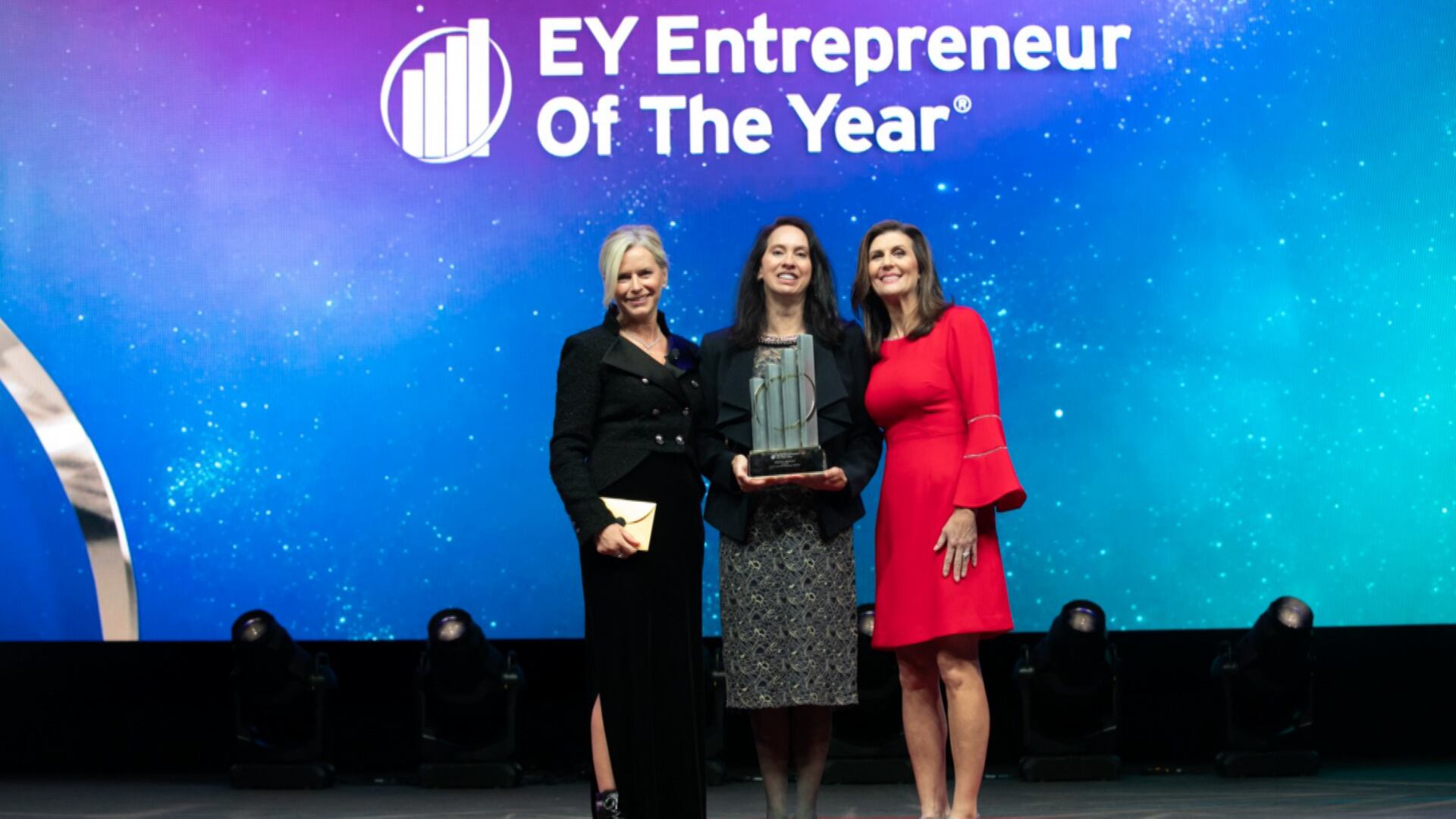
November is National Entrepreneurship Month. Sam Johnson, EY Americas Vice Chair of Markets and Accounts, joins Cheddar to discuss the winner for EY's National Entrepreneur of The Year award, why entrepreneurship is so important to the U.S. economy, and how entrepreneurs can contribute to the growth and success of Fortun 500 companies.
Jill and Carlo cover the latest with the infrastructure bill, the growing state rebellion over boosters, Trump's dereliction of duty on the pandemic, Taylor Swift's reign of cultural domination and more.
2021 has been the year of many things, and one of them is the NFT or non-fungible token. We've seen NFTs come about for so many different things.
Digital artists have used them to sell their artwork in a more traditional art transaction than the internet had previously allowed. We've seen specific NFT campaigns like the pudgy penguins amass large followings. And now we're seeing them expand into horror films just in time for spooky season.
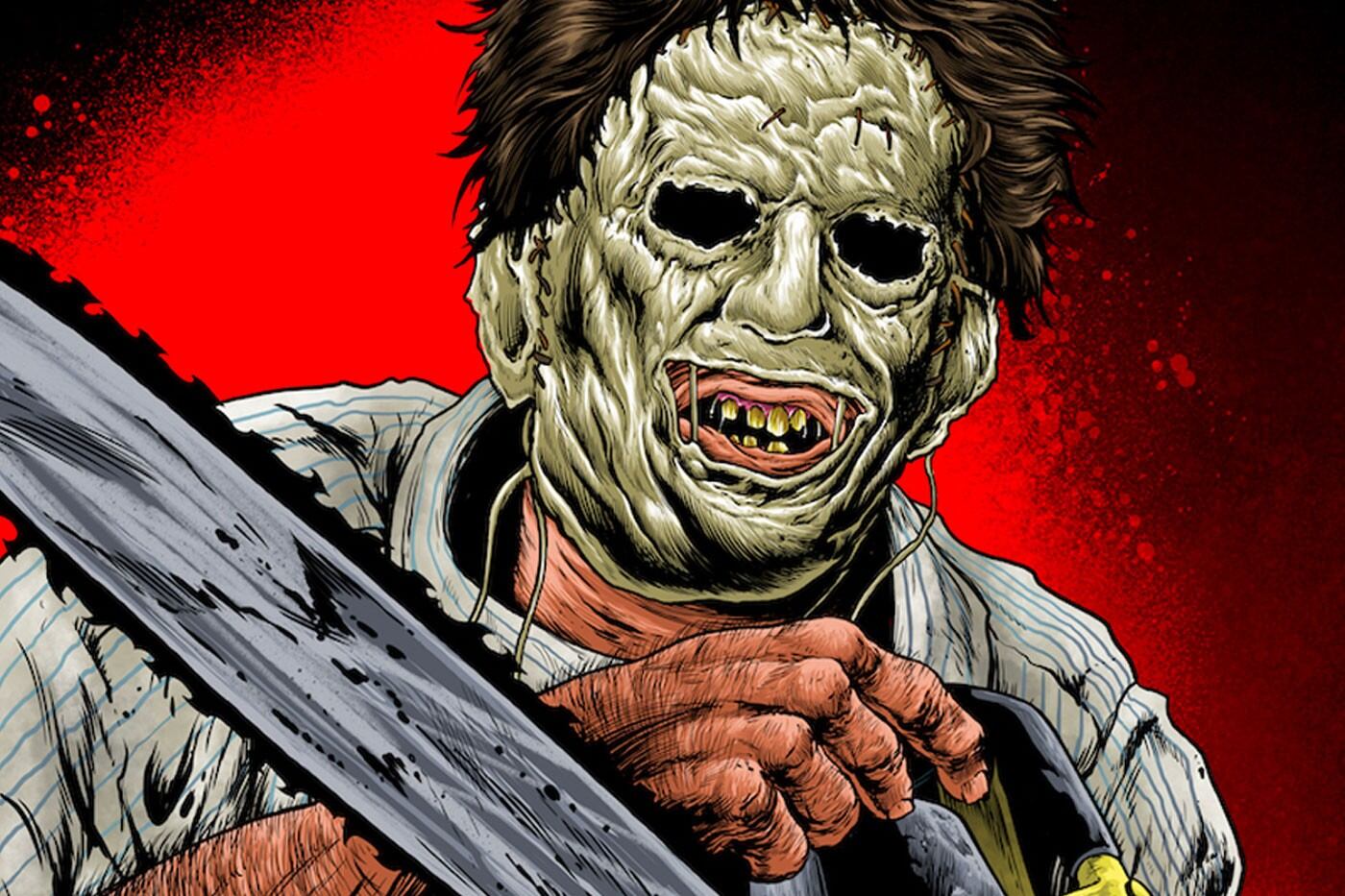
The iconic horror movie franchise "Texas Chainsaw Massacre" has launched its debut NFT line entitled "Leatherfaces." the illustrations are designed by Skinner in partnership with Ultra Rare to reveal a total of over 10,000 Leatherface avatars. The collection gives fans, NFT fiends and blockchain fanatics access to a new Texas Chainsaw Massacre metaverse unlike any that has been seen before.
Richie Hobson, co-founder of Ultra Rare, joins None of the Above to discuss.
As labor unrest continues to sweep the U.S. with strikes still underway in various industries and millions of workers quitting in September, Starbucks workers in Buffalo, N.Y., are close to voting on potentially unionizing their own workplaces. President of Northern Virginia AFL-CIO Virginia Diamond spoke to Cheddar's News Wrap about what the organizing workers are looking for from the coffee chain in terms of benefits and protections.
Ballots have been sent to workers at three different Starbucks locations in Buffalo, NY to decide whether they will unionize for the first time ever. Wilma Liebman, former Chair of the National Labor Relations Board and Michelle Eisen from the Starbucks Workers United Organization, which is behind this vote, joined Cheddar to discuss.
With transportation-based companies generating plenty of buzz recently, Cheddar News spoke with Hertz interim CEO Mark Fields about his company relisting on the Nasdaq, WheelsUp CEO Kenny Dichter about his company's historic Q3 earnings report, and Lime CEO Wayne Ting about his company's plans to go public.