After President Trump authorized a military strike killing a top Iranian military commander, the escalating conflict sent stocks down around the world, and oil and gold prices up on the first Monday of the new year.
Brent oil prices, the international benchmark, hit the $70 mark for the first time in three months and the price of West Texas Intermediate, the American oil benchmark, reached more than $63 a barrel after the Pentagon's announcement confirming an airstrike at Baghdad's airport. Crude oil last hit the $70 mark in September after drones suspected to have been launched by Iran struck Saudi Arabian oil plants. Saudi Arabia, Iran, and Iraq account for almost half of the world's oil reserves.
Prices are up amid a growing list of concerns after the killing of Gen. Qassem Soleimani: Iran may close the Strait of Hormuz, has already threatened retaliation, and said it will no longer abide by the 2015 nuclear deal the U.S. withdrew from two years ago, and Iraq voted to expel U.S. troops. The State Department warned of a "heightened risk" of a missile attack near U.S. bases.
It is unclear how Iran will respond to Trump's unilateral move. Oanda's Jeffrey Halley noted that "a big fat dollop of geopolitical uncertainty has landed on investors desks" in a report.
But J. Jay Park, CEO of ReconAfrica, said the geopolitical uneasiness isn't, alone, enough to continue driving oil prices up. He said what may continue to drive up prices is a change in supply. Park said supply, demand, OPEC decisions and compliance, geopolitics, and public sentiment about those four items affect oil prices. Uncertainty in Iran, coupled with a change in supply or demand may change the game. Iran may choose to close the Strait of Hormuz, a move Britain has forestalled by sending the Royal Navy to help ships pass through the Strait, through which 21 percent of 2018's global petroleum liquids consumption flowed.
"If that were to happen, the sky's the limit, over $100 easily," Park told Cheddar on Monday.
With the region on edge, stocks fell in Japan, Hong Kong, South Korea, and across European markets.
In the meantime, Park said the current crisis may not drive up oil prices further.
"In the recent past we've seen a number of conflicts, for example the suspected Iranian attack on Abqaiq in Saudia Arabia, that kind of underwhelmed in terms of the extent to which these changes affected the overall price and how long that effect lasted," he said.
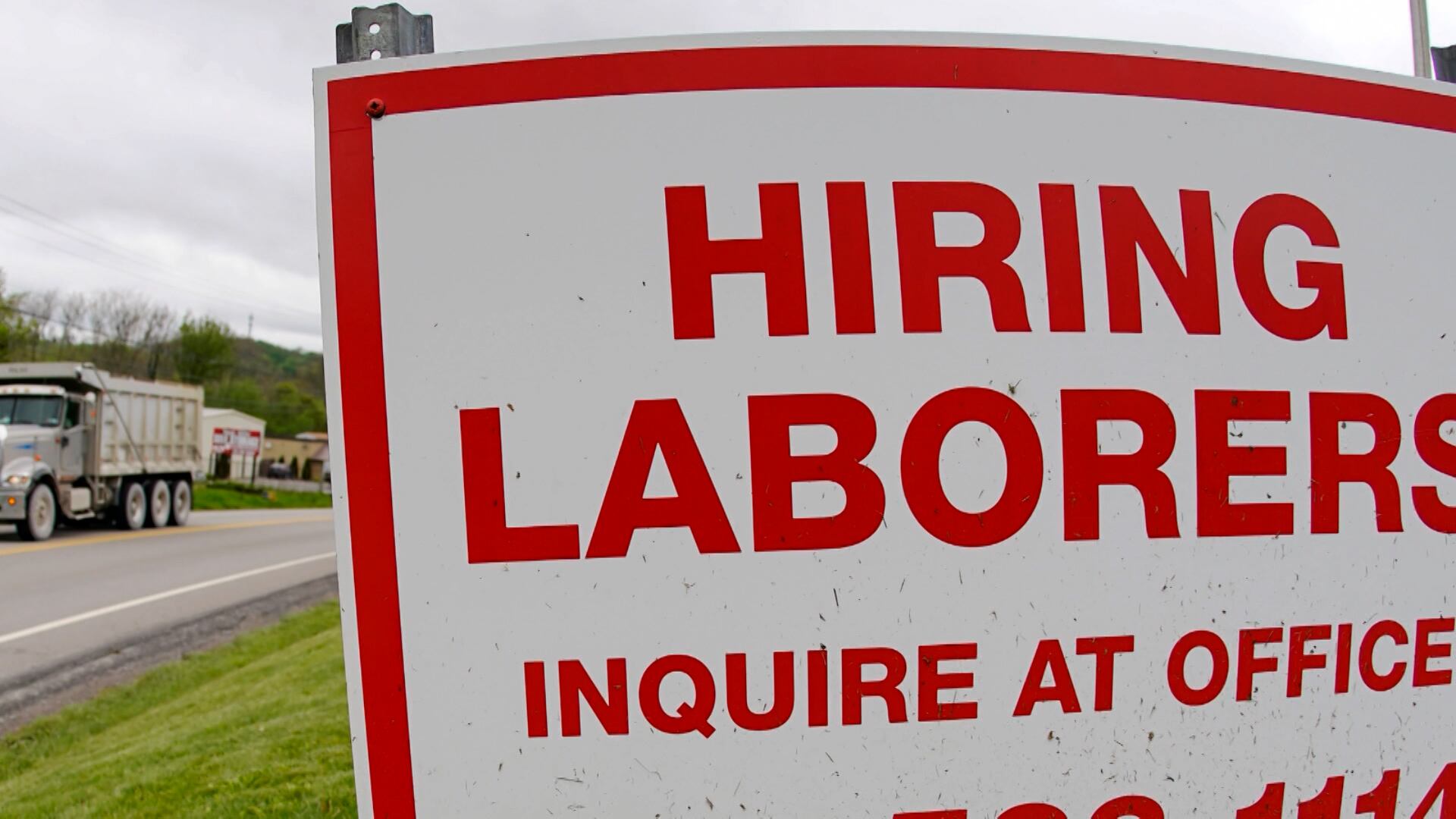
Many people are quitting their jobs just to have the flexibility of working from anywhere. A new survey conducted by The Conference Board reveals of those who have quit during the pandemic, 1 in 4 did so for the ability to work remotely. Rebecca Ray, executive vice president of Human Capital at The Conference Board, joined Cheddar to discuss why workplace flexibility is so important to employees, and how companies can better support the desires of their workers.
Chris Willman, Features Editor for Variety, discusses changes within the music industry and how venues can provide a safer environment for concert-goers.
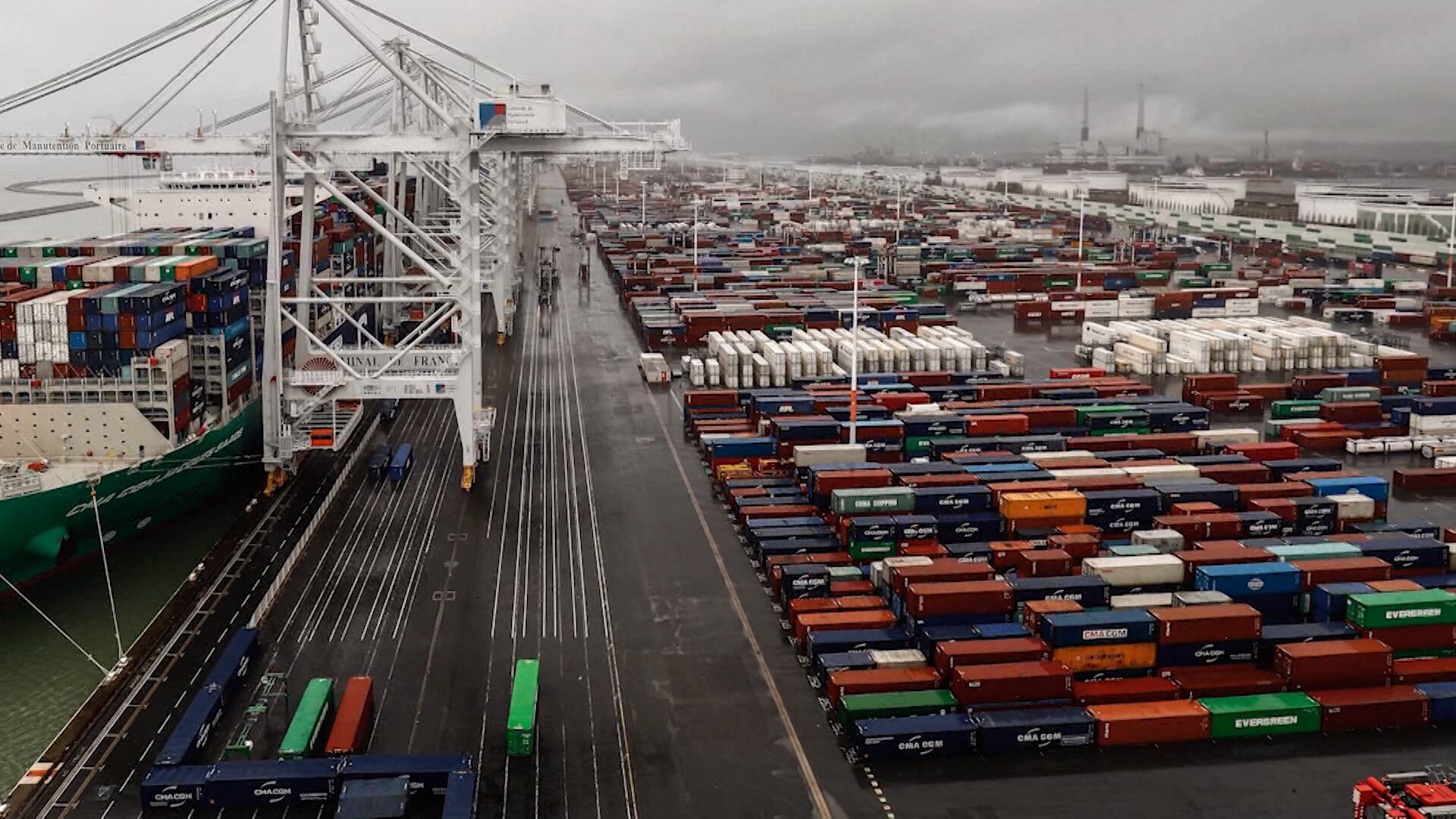
As the U.S. continues to face supply chain shortages, President Joe Biden is reassuring U.S. consumers that the supply chain is in "very strong shape" ahead of the all-important holiday season. As supply bottlenecks start to show signs of improvement, the industry may be faced with yet another challenge: the Omicron variant. Rob Caucci, Co-Founder & Co-CEO of Fillogic joined Cheddar's Opening Bell to discuss.
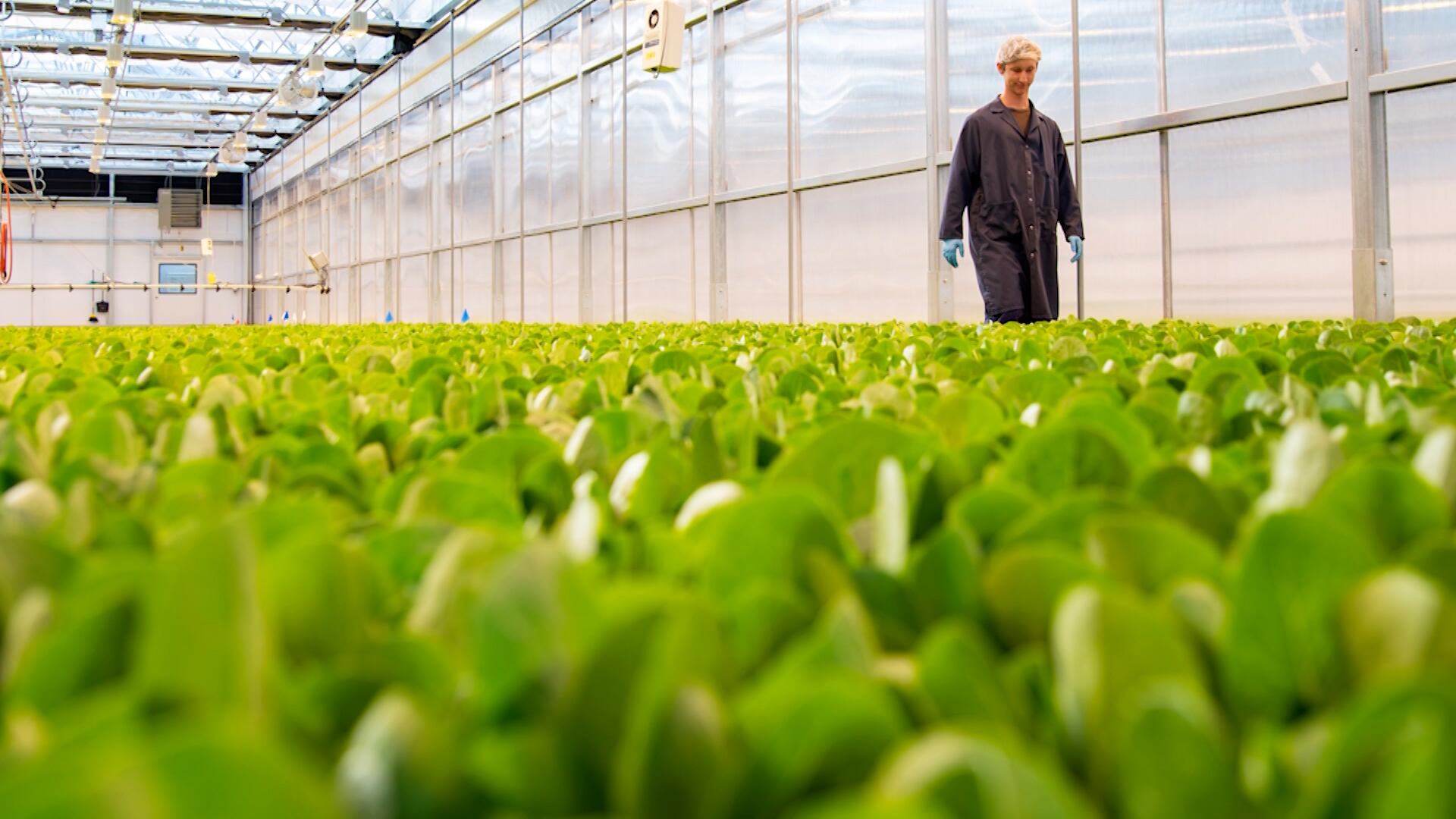
Local Bounti rang the opening bell December 3 in honor of its recent trading debut on the NYSE after closing a $1.1 billion SPAC deal. The company operates an indoor growing facility in Montana and aims to transform the production and delivery of local, fresh and sustainably-grown leafy greens. Craig Hurlbert, co-founder and co-CEO of Local Bounti, joined Cheddar to discuss the company's goals as a newly publicly-traded company.
Markets rebounded Monday morning after Friday's deep sell-off that saw the Dow suffer its worse day since 2020. It comes as investors continue to react to the impact of the omicron variant on the broader reopening. Eddie Ghabour, Co-Owner at the Key Advisors Group joined Cheddar's Opening Bell to discuss.
Markets bounced back this morning with travel leading the gains after plunging on Monday as the first case of Omicron was detected in the U.S. Jimmy Lee, CEO, Wealth Consulting Group joined Cheddar's Opening Bell to discuss.
Stephan Winkelmann, president of Bugatti Automobiles and CEO of Lamborghini, stopped by Cheddar to talk about Lamborghini's 2021 success after the luxury automaker set a company sales record on more than 6,9000 vehicles delivered. With climate change top of mind for the auto industry, Winkelmann also talked about Lamborghini's commitment to hybridizing its entire fleet. Still, when it comes to supercars, the legacy brand isn't quite ready to give up gasoline power, and according to the CEO, three new combustion engine vehicles will be available in 2022.
The market saw investors react to comments by the World Health Organization's chief scientist, who suggested existing vaccines are likely to offer protection against the new variant. According to Thomas Hayes, chairman of Great Hill Capital, the next two weeks will be crucial as the markets watch for not only the effects of the Omicron variant, but also the Fed's decision on a taper.