After President Trump authorized a military strike killing a top Iranian military commander, the escalating conflict sent stocks down around the world, and oil and gold prices up on the first Monday of the new year.
Brent oil prices, the international benchmark, hit the $70 mark for the first time in three months and the price of West Texas Intermediate, the American oil benchmark, reached more than $63 a barrel after the Pentagon's announcement confirming an airstrike at Baghdad's airport. Crude oil last hit the $70 mark in September after drones suspected to have been launched by Iran struck Saudi Arabian oil plants. Saudi Arabia, Iran, and Iraq account for almost half of the world's oil reserves.
Prices are up amid a growing list of concerns after the killing of Gen. Qassem Soleimani: Iran may close the Strait of Hormuz, has already threatened retaliation, and said it will no longer abide by the 2015 nuclear deal the U.S. withdrew from two years ago, and Iraq voted to expel U.S. troops. The State Department warned of a "heightened risk" of a missile attack near U.S. bases.
It is unclear how Iran will respond to Trump's unilateral move. Oanda's Jeffrey Halley noted that "a big fat dollop of geopolitical uncertainty has landed on investors desks" in a report.
But J. Jay Park, CEO of ReconAfrica, said the geopolitical uneasiness isn't, alone, enough to continue driving oil prices up. He said what may continue to drive up prices is a change in supply. Park said supply, demand, OPEC decisions and compliance, geopolitics, and public sentiment about those four items affect oil prices. Uncertainty in Iran, coupled with a change in supply or demand may change the game. Iran may choose to close the Strait of Hormuz, a move Britain has forestalled by sending the Royal Navy to help ships pass through the Strait, through which 21 percent of 2018's global petroleum liquids consumption flowed.
"If that were to happen, the sky's the limit, over $100 easily," Park told Cheddar on Monday.
With the region on edge, stocks fell in Japan, Hong Kong, South Korea, and across European markets.
In the meantime, Park said the current crisis may not drive up oil prices further.
"In the recent past we've seen a number of conflicts, for example the suspected Iranian attack on Abqaiq in Saudia Arabia, that kind of underwhelmed in terms of the extent to which these changes affected the overall price and how long that effect lasted," he said.
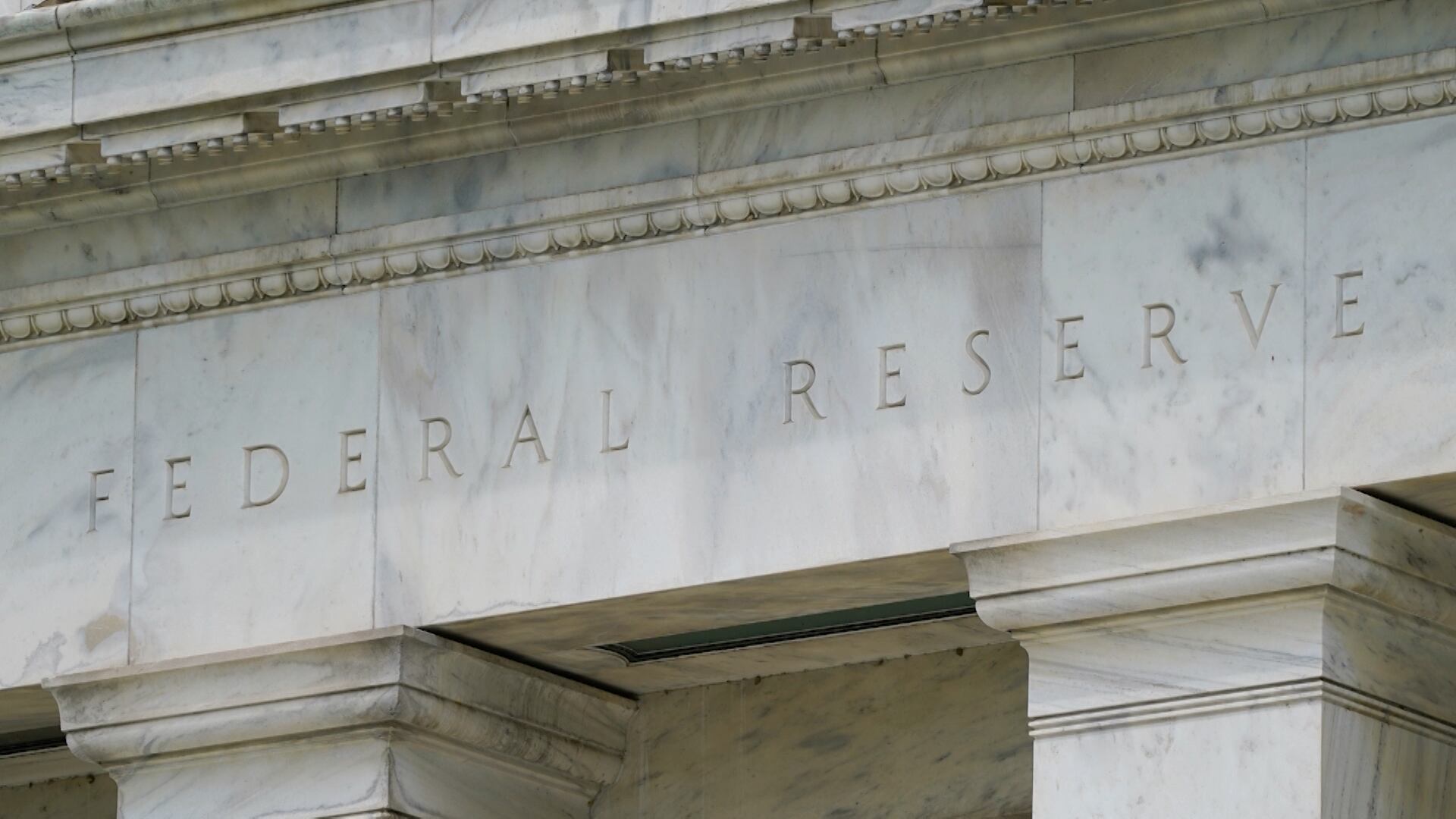
The growing consensus across the U.S. is that the Federal Reserve and Chairman Jerome Powell are set to expedite the tapering timetable and hike interest rates as inflation accelerates. Michael Darda, chief economist and market strategist at MKM Partners, told Cheddar's Baker Machado that the Fed has room to increase short-term interest rates because the economy is recovering faster than anticipated. "We've had a very rapid turnaround in the business cycle, in the labor market, and in inflation so the policy stance staying the same, calibrated in the same fashion as it was when we had a huge economic emergency, just makes no sense whatsoever," he said.
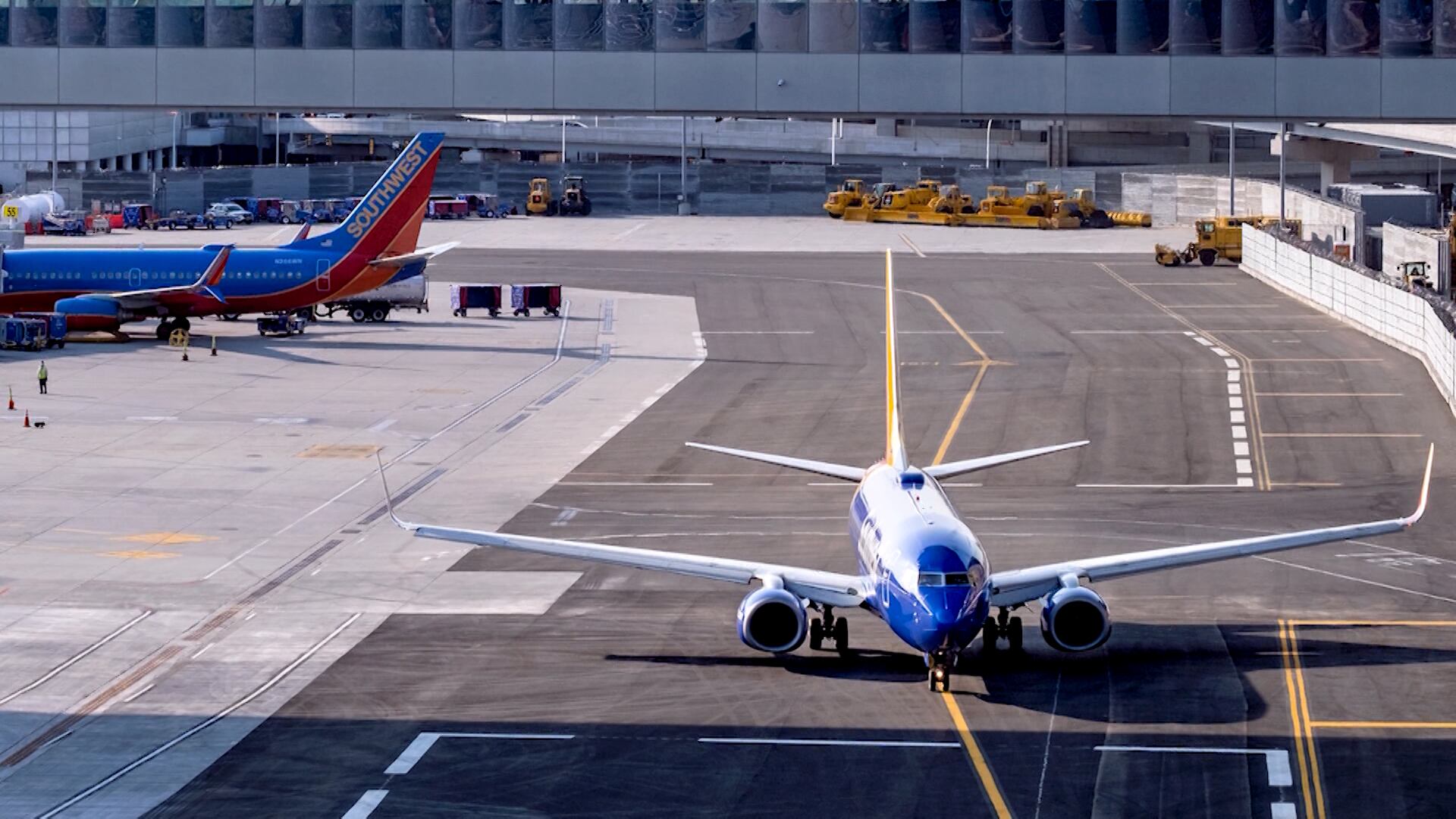
CEOs of the top U.S. airlines are set to testify in front of a Senate committee Wednesday. Lawmakers will ask airline executives about how they used pandemic-related federal aid, specifically in light of staffing issues and widespread cancellations. Among those expected to participate are the CEOs of American, United, and Southwest Airlines. David Slotnick, Senior Aviation Business Reporter at The Points Guy, joined Cheddar News to discuss.
If 2021 is any indication, 2022 will be a big year for social media. TikTok reached 1 billion users this year and is expected to grow even bigger. We got our first look at the Metaverse, NFTs soared in popularity, and the crypto craze starting hitting its stride - just to name a few fads. Mark Douglas, CEO and Founder of MNTN, joined Cheddar to discuss if these trends could continue, or if we'll see some surprises in the year ahead.
2021 was a big year for big tech, but it was also a wake-up call for the government. Lawmakers are still struggling to figure out how to regulate big tech companies as they grow bigger and get even more powerful. Evan Greer, director of the digital rights organization Fight for the Future, joined Cheddar to discuss key takeaways from the year, as well as what we can expect for big tech and regulation in 2022.
Bumble users are remaining active on the dating app and still linking up with potential matches despite the emergence of the omicron variant of COVID-19. CEO Whitney Wolfe Herd noted that no matter what is happening in the world, people will always need to connect.
Lovesac Founder & CEO Shawn Nelson joined Wake Up With Cheddar to discuss the company's Q3 earnings report and what the future holds, as it continues to combine advanced technology with practical designs.
Google reportedly has announced that its employees must declare their vaccination status by January 18 or face a loss of pay, administrative leave, and eventual termination.
Roger Park, EY Americas Innovation Officer, joins Cheddar to discuss what factors are shaping the future of innovation, the top areas companies are investing in, and what it means to build a culture of innovation.
Carlo and Baker cover the latest data showing the Omicron wave has likely started, Pfizer's Covid pill, Jan. 6 and a box office rescue attempt courtesy of Spider-Man.