After President Trump authorized a military strike killing a top Iranian military commander, the escalating conflict sent stocks down around the world, and oil and gold prices up on the first Monday of the new year.
Brent oil prices, the international benchmark, hit the $70 mark for the first time in three months and the price of West Texas Intermediate, the American oil benchmark, reached more than $63 a barrel after the Pentagon's announcement confirming an airstrike at Baghdad's airport. Crude oil last hit the $70 mark in September after drones suspected to have been launched by Iran struck Saudi Arabian oil plants. Saudi Arabia, Iran, and Iraq account for almost half of the world's oil reserves.
Prices are up amid a growing list of concerns after the killing of Gen. Qassem Soleimani: Iran may close the Strait of Hormuz, has already threatened retaliation, and said it will no longer abide by the 2015 nuclear deal the U.S. withdrew from two years ago, and Iraq voted to expel U.S. troops. The State Department warned of a "heightened risk" of a missile attack near U.S. bases.
It is unclear how Iran will respond to Trump's unilateral move. Oanda's Jeffrey Halley noted that "a big fat dollop of geopolitical uncertainty has landed on investors desks" in a report.
But J. Jay Park, CEO of ReconAfrica, said the geopolitical uneasiness isn't, alone, enough to continue driving oil prices up. He said what may continue to drive up prices is a change in supply. Park said supply, demand, OPEC decisions and compliance, geopolitics, and public sentiment about those four items affect oil prices. Uncertainty in Iran, coupled with a change in supply or demand may change the game. Iran may choose to close the Strait of Hormuz, a move Britain has forestalled by sending the Royal Navy to help ships pass through the Strait, through which 21 percent of 2018's global petroleum liquids consumption flowed.
"If that were to happen, the sky's the limit, over $100 easily," Park told Cheddar on Monday.
With the region on edge, stocks fell in Japan, Hong Kong, South Korea, and across European markets.
In the meantime, Park said the current crisis may not drive up oil prices further.
"In the recent past we've seen a number of conflicts, for example the suspected Iranian attack on Abqaiq in Saudia Arabia, that kind of underwhelmed in terms of the extent to which these changes affected the overall price and how long that effect lasted," he said.
If you're looking for a date, 2022 might be your year. Online dating platform Bumble is buzzing with dating predictions from its latest survey. Shan Boodram, sex and relationships expert at Bumble, joined Cheddar to discuss some of the findings and what people can expect from the future dating landscape. Some of the results showed that public displays of affection are back on the rise as more people get vaccinated and that more users are opting for alcohol-free first dates. She also explained the trend of "explori-dating," a way that users are attempting to get out of their comfort zone. "People are willing to date outside of their city to get to that," she said.
Anthony Martini, Chief Music Officer of Slip.stream, and Jesse Korwin, CMO of Slip.stream, talk about the challenges creators have uploading music on Twitch and how 'Slip.stream' prioritizes artists by streamlining the licensing process.
Cheddar is looking back at the 12 biggest buzzwords of the year leading up to Christmas. The seventh term in the countdown is Transitory. Definition: (adjective) of brief gratification, not permanent.
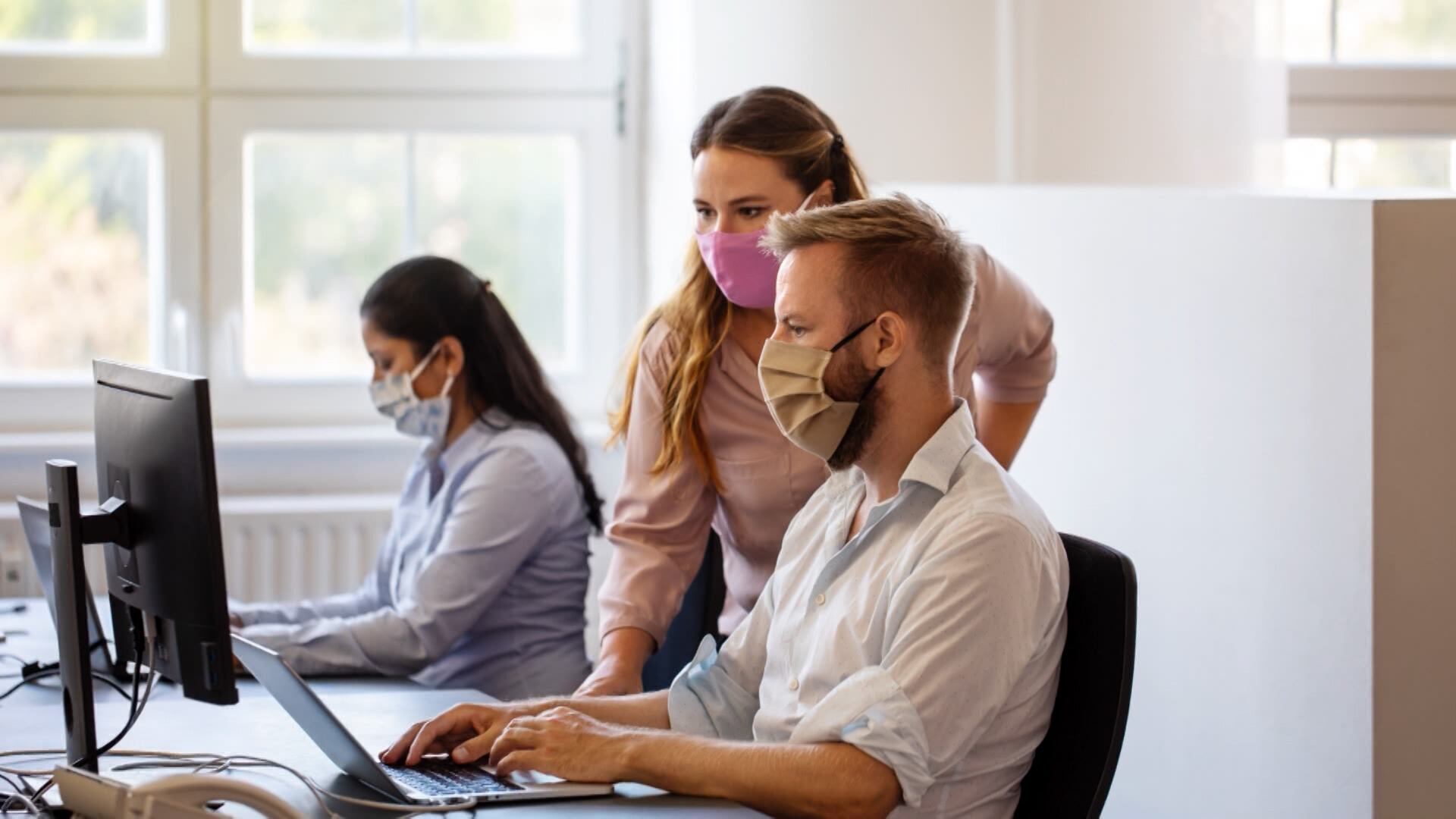
More businesses are requiring workers to return to the office, but there is concern that many employees in the middle class, especially women and people of color, need remote work options for reasons including childcare and financial security. Joan Williams, director of the Center for WorkLife Law at the University of California, joined Cheddar to discuss why office mandates could be detrimental to the middle class. She noted that while companies claim a return to offices would help foster more collaboration and efficiency, reports show that they are successfully able to do their jobs from home.
Fresh Vine Wine, a maker of low-carb, low-calorie, and gluten-free wines, made its public debut on the NYSE. Celeb do-owners Nina Dobrev and Julianne Hough, alongside CEO Janelle Anderson, joined Cheddar's Azia Celestino to talk about their partnership, the decision to launch an IPO, and tout the healthy lifestyle market their product is going for.
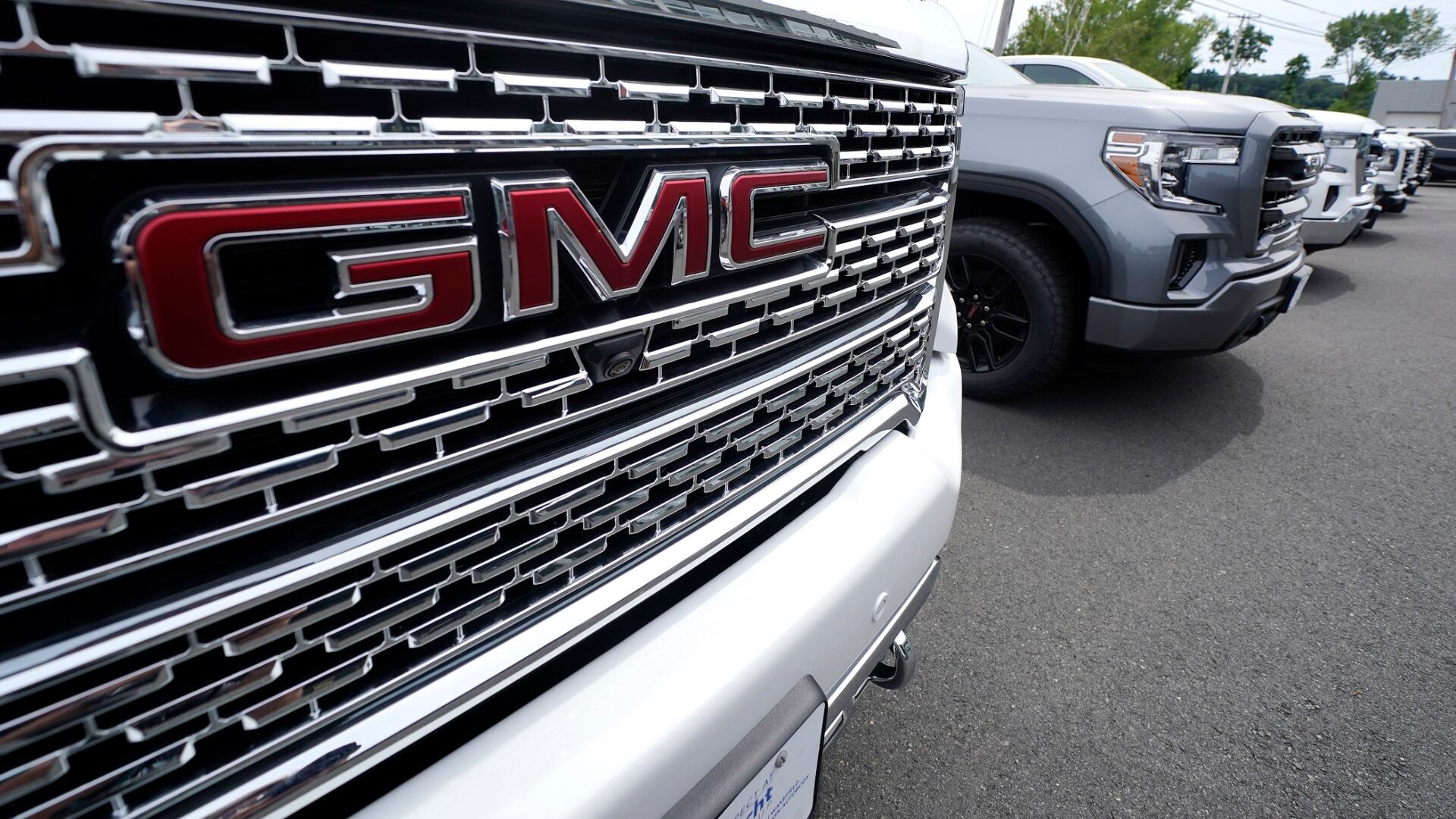
The automotive industry continues to reel as the ongoing global semiconductor chip shortage continues to cause prices to rise. Ben Preston, autos reporter for Consumer Reports, joined Cheddar to discuss the state of the car industry. "I think that right now is a terrible time to buy a new car because dealership lots are looking a bit thin," Preston said. He noted that once manufacturers had initially halted production due to the pandemic, chip companies shifted toward providing service to tech companies, leading to supply constraints as every new car built needs about 30 to 100 chips in its construction.
Erica Pandey, business reporter at Axios joins Cheddar News to discuss if companies should give up on trying to bring employees back to work in-person.