After President Trump authorized a military strike killing a top Iranian military commander, the escalating conflict sent stocks down around the world, and oil and gold prices up on the first Monday of the new year.
Brent oil prices, the international benchmark, hit the $70 mark for the first time in three months and the price of West Texas Intermediate, the American oil benchmark, reached more than $63 a barrel after the Pentagon's announcement confirming an airstrike at Baghdad's airport. Crude oil last hit the $70 mark in September after drones suspected to have been launched by Iran struck Saudi Arabian oil plants. Saudi Arabia, Iran, and Iraq account for almost half of the world's oil reserves.
Prices are up amid a growing list of concerns after the killing of Gen. Qassem Soleimani: Iran may close the Strait of Hormuz, has already threatened retaliation, and said it will no longer abide by the 2015 nuclear deal the U.S. withdrew from two years ago, and Iraq voted to expel U.S. troops. The State Department warned of a "heightened risk" of a missile attack near U.S. bases.
It is unclear how Iran will respond to Trump's unilateral move. Oanda's Jeffrey Halley noted that "a big fat dollop of geopolitical uncertainty has landed on investors desks" in a report.
But J. Jay Park, CEO of ReconAfrica, said the geopolitical uneasiness isn't, alone, enough to continue driving oil prices up. He said what may continue to drive up prices is a change in supply. Park said supply, demand, OPEC decisions and compliance, geopolitics, and public sentiment about those four items affect oil prices. Uncertainty in Iran, coupled with a change in supply or demand may change the game. Iran may choose to close the Strait of Hormuz, a move Britain has forestalled by sending the Royal Navy to help ships pass through the Strait, through which 21 percent of 2018's global petroleum liquids consumption flowed.
"If that were to happen, the sky's the limit, over $100 easily," Park told Cheddar on Monday.
With the region on edge, stocks fell in Japan, Hong Kong, South Korea, and across European markets.
In the meantime, Park said the current crisis may not drive up oil prices further.
"In the recent past we've seen a number of conflicts, for example the suspected Iranian attack on Abqaiq in Saudia Arabia, that kind of underwhelmed in terms of the extent to which these changes affected the overall price and how long that effect lasted," he said.
David Bowie's entire catalog of songs has officially been sold to Warner Music Group by his estate for an estimated $250 million. This means the group now has the full rights to almost all of David Bowie's recordings. But Bowie, just the latest music mega deal. Just last month, Bruce Springsteen sold his entire catalog to Sony Music Entertainment at what in fact maybe be the biggest transaction ever for a single artist's body of work. In addition, John Legend also cashed in by selling rights to his songs from 2004 to early last year. Culture Correspondent at NPR, Anastasia Tsioulcas, joined Cheddar to discuss more.
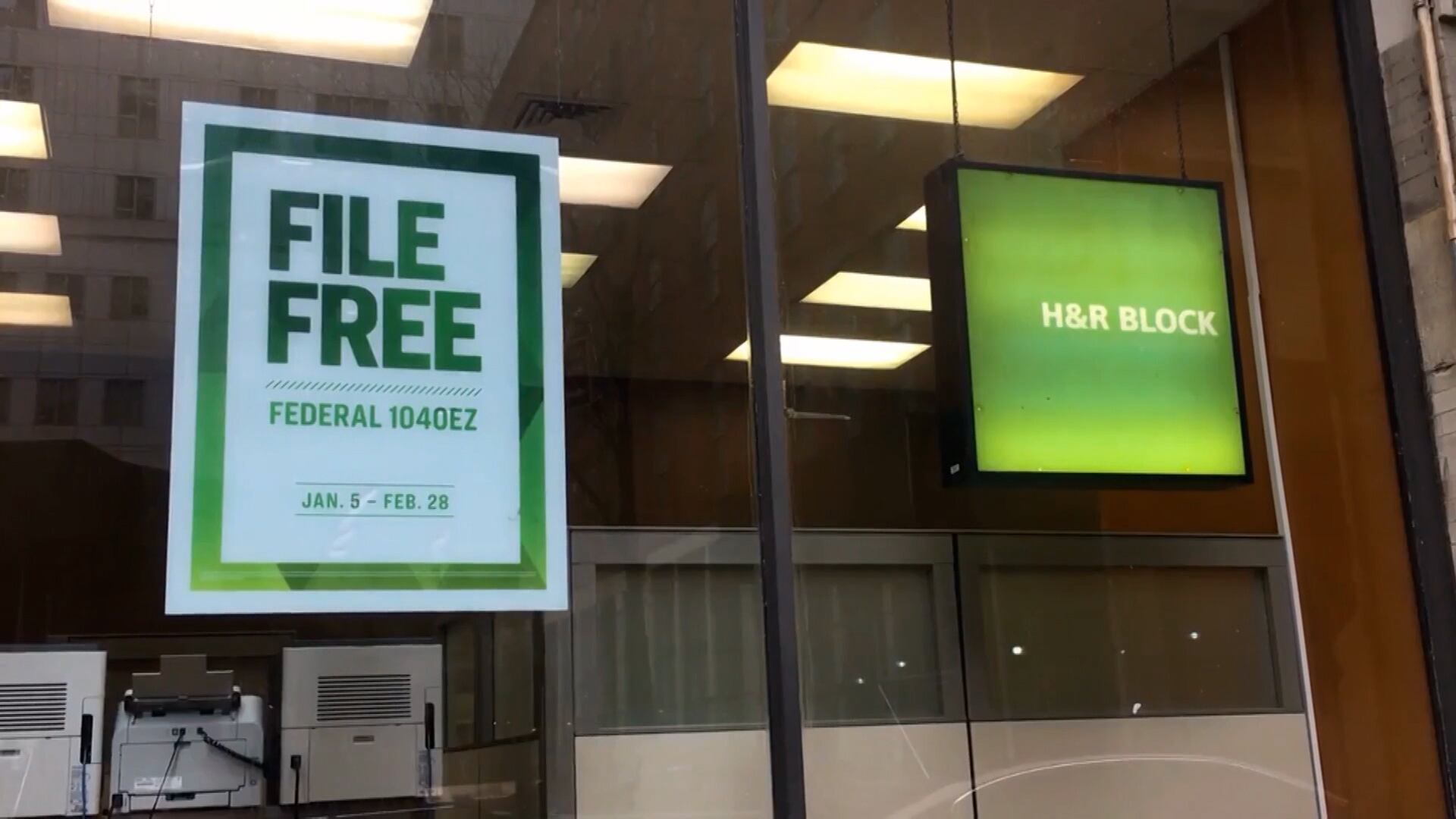
Treasury officials say that filing taxes this year could be frustrating due to staffing shortages at the IRS and paperwork backlog. Cheddar News speaks with Brent Weiss, certified financial planner and co-founder of Facet Wealth, on how to best file your returns in 2022.
As the need for COVID-19 testing increases, so does the price of the tests themselves. An agreement with The White House and several major companies to sell the tests at a lower cost has now expired, sending prices up as retailers struggle to keep kits on shelves. Dr. Thomas McGinn, executive VP of physician enterprise at Common Spirit Health, joins Cheddar News to discuss.
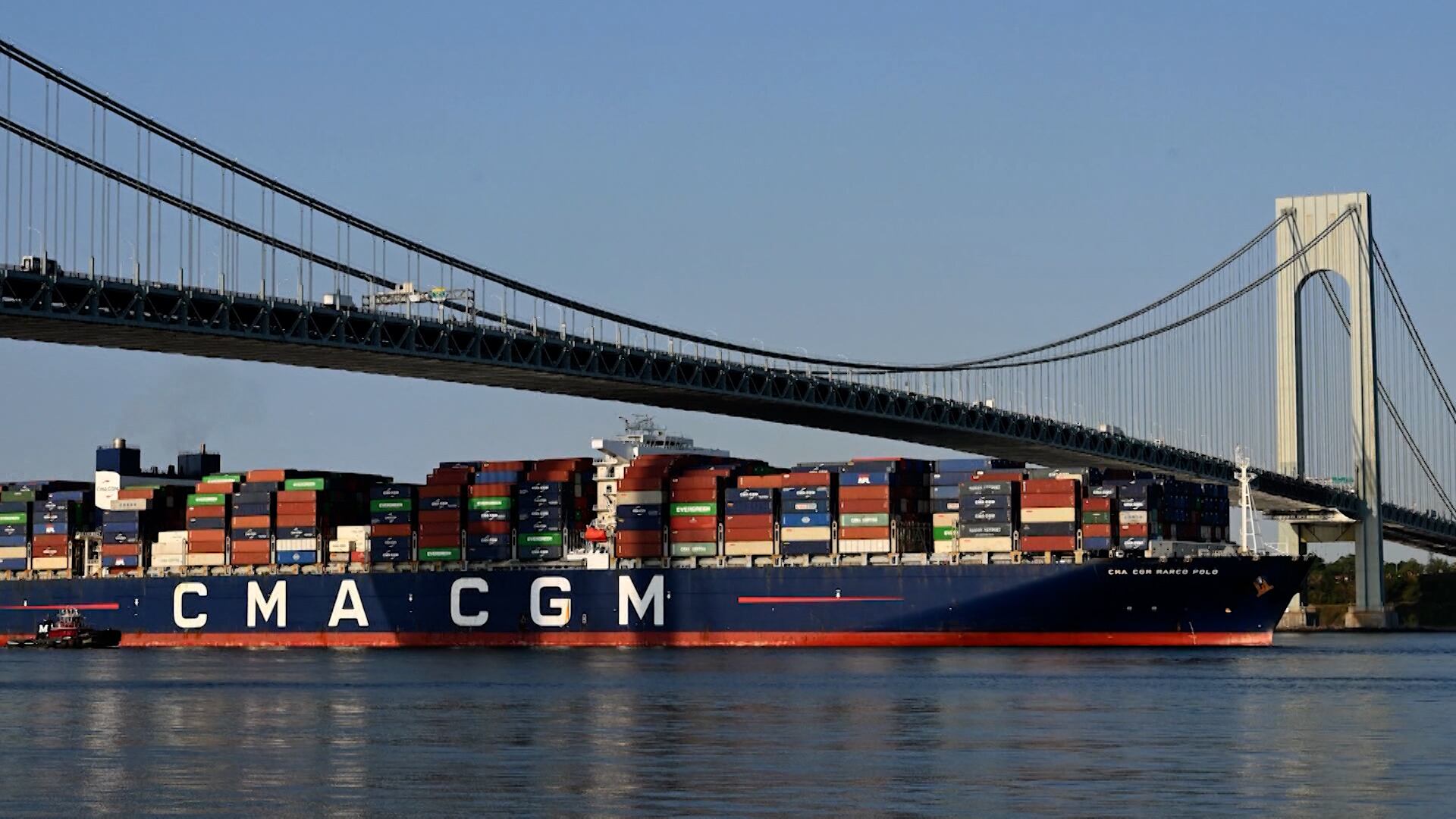
With no end in sight to supply chain snarls, some companies are reconsidering the way they manufacture goods. Harry Moser, founder and president of Reshoring Initiative and Jennifer Smith, logistics and supply chain reporter for the Wall Street Journal, joined Cheddar News' Closing Bell to discuss some of the ways companies are trying to solve their supply chain problems in the long term.
Stocks closed higher Tuesday with the tech-heavy Nasdaq rising for a second straight day as tech stocks rebound. Investors also felt some relief after Federal Reserve Chair Jerome Powell today said the central bank is prepared to raise interest rates 'more over time' if inflation continues to run hot. Ross Mayfield, investment strategy analyst at Baird, joins Cheddar News' Closing Bell to discuss today's market close, whether and how markets are pricing in Fed activity, and more.
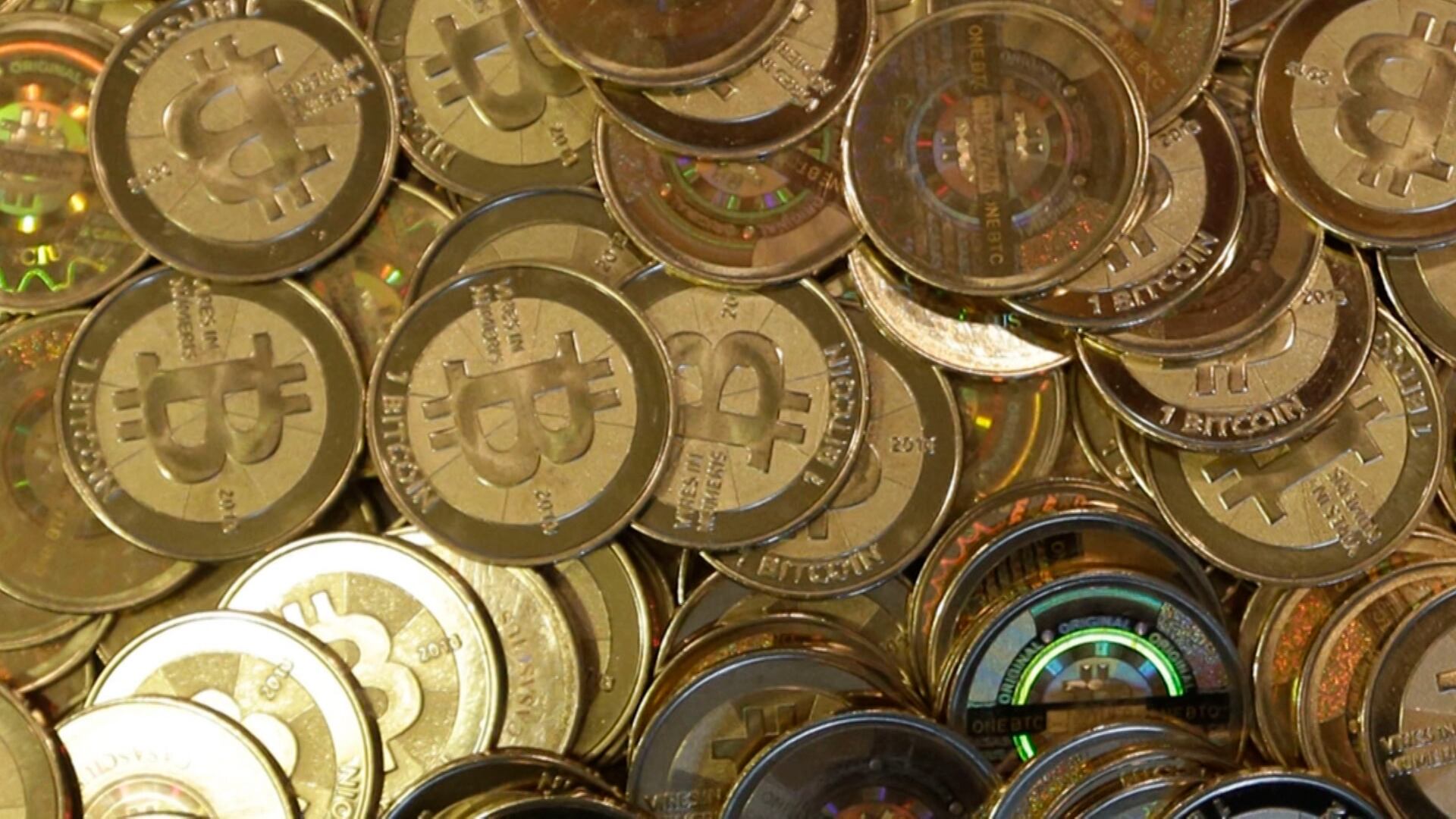
Bitcoin dipped below $40,000 this week amid a broader slump to begin the year. Some speculate that as cryptocurrencies correlate closer to traditional assets that factors like the Federal Reserve tightening monetary policy will weigh on digital coins. Jalak Jobanputra, managing partner at Future Perfect Ventures, joins Cheddar News' Closing Bell to discuss why crypto markets are feeling pressure from the Fed's potential 2022 rate hikes, broader crypto market predictions, and more.