After President Trump authorized a military strike killing a top Iranian military commander, the escalating conflict sent stocks down around the world, and oil and gold prices up on the first Monday of the new year.
Brent oil prices, the international benchmark, hit the $70 mark for the first time in three months and the price of West Texas Intermediate, the American oil benchmark, reached more than $63 a barrel after the Pentagon's announcement confirming an airstrike at Baghdad's airport. Crude oil last hit the $70 mark in September after drones suspected to have been launched by Iran struck Saudi Arabian oil plants. Saudi Arabia, Iran, and Iraq account for almost half of the world's oil reserves.
Prices are up amid a growing list of concerns after the killing of Gen. Qassem Soleimani: Iran may close the Strait of Hormuz, has already threatened retaliation, and said it will no longer abide by the 2015 nuclear deal the U.S. withdrew from two years ago, and Iraq voted to expel U.S. troops. The State Department warned of a "heightened risk" of a missile attack near U.S. bases.
It is unclear how Iran will respond to Trump's unilateral move. Oanda's Jeffrey Halley noted that "a big fat dollop of geopolitical uncertainty has landed on investors desks" in a report.
But J. Jay Park, CEO of ReconAfrica, said the geopolitical uneasiness isn't, alone, enough to continue driving oil prices up. He said what may continue to drive up prices is a change in supply. Park said supply, demand, OPEC decisions and compliance, geopolitics, and public sentiment about those four items affect oil prices. Uncertainty in Iran, coupled with a change in supply or demand may change the game. Iran may choose to close the Strait of Hormuz, a move Britain has forestalled by sending the Royal Navy to help ships pass through the Strait, through which 21 percent of 2018's global petroleum liquids consumption flowed.
"If that were to happen, the sky's the limit, over $100 easily," Park told Cheddar on Monday.
With the region on edge, stocks fell in Japan, Hong Kong, South Korea, and across European markets.
In the meantime, Park said the current crisis may not drive up oil prices further.
"In the recent past we've seen a number of conflicts, for example the suspected Iranian attack on Abqaiq in Saudia Arabia, that kind of underwhelmed in terms of the extent to which these changes affected the overall price and how long that effect lasted," he said.
As Meta and Microsoft ramp up their AR and VR tech futures, analysts have been waiting on word from Apple, but the consumer tech giant is reportedly delaying such an announcement. Doug Astrop, a managing partner at Exponential Investment Partners, joined Cheddar to dive into the rumors about the possibilities of a foray into the metaverse by Tim Cook's megacorp sometime in 2022 or 2023. "We can't really predict with a great deal of certainty how it's going to play out, but I'm confident Apple's going to be a big player and do very well in any scenario that unfolds," said Astrop.
Monster Beverage is charging into the beer and hard seltzer biz with its $330 acquisition of CANarchy Craft Brewery Collective. The energy drink finalized the deal a week after Constellation Brands Inc. made a deal with Coca-Cola to acquire the Fresca brand.
Ford has seen a record 52-week high for its valuation, hitting more than $100 billion for the first time. The rise in its stocks comes amid its push for more electric vehicles, including the highly anticipated F-150 Lightning pickup, coming this spring.
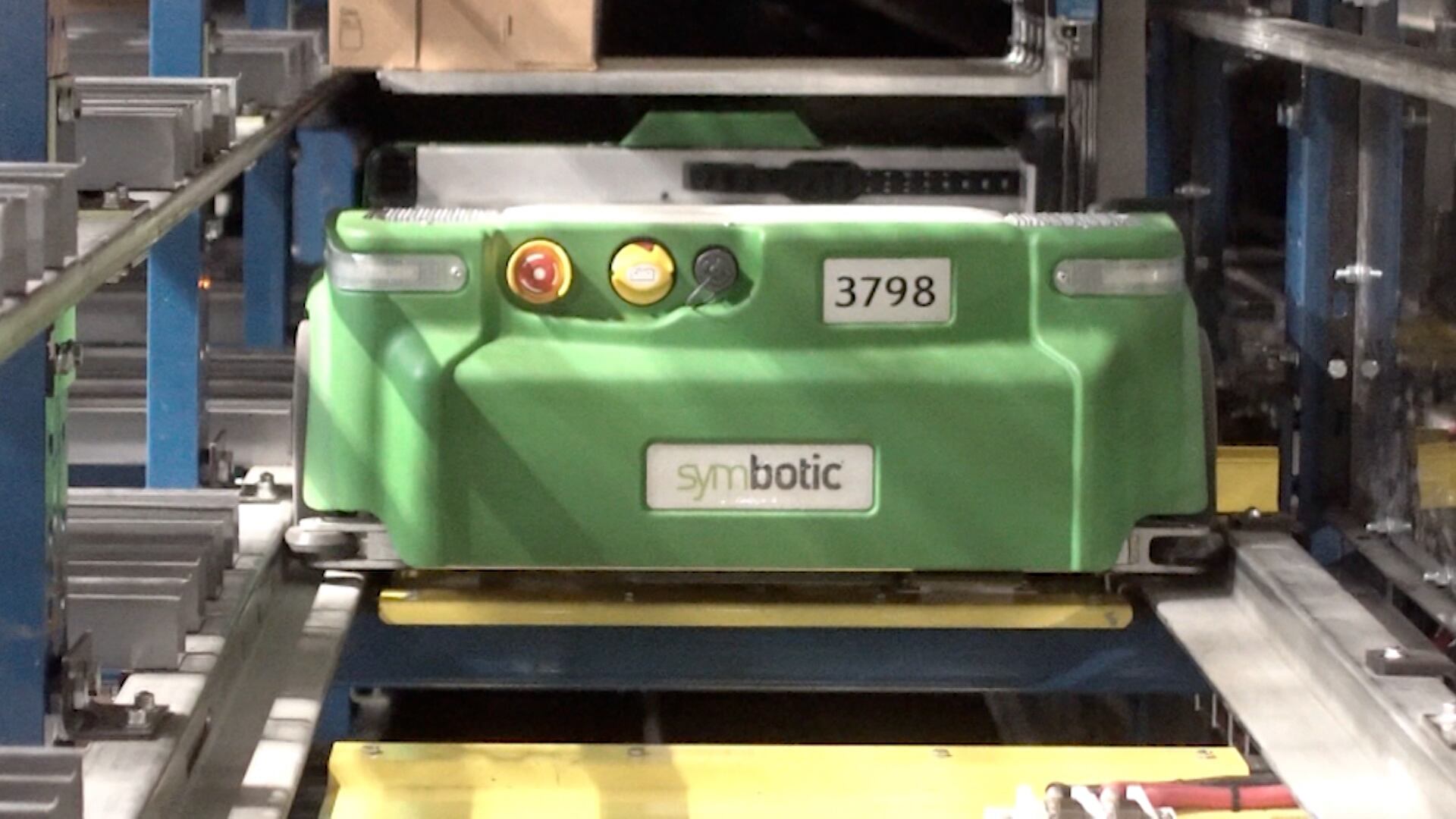
Specializing in AI, robotics, and automation for the global supply chain, Symbotic announced last month it will be tapping the public markets in a SPAC deal with investment giant SoftBank. Symbotic CFO Tom Ernst and Vikas Parekh, a managing partner at SoftBank Investment Advisers spoke with Cheddar about going public and the future of modernizing logistics amid the constrained supply networks. "The supply chain is fundamentally broken," said Ernst. "By employing the best in modern technology for autonomous vehicles and artificial intelligence, we're able to fundamentally rethink the way in which you receive and store and sort goods, making for a dramatically more efficient supply chain."
JP Morgan Chase beat Q4 earnings estimates, largely attributed to credit card borrowers and corporations. Meanwhile, Wells Fargo also reported strong quarterly earnings and saw a 15 percent growth in its shares for the year.
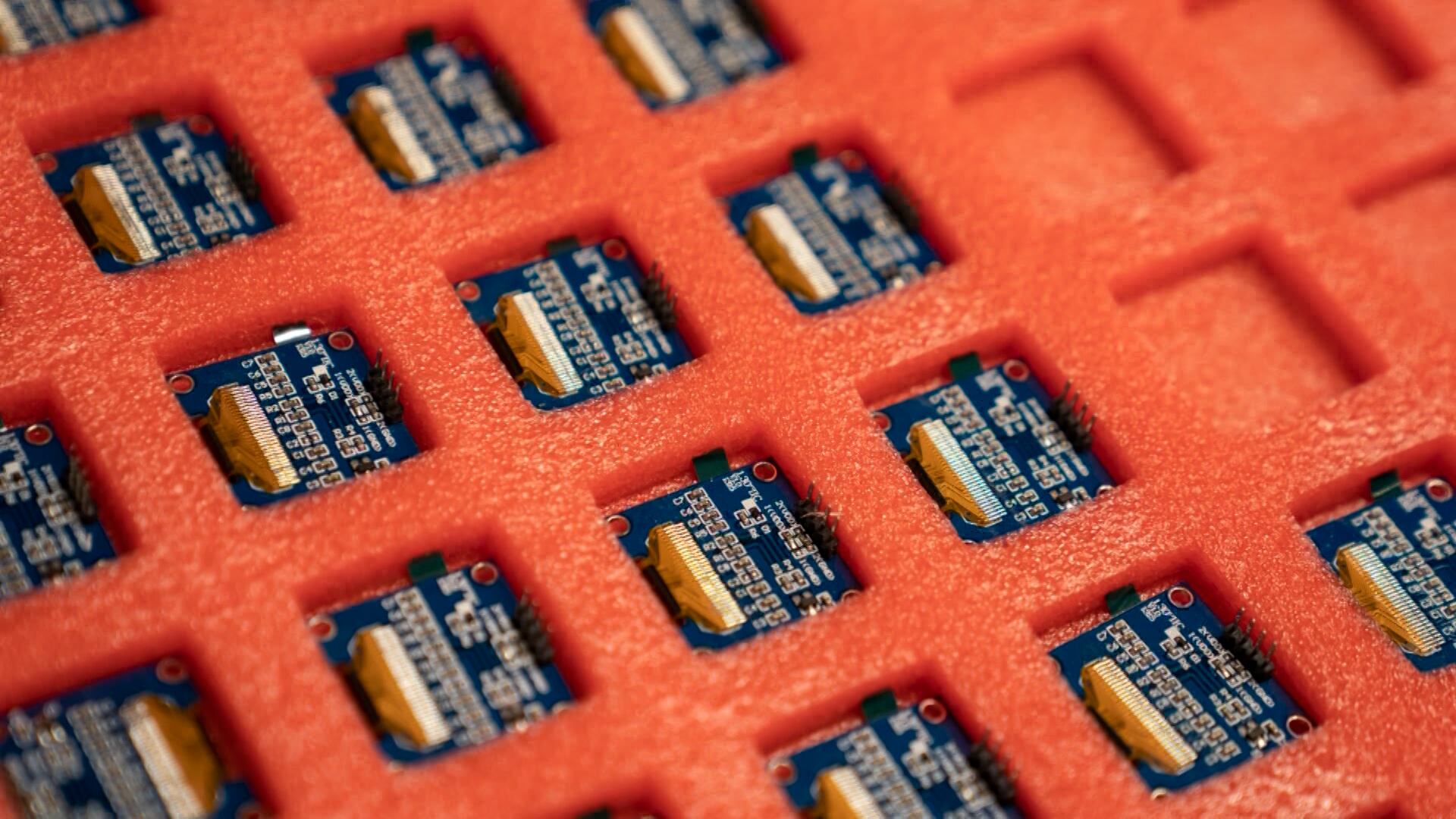
Taiwan Semiconductor Manufacturing Company (TSMC), the largest supplier of semiconductors, doubled its Q4 revenue forecast and announced a $44 billion investment for expanded chip manufacturing in 2022. Caleb Silver, Editor in Chief at Investopedia, joined Cheddar to discuss the future for the global tech giant. "It has the money. It has the equity. It has the dominance over the market, so not a surprise at all, and it's taking charge as we head into this sort of next phase of advanced chipmaking," Silver said.
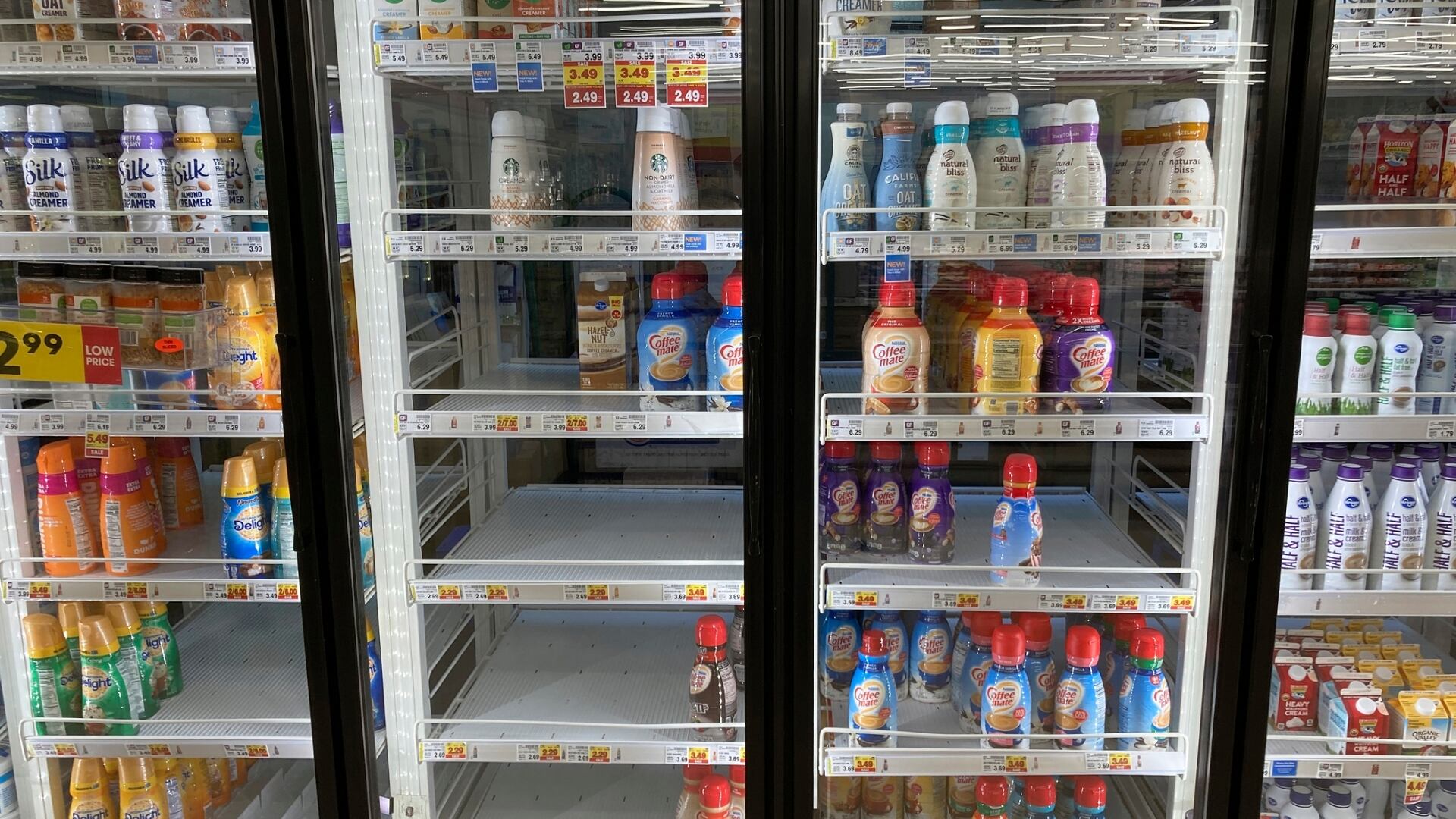
Grocery stores are restricting hours and services due to omicron-related labor and supply chain issues. This also comes at a time of labor unrest for supermarket giant Kroger as more than 8,000 workers at its King Soopers chain in Colorado have gone on strike.
Michael Hershfield, Founder & CEO of Accrue Savings, joined Wake Up With Cheddar to discuss the company's new round of funding, and its core mission of rewarding consumers for saving rather than taking on more debt with buy now, pay later options.