After President Trump authorized a military strike killing a top Iranian military commander, the escalating conflict sent stocks down around the world, and oil and gold prices up on the first Monday of the new year.
Brent oil prices, the international benchmark, hit the $70 mark for the first time in three months and the price of West Texas Intermediate, the American oil benchmark, reached more than $63 a barrel after the Pentagon's announcement confirming an airstrike at Baghdad's airport. Crude oil last hit the $70 mark in September after drones suspected to have been launched by Iran struck Saudi Arabian oil plants. Saudi Arabia, Iran, and Iraq account for almost half of the world's oil reserves.
Prices are up amid a growing list of concerns after the killing of Gen. Qassem Soleimani: Iran may close the Strait of Hormuz, has already threatened retaliation, and said it will no longer abide by the 2015 nuclear deal the U.S. withdrew from two years ago, and Iraq voted to expel U.S. troops. The State Department warned of a "heightened risk" of a missile attack near U.S. bases.
It is unclear how Iran will respond to Trump's unilateral move. Oanda's Jeffrey Halley noted that "a big fat dollop of geopolitical uncertainty has landed on investors desks" in a report.
But J. Jay Park, CEO of ReconAfrica, said the geopolitical uneasiness isn't, alone, enough to continue driving oil prices up. He said what may continue to drive up prices is a change in supply. Park said supply, demand, OPEC decisions and compliance, geopolitics, and public sentiment about those four items affect oil prices. Uncertainty in Iran, coupled with a change in supply or demand may change the game. Iran may choose to close the Strait of Hormuz, a move Britain has forestalled by sending the Royal Navy to help ships pass through the Strait, through which 21 percent of 2018's global petroleum liquids consumption flowed.
"If that were to happen, the sky's the limit, over $100 easily," Park told Cheddar on Monday.
With the region on edge, stocks fell in Japan, Hong Kong, South Korea, and across European markets.
In the meantime, Park said the current crisis may not drive up oil prices further.
"In the recent past we've seen a number of conflicts, for example the suspected Iranian attack on Abqaiq in Saudia Arabia, that kind of underwhelmed in terms of the extent to which these changes affected the overall price and how long that effect lasted," he said.
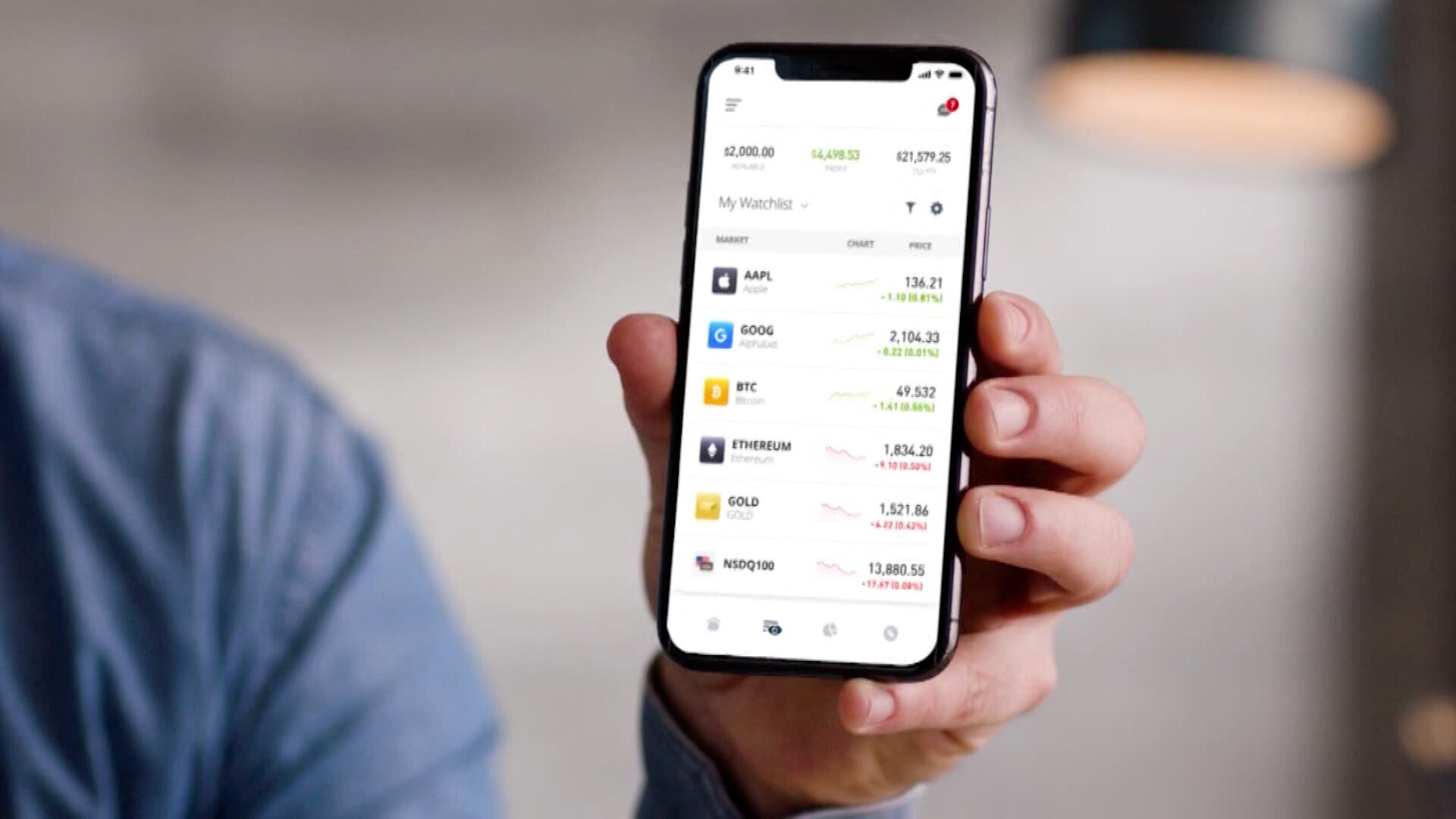
eToro, the social trading platform that offers crypto, forex, and equities, recently announced that it's giving U.S. users the option to include stocks and ETFs as part of their investment portfolios. Lule Demmissie, CEO of eToro U.S., joined Cheddar to talk about the company’s expanded offerings. "We felt, although crypto is a fantastic asset class, that individuals benefit from having a broader access to different kinds of investments, and equities is definitely one of them," Demmissie noted.
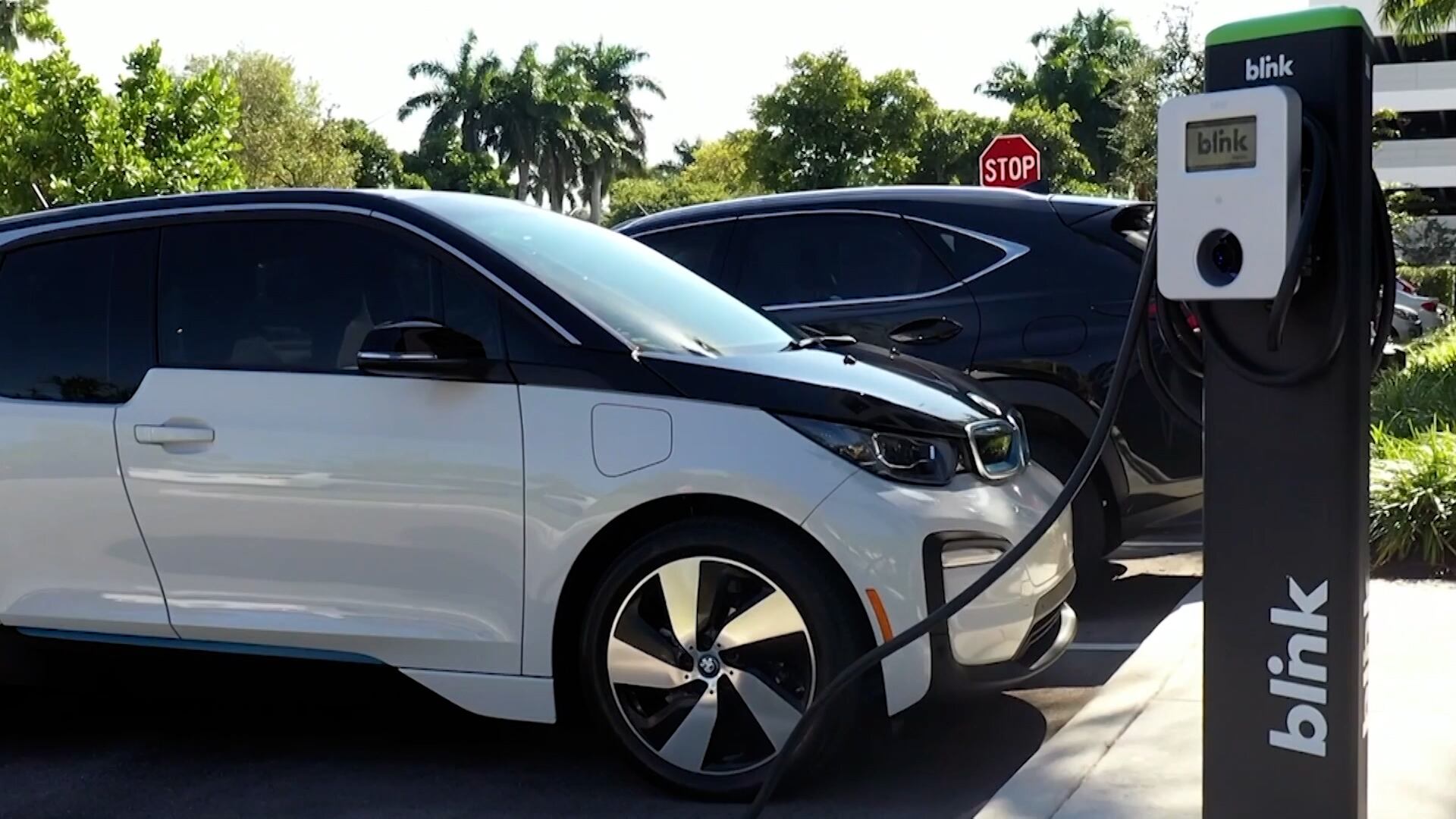
Coming off of CES, Blink Charging announced a partnership with legacy automaker General Motors to provide charging stations for its newest electric cars. The company specializes in stations they own and operate that also accommodate residential and commercial locations. Michael D. Farkas, founder and CEO, noted that they "don’t discriminate” when it comes to locating their chargers while also taking the philosophy of seeing their hardware more like hot water heaters rather than smartphones constantly in need of upgrading. "We believe it's one of the reasons why we were selected by GM," Farkas said. "These dealerships have to invest in these locations and make sure that this hardware is workable for a very, very long period of time."
Simeon Siegel, managing director and senior analyst at BMO Capital Markets joins Cheddar News to discuss CNBC's report that Peloton plans to halt production, despite the company's CEO denying those claims.
Mona Zhang, states cannabis policy reporter at POLITICO Pro joins Cheddar News to discuss major factors that caused Canada's retail marijuana sales to drop last year.
Jackie Rotman, founder and CEO of the Center for Intimacy Justice joins Cheddar News to talk about why Facebook is banning ads by companies targeting women's sexual health but not ads catered to men.
TikTok recently announced that it is testing a paid subscription model. The news comes days after Instagram publicized a similar service. TikTok has made $2.3 billion from in-app purchases, but mostly through tips, in 2021, showing that its users may be open to spending money on the platform.
The NCAA voted to streamline their constitution at their annual convention on Thursday. Each of the three college divisions can decide how student-athletes can make money from outside sources but still restricts schools from directly paying its players.
Netflix beat its earnings projections for Q4 — but the stock still plummeted as the streaming pioneer cut back on its forecast for future subscribers. Michael Robinson, the chief technology strategist at Money Map Press, joined Cheddar to discuss the report and what's driving the downward pressure on its shares. "It's the growth is really what's worrying people," he said. "'A' we have slowing economic growth, and 'B' we've got slowing growth for this company, as 'C' we have an increase in competition."