Voting rights groups in Ohio are being lauded for their oversight efforts which uncovered massive errors in the state's recent bid to remove hundreds of thousands of voters from its rolls. The inspection, which was carried out primarily by nonprofit volunteers, found that more than 40,000 voters were mistakenly included on the state's to-be-deleted list.
"It definitely showed that Ohio's registration system needs a major upgrade," Jen Miller, the director of the League of Women Voters of Ohio, told Cheddar on Monday. "We can't be using a policy as severe as a purge when we can't even be sure that our purge lists are correct."
In an unusual move, this past August Ohio's Secretary of State Frank LaRose publically released a list of 235,000 voters that were set to be deleted from the state's registry. By reviewing the long spreadsheet, the League of Women Voters and several other groups uncovered gross inaccuracies, including the inclusion of Miller's name.
Yet Secretary LaRose, a Republican, has praised the process, saying his office undertook the most transparent review of Ohio's voting rolls to date. "Because of our collaboration with outside organizations, the proper safeguards are in place to ensure any eligible voter will have the opportunity to have their voice heard," LaRose said in a statement after revising the list.
The list maintenance process, as it's officially called, is legally mandated in Ohio and seeks to clear the state's system of deceased residents, inactive voters, or people who have moved out of state. Voter purging, however, has become a major issue nationwide as Republican-led initiatives in several states have sought to remove voters through controversial registration requirements, which critics say primarily target minority or Democratic voters.
Other oversight groups that participated in the review include the National Association for the Advancement of Colored People, All Voting is Local, and the Fair Elections Center.
Between Bells brings you the latest political news, along with a few doses of business, culture, beauty, and tech.
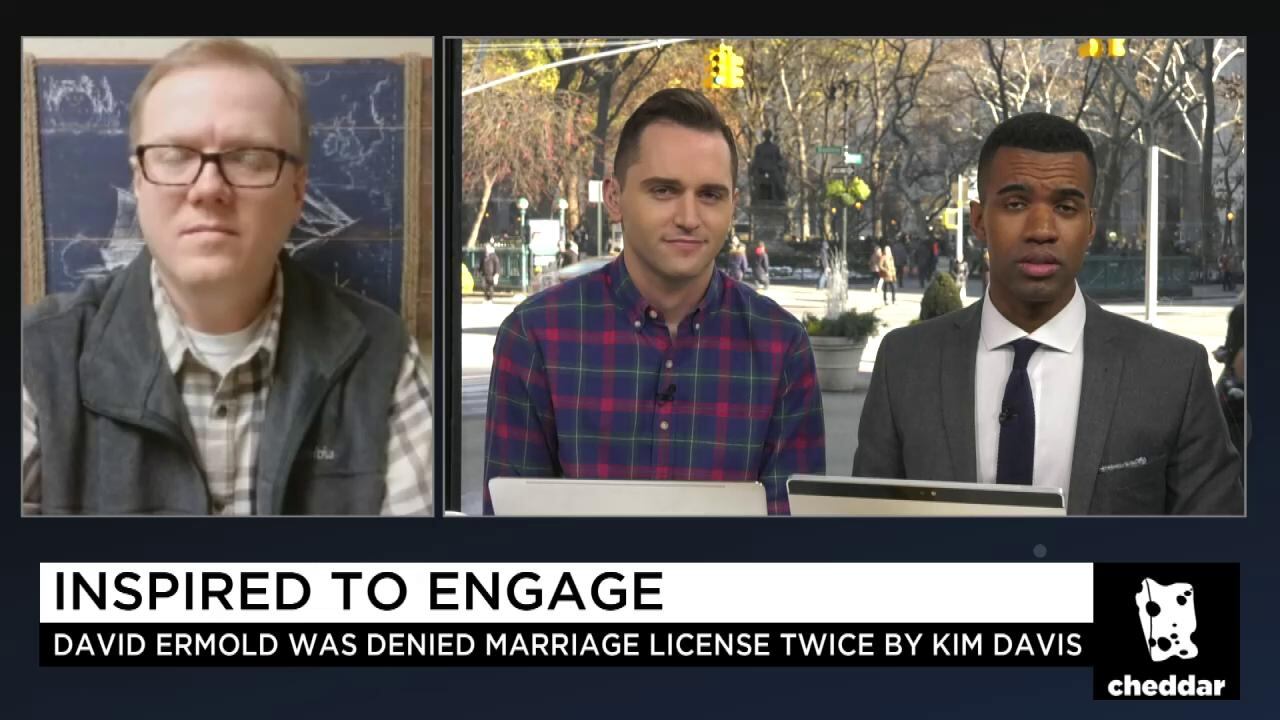
Kim Davis made headlines two years ago for refusing to issue marriage licenses to same-sex couples as the county clerk in Rowan County, Kentucky. David Ermold and his now-husband were denied one of those licenses. Now David is running against Kim Davis to be the next Rowan County Clerk.
One of the most-controversial Senate elections in history is heading into the homestretch. Elle.com's Mattie Kahn joins us with everything you need to know before the people of Alabama head to the polls.
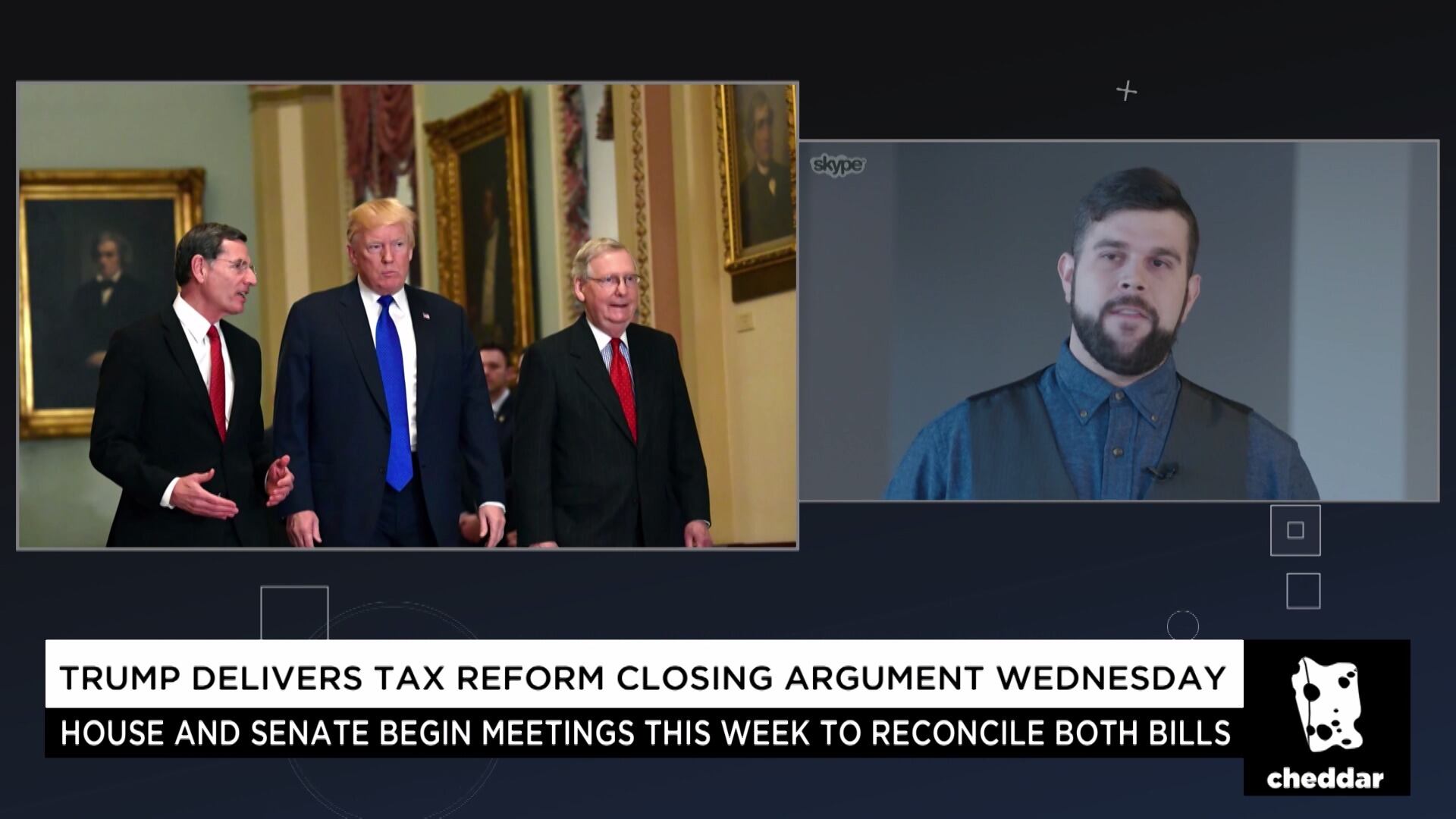
Nick Johnston, Editor in Chief at Axios, and Nate Madden, CRTV's Congressional Correspondent, give a preview of the upcoming weeks in Washington, including a discussion about the women accusing President Trump of assault and the future of tax reform and budget agreements.
The Congressman told Cheddar that the proposed Republican tax bill benefits the one percent, hurts the middle class, and runs a $1.5 trillion deficit. He also says the reform is robbing the military.
David Ermold was denied a same-sex marriage license twice by the county clerk, who drew national headlines with her move. Now he's running for her seat in Rowan County, Kentucky, trying to change what he deems wrong.
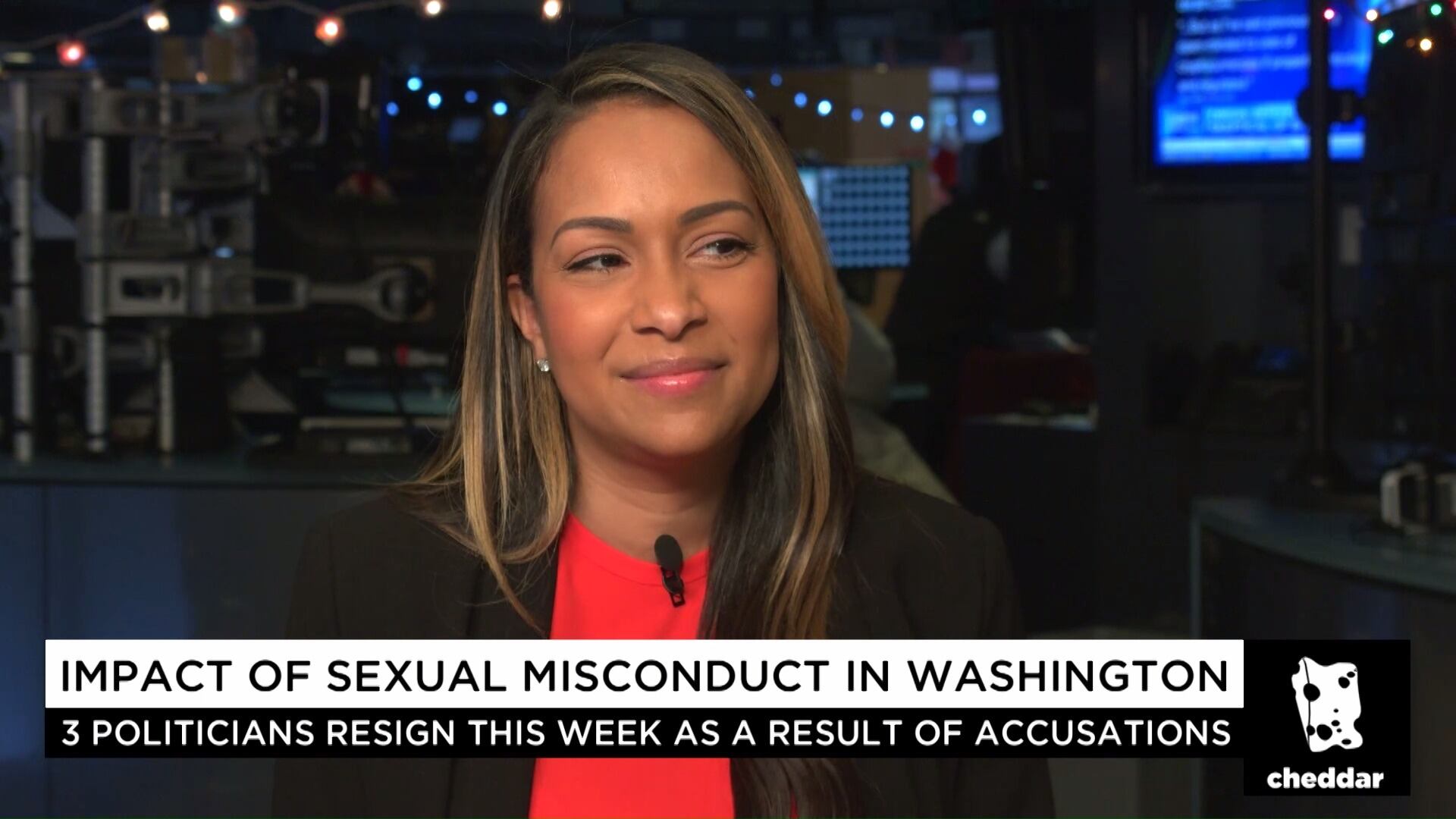
Valeisha Butterfield Jones is the CEO of Women In Entertainment Empowerment Network, a former Obama Administration official, and a former Google executive. Jones gives her perspective on the moment of reckoning that Hollywood, media, and politics are experiencing amidst sexual misconduct allegations.
"A Dying King," is a new geopolitical documentary that examines one of the pivotal moments in recent Middle East history. The documentary examines the decline and death of Shah of Iran, Mohammad Reza Pahlavi.
Between Bells brings you the latest political news, business stories, and celebrity interviews.
Between Bells brings you today's top headlines from Cheddar's Flatiron studio in New York.