Voting rights groups in Ohio are being lauded for their oversight efforts which uncovered massive errors in the state's recent bid to remove hundreds of thousands of voters from its rolls. The inspection, which was carried out primarily by nonprofit volunteers, found that more than 40,000 voters were mistakenly included on the state's to-be-deleted list.
"It definitely showed that Ohio's registration system needs a major upgrade," Jen Miller, the director of the League of Women Voters of Ohio, told Cheddar on Monday. "We can't be using a policy as severe as a purge when we can't even be sure that our purge lists are correct."
In an unusual move, this past August Ohio's Secretary of State Frank LaRose publically released a list of 235,000 voters that were set to be deleted from the state's registry. By reviewing the long spreadsheet, the League of Women Voters and several other groups uncovered gross inaccuracies, including the inclusion of Miller's name.
Yet Secretary LaRose, a Republican, has praised the process, saying his office undertook the most transparent review of Ohio's voting rolls to date. "Because of our collaboration with outside organizations, the proper safeguards are in place to ensure any eligible voter will have the opportunity to have their voice heard," LaRose said in a statement after revising the list.
The list maintenance process, as it's officially called, is legally mandated in Ohio and seeks to clear the state's system of deceased residents, inactive voters, or people who have moved out of state. Voter purging, however, has become a major issue nationwide as Republican-led initiatives in several states have sought to remove voters through controversial registration requirements, which critics say primarily target minority or Democratic voters.
Other oversight groups that participated in the review include the National Association for the Advancement of Colored People, All Voting is Local, and the Fair Elections Center.
Nicole Goodkind, politics reporter for Newsweek, discusses the controversial claissified memo in light of the FBI director publicly announcing "grave concerns" with inaccuracies. We also dig into new updates in the Russia investigation.
Facebook and Microsoft release earnings. The Dow wraps its best month since March 2016. Rep. Trey Gowdy (R-SC) announced Wednesday he will not seek reelection. Bitcoin could face its worst monthly decline in January. Entrepreneur and original "Shark" Kevin Harrington shares his outlook for cryptocurrency, and how he thinks it could transform retail.
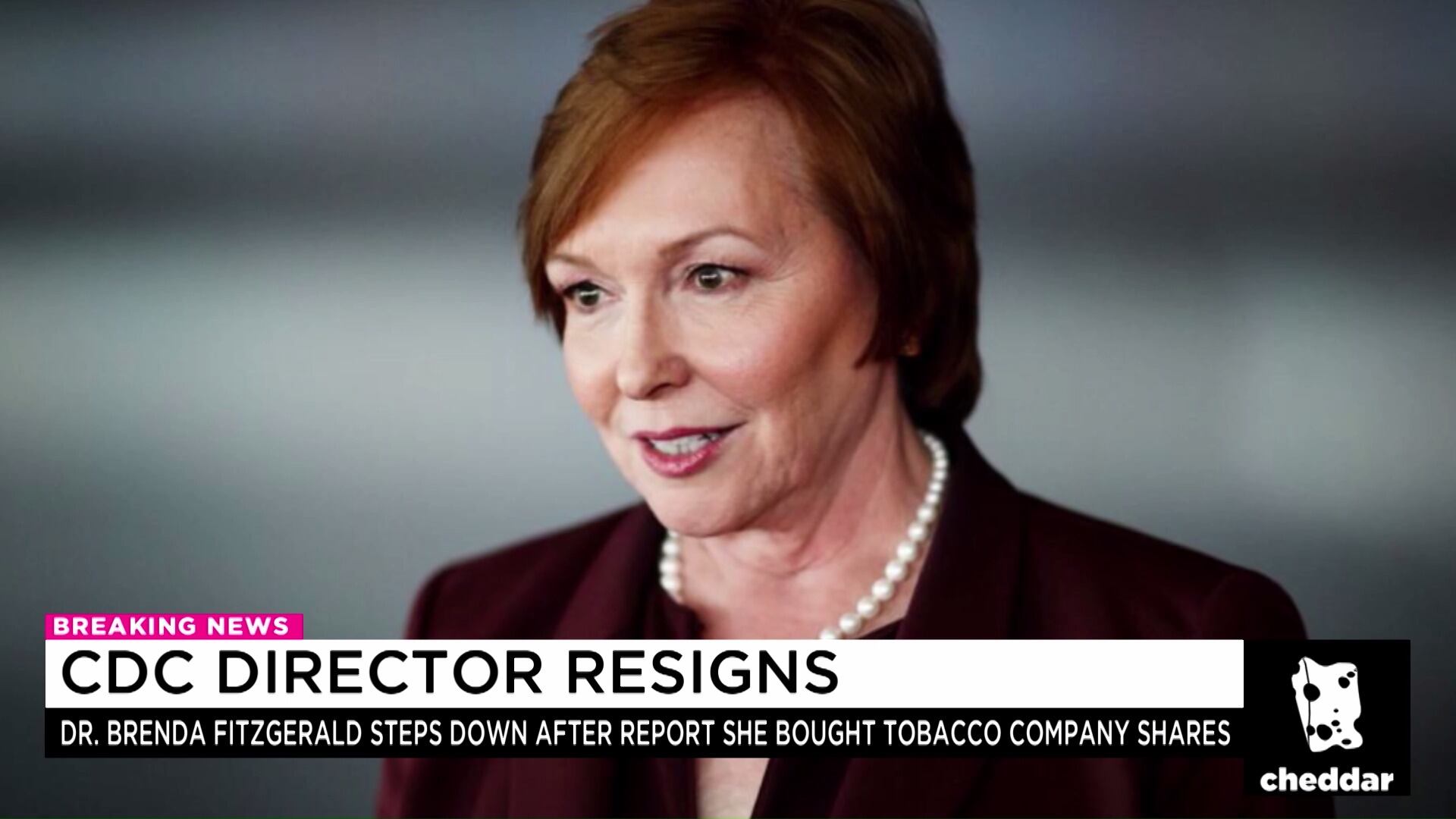
The director of the CDC resigned Wednesday after reports saying she purchased shares in a tobacco company. Spotify is testing a new app in Australia that sounds a lot like Pandora.
To accelerate efforts to increase gender equality in 2018, some of the world's top female leaders met at the New York Stock Exchange for the first-ever Women in Corporate Leadership Initiative. Marlene Schiappa, France's Secretary of State for Gender Equality, breaks down how the group is pushing for equality in the year ahead.
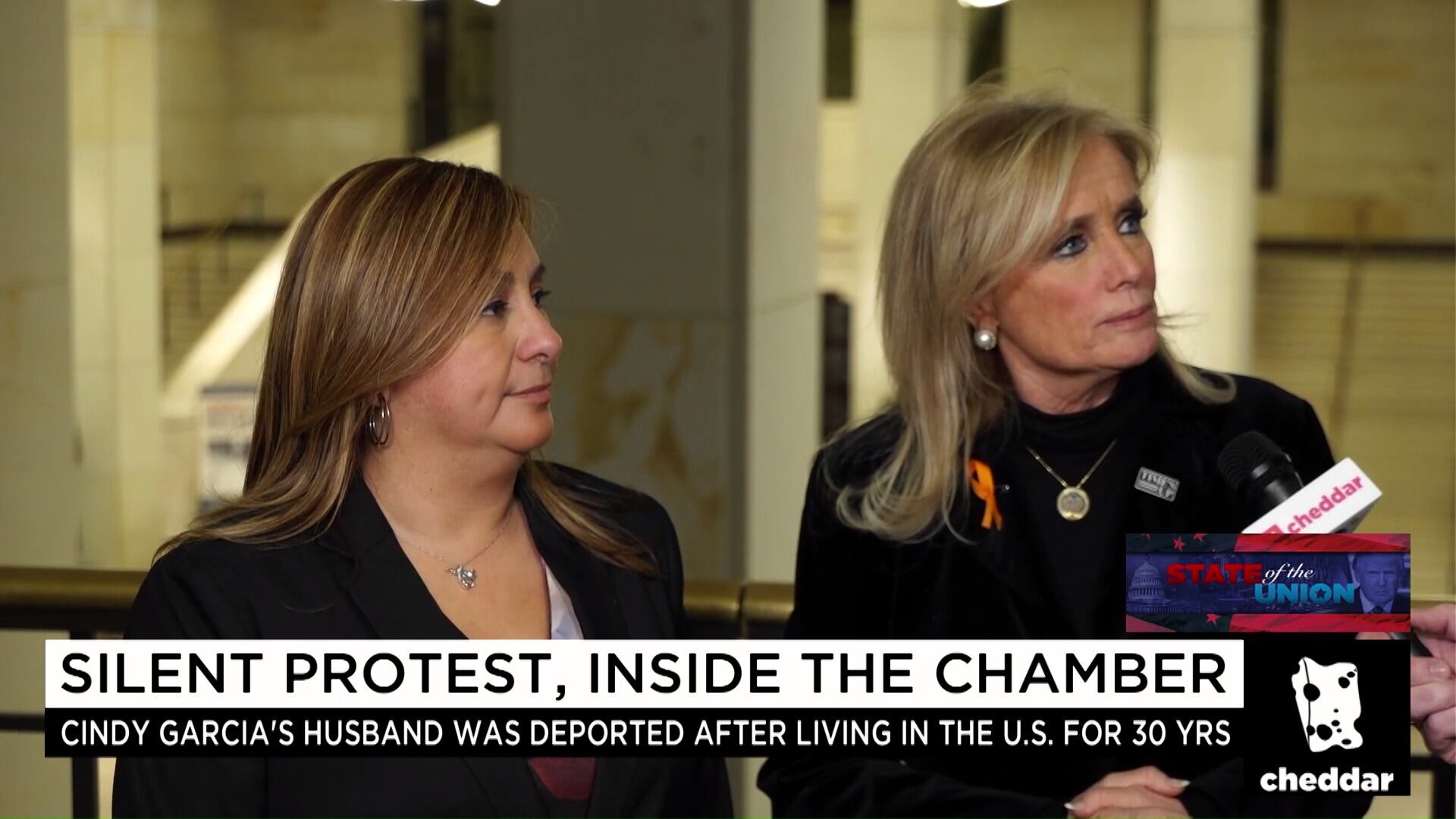
Congresswoman Debbie Dingell represents Michigan's twelfth district. She invited Cindy Garcia as her guest to President Trump's first State of the Union. Due to the Trump administration's immigration crackdown, Garcia's husband Jorge was deported to Mexico after living in America for 30 years.
Cheddar's special post State of the Union show is a wrap-up of President Trump's big night: what were the highlights, what was the reaction, and most importantly, what's next for the GOP?
Rep. Trey Gowdy (R-SC) announced Wednesday he will not seek reelection. The decision comes one day after President Trump's first State of the Union. Republican political strategist Rick Wilson explains what this means for the Republican party, and shares his top moments from the SOTU.
Stormy Daniels stopped by "Jimmy Kimmel Live" after President Donald Trump's first State of the Union address. Spotify is testing a new app in Australia that's similar to Pandora. The Young Turks CEO Cenk Uygur joins Cheddar to discuss his network's new partnership with Dan Rather. Plus, we talk to stars from "Total Divas" about the reality show's milestone 100th episode.
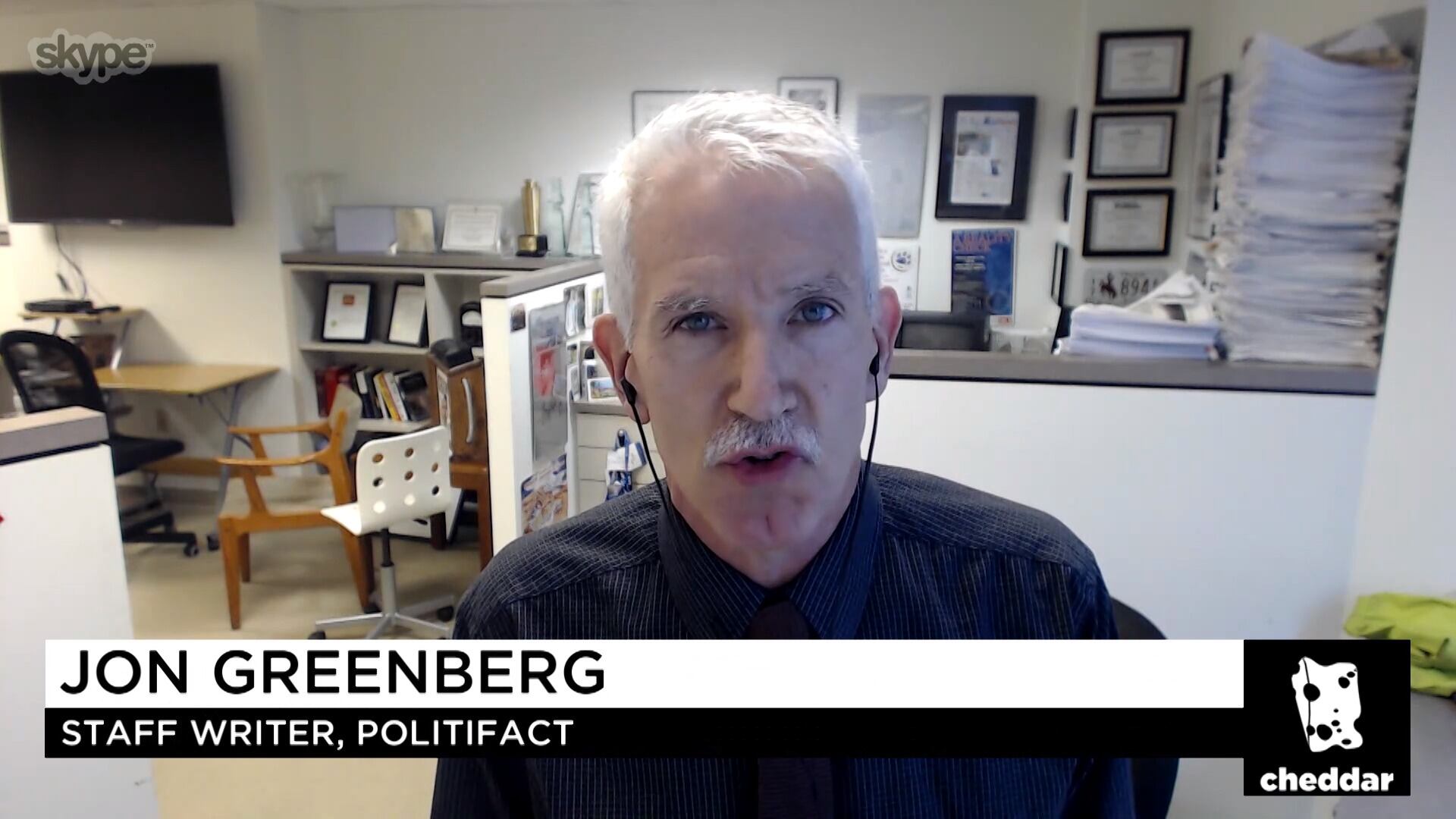
Jon Greenberg, staff writer at Politifact, fact-checks President Trump's first State of the Union Address, digging into some of his boldest policy claims.
In a surprise announcement on his Twitter account, Rep. Trey Gowdy (R-SC) said he will not seek re-election after his term ends this year. Cenk Uygur, Founder of The Young Turks, weighs in on the breaking news.