Voting rights groups in Ohio are being lauded for their oversight efforts which uncovered massive errors in the state's recent bid to remove hundreds of thousands of voters from its rolls. The inspection, which was carried out primarily by nonprofit volunteers, found that more than 40,000 voters were mistakenly included on the state's to-be-deleted list.
"It definitely showed that Ohio's registration system needs a major upgrade," Jen Miller, the director of the League of Women Voters of Ohio, told Cheddar on Monday. "We can't be using a policy as severe as a purge when we can't even be sure that our purge lists are correct."
In an unusual move, this past August Ohio's Secretary of State Frank LaRose publically released a list of 235,000 voters that were set to be deleted from the state's registry. By reviewing the long spreadsheet, the League of Women Voters and several other groups uncovered gross inaccuracies, including the inclusion of Miller's name.
Yet Secretary LaRose, a Republican, has praised the process, saying his office undertook the most transparent review of Ohio's voting rolls to date. "Because of our collaboration with outside organizations, the proper safeguards are in place to ensure any eligible voter will have the opportunity to have their voice heard," LaRose said in a statement after revising the list.
The list maintenance process, as it's officially called, is legally mandated in Ohio and seeks to clear the state's system of deceased residents, inactive voters, or people who have moved out of state. Voter purging, however, has become a major issue nationwide as Republican-led initiatives in several states have sought to remove voters through controversial registration requirements, which critics say primarily target minority or Democratic voters.
Other oversight groups that participated in the review include the National Association for the Advancement of Colored People, All Voting is Local, and the Fair Elections Center.
Kristin Koch, digital director of Seventeen.com, discusses why the Parkland school shooting has remained in the public's consciousness while others have faded. The students who survived the attack have played a huge role in keeping the conversation going.
Apple is reportedly working on new AirPods. Twitter alienated conservatives by accidentally freezing their accounts.
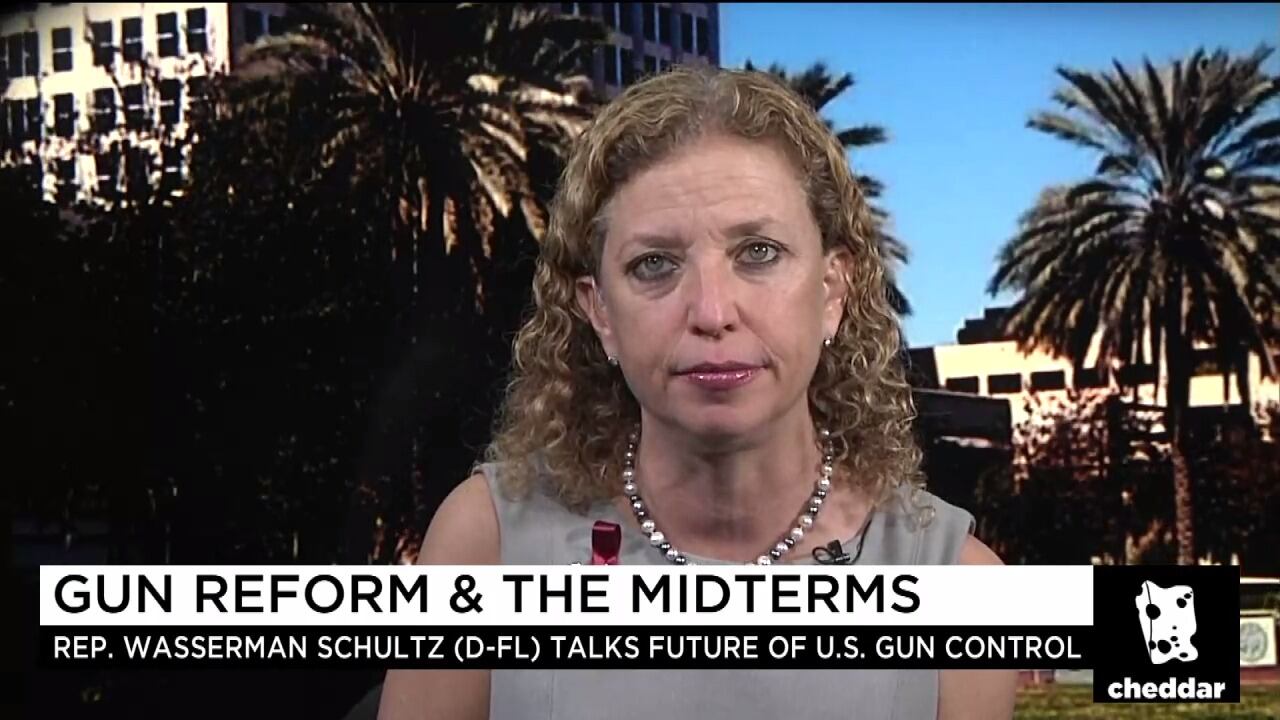
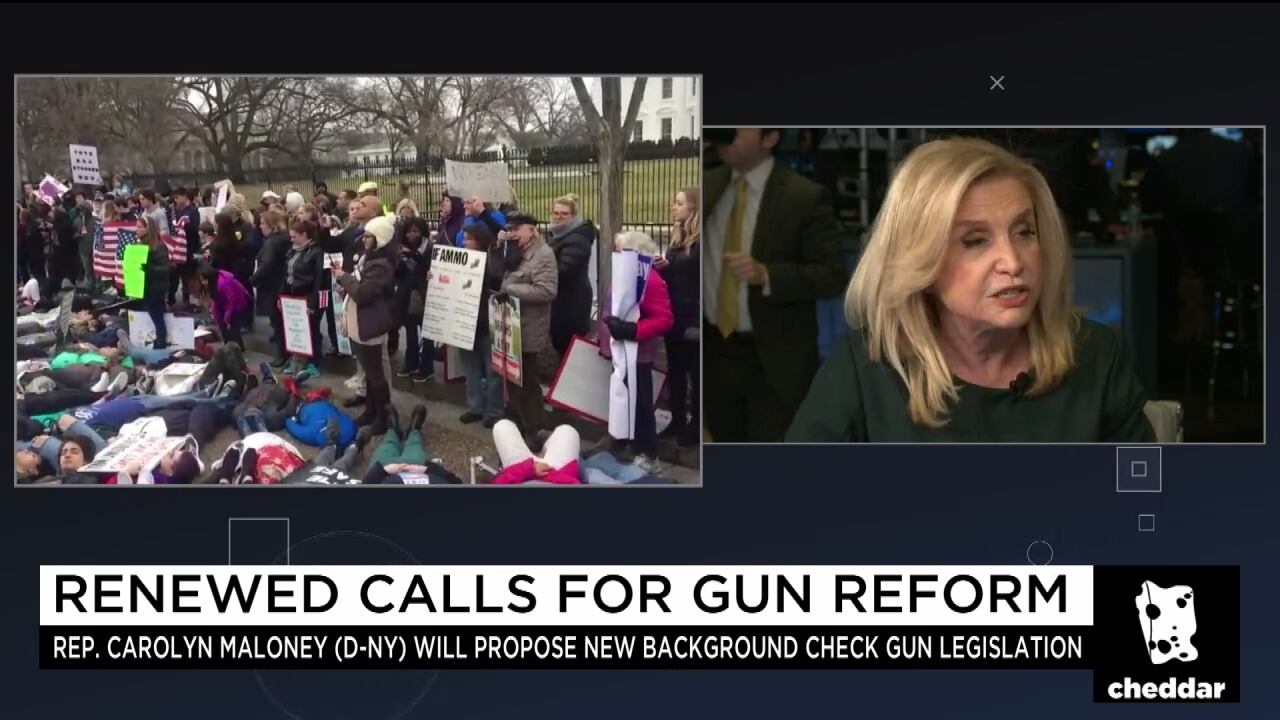
The Florida Congresswoman told Cheddar that the upcoming midterms will send a definitive message on gun reform. She says that, if current legislators can't get laws passed to protect this country, we need to elect people who will.
Even with the President's support of stricter background checks and a ban on bump stocks, the Congresswoman says there are so many other laws on the books that prevent comprehensive gun reform.
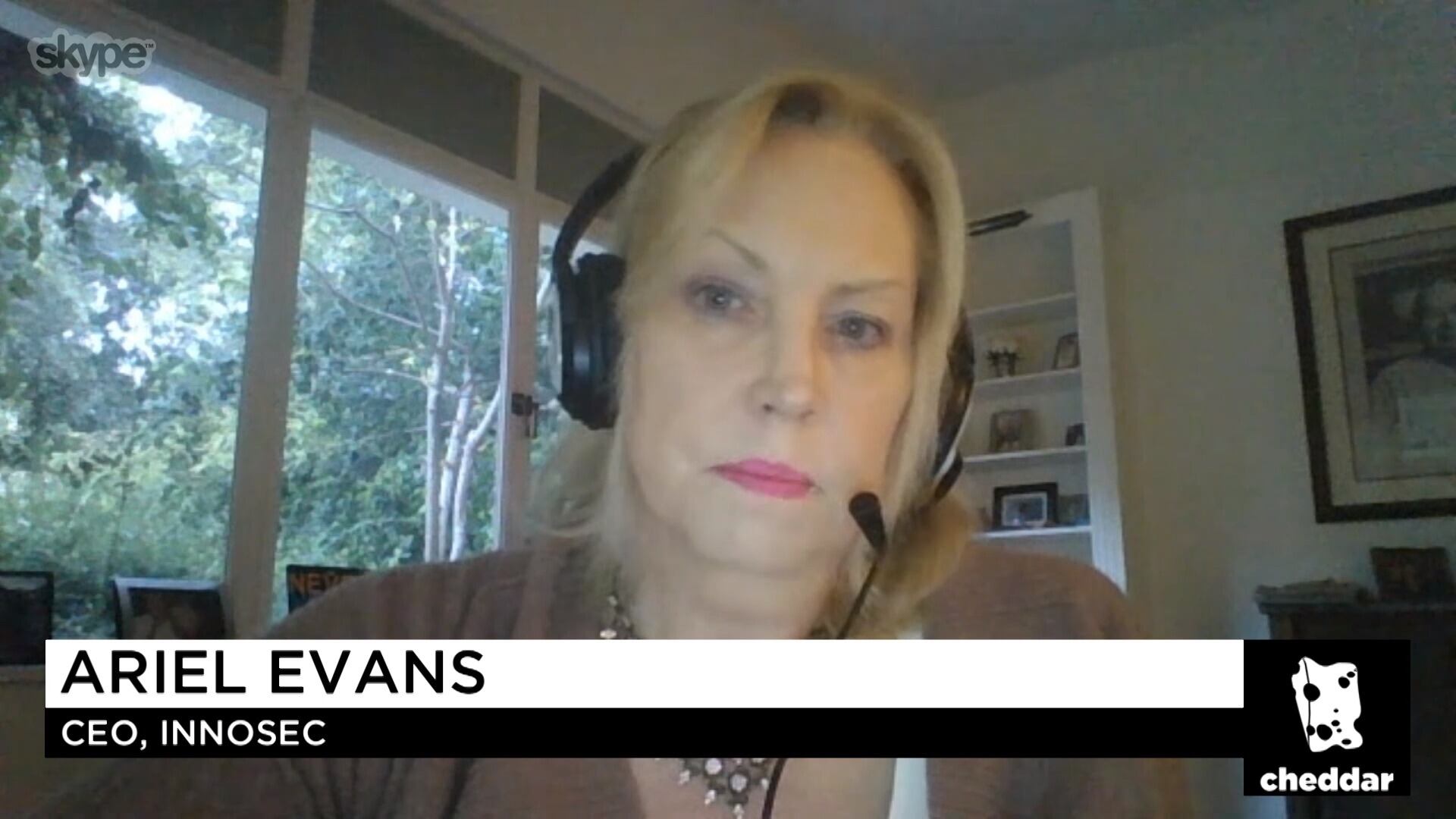
House Democrats are calling for Equifax to extend its promise to give customers free credit monitoring from one year to three years. Ariel Evans, CEO of Innosec, joins Cheddar to discuss what this means for the company and the consumer.
The indictment of 13 Russians for interfering with the Presidential election has intensified the pressure put on Facebook, which uncovered about three-thousand Russian-linked ads on its platforms before and after November 2016. Cheddar Senior Reporter, Alex Heath, breaks down the the latest developments.
Uber has a new, cheaper feature. Tesla gets hacked. A polar vortex is bringing record weather across the country. Students across the nation push for gun control, while President Trump holds a listening session with survivors and families of mass shootings. Apple looks to buy cobalt directly from miners.
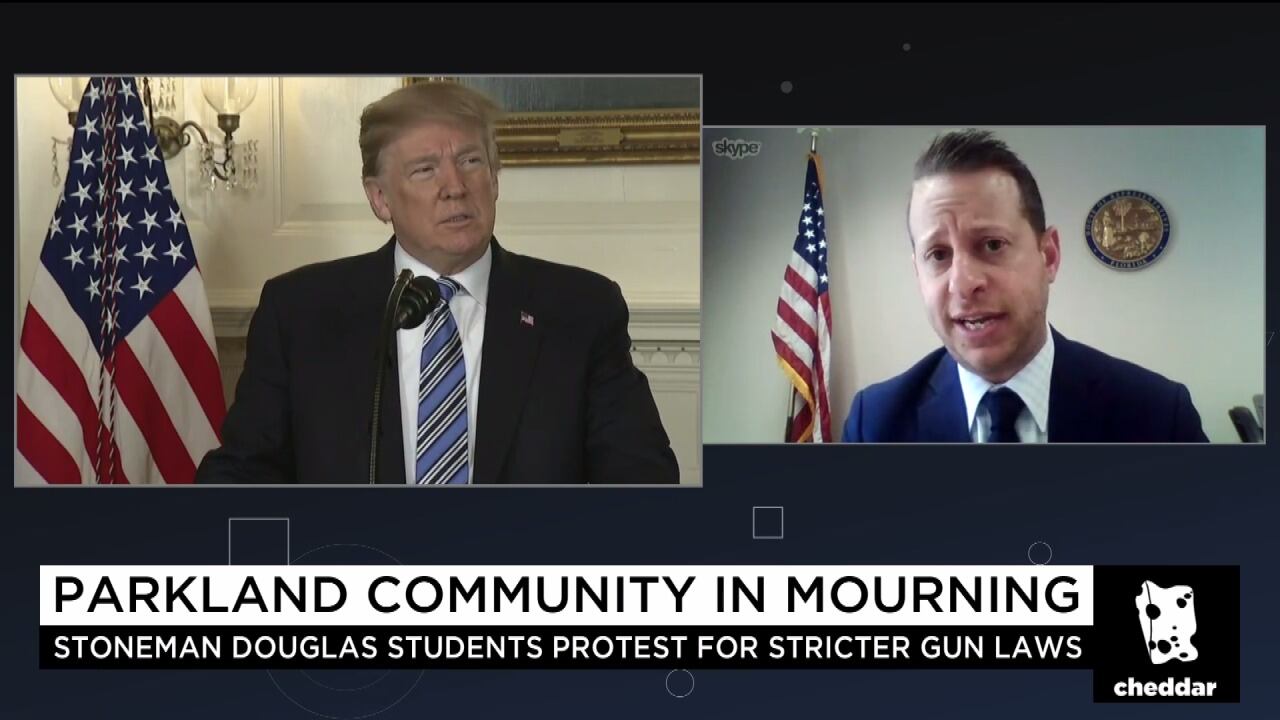
The state representative from Coral Gables, Fla., says now is the time for President Trump to prove he's a leader who can do things differently by banning bump stocks and improving background checks. And if he can't get Congress on board, he should sign an executive order.
The teenage survivors of Marjory Stoneman Douglas High School are genuinely motivated to change gun control laws, says State Representative Jared Moskowitz. The Democrat from Coral Gables, Fla., says that if adults aren't able to get anything done, then we have to listen to our children.
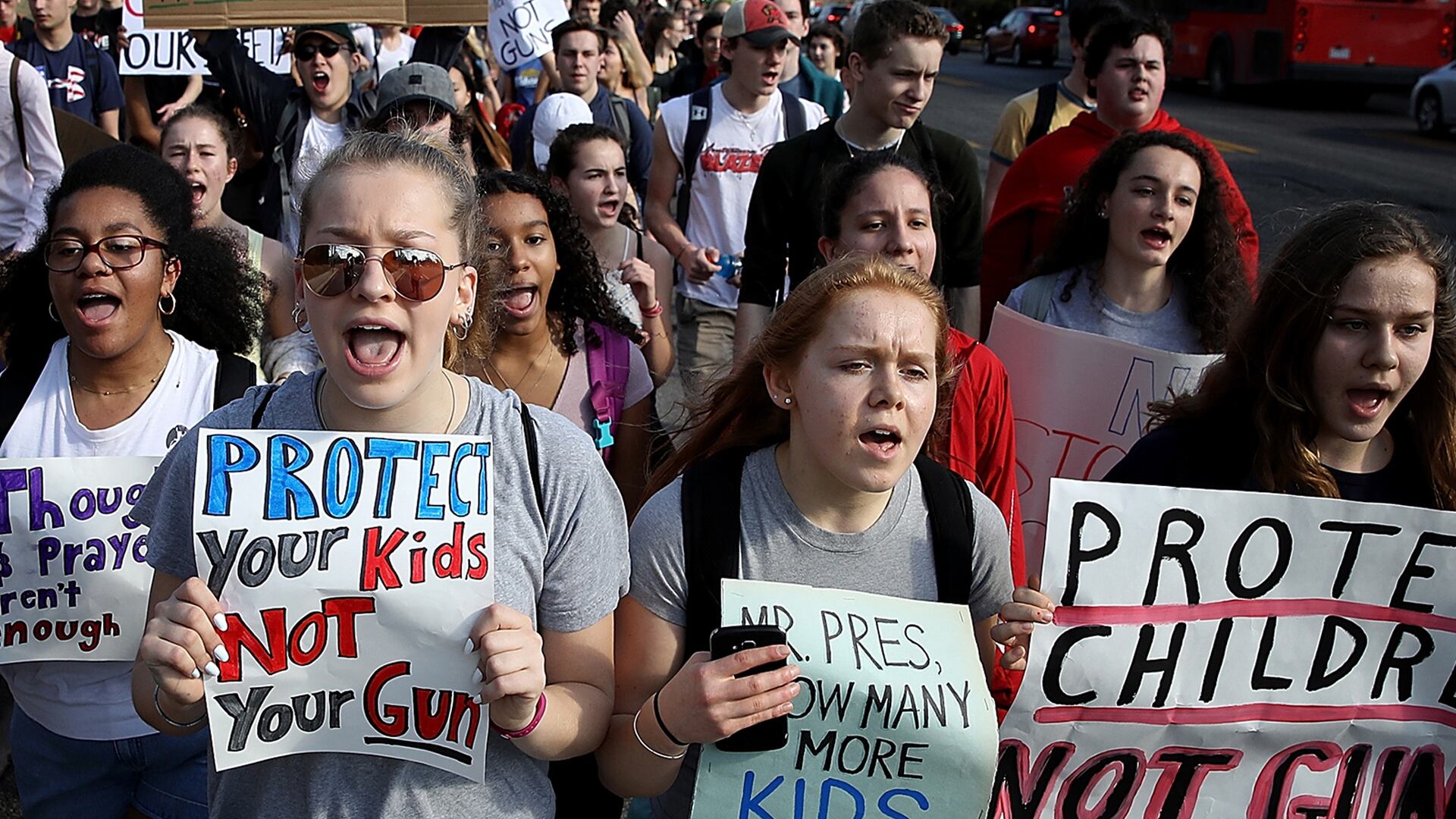
Students across Florida -- and the nation -- held walkouts in solidarity with Parkland, Fla., Wednesday. The protests come one day after Florida House Republicans blocked a move by Democrats to debate a ban on assault weapons in the state. State Representative Jared Moskowitz (D-Coral Springs) explains the response inside Florida's Capitol to the student protests for more gun control.