Voting rights groups in Ohio are being lauded for their oversight efforts which uncovered massive errors in the state's recent bid to remove hundreds of thousands of voters from its rolls. The inspection, which was carried out primarily by nonprofit volunteers, found that more than 40,000 voters were mistakenly included on the state's to-be-deleted list.
"It definitely showed that Ohio's registration system needs a major upgrade," Jen Miller, the director of the League of Women Voters of Ohio, told Cheddar on Monday. "We can't be using a policy as severe as a purge when we can't even be sure that our purge lists are correct."
In an unusual move, this past August Ohio's Secretary of State Frank LaRose publically released a list of 235,000 voters that were set to be deleted from the state's registry. By reviewing the long spreadsheet, the League of Women Voters and several other groups uncovered gross inaccuracies, including the inclusion of Miller's name.
Yet Secretary LaRose, a Republican, has praised the process, saying his office undertook the most transparent review of Ohio's voting rolls to date. "Because of our collaboration with outside organizations, the proper safeguards are in place to ensure any eligible voter will have the opportunity to have their voice heard," LaRose said in a statement after revising the list.
The list maintenance process, as it's officially called, is legally mandated in Ohio and seeks to clear the state's system of deceased residents, inactive voters, or people who have moved out of state. Voter purging, however, has become a major issue nationwide as Republican-led initiatives in several states have sought to remove voters through controversial registration requirements, which critics say primarily target minority or Democratic voters.
Other oversight groups that participated in the review include the National Association for the Advancement of Colored People, All Voting is Local, and the Fair Elections Center.
After months of debate, net neutrality is on the way out. The FCC officially published its new regulations in the Federal Register Thursday, February 22. So how will that affect you, and how can you see if your connection is being throttled? WIRED's Klint Finley weighs in.
On Your Future Home: Housing trends and tips with Quicken Loans. On Between Bells: Is trending over? With New York Magazine, WIRED, GameSpot, actor Eugene Simon, and more.
President Trump thinks violent video games are at least partially responsible for the increase in gun violence. Gamespot's Kallie Plagge joins Cheddar to discuss the reignited debate around the issue.
NRA backlash intensifies, the end of net neutrality, and Maybelline takes cues from Kylie Jenner on Snapchat engagement.
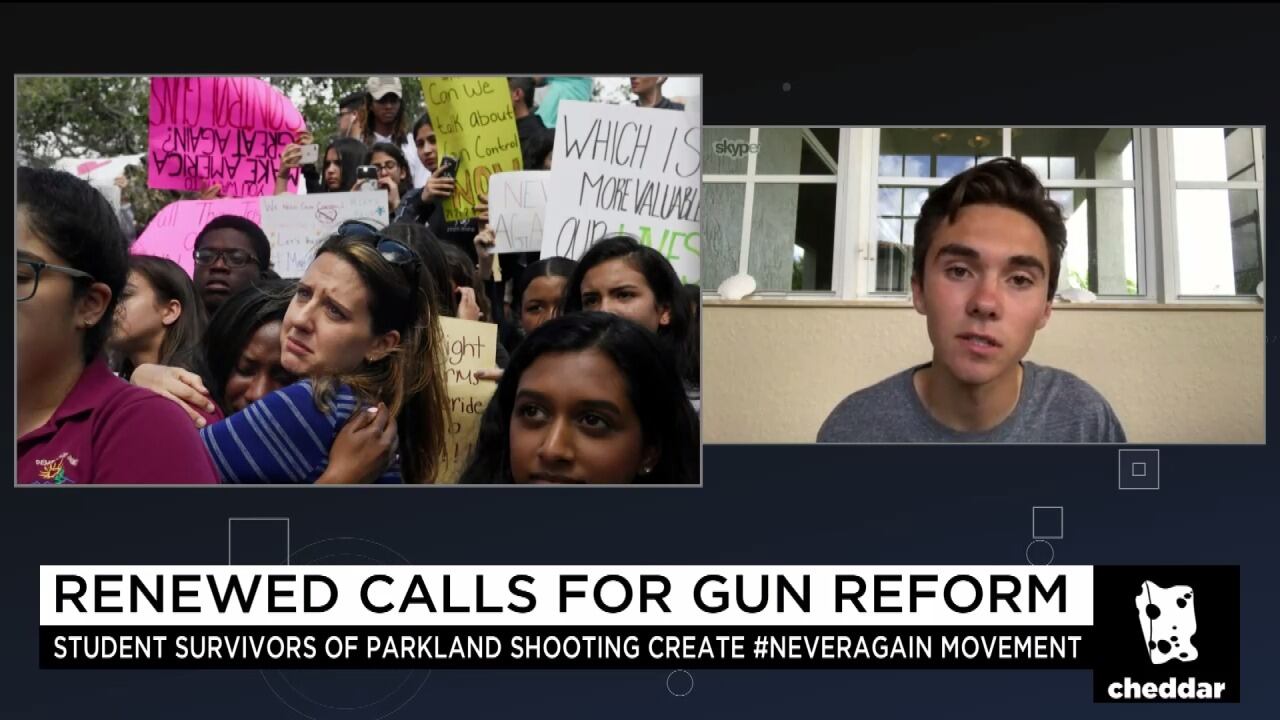
A number of businesses are cutting ties with the National Rifle Association in the days following the Parkland school shooting. Cheddar speaks with David Hogg, a student at Marjory Stoneman Douglas High School, about the tragic shooting in Parkland and the #NeverAgain movement. In other news, General Mills is buying natural pet food maker Blue Buffalo for $8 billion in cash. And Chris Tung, Chief Marketing Officer at Alibaba, discusses the company's first official partnership with the International Olympic Committee.
David Hogg, a student at Marjory Stoneman Douglas High School, discusses President Trump's recent rhetoric on guns and arming teachers in the days following the mass shooting.
Ben Dreyfuss, senior editor at Mother Jones, discusses special counsel Robert Mueller's new charges against former Trump campaign aides Paul Manafort and Rick Gates.
BlackRock, the world's largest asset manager, says it's going to talk with gunmakers about the Parkland school shooting. General Mills is buying natural food pet food maker Blue Buffalo for $8 billion in cash.
The survivor of last week's attack in southern Florida told Cheddar that it's unpatriotic to "buy democracy" from the American people. He says those lobbying against stricter gun control laws are cowards and "child murderers".
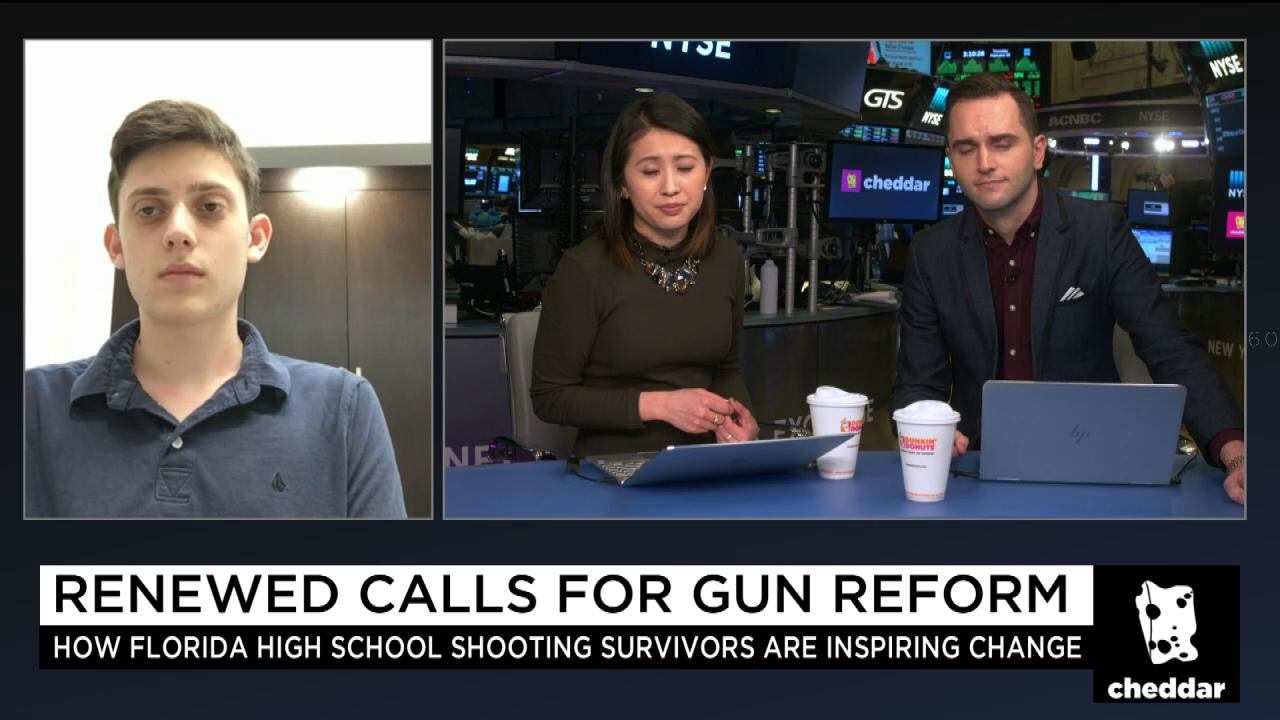
Kyle Kashuv, a student at Marjory Stoneman Douglas High School, says that social media has been able to mobilize their message in ways not afforded to other generations.