Voting rights groups in Ohio are being lauded for their oversight efforts which uncovered massive errors in the state's recent bid to remove hundreds of thousands of voters from its rolls. The inspection, which was carried out primarily by nonprofit volunteers, found that more than 40,000 voters were mistakenly included on the state's to-be-deleted list.
"It definitely showed that Ohio's registration system needs a major upgrade," Jen Miller, the director of the League of Women Voters of Ohio, told Cheddar on Monday. "We can't be using a policy as severe as a purge when we can't even be sure that our purge lists are correct."
In an unusual move, this past August Ohio's Secretary of State Frank LaRose publically released a list of 235,000 voters that were set to be deleted from the state's registry. By reviewing the long spreadsheet, the League of Women Voters and several other groups uncovered gross inaccuracies, including the inclusion of Miller's name.
Yet Secretary LaRose, a Republican, has praised the process, saying his office undertook the most transparent review of Ohio's voting rolls to date. "Because of our collaboration with outside organizations, the proper safeguards are in place to ensure any eligible voter will have the opportunity to have their voice heard," LaRose said in a statement after revising the list.
The list maintenance process, as it's officially called, is legally mandated in Ohio and seeks to clear the state's system of deceased residents, inactive voters, or people who have moved out of state. Voter purging, however, has become a major issue nationwide as Republican-led initiatives in several states have sought to remove voters through controversial registration requirements, which critics say primarily target minority or Democratic voters.
Other oversight groups that participated in the review include the National Association for the Advancement of Colored People, All Voting is Local, and the Fair Elections Center.
Jon Greenberg, staff writer at PolitiFact, discusses gun reform and the claims made by both Democrats and Republicans in the weeks following the Parkland school shooting.
There has been a lot of exits from the White House this week...Hope Hicks announced her resignation and Jared Kushner's security clearance was downgraded. Vanity Fair's Emily Jane Fox joins The Hive to discuss what the White House will do now.
Andrew Yang, Founder of Venture for America and a 2020 Democratic presidential candidate, joins The Hive to discuss why he's running on the platform of universial basic income.
The Artificial Intelligence Caucus is a group of bipartisan lawmakers working together to ensure technology has a positive impact on America's future. Congressman John Delaney (D-MD) believes A.I. will be a "paradigm-shifting development," and he thinks the government needs to encourage its growth.
The bipartisan caucus aims to work with the private sector to make sure technological change "doesn't leave huge parts of the country behind," says Rep. John Delaney (D-MD), who founded the group.
Nordstrom and Gap release earnings. American Outdoor Brands says sales fell 32.6% year over year. The Dow drops after President Trump announced heavy tariffs on aluminum and steel. Twitter is asking the public to help it evaluate how toxic the social media platform really is
The Hive's hosts Jon Kelly and Kristen Scholer discuss the latest news in politics, business and technology. From Hope Hicks' sudden departure from The White House to the Kardashian's imapct on social media, we have you covered.
In the wake of the Florida High School mass shooting, some Americans are looking for ways to take the issue of gun control into their own hands, or wallets. Todd Scorzafava is a Lead Partner of Wealth Management at Eagle Rock Wealth and he joins Cheddar to explain how investors can manage their funds in a socially-minded manner.
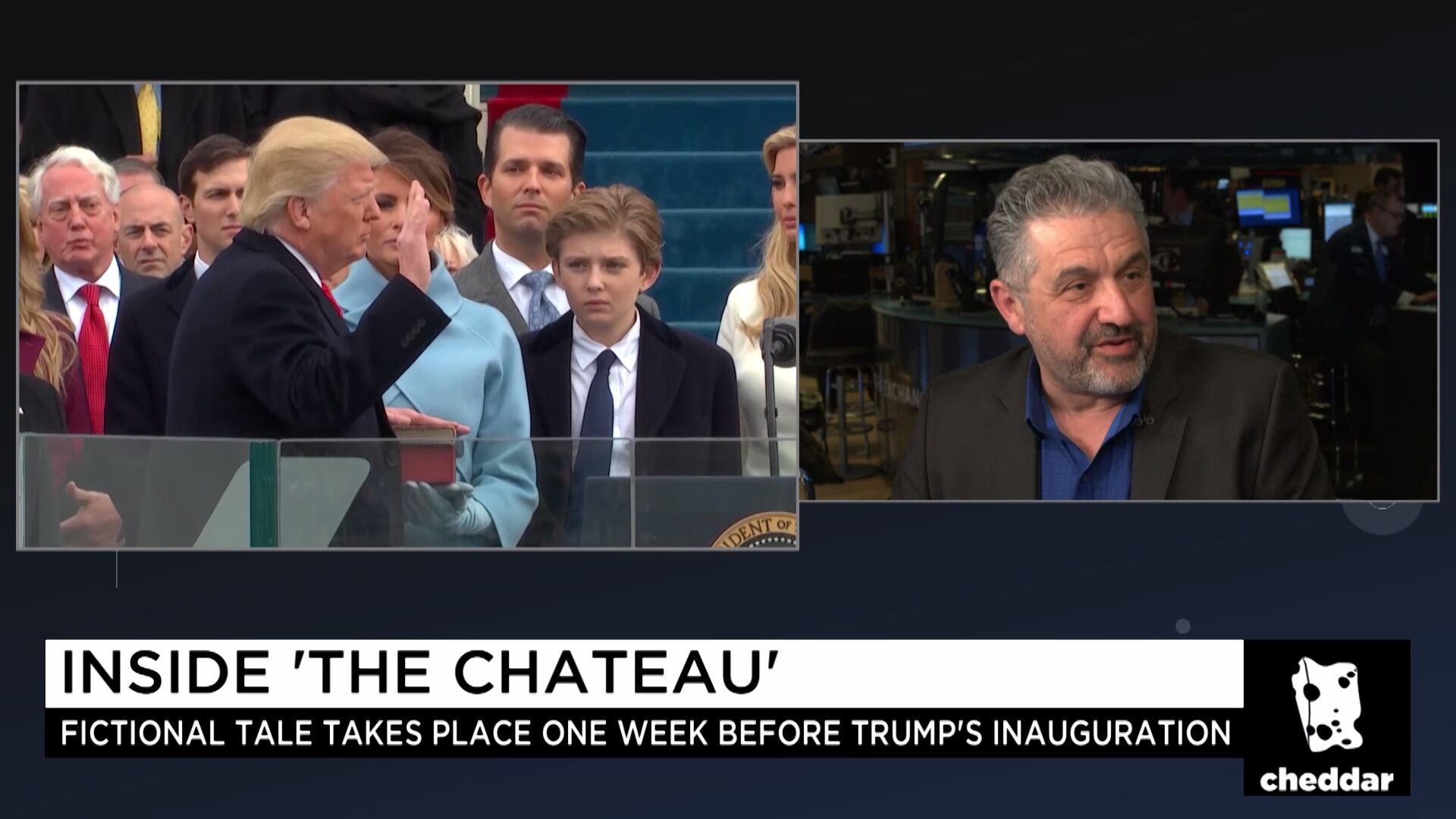
Author Paul Goldberg is taking on something familiar, and turns it upside down in his novel "The Chateau." The book captures a setting that becomes a microcosm of today's current political landscape. Goldberg explains what he hopes readers takeaway.
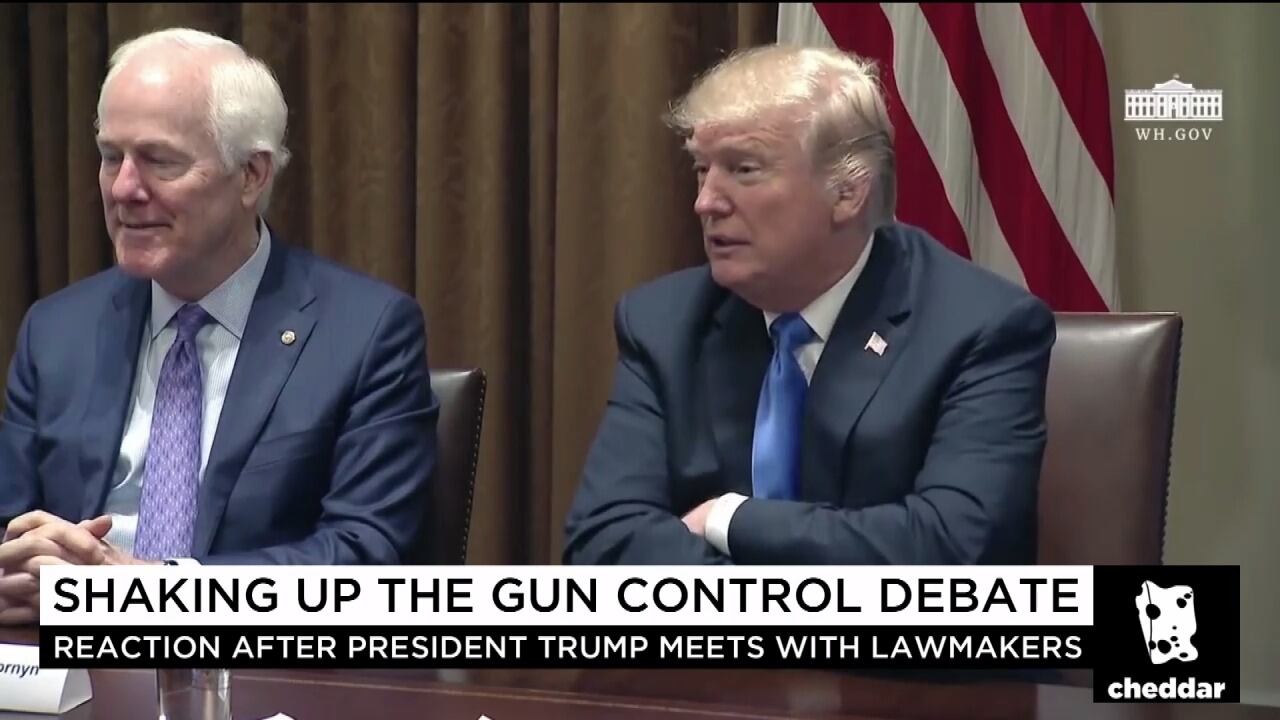
President Trump stunning his Republican base during a meeting with legislators Wednesday about Gun Control. "Take the guns first, go through due process second," said Trump during a bipartisan meeting at the White House. College Student Kassy Dillon, who founded Lone Conservative, reacts to Trump's departure from his base on this issue.
President Trump "upset a lot of his base" by saying we should confiscate guns, and that's why he seems to be walking back those comments on Twitter, says Kassy Dillon, founder of conservative website Lone Conservative.