Voting rights groups in Ohio are being lauded for their oversight efforts which uncovered massive errors in the state's recent bid to remove hundreds of thousands of voters from its rolls. The inspection, which was carried out primarily by nonprofit volunteers, found that more than 40,000 voters were mistakenly included on the state's to-be-deleted list.
"It definitely showed that Ohio's registration system needs a major upgrade," Jen Miller, the director of the League of Women Voters of Ohio, told Cheddar on Monday. "We can't be using a policy as severe as a purge when we can't even be sure that our purge lists are correct."
In an unusual move, this past August Ohio's Secretary of State Frank LaRose publically released a list of 235,000 voters that were set to be deleted from the state's registry. By reviewing the long spreadsheet, the League of Women Voters and several other groups uncovered gross inaccuracies, including the inclusion of Miller's name.
Yet Secretary LaRose, a Republican, has praised the process, saying his office undertook the most transparent review of Ohio's voting rolls to date. "Because of our collaboration with outside organizations, the proper safeguards are in place to ensure any eligible voter will have the opportunity to have their voice heard," LaRose said in a statement after revising the list.
The list maintenance process, as it's officially called, is legally mandated in Ohio and seeks to clear the state's system of deceased residents, inactive voters, or people who have moved out of state. Voter purging, however, has become a major issue nationwide as Republican-led initiatives in several states have sought to remove voters through controversial registration requirements, which critics say primarily target minority or Democratic voters.
Other oversight groups that participated in the review include the National Association for the Advancement of Colored People, All Voting is Local, and the Fair Elections Center.
President Trump has already spurned key allies at the annual summit, accusing Germany of being a "captive of Russia." Cheddar's J.D. Durkin, who is on the ground in Brussels, gets into the latest.
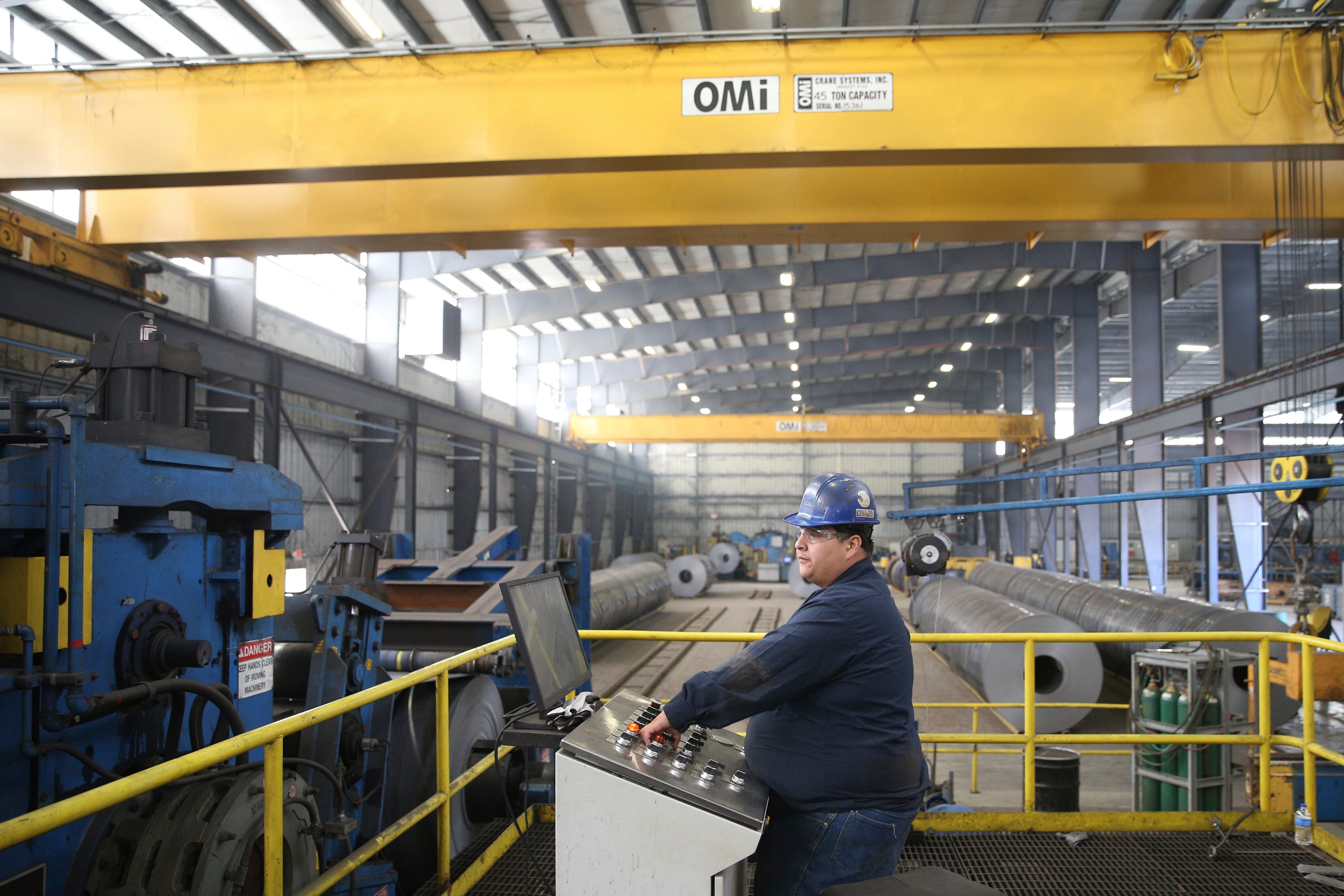
The U.S. tariffs would only end up hurting the consumer and the automakers employees across its plants and distribution centers in America, says Zack Hicks, CEO and president of the Toyota Connected unit in North America.
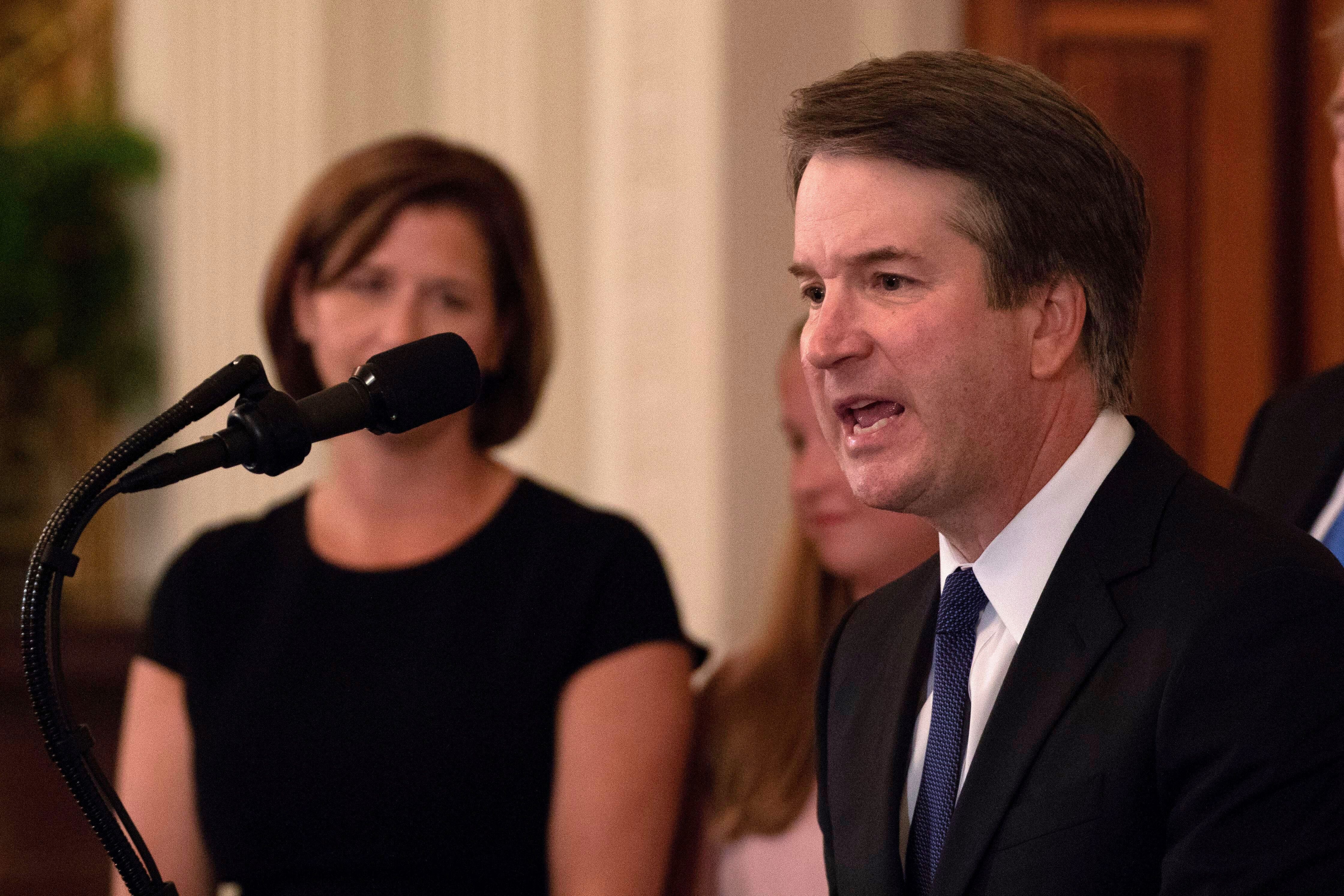
President Donald Trump nominated the DC appellate court judge to replace Supreme Court Justice Anthony Kennedy, who's retiring at the end of the month.
A study finds male political reporters in Washington, D.C., retweet other men more than women. “Men and women are operating in gender echo chambers in Washington on Twitter,” says Nikki Usher, the lead author of the study.
Members of the military alliance are prepared to be spurned by the president and worry he may start to unravel the organization. But the Trump administration has, in fact, increased its spending on NATO, suggesting that worries surrounding the event might not turn transpire, says Dan Michaels, the Wall Street Journal Brussels bureau chief.
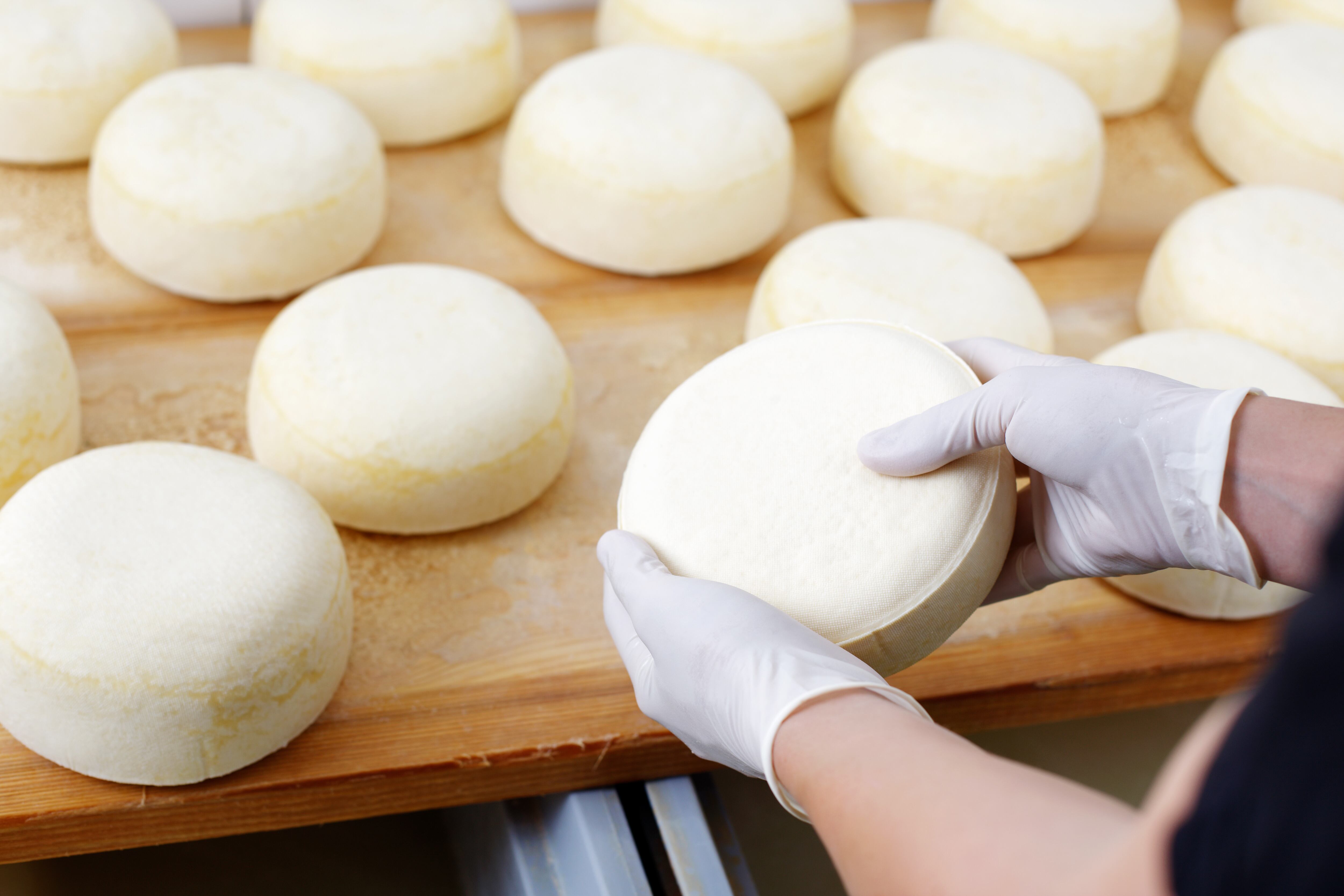
American cheese producers that rely heavily on exports are already feeling the impact of tariffs on their products, forcing them to reconsider their strategy completely, says Heather Hadden, a reporter for the Wall Street Journal.
Although the recent job report showed the U.S. economy added 213,000 jobs in June, the trade war is predicted to have a significant impact on the economy. "Unless we get either isolated resolutions of these disputes or global resolutions ... we don't see any momentum in that space," Mark Hamrick, senior economic analyst at Bankrate.com, tells Cheddar.
President Trump is expected to submit his Supreme Court nominee to replace Justice Anthony Kennedy on Monday.
The three favorites are almost "identical" in policy stances, says Rick Hasen, professor of law and political science at UC-Irvine.
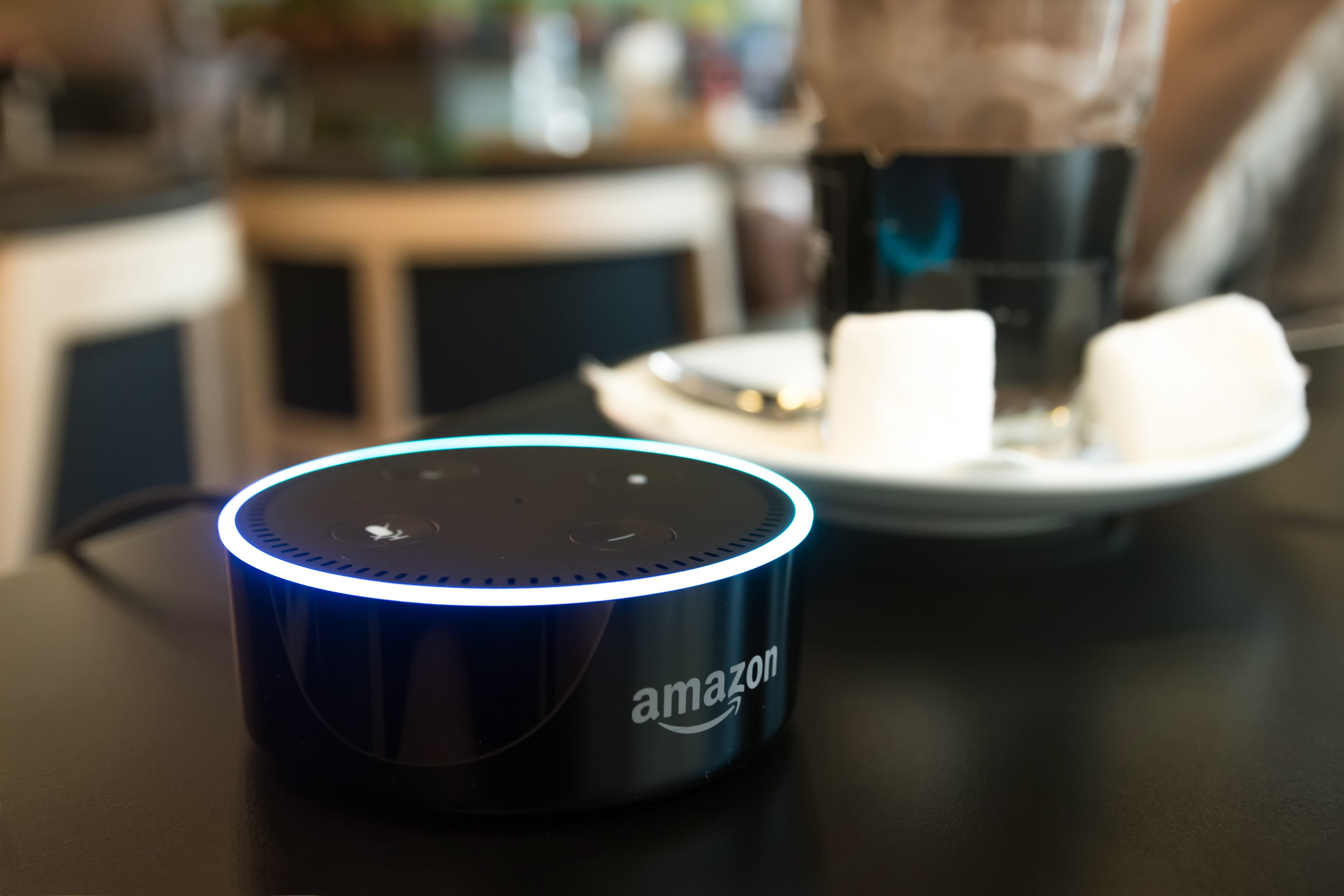
The U.S. tariffs on Chinese products that kicked in on Friday are specifically targeted at high-tech goods, an attempt to crack down on alleged intellectual property theft. But they could end up raising the cost of products like e-cigarettes, e-bikes, and smart home devices that are overwhelmingly used by millennials, says Axios reporter Erica Pandey.
U.S. tariffs on $34 billion worth of Chinese goods kicked in early Friday, prompting China to respond in kind and escalating tensions between the two countries into what Beijing describes as "the biggest trade war in economic history."