Voting rights groups in Ohio are being lauded for their oversight efforts which uncovered massive errors in the state's recent bid to remove hundreds of thousands of voters from its rolls. The inspection, which was carried out primarily by nonprofit volunteers, found that more than 40,000 voters were mistakenly included on the state's to-be-deleted list.
"It definitely showed that Ohio's registration system needs a major upgrade," Jen Miller, the director of the League of Women Voters of Ohio, told Cheddar on Monday. "We can't be using a policy as severe as a purge when we can't even be sure that our purge lists are correct."
In an unusual move, this past August Ohio's Secretary of State Frank LaRose publically released a list of 235,000 voters that were set to be deleted from the state's registry. By reviewing the long spreadsheet, the League of Women Voters and several other groups uncovered gross inaccuracies, including the inclusion of Miller's name.
Yet Secretary LaRose, a Republican, has praised the process, saying his office undertook the most transparent review of Ohio's voting rolls to date. "Because of our collaboration with outside organizations, the proper safeguards are in place to ensure any eligible voter will have the opportunity to have their voice heard," LaRose said in a statement after revising the list.
The list maintenance process, as it's officially called, is legally mandated in Ohio and seeks to clear the state's system of deceased residents, inactive voters, or people who have moved out of state. Voter purging, however, has become a major issue nationwide as Republican-led initiatives in several states have sought to remove voters through controversial registration requirements, which critics say primarily target minority or Democratic voters.
Other oversight groups that participated in the review include the National Association for the Advancement of Colored People, All Voting is Local, and the Fair Elections Center.
These are the headlines you Need 2 Know.
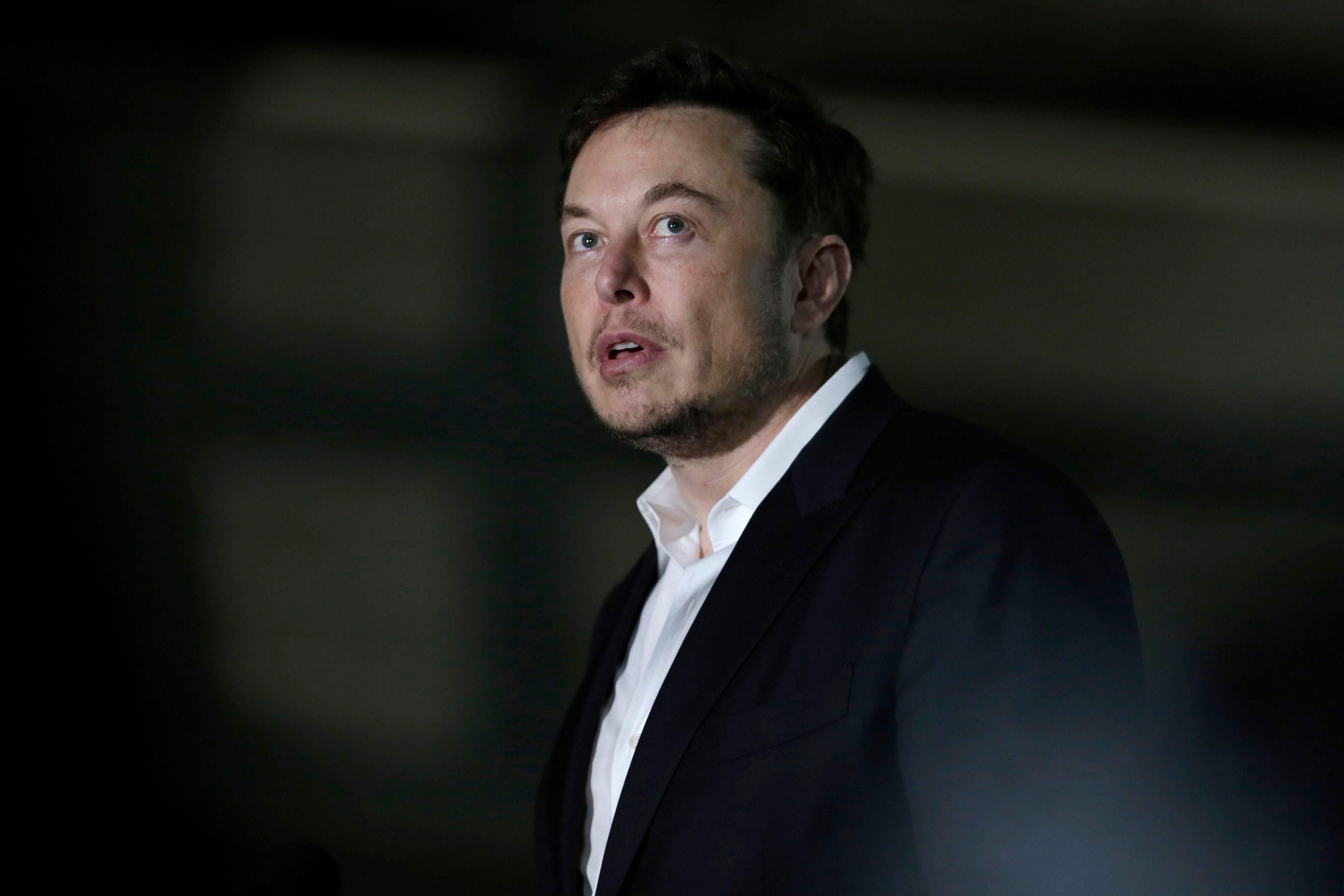
Shares of Tesla dropped after hours Thursday after the Securities and Exchange Commission filed a [lawsuit] (https://www.scribd.com/document/389617044/SEC-vs-MUSK#from_embed) against CEO Elon Musk in federal court, alleging that the billionaire founder committed securities fraud when he tweeted about taking the company private with "funding secured" on Aug. 7. In the complaint, the SEC seeks to bar Musk from being an officer of a public company.
Supreme Court nominee Brett Kavanaugh was both furious and emotional in testimony Thursday afternoon in front of the Senate Judiciary Committee. He emphatically denied the sexual assault accusations against him, which were detailed from the same chair by Dr. Christine Blasey Ford earlier in the day.
"My family and my name have been totally and permanently destroyed," Kavanaugh said.
Rep. Nita Lowey played a key role in the Anita Hill hearings in 1991 when then-Supreme Court nominee Clarence Thomas was accused of sexual harassment. On Thursday, Lowey was present for Christine Blasey Ford's testimony about current nominee Brett Kavanaugh's alleged sexual assault and spoke of the differences between the two eras.
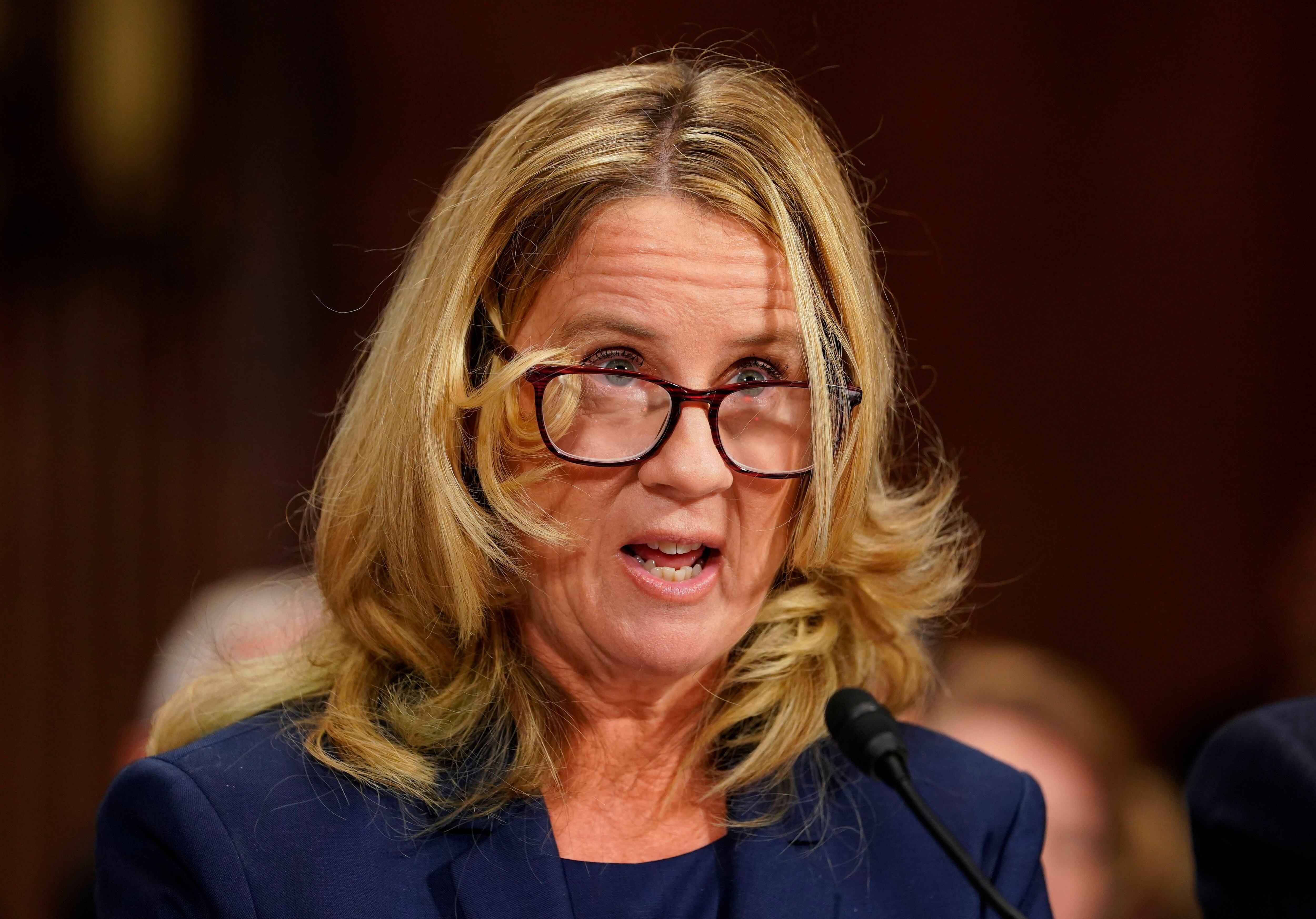
Prof. Christine Blasey Ford spoke to the Senate Judiciary Committee about her memories from the night of her alleged assault. She said the memory that has stuck with her the most is the laughter from Supreme Court nominee Brett Kavanaugh and Mark Judge as Kavanaugh was on top of her.
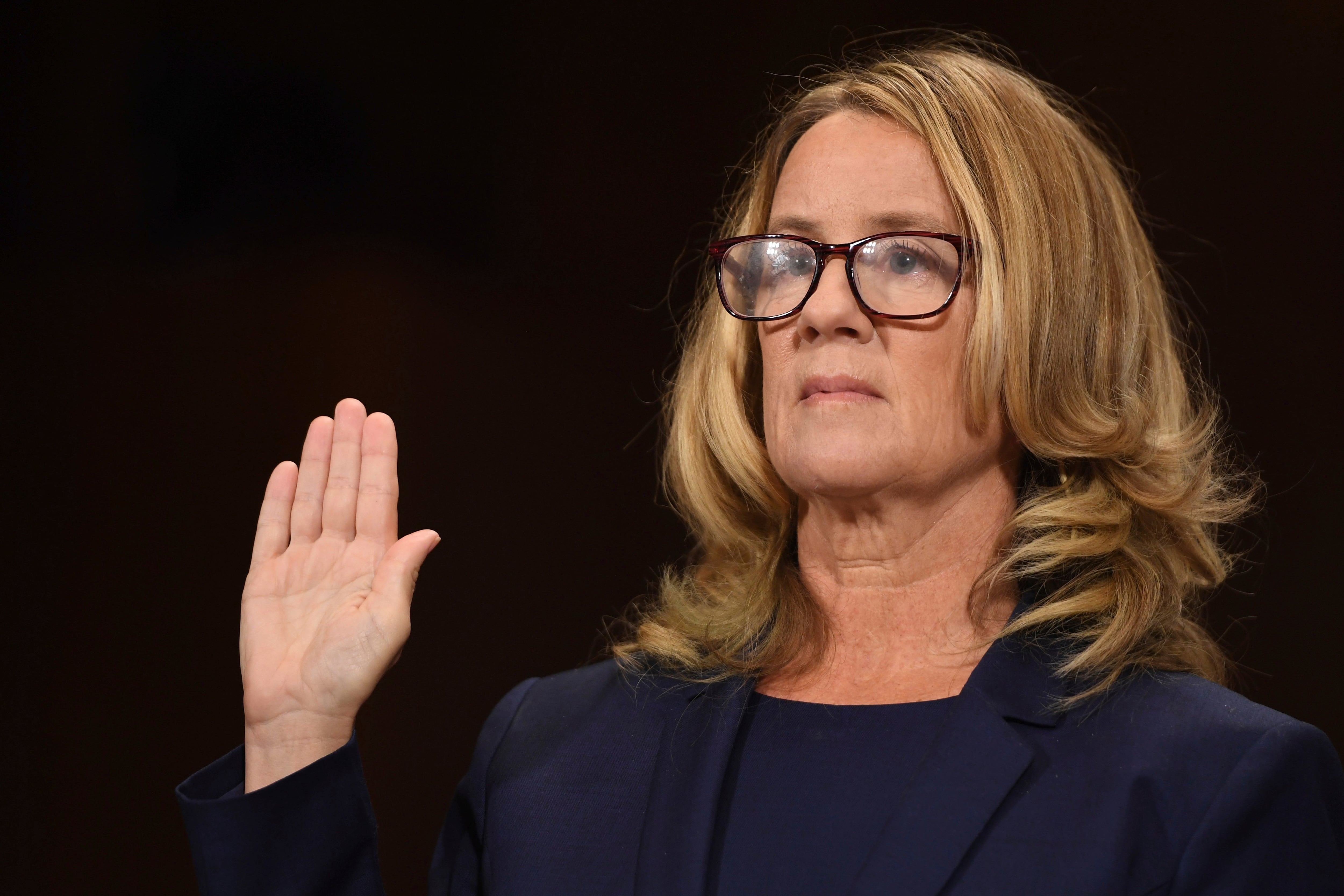
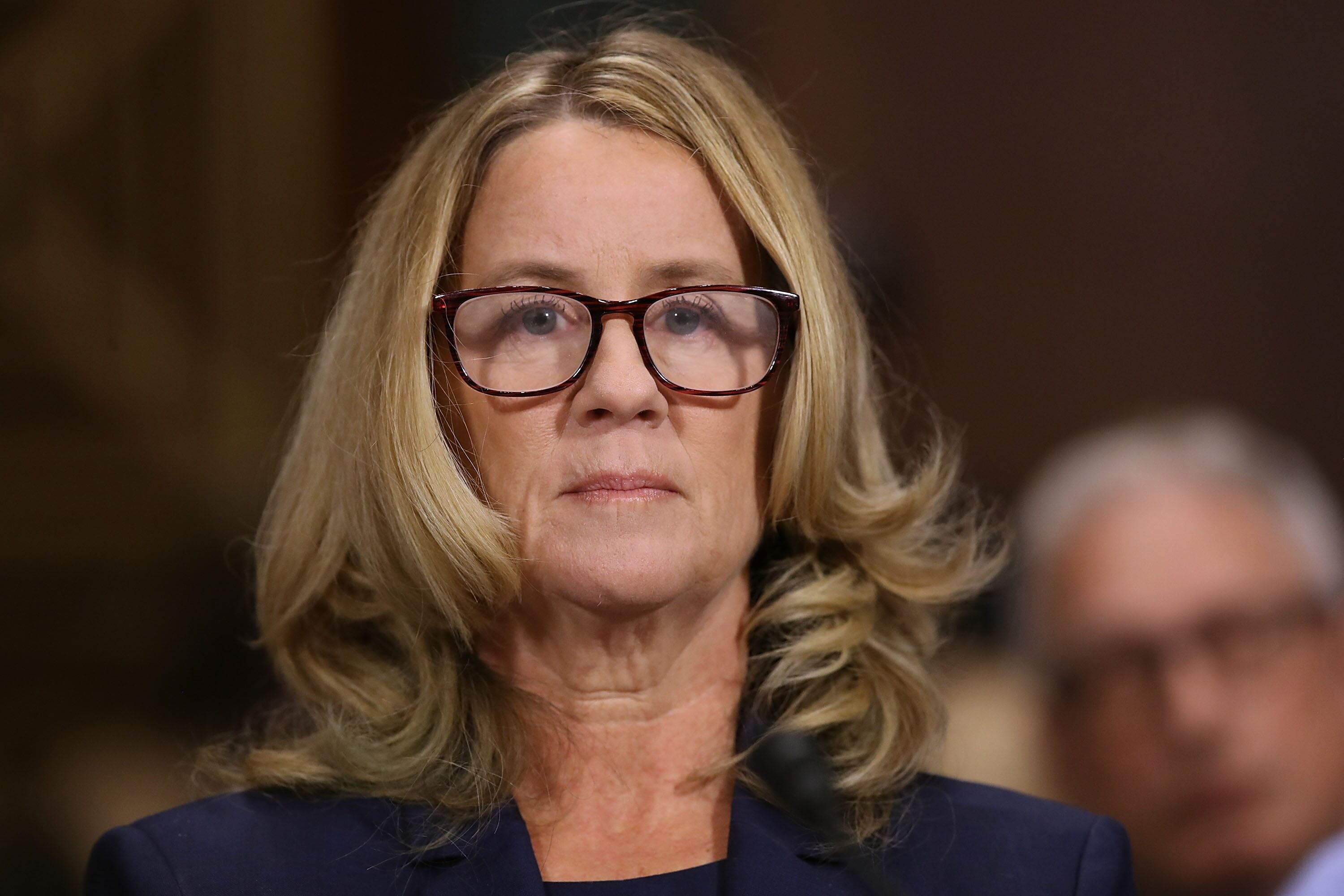
On Thursday morning Prof. Christine Blasey Ford appeared in front of the Senate Judiciary Committee to testify on her alleged sexual assault by Supreme Court nominee Brett Kavanaugh.
These are the headlines you Need 2 Know.
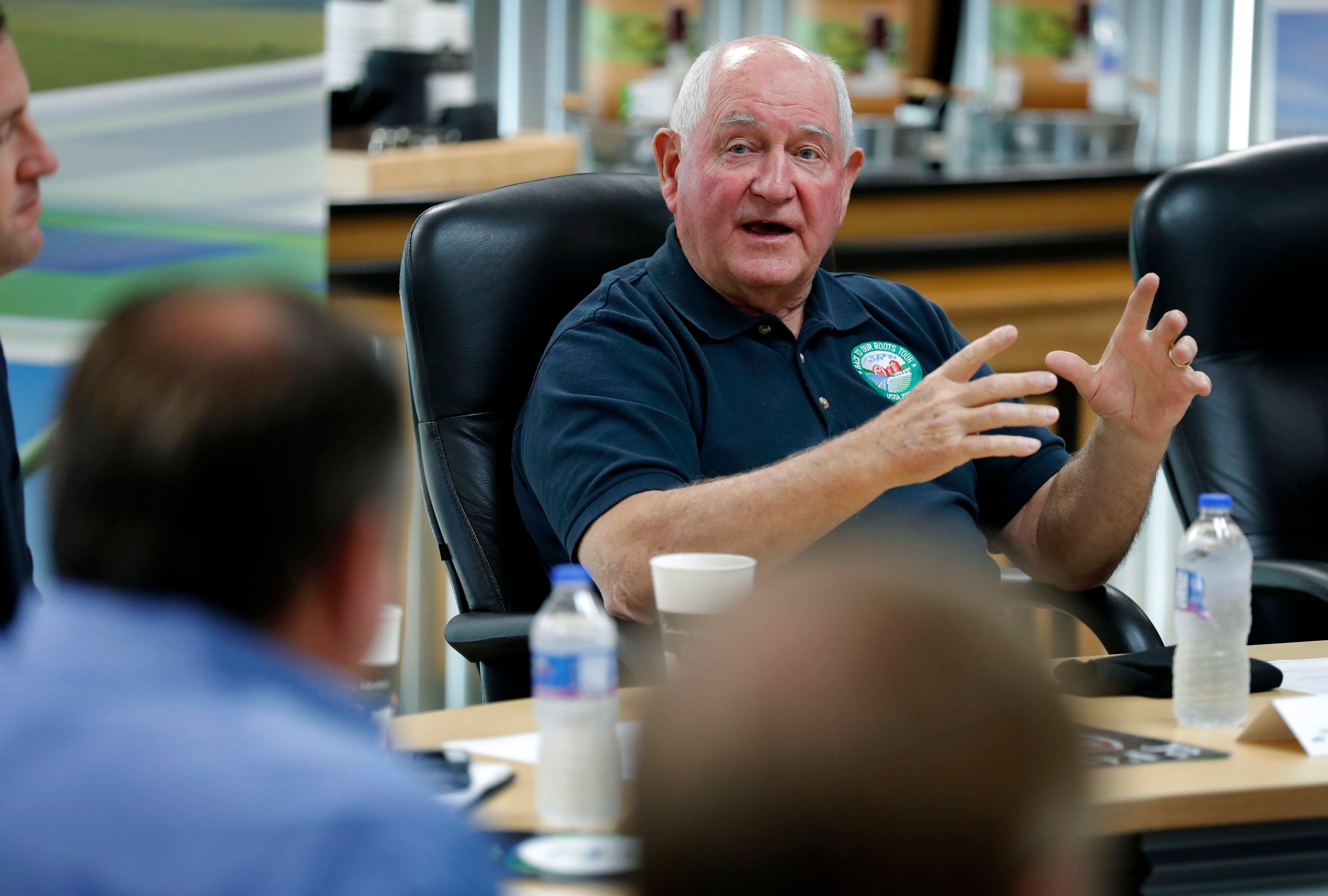
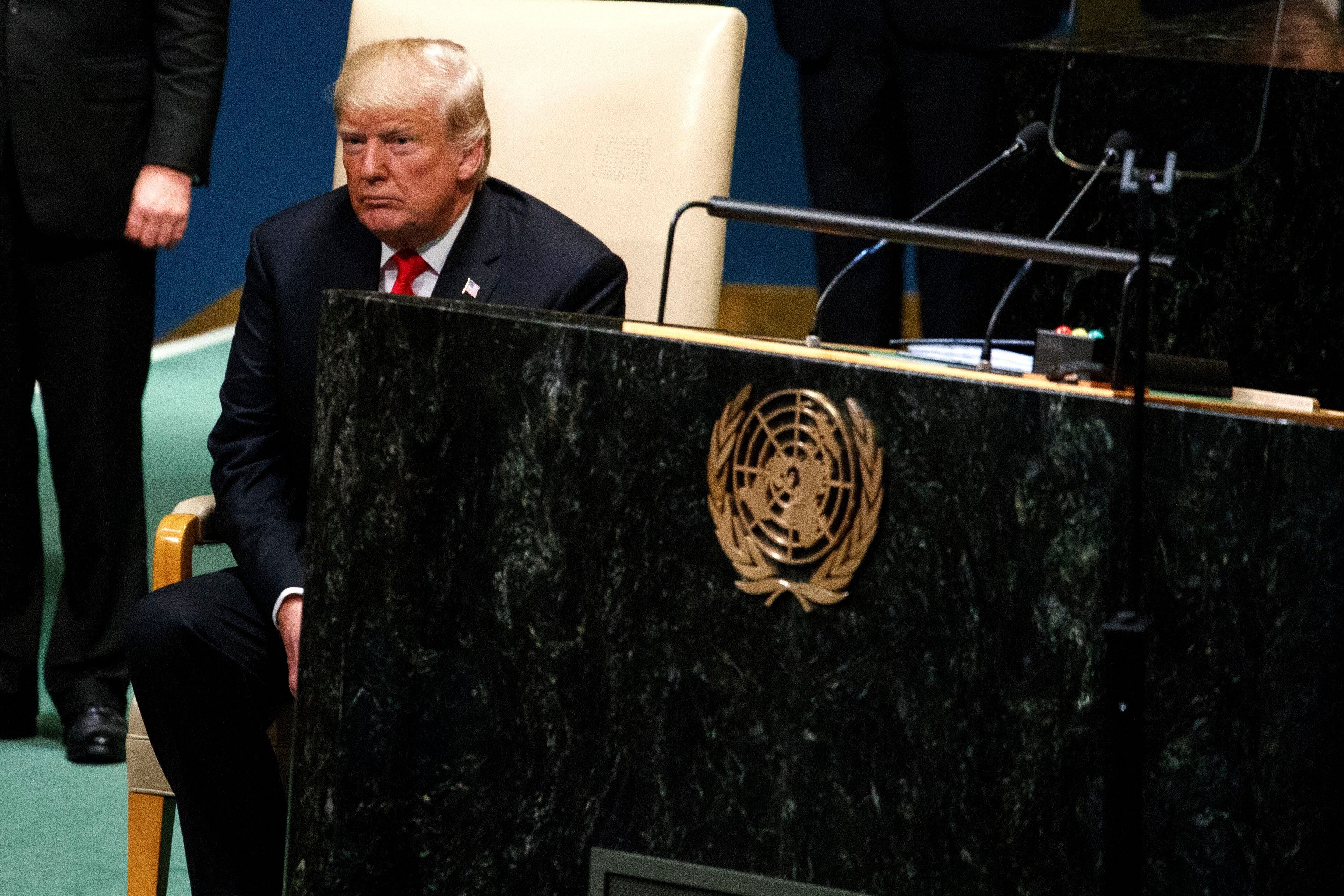
Sonny Perdue, U.S. Secretary of Agriculture, said American farmers understand the need for tariffs on Chinese imports, even if they might feel some short-term pain. After President Trump imposed tariffs on China, American farmers began to feel the effects. China is the largest importer of American soybeans and that revenue stream has now been cut off. The federal government pledged $12 billion as temporary relief for farmers affected by Trump's tariffs.
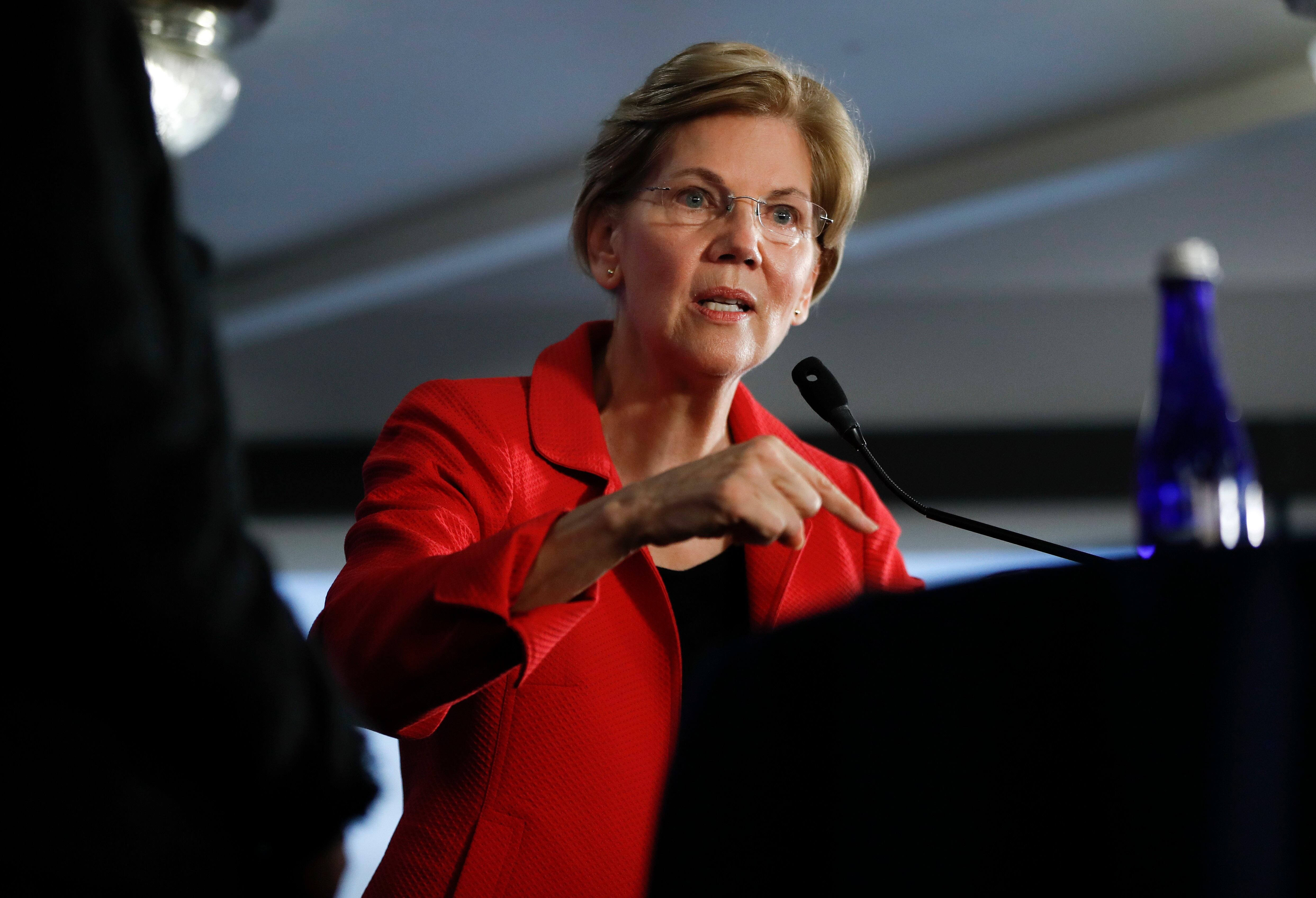
Sen. Elizabeth Warren (D-MA) is currently promoting a new housing bill that calls for $450 billion to build and renovate affordable housing over the next 10 years. Warren is suggesting an estate tax on the 10,000 top earners in the U.S. to fund the bill. Warren said it's not about "punishing" people for their economic success, but rather for everyone to pay their fair share and allow middle Americans to accrue wealth through homeownership.
These are the headlines you Need 2 Know.