Voting rights groups in Ohio are being lauded for their oversight efforts which uncovered massive errors in the state's recent bid to remove hundreds of thousands of voters from its rolls. The inspection, which was carried out primarily by nonprofit volunteers, found that more than 40,000 voters were mistakenly included on the state's to-be-deleted list.
"It definitely showed that Ohio's registration system needs a major upgrade," Jen Miller, the director of the League of Women Voters of Ohio, told Cheddar on Monday. "We can't be using a policy as severe as a purge when we can't even be sure that our purge lists are correct."
In an unusual move, this past August Ohio's Secretary of State Frank LaRose publically released a list of 235,000 voters that were set to be deleted from the state's registry. By reviewing the long spreadsheet, the League of Women Voters and several other groups uncovered gross inaccuracies, including the inclusion of Miller's name.
Yet Secretary LaRose, a Republican, has praised the process, saying his office undertook the most transparent review of Ohio's voting rolls to date. "Because of our collaboration with outside organizations, the proper safeguards are in place to ensure any eligible voter will have the opportunity to have their voice heard," LaRose said in a statement after revising the list.
The list maintenance process, as it's officially called, is legally mandated in Ohio and seeks to clear the state's system of deceased residents, inactive voters, or people who have moved out of state. Voter purging, however, has become a major issue nationwide as Republican-led initiatives in several states have sought to remove voters through controversial registration requirements, which critics say primarily target minority or Democratic voters.
Other oversight groups that participated in the review include the National Association for the Advancement of Colored People, All Voting is Local, and the Fair Elections Center.
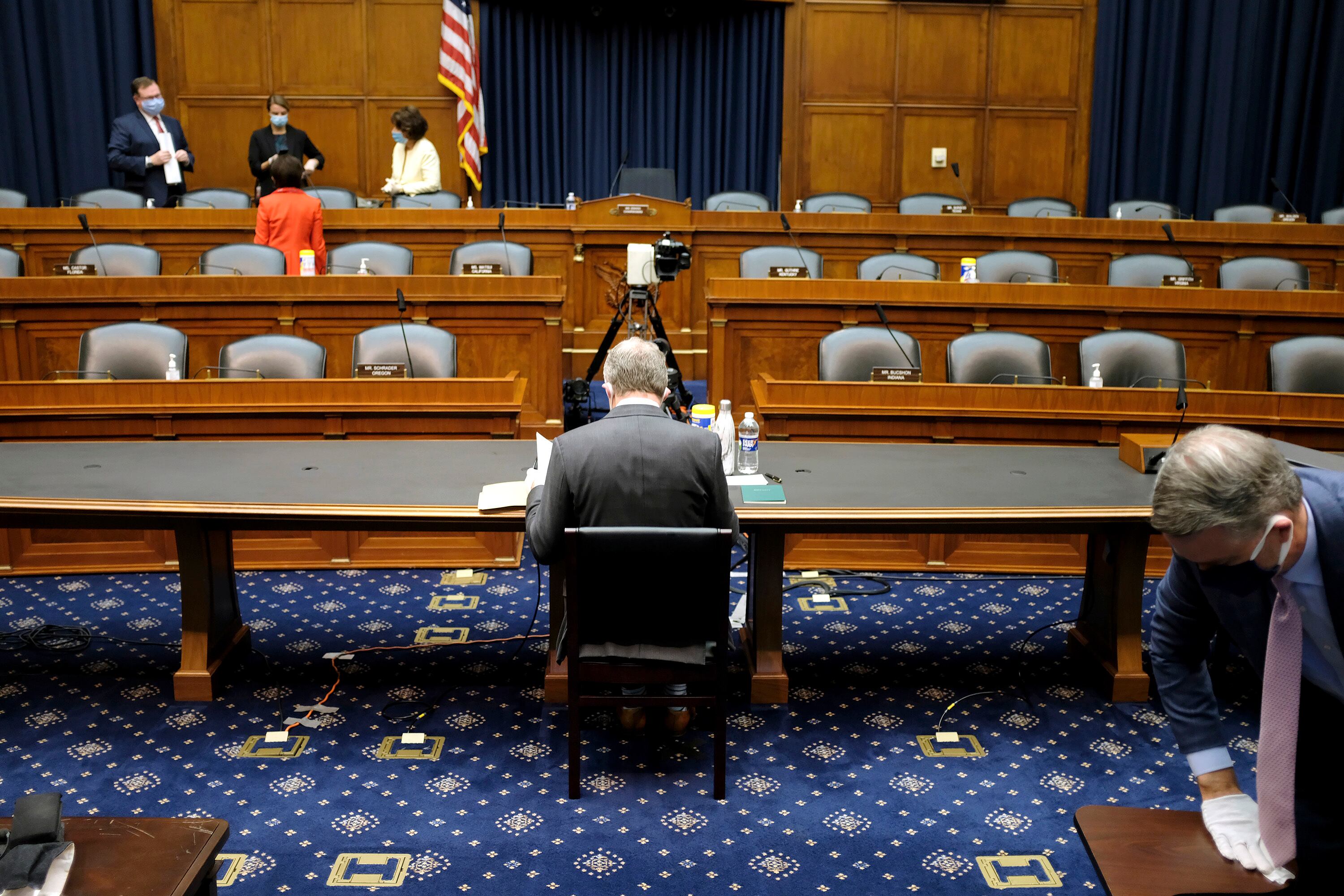
Dr. Rick Bright is telling Congress that America faces the “darkest winter in modern history” unless its leaders act decisively to prevent a rebound of the coronavirus.
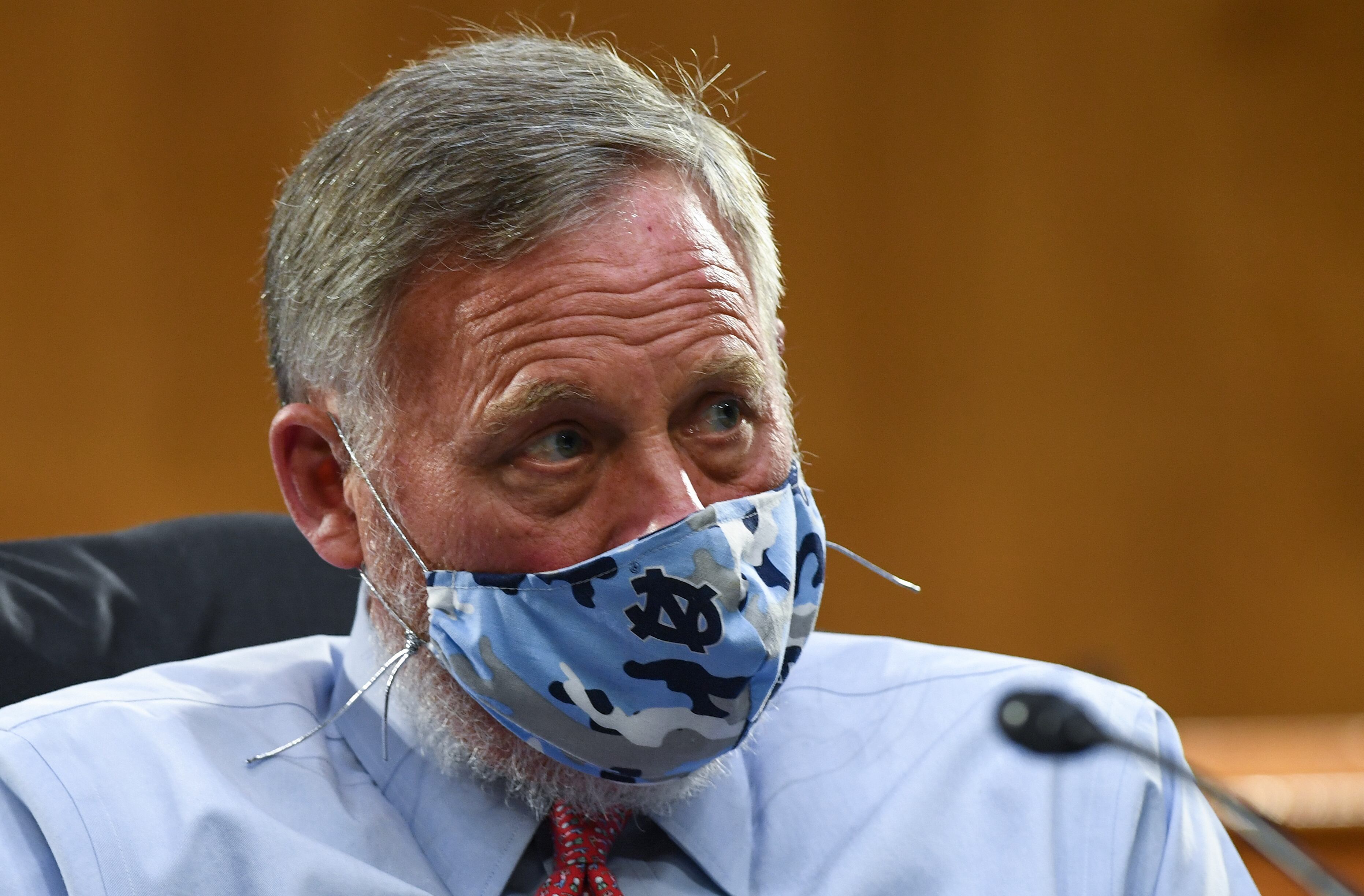
Sen. Richard Burr stepped aside as chairman of the Senate Intelligence Committee after the FBI served a search warrant for his phone as part of an ongoing insider-trading investigation tied to the coronavirus pandemic.
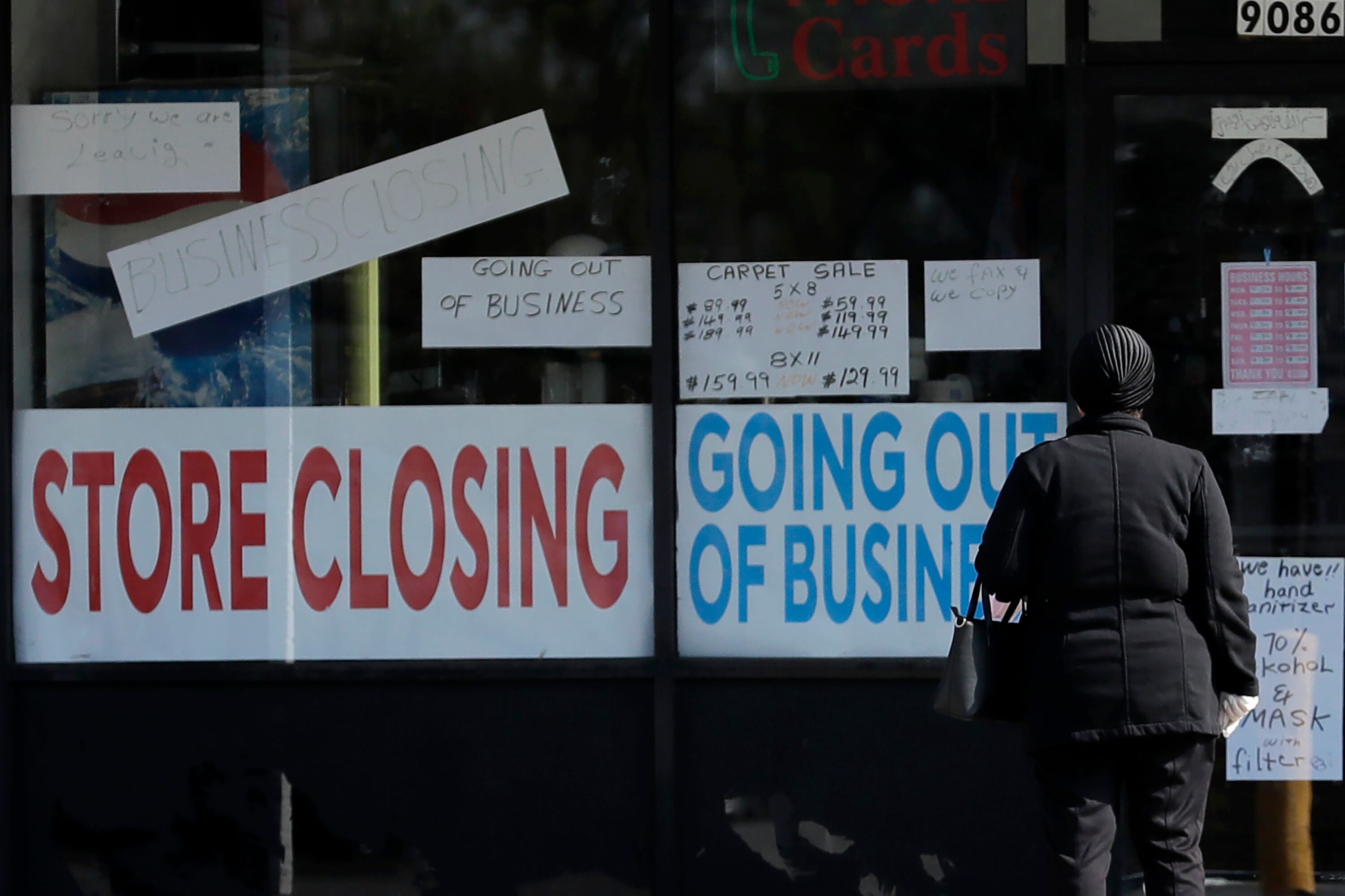
Nearly 3 million laid-off workers applied for U.S. unemployment benefits last week as the viral outbreak led more companies to slash jobs even though most states have begun to let some businesses reopen under certain restrictions.
Stocks are falling in early trading on Wall Street Wednesday, tacking on more losses to their end-of-day slide from a day before.
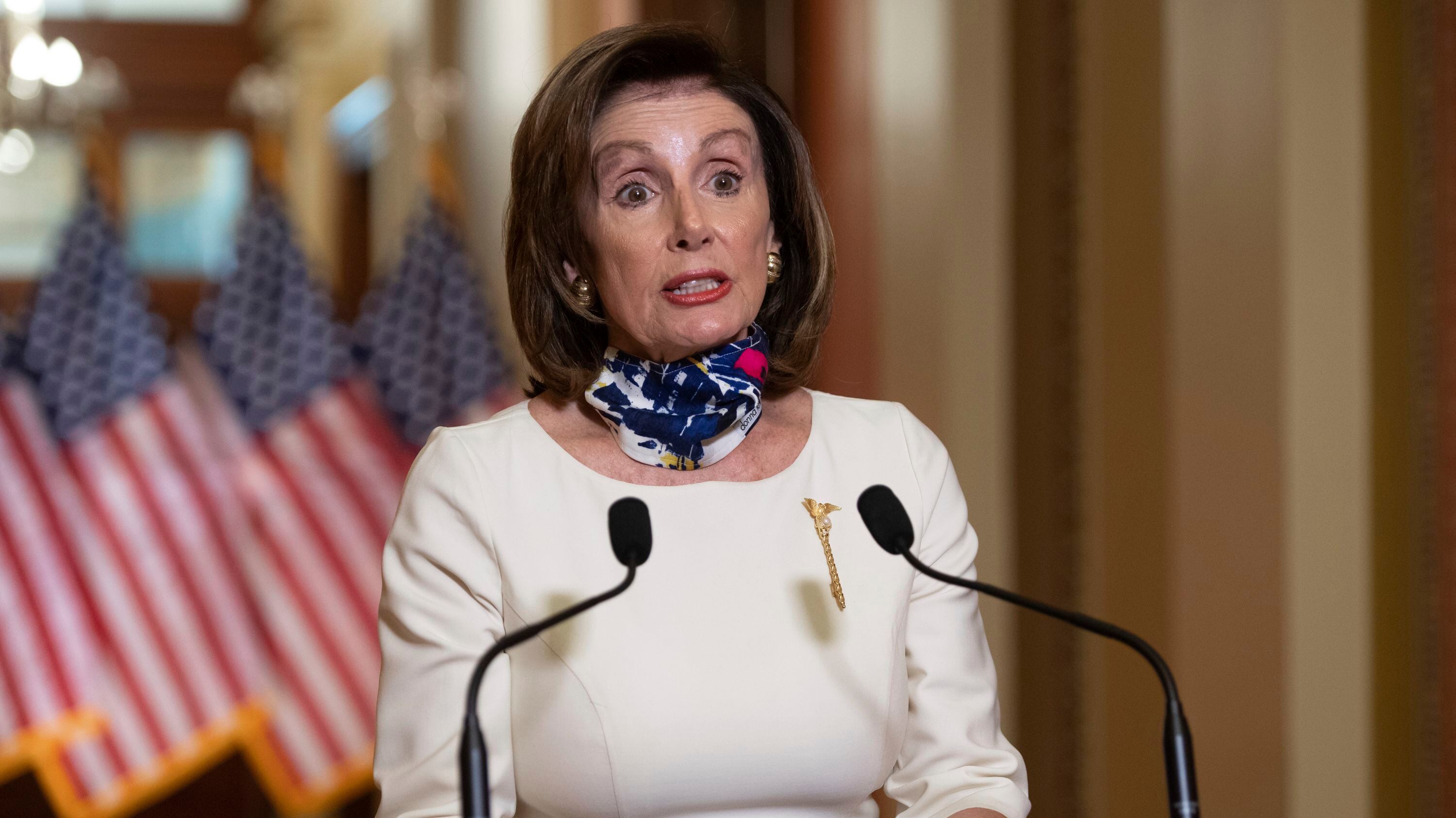
House Speaker Nancy Pelosi has unveiled a more than $3 trillion new coronavirus aid package. It would provide nearly $1 trillion for states, cities and tribal governments to avert layoffs and another $200 billion in “hazard pay” for essential workers.
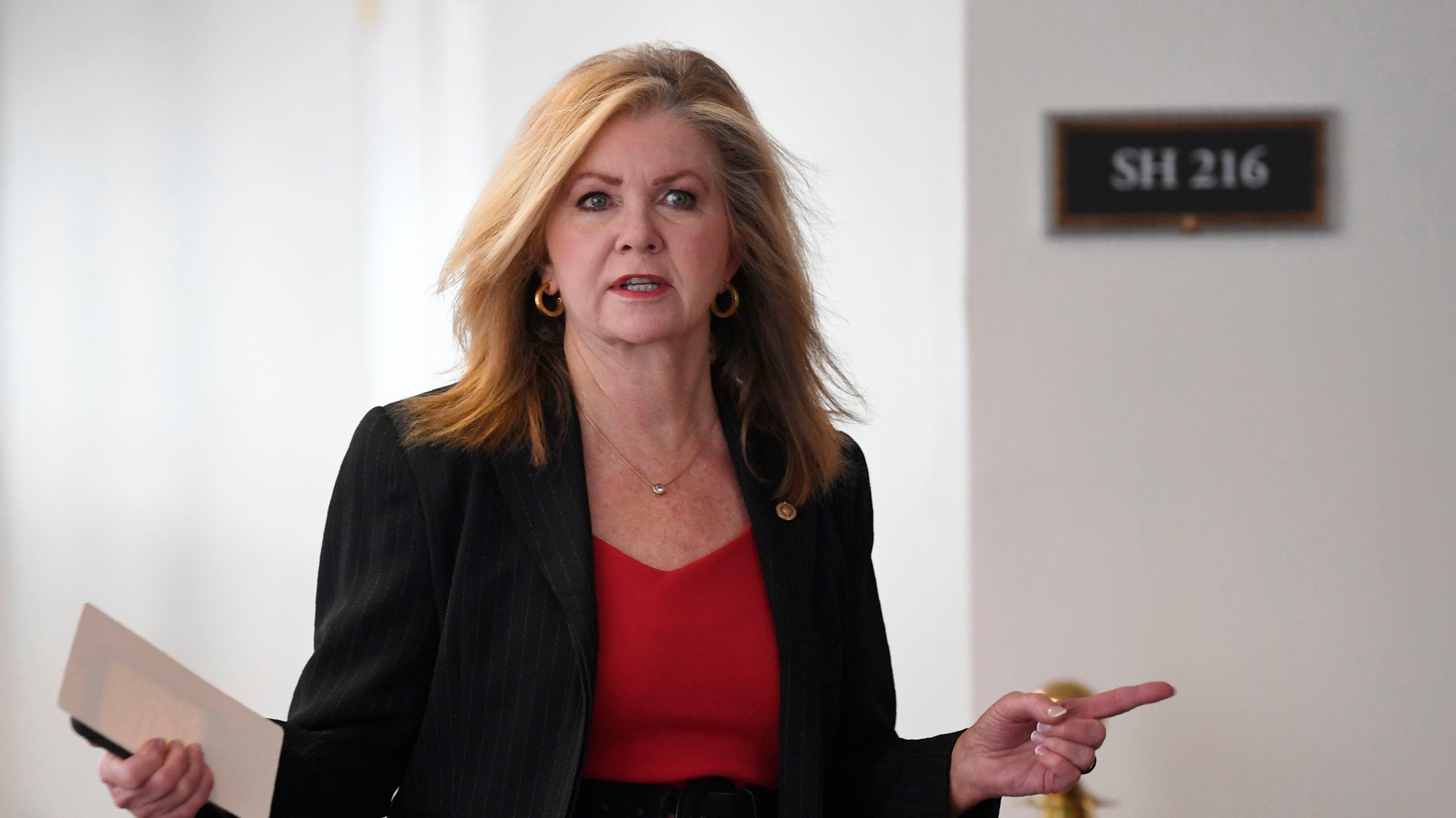
Republican Senators Marsha Blackburn and Martha McSally have introduced legislation that would allow U.S. citizens to file lawsuits against the Chinese Communist Party over the COVID-19 pandemic.
Wall Street fell to its biggest loss since the start of the month on worries about the downside of reopening the economy too soon.
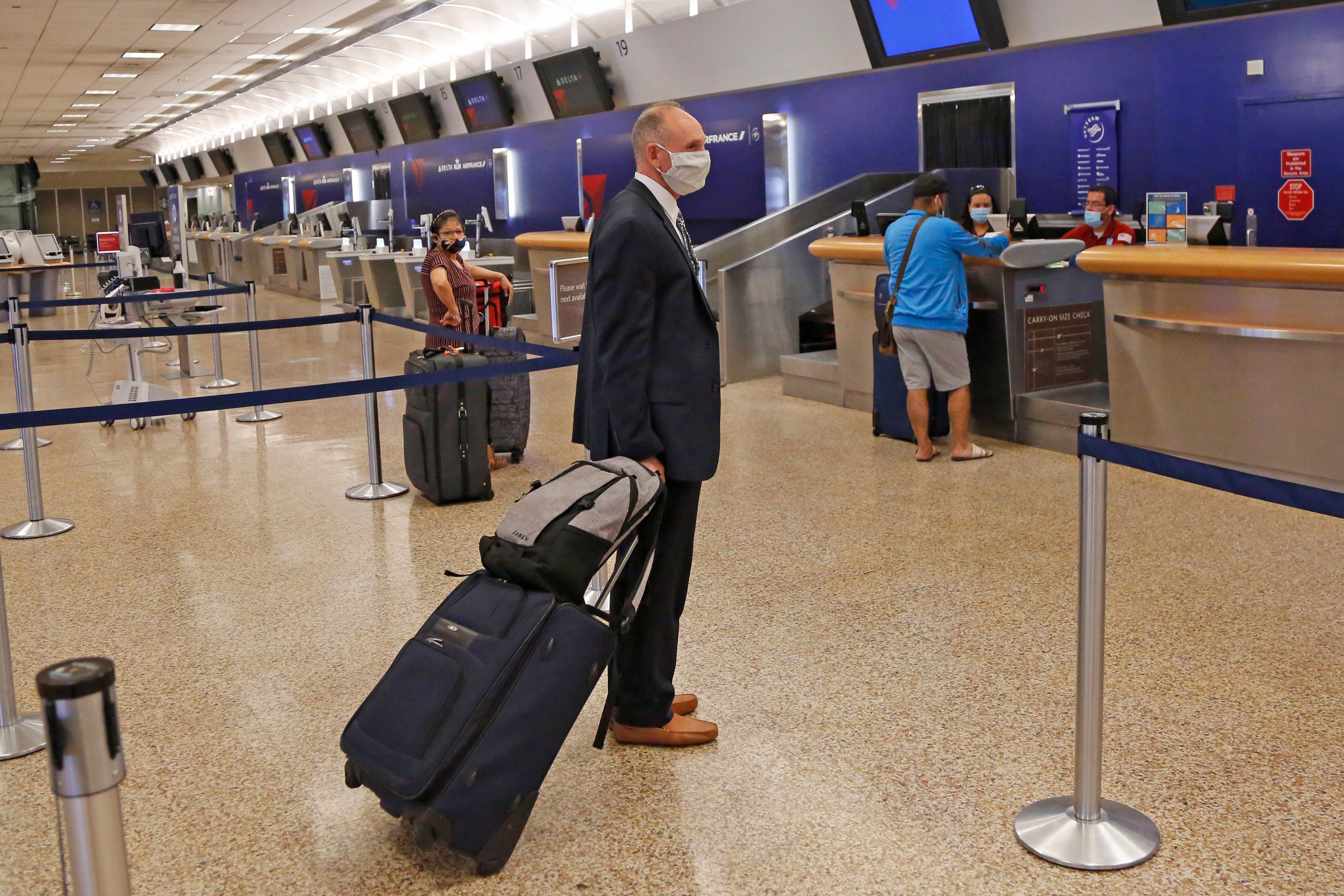
Gloria Guevara, World Travel and Tourism Council CEO and president, told Cheddar on Tuesday that travel-related businesses are very eager for people to start taking trips again, however, opening the industry will need to be done in a coordinated way.
Dr. Anthony Fauci, the nation’s top infectious disease expert, is warning Congress and the nation of what he calls "really serious” consequences of suffering, death and deeper economic damage if state and local officials lift stay-at-home orders too quickly.
Broward County Mayor Dale V.C. Holness told Cheddar Monday many of the counties in South Florida have been working together to decide on a reopening date for their communities.