Voting rights groups in Ohio are being lauded for their oversight efforts which uncovered massive errors in the state's recent bid to remove hundreds of thousands of voters from its rolls. The inspection, which was carried out primarily by nonprofit volunteers, found that more than 40,000 voters were mistakenly included on the state's to-be-deleted list.
"It definitely showed that Ohio's registration system needs a major upgrade," Jen Miller, the director of the League of Women Voters of Ohio, told Cheddar on Monday. "We can't be using a policy as severe as a purge when we can't even be sure that our purge lists are correct."
In an unusual move, this past August Ohio's Secretary of State Frank LaRose publically released a list of 235,000 voters that were set to be deleted from the state's registry. By reviewing the long spreadsheet, the League of Women Voters and several other groups uncovered gross inaccuracies, including the inclusion of Miller's name.
Yet Secretary LaRose, a Republican, has praised the process, saying his office undertook the most transparent review of Ohio's voting rolls to date. "Because of our collaboration with outside organizations, the proper safeguards are in place to ensure any eligible voter will have the opportunity to have their voice heard," LaRose said in a statement after revising the list.
The list maintenance process, as it's officially called, is legally mandated in Ohio and seeks to clear the state's system of deceased residents, inactive voters, or people who have moved out of state. Voter purging, however, has become a major issue nationwide as Republican-led initiatives in several states have sought to remove voters through controversial registration requirements, which critics say primarily target minority or Democratic voters.
Other oversight groups that participated in the review include the National Association for the Advancement of Colored People, All Voting is Local, and the Fair Elections Center.
Sergeant First Class Christopher Jones talked to Cheddar about how the U.S. Army eSports division, launched out of Fort Knox, Tennessee as a recruitment effort, is thriving amid the coronavirus pandemic.
Stocks are ending lower on Wall Street as tensions flared again between the U.S. and China and as more dismal news came out detailing economic fallout from the coronavirus pandemic.
Stocks were wavering between gains and losses in morning trading on Wall Street Thursday.
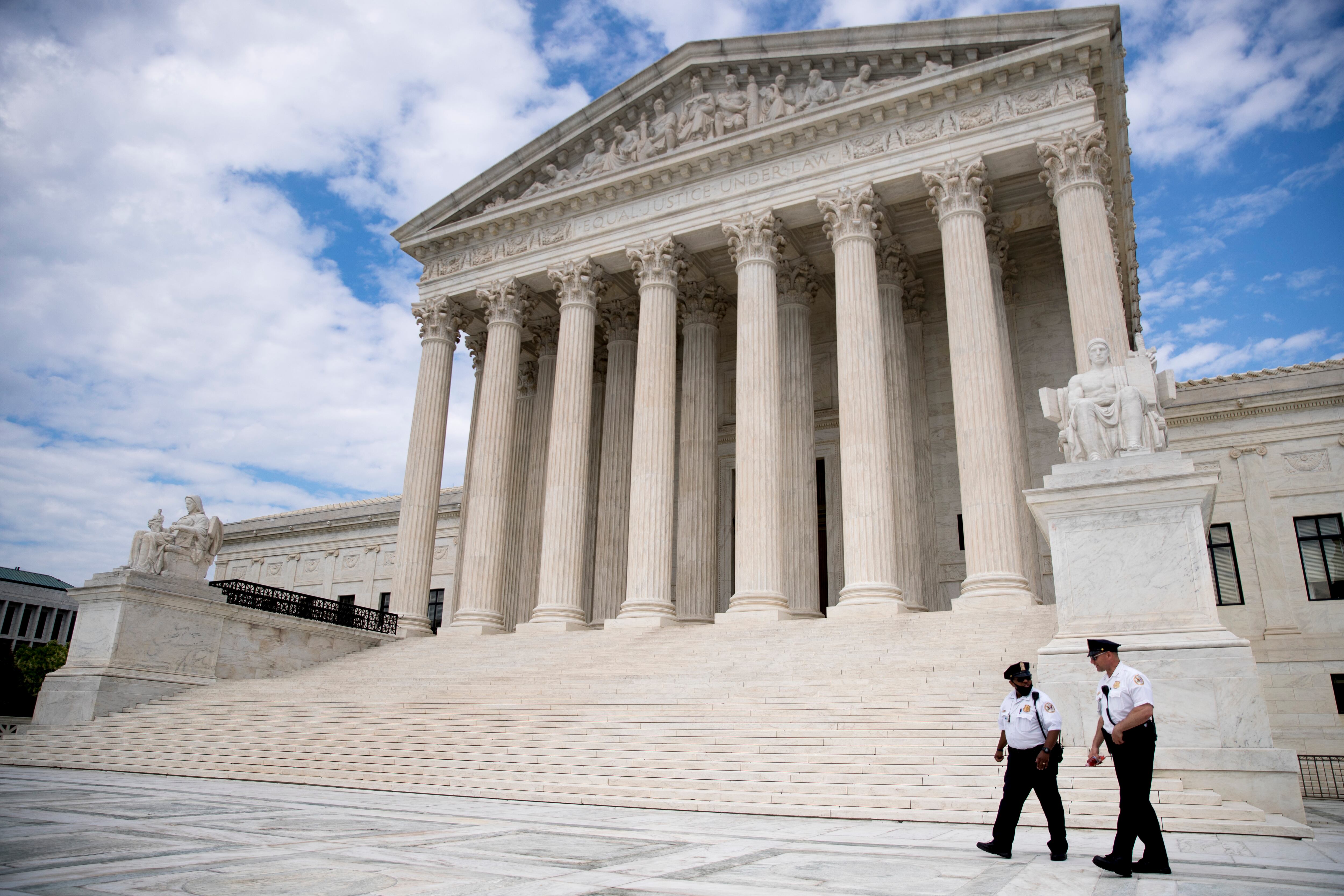
The Supreme Court is temporarily preventing the House of Representatives from obtaining secret grand jury testimony from special counsel Robert Mueller’s Russia investigation.
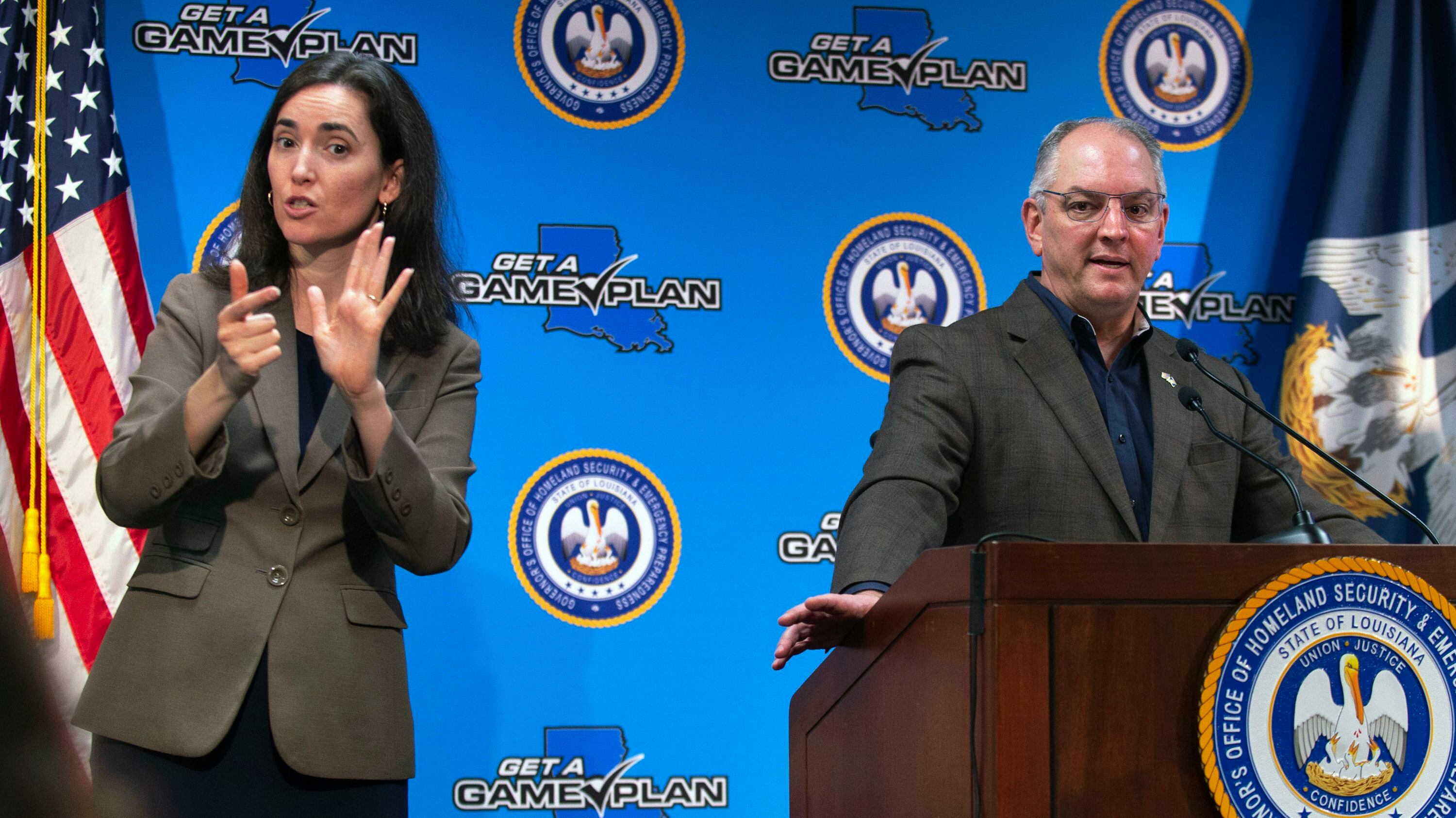
Chris Soukup, CEO of Communication Service for the Deaf discussed with Cheddar the challenges facing the community with a lack of resources and much of the new normal stemming from stay-at-home orders.
U.S. health officials have quietly released more reopening guidance that was created more than a month ago but initially shelved.
Biden campaign senior advisor Symone Sanders told Cheddar on Tuesday,"Vice President Biden said just last week he can't wait to get back out there on the campaign trail, but we're going to do so when it's safe."
Dr. Leana Wen, an emergency physician, explained the potential risks of taking hydroxychloroquine, and how President Trump needs to change his rhetoric for the sake of public health.
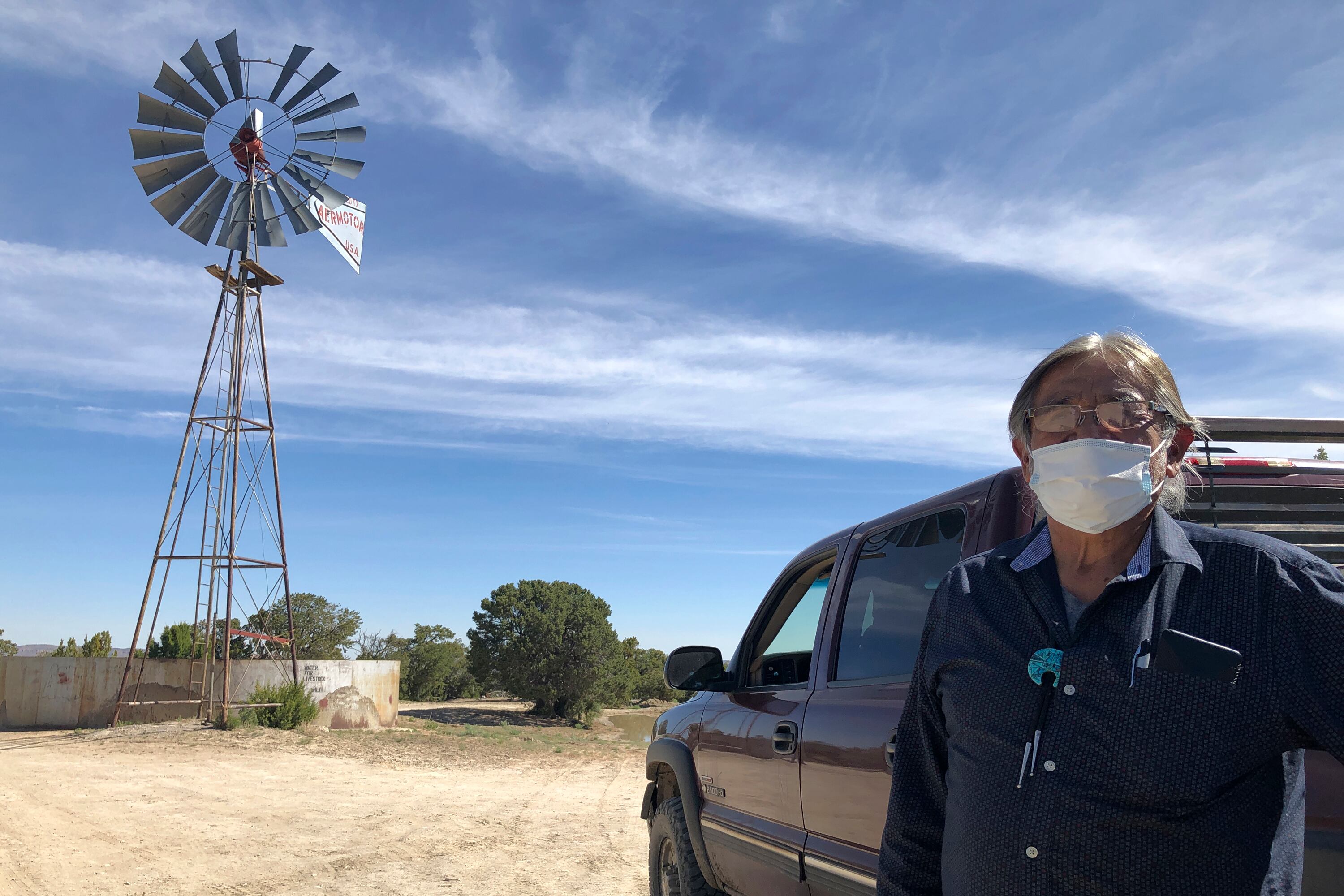
Even as some states begin the process of reopening their economies, Native American tribes are dealing with disproportionate challenges during the pandemic. The Navajo Nation, in particular, has suffered greatly. "The native communities are the ones that are suffering the most from the virus," former New Mexico Governor Bill Richardson told Cheddar. "Close to 30 to 40 percent of those that are afflicted are tribal members, especially the Navajo Nation."
Federal Reserve Chair Jerome Powell said Tuesday that the central bank’s lending programs for medium-sized businesses and state and local governments will be operational by the end of this month.