Voting rights groups in Ohio are being lauded for their oversight efforts which uncovered massive errors in the state's recent bid to remove hundreds of thousands of voters from its rolls. The inspection, which was carried out primarily by nonprofit volunteers, found that more than 40,000 voters were mistakenly included on the state's to-be-deleted list.
"It definitely showed that Ohio's registration system needs a major upgrade," Jen Miller, the director of the League of Women Voters of Ohio, told Cheddar on Monday. "We can't be using a policy as severe as a purge when we can't even be sure that our purge lists are correct."
In an unusual move, this past August Ohio's Secretary of State Frank LaRose publically released a list of 235,000 voters that were set to be deleted from the state's registry. By reviewing the long spreadsheet, the League of Women Voters and several other groups uncovered gross inaccuracies, including the inclusion of Miller's name.
Yet Secretary LaRose, a Republican, has praised the process, saying his office undertook the most transparent review of Ohio's voting rolls to date. "Because of our collaboration with outside organizations, the proper safeguards are in place to ensure any eligible voter will have the opportunity to have their voice heard," LaRose said in a statement after revising the list.
The list maintenance process, as it's officially called, is legally mandated in Ohio and seeks to clear the state's system of deceased residents, inactive voters, or people who have moved out of state. Voter purging, however, has become a major issue nationwide as Republican-led initiatives in several states have sought to remove voters through controversial registration requirements, which critics say primarily target minority or Democratic voters.
Other oversight groups that participated in the review include the National Association for the Advancement of Colored People, All Voting is Local, and the Fair Elections Center.
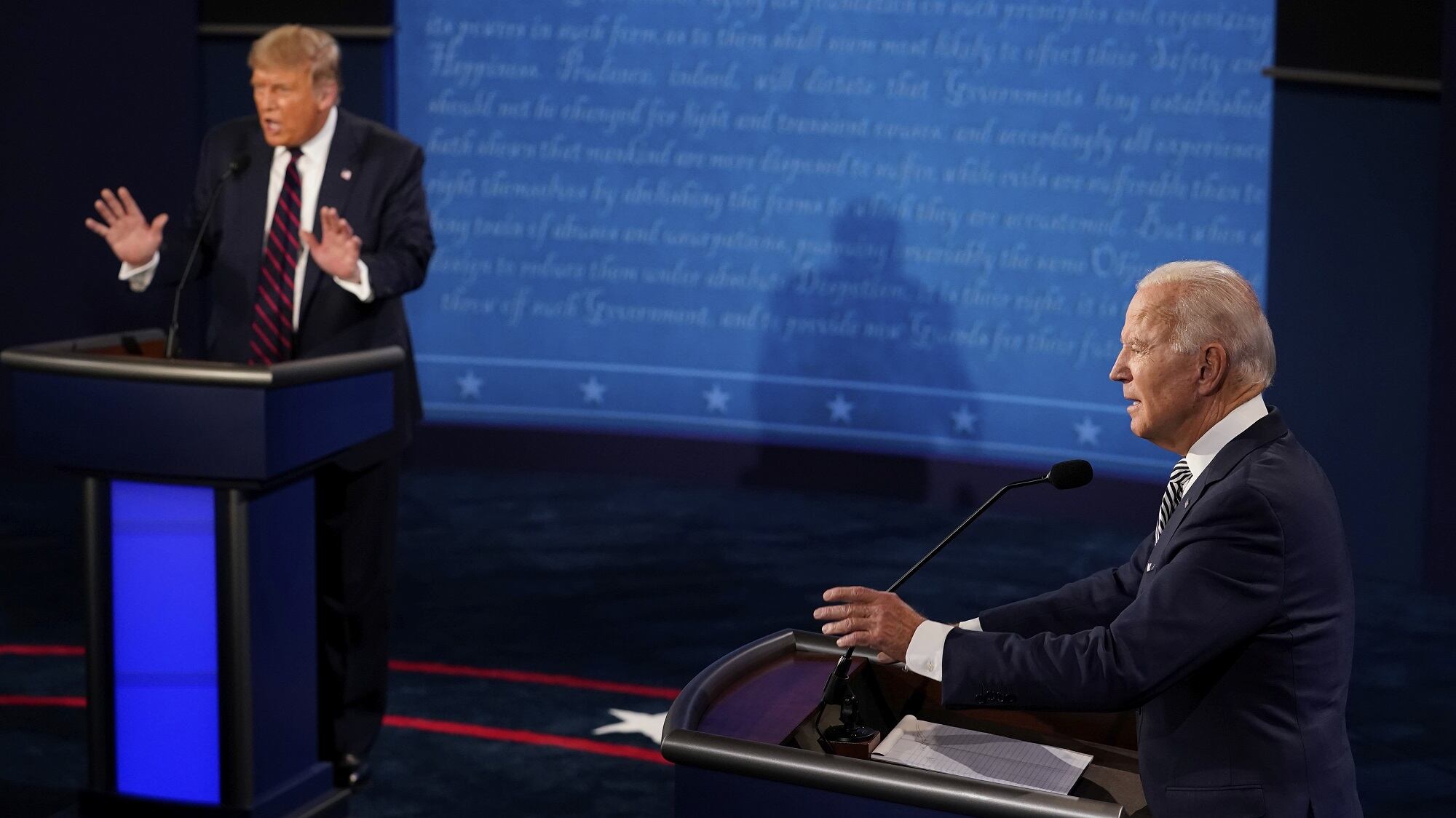
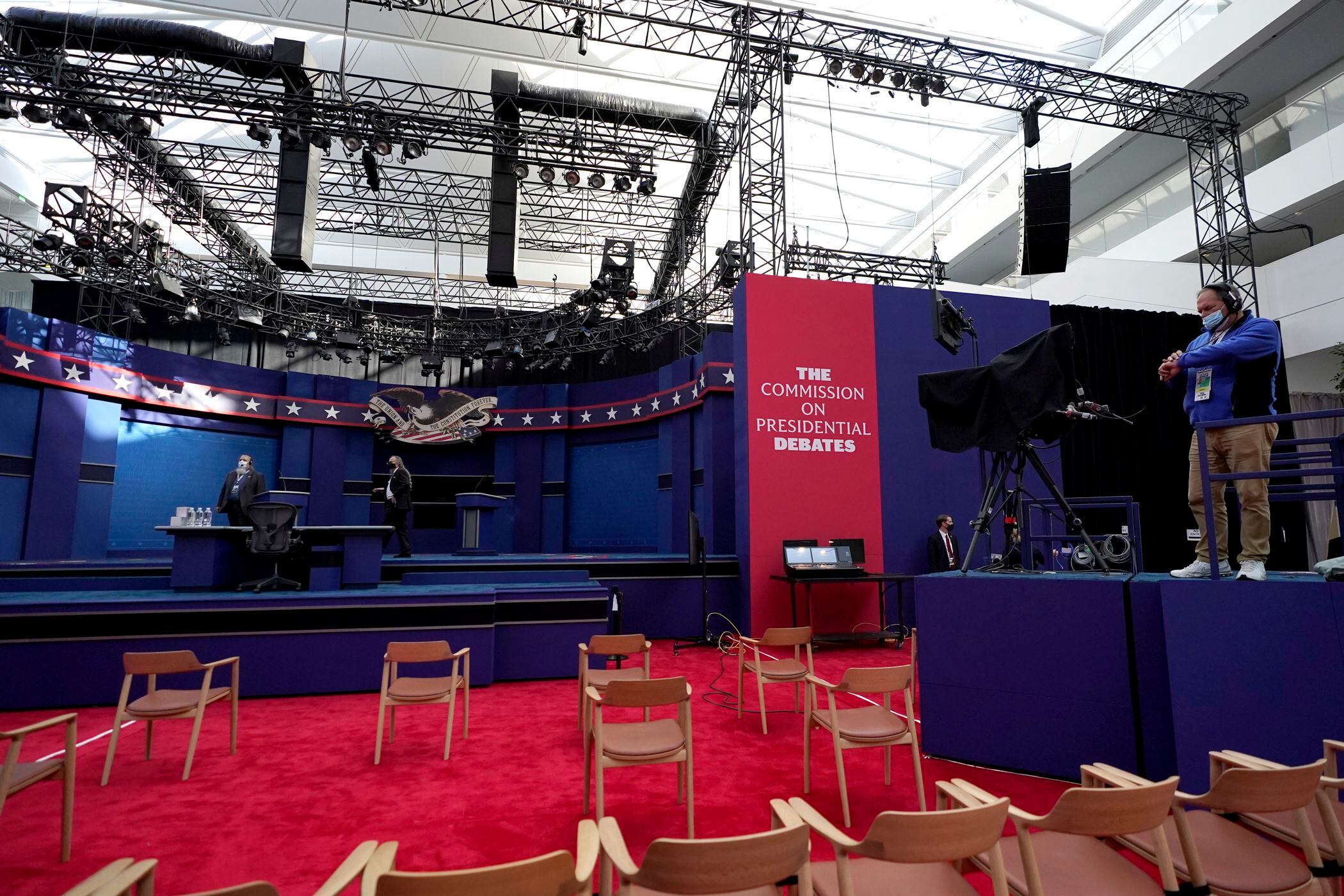
President Donald Trump and Democratic rival Joe Biden sparred Tuesday in their first of three debates, hoping to sway undecided voters planning to cast ballots by mail and in person in the final weeks leading up to the Nov. 3 election.
A look at how their statements from Cleveland stack up with the facts.
Stocks ended with moderate losses Tuesday as investors waited for the first debate between President Donald Trump and Democratic challenger Joe Biden.
Joey Bergstein, Seventh Generation CEO, joined Cheddar to discuss the climate crisis and the presidential debate.
Democratic presidential nominee Joe Biden paid nearly $288,000 in federal income taxes last year, according to returns he released just hours before his debate with President Donald Trump.
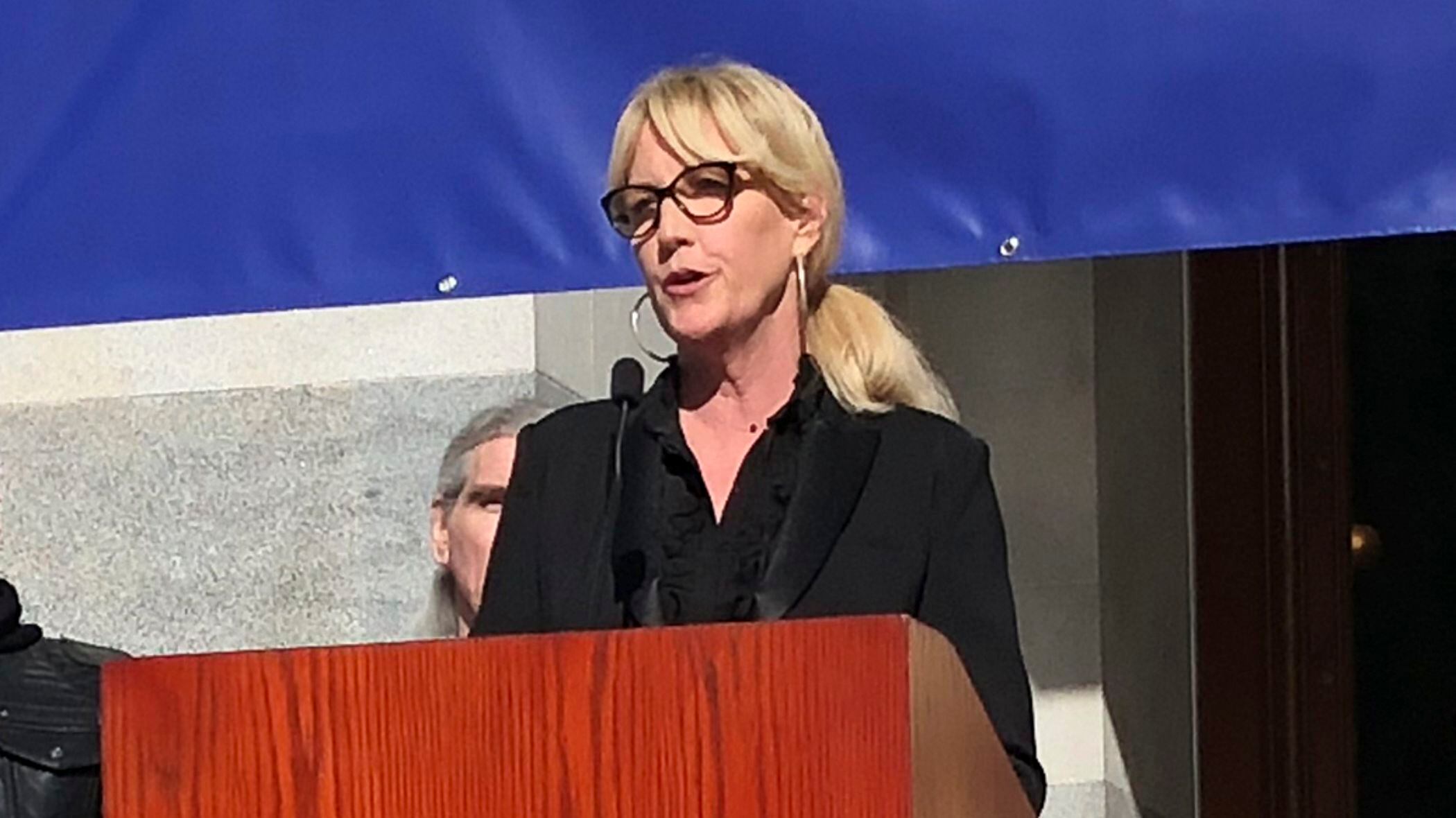
Activist, Erin Brockovich joined Cheddar to advocate for 911 operators to be classified as first responders and address problems plaguing the water supply in U.S. communities.
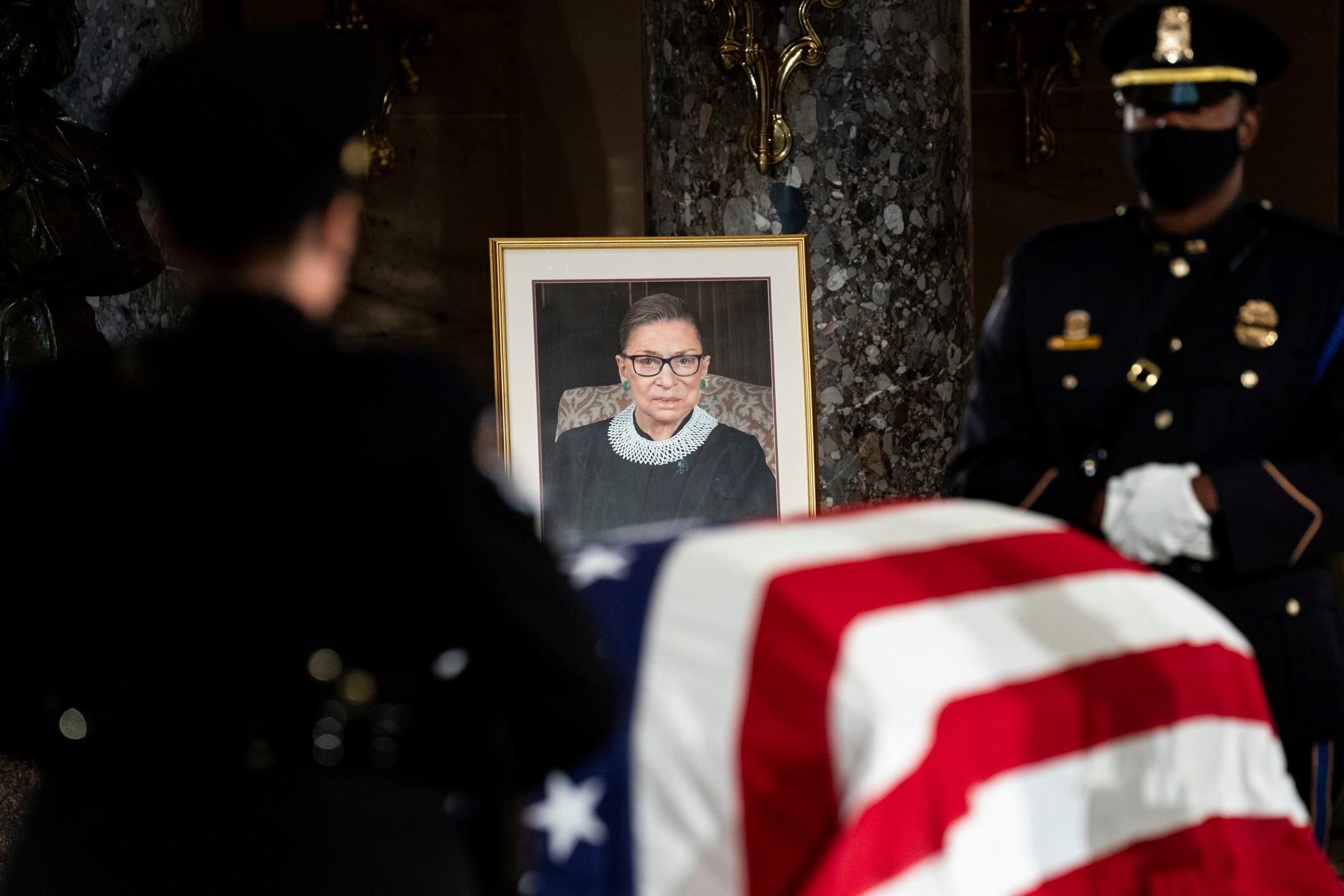
Supreme Court Justice Ruth Bader Ginsburg was buried Tuesday in a private ceremony at Arlington National Cemetery. She is the 14th justice to be buried at the cemetery.
The milestone, recorded by Johns Hopkins University, comes nine months into a crisis that has devastated the global economy, tested world leaders’ resolve, pitted science against politics and forced multitudes to change the way they live, learn and work.
President Donald Trump is expected to announce the shipment of millions of rapid coronavirus tests to states this week. He plans to urge governors to use them to reopen schools.
President Donald Trump paid just $750 in federal income taxes the year he ran for president and in his first year in the White House, according to a report Sunday in The New York Times.
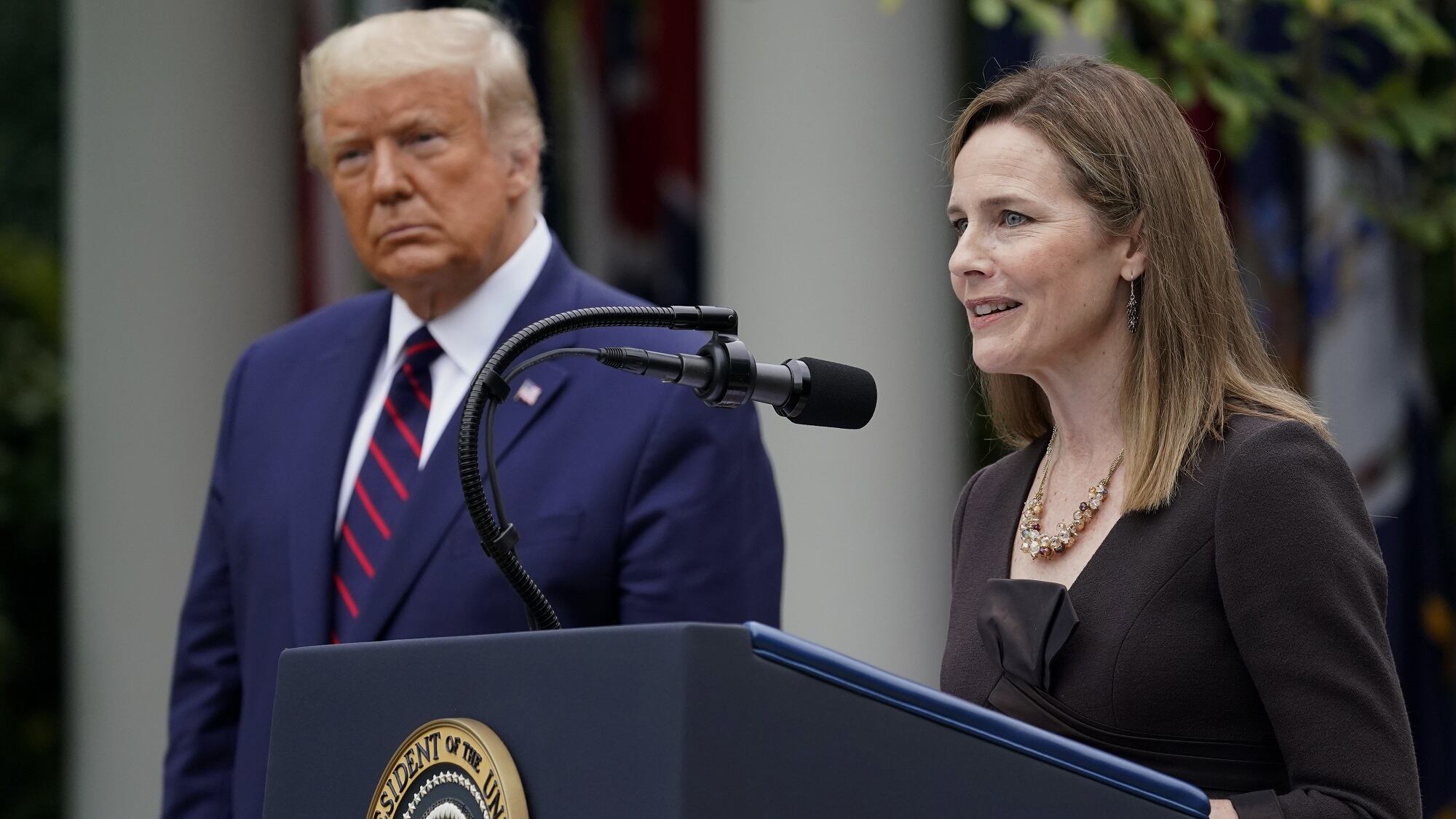
President Donald Trump nominated Judge Amy Coney Barrett to the Supreme Court on Saturday, capping a dramatic reshaping of the federal judiciary that will resonate for a generation and that he hopes will provide a needed boost to his reelection effort.