Ohio Mistakenly Put 40,000 Legit Voters on Voter Roll Purge List
Voting rights groups in Ohio are being lauded for their oversight efforts which uncovered massive errors in the state's recent bid to remove hundreds of thousands of voters from its rolls. The inspection, which was carried out primarily by nonprofit volunteers, found that more than 40,000 voters were mistakenly included on the state's to-be-deleted list.
"It definitely showed that Ohio's registration system needs a major upgrade," Jen Miller, the director of the League of Women Voters of Ohio, told Cheddar on Monday. "We can't be using a policy as severe as a purge when we can't even be sure that our purge lists are correct."
In an unusual move, this past August Ohio's Secretary of State Frank LaRose publically released a list of 235,000 voters that were set to be deleted from the state's registry. By reviewing the long spreadsheet, the League of Women Voters and several other groups uncovered gross inaccuracies, including the inclusion of Miller's name.
Yet Secretary LaRose, a Republican, has praised the process, saying his office undertook the most transparent review of Ohio's voting rolls to date. "Because of our collaboration with outside organizations, the proper safeguards are in place to ensure any eligible voter will have the opportunity to have their voice heard," LaRose said in a statement after revising the list.
The list maintenance process, as it's officially called, is legally mandated in Ohio and seeks to clear the state's system of deceased residents, inactive voters, or people who have moved out of state. Voter purging, however, has become a major issue nationwide as Republican-led initiatives in several states have sought to remove voters through controversial registration requirements, which critics say primarily target minority or Democratic voters.
Other oversight groups that participated in the review include the National Association for the Advancement of Colored People, All Voting is Local, and the Fair Elections Center.
The school shooting in Texas that left 19 children and 2 teachers dead has reignited the debate over gun control.
The tragedy in Uvalde is the deadliest school shooting in nearly a decade and marks the latest in a string of mass shootings in the country. Jared Moskowitz, Broward County Commissioner and candidate for Congress in FL-23, joined Cheddar's Opening Bell to discuss why gun control measures are stalled in the Senate, and where legislation can move forward from here.
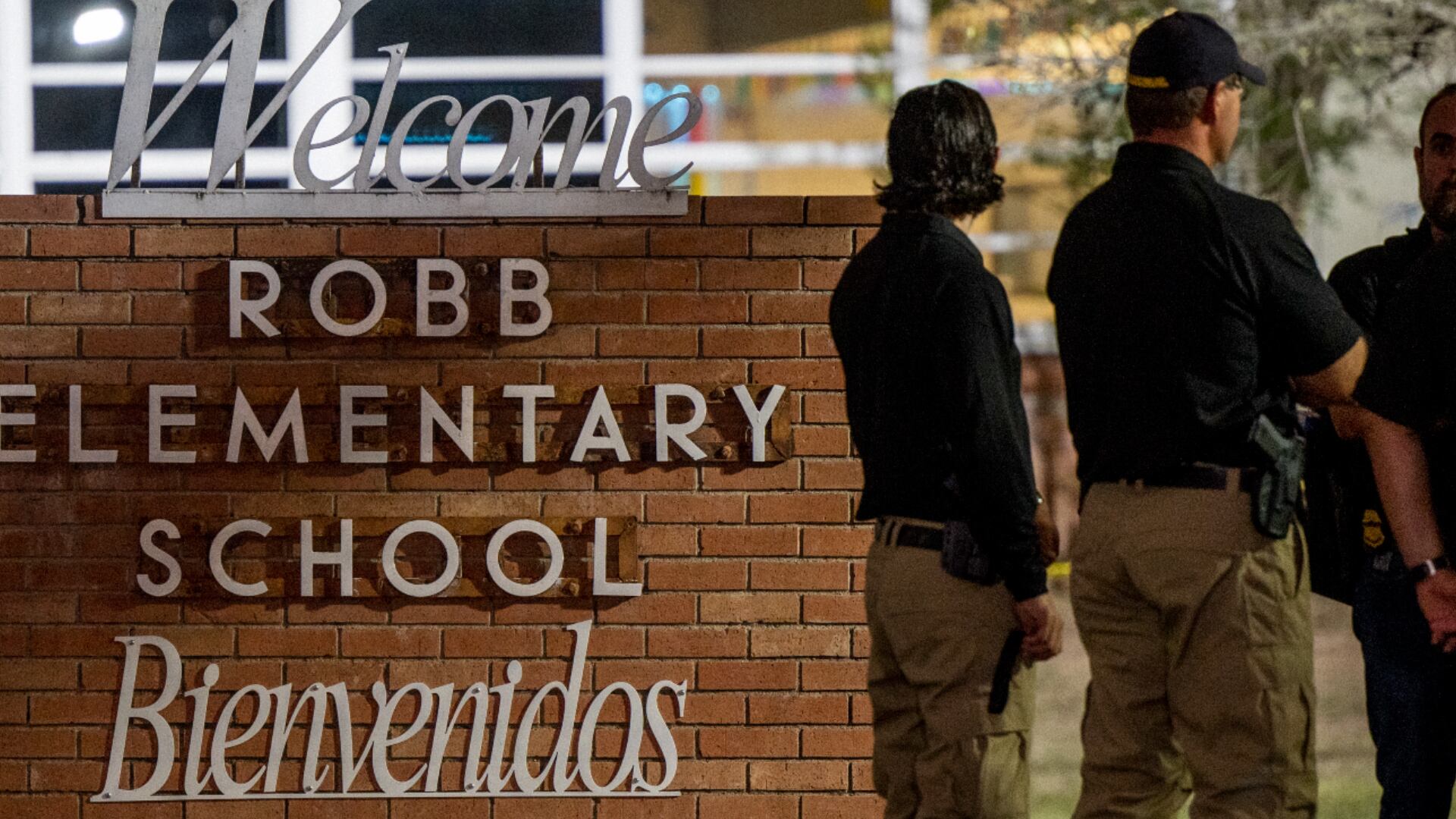
Police and detectives are still investigating the tragic school shooting in Uvalde, Texas that killed 19 children and two adults. Cheddar News was joined by Kirk Burkhalter, professor at New York Law School and former NYPD detective to gain some insight on what investigators are looking for and what comes next.
Texas authorities say the gunman who massacred 21 people at an elementary school was in the building for over an hour before he was killed by law enforcement officers.
Join Cheddar News as we break down the top headlines for Thursday, May 26 including updates on the Texas school shooting, President Joe Biden's executive order on police reform, and a recount in the Pennsylvania GOP Senate primary.
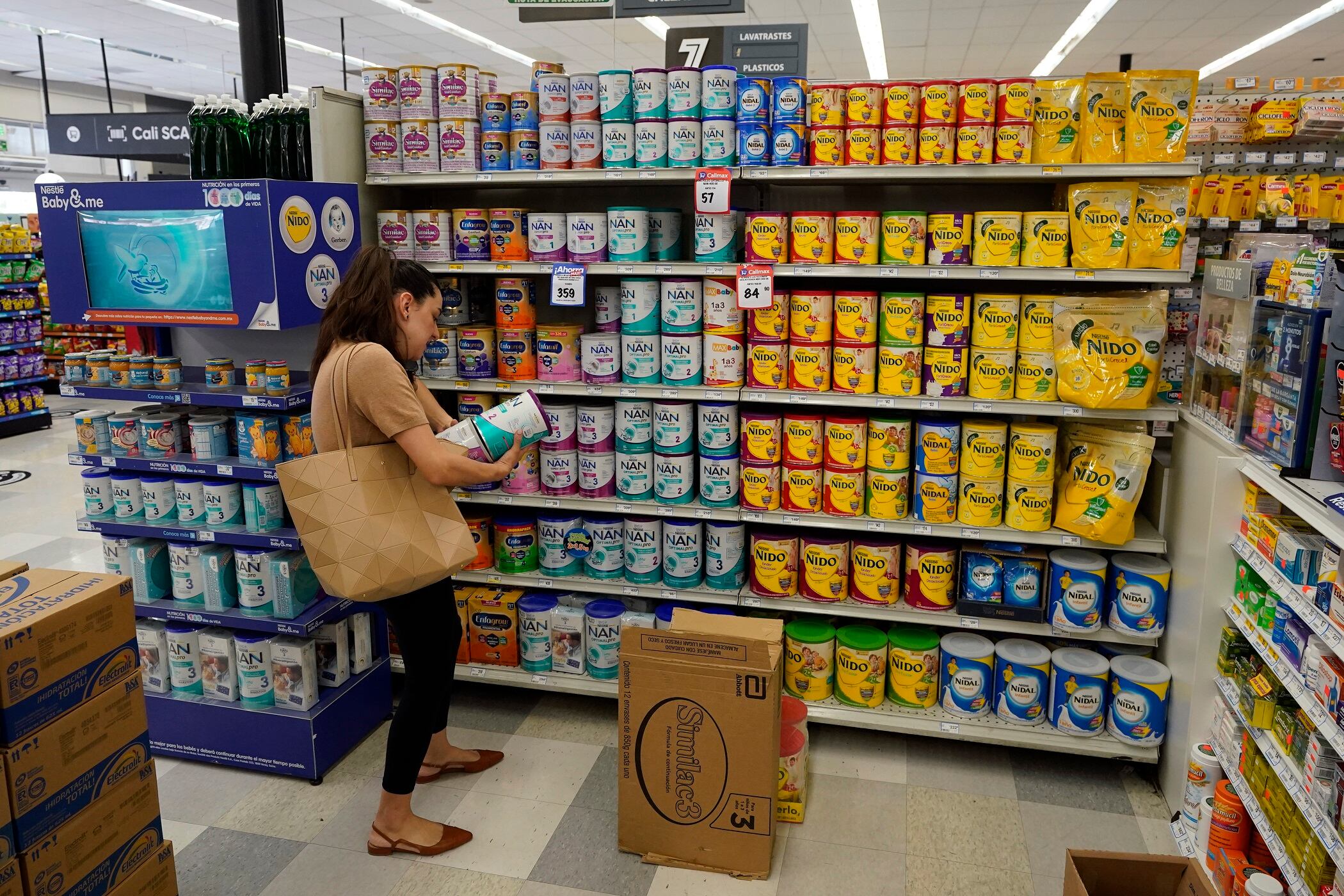
Representative Morgan Griffith of Virginia rebuked words from the FDA commissioner that could have been construed as blaming parents for stockpiling baby formula exacerbating the shortage.
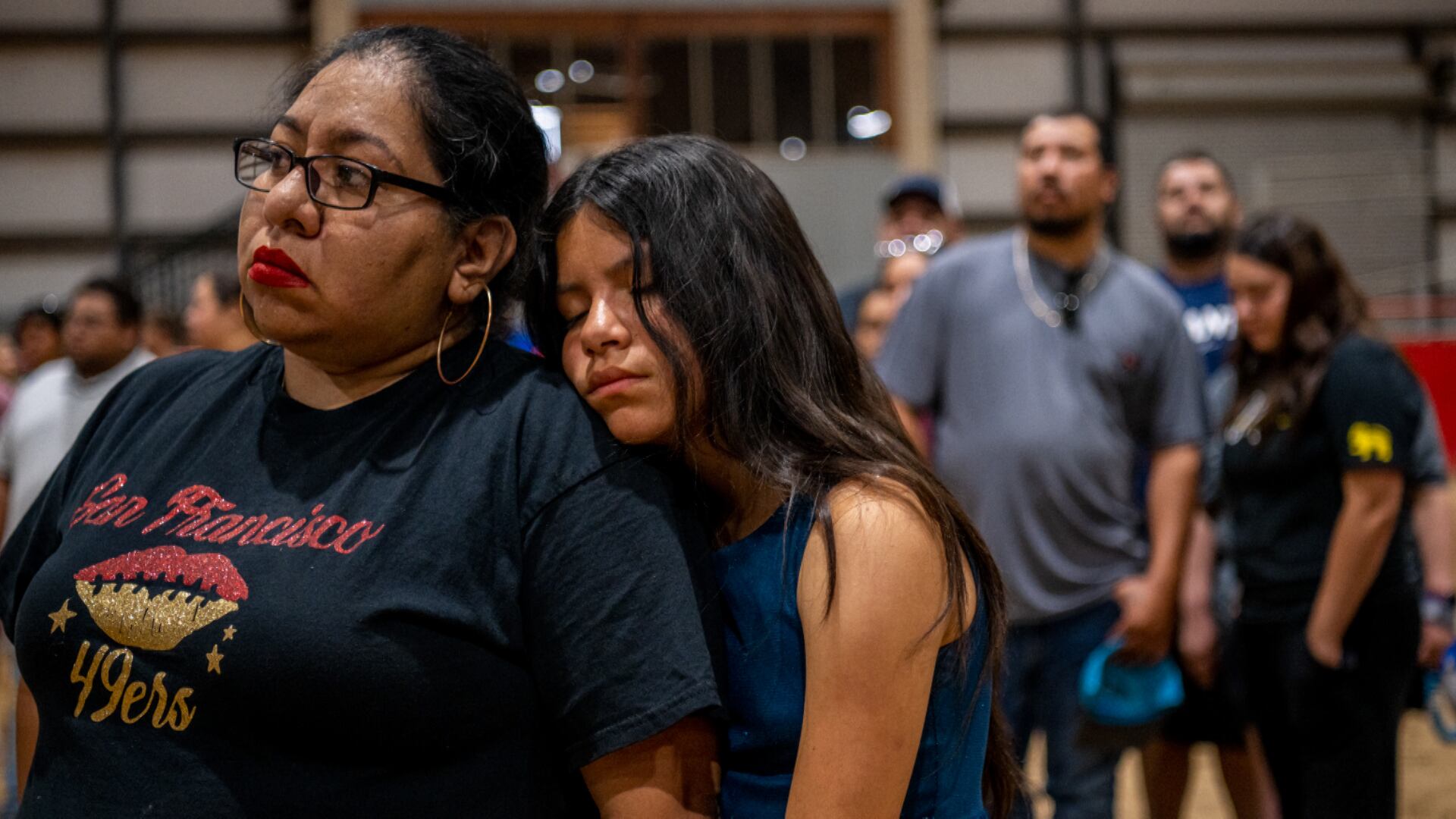
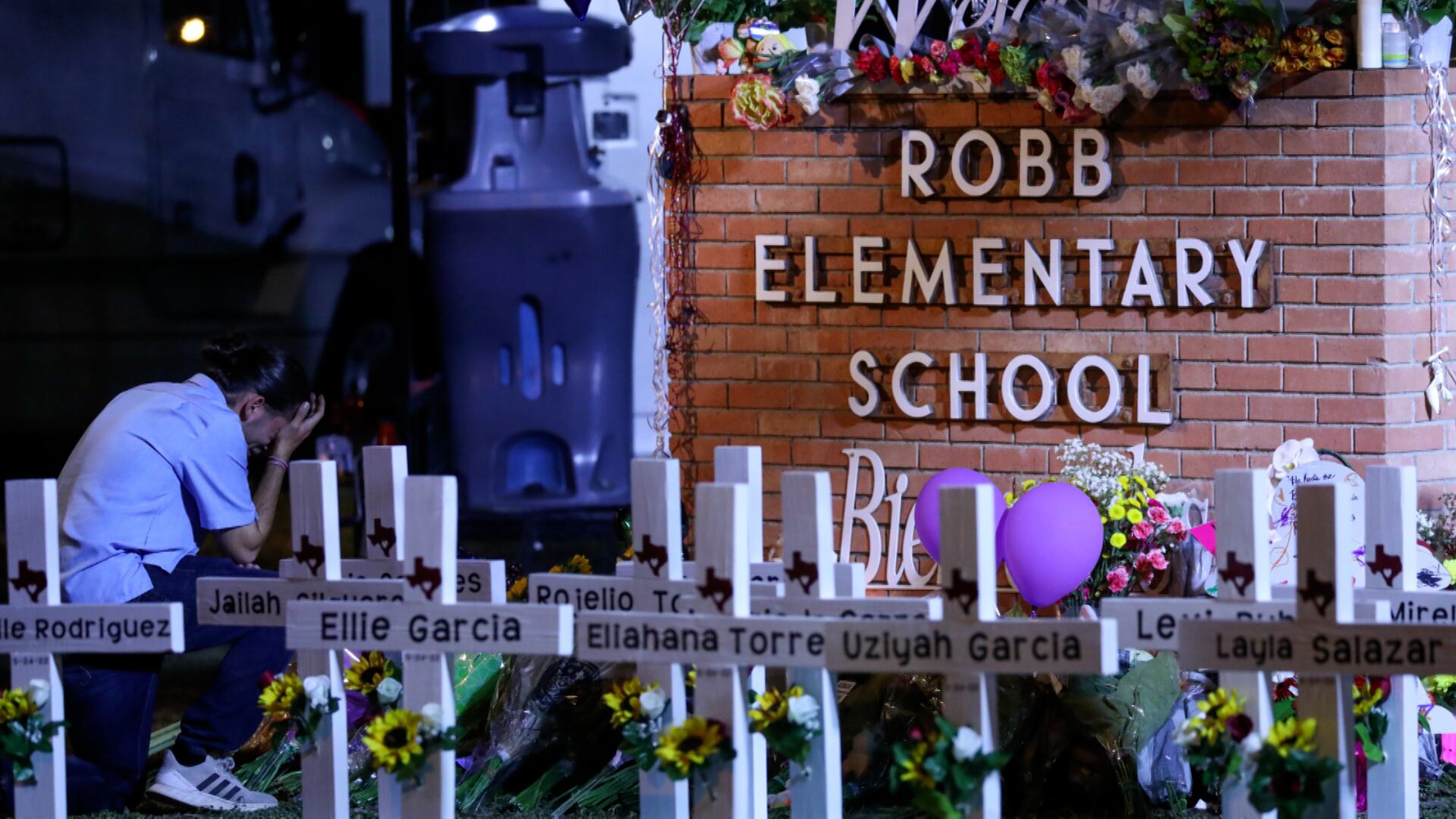
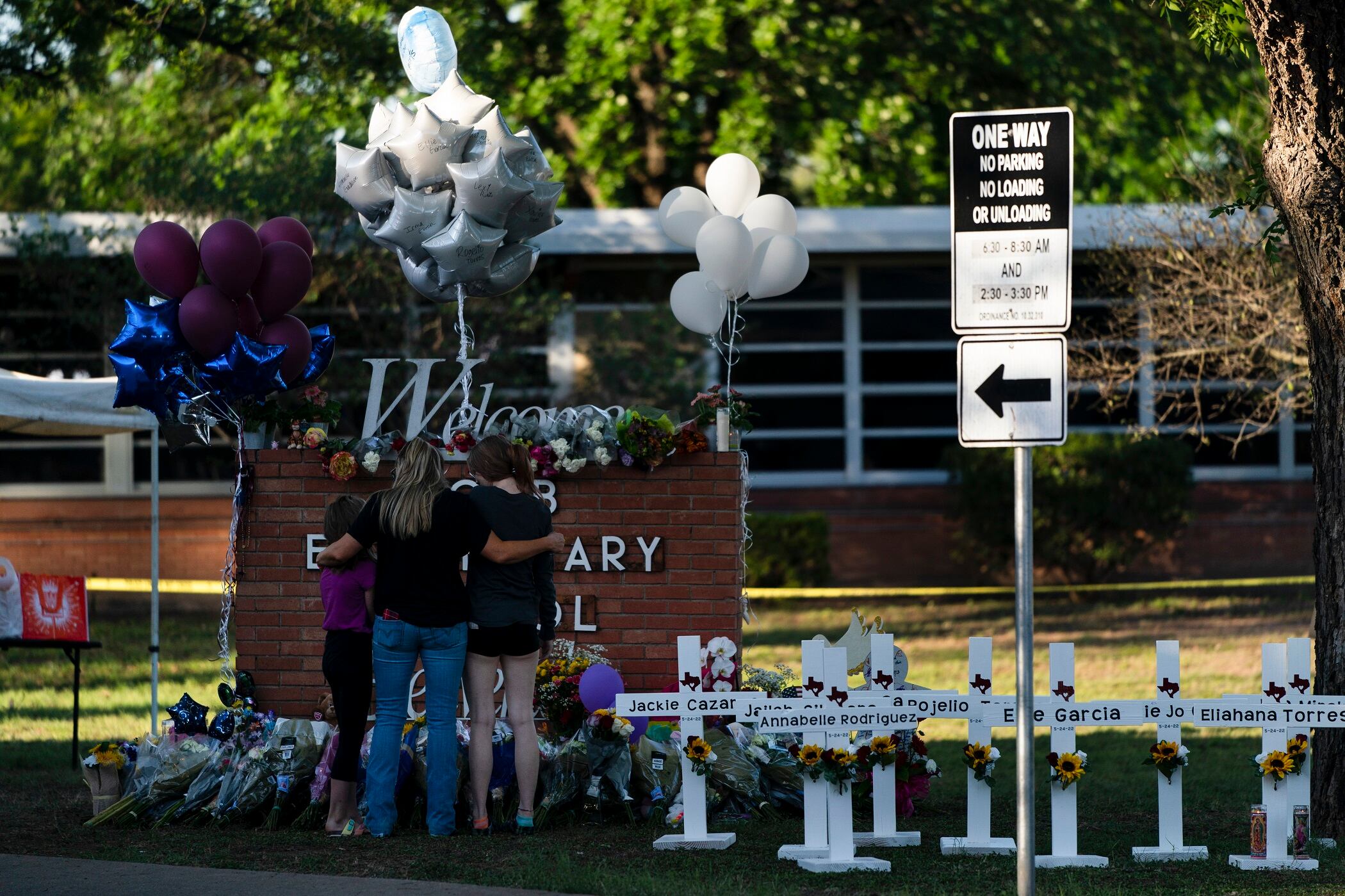
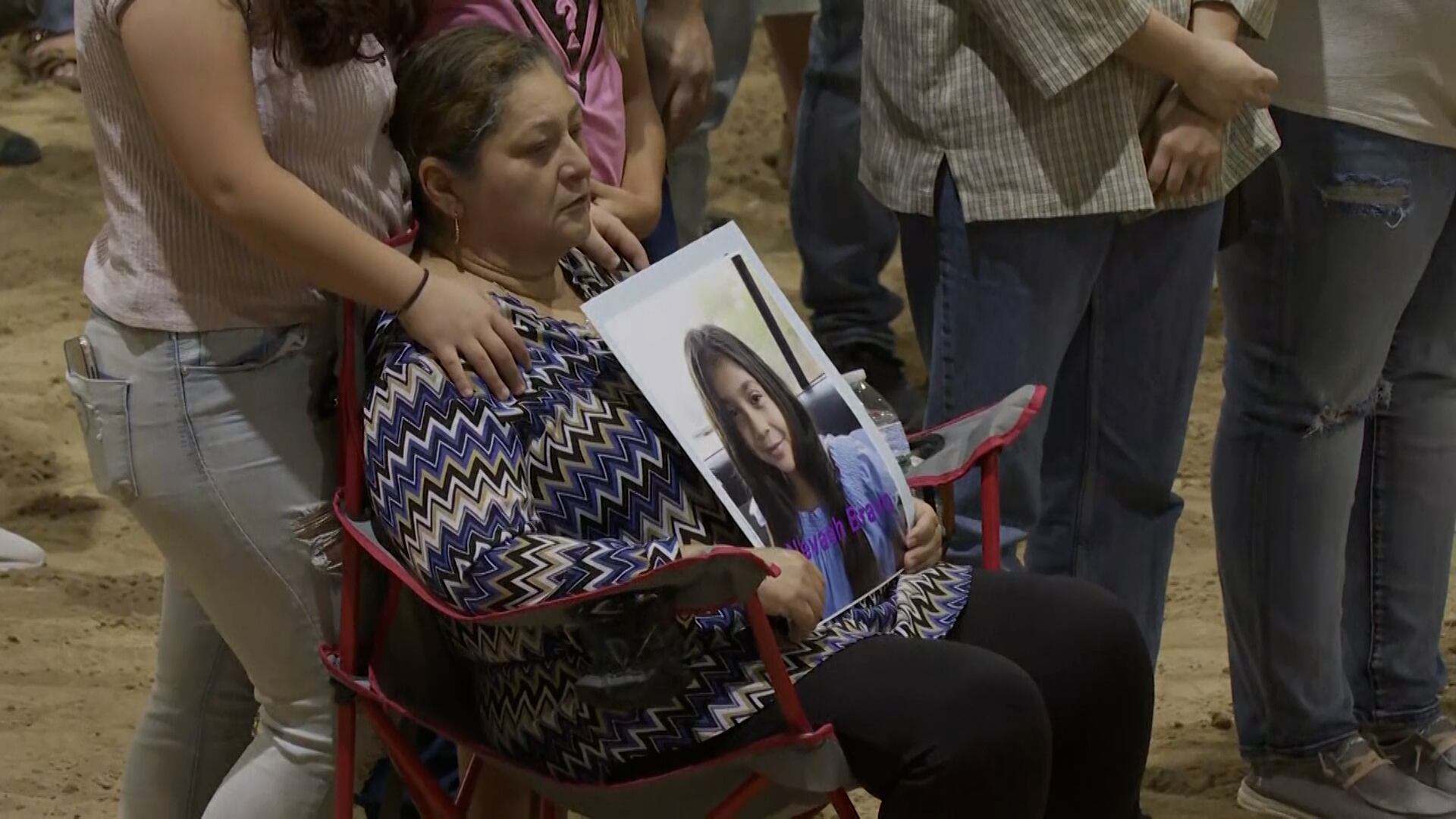
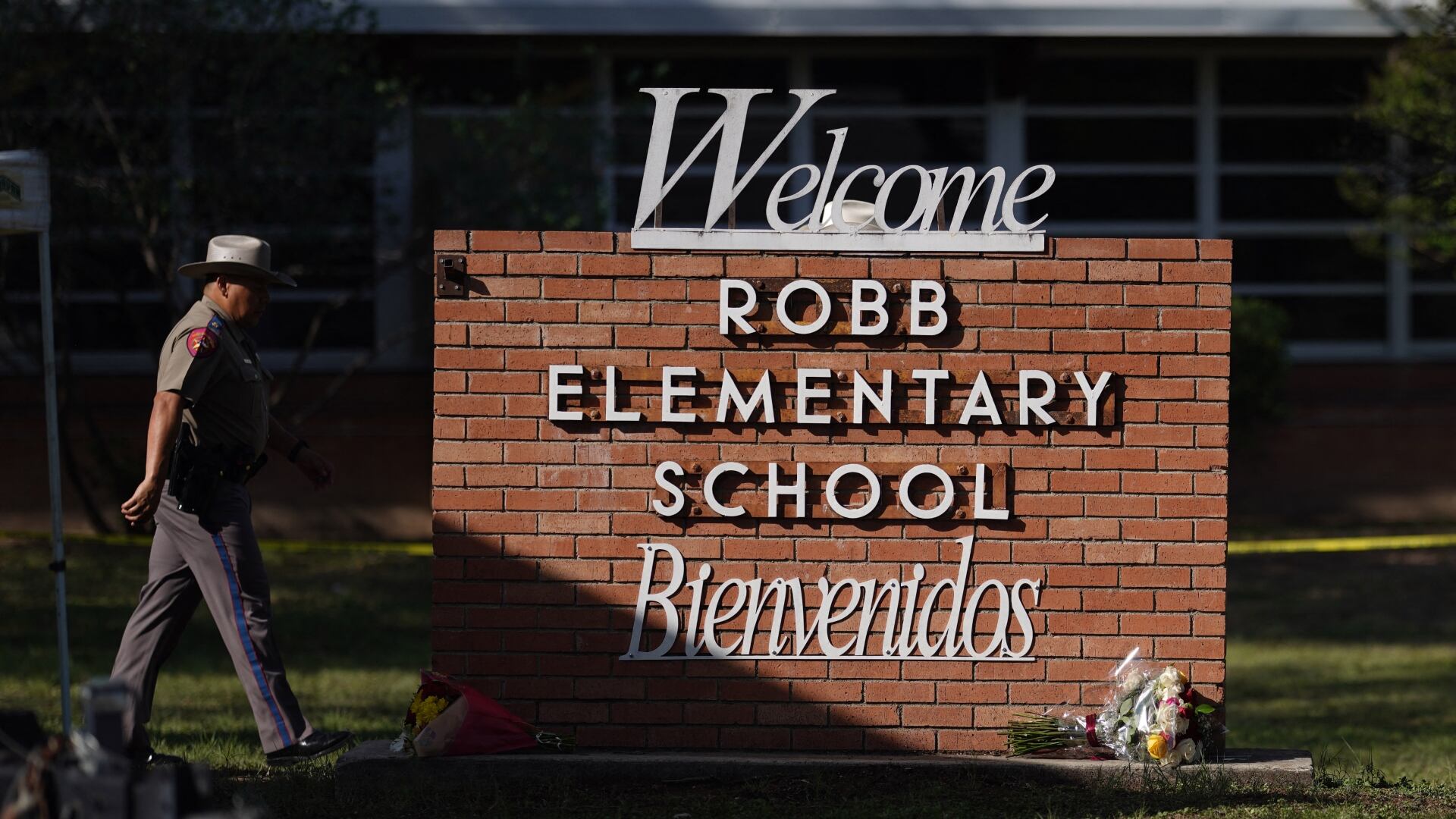
Cheddar News reporter Megan Pratz brings the latest from the scene of yesterday's horrific school shooting at a Robb Elementary School in Uvalde, Texas. Now the second-deadliest school shooting in U.S. history with 19 children and two adults killed, Pratz goes into comments by Texas Gov. Greg Abbott, details about the deceased shooter, and reactions from members of the community.
The Robb Elementary School mass shooting killing 19 children and two adults in Uvalde, Texas pm Tuesday was the deadliest school shooting since the 2012 Sandy Hook massacre in Newtown, Connecticut, and came just 10 days after the grocery store shooting in Buffalo, New York. Nelson Vergara, the founder and CEO of 360 Protective Solutions, joined Cheddar’s Opening Bell to discuss. "Right now what law enforcement is concentrating on is trying to trace his steps as to what motivated the gunman to act the way he did. What it boils down to just trying to figure out what led to his motivation to do such a horrific act.”
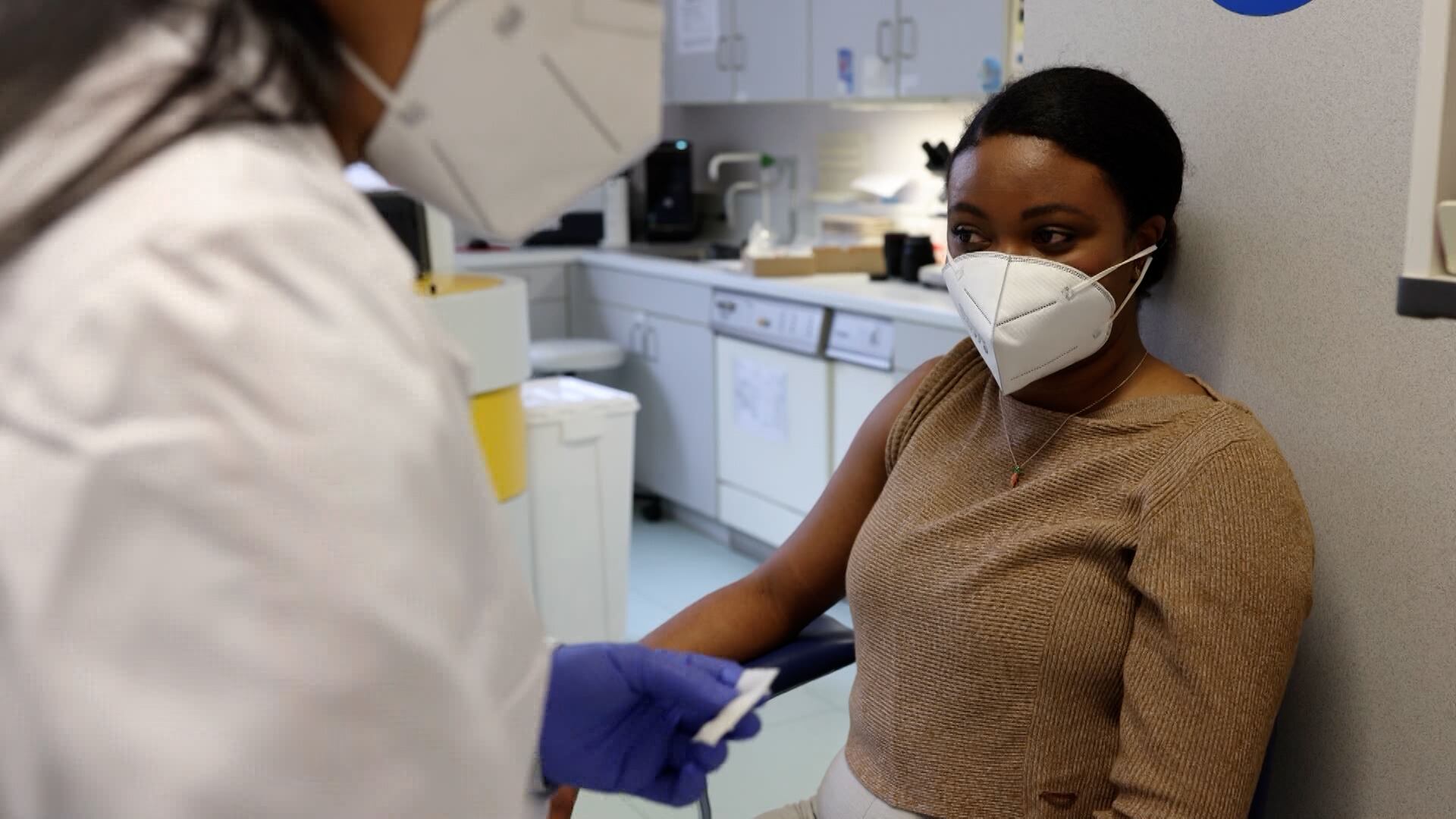
An recently conducted AP-NORC poll found that majorities of the Black and Hispanic populations in the U.S. still find themselves either somewhat worried or extremely worried over the pandemic, while more than half of white Americans responded with either being not too worried or not worried at all. Dr. Chris Pernell, the chief strategic integration and health equity officer at University Hospital, joined Cheddar News to talk about how perceptions of COVID-19 differ between groups of Americans. "We’re still seeing people get infected, and because of the toll of the disproportionate impact, we have concerns among the Black and brown community about whether or not they have an increased risk of exposure because of where they work, because of the use of public transportation, because they live in homes that they may not be able to safely quarantine and or isolate in, and because they have at baseline chronic health conditions that may make coronavirus more severe in those persons," she said.
Judith Enck, a former regional administrator for the EPA and the president of Beyond Plastics, joined Cheddar News to talk about the role of plastics in the climate crisis and California's investigation of ExxonMobil and other oil companies for misleading the public on the ability to recycle plastics. "The reason why petrochemical companies like Exxon have gotten away with selling more and more plastic is that they've lied to the public and told us don't worry about all those negative upstream impacts and downstream impacts of plastics. Just be sure to recycle it. Well, guess what? Plastics largely are not recycled," Enck said.