Haitian President Jovenel Moïse was assassinated in an attack on his private residence early Wednesday, according to a statement from the country’s interim prime minister, who called the killing a “hateful, inhumane and barbaric act."
First Lady Martine Moïse was shot in the overnight attack and hospitalized, interim Premier Claude Joseph said.
Even before the assassination, Haiti had grown increasingly unstable and disgruntled under Moïse. The president ruled by decree for more than two years after the country failed to hold elections and the opposition demanded he step down in recent months.
“The country’s security situation is under the control of the National Police of Haiti and the Armed Forces of Haiti," Joseph said in a statement from his office. “Democracy and the republic will win.”
In the early morning hours of Wednesday, the streets were largely empty in the Caribbean nation's capital of Port-au-Prince, but some people ransacked businesses in one area.
Joseph said police have been deployed to the National Palace and the upscale community of Pétionville and will be sent to other areas.
Joseph condemned the assassination as a “hateful, inhumane and barbaric act.” In the statement, he said some of the attackers spoke in Spanish but offered no further explanation. He later said in a radio address that they spoke Spanish or English, again offering no details.
The White House described the attack as “horrific” and “tragic” and said it was still gathering information on what happened. U.S. President Joe Biden will be briefed later Wednesday by his national security team, spokesperson Jen Psaki said during an interview on MSNBC.
“The message to the people of Haiti is this is a tragic tragedy,” she during a previously scheduled interview on CNN. “It’s a horrific crime and we’re so sorry for the loss that they are all suffering and going through as many of them are waking up this morning and hearing this news. And we stand ready and stand by them to provide any assistance that’s needed.”
Haiti's economic, political and social woes have deepened recently, with gang violence spiking heavily in Port-au-Prince, inflation spiraling and food and fuel becoming scarcer at times in a country where 60% of the population makes less than $2 a day. These troubles come as Haiti still tries to recover from the devastating 2010 earthquake and Hurricane Matthew that struck in 2016.
Opposition leaders accused Moïse, who was 53, of seeking to increase his power, including by approving a decree that limited the powers of a court that audits government contracts and another that created an intelligence agency that answers only to the president.
In recent months, opposition leaders demanded he step down, arguing that his term legally ended in February 2021. Moïse and supporters maintained that his term began when he took office in early 2017, following a chaotic election that forced the appointment of a provisional president to serve during a year-long gap.
Haiti was scheduled to hold general elections later this year.
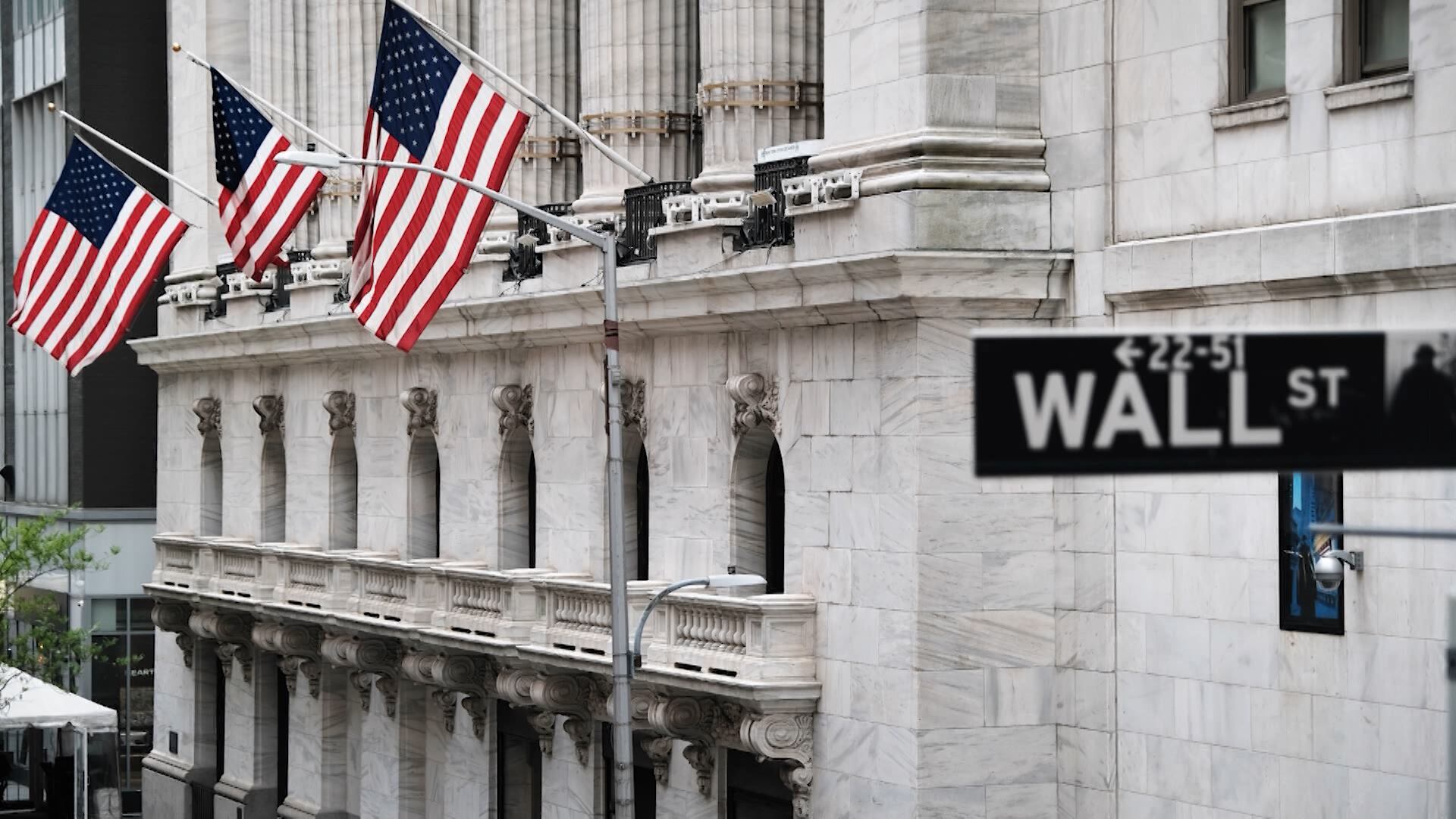
David Nelson, Chief Strategist at Belpointe, joins Cheddar News' Closing Bell, where he says that Wednesday's market movement shows a rotation back into the industries that were hit hard in January, but says his eyes are firmly fixed on the January CPI data set to be released Thursday.
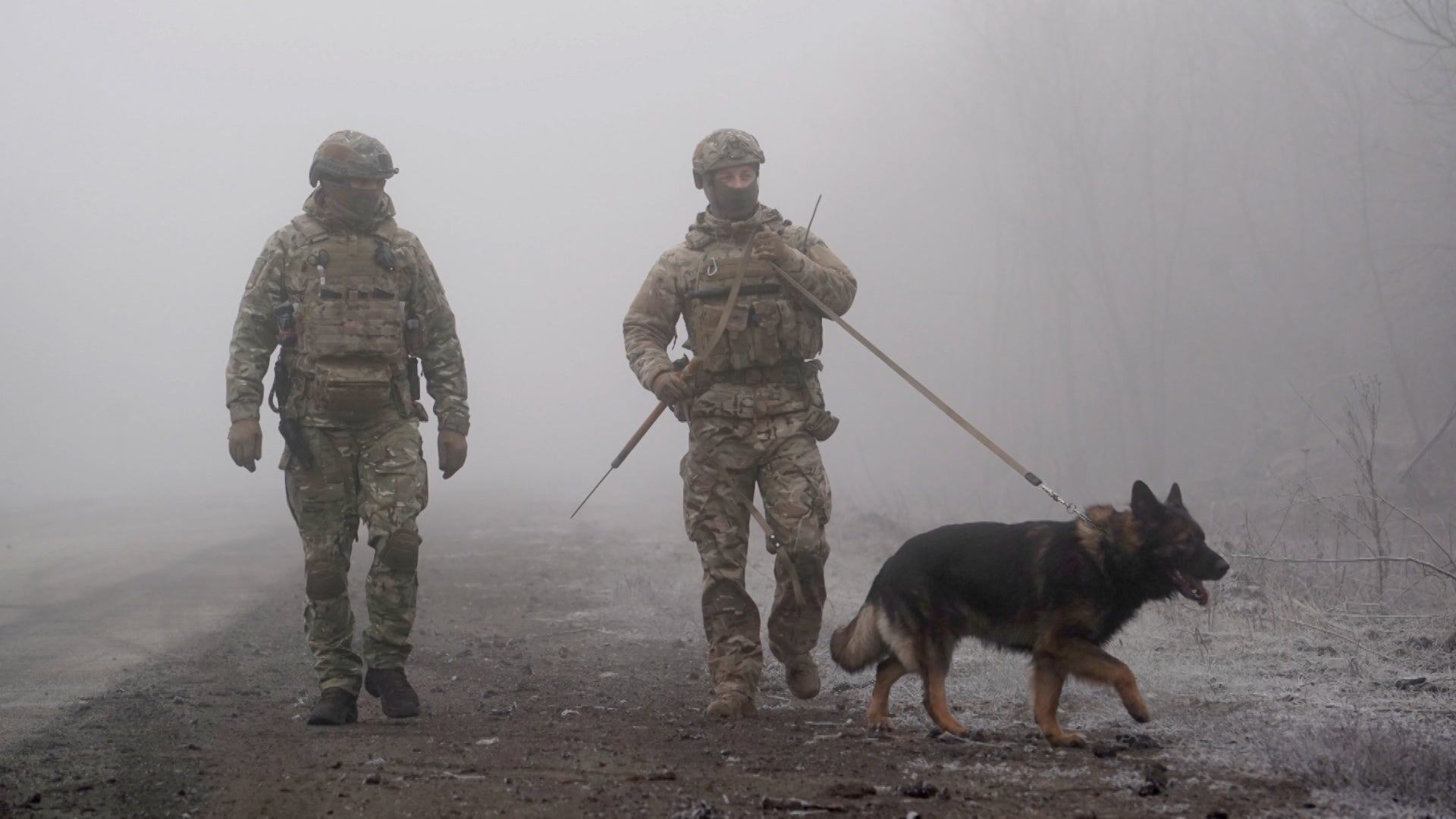
Russia is preparing alongside Belarus for reportedly one of the largest joint military exercises ever held. Some analysts are concerned this could be a disguise for a real attack, while the Kremlin contends that the exercise is meant to confront potential "unprecedented security threats." Christian Whiton, a former State Department senior advisor, joined Cheddar News to break down the still tense situation. "While it could of course be a prelude to invasion, it seems like the Biden administration is signaling that if you look at Europeans, the Germans and Macron … who just met with Putin, they seem to be thinking that maybe this is a show of force by Russia intended at political intimidation, not actual invasion," said Whiton.
Truckers in Canada have blockaded the Ambassador Bridge, the busiest border crossing between Canada and the U.S. protesting a COVID-19 vaccine mandate. Cheddar News spoke with Samir Kapadia, head of trade practice at the Vogal Group, about how this impacts trade between the two countries.
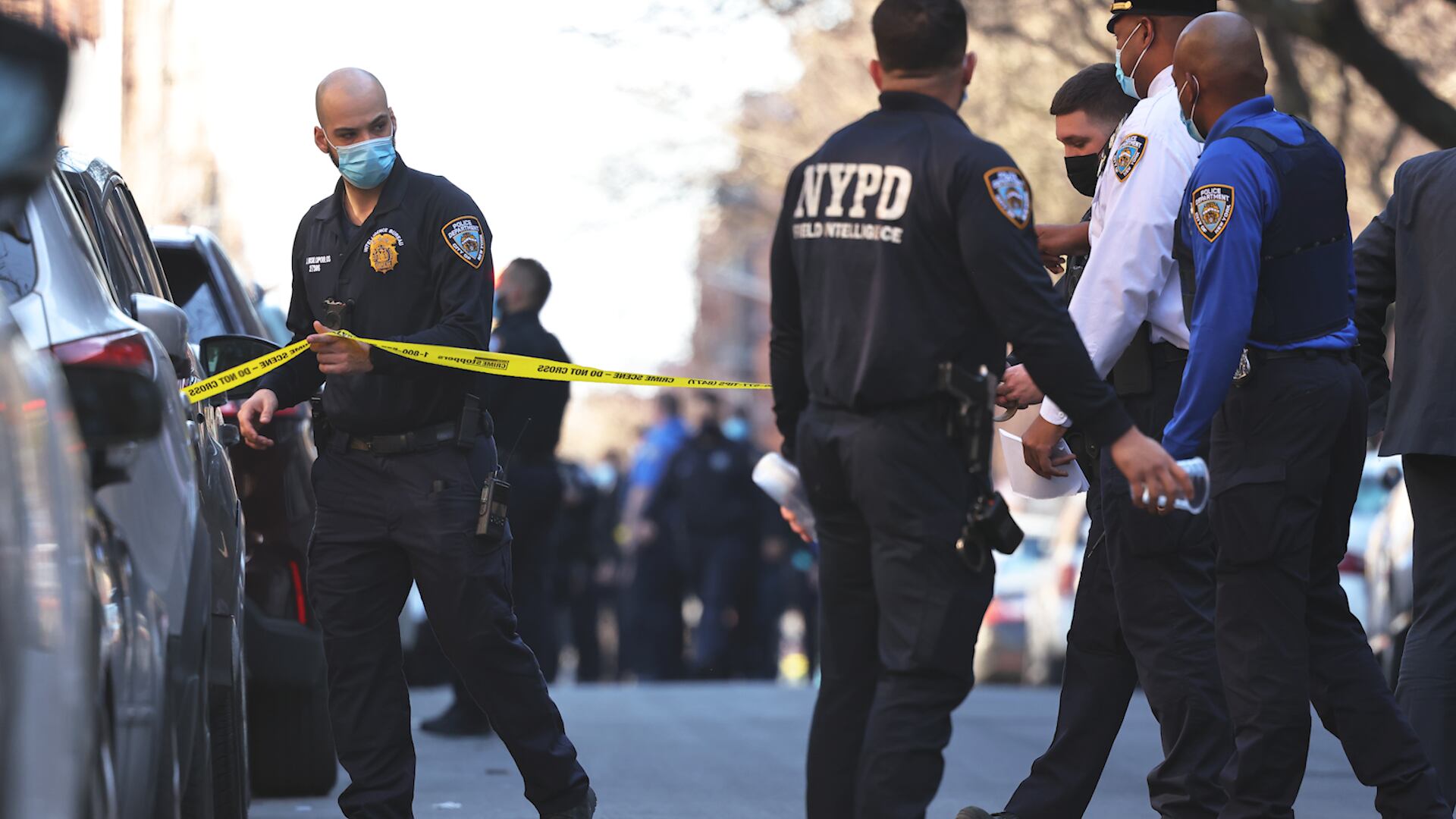
New York City is not only dealing with the ongoing pandemic, it’s also facing a surge in crime. President Biden recently traveled to New York to meet with the city’s new mayor, Eric Adams, to discuss the rise in crime and gun violence.
The president praised Mayor Adams' crimefighting agenda and unveiled a new federal initiative to curb the flow of illegal weapons from the south. Josefa Velásquez, Senior Reporter for THE CITY, joined Cheddar's Fast Forward to talk about how the mayor is battling this increase in crime in his first weeks in office.
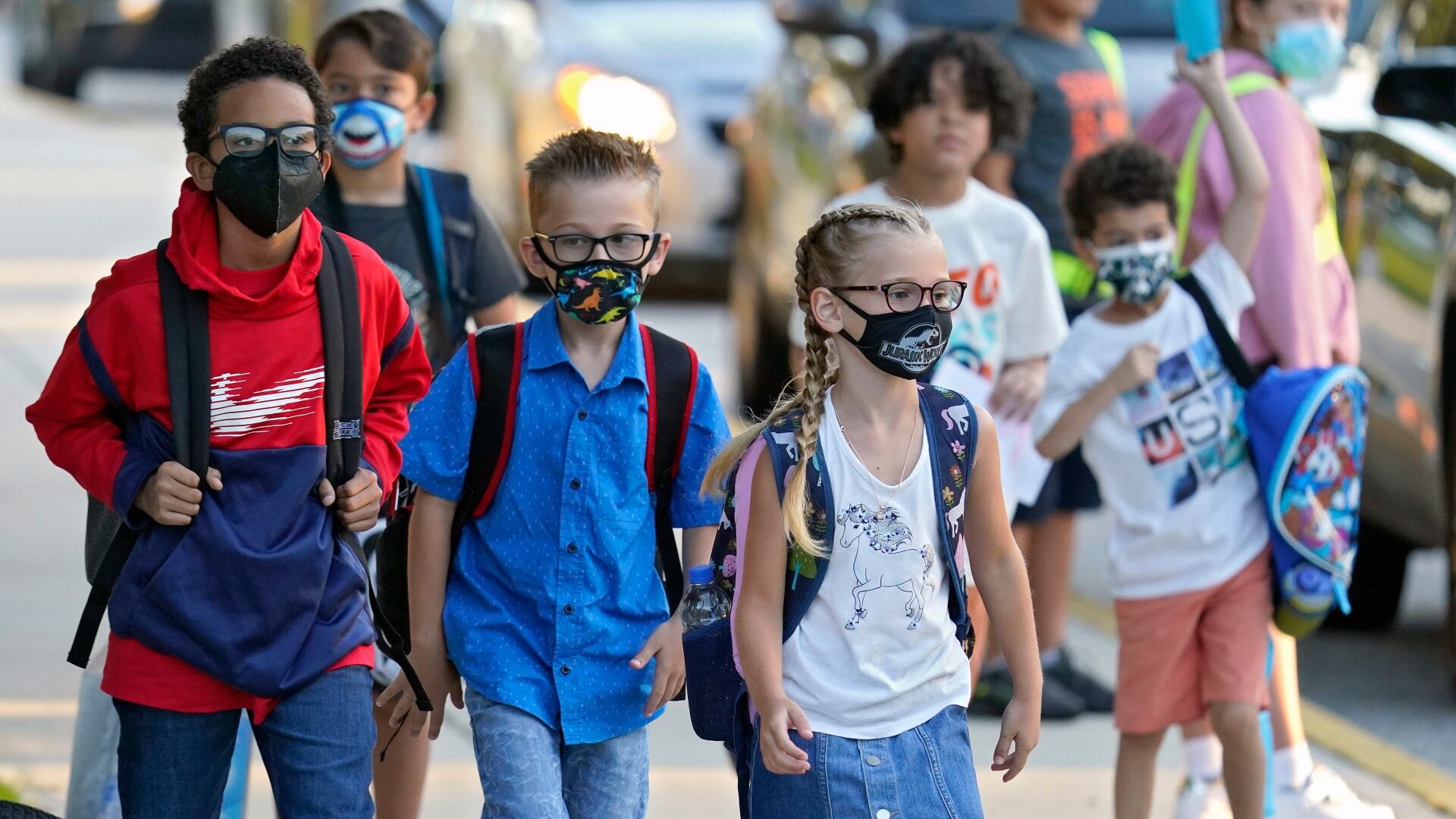
The Democratic governors of New Jersey, Connecticut, Delaware, and Oregon say they will lift mask requirements for schools in the coming weeks, reflecting a nationwide shift away from restrictions. Cheddar News speaks with internist Dr. Vivek Cherian whether it's safe to relax the regulation.
Amazon warehouse workers in Alabama are set to begin voting to unionize for a second time after workers at the facility in the town of Bessemer overwhelmingly voted against forming a union during an election early last year; but in November, the National Labor Relations Board overturned the vote, upholding a union challenge of the results which argued that Amazon undermined the conditions for a fair election. Another round of ballots will now be mailed out to works at the warehouse for a so-called re-run election. Director of Labor and Employment Studies at San Francisco State University John Logan and National Field Director for Our Revolution Mike Oles joined Cheddar News' Closing Bell to discuss.
David Daley, author of the book 'Unrigged: How Americans Are Battling Back to Save Democracy,' joins Cheddar News to discuss redistricting battles taking place across the U.S.