Haitian President Jovenel Moïse was assassinated in an attack on his private residence early Wednesday, according to a statement from the country’s interim prime minister, who called the killing a “hateful, inhumane and barbaric act."
First Lady Martine Moïse was shot in the overnight attack and hospitalized, interim Premier Claude Joseph said.
Even before the assassination, Haiti had grown increasingly unstable and disgruntled under Moïse. The president ruled by decree for more than two years after the country failed to hold elections and the opposition demanded he step down in recent months.
“The country’s security situation is under the control of the National Police of Haiti and the Armed Forces of Haiti," Joseph said in a statement from his office. “Democracy and the republic will win.”
In the early morning hours of Wednesday, the streets were largely empty in the Caribbean nation's capital of Port-au-Prince, but some people ransacked businesses in one area.
Joseph said police have been deployed to the National Palace and the upscale community of Pétionville and will be sent to other areas.
Joseph condemned the assassination as a “hateful, inhumane and barbaric act.” In the statement, he said some of the attackers spoke in Spanish but offered no further explanation. He later said in a radio address that they spoke Spanish or English, again offering no details.
The White House described the attack as “horrific” and “tragic” and said it was still gathering information on what happened. U.S. President Joe Biden will be briefed later Wednesday by his national security team, spokesperson Jen Psaki said during an interview on MSNBC.
“The message to the people of Haiti is this is a tragic tragedy,” she during a previously scheduled interview on CNN. “It’s a horrific crime and we’re so sorry for the loss that they are all suffering and going through as many of them are waking up this morning and hearing this news. And we stand ready and stand by them to provide any assistance that’s needed.”
Haiti's economic, political and social woes have deepened recently, with gang violence spiking heavily in Port-au-Prince, inflation spiraling and food and fuel becoming scarcer at times in a country where 60% of the population makes less than $2 a day. These troubles come as Haiti still tries to recover from the devastating 2010 earthquake and Hurricane Matthew that struck in 2016.
Opposition leaders accused Moïse, who was 53, of seeking to increase his power, including by approving a decree that limited the powers of a court that audits government contracts and another that created an intelligence agency that answers only to the president.
In recent months, opposition leaders demanded he step down, arguing that his term legally ended in February 2021. Moïse and supporters maintained that his term began when he took office in early 2017, following a chaotic election that forced the appointment of a provisional president to serve during a year-long gap.
Haiti was scheduled to hold general elections later this year.
A Gallup poll finds that now 7.1% of American adults identify as LGBTQ, jumping from 3.5% in 2012. The increase is driven by Generation-Z – those born between 1997 and 2003 – of whom one out of five identify as LGBTQ. Cheddar News speaks with Washington Blade reporter Chris Johnson about the significant shift.
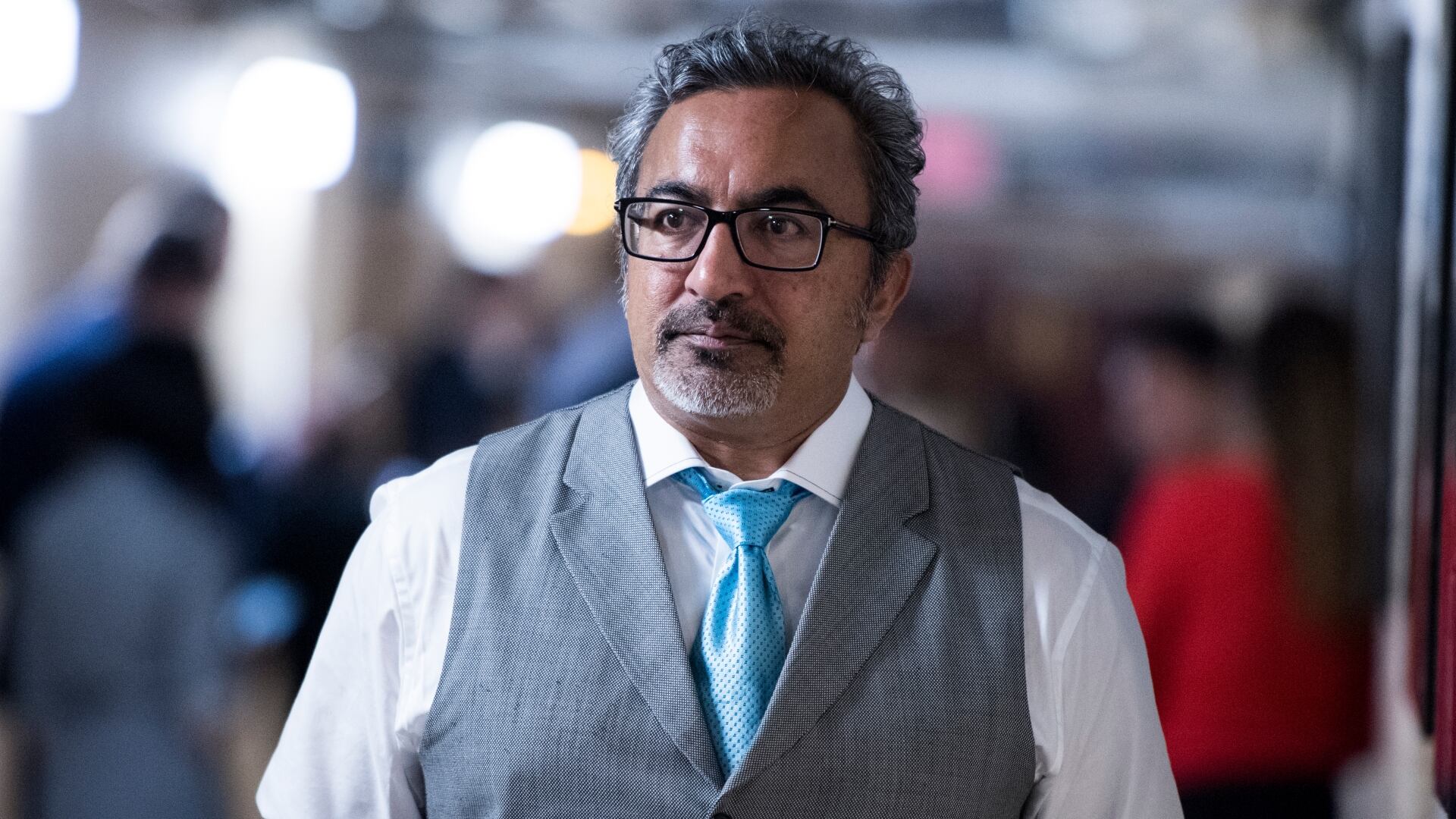
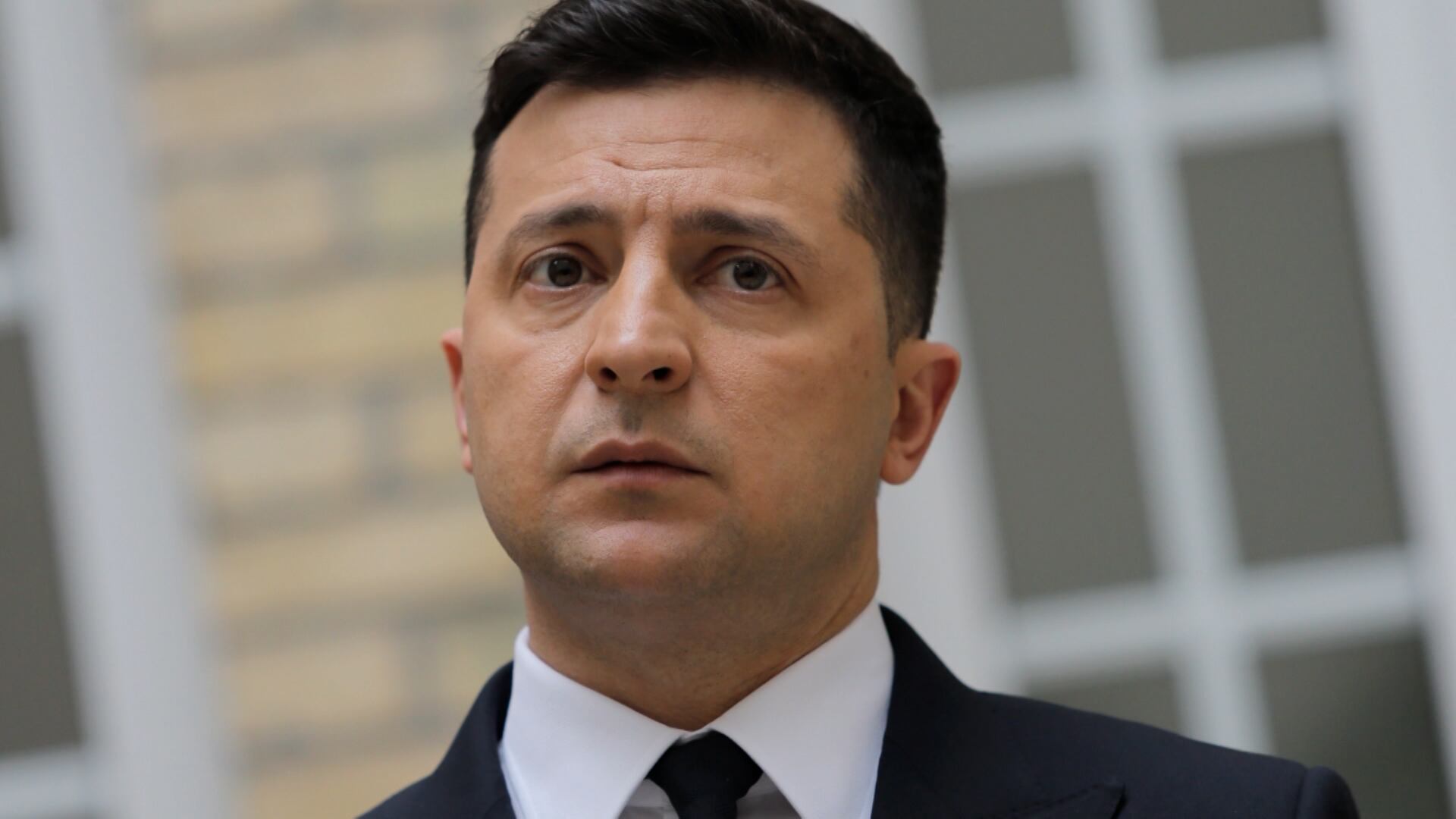
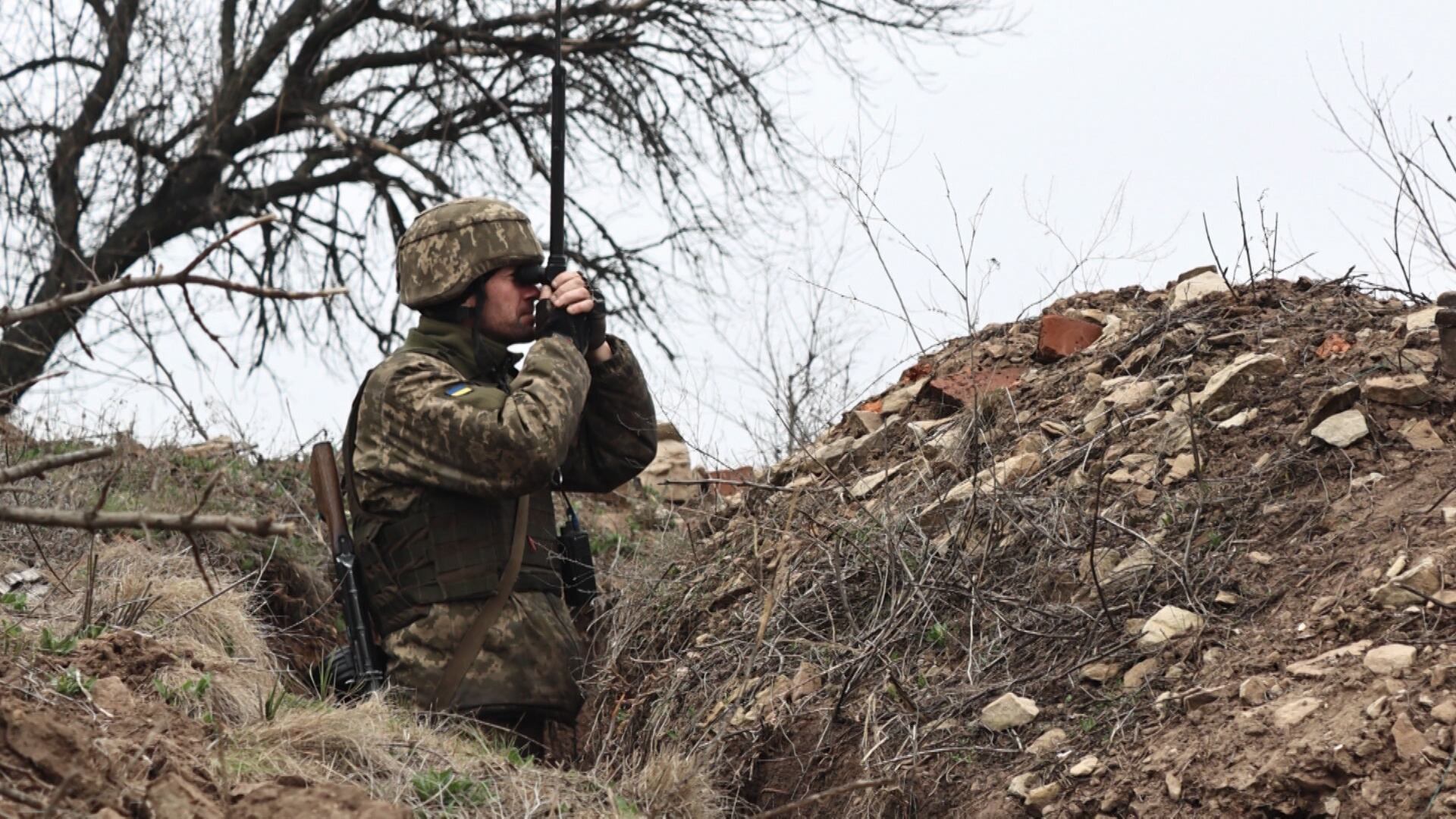
As the Biden administration continues to see the potential for an imminent invasion of Ukraine after contradictory reports of a Russian troop pullback or buildup, Rep. Ami Bera (D-Calif. 7th District), a member of the House Committee on Foreign Affairs, joined Cheddar News to give his insight into the tense situation. "When I was in Ukraine a couple of weeks ago and we were talking with the Ukrainian leadership with President Zelensky, they said we ought to approach Vladimir Putin as though he was a poker player," he said. "So this could be one of those head fakes where he's saying one thing and doing another thing."
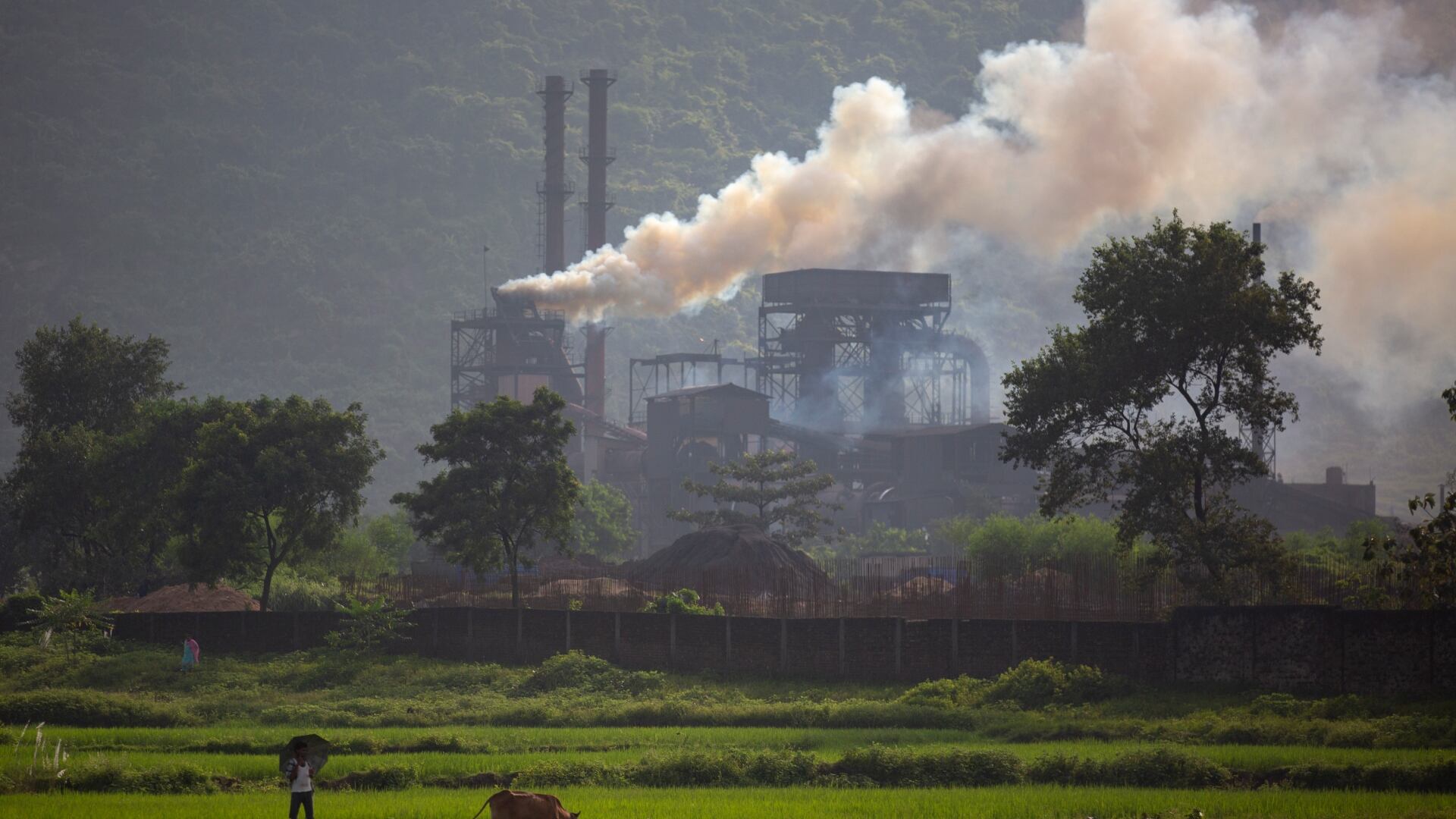
The Biden Administration has now issued new guidelines when it comes to carbon capture. The new guidelines handed down this week encouraged the widespread use of climate attacks that traps and stores carbon emissions. The goal here is the process would help keep carbon out of the atmosphere without requiring a whole lot of change by big companies and manufacturing plants. Several scientists say that this method would be crucial to help us decrease the use of carbon emissions by the year 2050. Professor of Civil and Environmental Engineering at Stanford University, Mark Jacobson, joined Cheddar to discuss more.
Natalie Fertig, federal cannabis policy reporter for Politico Pro, joins Cheddar News to discuss the latest in marijuana legalization in the United States.
The Biden administration is launching a new task force to promote the use of 'cleaner' construction materials with lower life cycle emissions. This comes as the White House works to speed up government purchases of greener products. Sweta Chakraborty, climate change expert and U.S. president of "We Don't Have Time," joins Cheddar News to discuss.
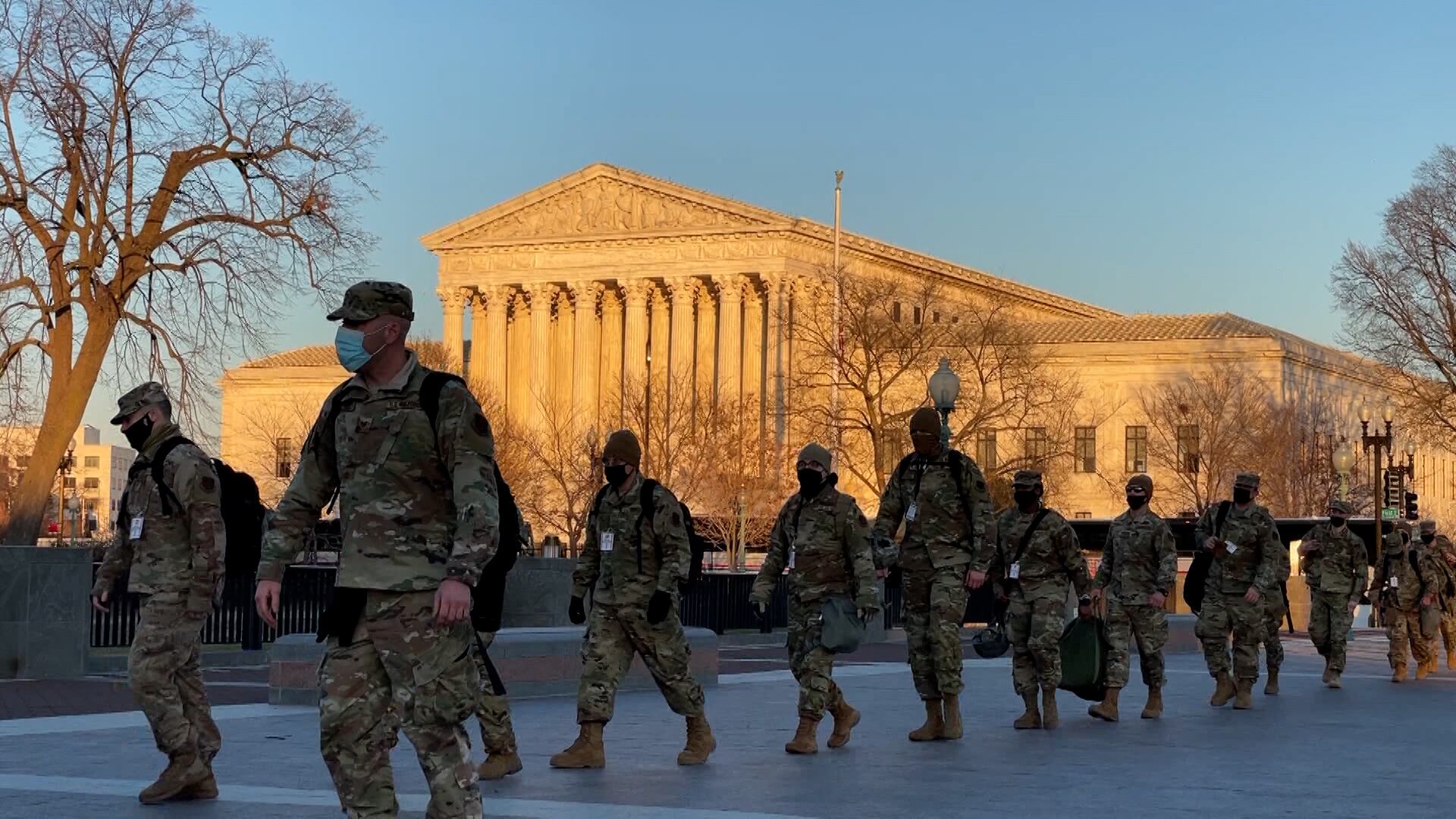
Due to the staffing shortages of teachers in New Mexico, the state has been encouraging its National Guard members to fill in as licensed substitutes to keep schools open. Kurt Steinhaus, New Mexico secretary of education, joined Cheddar News to explain the state's stopgap measure amid its lack of teaching professionals. "The first thing they have to go through a fingerprint background check, just like any other substitute new Mexico. The second thing they have to do is go through some online training, and then we provided some in-person professional development about classroom management," Steinhaus explained about the qualifications process.
With contradictory reports about Russian troops pulling back or being added to the border with Ukraine and the expulsion of a U.S. diplomat from Russia, tensions in the region appear to be escalating. Jack Detsch, a Pentagon and national security reporter for Foreign Policy, joined Cheddar News to break down the situation. "Certainly a different tone out of Moscow today and a different tone out of the West. Even as the Kremlin has made the case that troops are moving back, the U.S. is saying that is certainly not the case with the satellite imagery that we have pouring in," he said.
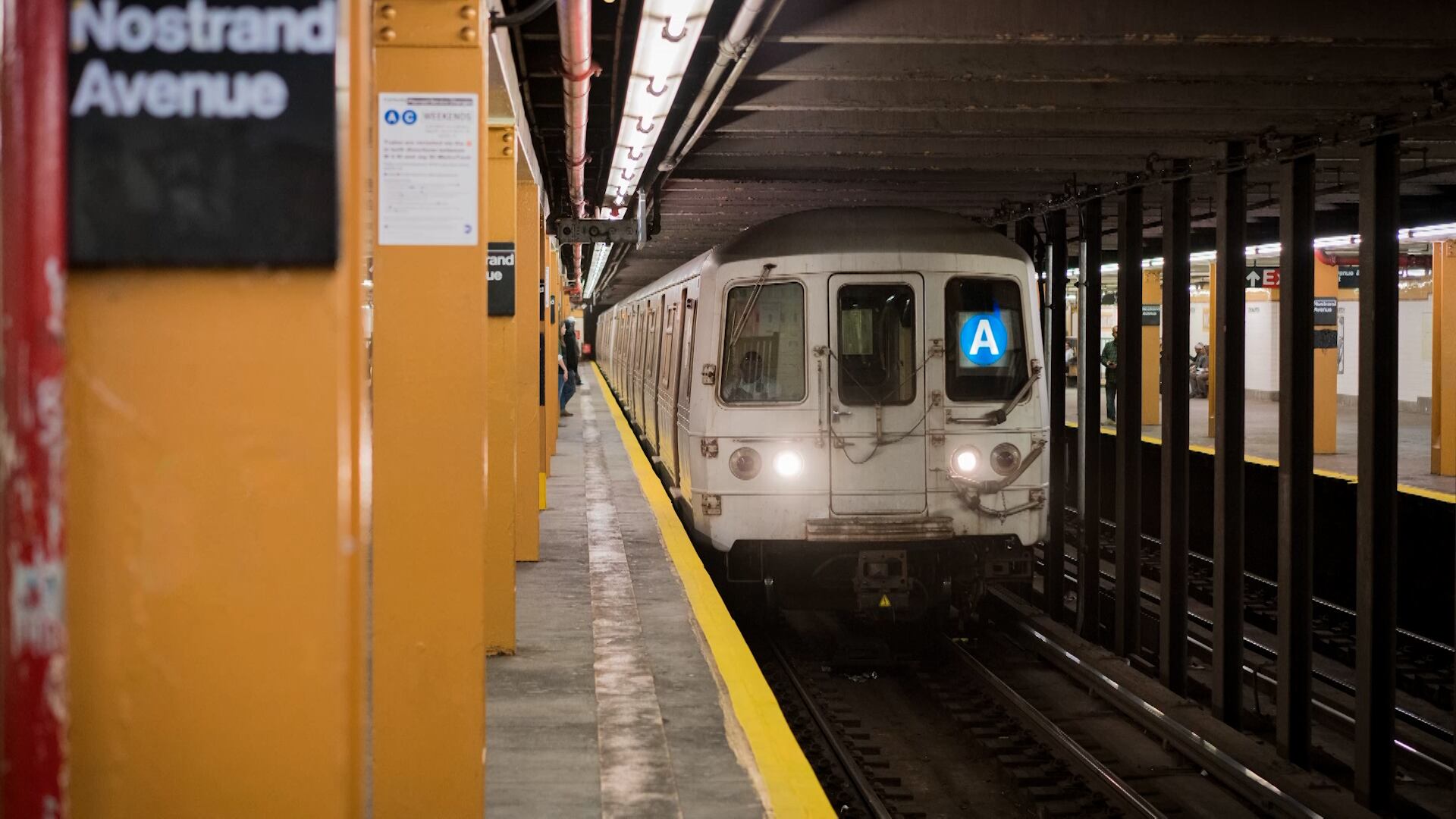
New York City's famous subway system is currently facing scrutiny after several recent attacks on platforms. Now, local leaders in the Big Apple are calling on the MTA. To step in and take action.