Haitian President Jovenel Moïse was assassinated in an attack on his private residence early Wednesday, according to a statement from the country’s interim prime minister, who called the killing a “hateful, inhumane and barbaric act."
First Lady Martine Moïse was shot in the overnight attack and hospitalized, interim Premier Claude Joseph said.
Even before the assassination, Haiti had grown increasingly unstable and disgruntled under Moïse. The president ruled by decree for more than two years after the country failed to hold elections and the opposition demanded he step down in recent months.
“The country’s security situation is under the control of the National Police of Haiti and the Armed Forces of Haiti," Joseph said in a statement from his office. “Democracy and the republic will win.”
In the early morning hours of Wednesday, the streets were largely empty in the Caribbean nation's capital of Port-au-Prince, but some people ransacked businesses in one area.
Joseph said police have been deployed to the National Palace and the upscale community of Pétionville and will be sent to other areas.
Joseph condemned the assassination as a “hateful, inhumane and barbaric act.” In the statement, he said some of the attackers spoke in Spanish but offered no further explanation. He later said in a radio address that they spoke Spanish or English, again offering no details.
The White House described the attack as “horrific” and “tragic” and said it was still gathering information on what happened. U.S. President Joe Biden will be briefed later Wednesday by his national security team, spokesperson Jen Psaki said during an interview on MSNBC.
“The message to the people of Haiti is this is a tragic tragedy,” she during a previously scheduled interview on CNN. “It’s a horrific crime and we’re so sorry for the loss that they are all suffering and going through as many of them are waking up this morning and hearing this news. And we stand ready and stand by them to provide any assistance that’s needed.”
Haiti's economic, political and social woes have deepened recently, with gang violence spiking heavily in Port-au-Prince, inflation spiraling and food and fuel becoming scarcer at times in a country where 60% of the population makes less than $2 a day. These troubles come as Haiti still tries to recover from the devastating 2010 earthquake and Hurricane Matthew that struck in 2016.
Opposition leaders accused Moïse, who was 53, of seeking to increase his power, including by approving a decree that limited the powers of a court that audits government contracts and another that created an intelligence agency that answers only to the president.
In recent months, opposition leaders demanded he step down, arguing that his term legally ended in February 2021. Moïse and supporters maintained that his term began when he took office in early 2017, following a chaotic election that forced the appointment of a provisional president to serve during a year-long gap.
Haiti was scheduled to hold general elections later this year.
President Biden announced a ban on Russian oil and natural gas imports to the U.S. in response to its invasion of Ukraine, a move he warned could lead to an even greater surge in gas prices. The ban is prompting a conversation about the current oil production levels in the U.S. and whether or not the industry can ramp up production to soften the blow to American families at the gas pump. Clark Williams-Derry, Energy Finance Analyst with the Institute for Energy Economics and Financial Analysis, breaks down the state of the U.S. oil industry and how the ban might impact production levels here at home.
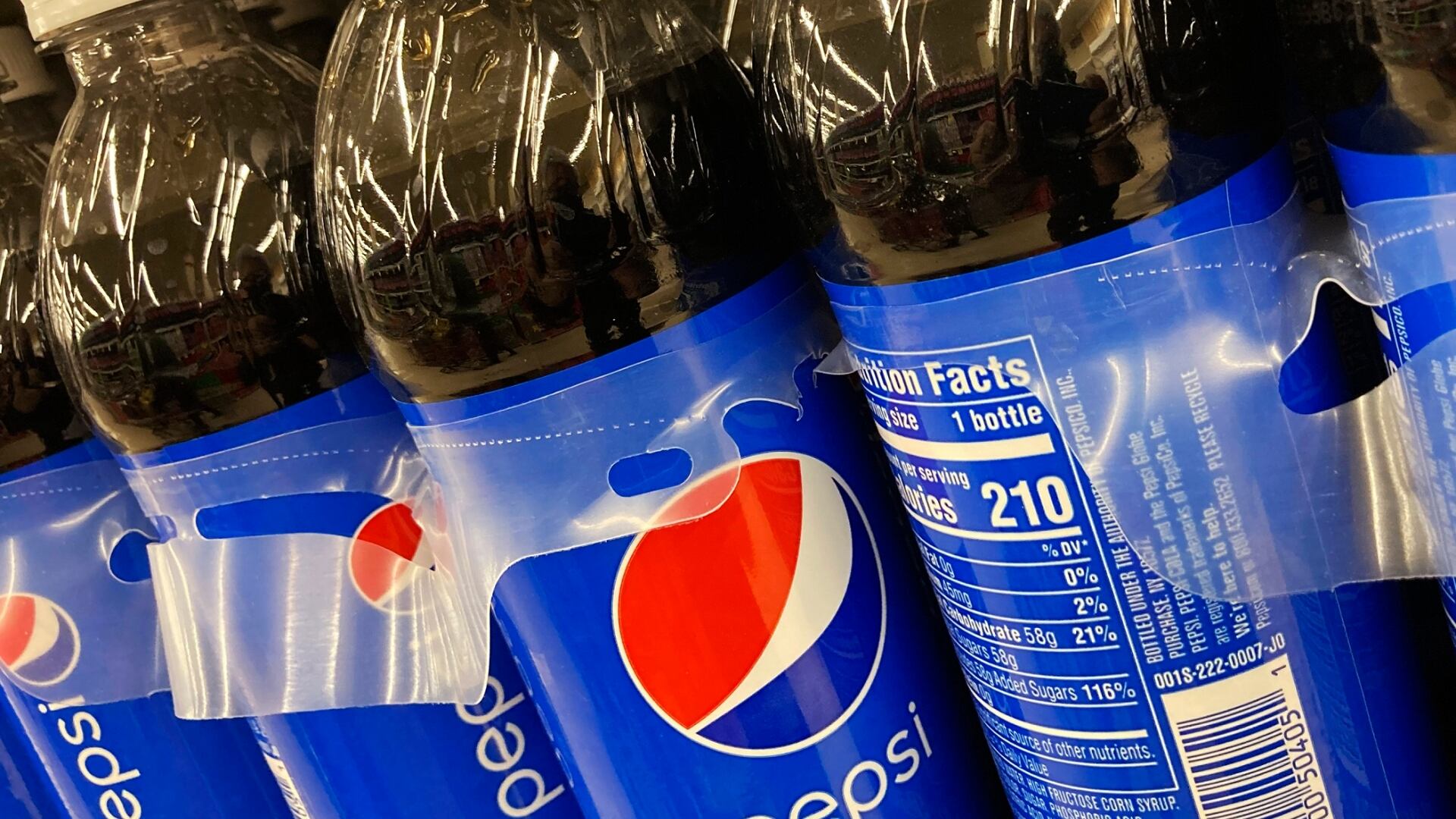
PepsiCo, Coca-Cola, McDonald’s, and Starbucks are the latest American food brands to have halted business operations in Russia after having faced scrutiny and criticism for originally failing to do so amid the country's invasion of Ukraine.
As Russia intensifies its war on Ukraine, President Biden announced a ban on oil imported from the aggressor nation. Critics of Russia have said this would be the best way to force Putin to pull back, but curbs on Russian oil exports are expected to send already skyrocketing oil and gas prices even higher, further impacting consumers, businesses, financial markets, and the global economy. Leslie Beyer, CEO of the Energy Workforce and Technology Council, joined Cheddar News' Closing Bell to discuss. "It's certainly going to increase pricing, but it is the right thing to do," she said. "The industry itself has already pulled out of the significant portion of its operations in Russia."
Sports Betting in the U.S. is booming. According to industry experts, we could see another boom this year as more states move towards statewide legalization of sports wagering. While this comes as huge news for fans, there are some very real concerns as to whether or not sports betting potentially poses a threat to public health. Senior Clinician at the Caron Treatment Centers, Eric Webber, joined Cheddar to discuss more.
The Biden administration has made gender policy a core part of how it governs. The president established the first Gender Policy Council. It's on the same level as the National Security Council, Domestic Policy Council and National Economic Council, putting the interests of women and other underserved groups at the table for the most important policy discussions.
Cheddar News sat down with Jennifer Klein, executive director and co-chair of the White House Gender Policy Council, to discuss the council's work and its significance during Women's History Month.
State Representative Jessica González, Vice Chair of the Texas House LGBTQ Caucus, joins Cheddar News to discuss the latest Texas anti-transgender directive.
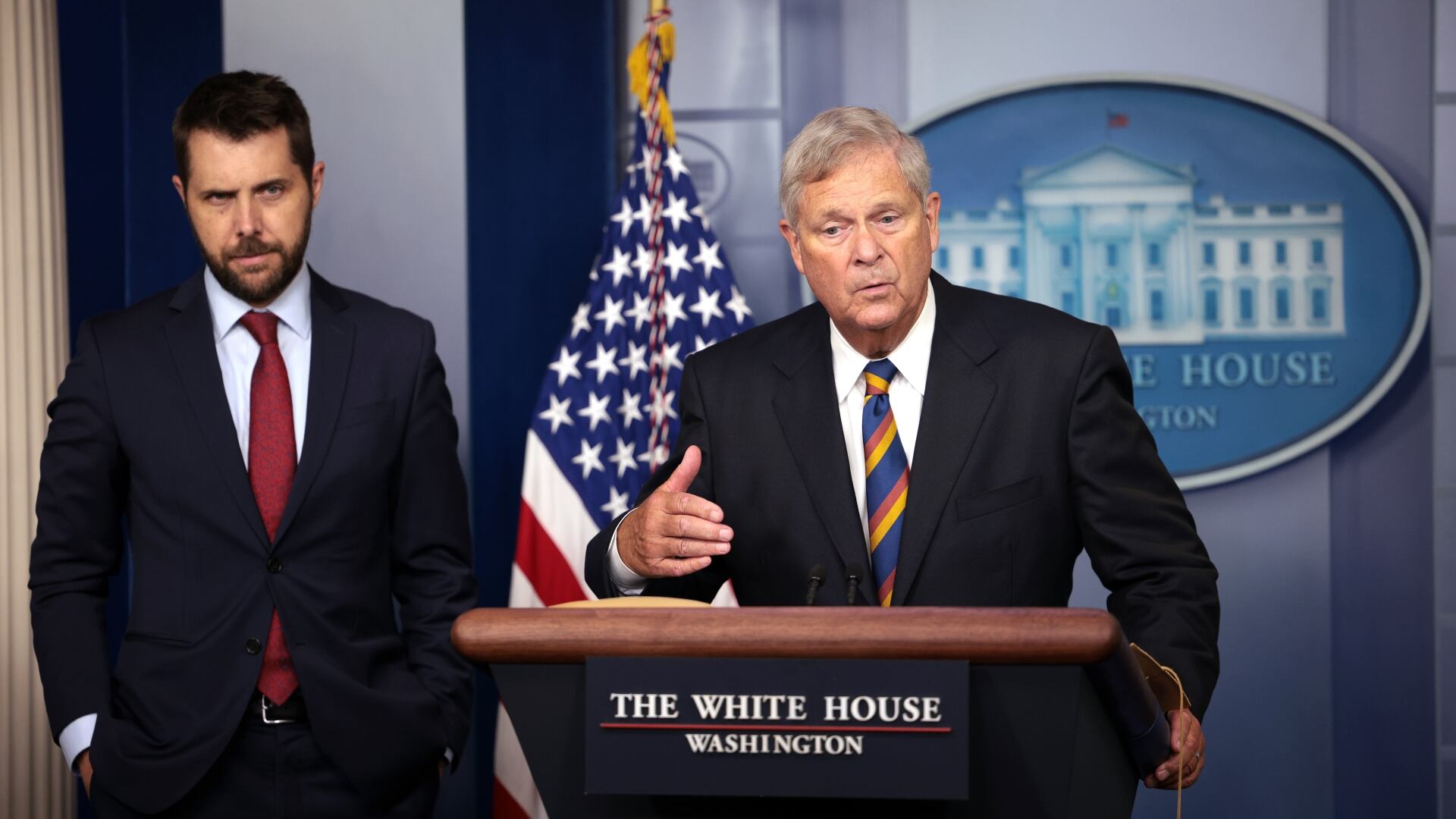
The United States Secretary of Agriculture, Tom Vilsack joins None of the Above to discuss the newly emerging conflict in Europe, what it means for agriculture in the states, dairy and meat consumption, and how the department is planning to promote climate-smart agriculture.
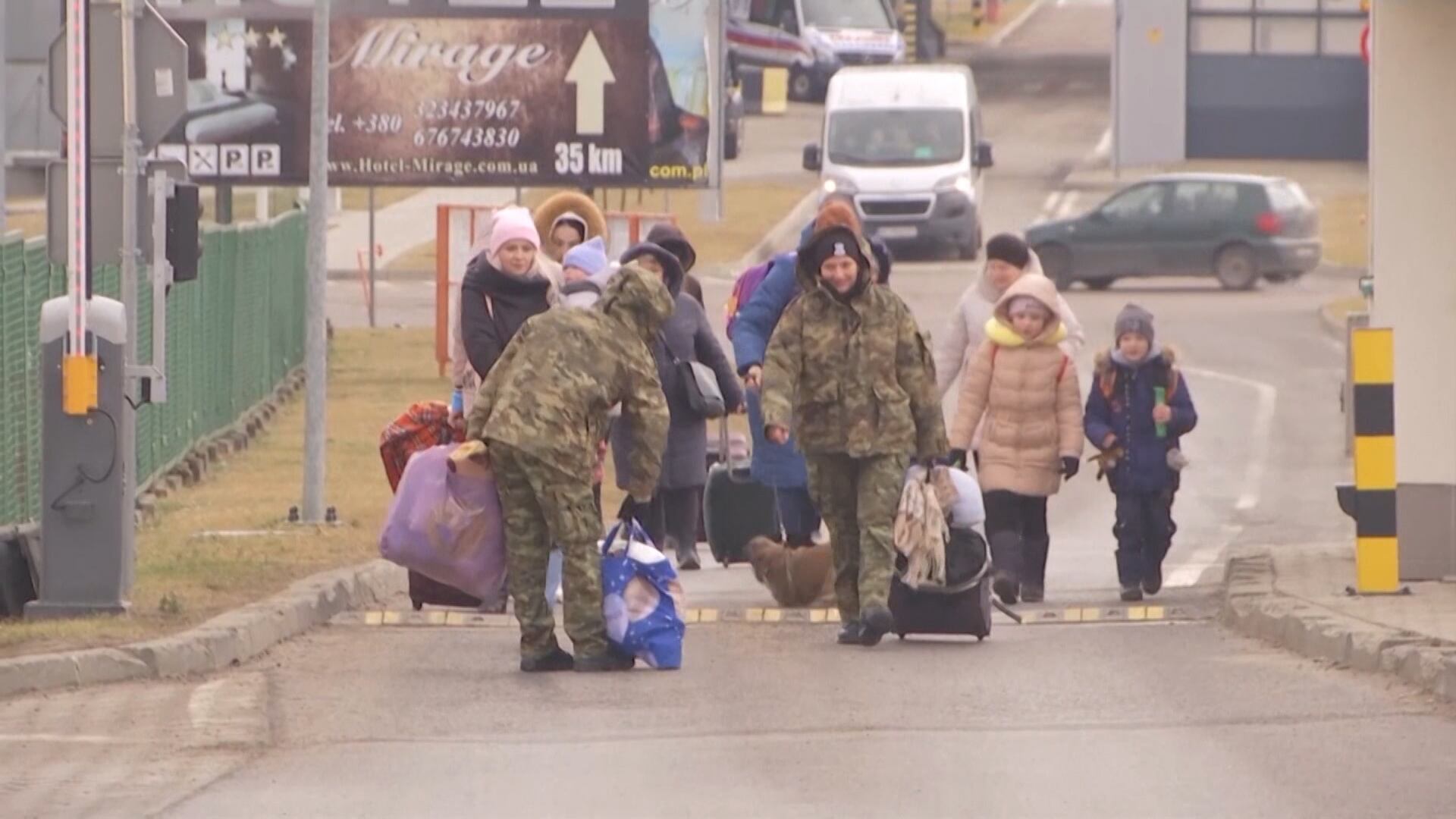
Tens of thousands of people have fled Ukraine in attempts to escape the Russian Invasion. According to the U.N. neighboring countries like Poland, Hungary, and even Romania have seen half a million refugees. While the hospitality is being welcomed by many, it also highlights the mistreatment of migrants and refugees from the Middle East and Africa. Professor of Philosophy and Director of Politics at Northeastern University Serena Parekh, joined Cheddar, to discuss more.
As Russia unleashed war in the country of Ukraine, global leaders have started inflicting punishment on Vladimir Putin's regime via commercial and financial penalties. According to President Joe Biden Putin's aggression is "a flagrant violation of international law and it demands a firm response from the international community".However, the main question is will these sanctions actually work. Partner at Jenner & Block LLP, Rachel Alpert, joined Cheddar to discuss more.