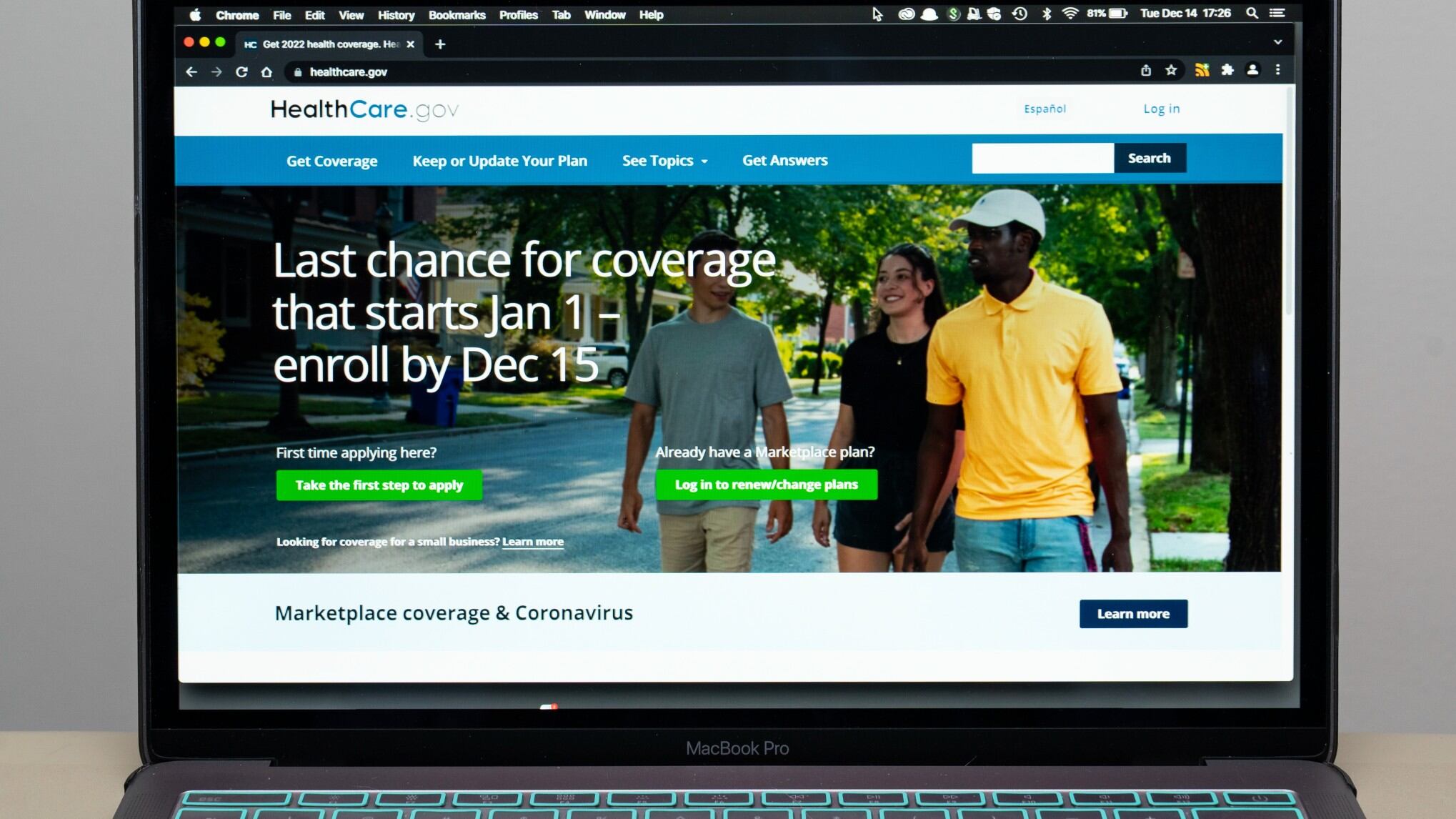
The healthcare.gov website is seen on Dec. 14, 2021, in Fort Washington, Md. (AP Photo/Alex Brandon, File)
By Kevin McGill
The government can keep enforcing “Obamacare” requirements that health insurance plans cover preventative care — such as HIV prevention, some types of cancer screenings and other illnesses — while a legal battle over the mandates plays out, under a court agreement approved Tuesday.
The pact approved by the 5th U.S. Circuit Court of Appeals preserves — at least for now — cost-free preventive care coverage for millions of Americans under the Affordable Care Act.
That coverage was thrown into question by a March ruling from a federal judge in Texas, who said some of the preventive care requirements under former President Barack Obama’s 13-year-old health care law are unconstitutional.
The ruling by U.S. District Judge Reed O'Connor had nationwide effects. The Biden administration had argued last week at the appeals court that the ruling should be stayed while appeals are pursued.
The agreement was filed with the court Monday. In it, the plaintiffs in the case, including a Christian dentist who opposes coverage for contraception and HIV prevention on religious grounds, agreed to a broad stay nationwide. In return, during the appeal process, the handful of plaintiffs would be allowed to provide insurance plans that don't include the preventive care. If O'Connor's ruling were reversed, they would have to provide the coverage, but they would not be penalized for having dumped the coverage during appeals.
O’Connor's March ruling deals with requirements for coverage driven by recommendations by the U.S. Preventive Services Task Force. The judge ruled that because the task force is made up of volunteers, enforcing its recommendations violates the Constitution’s Appointment Clause, which lays out how government officials can be appointed.
Not all preventive care was threatened by O'Connor’s ruling. An analysis by the nonprofit KFF foundation found that some screenings, including mammography and cervical cancer screening, would still be covered without out-of-pocket costs because the task force recommended them before the health care law was enacted in March 2010.
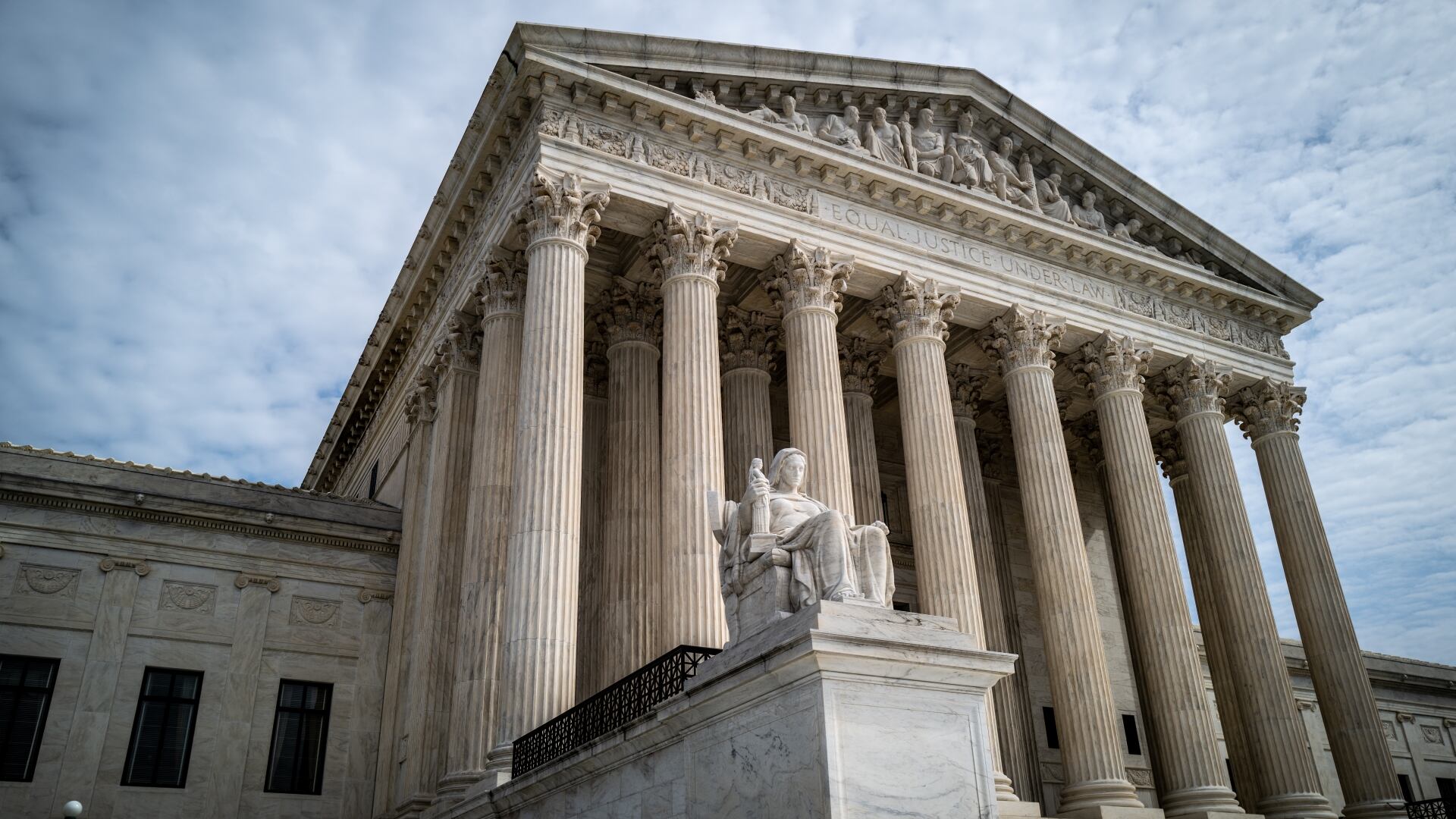
The Supreme Court will be hearing arguments in Dobbs v. Jackson Women's Health on Wednesday over a Mississippi law banning abortions after 15 weeks. Jimmy Hoover, the Supreme Court editor-at-large for Law360, joined Cheddar to break down the momentous legal fight. "This is the biggest abortion case at the Supreme Court in 30 years," he said. "It is a … a direct challenge to Roe v. Wade."
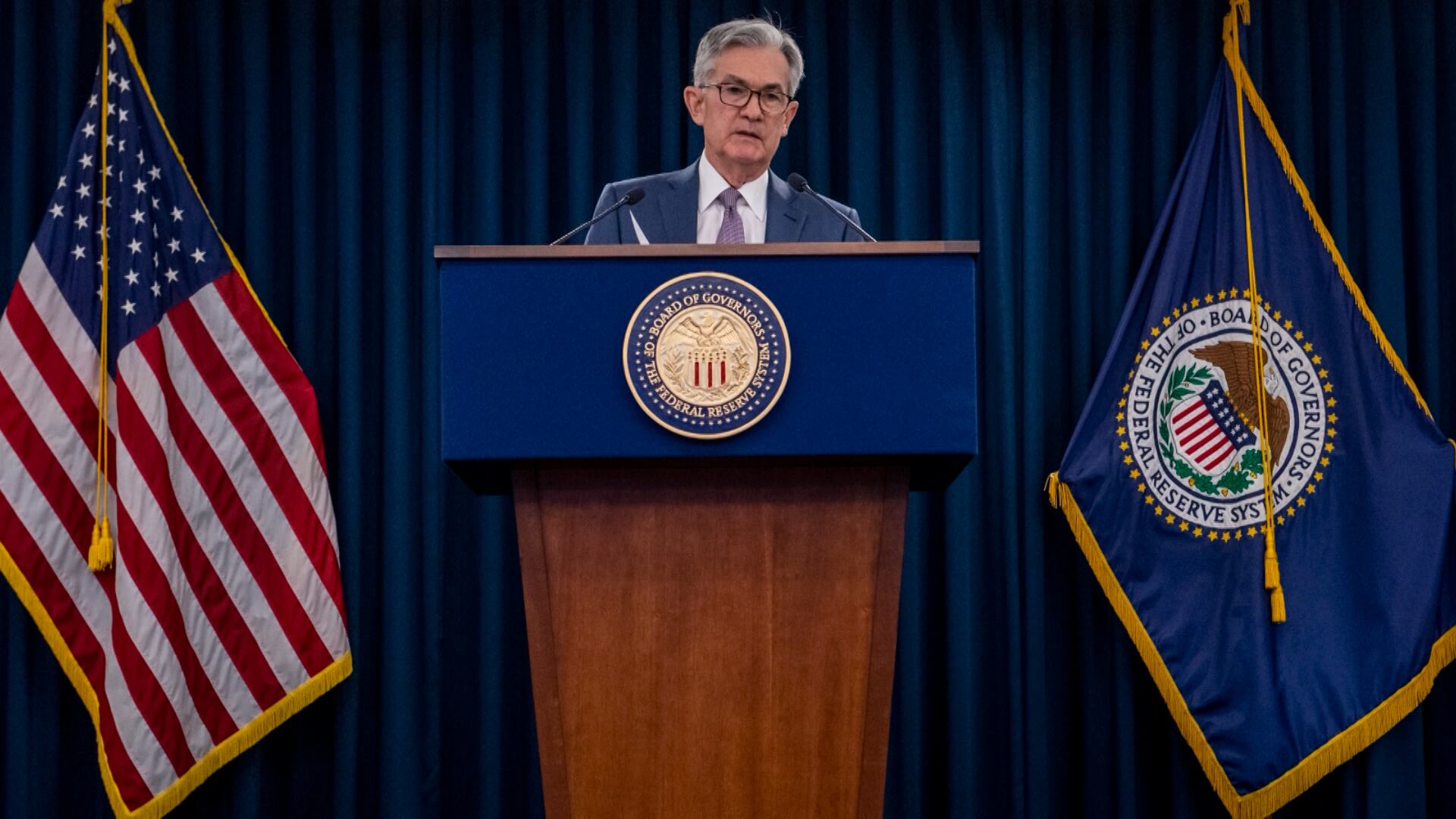
Matt Peron, Director of Research at Janus Henderson Investors, joins Cheddar News' Closing Bell, where he breaks down the factors leading to today's market slide and says there's more to it than Fed Chair Jerome Powell's comments about speeding up tapering efforts.
Walmart CEO Dough McMillon praised the Biden administration's efforts to ease supply chain constraints after the company saw a 26 percent jump in shipments over the last month. President Joe Biden had announced back in October that California ports would operate on a 24/7 basis.
Jill and Carlo cover the latest developments with the Omicron variant that are spooking markets once again. Twitter's @Jack is leaving, SCOTUS takes up abortion rights and the world has a brand new republic.
The Biden Administration is set to buy 10 million courses of Pfizer's Covid pill if it gains emergency use authorization from the FDA. With this purchase, the U.S. will receive more than 13 million courses of antiviral pills aimed at treating Covid and reducing severe illness and death. Pfizer's pill has been shown to reduce risk of hospitalization and death by 89 percent, proving it could be a key tool in the fight against the pandemic. Dr. Soumi Eachempati, Co-Founder, CEO & CMO of Cleared4, joined Cheddar News to discuss.
The Build Back Better Act has been at the center of endless negotiations and debate, ultimately landing as a nearly $1.8 trillion plan. One of the highlights is $170 billion dollars for affordable housing, making history as the largest investment in the sector to date. Eliza Collins, politics reporter for The Wall Street Journal, joins Cheddar News to break down the bill.
The Biden Administration is releasing 50 million barrels of oil from the U.S. oil reserves in hopes of easing soaring gas prices. Vijay Vaitheeswaran, Global Energy and Climate Innovation Editor at the Economist, joined Cheddar to discuss.