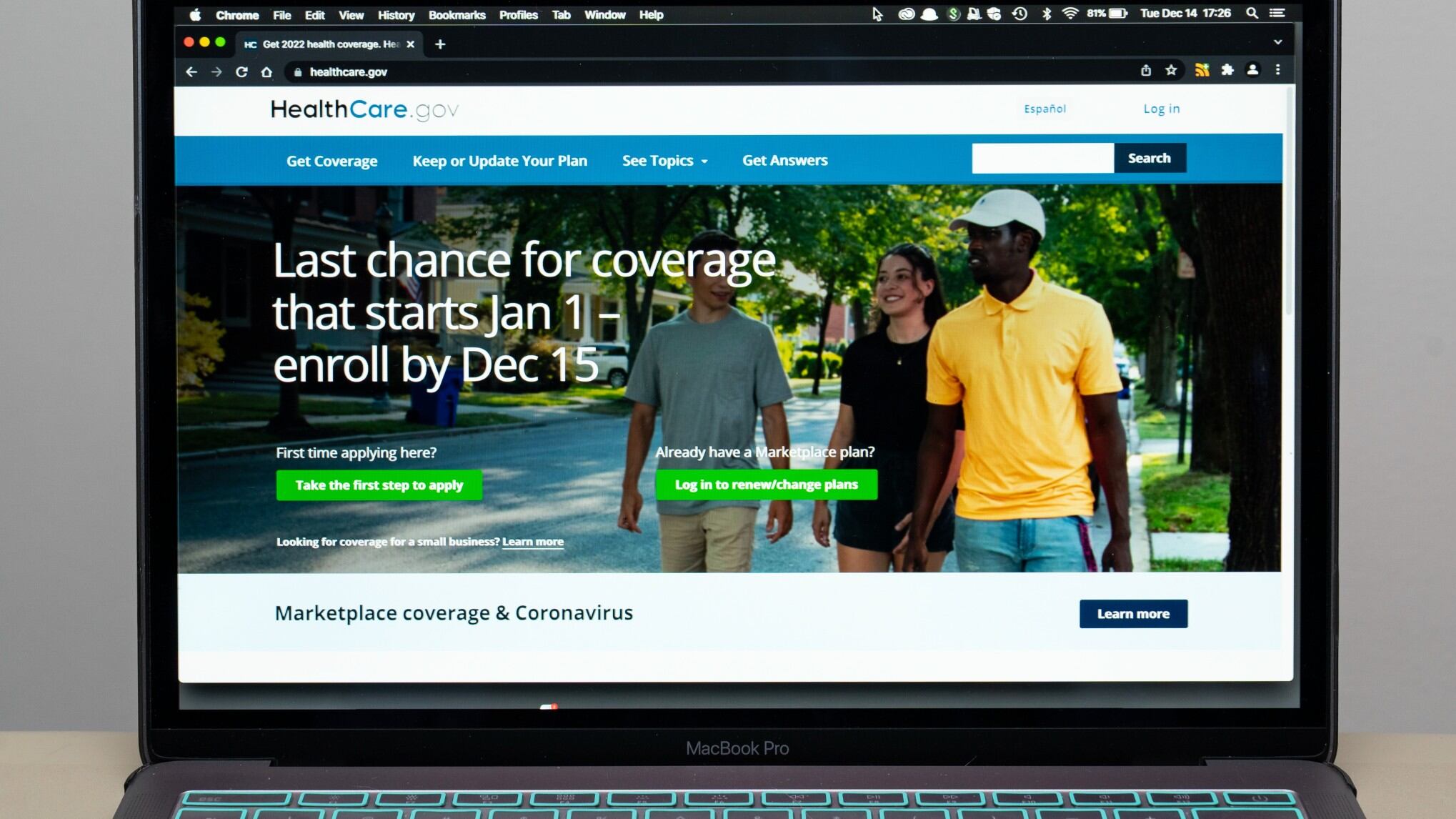
The healthcare.gov website is seen on Dec. 14, 2021, in Fort Washington, Md. (AP Photo/Alex Brandon, File)
By Kevin McGill
The government can keep enforcing “Obamacare” requirements that health insurance plans cover preventative care — such as HIV prevention, some types of cancer screenings and other illnesses — while a legal battle over the mandates plays out, under a court agreement approved Tuesday.
The pact approved by the 5th U.S. Circuit Court of Appeals preserves — at least for now — cost-free preventive care coverage for millions of Americans under the Affordable Care Act.
That coverage was thrown into question by a March ruling from a federal judge in Texas, who said some of the preventive care requirements under former President Barack Obama’s 13-year-old health care law are unconstitutional.
The ruling by U.S. District Judge Reed O'Connor had nationwide effects. The Biden administration had argued last week at the appeals court that the ruling should be stayed while appeals are pursued.
The agreement was filed with the court Monday. In it, the plaintiffs in the case, including a Christian dentist who opposes coverage for contraception and HIV prevention on religious grounds, agreed to a broad stay nationwide. In return, during the appeal process, the handful of plaintiffs would be allowed to provide insurance plans that don't include the preventive care. If O'Connor's ruling were reversed, they would have to provide the coverage, but they would not be penalized for having dumped the coverage during appeals.
O’Connor's March ruling deals with requirements for coverage driven by recommendations by the U.S. Preventive Services Task Force. The judge ruled that because the task force is made up of volunteers, enforcing its recommendations violates the Constitution’s Appointment Clause, which lays out how government officials can be appointed.
Not all preventive care was threatened by O'Connor’s ruling. An analysis by the nonprofit KFF foundation found that some screenings, including mammography and cervical cancer screening, would still be covered without out-of-pocket costs because the task force recommended them before the health care law was enacted in March 2010.
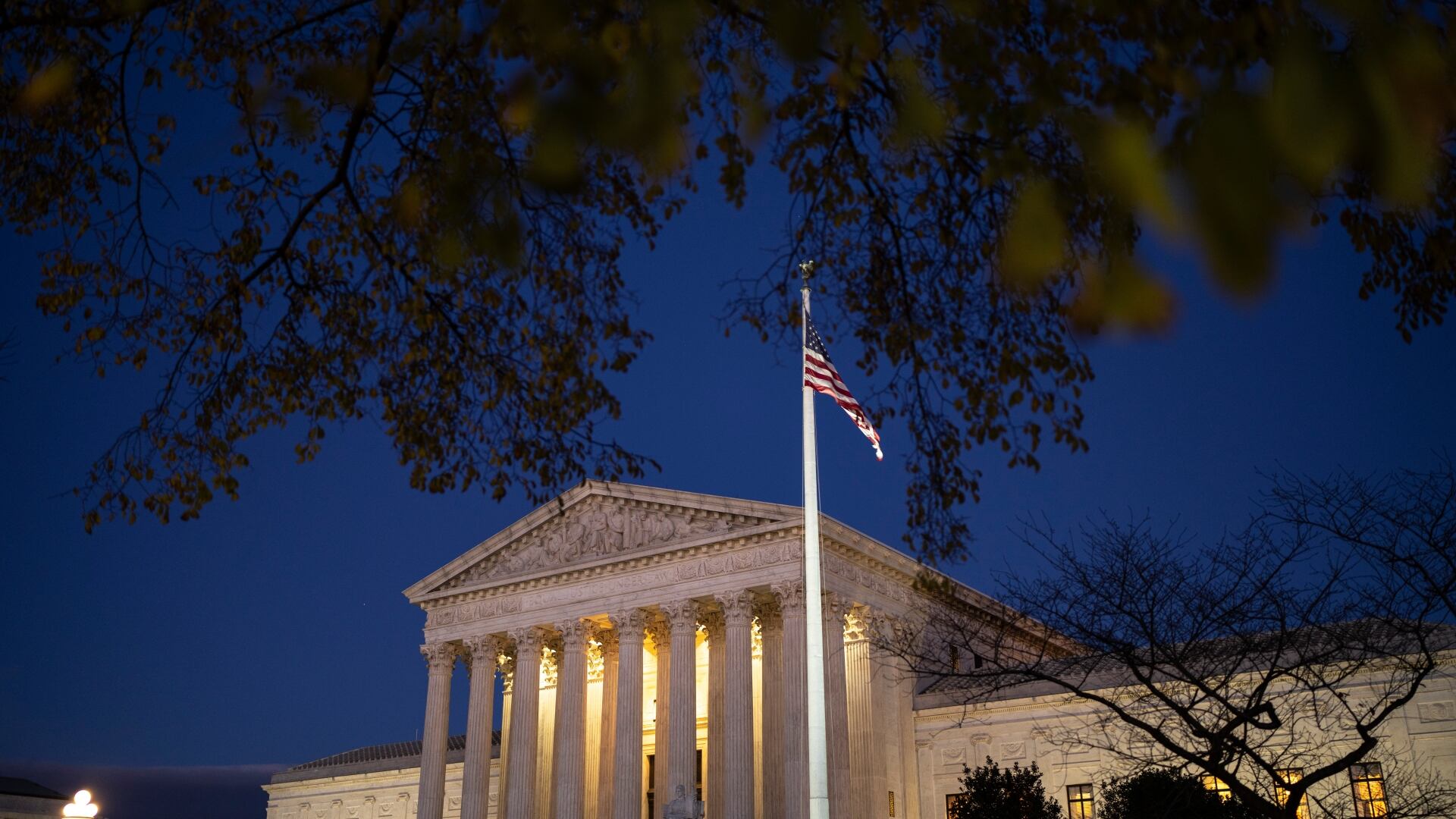
The Supreme Court appeared prepared Wednesday to uphold a Mississippi law that would ban almost all abortions after 15 weeks of pregnancy. The ruling is far from over, with Roe V. Wade at risk. Susan Rinkunas, senior reporter at Jezebel, joins Cheddar News to share the developments of the hearing.
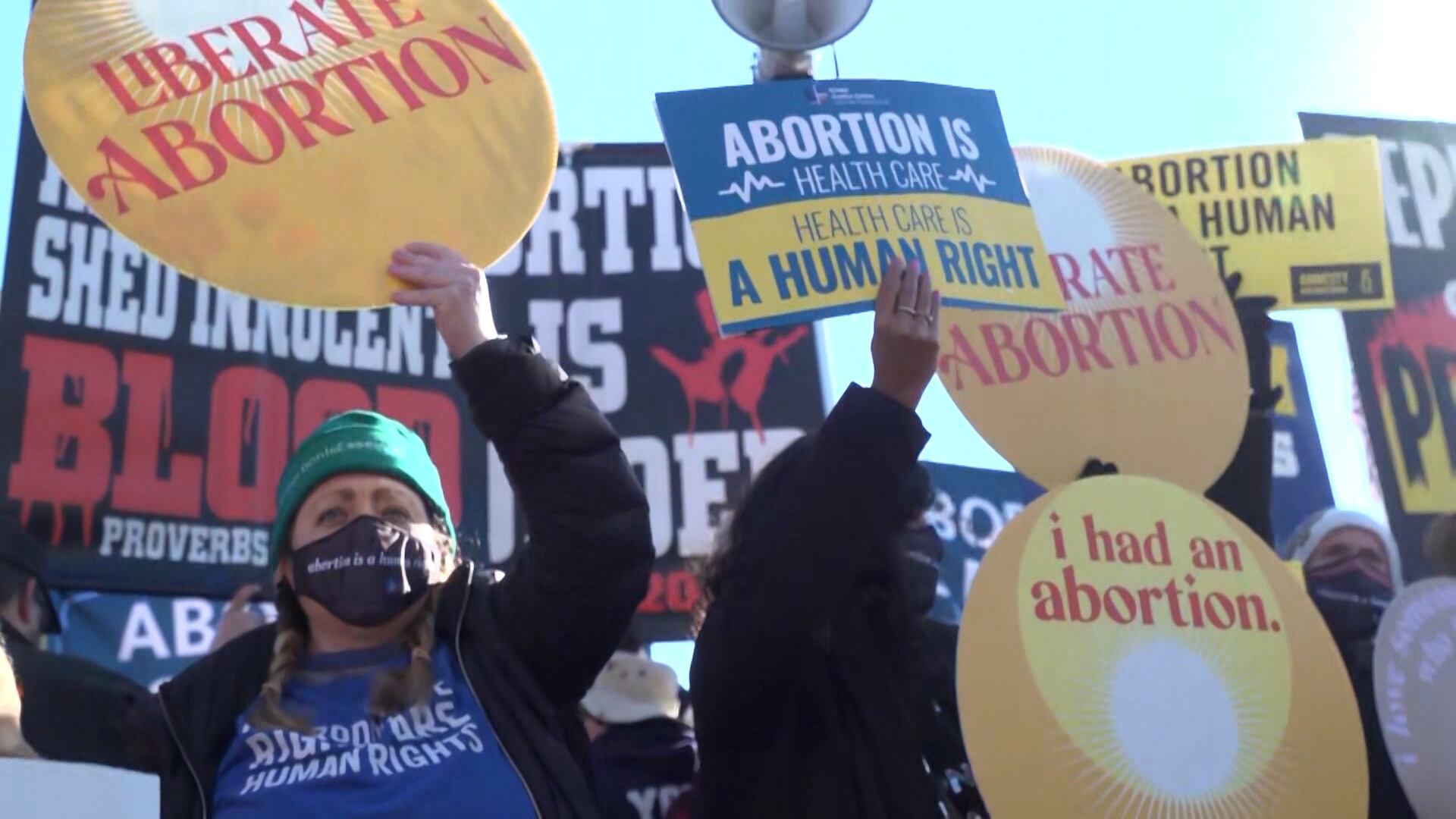
The nine justices heard arguments Wednesday, around a Mississippi abortion law that bans the procedure after 15 weeks and appeared to lean toward upholding the law, while leaving uncertainty about the landmark precedent, Roe v. Wade. Kristin Ford, vice president of communications and research at NARAL Pro-Choice America joins Cheddar News to discuss.
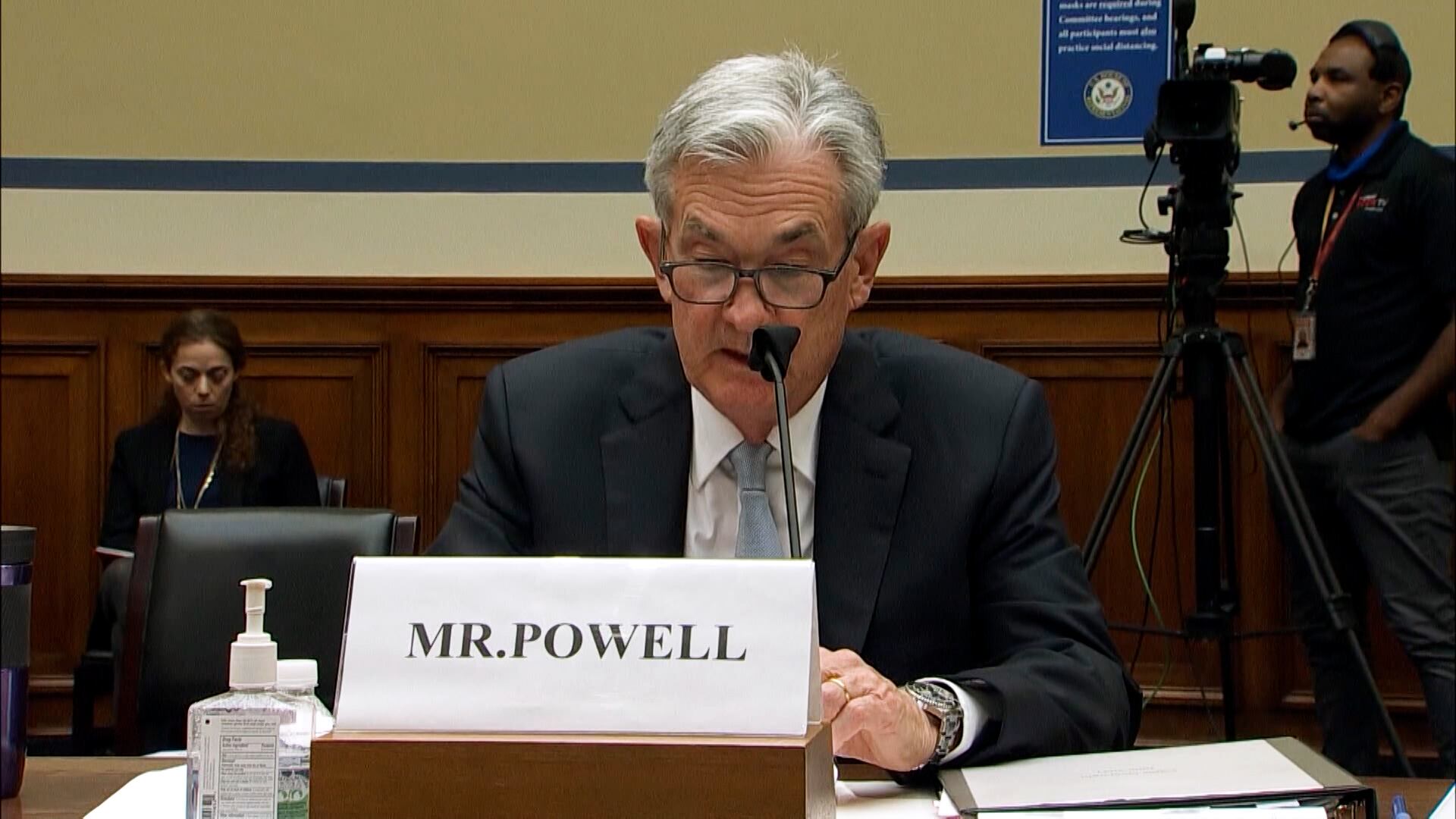
Just about a week after being re-nominated, Federal Reserve Chair Jermone Powell is changing his tune. After nearly a year of referring to inflation as 'transitory,' Powell said he will retire the 'T' word as inflation remains elevated. Christopher Russo, Post-Graduate Research Fellow, Mercatus Center joined Cheddar's Opening Bell to discuss.
Airbnb has come under fire after an Axios report found that the rental company has properties available in China's Xinjiang region where the nation has been accused of committing genocide against Uyghur Muslims, demolishing their homes, and replacing them with tourist attractions.
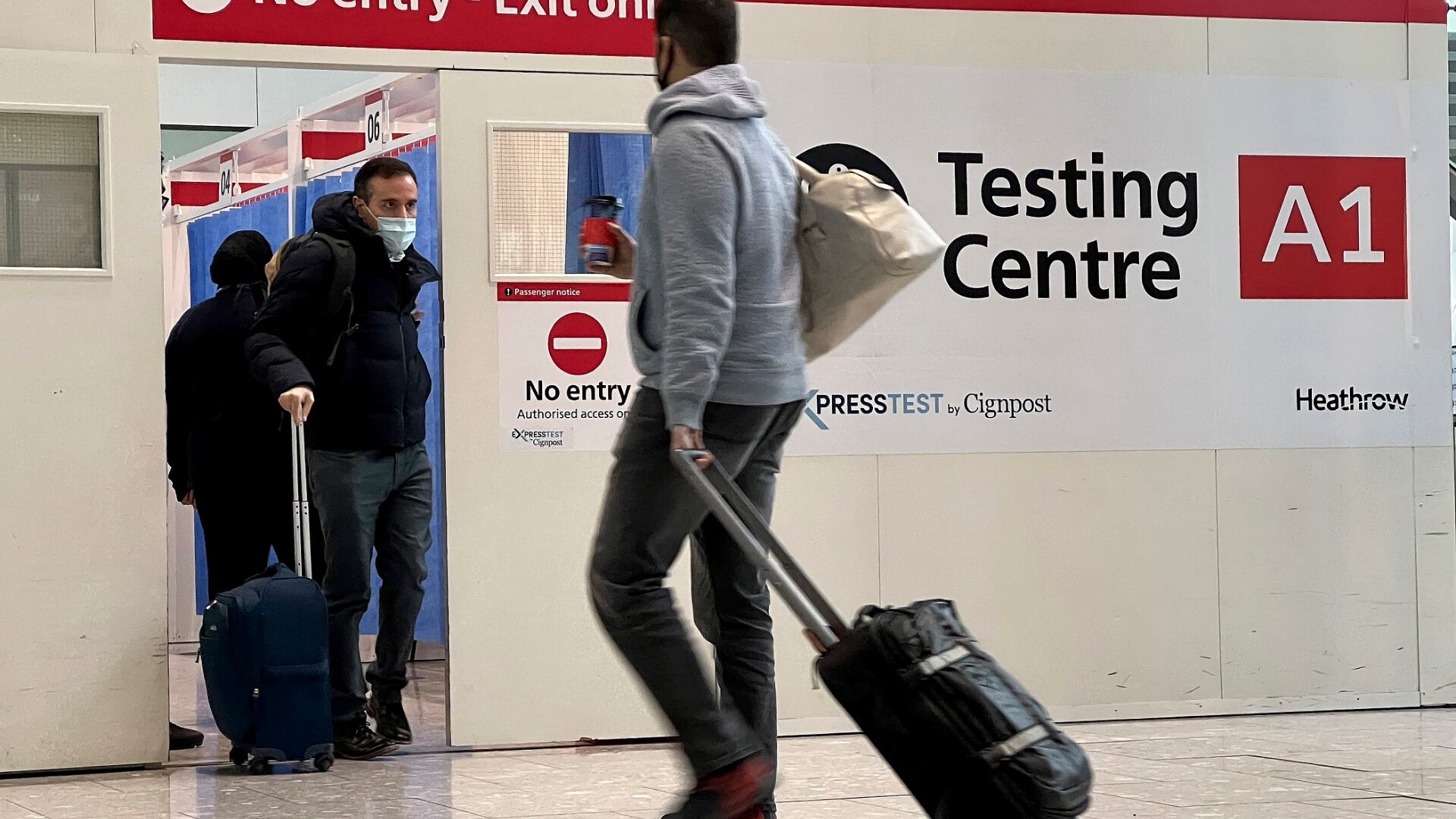
With the emergence of the omicron variant, the U.S. is considering tightening international travel guidelines. The CDC said it might reduce the window for foreign travelers to submit a negative COVID-19 test from three days prior to one day before allowing entry.
Jill and Carlo cover the latest on Omicron, another school shooting in America and more. Plus, bidding farewell to 'transitory' inflation, and the controversy surrounding 'Lovely Bones' author Alice Sebold.
Disparities in tree coverage across America is a huge issue that affects air quality, heat exposure, and ultimately determines how resilient communities are against climate change. The Build Back Better Act is allocating $2.5 billion to boost 'tree equity.' Lemir Teron, assistant professor at SUNY College of Environmental Science and Forestry, joins Cheddar News to explain why this is a priority for Democrats today.