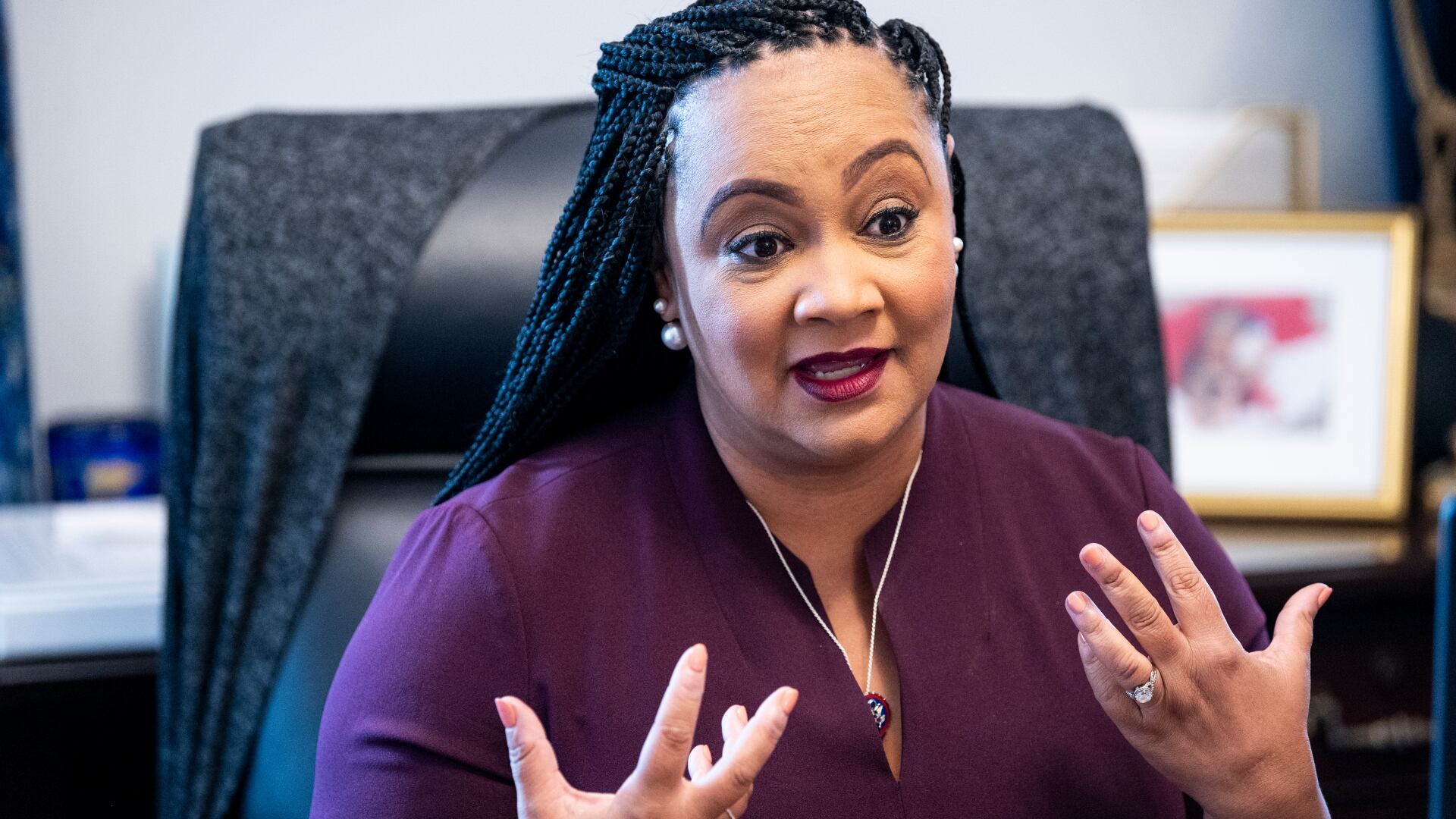
While the White House and Senate races remain undetermined, Democrats have retained control in the House of Representatives. Among election night's winners was New York City Councilman, Ritchie Torres, who will represent the 15th district in the South Bronx.
The victory for Torres marks a historic moment for the United States Congress as he becomes the first openly gay Black representative to serve. His win also signifies a sea change in New York after fellow Democrat José Serrano, who held the seat for 30 years, decided not to run again.
"When he entered Congress in 1990, I was only 2 years old, and so yesterday's election in 2020 represents a passing of the torch. And I'm grateful to the voters of the South Bronx for giving the high honor of representing the next generation of leadership," Torres told Cheddar.
With his election, and the reelection of 'The Squad,' the growing diversity in Congress, according to the councilman, is a microcosm of a diverse society.
"More than 60 percent of the House Democratic Conference are women, people of color, LGBTQ, so the Democratic party in Congress [is] increasingly becoming a miniaturization of America, of multi-racial, multi-ethnic democracy. And that's a beautiful thing," he noted.
Putting People First
Torres' first priority as representative is to lobby for essential workers in the South Bronx, which was once one of the epicenters of the coronavirus pandemic, he said. The neighborhood, made up mostly of Black and Latino residents, saw almost twice the amount of hospitalizations and deaths compared to a more densely populated Manhattan.
"We have to put income in the pockets of struggling families because the road to recovery for our country will run through our families. It's their spending that will have the greatest impact in reviving the economy," he explained.
While cases continue to surge nationwide, the bare minimum, Torres said, that the federal government could do to help alleviate the financial burden many are experiencing is provide funds that would expand testing, contact tracing, and a stock of critical supplies.
But for New York in particular, Torres painted a more dire situation, and emphasized the urgent need for federal assistance in the Empire State.
"Economically we need to stabilize our local and state governments. There's never been a point in the history of our country where New York State government and New York City government and the public transit system were all caught in a fiscal death spiral," he said.
For Torres, the fight for such policies remains personal, as he expressed that having a first-hand understanding of how everyday Americans live places him in a unique position to fight for real, effective change.
"The greatest asset that I bring to public life is the wisdom of lived experience. I don't come from a political family. I don't come from privilege. I don't have fancy degrees but I know what it's like to grow up in poverty," Torres said. "Those lived experiences not only inform who I am, but are going to motivate much of what I do in Washington, DC."
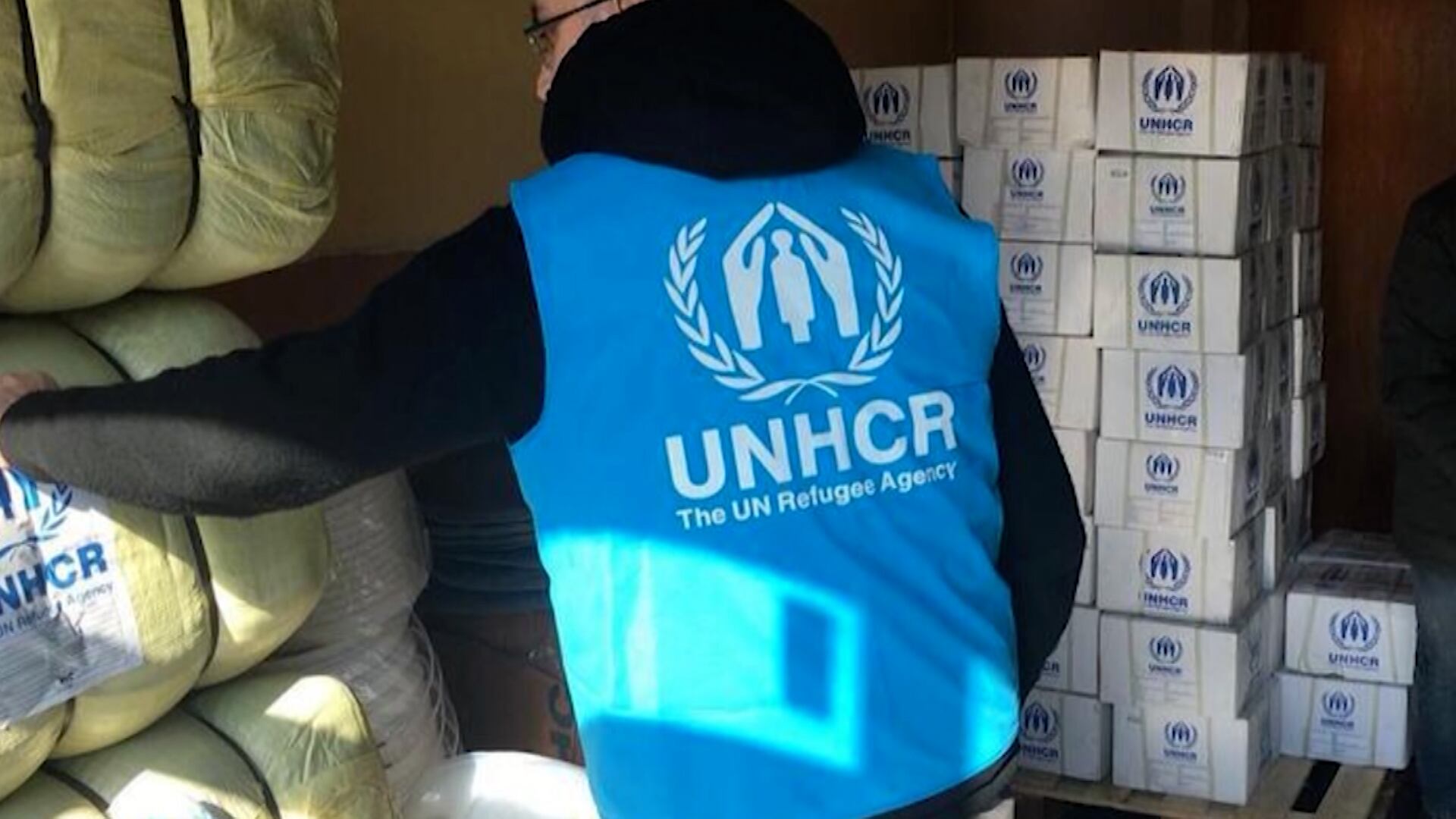
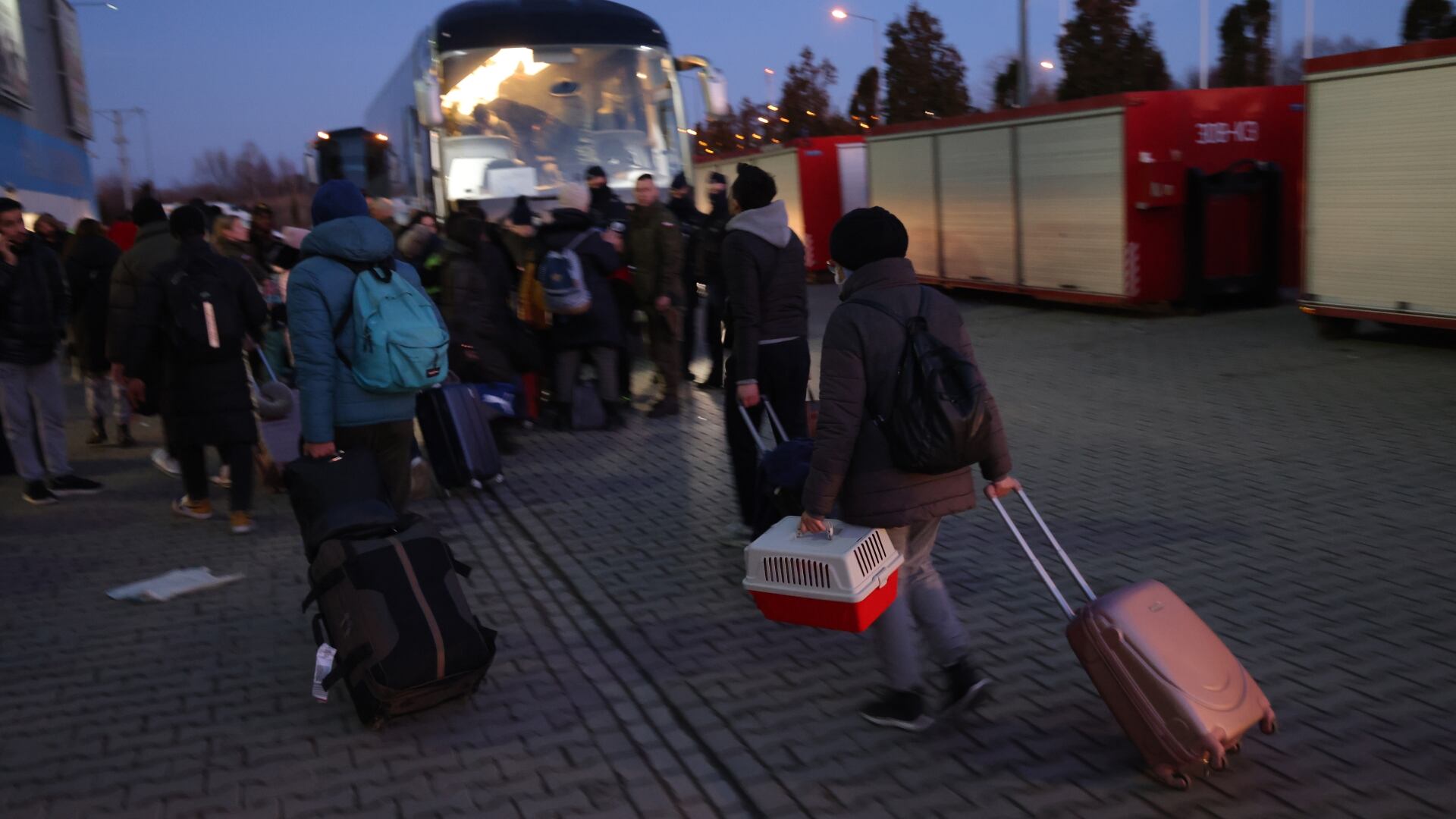
The United Nations High Commissioner for Refugees (UNHCR) has reported that an estimated one million people have fled from Ukraine since Russia invaded. Christopher Boian, senior communications officer at UNHCR, joined Cheddar News to report on the current refugee crisis and what the world might expect if conditions continue to worsen. "We have planning figures that forecast as many as four million people could be forced to flee Ukraine," he said. "But that very much depends on how the conflict underway in that country at the moment unfolds in the days and possibly weeks ahead."
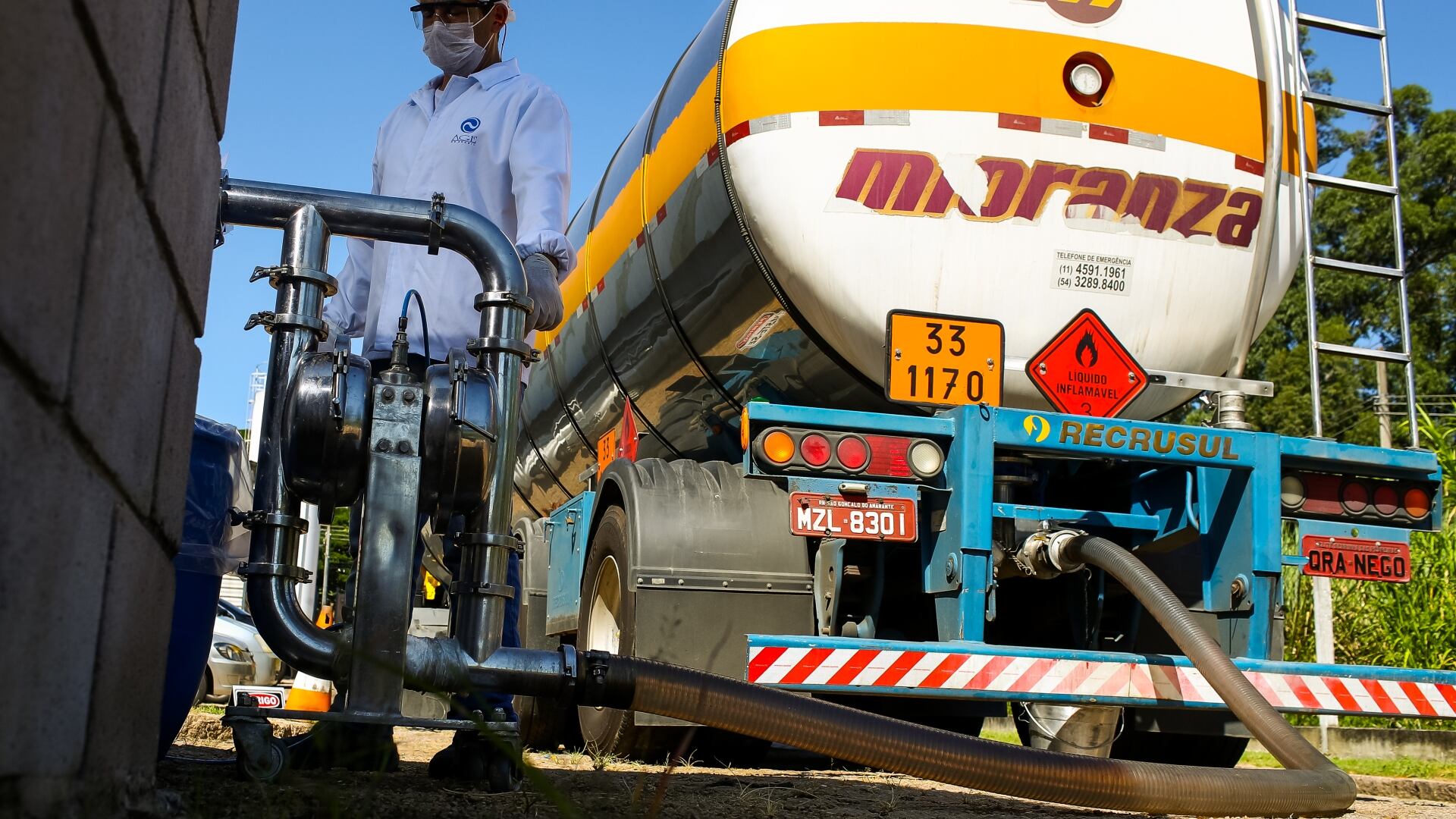
Under the U.S. Renewable Fuel Standard (RFS), corn-based ethanol has been mixed into gasoline sold at pumps in the U.S. since 2005, when a policy was enacted aimed at reducing emissions. Corn-based ethanol had been thought to be a relatively greener energy source compared to other biofuels, but now, a new study published in the Proceedings of the National Academy of Sciences reports it may be actually worse for the climate than straight gasoline. Tyler Lark, an assistant scientist at the University of Wisconsin-Madison's Center for Sustainability, joined Cheddar News' Closing Bell and discussed the pushback against the study. "Essentially when you need to produce more corn to meet the demand for use as ethanol as fuel, farmers respond and they switch more crops like soybeans and wheat into corn," Lark said. "They also bring more land into production, so things that used to be pasture grassland, and both those activities are associated with increased greenhouse gas emissions."
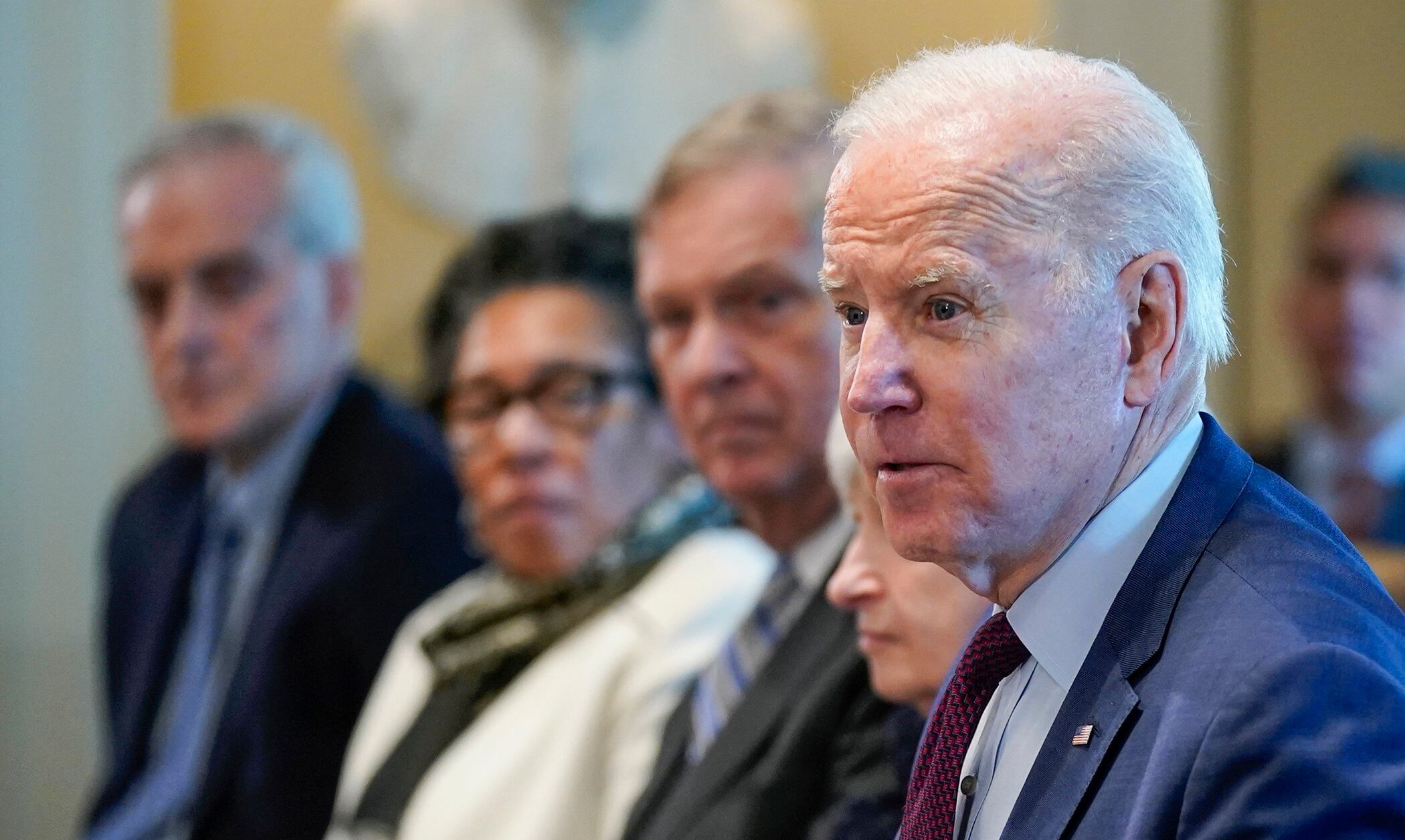
U.S. President Joe Biden’s administration on Thursday announced new sanctions against Russian oligarchs and others in President Vladimir Putin’s inner circle.
Christian Blauvelt, executive managing editor at IndieWire, joins Cheddar News to discuss the growing number of studios pulling content from Russia over Ukraine invasion.
Russian forces are battling for control of a crucial energy-producing city in Ukraine’s south and gaining ground in their bid to cut off the country from the sea.
In the past few years, Betthany Frankel has made a major name for herself as a philanthropist after founding the
BStrong initiative, which has provided relief to people impacted by natural disasters as well as the COVID-19 pandemic. Now, BStrong is shifting its focus to Ukraine, raising millions of dollars in donations for those impacted by Russia's invasion. Bethenny Frankel, the founder of BStrong, joins Cheddar News' Closing Bell to discuss.
Bryan Lee, Chief Investment Officer at Blue Zone Wealth Advisors, joins Cheddar News' Closing Bell, where he elaborates on the volatility we've seen in the markets this week fueled by rising oil prices and the ongoing Russian invasion of Ukraine.
Francesca Chambers, White House correspondent for McClatchy, joins Cheddar News to discuss all the topics President Biden has to juggle in his State of the Union address.