Last week marked three years since 49 people were gunned down at Pulse, a gay nightclub in Orlando. At the time it was the deadliest mass shooting in U.S. history. Their deaths, however, were not recorded in Washington as anti-LGBTQ violence since Florida, at the time, did not report to the federal database.
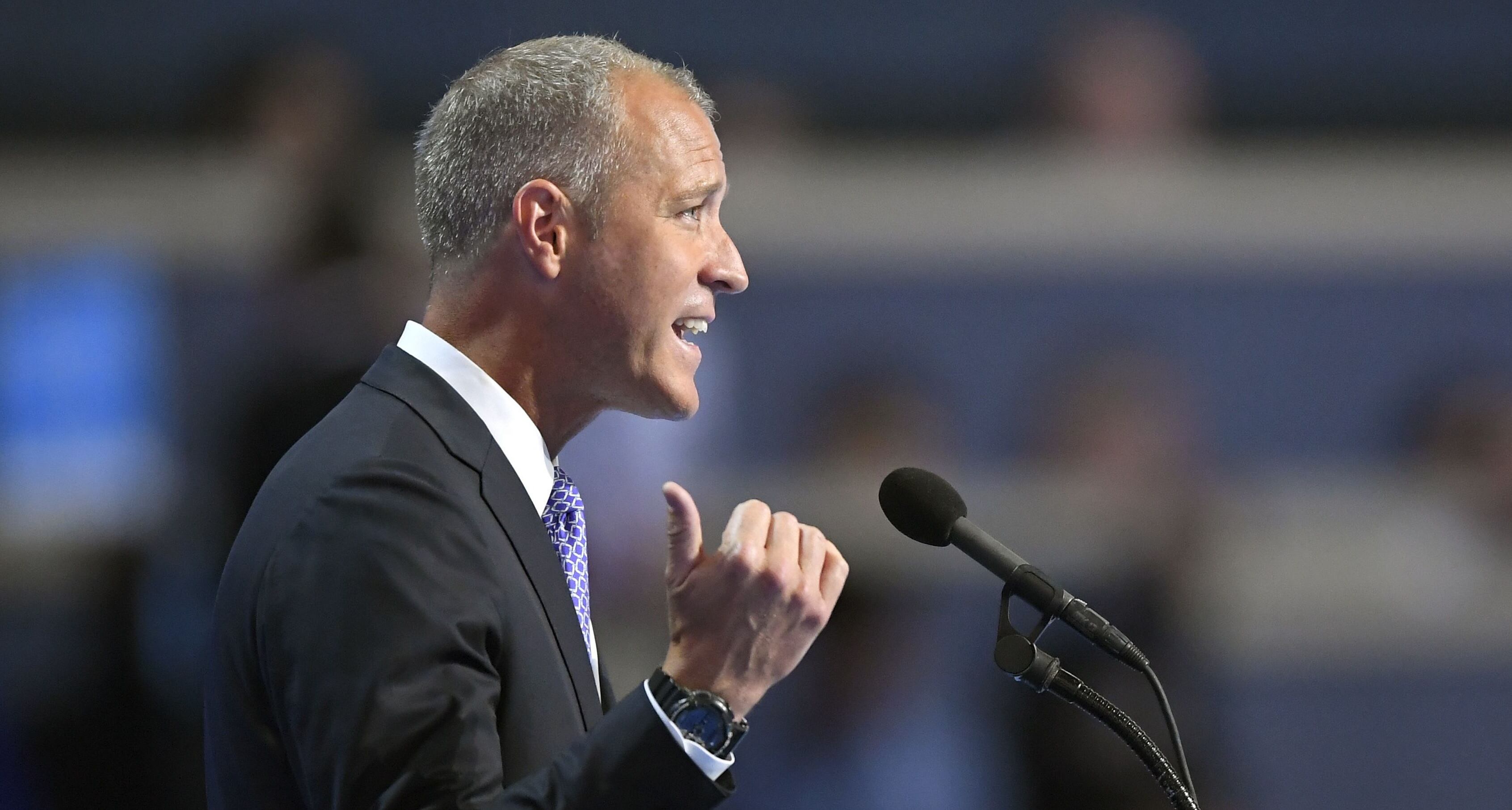
Today, Rep. Sean Patrick Maloney (D-N.Y.) is working to strengthen the government's ability to track violence against the LGBTQ community in an effort to combat the enduring epidemic.
“We know there is terrible violence against the LGBT community, particularly the transgender community … and we don't capture that data the way we should,” Maloney told Cheddar. “It is about being seen in the society, and it is about knowing the scope of the problem.”
The FBI reported 1,338 people were victims of sexual orientation hate crimes in 2017, which experts estimate is just a fraction of the actual number.
Maloney’s proposed legislation — the LGBTQ Essential Data Act — would provide $25 million of additional funding to the Center for Disease Control’s National Violent Death Reporting System (NVDRS) to help track anti-LGBTQ violence. The bill was introduced on the three-year anniversary of the Pulse massacre.
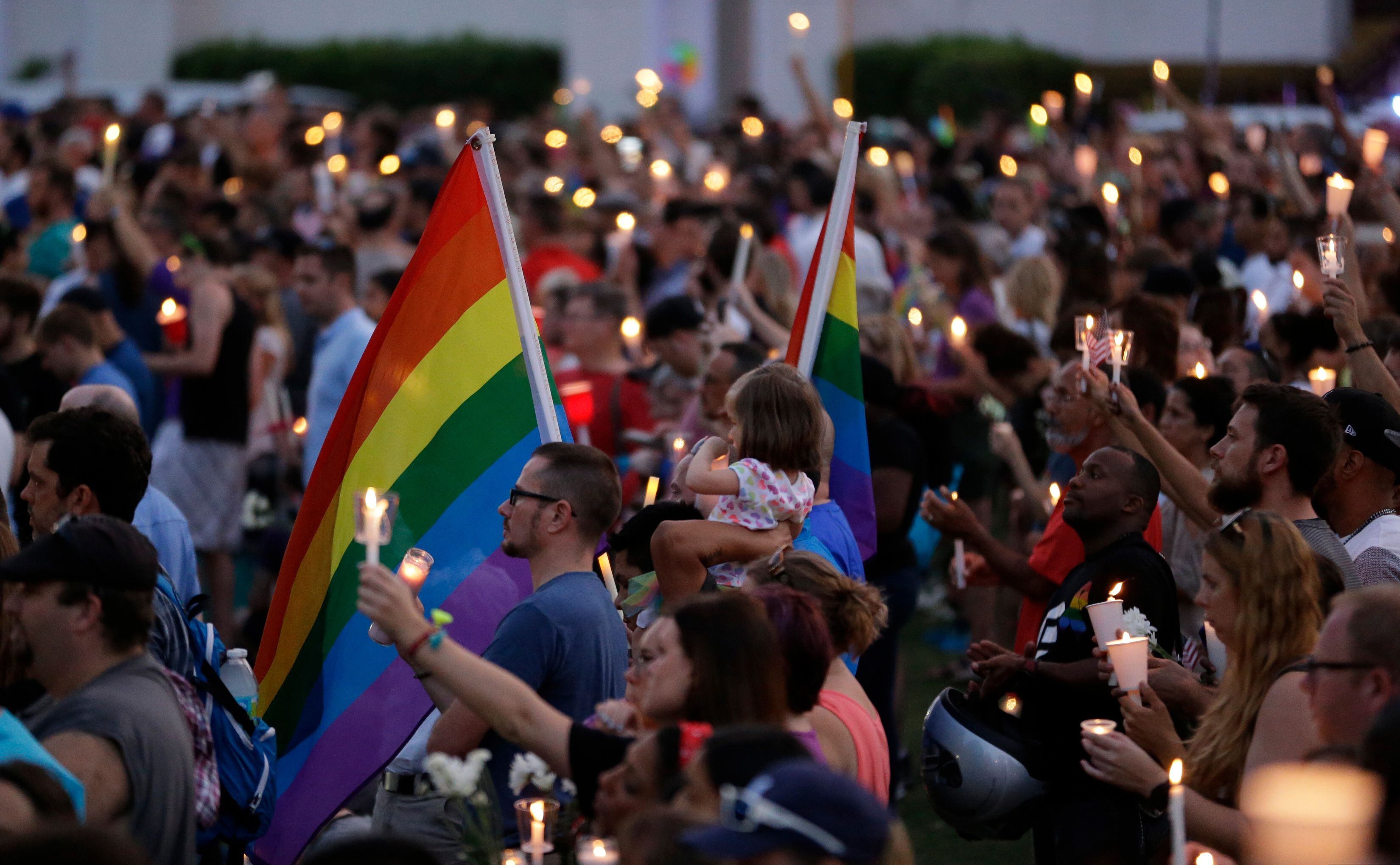
<i>Thousands of people attended the vigil in Orlando, Fla. following the mass shooting at the Pulse nightclub in June 2016. / Photo Credit: John Raoux/AP/Shutterstock</i>
The NVDRS, which records seven violent deaths every hour in the U.S., is reliant on state officials submitting data. Yet 10 states are currently dealing with two-year backlogs and have not released any statistics on specific hate crimes, according to Maloney’s office.
“There needs to be a better framework put around this so we have the same quality data around violence against our community that you would have against any community,” added Maloney, who is the first openly gay member of Congress from New York.
‘Who We Are Must Not Be Erased When We Die’
The legislation is supported by numerous LGBTQ rights gourps, including The Trevor Project, PFLAG National, the Gay, Lesbian, and Straight Education Network, and Human Rights Campaign, which is the largest of such organizations in the U.S.
"In an era where the Trump-Pence administration is attempting to erase LGBTQ people from government websites and data collection, legislation like the LGBTQ Essential Data Act is all the more crucial,” David Stacy, Human Rights Campaign’s government affairs director, said in a statement. “The LGBTQ Essential Data Act will give lawmakers and law enforcement the necessary tools to work toward justice and develop comprehensive legislative solutions to fight this epidemic.”
The Trevor Project, a non-profit that advocates for LGBTQ youth, praised the bill for mandating that “life-saving data to prevent future violent deaths” be recorded nationwide.
“Who we are must not be erased when we die,” Sam Brinton, The Trevor Project’s head of advocacy and government affairs, said in a statement.
The LGBTQ Essential Data Act is also co-sponsored by 72 other House Democrats, including big names like Ro Khanna of California; Rashida Tlaib of Michigan; Debbie Wasserman Schultz of Florida; and Ayanna Pressley and Joseph Kennedy III of Massachusetts.
“If we don’t know the scope of anti-LGBTQ violence in this country, we can’t bring it to an end,” Rep. Kennedy said last week.
The bill, however, has no co-sponsors from the Republican party, which Maloney said moved “even further into the dark ages” on LGBTQ issues under President Trump. Republicans “need to get out of the past and into the future,” he said.
Catching you up on today's entertainment headlines with the Tribeca Film Festival has kicked off in NYC, "Black Adam," starring Dwayne "The Rock" Johnson dropped its first full trailer, the musical "Come From Away" based on a true story set during 9/11 will be closing on Broadway this October, and more.
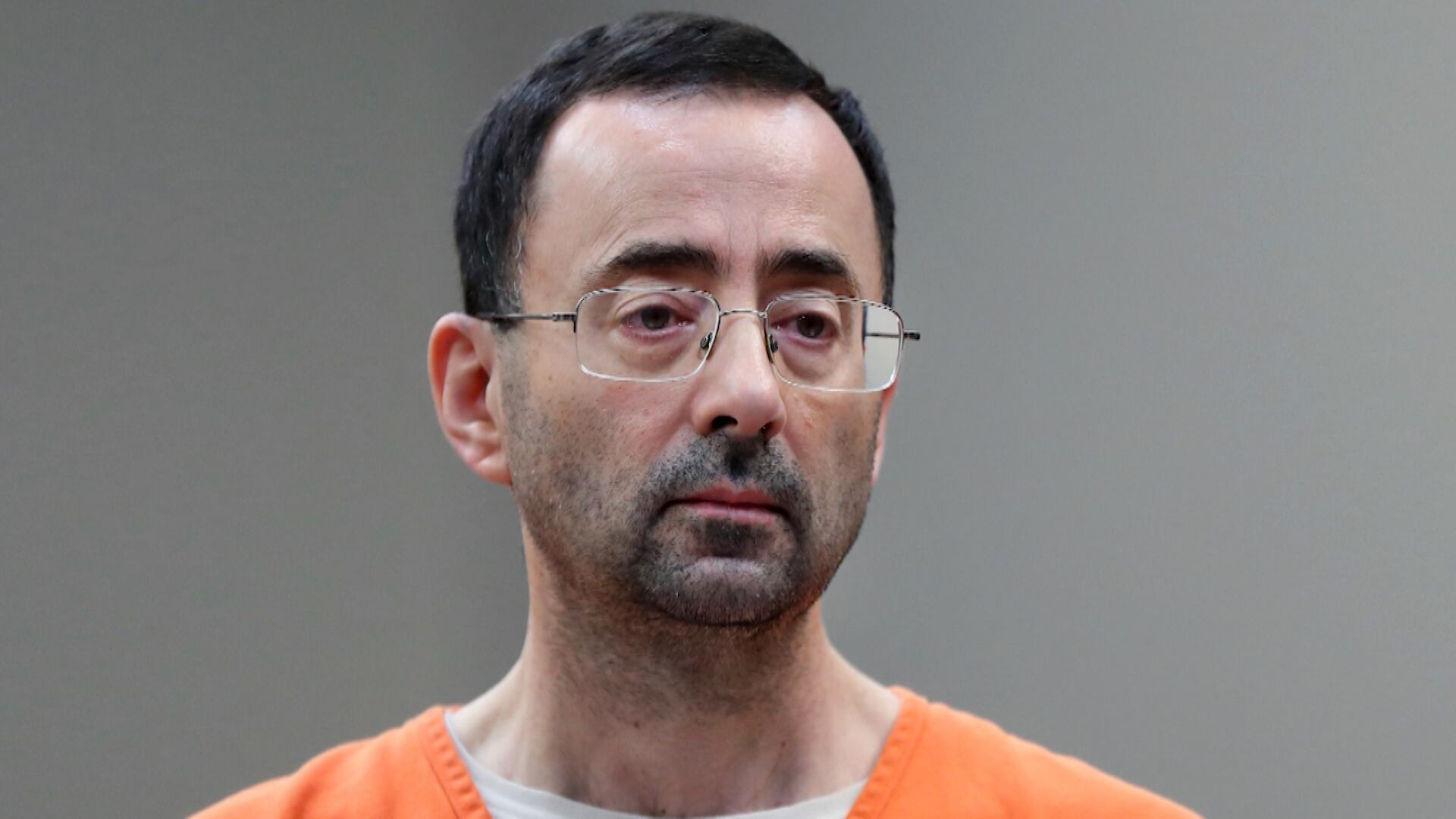
Survivors of Larry Nassar, including Olympian Simone Biles, are seeking $1 billion in damages from the FBI due to its failure to investigate the former gymnastics team doctor convicted of committing years of serial sexual abuse of minors. Jack Queen, a senior reporter at Law360, joined Cheddar News to break down the legal grounds of this case. "This is one of the biggest black eyes that the Bureau has faced in generations, quite frankly, and the FBI has taken full responsibility and admitted that it completely botched this investigation," he said. "So, there's a lot of pressure to settle."
The Elevate Prize Foundation is donating $10,000 to different grassroots organizations based on a theme every month to help scale their work, focusing on a different theme each time. Upcoming prizes will help uplift an organization supporting the LGBTQ community and one mobilizing to help end gun violence. The foundation's CEO Carolina Garcia Jayaram joined Cheddar to discuss the initiative and why it's important to uplift these grassroots organizations. "We are identifying social entrepreneurs around the world to help them scale their work. but the ultimate purpose of that is to create the first-ever fanbase for good," she said. "We're trying to make good famous and by inspiring people to think about the role they can play in doing good in the world."
With real estate being a largely male-dominated industry, Stephanie Shojaee, vice president and chief marketing officer at development company Shoma Group, joined Cheddar News to discuss how she took on the gender gap for women to achieve leadership roles, starting at her own company. “It's been very important to teach all the women that work here, especially the younger ones, that they shouldn't change themselves," she said. "You need to be happy with who you are and just keep breaking barriers."
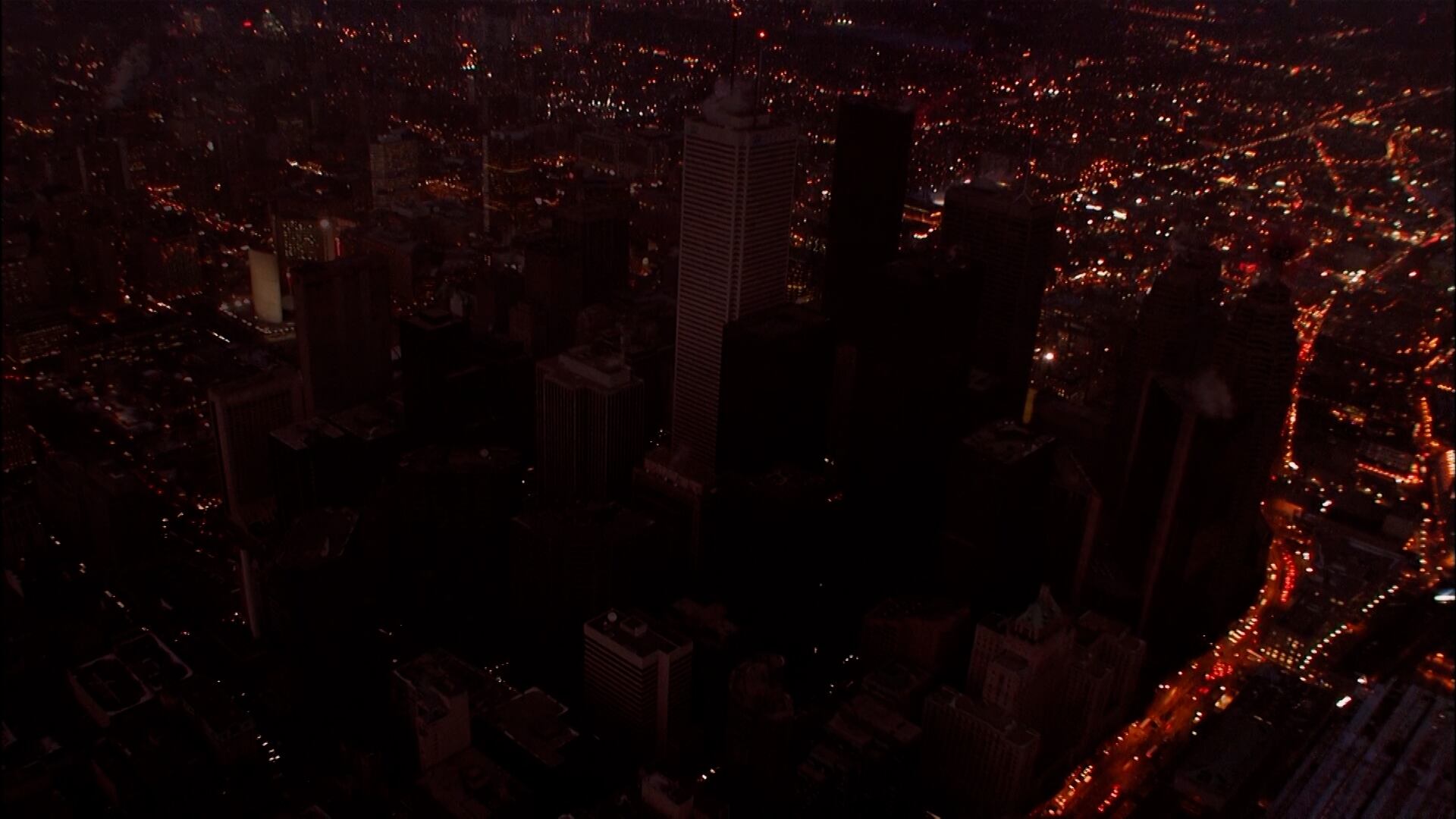
We are already starting to feel the effects of summer. Heat waves in Texas and California are already sending temperatures soaring. That could spell trouble for the nation's power supply. there are new concerns about outages in many areas of the country. Cheddar's Shannon Lanier explains the two main causes of blackouts, and what states are doing to keep the lights on and the air conditioning running.
If you have been on the road this past year, you've probably seen more accidents on the road than you ever have. You're not wrong. Traffic fatalities are not only increasing they are hitting historic highs. Almost 43,000 people died in motor vehicle accidents in 2021. Cheddar's Shannon Lanier investigates - and finds out why.
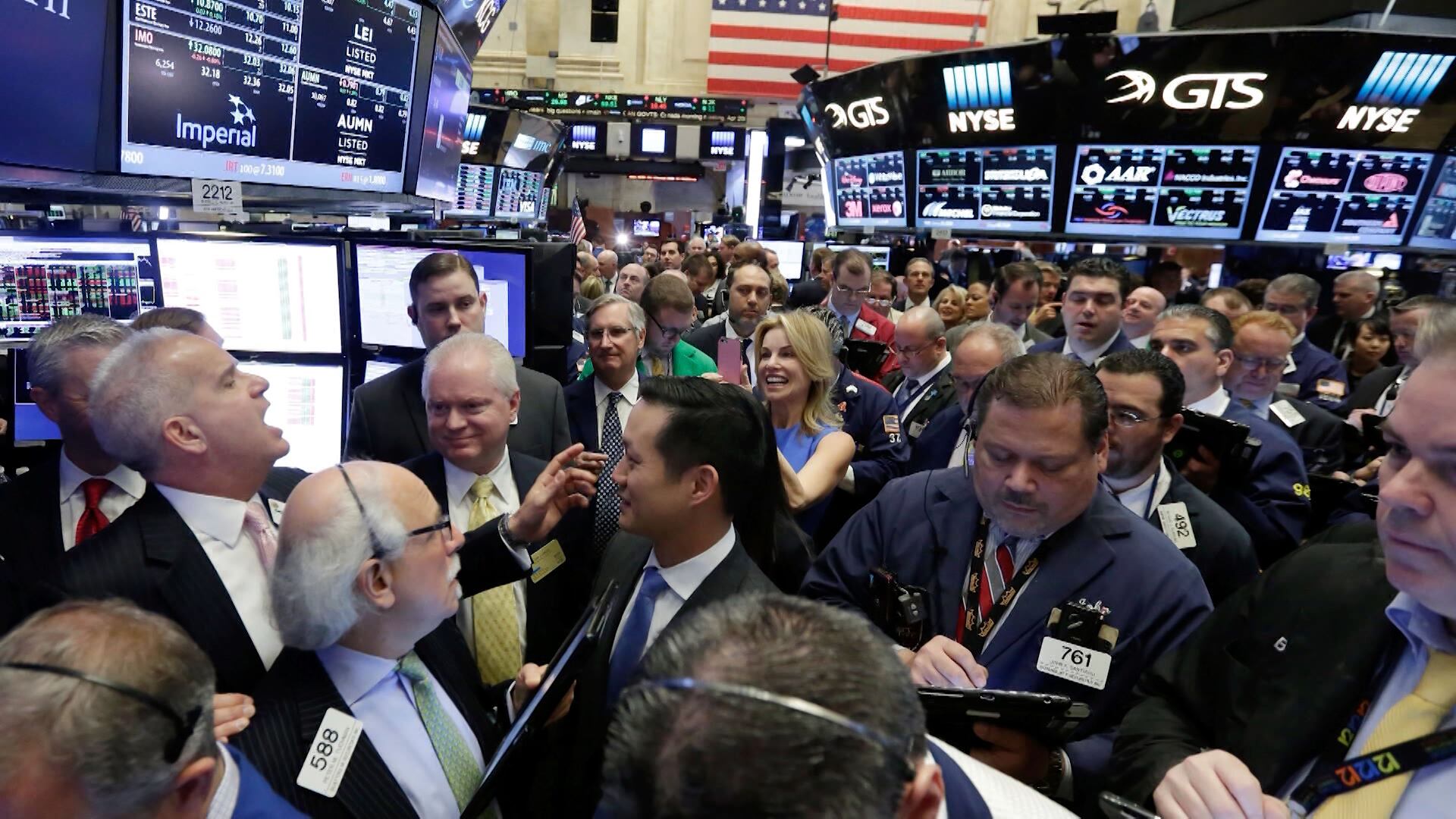
U.S. stocks close Tuesday at session highs after a subpar start to the trading day. Tim Chubb, Chief Investment Officer at the wealth advisory firm, Girard, joins Cheddar News' Closing Bell to discuss. 'We're starting to see the moderation of three core things -- we've seen the moderation of prices, we've seen the moderation of wage growth we've seen in the labor market, and we've also seen a moderation of job openings,' he says.
The victims from the USA gymnastics sexual abuse scandal continue to seek justice. Survivors of Larry Nassar are seeking more than one-billion dollars from the FBI for failing to stop the convicted sports doctor when the agency first received allegations. According to a report released by the Justice Department's Inspector General, FBI agents knew
in July of 2015 that Nassar was accused of abusing gymnasts; however, Nassar wasn't arrested until December of 2016. The group that filed the claim includes Olympic medalist Simone Biles and around 90 other women. Louise Radnofsky, sports reporter at The Wall Street Journal, joins Cheddar News' Closing Bell to discuss.
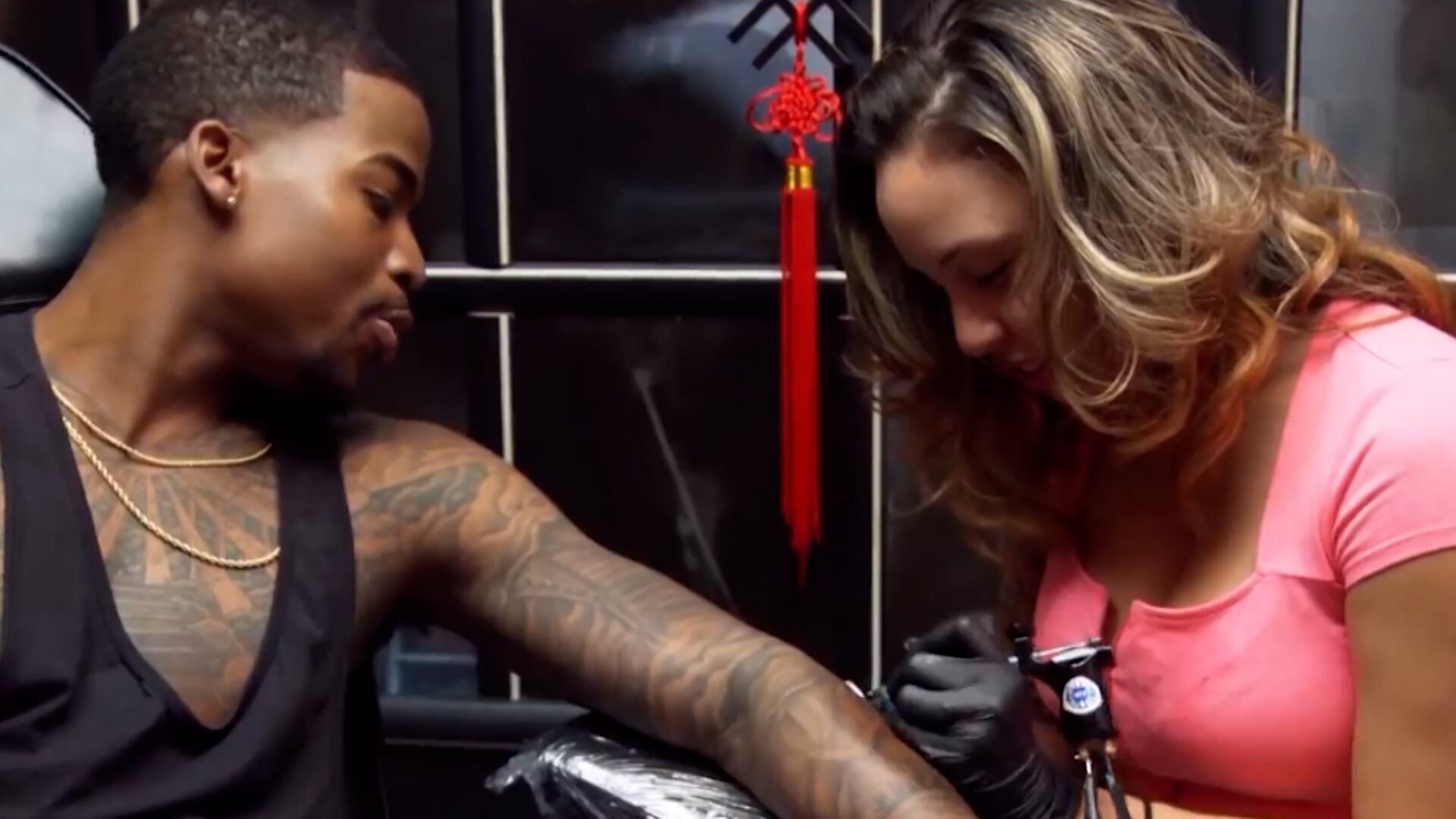
Tattoo artist Katrina "Kat Tat" Jackson, famous for starring in the VH1 hit series "Black Ink Crew: Chicago," is also the first Black woman to own a tattoo shop in Beverly Hills. She joined Cheddar News to discuss her trailblazing work, the stigma BIPOC tattoo artists face in the industry, and the way the space has changed for artists of color since her start. "In the beginning, I remember walking into a tattoo shop just like, hey, I wanna learn, I wanna be a tattoo artist and kind of just being laughed at, not taken seriously," she said. "Even with the tattoo conventions, a lot of African American tattoo artists were almost scared to go to conventions because it's not a welcoming environment."