The National Oceanic and Atmospheric Administration has released its 2023 Spring outlook and the ongoing trend of unseasonable weather could be continuing.
One of the major takeaways from the report is that drought conditions in the Western U.S. are set to improve. The region that has been inundated with wet weather for much of the winter will see some reprieve when it comes to drought.
"Climate change is driving both wet and dry extremes, as illustrated by NOAA's observations and data that inform this seasonal outlook," said Rick Spinrad, Ph.D, NOAA administrator. "Under the Bipartisan Infrastructure Law and Inflation Reduction Act, and in support of the Biden Administration's priority to tackle the climate crisis, NOAA will invest significant resources to build a Climate-Ready Nation that gives communities tailored information about changing conditions so that residents and economies are protected."
In California, drought status is expected to improve even more as snowpacks that built up over the winter eventually melt. The conditions in the central Plains and in Florida are also expected to improve with Spring rainfalls.
Meanwhile, when it comes to heat and high temperatures, a swath of Southern and East Coast states will be above average. Alaska and Hawaii are also predicted to see above average temperatures between April and June.
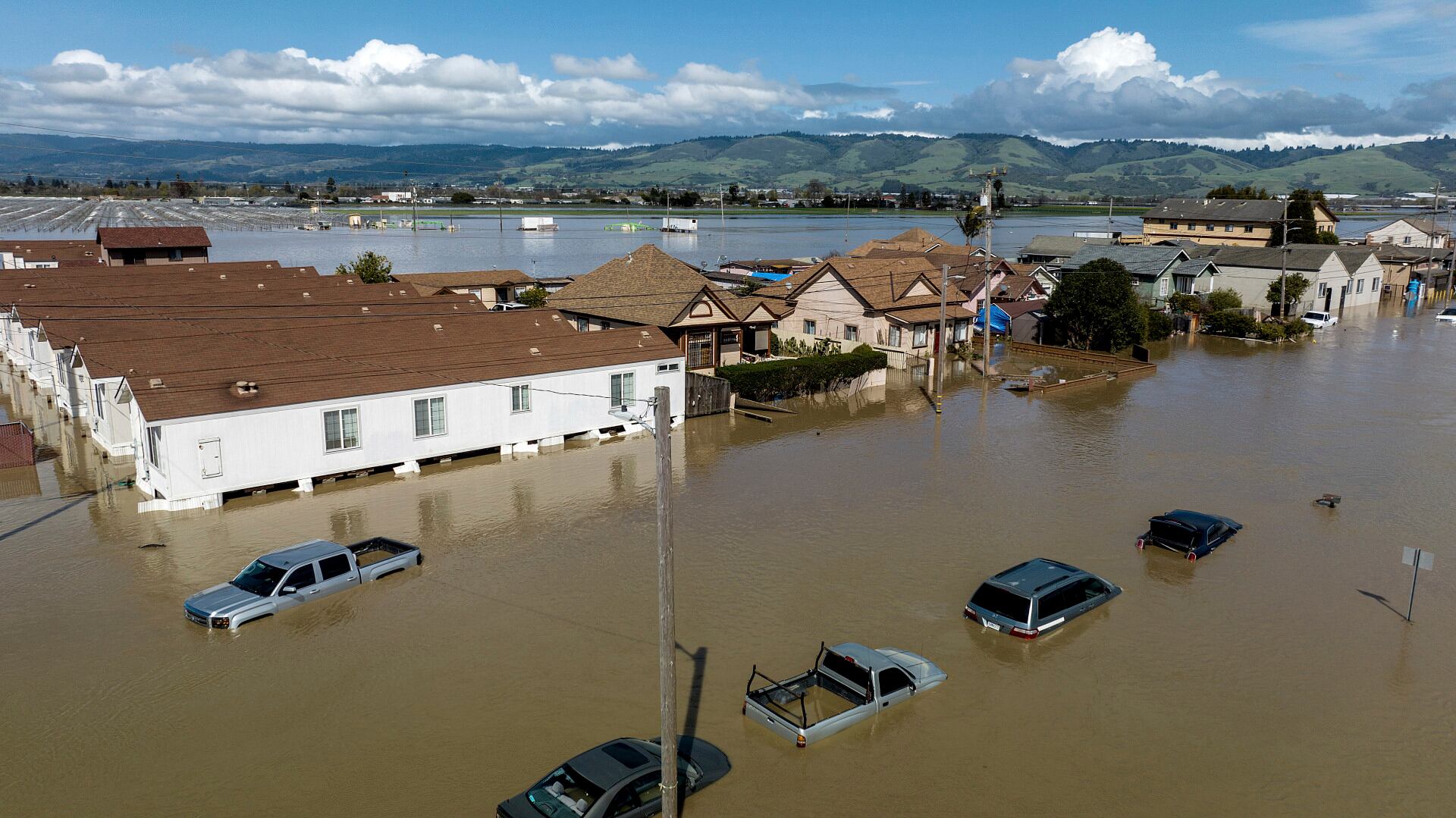
NOAA said flooding could also significantly impact most states east of the Mississippi River.
"Approximately 44 percent of the U.S. is at risk for flooding this spring," said Ed Clark, the director of NOAA's National Water Center. "California's snowpack, coupled with spring rain, is heightening the potential for spring floods."
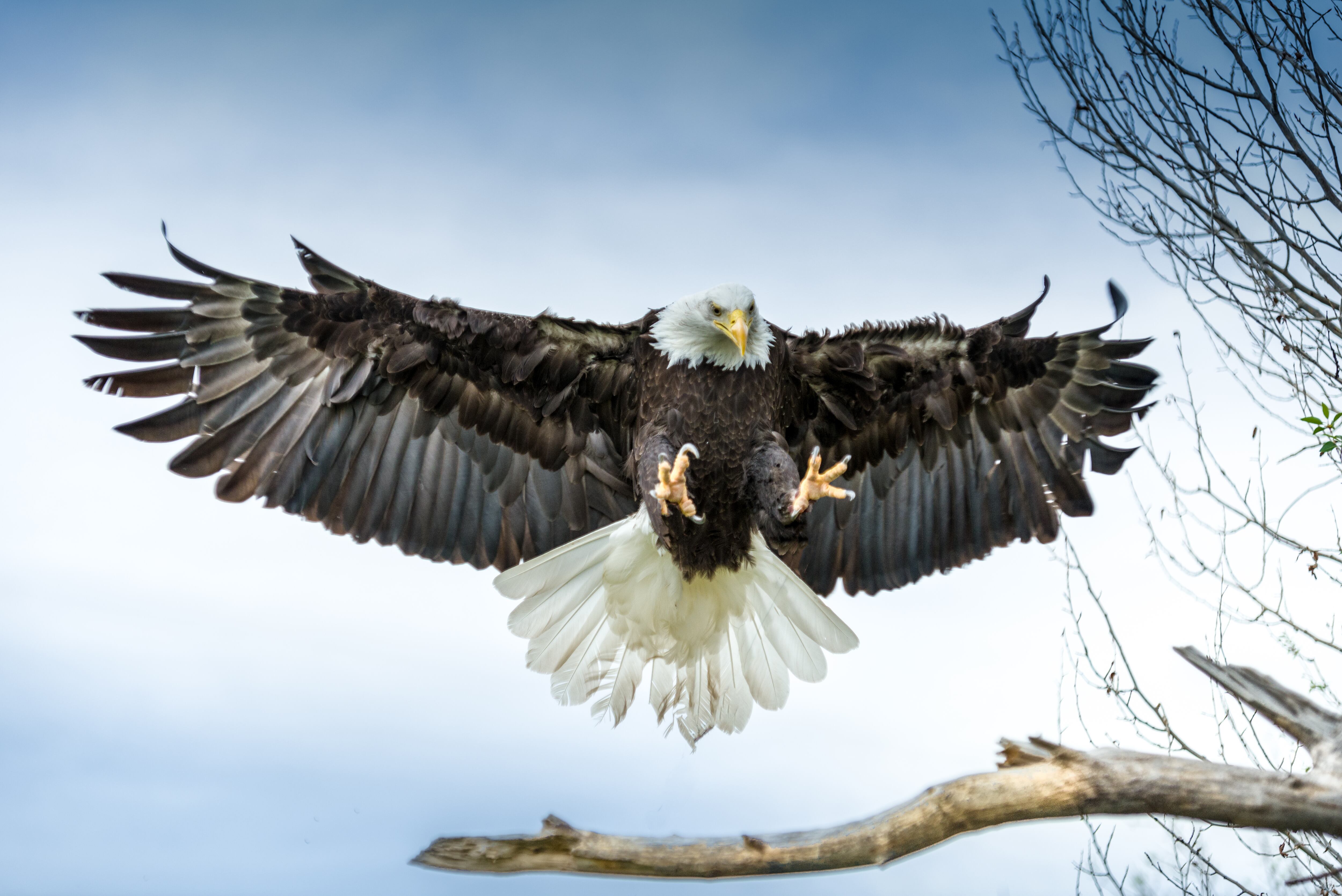
The Trump administration significantly weakened the Endangered Species Act (ESA) this week, largely gutting its implementation mechanisms to allow for greater economic development in protected habitats. The decision — announced by the U.S. Secretary of the Interior on Monday — was widely condemned by critics who say the revised regulations will hurt biodiversity and wildlife at a most precarious time.
Argentina’s stock market and currency value plummeted this week following a shocking electoral defeat on Sunday for President Mauricio Macri, the nation’s conservative leader.
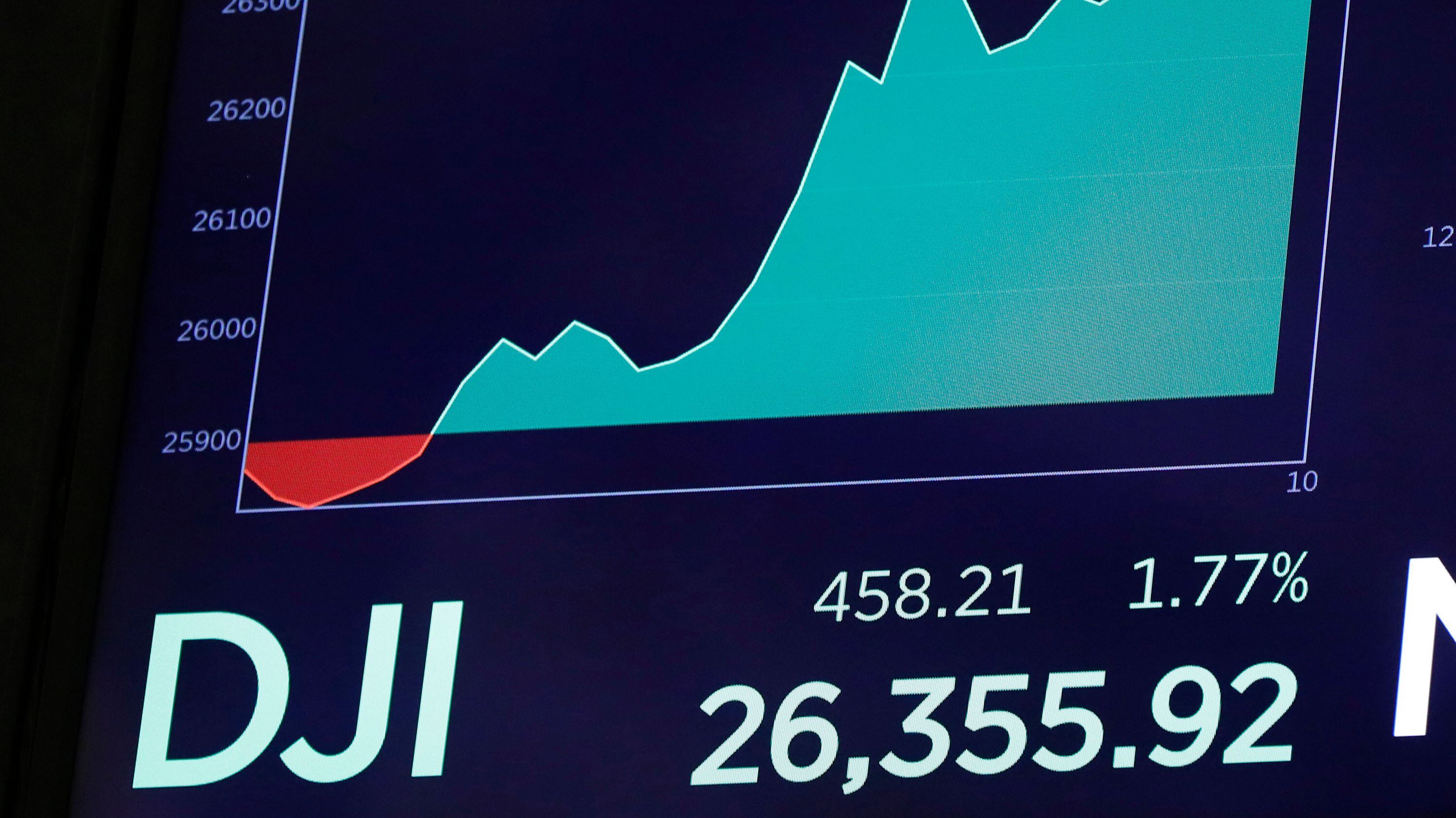
Markets soared Tuesday morning following the Trump administration's decision to delay and revise its latest round of punitive tariffs against China. The Dow jumped over 400 points while the S&P 500 and the Nasdaq Composite both rose roughly 2 percent.
The Iowa caucus is still six months away but Democrats are not wasting any time in their effort to return the state to their side of the aisle. Yet the confidence is equally strong within the Republican party.
VineSight, an AI-based start-up, is working to detect misinformation attacks against candidates like Joe Biden or Kamala Harris early during their campaigns.
These are the headlines you Need 2 Know for Monday, Aug. 12, 2019.
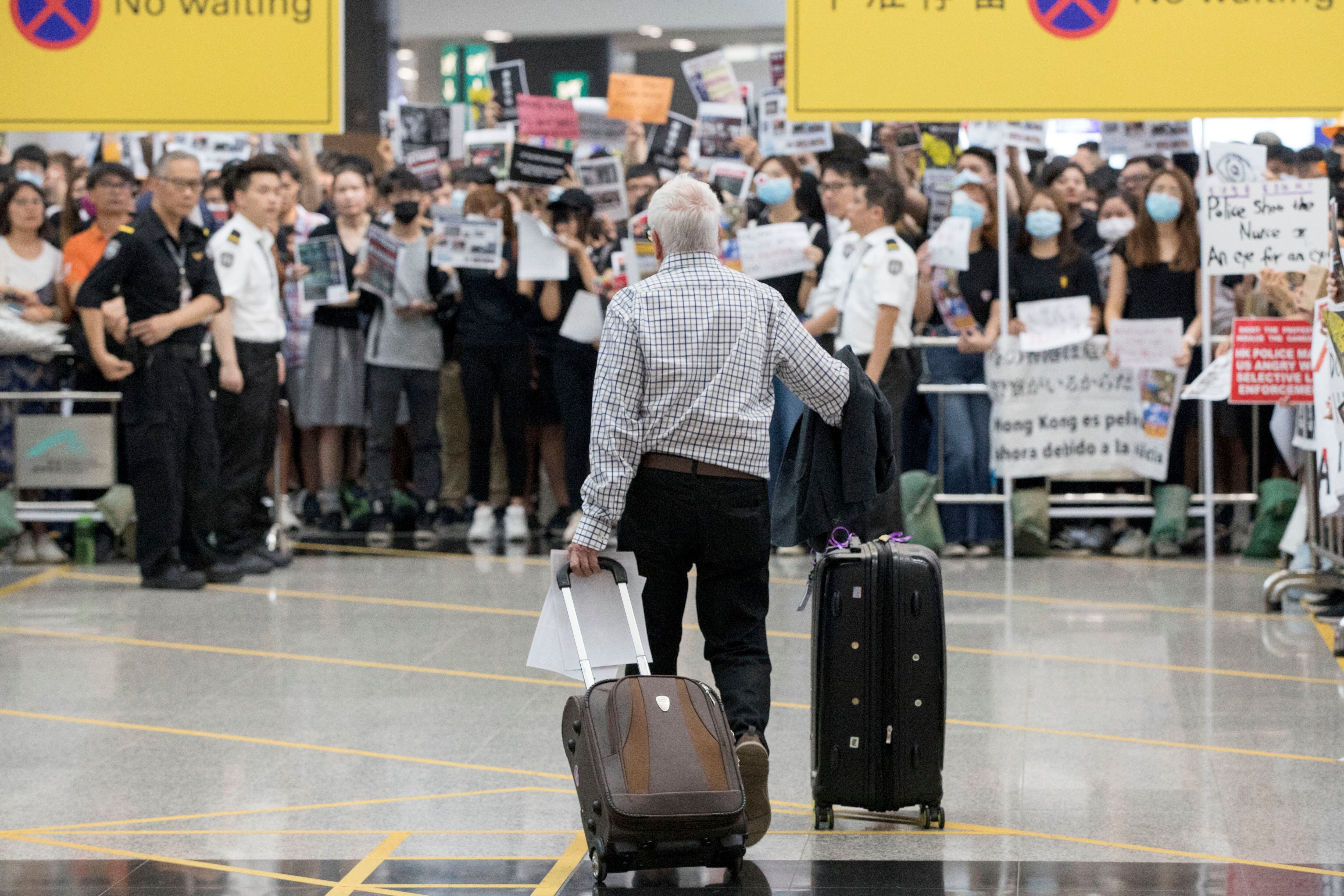
Hong Kong International Airport came to crippling halt on Monday with thousands of anti-government protesters occupying the airport’s main terminals. Authorities said operations have “been seriously disrupted” and cancelled all flights in and out of the major international hub.
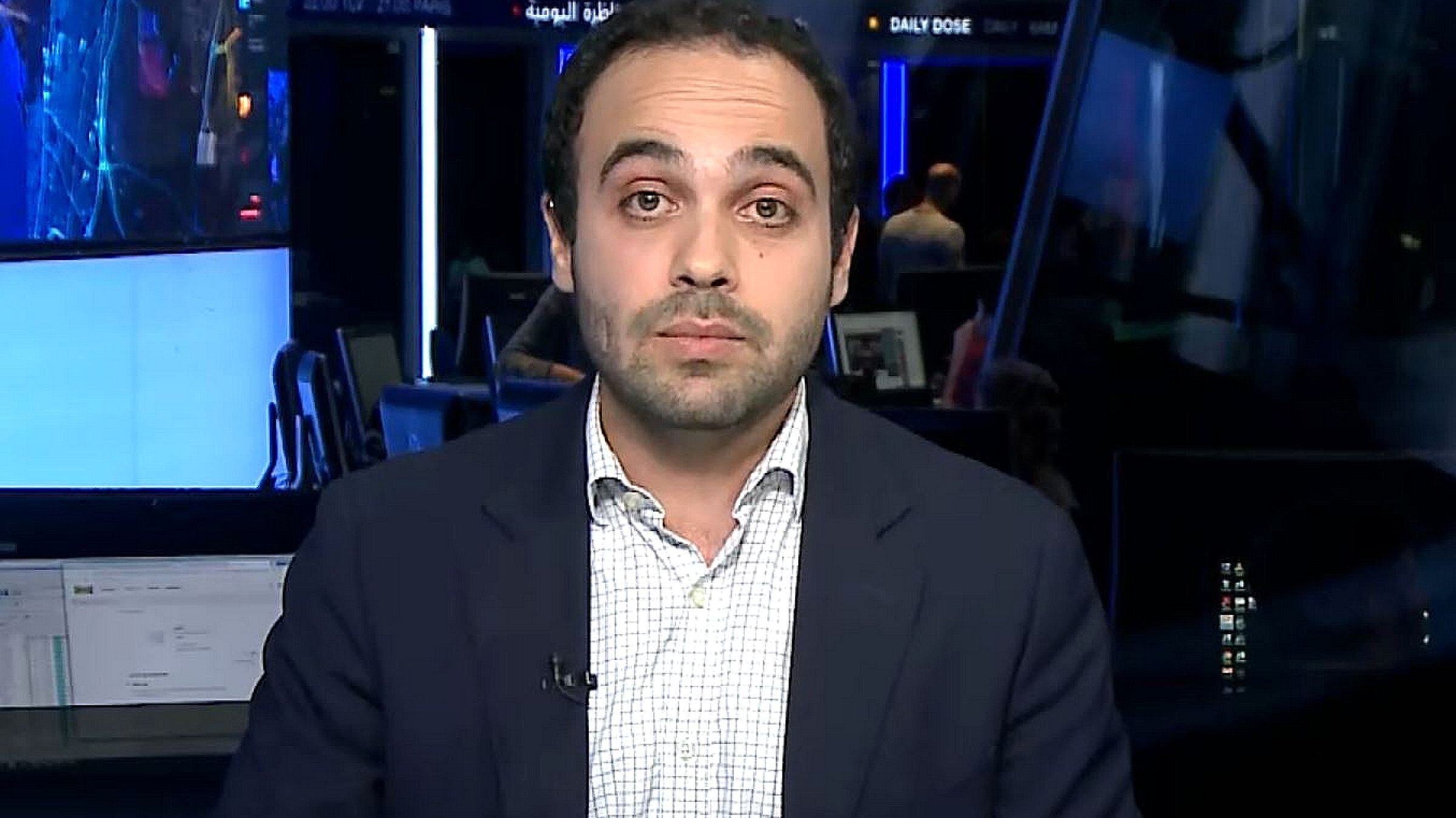
Michael Sonnenshein, managing director of Grayscale, told Cheddar that recent developments in the U.S.-China trade war are proving to be evidence that Bitcoin has emerged as a safe-haven asset.
The company has announced that it is donating 5,000 units of the generic version of Plan B for women in need as part of a collaboration with the nonprofit Power to Decide.
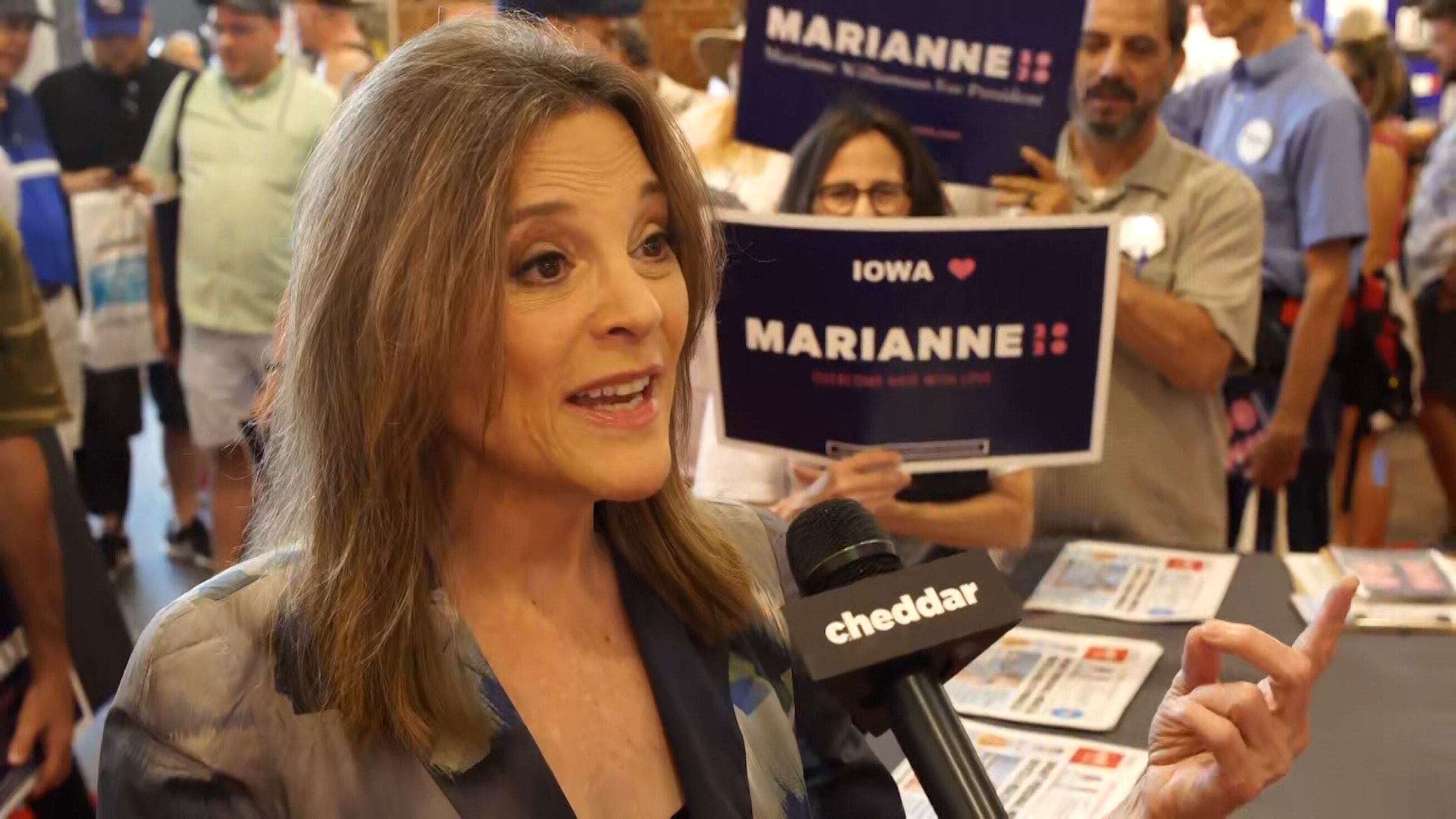
2020 Democratic presidential hopefuls are bringing the gun debate to 165th annual Iowa State Fair.