The National Oceanic and Atmospheric Administration has released its 2023 Spring outlook and the ongoing trend of unseasonable weather could be continuing.
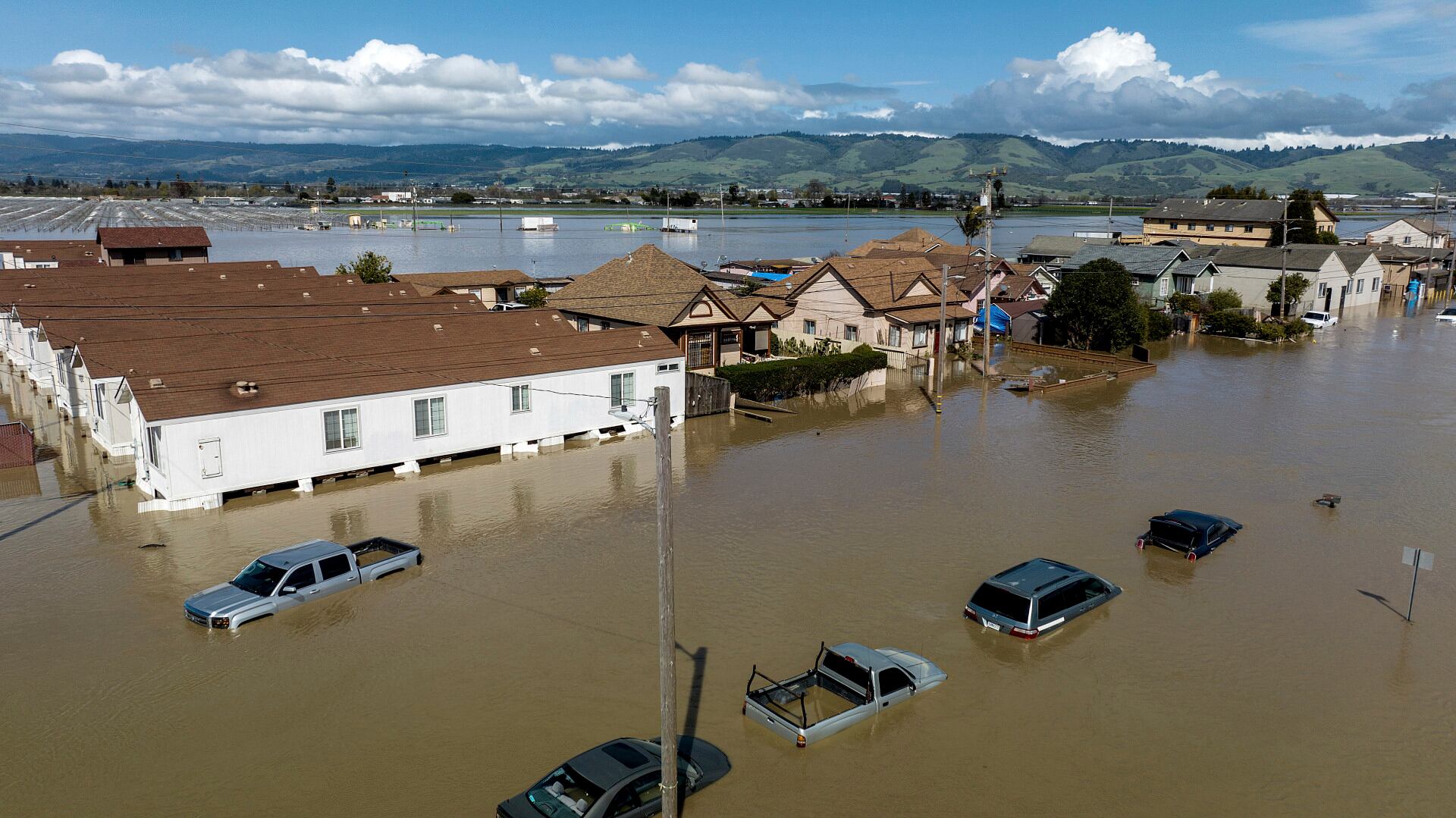
One of the major takeaways from the report is that drought conditions in the Western U.S. are set to improve. The region that has been inundated with wet weather for much of the winter will see some reprieve when it comes to drought.
"Climate change is driving both wet and dry extremes, as illustrated by NOAA's observations and data that inform this seasonal outlook," said Rick Spinrad, Ph.D, NOAA administrator. "Under the Bipartisan Infrastructure Law and Inflation Reduction Act, and in support of the Biden Administration's priority to tackle the climate crisis, NOAA will invest significant resources to build a Climate-Ready Nation that gives communities tailored information about changing conditions so that residents and economies are protected."
In California, drought status is expected to improve even more as snowpacks that built up over the winter eventually melt. The conditions in the central Plains and in Florida are also expected to improve with Spring rainfalls.
Meanwhile, when it comes to heat and high temperatures, a swath of Southern and East Coast states will be above average. Alaska and Hawaii are also predicted to see above average temperatures between April and June.
NOAA said flooding could also significantly impact most states east of the Mississippi River.
"Approximately 44 percent of the U.S. is at risk for flooding this spring," said Ed Clark, the director of NOAA's National Water Center. "California's snowpack, coupled with spring rain, is heightening the potential for spring floods."
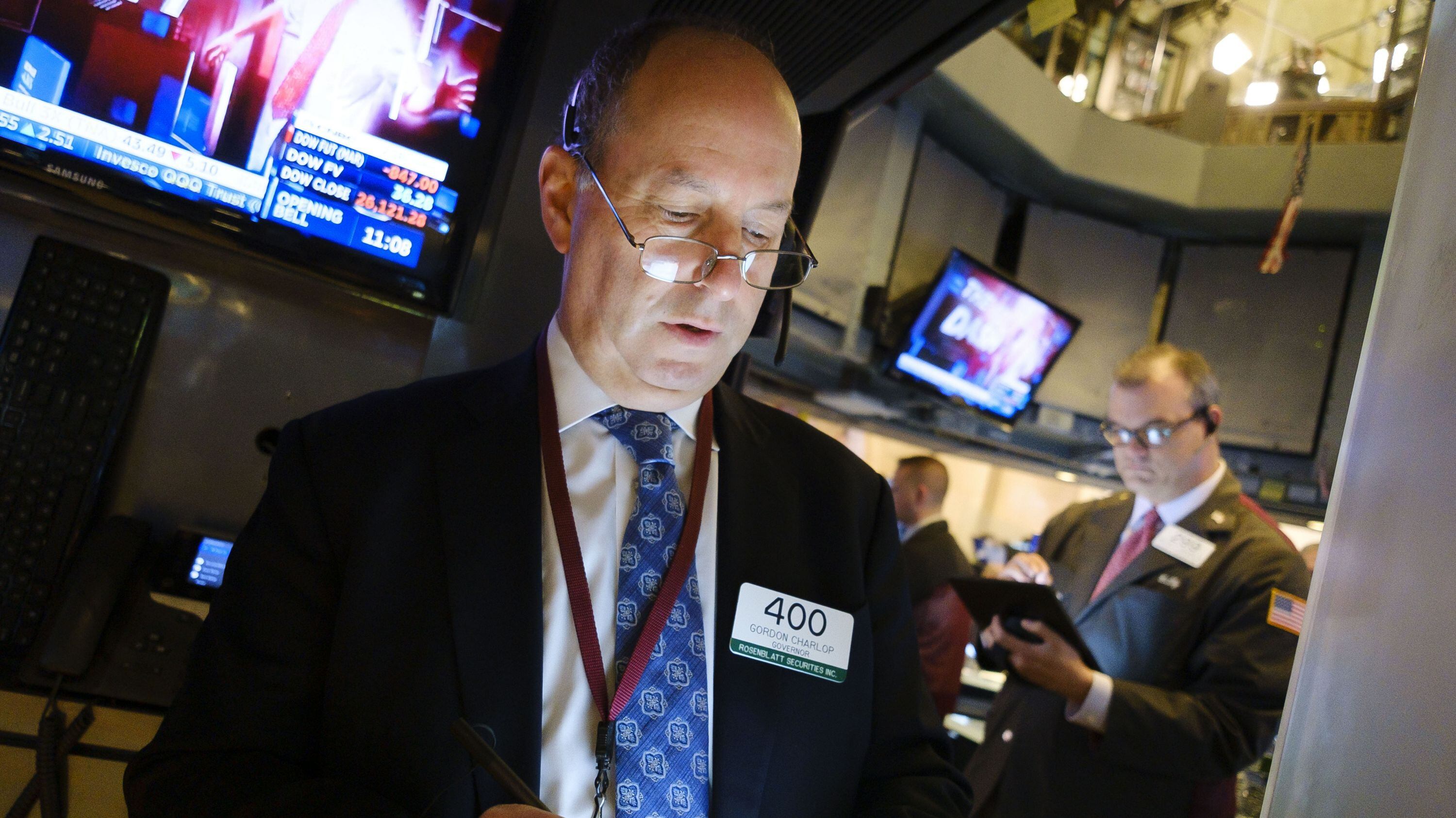
Lenore Hawkins, chief macro strategist for Tamatica Research, told Cheddar that the combination of the COVID-19 outbreak and the oil price war between Saudi Arabia and Russia is an unprecedented set of circumstances for investors.
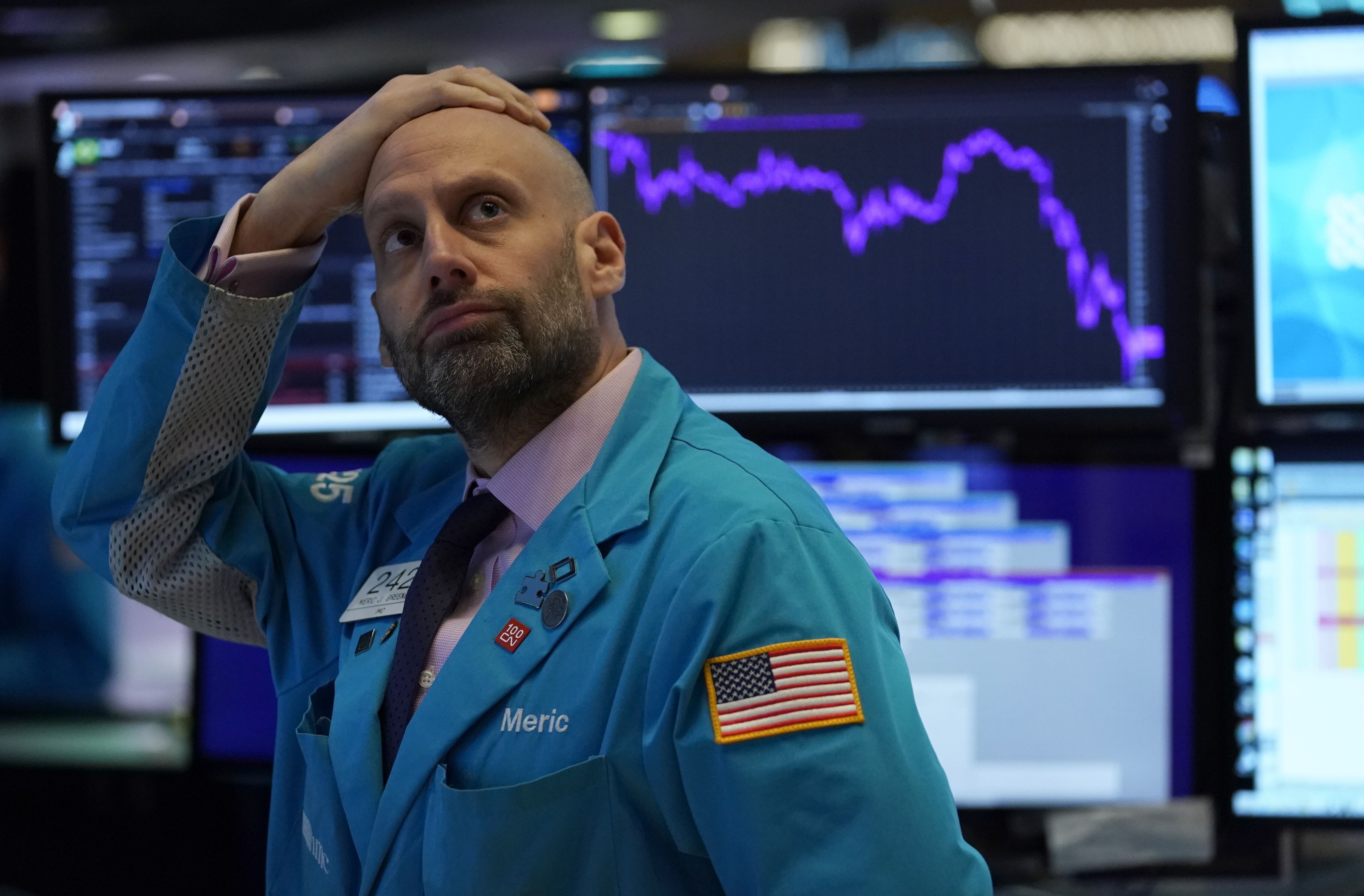
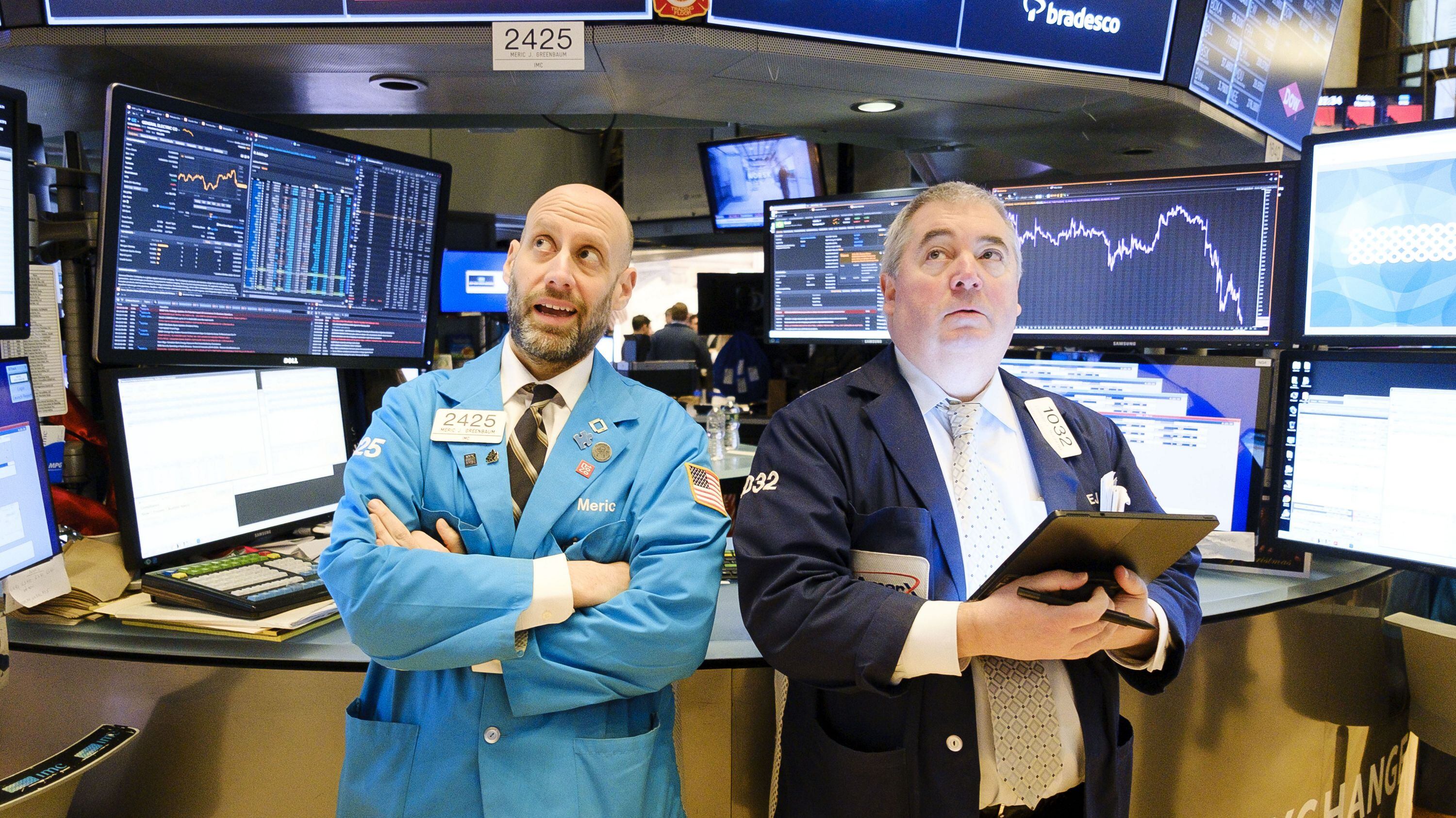
The Dow Jones Industrial Average plummeted 1,500 points, or 6%, following similar drops in Europe after a fight among major crude-producing countries jolted investors already on edge about the widening fallout from the outbreak of the new coronavirus.
From Wall Street to Silicon Valley, these are the top stories that moved markets and had investors, business leaders, and entrepreneurs talking this week on Cheddar.
Bond yields fell to more record lows as investors continue to demand safety and unload stocks. The yield on the 10-year Treasury note sank as low as 0.66% as investors worried that economic damage from the spreading virus outbreak will be worse than previously thought.
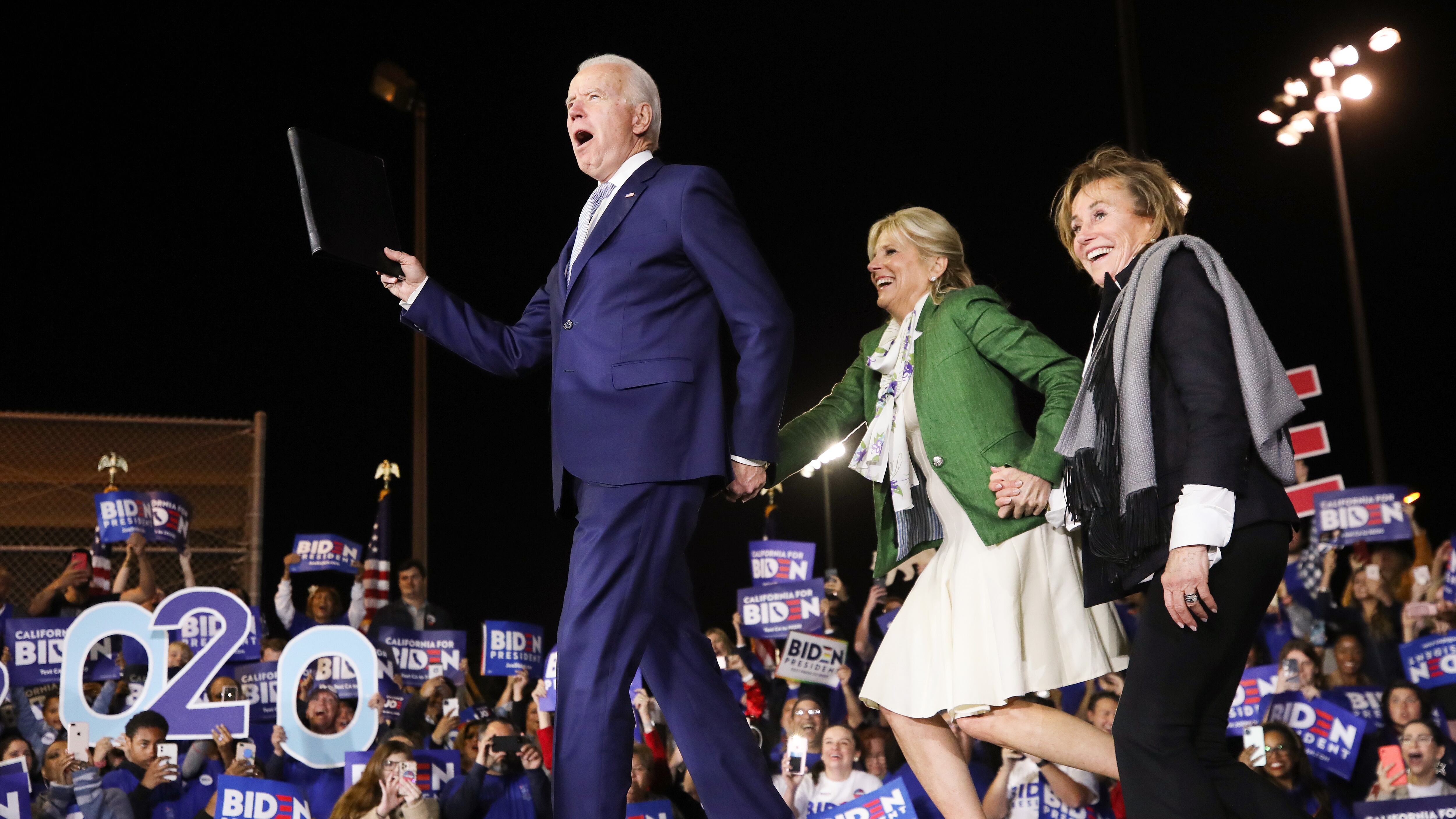
Cheddar will be following the biggest political headlines as voters head to the polls in critical Super Tuesday primaries.
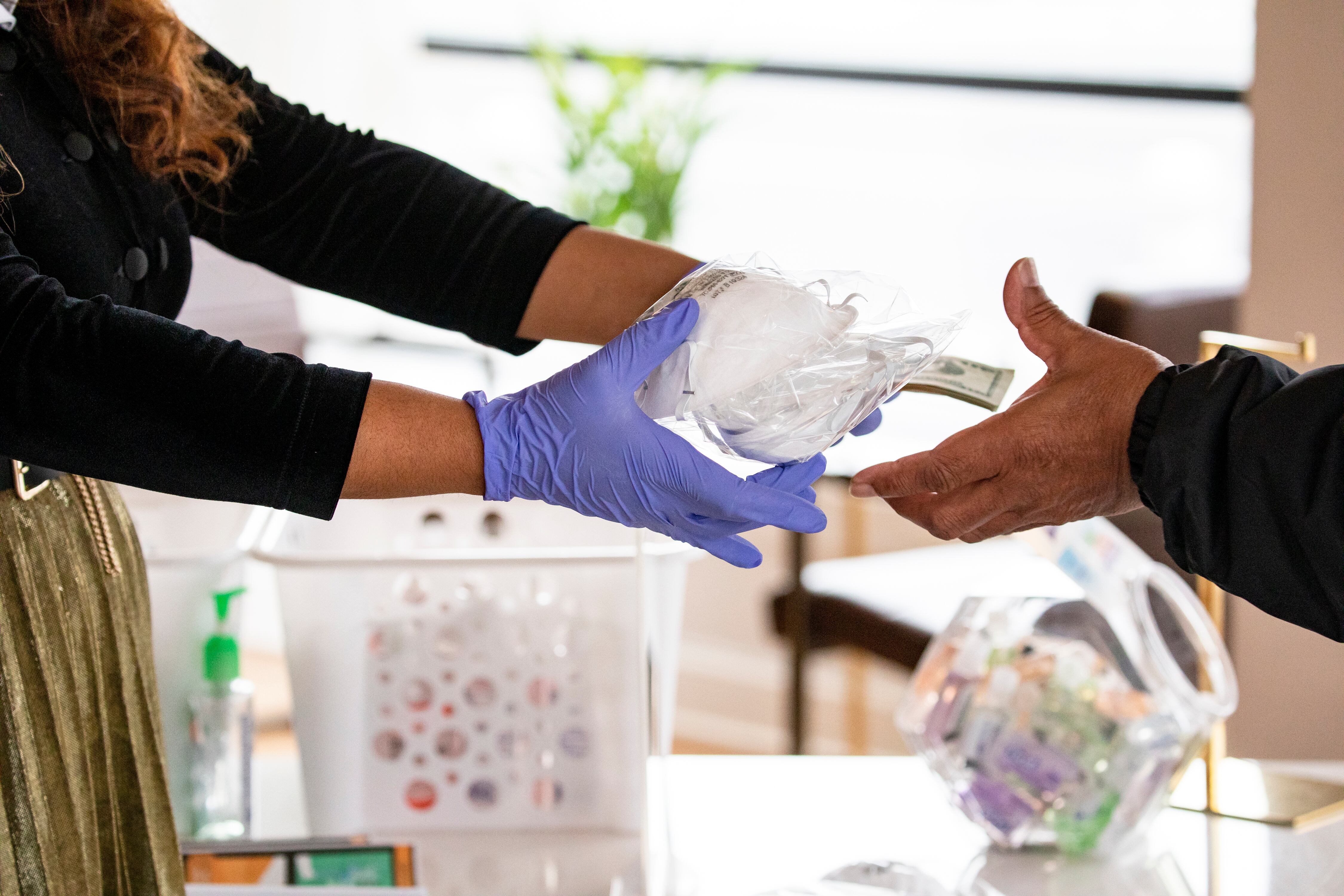
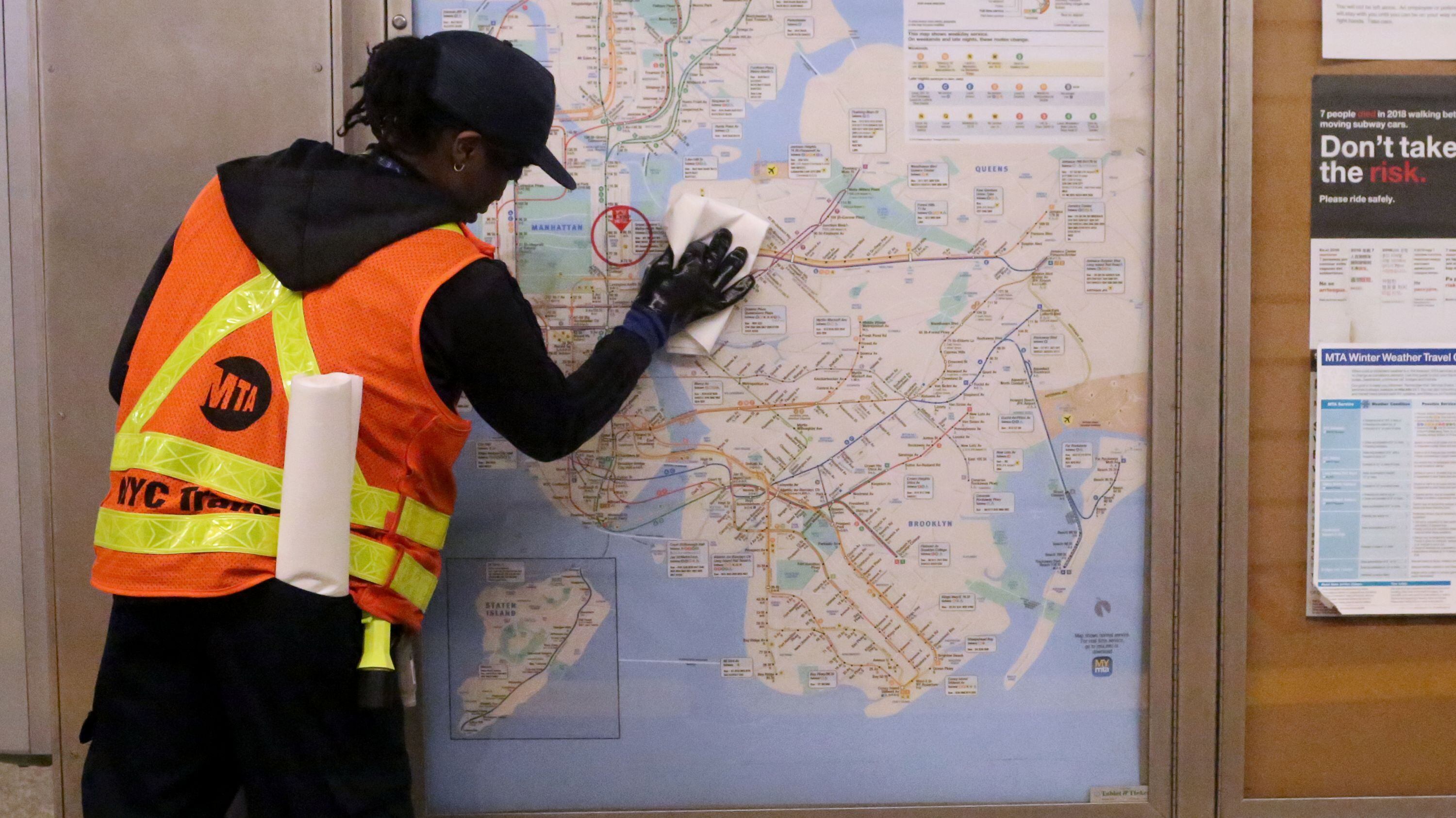
Dr. William Schaffner of Vanderbilt University said taking steps like sanitizing the subway system "may play a small role in mitigating the transmission of this virus, but it signals to people that we ought to be functioning as we can and doing the things we can do."
Stocks are falling sharply again in midday trading on Wall Street, and bond yields are sinking to more record lows on worries about the economic damage coming from the spreading coronavirus outbreak.
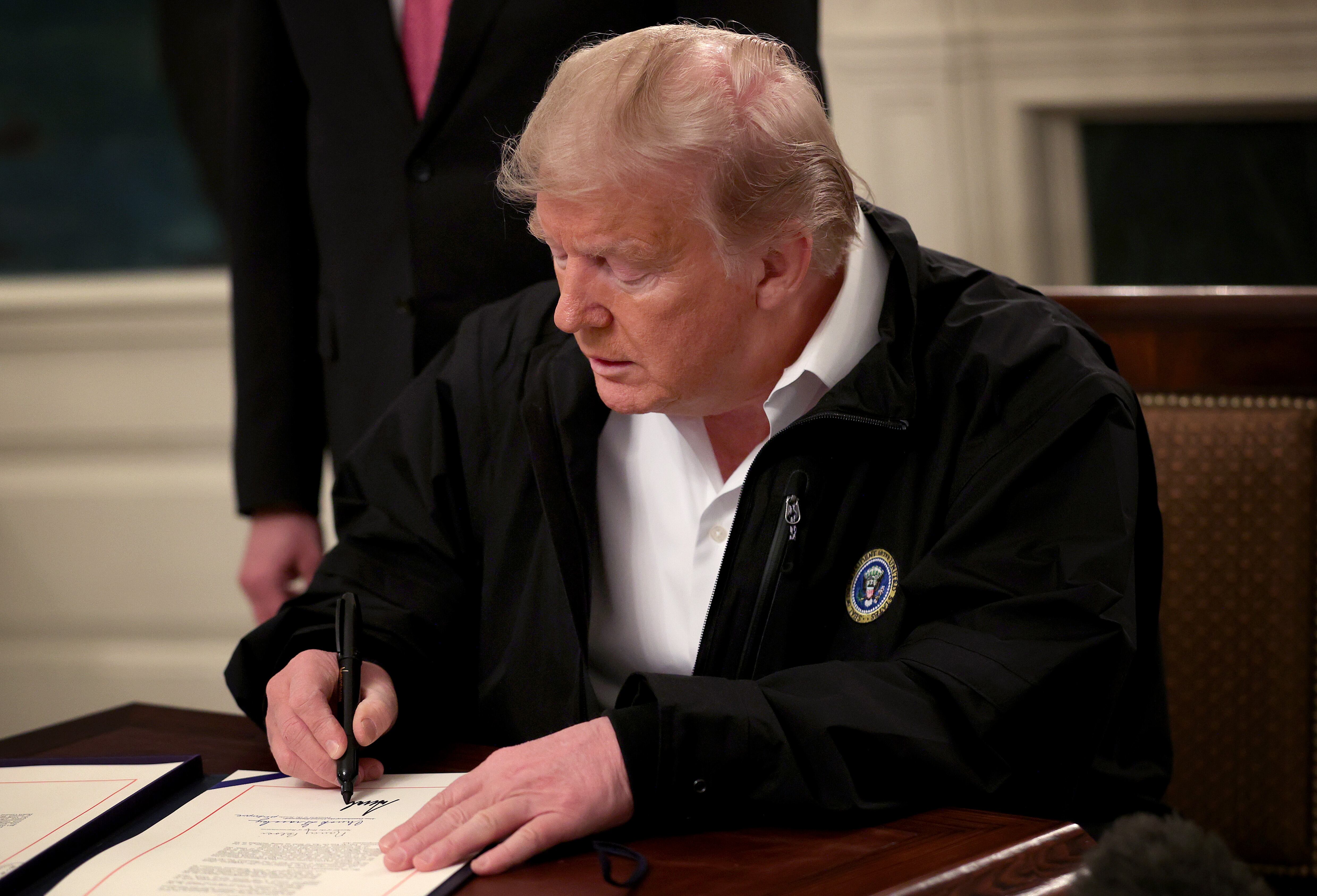
President Donald Trump on Friday signed an $8.3 billion measure to help tackle the coronavirus outbreak that has killed more than a dozen people in the U.S. and infected more than 200.
These are the headlines you Need 2 Know for Friday, March 6, 2020.
U.S. Representative Pete Aguilar of California voted yes on an $8.3 billion coronavirus emergency package bill, a much higher figure than the $2.5 billion requested by the White House.