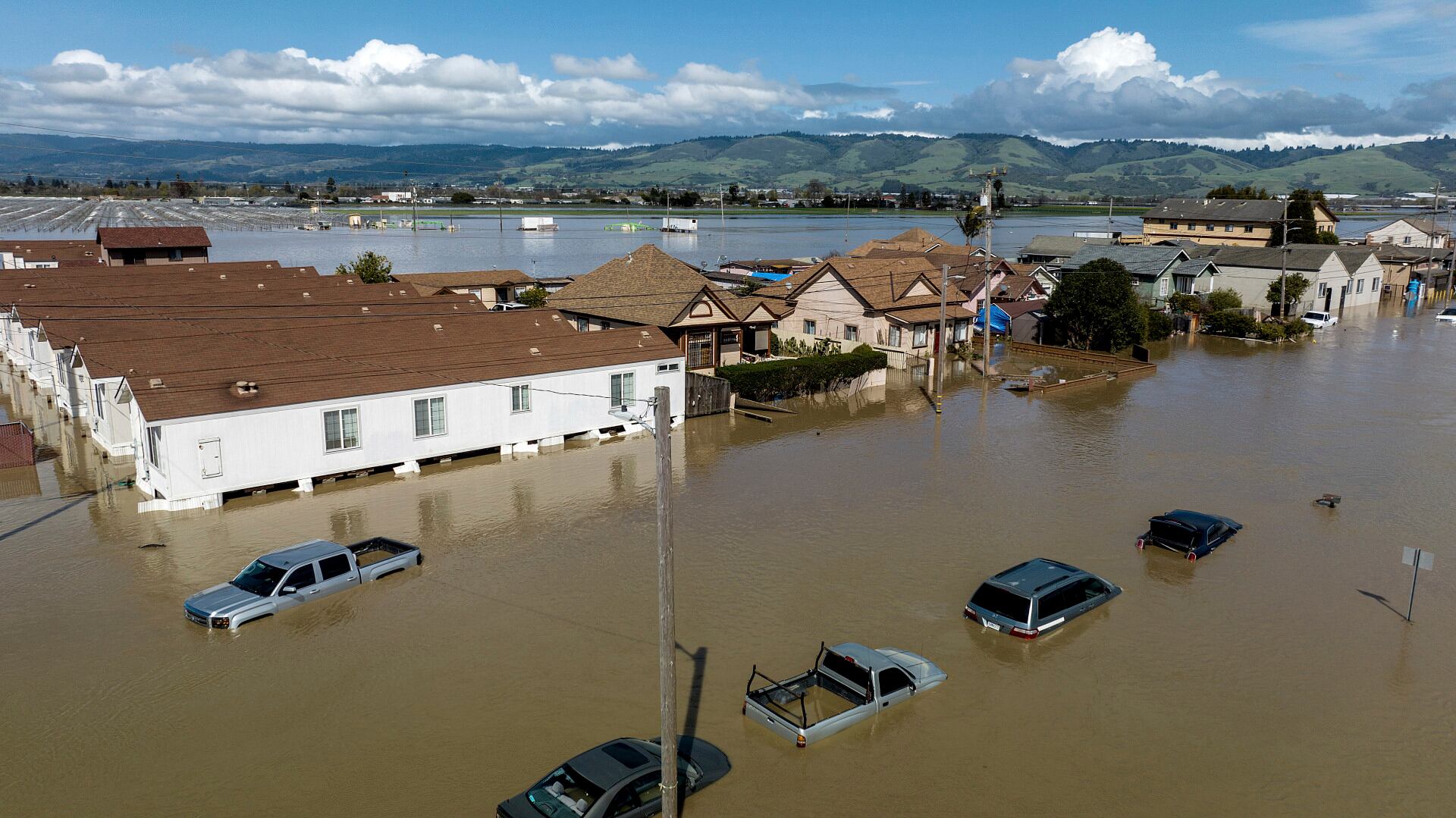
The National Oceanic and Atmospheric Administration has released its 2023 Spring outlook and the ongoing trend of unseasonable weather could be continuing.
One of the major takeaways from the report is that drought conditions in the Western U.S. are set to improve. The region that has been inundated with wet weather for much of the winter will see some reprieve when it comes to drought.
"Climate change is driving both wet and dry extremes, as illustrated by NOAA's observations and data that inform this seasonal outlook," said Rick Spinrad, Ph.D, NOAA administrator. "Under the Bipartisan Infrastructure Law and Inflation Reduction Act, and in support of the Biden Administration's priority to tackle the climate crisis, NOAA will invest significant resources to build a Climate-Ready Nation that gives communities tailored information about changing conditions so that residents and economies are protected."
In California, drought status is expected to improve even more as snowpacks that built up over the winter eventually melt. The conditions in the central Plains and in Florida are also expected to improve with Spring rainfalls.
Meanwhile, when it comes to heat and high temperatures, a swath of Southern and East Coast states will be above average. Alaska and Hawaii are also predicted to see above average temperatures between April and June.
NOAA said flooding could also significantly impact most states east of the Mississippi River.
"Approximately 44 percent of the U.S. is at risk for flooding this spring," said Ed Clark, the director of NOAA's National Water Center. "California's snowpack, coupled with spring rain, is heightening the potential for spring floods."
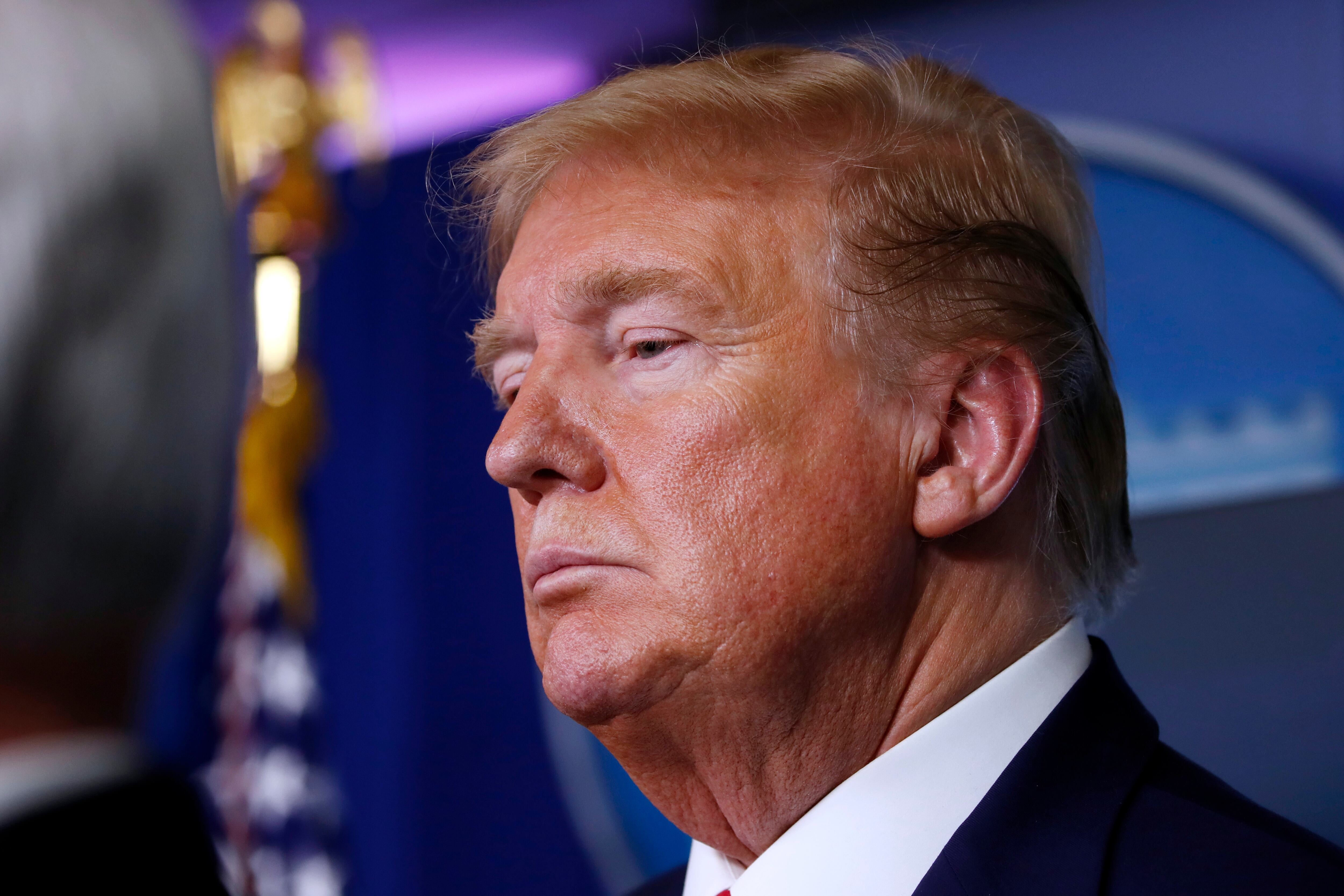
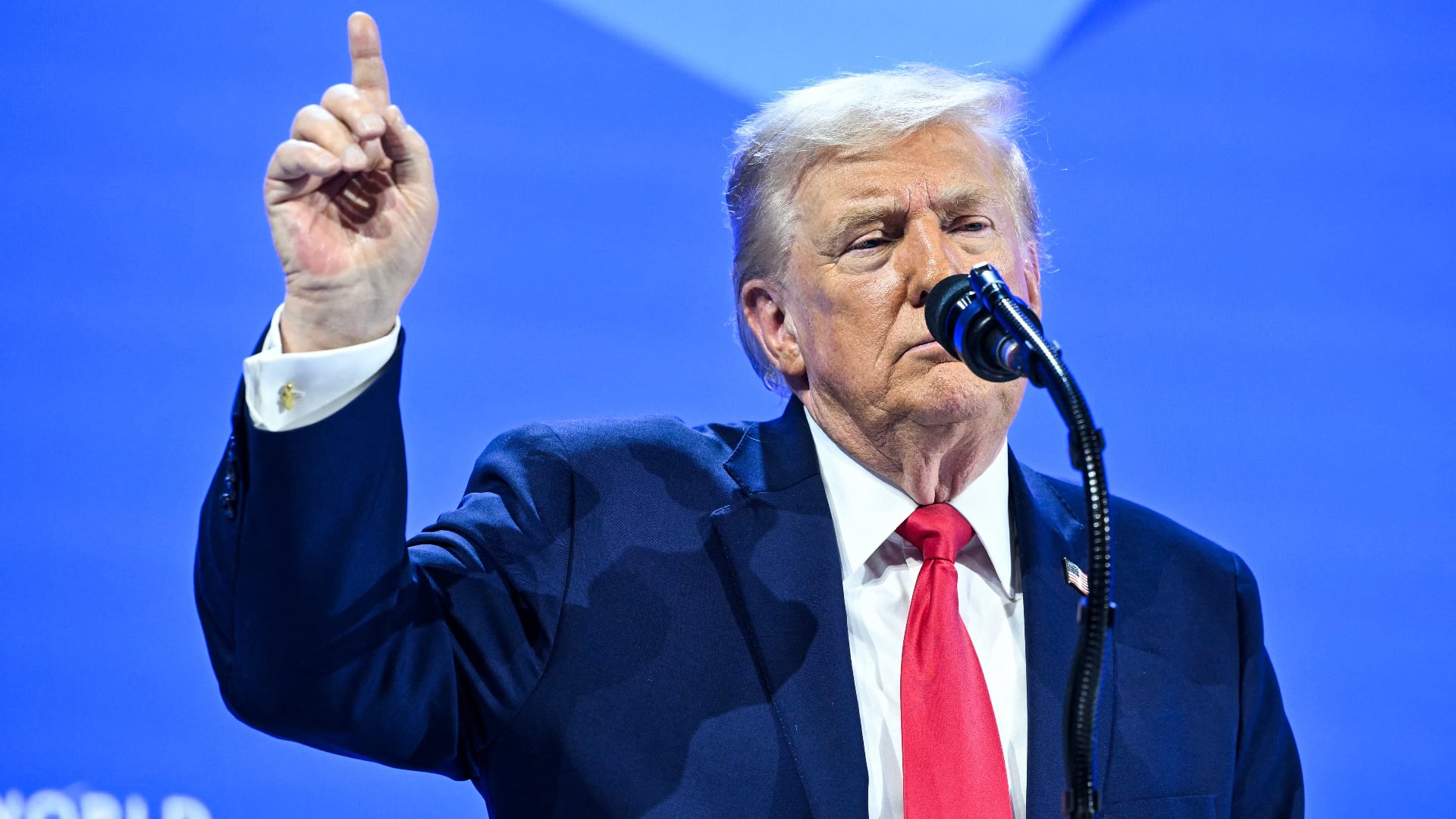
President Donald Trump said that he will sign an executive order “to temporarily suspend immigration into the United States” because of the coronavirus.
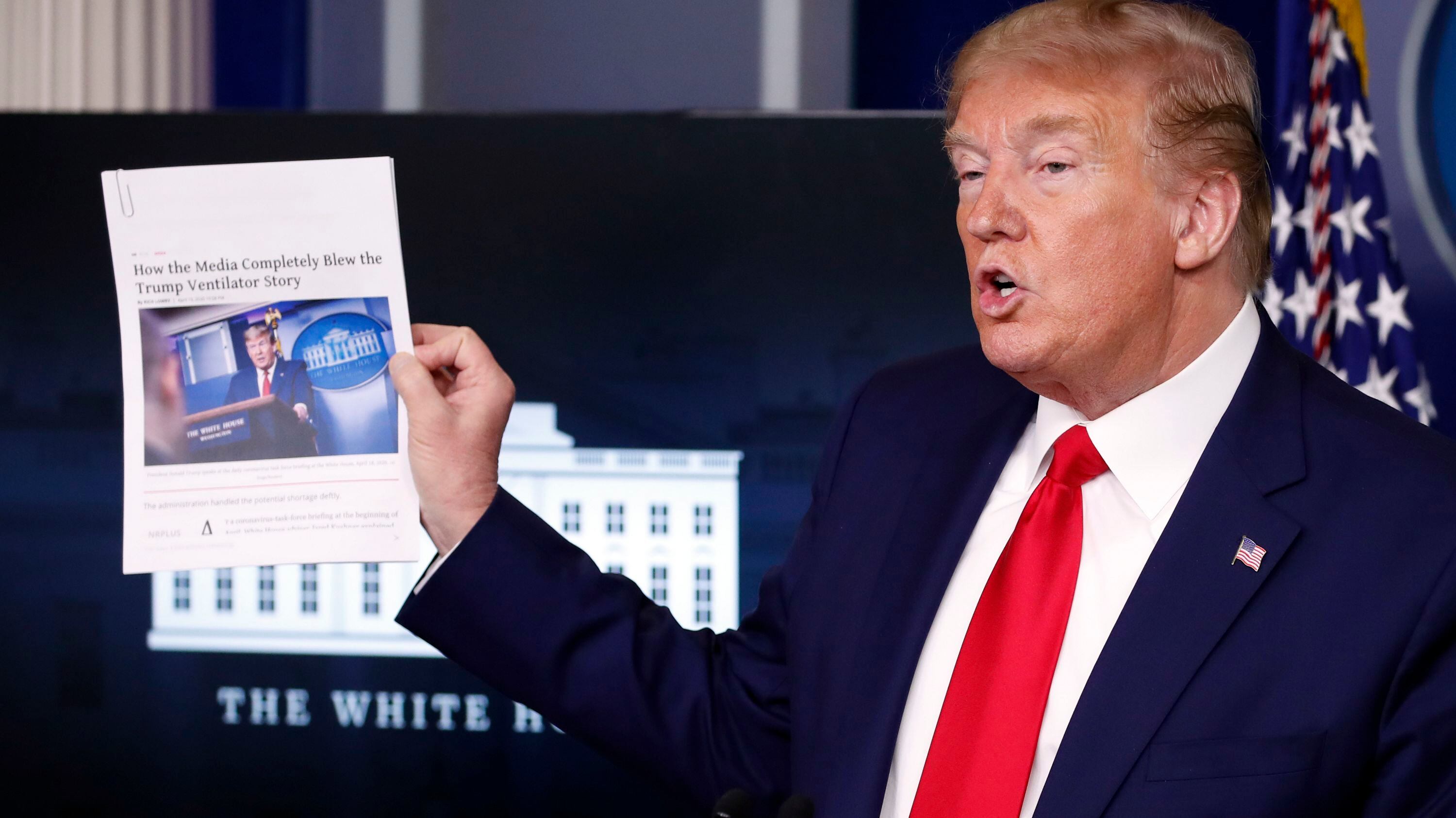
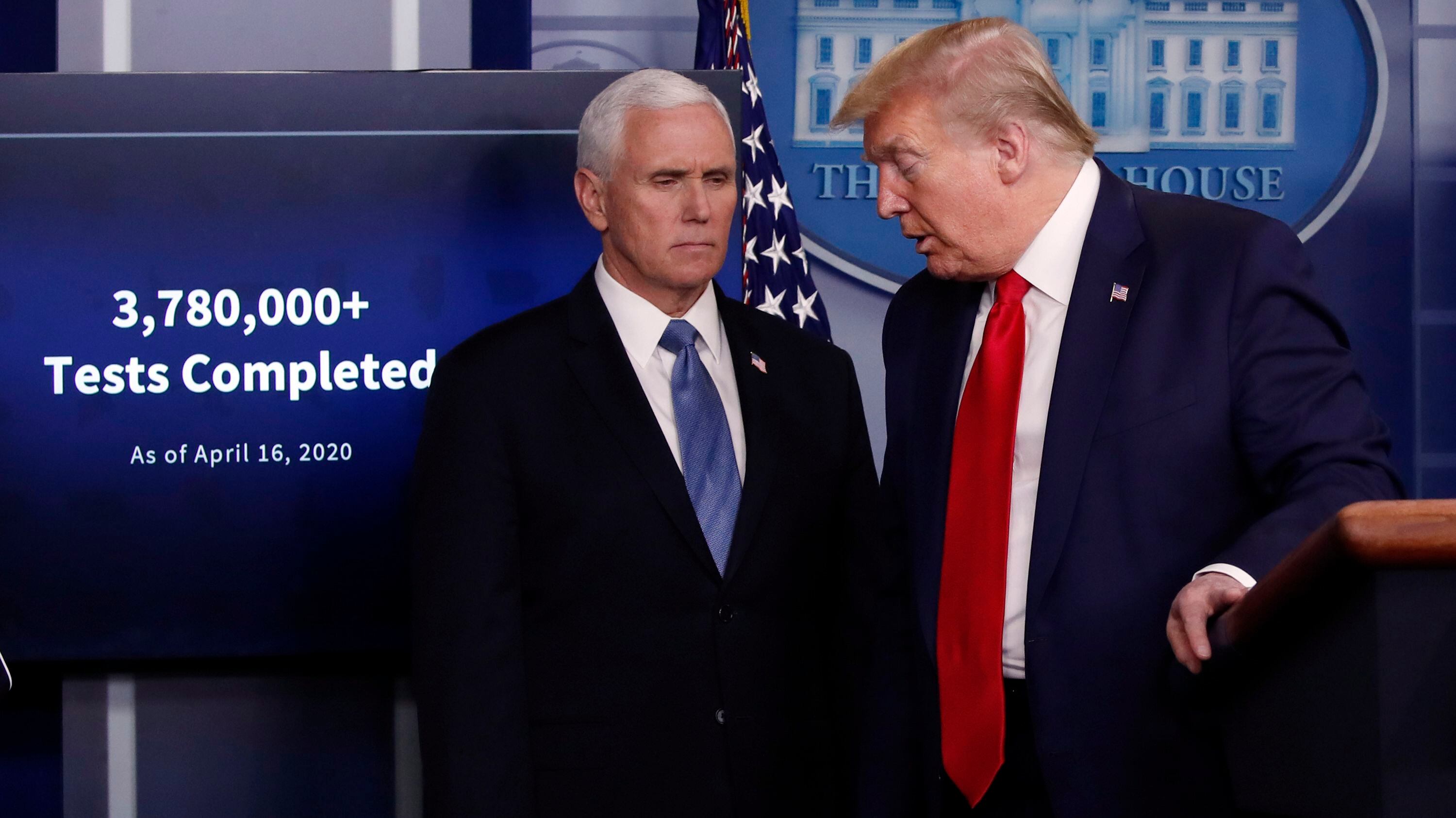
A chorus of governors from both parties pushed back hard Monday after President Donald Trump accused Democrats of playing “a very dangerous political game” by insisting there is a shortage of tests for coronavirus. The governors countered that the White House must do more to help states do the testing that's needed before they can ease up on stay-at-home orders.
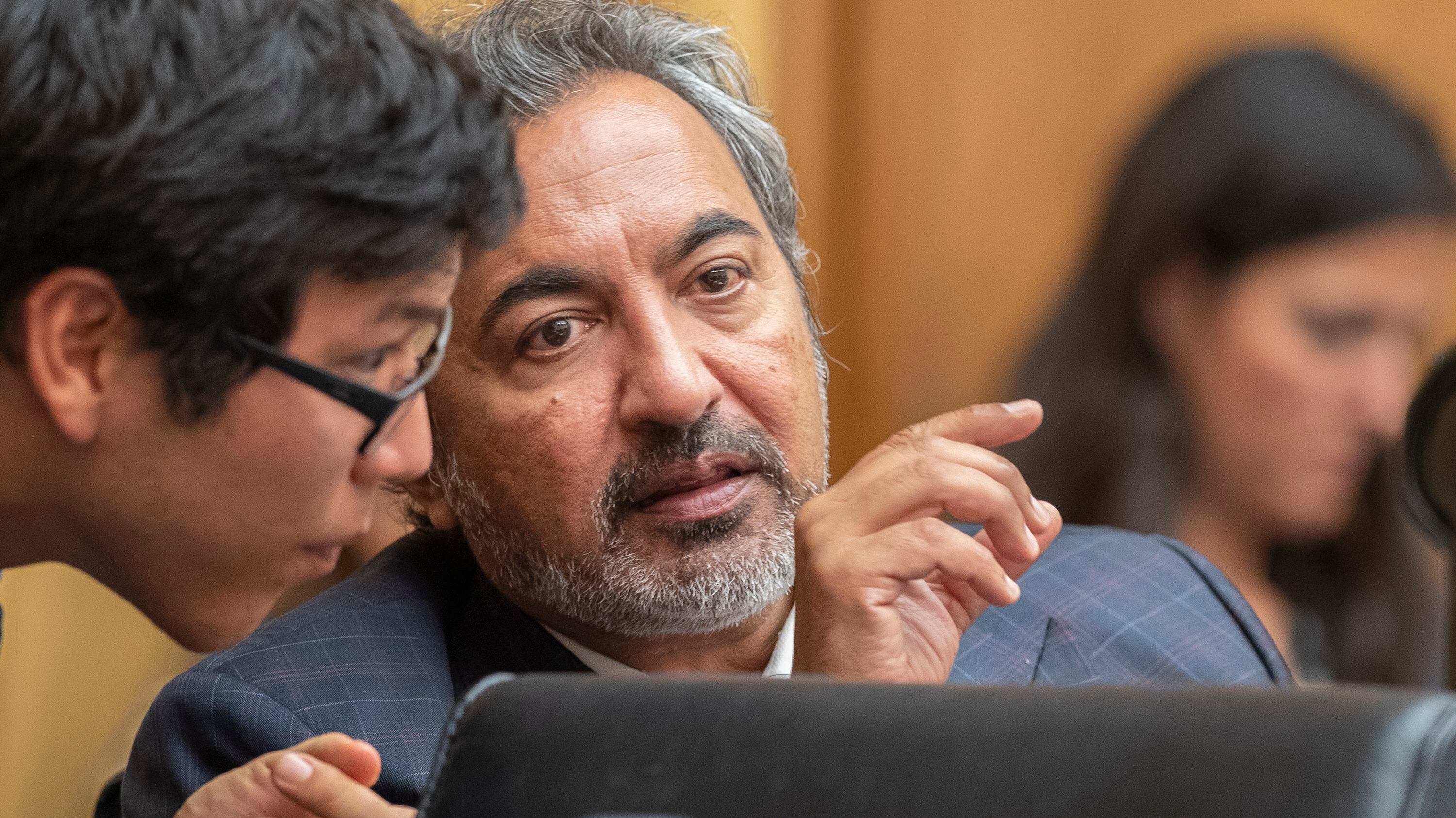
Rep. Ami Bera (D-Calif. 7th District), a doctor himself, added his voice to the chorus of experts on Monday, giving the commander-in-chief a C-minus.
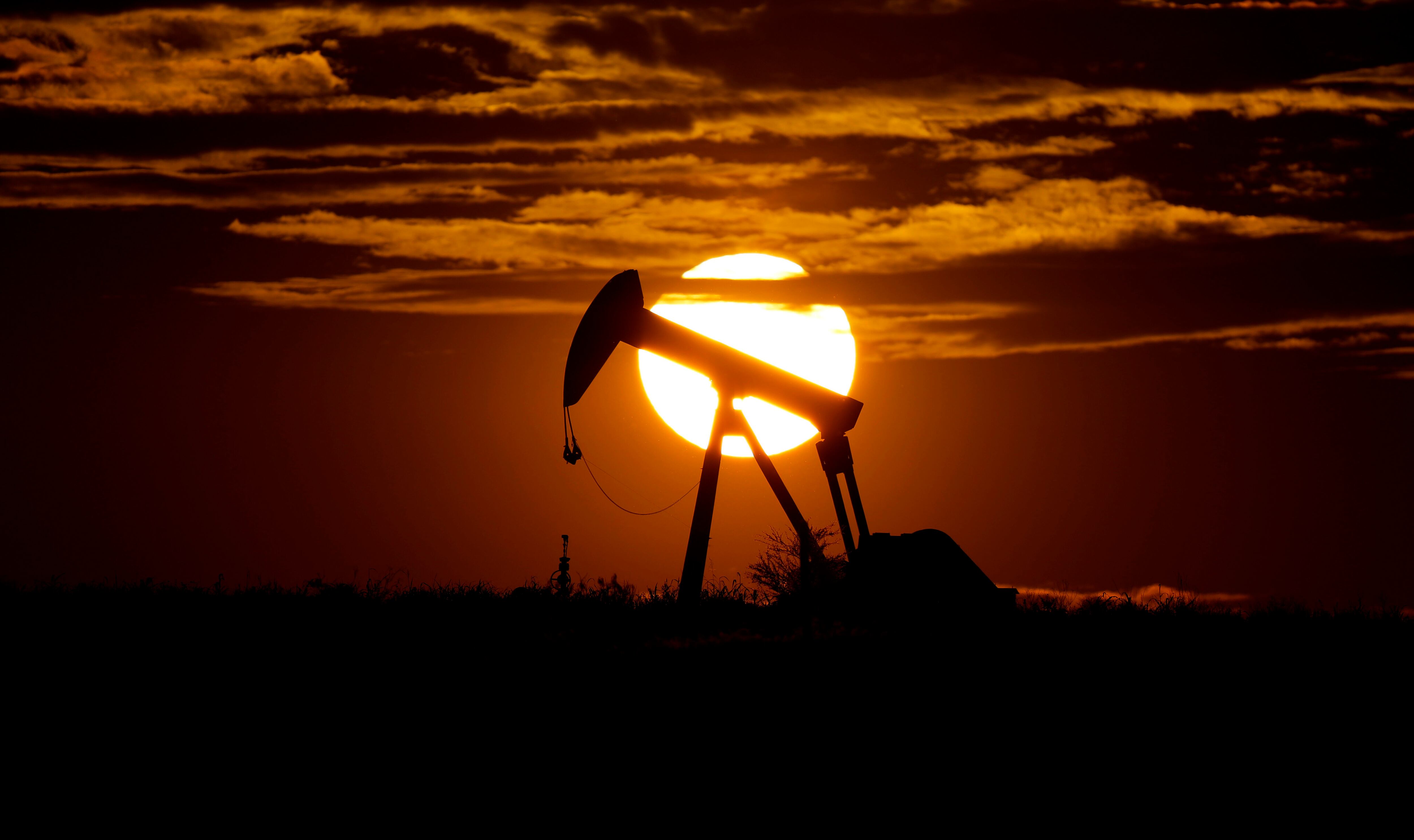
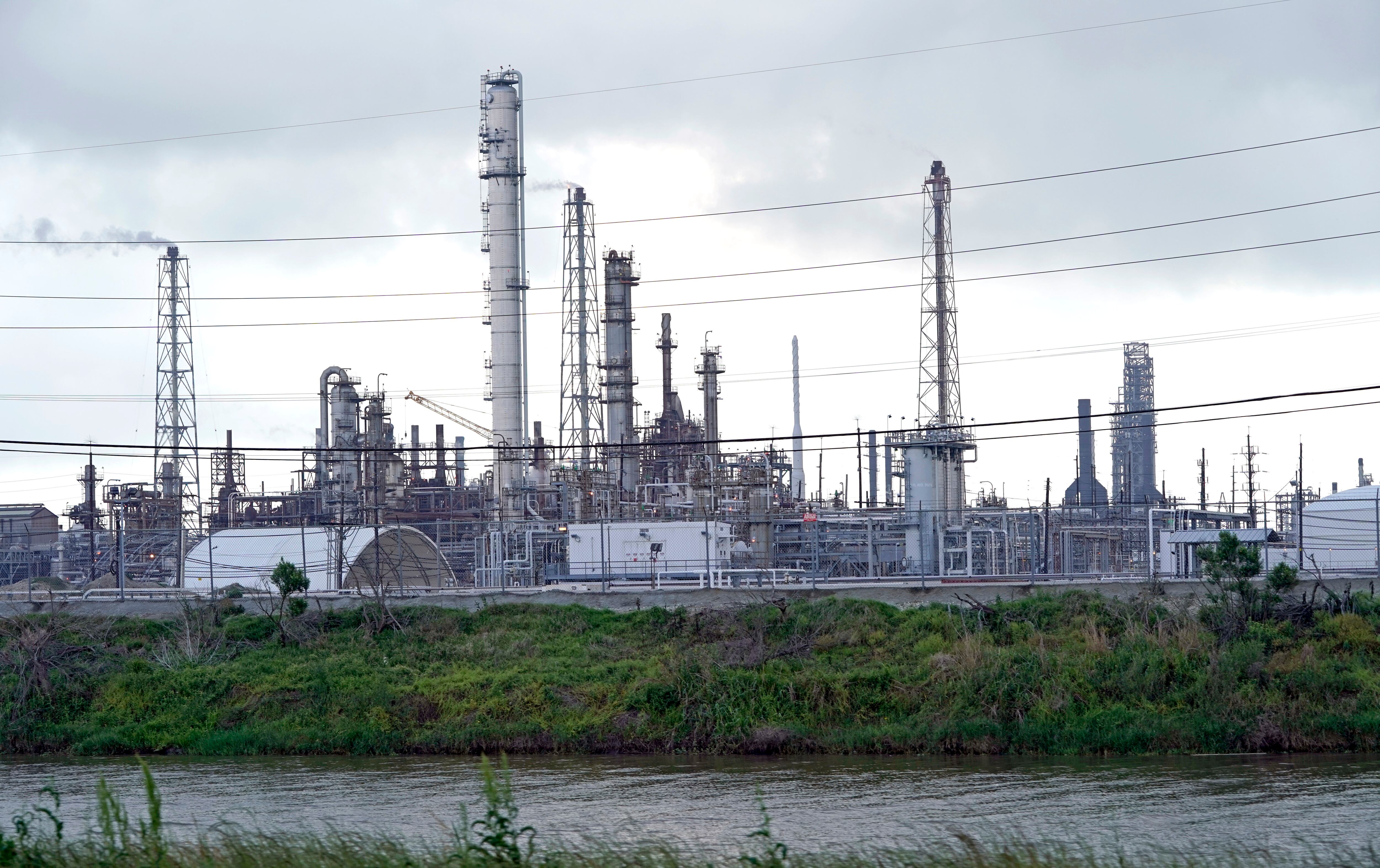
Oil prices plunged below zero on Monday as demand for energy collapses amid the coronavirus pandemic and traders didn’t want to get stuck owning crude oil with nowhere to store it. A barrel of benchmark U.S. oil for May delivery fell to negative $3.70 per barrel.
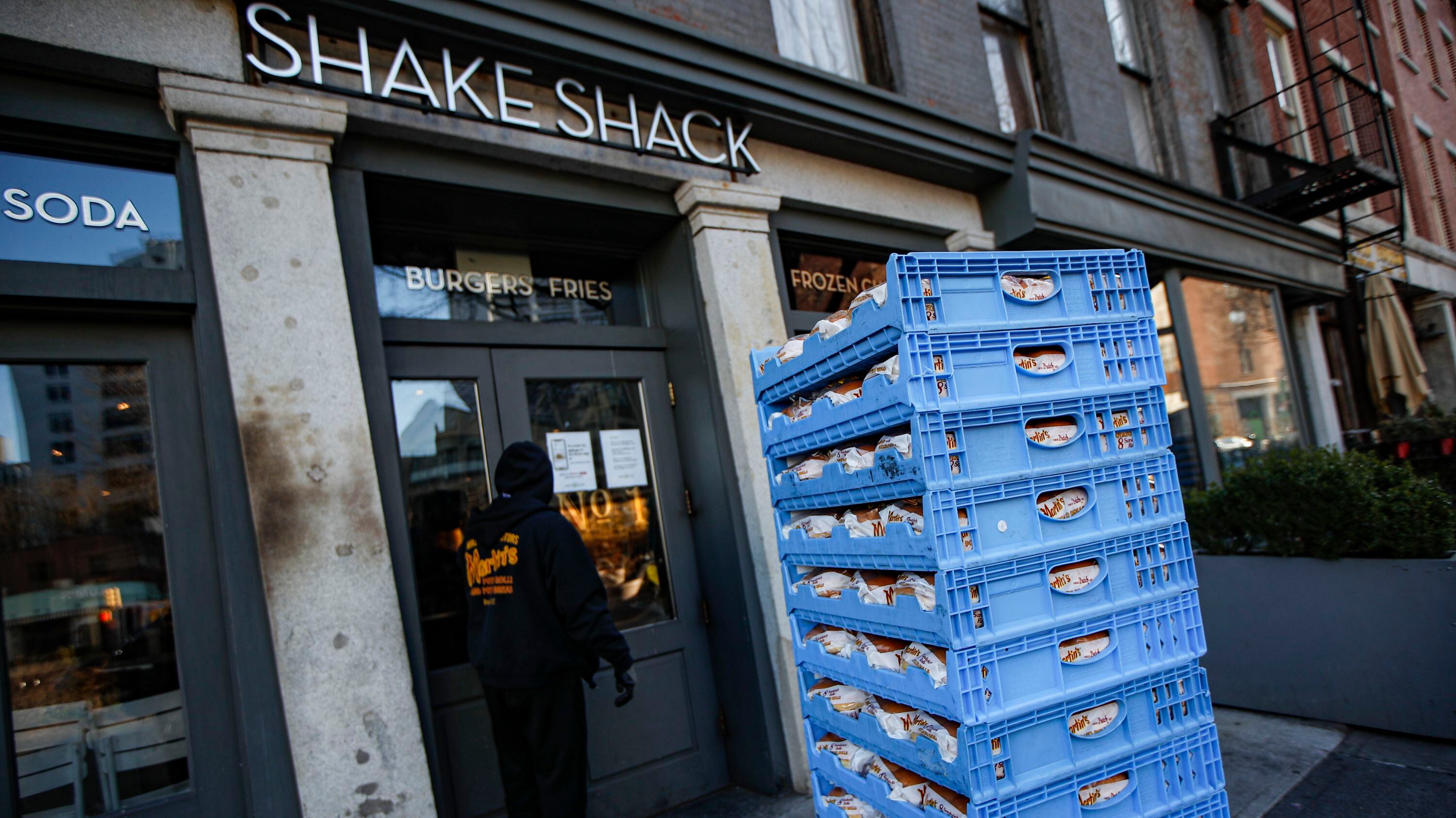
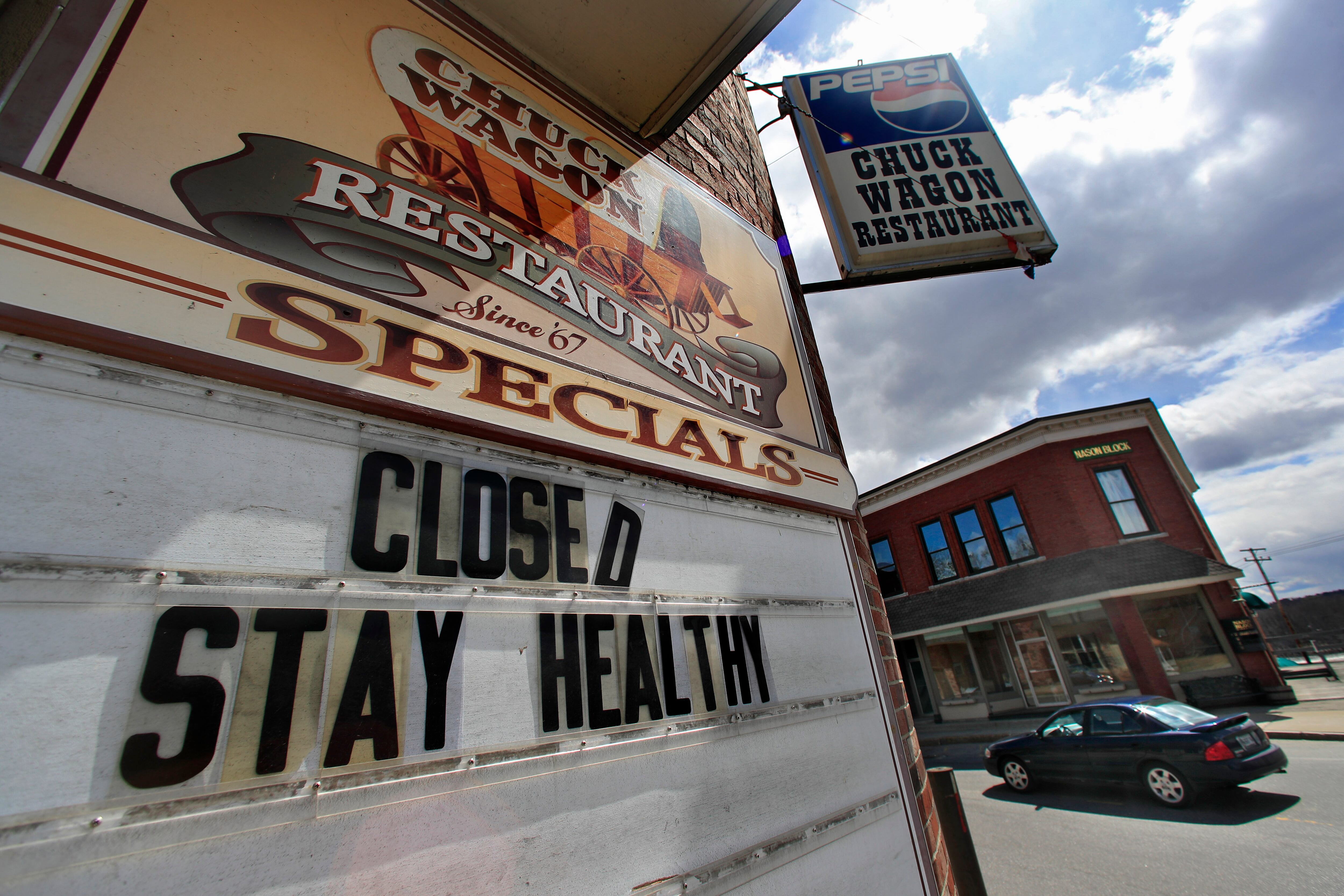
Shake Shack, one of the chains that received money, said Monday it will return its loan to give smaller restaurants a chance to get government money. Congress and the White House are close to an agreement that would add $300 billion to the program.
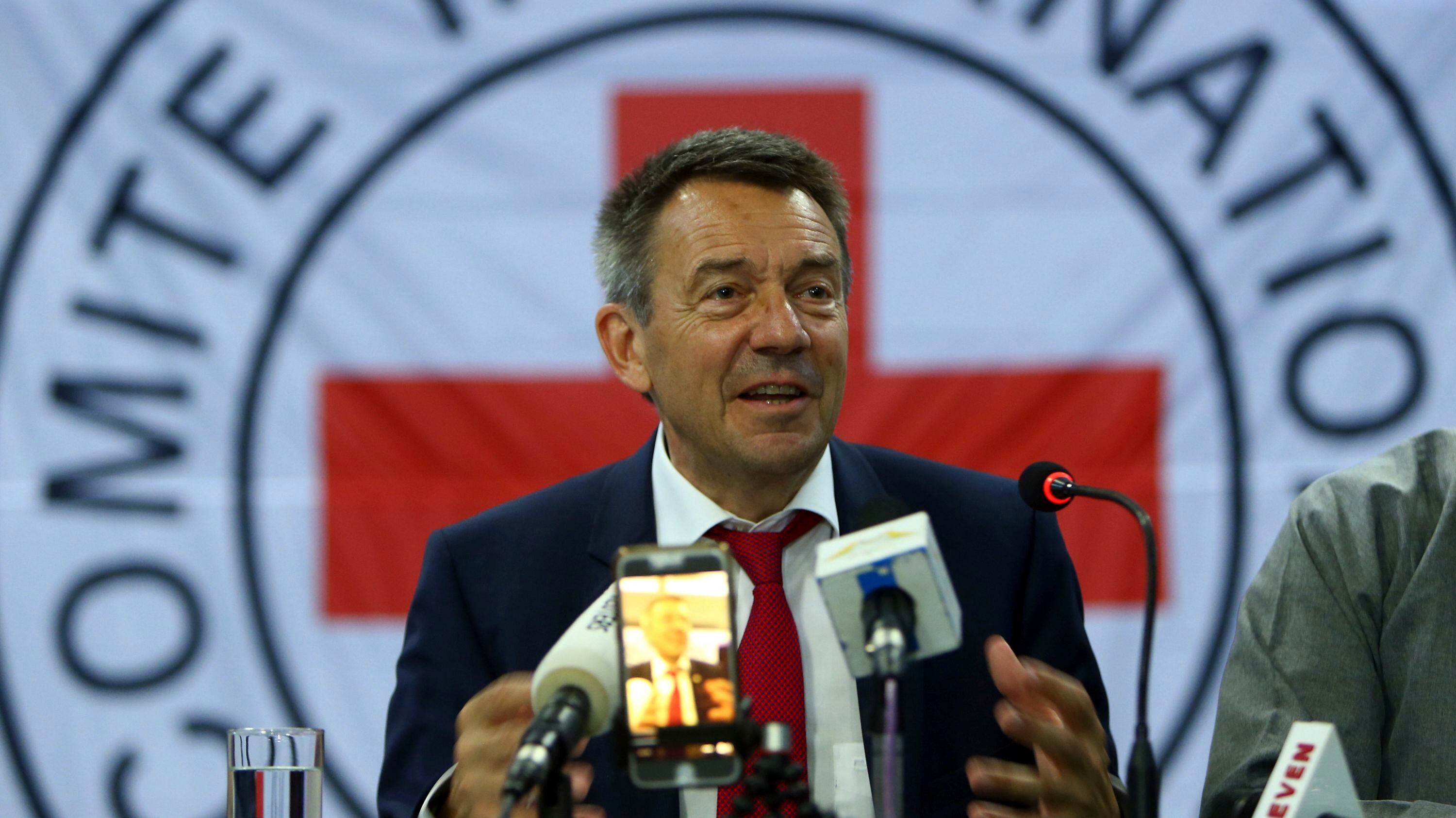
Peter Maurer, president of the International Committee of the Red Cross (ICRC), told Cheddar Monday that the countries that drew the most concerns could take this opportunity to build better health systems going forward.
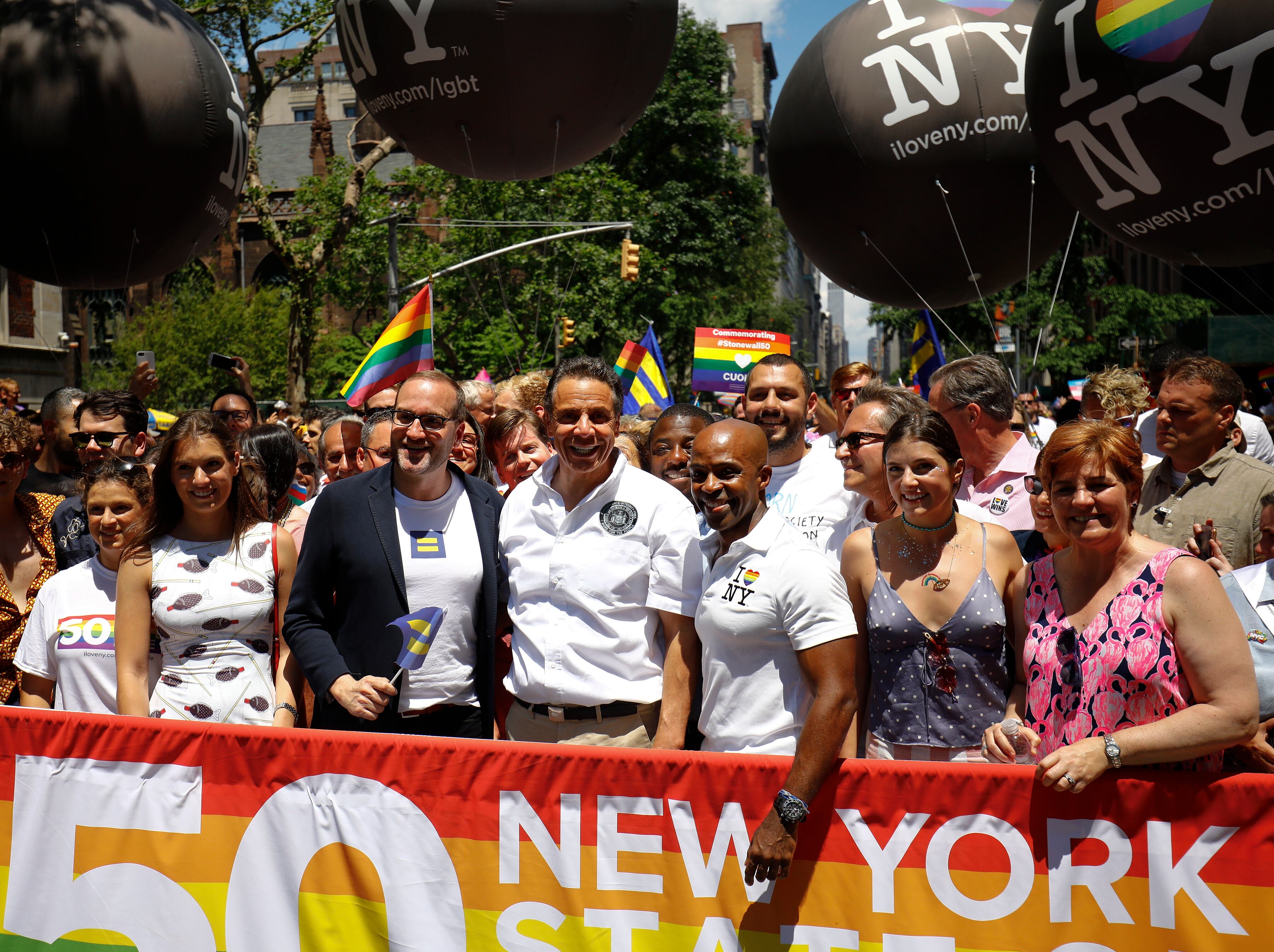
New York City won’t allow public events in June, including three of the city’s major annual celebrations: the National Puerto Rican Day Parade, the Celebrate Israel parade, and the Pride parade on its 50th anniversary.
Stocks are falling in early trading on Wall Street as oil prices collapse and momentum from a recent rally faded. Crude prices are plummeting amid concerns that storage facilities are close to being full.
The United States is struggling to test enough people for the novel coronavirus so officials can track and control the spread of the disease.
From Wall Street to Silicon Valley, these are the top stories that moved markets and had investors, business leaders, and entrepreneurs talking this week on Cheddar.