The National Oceanic and Atmospheric Administration has released its 2023 Spring outlook and the ongoing trend of unseasonable weather could be continuing.
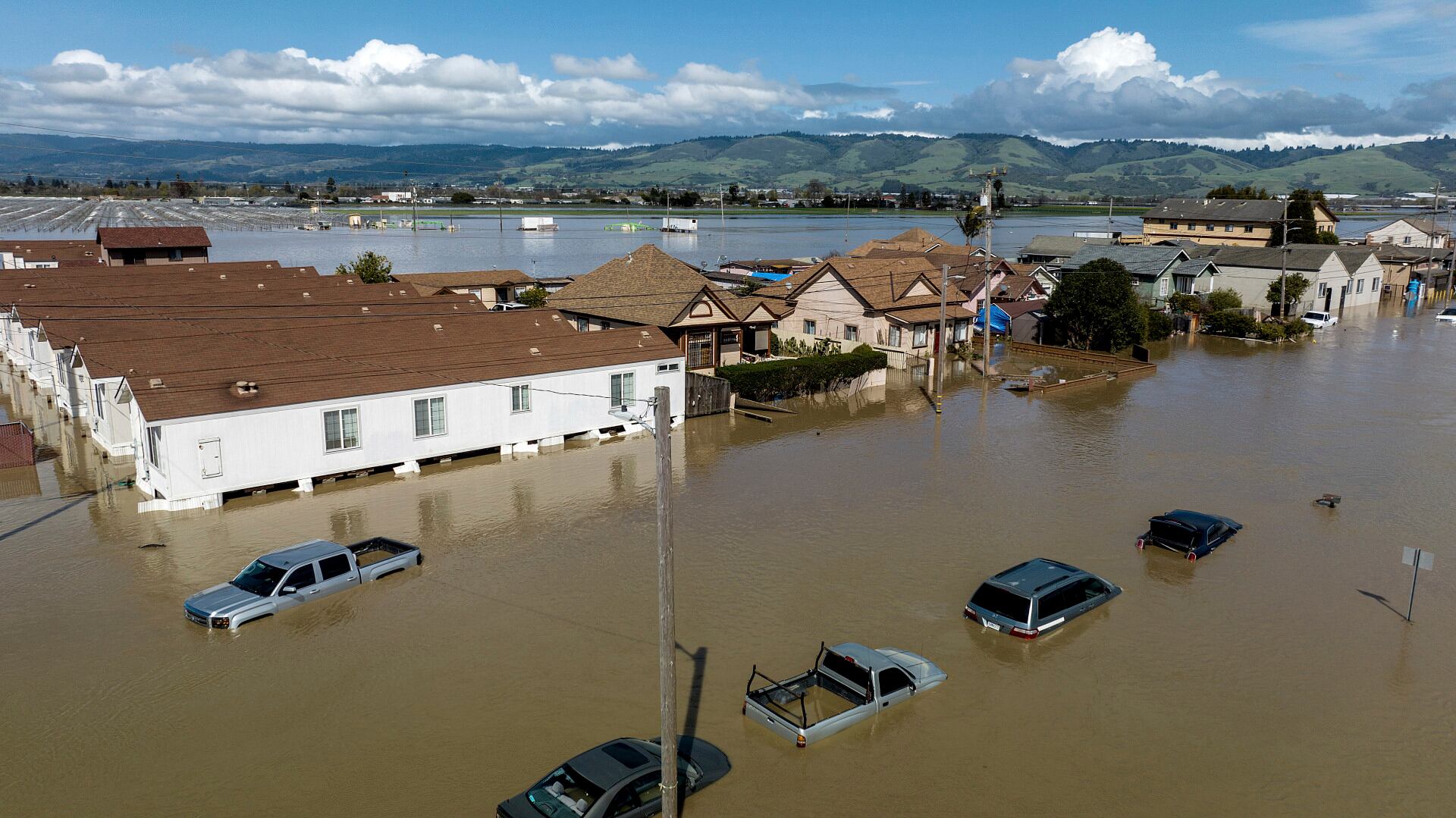
One of the major takeaways from the report is that drought conditions in the Western U.S. are set to improve. The region that has been inundated with wet weather for much of the winter will see some reprieve when it comes to drought.
"Climate change is driving both wet and dry extremes, as illustrated by NOAA's observations and data that inform this seasonal outlook," said Rick Spinrad, Ph.D, NOAA administrator. "Under the Bipartisan Infrastructure Law and Inflation Reduction Act, and in support of the Biden Administration's priority to tackle the climate crisis, NOAA will invest significant resources to build a Climate-Ready Nation that gives communities tailored information about changing conditions so that residents and economies are protected."
In California, drought status is expected to improve even more as snowpacks that built up over the winter eventually melt. The conditions in the central Plains and in Florida are also expected to improve with Spring rainfalls.
Meanwhile, when it comes to heat and high temperatures, a swath of Southern and East Coast states will be above average. Alaska and Hawaii are also predicted to see above average temperatures between April and June.
NOAA said flooding could also significantly impact most states east of the Mississippi River.
"Approximately 44 percent of the U.S. is at risk for flooding this spring," said Ed Clark, the director of NOAA's National Water Center. "California's snowpack, coupled with spring rain, is heightening the potential for spring floods."
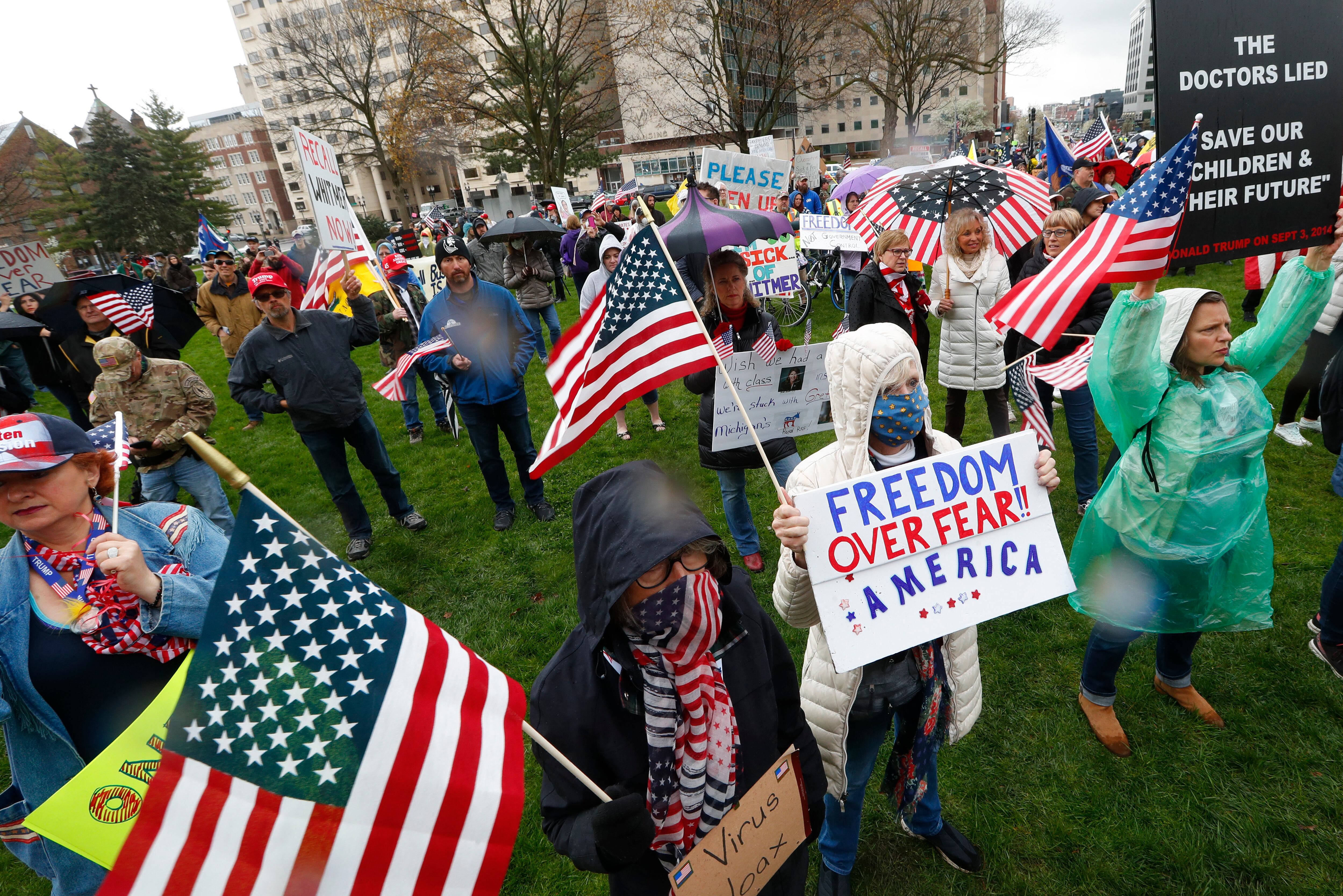
The Republican-led Michigan House has refused to extend the state’s coronavirus emergency declaration. It also voted Thursday to authorize a lawsuit challenging Democratic Gov. Gretchen Whitmer’s authority and actions to combat the pandemic. The step came as hundreds of conservative activists returned to the Capitol to denounce Whitmer’s stay-at-home measure.
A crush of dismal data about the economy helped send markets lower Thursday, a meek ending to a historic, juggernaut month for stocks.
A shortage of personal protective equipment is a critical problem for frontline medical workers and one of the toughest issues the organization is facing, said Thomas Tighe, CEO of Direct Relief.
NYC Mayor Bill de Blasio, in partnership with the City Council, announced his commitment to closing off up to 100 miles of streets to make more space for city dwellers during the coronavirus pandemic.
Morgan Ortagus, a State Department spokesperson, said the purpose of demanding more information and access from China was to "answer fundamental questions" about the COVID-19 pandemic.
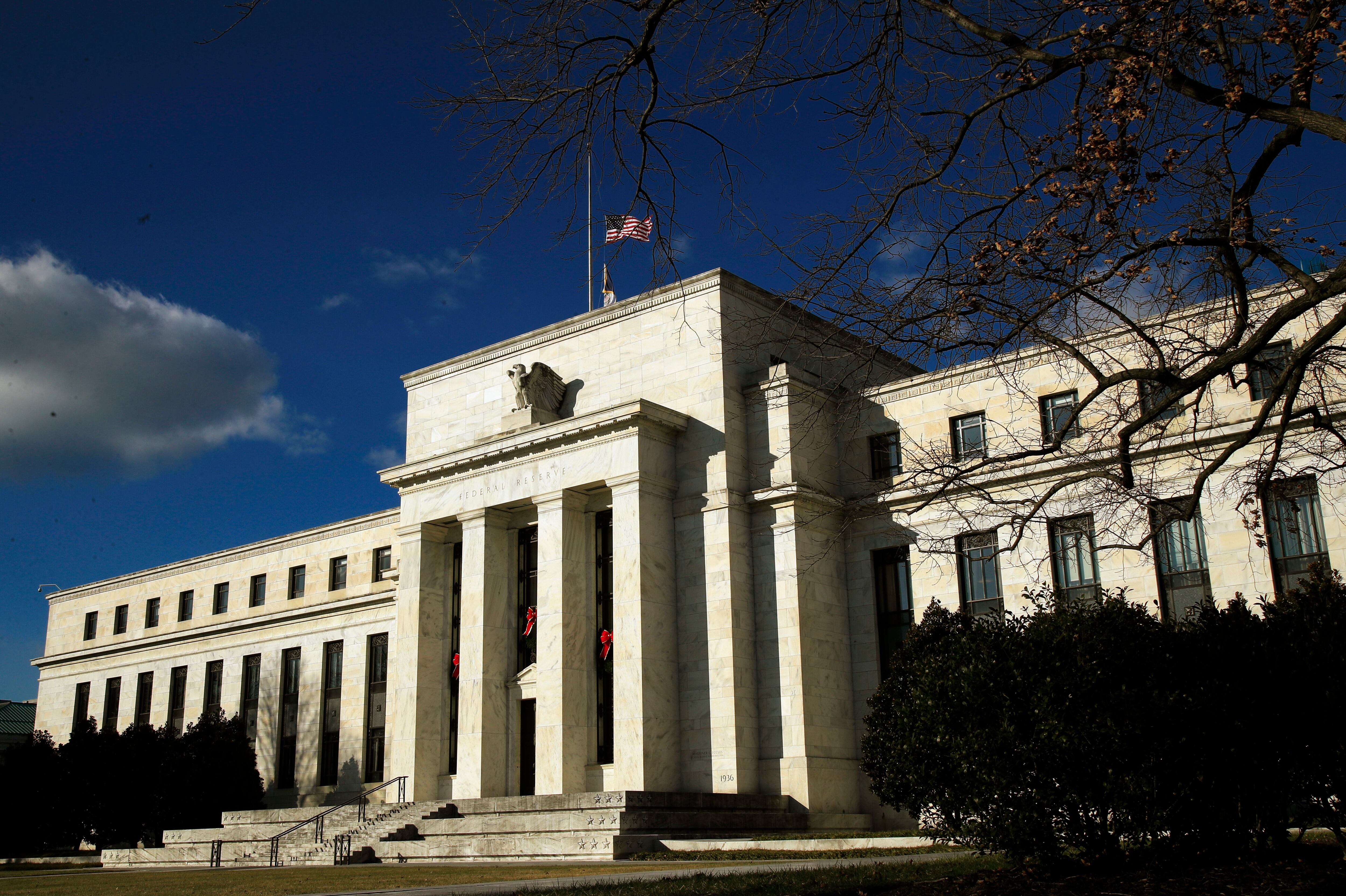
The Federal Reserve says it is expanding a major lending program to provide support for businesses struggling to cope with the economic slowdown caused by the coronavirus pandemic.
Sarah Cooper, the performer behind the viral video, talked to Cheddar Wednesday about why she chose to riff on the POTUS.
Stocks charged higher around the world Wednesday following an encouraging report on a possible treatment for COVID-19.
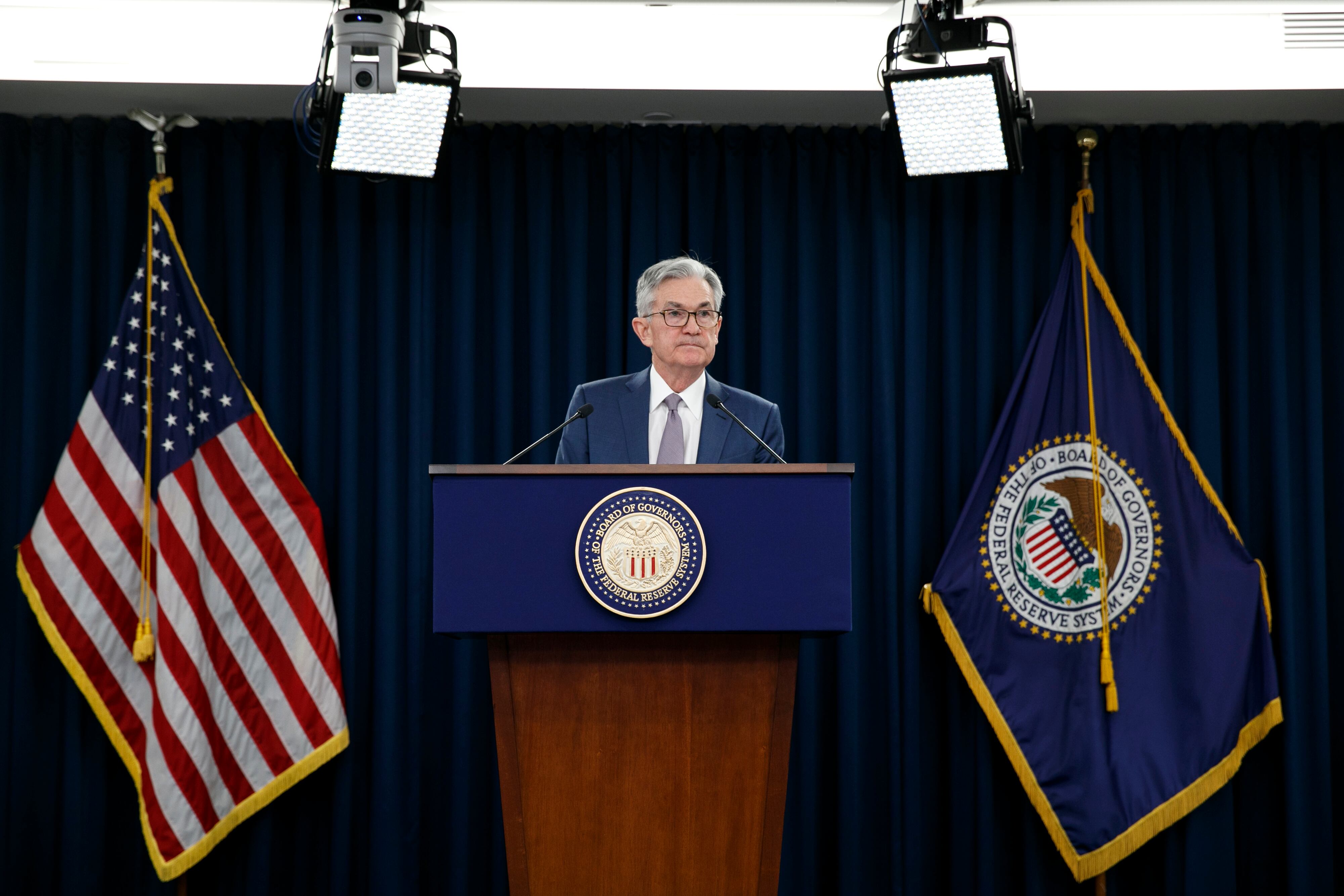
The Federal Reserve says it will keep its key short-term interest rate near zero for the foreseeable future as part of its extraordinary efforts to bolster an economy that is sinking into its worst crisis since the 1930s.
The National Institute of Allergy and Infectious Diseases (NIAID) on Wednesday announced the results of a study looking into a potential COVID-19 treatment that it says shows promise.