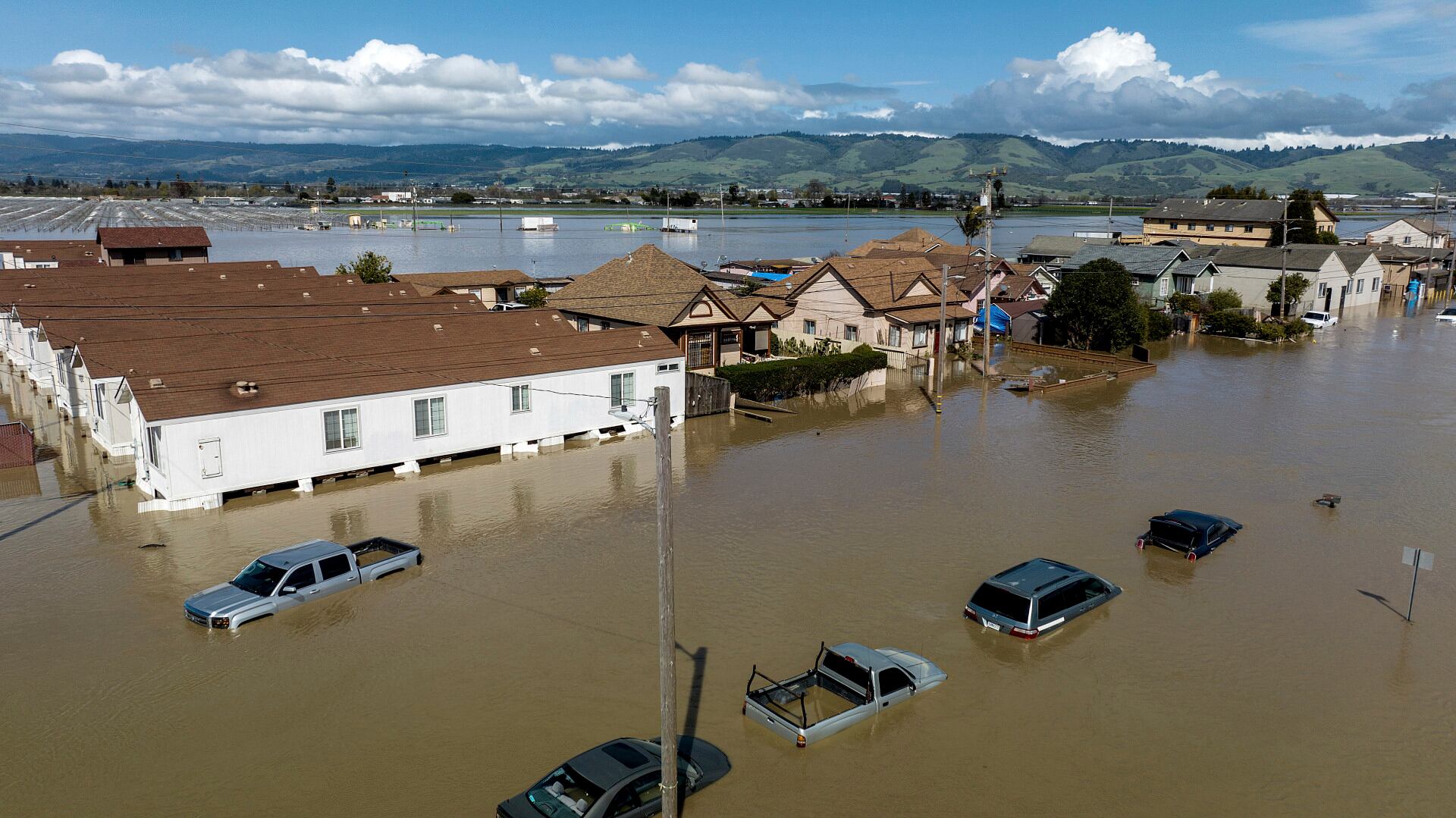
The National Oceanic and Atmospheric Administration has released its 2023 Spring outlook and the ongoing trend of unseasonable weather could be continuing.
One of the major takeaways from the report is that drought conditions in the Western U.S. are set to improve. The region that has been inundated with wet weather for much of the winter will see some reprieve when it comes to drought.
"Climate change is driving both wet and dry extremes, as illustrated by NOAA's observations and data that inform this seasonal outlook," said Rick Spinrad, Ph.D, NOAA administrator. "Under the Bipartisan Infrastructure Law and Inflation Reduction Act, and in support of the Biden Administration's priority to tackle the climate crisis, NOAA will invest significant resources to build a Climate-Ready Nation that gives communities tailored information about changing conditions so that residents and economies are protected."
In California, drought status is expected to improve even more as snowpacks that built up over the winter eventually melt. The conditions in the central Plains and in Florida are also expected to improve with Spring rainfalls.
Meanwhile, when it comes to heat and high temperatures, a swath of Southern and East Coast states will be above average. Alaska and Hawaii are also predicted to see above average temperatures between April and June.
NOAA said flooding could also significantly impact most states east of the Mississippi River.
"Approximately 44 percent of the U.S. is at risk for flooding this spring," said Ed Clark, the director of NOAA's National Water Center. "California's snowpack, coupled with spring rain, is heightening the potential for spring floods."
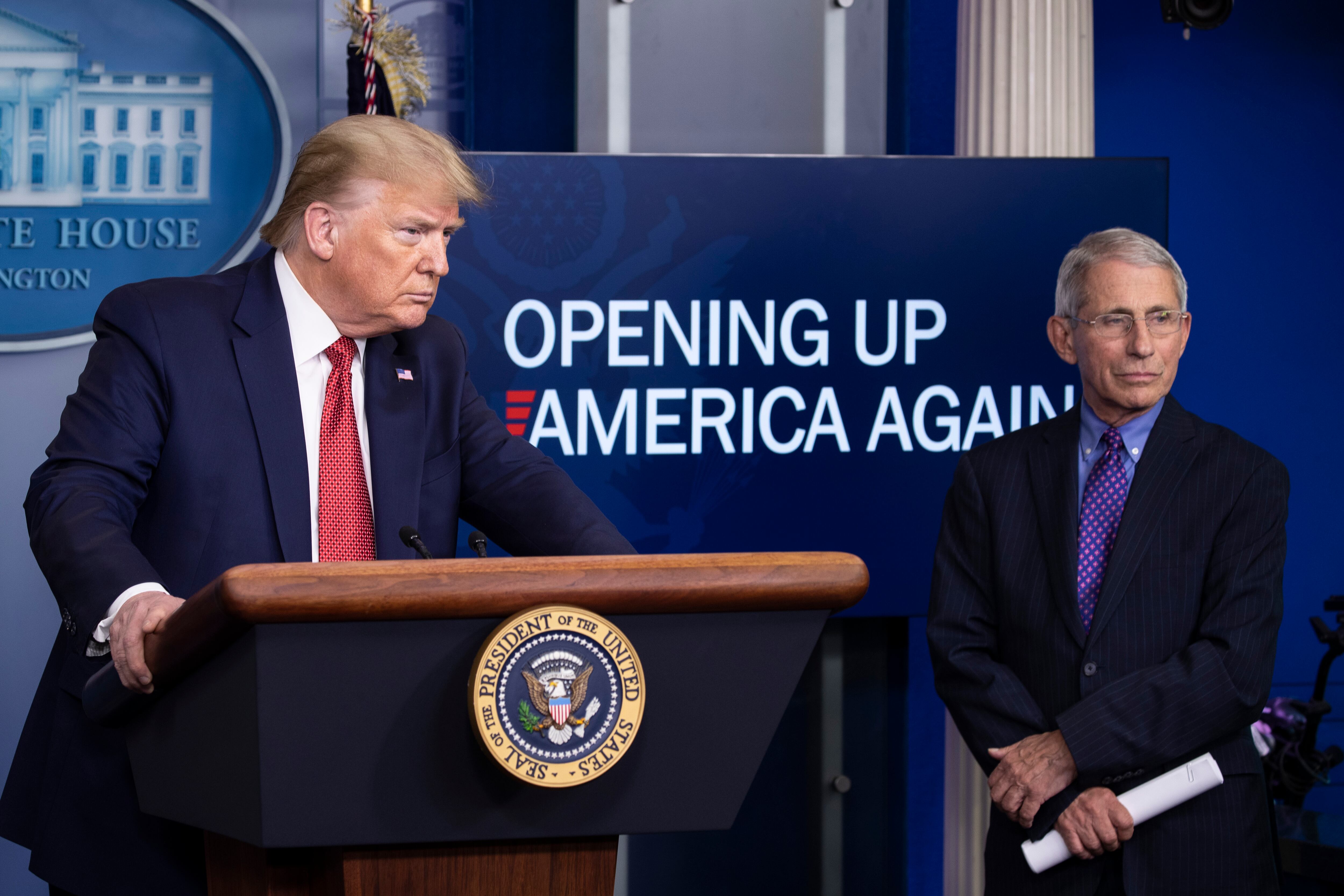
Dr. Beth Cameron, who is currently vice president of global biology programs at the Nuclear Threat Initiative, was previously a senior director in the White House pandemic office under the National Security Council.
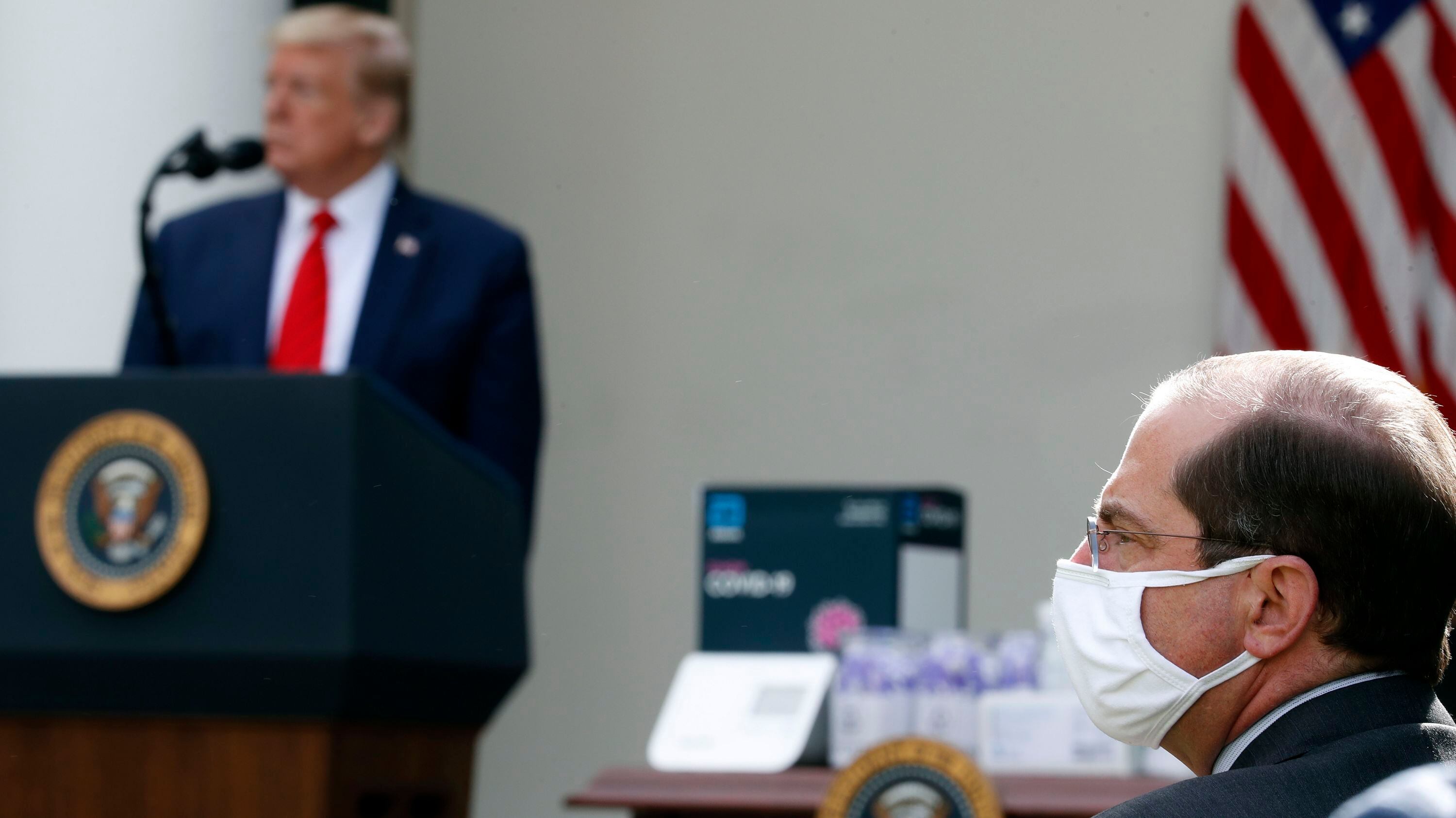
The White House is requiring everyone who enters the West Wing to wear a mask or face covering.
Tesla CEO Elon Musk confirmed on Twitter Monday that the company has restarted its California factory in violation of local government orders.
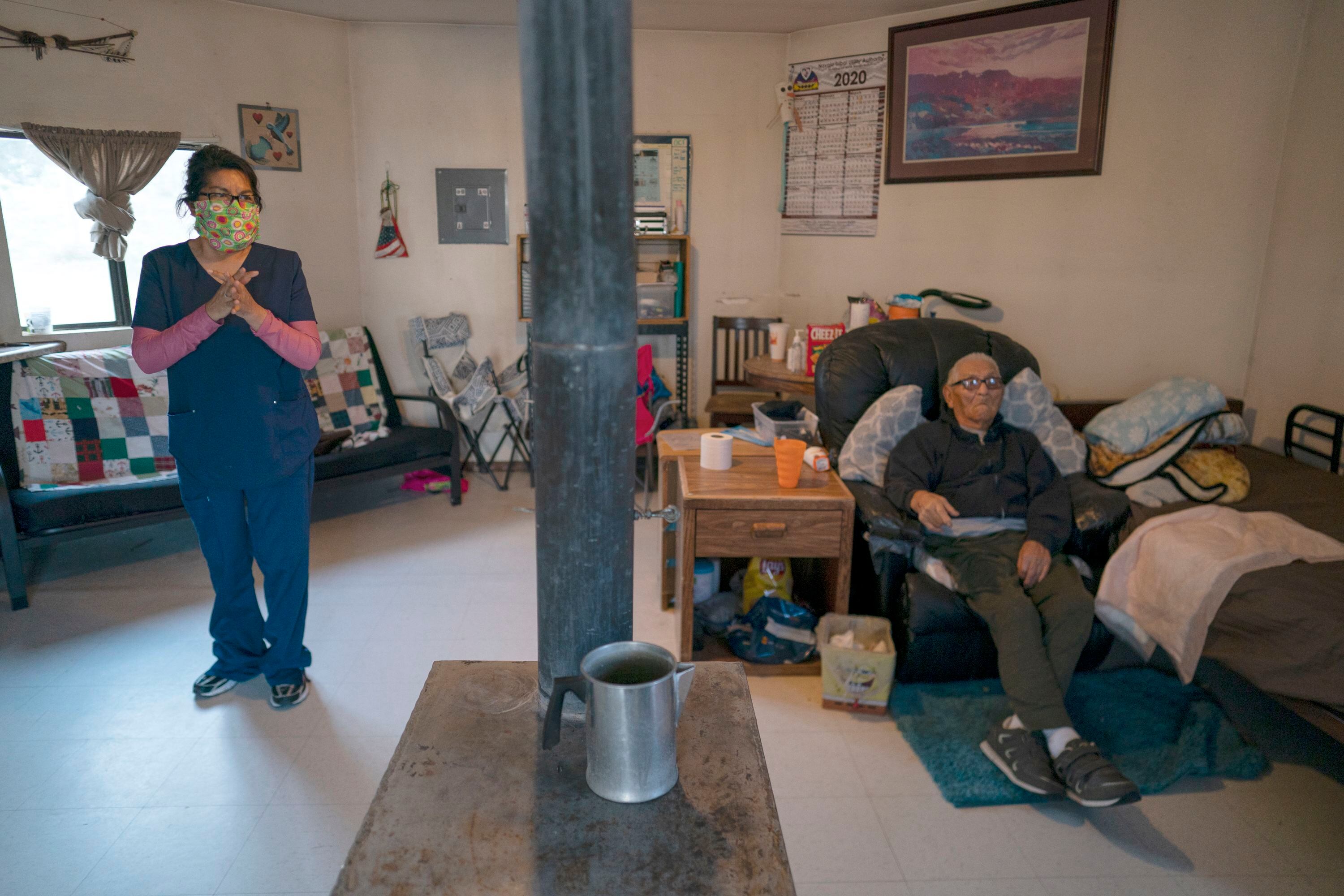
The Navajo reservation spans three western U.S. states and has some of the highest rates of coronavirus in the country. With roughly 175,000 people living there, the tribe has seen 3,122 cases. At least 100 people have died.
Stocks are dipping in early trading on Wall Street Monday and giving back some of the strong gains made last week.
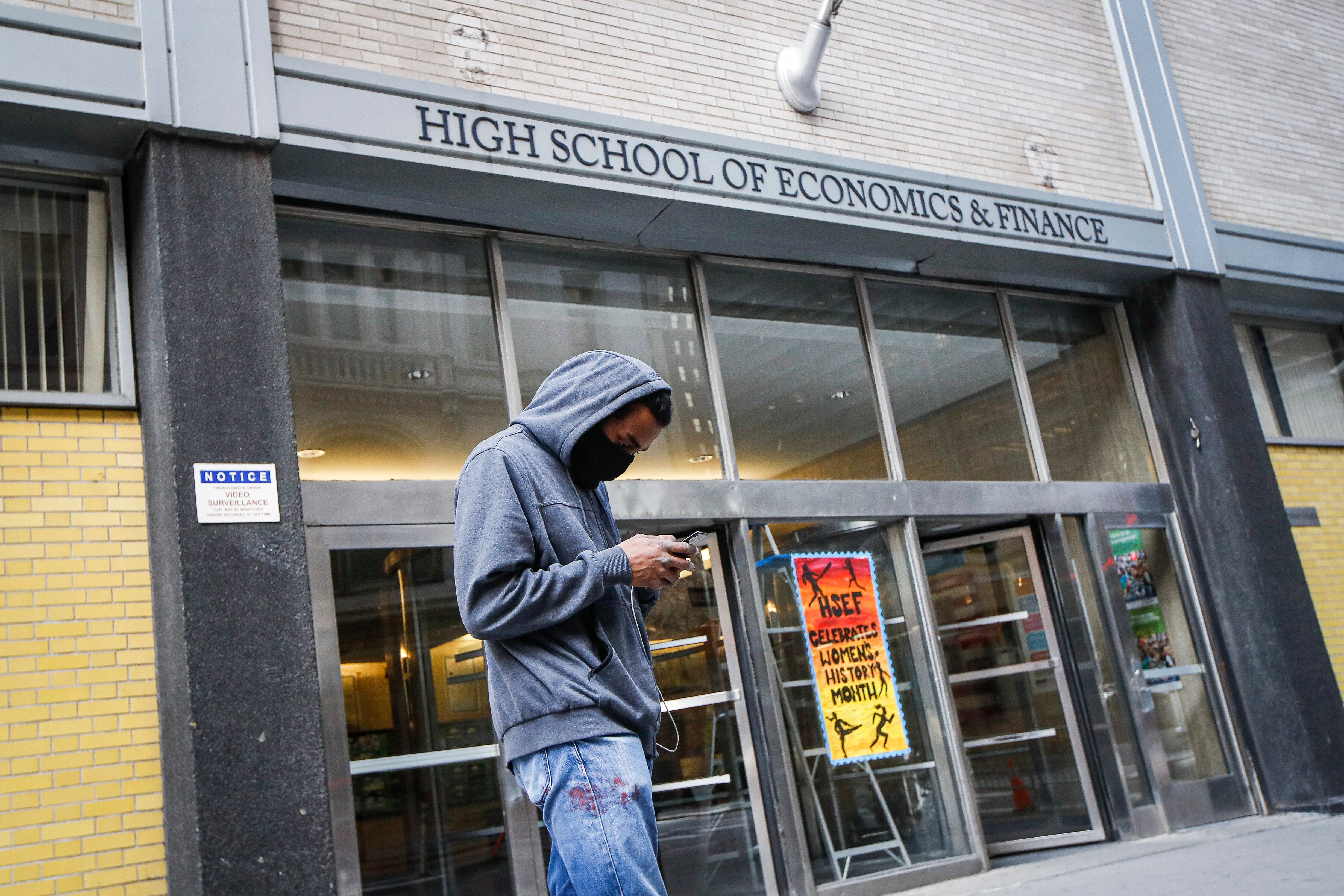
Coronavirus has forced New York City teachers to fundamentally change how they educate students. Now they're fighting for their own vision of how and when schools should reopen.
From Wall Street to Silicon Valley, these are the top stories that moved markets and had investors, business leaders, and entrepreneurs talking this week on Cheddar.
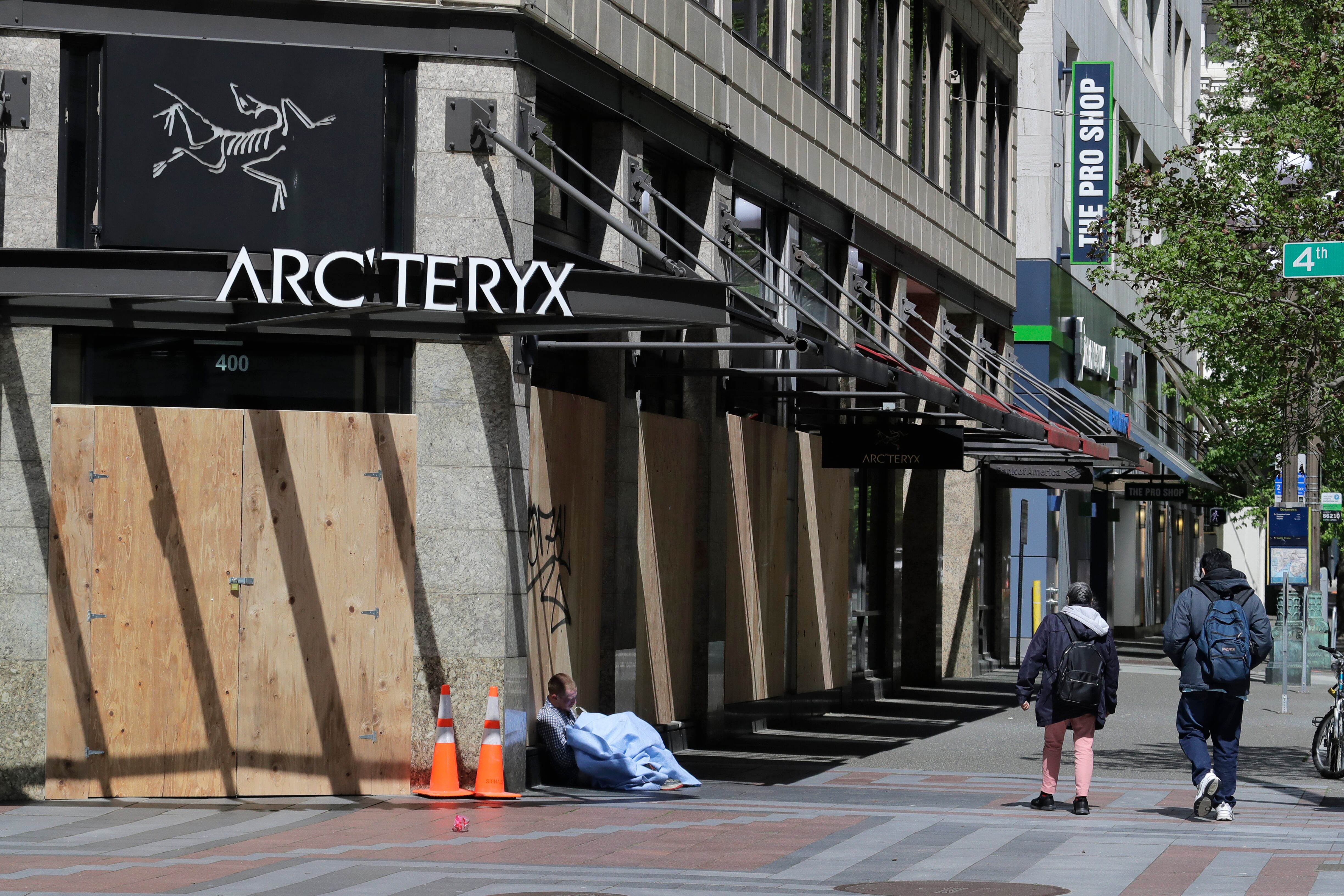
Businesses from coast-to-coast were forced to closed their doors when the coronavirus outbreak arrived in the U.S. Practically overnight, 33 million Americans (so far) suddenly lost their livelihoods. Cheddar is speaking to some of these workers who have found themselves unexpectedly unemployed in today's turbulent environment.
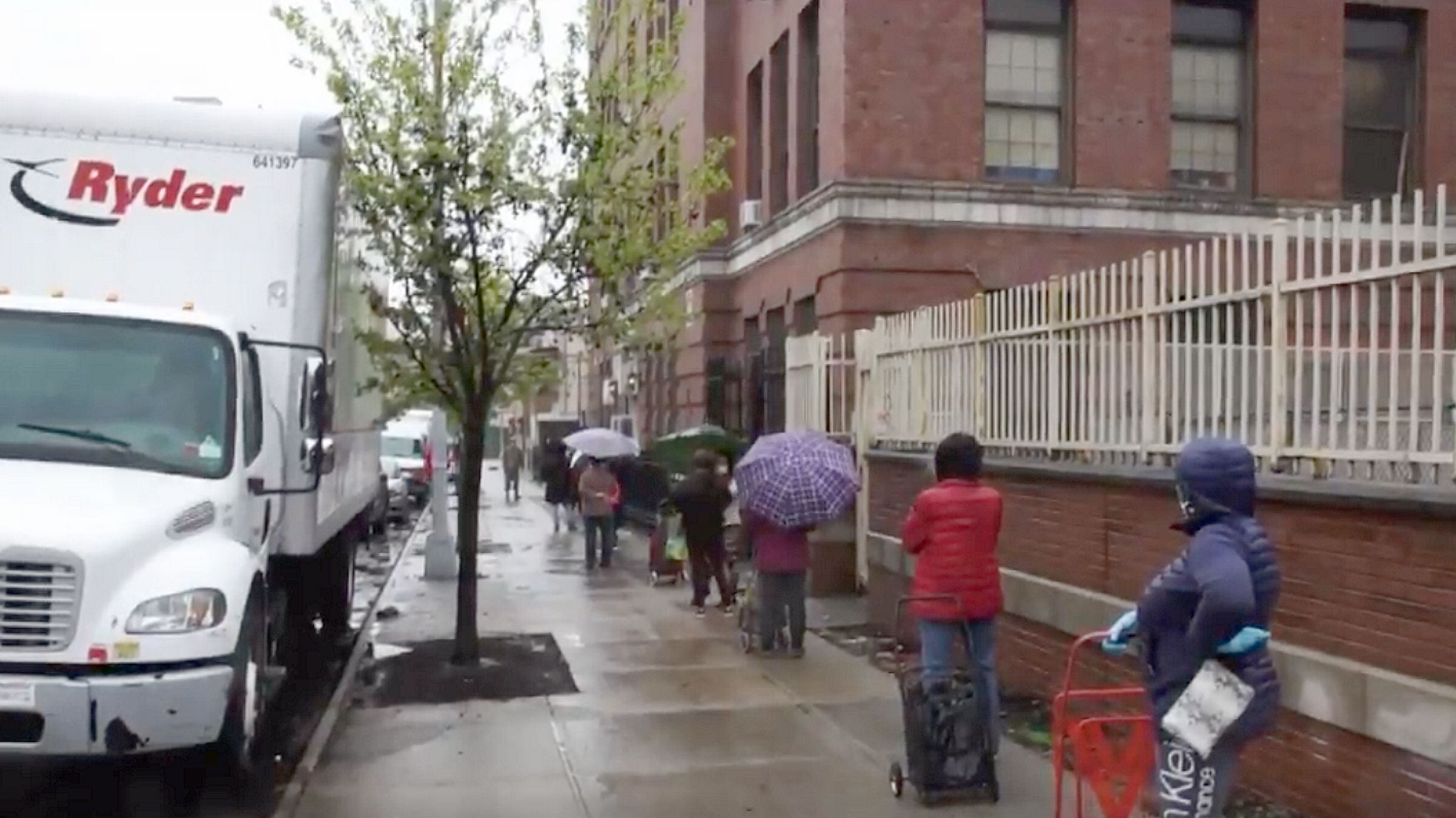
Unprecedented pressure from the coronavirus pandemic has forced the closure of roughly 35 percent of food pantries in New York City, just as the number of residents facing food insecurity has surged by about 800,000 to two million.
To restaurants and bars struggling to stay open for food delivery and pick-up, the ability to add high-margin cocktails and mixed drinks to the check has provided a crucial revenue stream.