The National Oceanic and Atmospheric Administration has released its 2023 Spring outlook and the ongoing trend of unseasonable weather could be continuing.
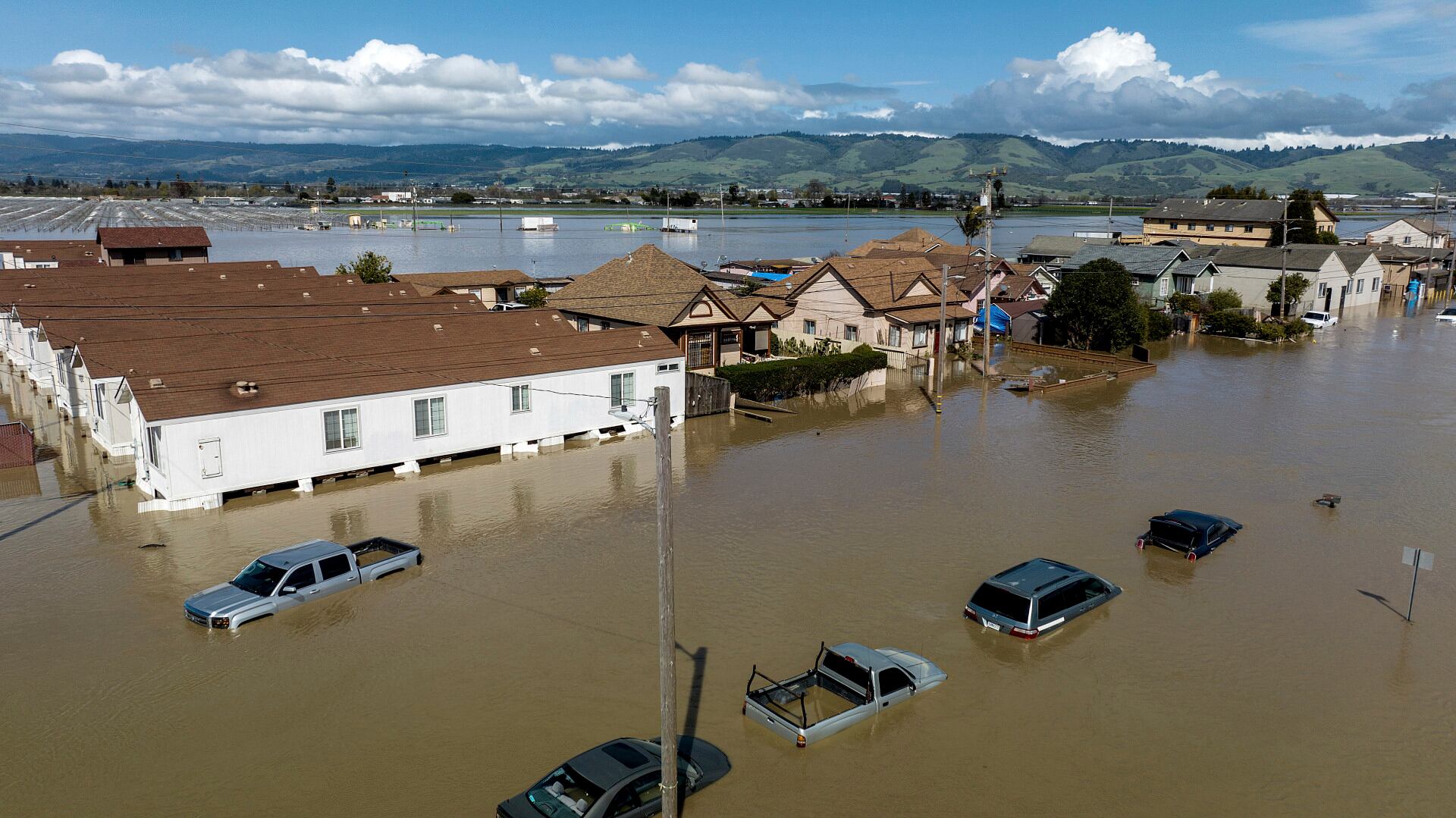
One of the major takeaways from the report is that drought conditions in the Western U.S. are set to improve. The region that has been inundated with wet weather for much of the winter will see some reprieve when it comes to drought.
"Climate change is driving both wet and dry extremes, as illustrated by NOAA's observations and data that inform this seasonal outlook," said Rick Spinrad, Ph.D, NOAA administrator. "Under the Bipartisan Infrastructure Law and Inflation Reduction Act, and in support of the Biden Administration's priority to tackle the climate crisis, NOAA will invest significant resources to build a Climate-Ready Nation that gives communities tailored information about changing conditions so that residents and economies are protected."
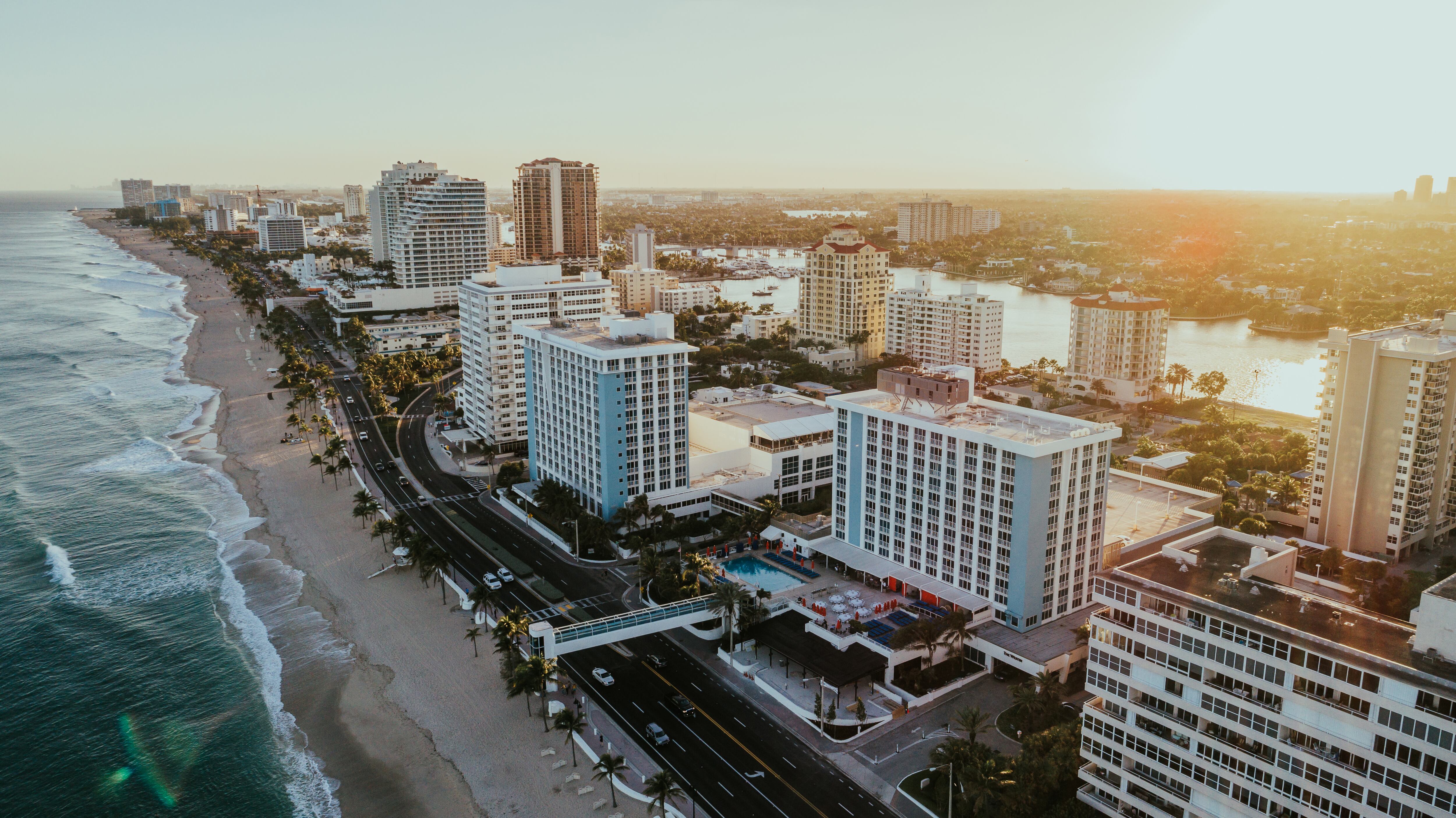
In California, drought status is expected to improve even more as snowpacks that built up over the winter eventually melt. The conditions in the central Plains and in Florida are also expected to improve with Spring rainfalls.
Meanwhile, when it comes to heat and high temperatures, a swath of Southern and East Coast states will be above average. Alaska and Hawaii are also predicted to see above average temperatures between April and June.
NOAA said flooding could also significantly impact most states east of the Mississippi River.
"Approximately 44 percent of the U.S. is at risk for flooding this spring," said Ed Clark, the director of NOAA's National Water Center. "California's snowpack, coupled with spring rain, is heightening the potential for spring floods."
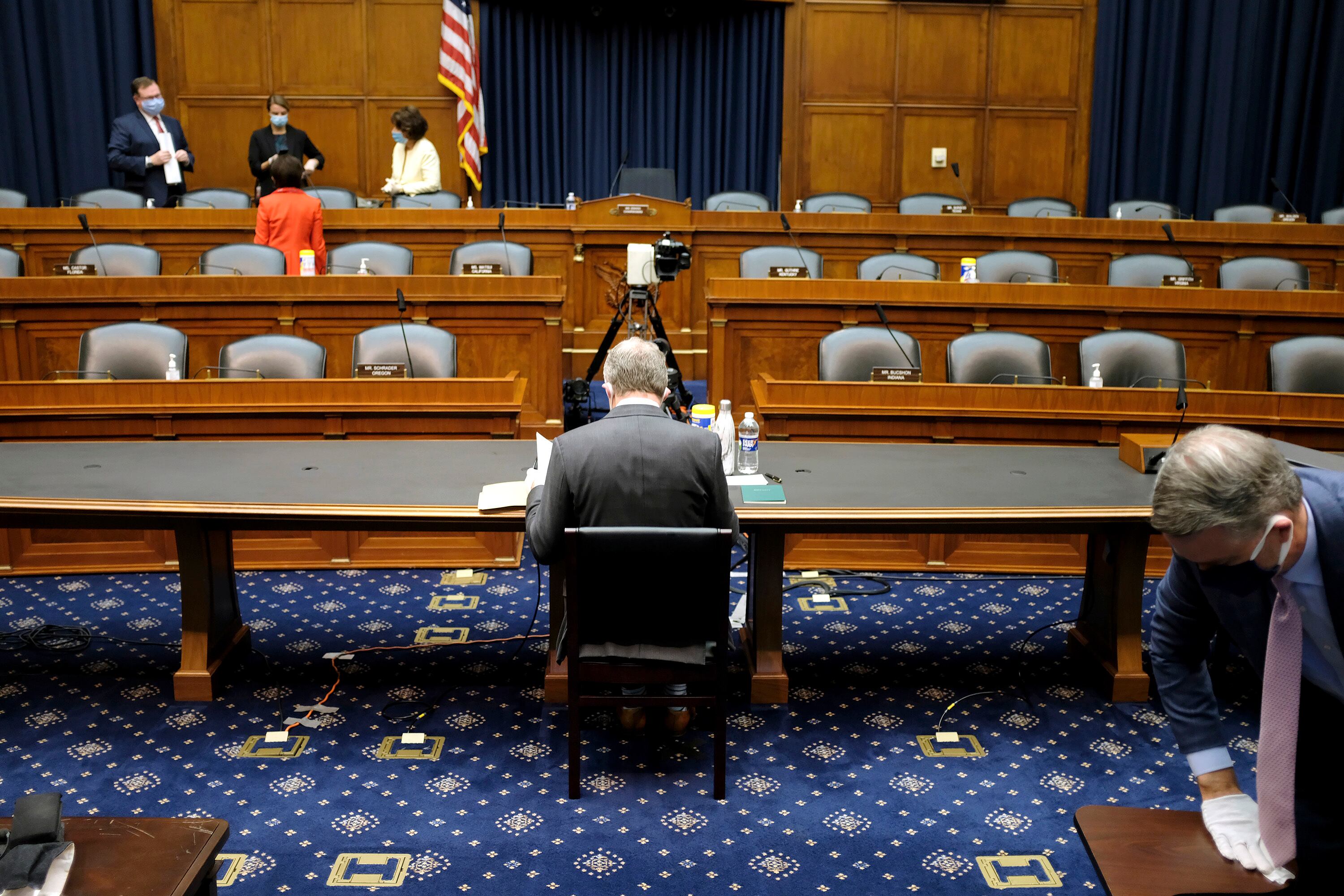
Dr. Rick Bright is telling Congress that America faces the “darkest winter in modern history” unless its leaders act decisively to prevent a rebound of the coronavirus.
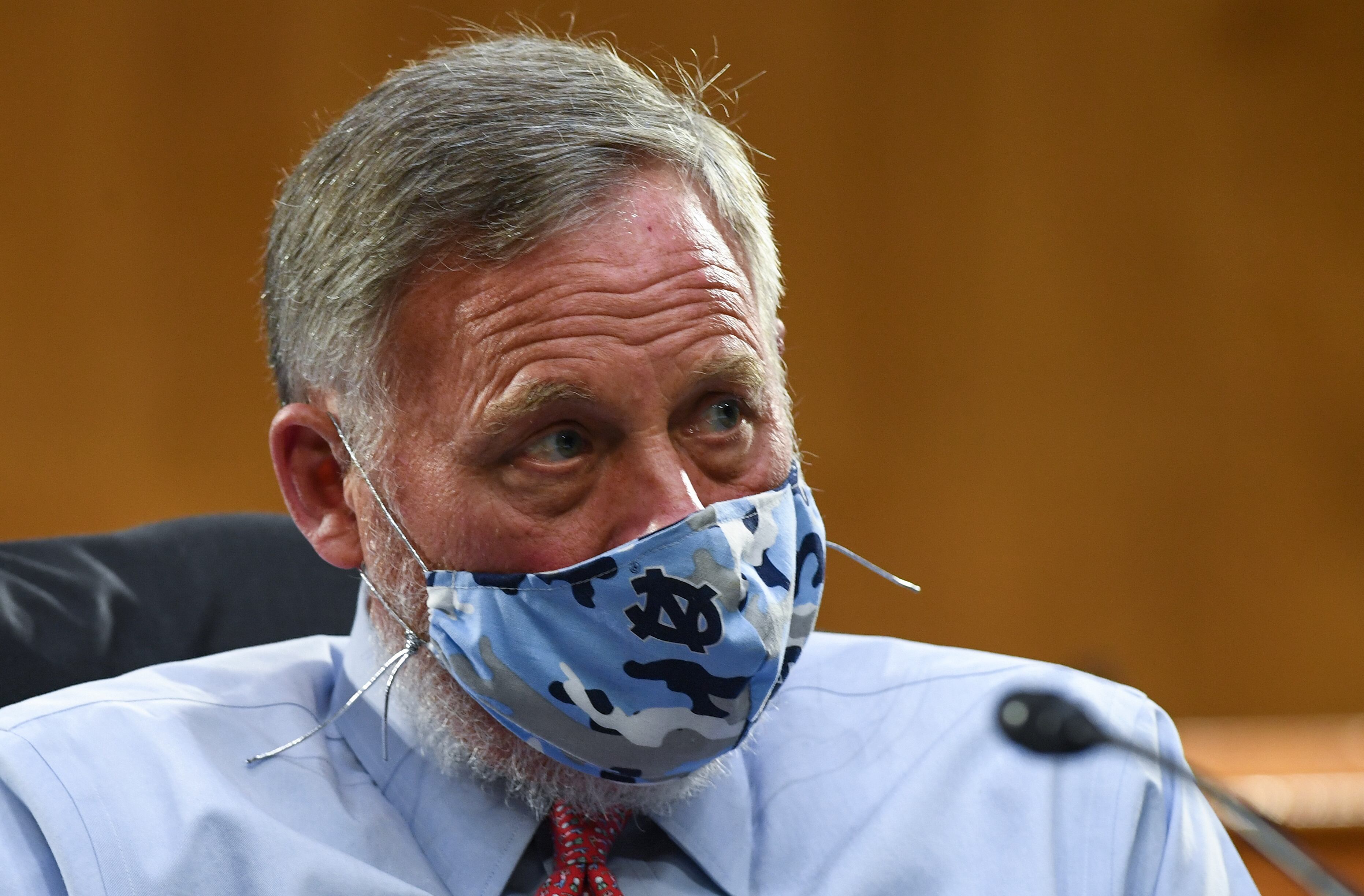
Sen. Richard Burr stepped aside as chairman of the Senate Intelligence Committee after the FBI served a search warrant for his phone as part of an ongoing insider-trading investigation tied to the coronavirus pandemic.
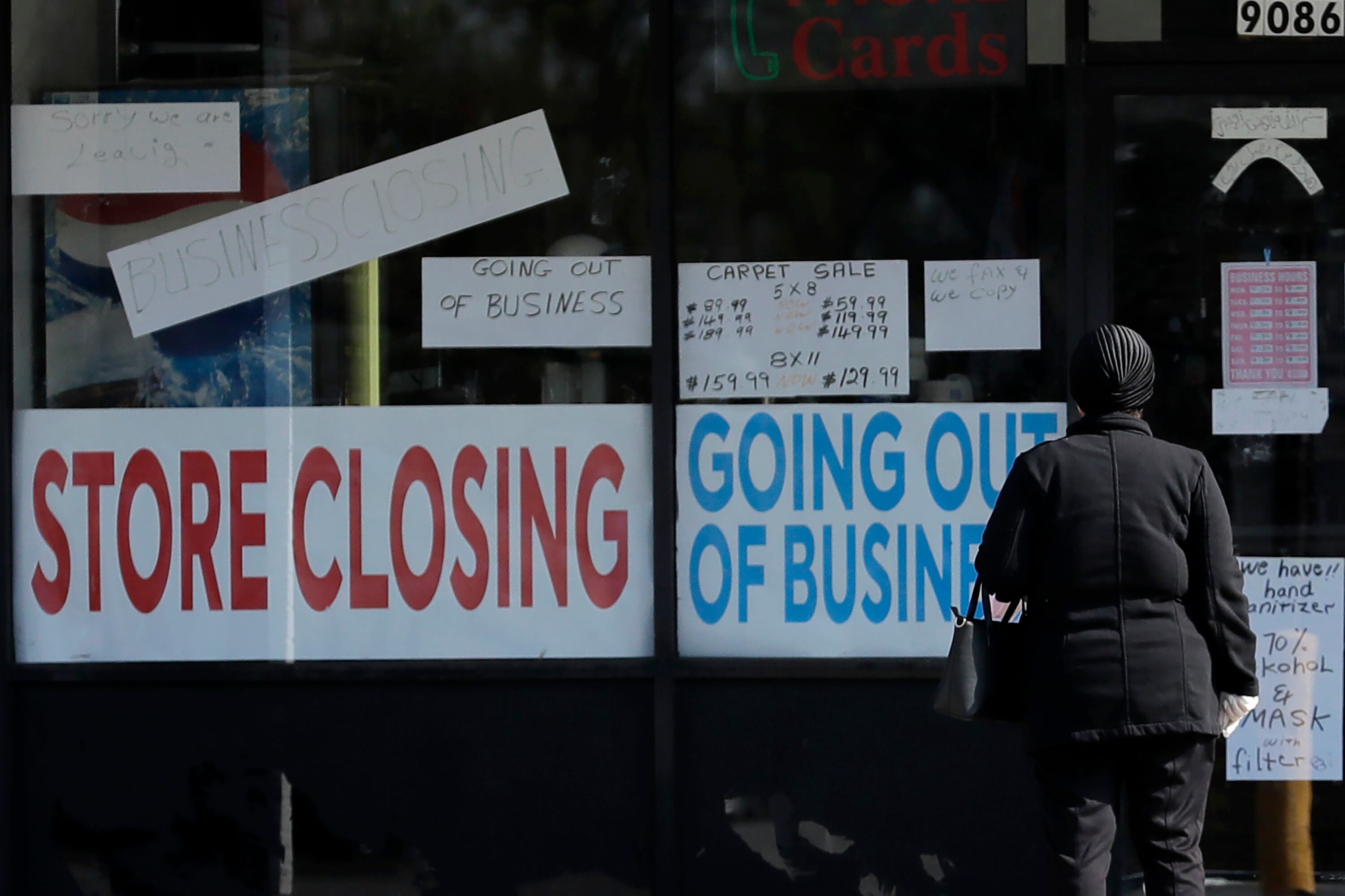
Nearly 3 million laid-off workers applied for U.S. unemployment benefits last week as the viral outbreak led more companies to slash jobs even though most states have begun to let some businesses reopen under certain restrictions.
Stocks are falling in early trading on Wall Street Wednesday, tacking on more losses to their end-of-day slide from a day before.
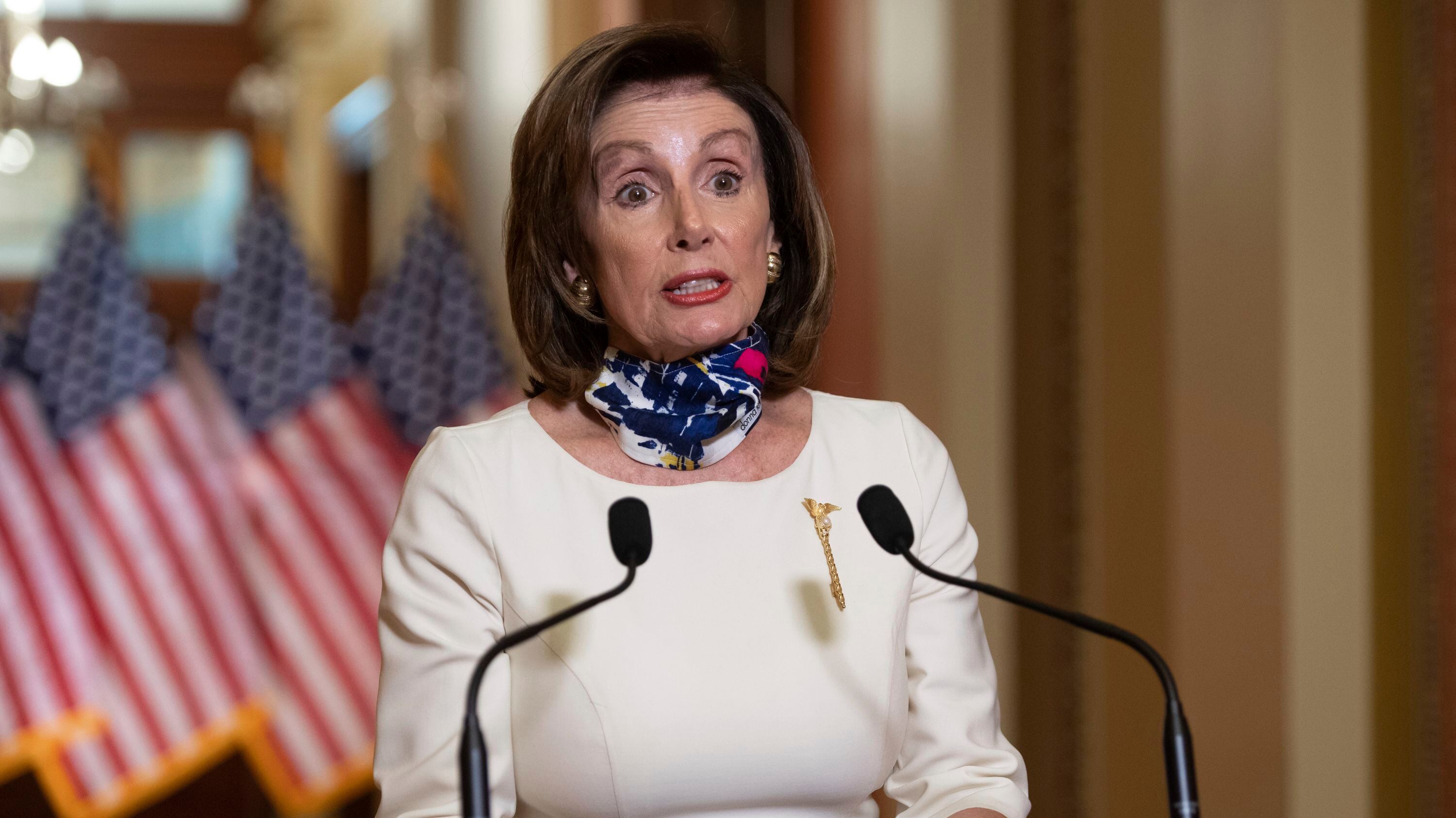
House Speaker Nancy Pelosi has unveiled a more than $3 trillion new coronavirus aid package. It would provide nearly $1 trillion for states, cities and tribal governments to avert layoffs and another $200 billion in “hazard pay” for essential workers.
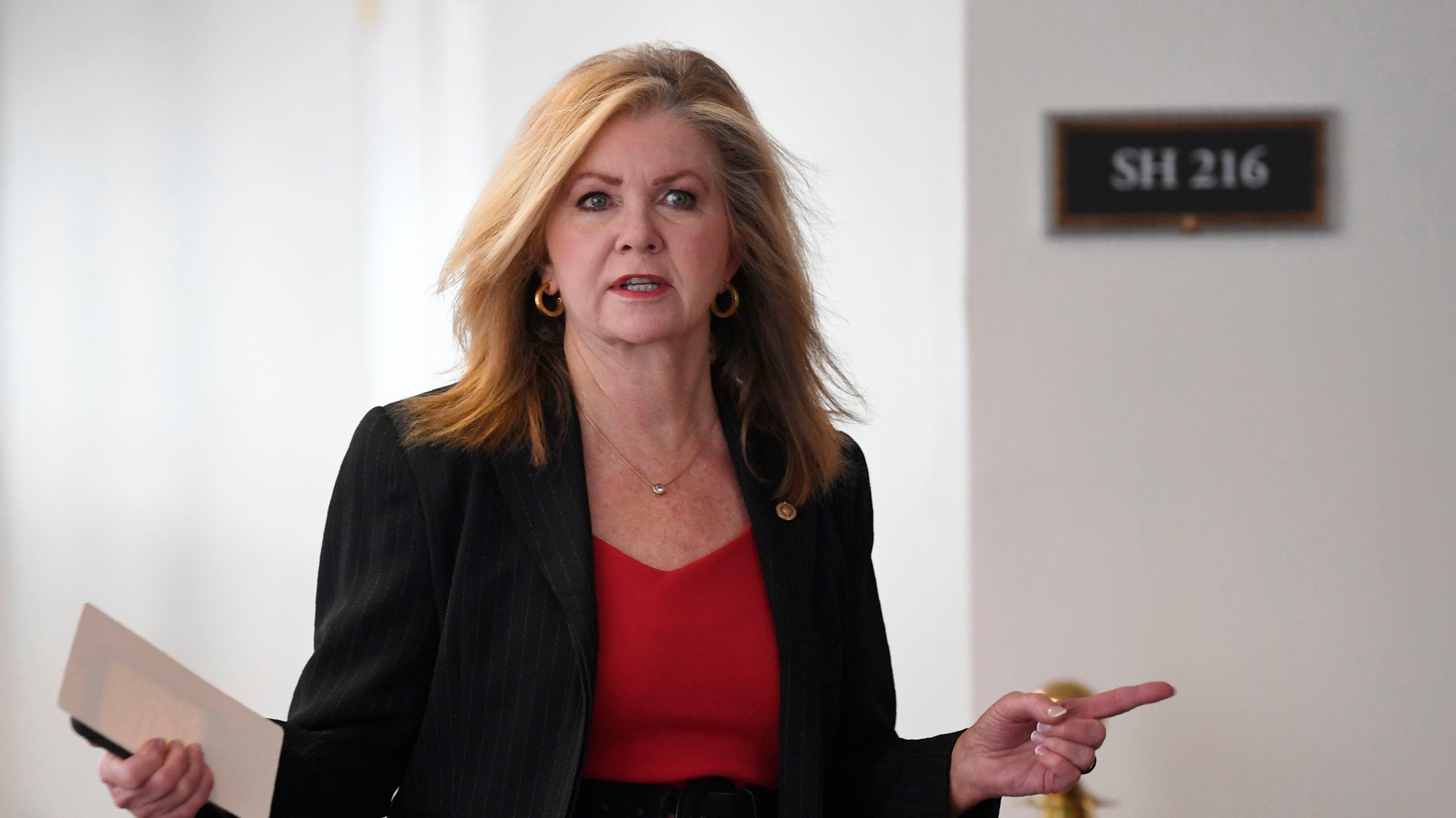
Republican Senators Marsha Blackburn and Martha McSally have introduced legislation that would allow U.S. citizens to file lawsuits against the Chinese Communist Party over the COVID-19 pandemic.
Wall Street fell to its biggest loss since the start of the month on worries about the downside of reopening the economy too soon.
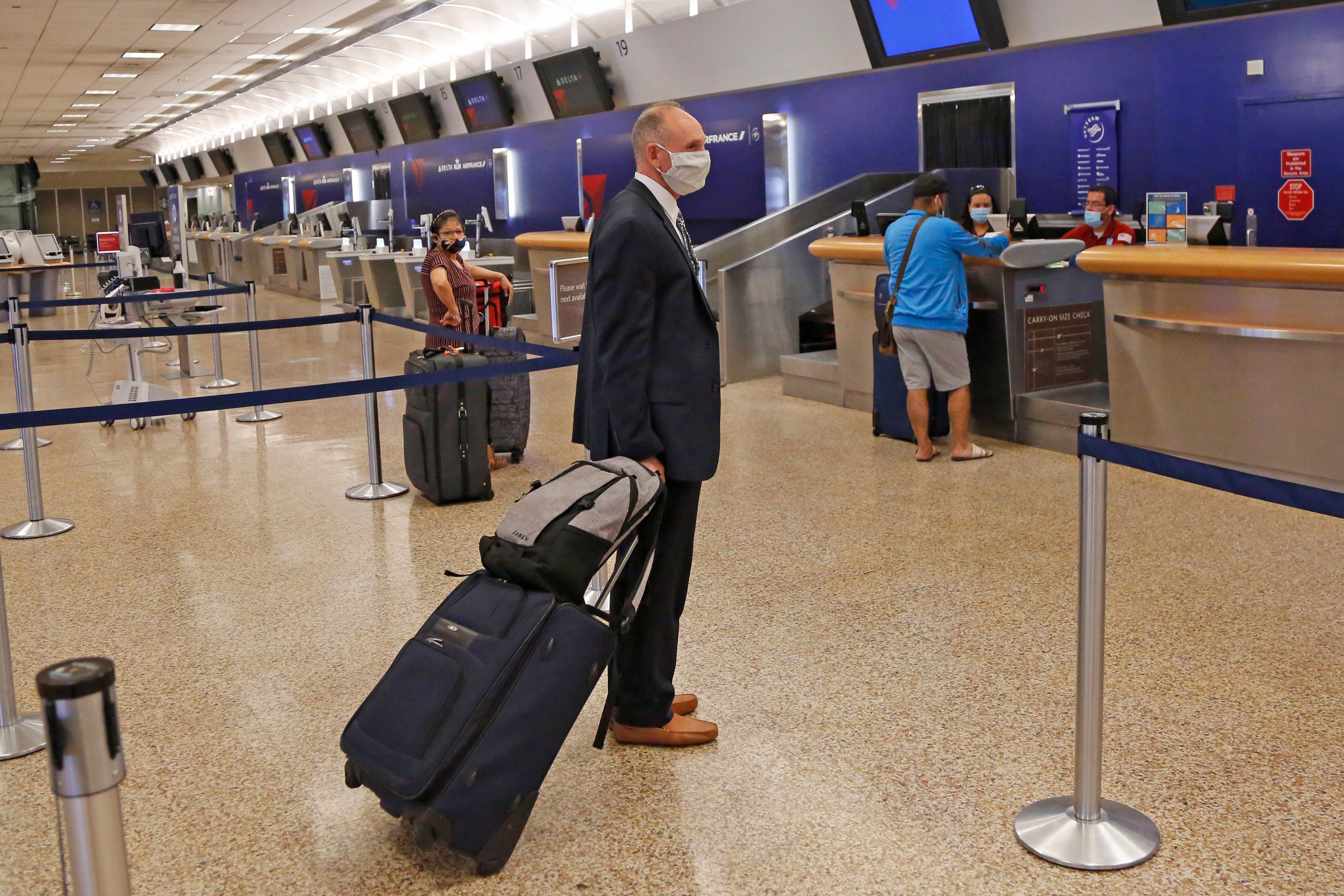
Gloria Guevara, World Travel and Tourism Council CEO and president, told Cheddar on Tuesday that travel-related businesses are very eager for people to start taking trips again, however, opening the industry will need to be done in a coordinated way.
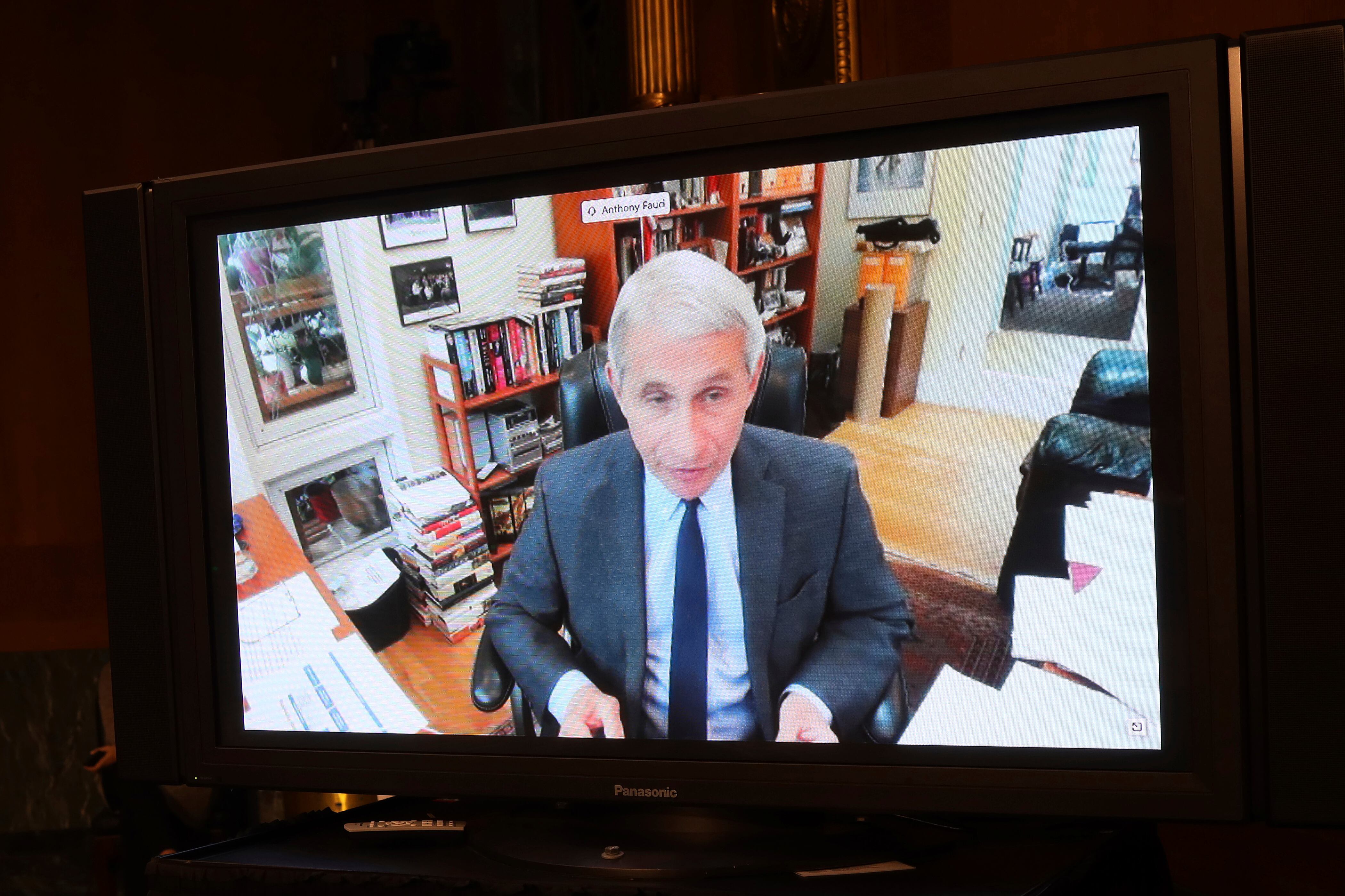
Dr. Anthony Fauci, the nation’s top infectious disease expert, is warning Congress and the nation of what he calls "really serious” consequences of suffering, death and deeper economic damage if state and local officials lift stay-at-home orders too quickly.
Broward County Mayor Dale V.C. Holness told Cheddar Monday many of the counties in South Florida have been working together to decide on a reopening date for their communities.