The National Oceanic and Atmospheric Administration has released its 2023 Spring outlook and the ongoing trend of unseasonable weather could be continuing.
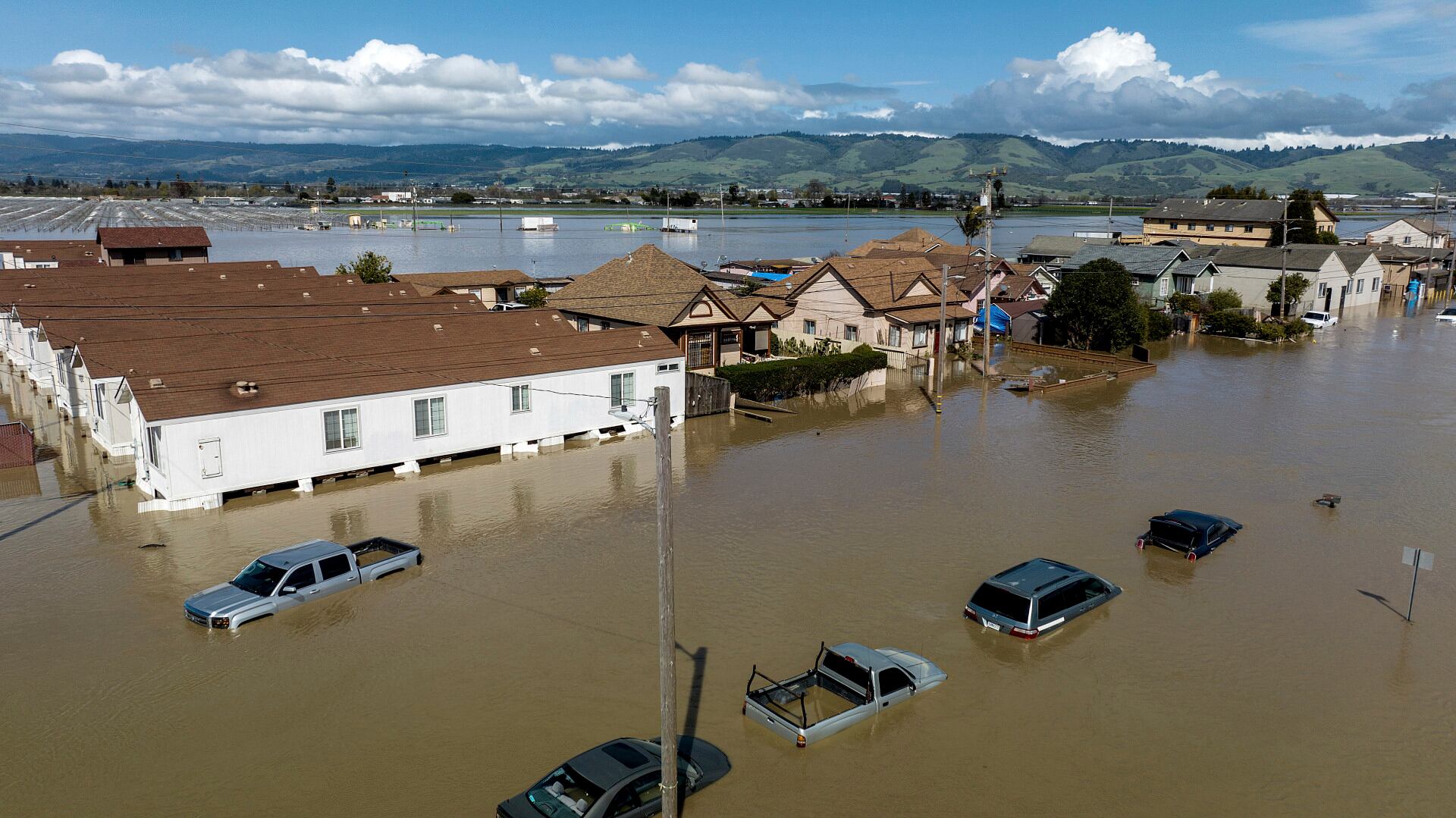
One of the major takeaways from the report is that drought conditions in the Western U.S. are set to improve. The region that has been inundated with wet weather for much of the winter will see some reprieve when it comes to drought.
"Climate change is driving both wet and dry extremes, as illustrated by NOAA's observations and data that inform this seasonal outlook," said Rick Spinrad, Ph.D, NOAA administrator. "Under the Bipartisan Infrastructure Law and Inflation Reduction Act, and in support of the Biden Administration's priority to tackle the climate crisis, NOAA will invest significant resources to build a Climate-Ready Nation that gives communities tailored information about changing conditions so that residents and economies are protected."
In California, drought status is expected to improve even more as snowpacks that built up over the winter eventually melt. The conditions in the central Plains and in Florida are also expected to improve with Spring rainfalls.
Meanwhile, when it comes to heat and high temperatures, a swath of Southern and East Coast states will be above average. Alaska and Hawaii are also predicted to see above average temperatures between April and June.
NOAA said flooding could also significantly impact most states east of the Mississippi River.
"Approximately 44 percent of the U.S. is at risk for flooding this spring," said Ed Clark, the director of NOAA's National Water Center. "California's snowpack, coupled with spring rain, is heightening the potential for spring floods."
Sergeant First Class Christopher Jones talked to Cheddar about how the U.S. Army eSports division, launched out of Fort Knox, Tennessee as a recruitment effort, is thriving amid the coronavirus pandemic.
Stocks are ending lower on Wall Street as tensions flared again between the U.S. and China and as more dismal news came out detailing economic fallout from the coronavirus pandemic.
Stocks were wavering between gains and losses in morning trading on Wall Street Thursday.
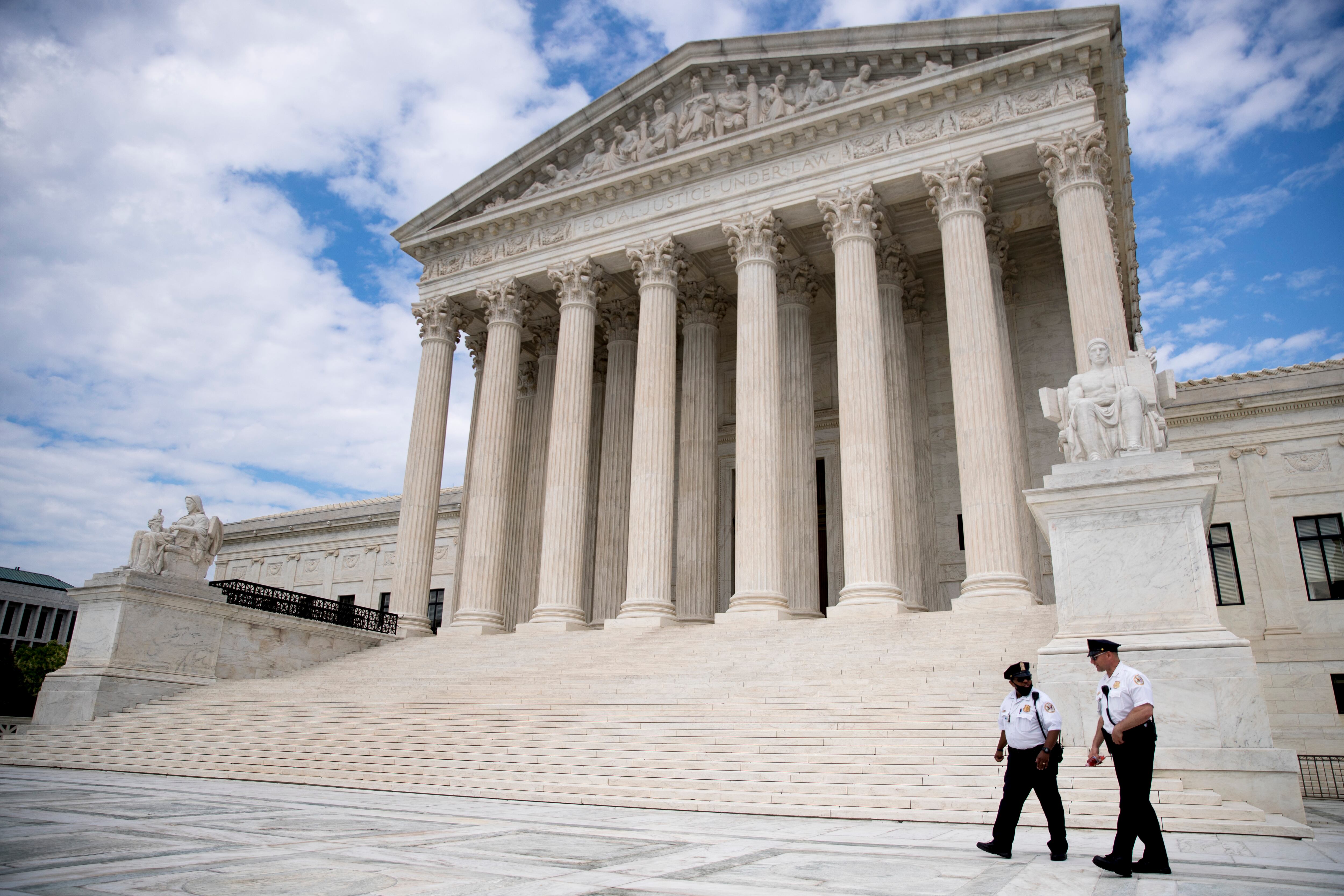
The Supreme Court is temporarily preventing the House of Representatives from obtaining secret grand jury testimony from special counsel Robert Mueller’s Russia investigation.
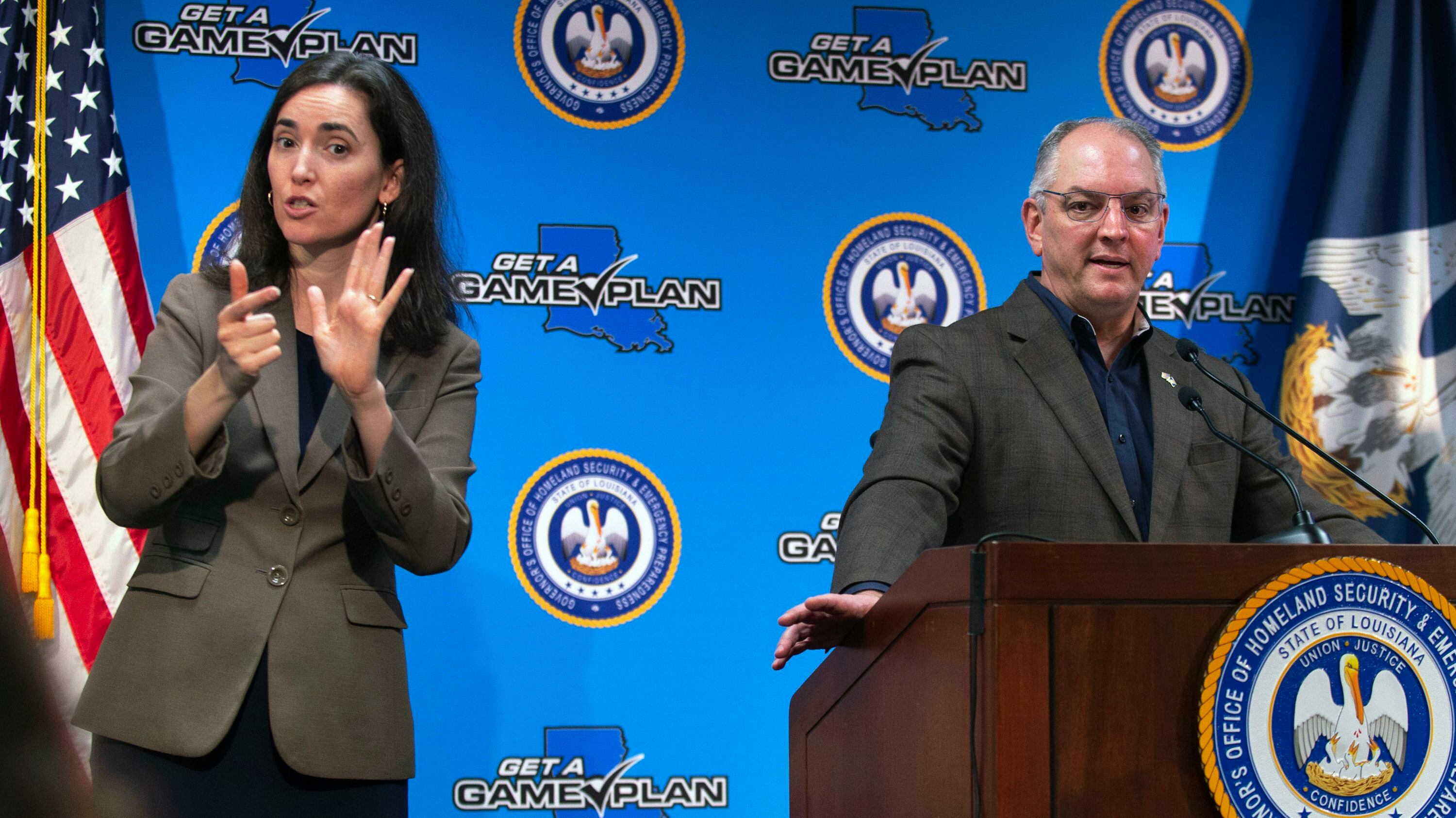
Chris Soukup, CEO of Communication Service for the Deaf discussed with Cheddar the challenges facing the community with a lack of resources and much of the new normal stemming from stay-at-home orders.
U.S. health officials have quietly released more reopening guidance that was created more than a month ago but initially shelved.
Biden campaign senior advisor Symone Sanders told Cheddar on Tuesday,"Vice President Biden said just last week he can't wait to get back out there on the campaign trail, but we're going to do so when it's safe."
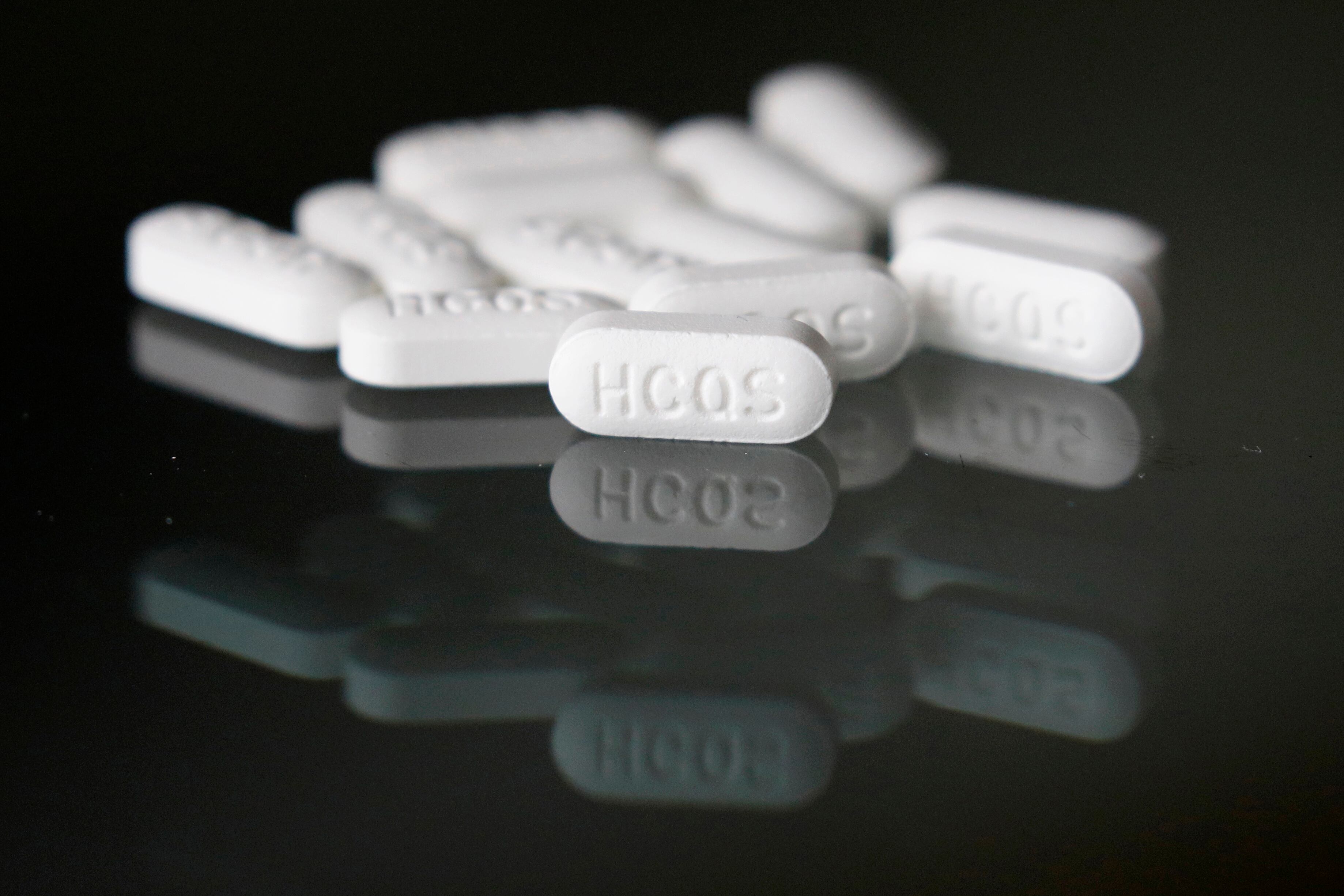
Dr. Leana Wen, an emergency physician, explained the potential risks of taking hydroxychloroquine, and how President Trump needs to change his rhetoric for the sake of public health.
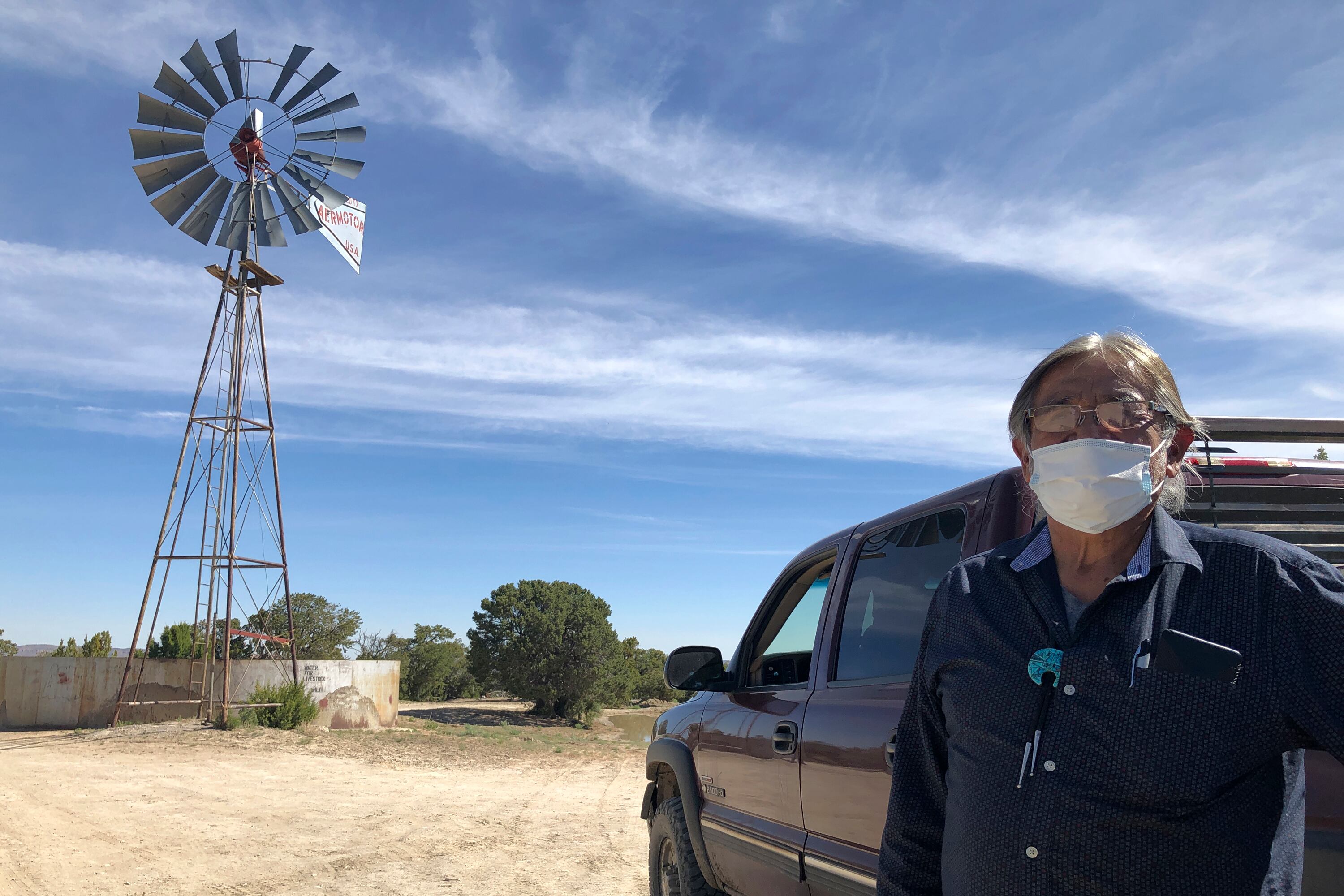
Even as some states begin the process of reopening their economies, Native American tribes are dealing with disproportionate challenges during the pandemic. The Navajo Nation, in particular, has suffered greatly. "The native communities are the ones that are suffering the most from the virus," former New Mexico Governor Bill Richardson told Cheddar. "Close to 30 to 40 percent of those that are afflicted are tribal members, especially the Navajo Nation."
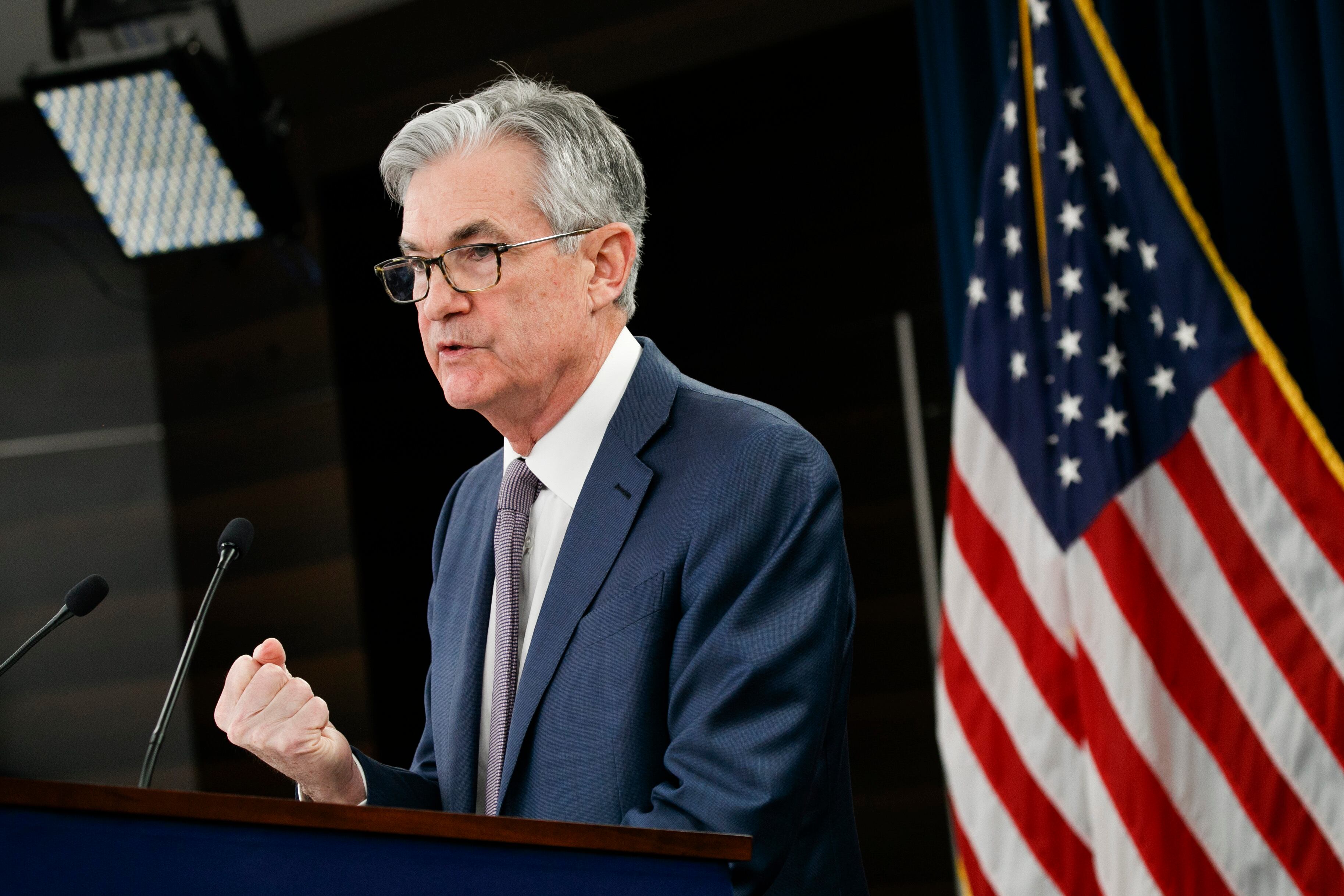
Federal Reserve Chair Jerome Powell said Tuesday that the central bank’s lending programs for medium-sized businesses and state and local governments will be operational by the end of this month.