The National Oceanic and Atmospheric Administration has released its 2023 Spring outlook and the ongoing trend of unseasonable weather could be continuing.
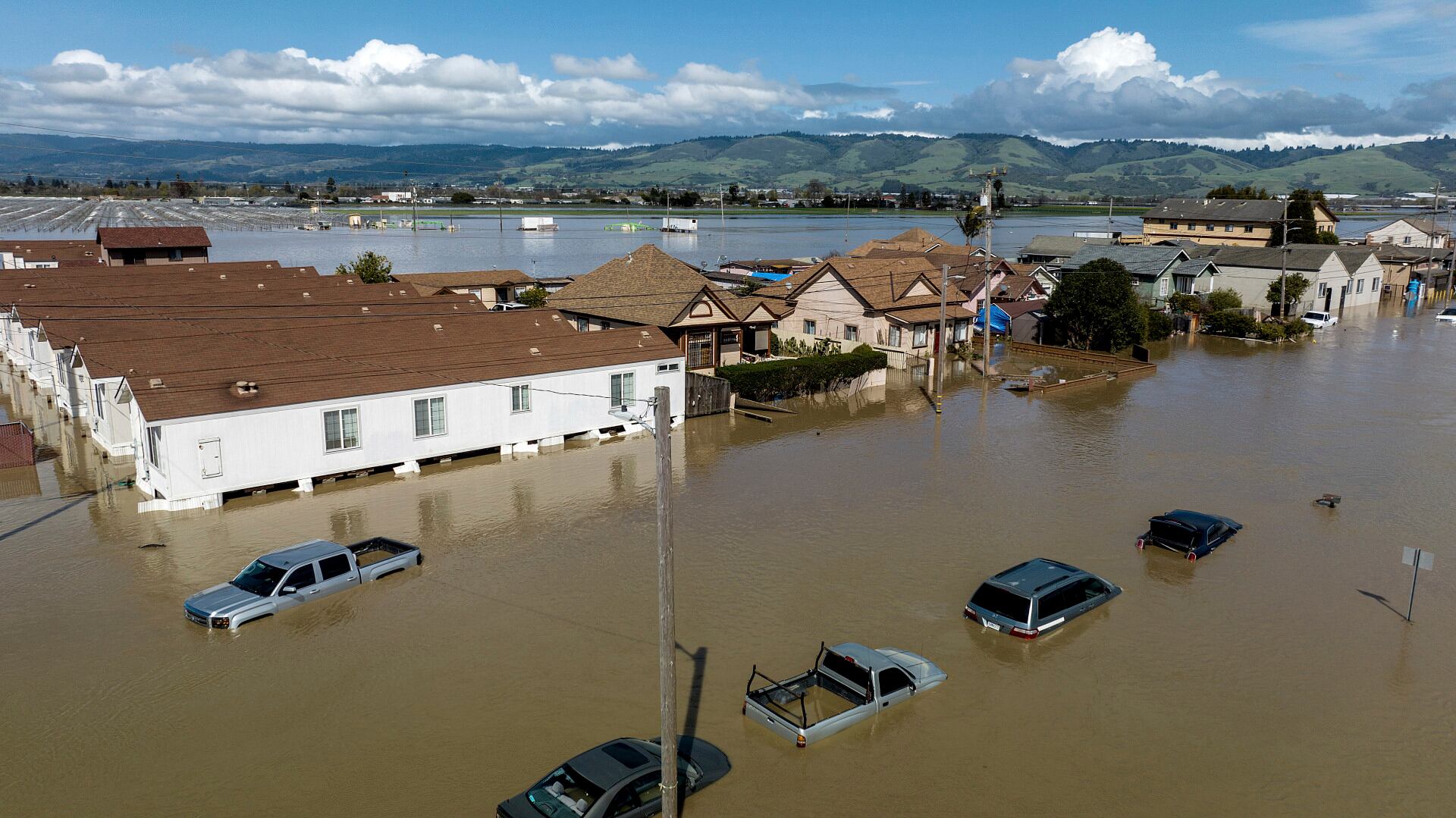
One of the major takeaways from the report is that drought conditions in the Western U.S. are set to improve. The region that has been inundated with wet weather for much of the winter will see some reprieve when it comes to drought.
"Climate change is driving both wet and dry extremes, as illustrated by NOAA's observations and data that inform this seasonal outlook," said Rick Spinrad, Ph.D, NOAA administrator. "Under the Bipartisan Infrastructure Law and Inflation Reduction Act, and in support of the Biden Administration's priority to tackle the climate crisis, NOAA will invest significant resources to build a Climate-Ready Nation that gives communities tailored information about changing conditions so that residents and economies are protected."
In California, drought status is expected to improve even more as snowpacks that built up over the winter eventually melt. The conditions in the central Plains and in Florida are also expected to improve with Spring rainfalls.
Meanwhile, when it comes to heat and high temperatures, a swath of Southern and East Coast states will be above average. Alaska and Hawaii are also predicted to see above average temperatures between April and June.
NOAA said flooding could also significantly impact most states east of the Mississippi River.
"Approximately 44 percent of the U.S. is at risk for flooding this spring," said Ed Clark, the director of NOAA's National Water Center. "California's snowpack, coupled with spring rain, is heightening the potential for spring floods."
From Wall Street to Silicon Valley, these are the top stories that moved markets and had investors, business leaders, and entrepreneurs talking this week on Cheddar.
It’s been Immigration Week on Capitol Hill but now it’s time to move on. So what will drive headlines in the week ahead? Here’s a look at the Washington Week Ahead.
The Secure and Fair Enforcement (SAFE) Banking Act is expected to pass the Democrat-controlled House, where it passed before in 2019 and 2020, but could face a tougher battle in the split Senate.
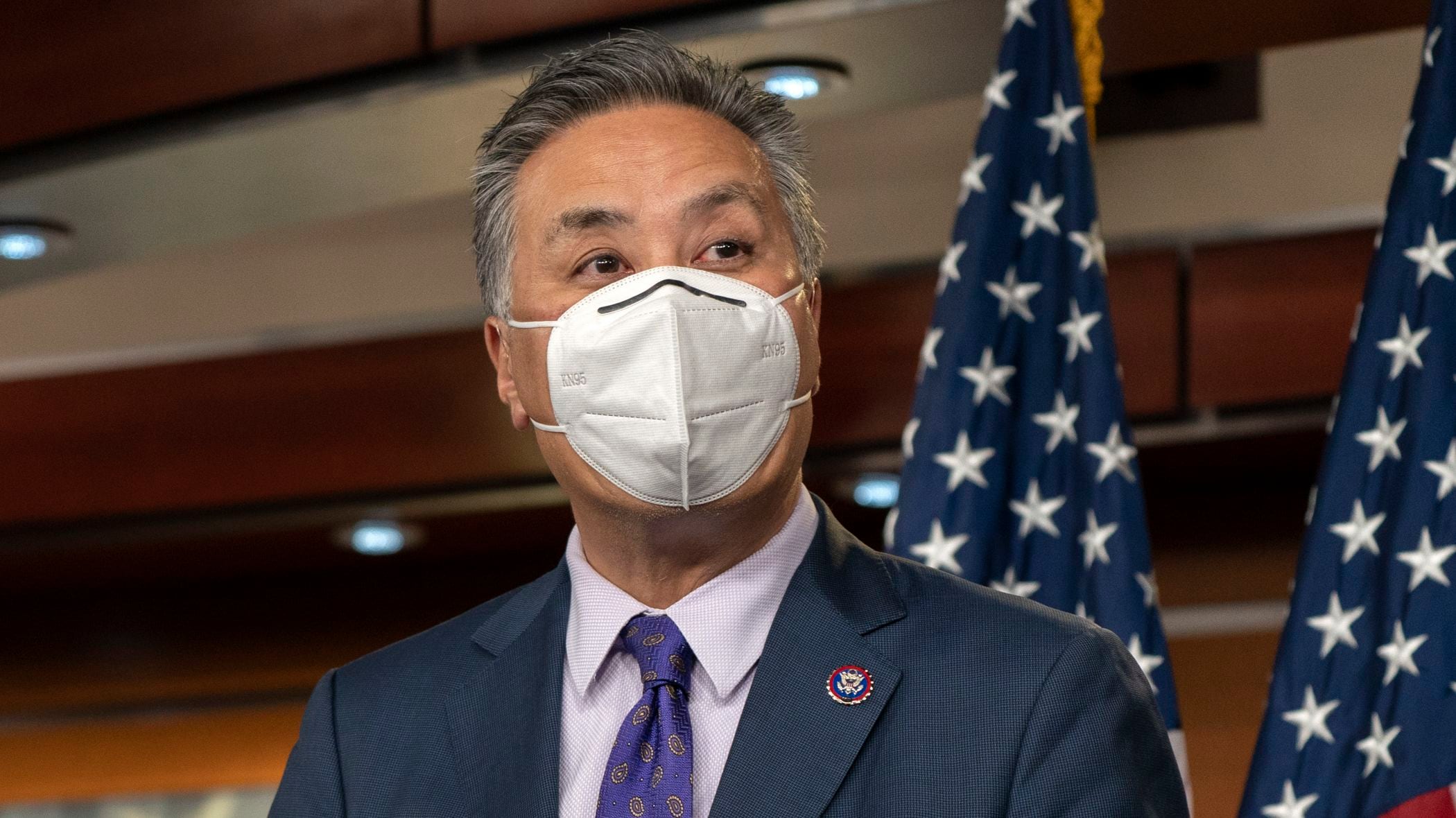
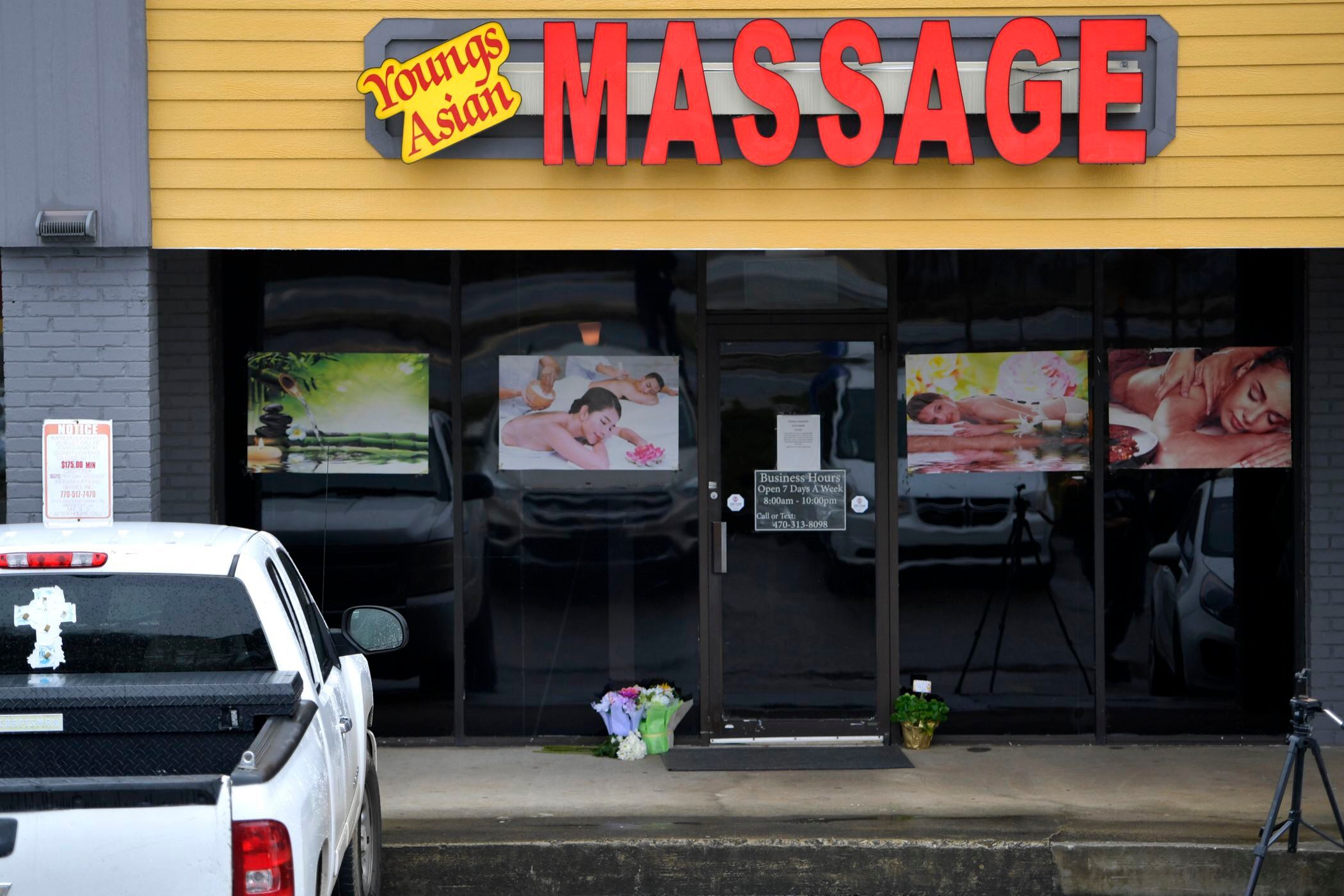
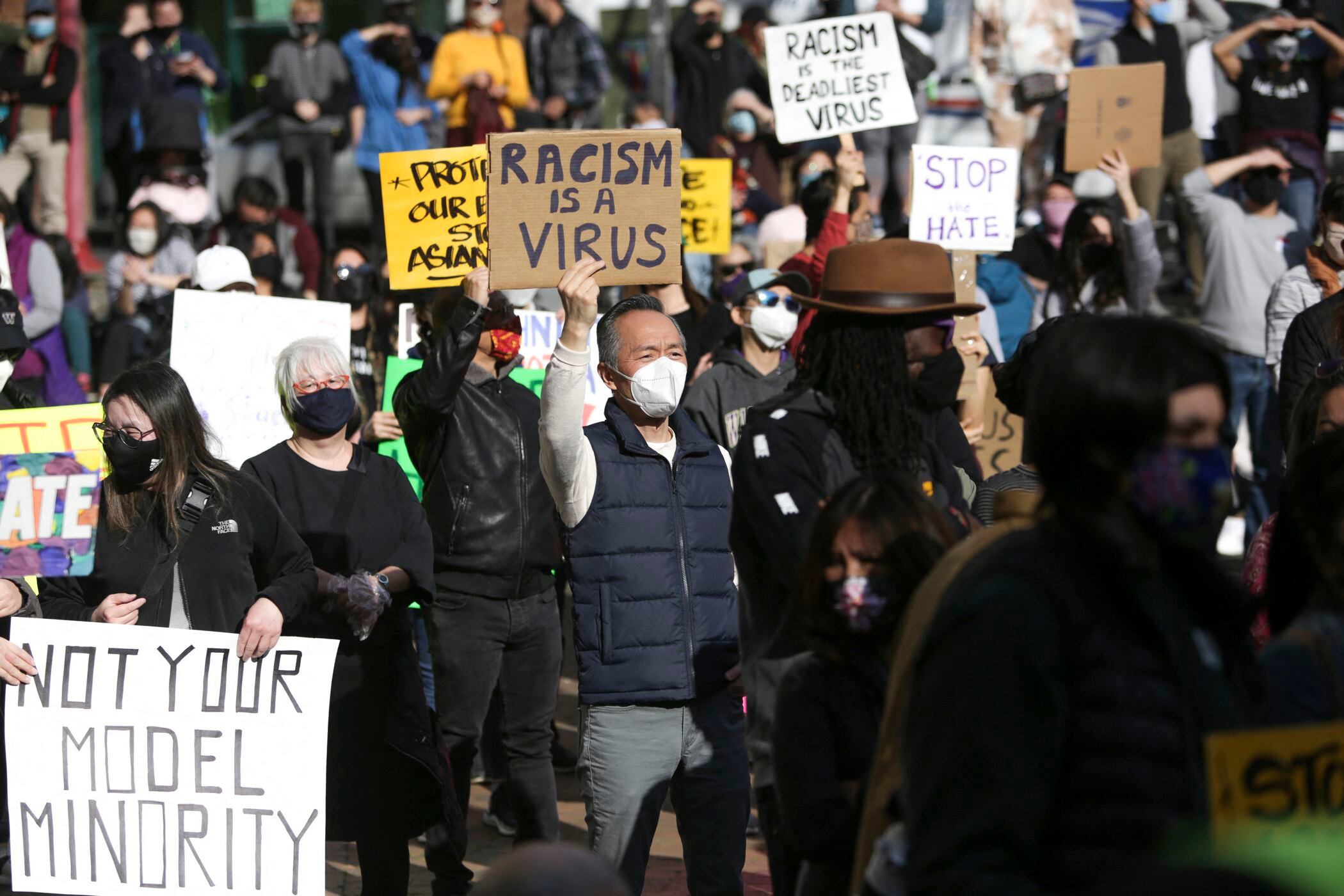
Rep. Mark Takano (D- Calif. 41st District) discusses the need to pass the COVID-19 Hate Crimes Act especially in the wake of the shooting deaths of eight people in Atlanta area spas, six of them being women of Asian descent.
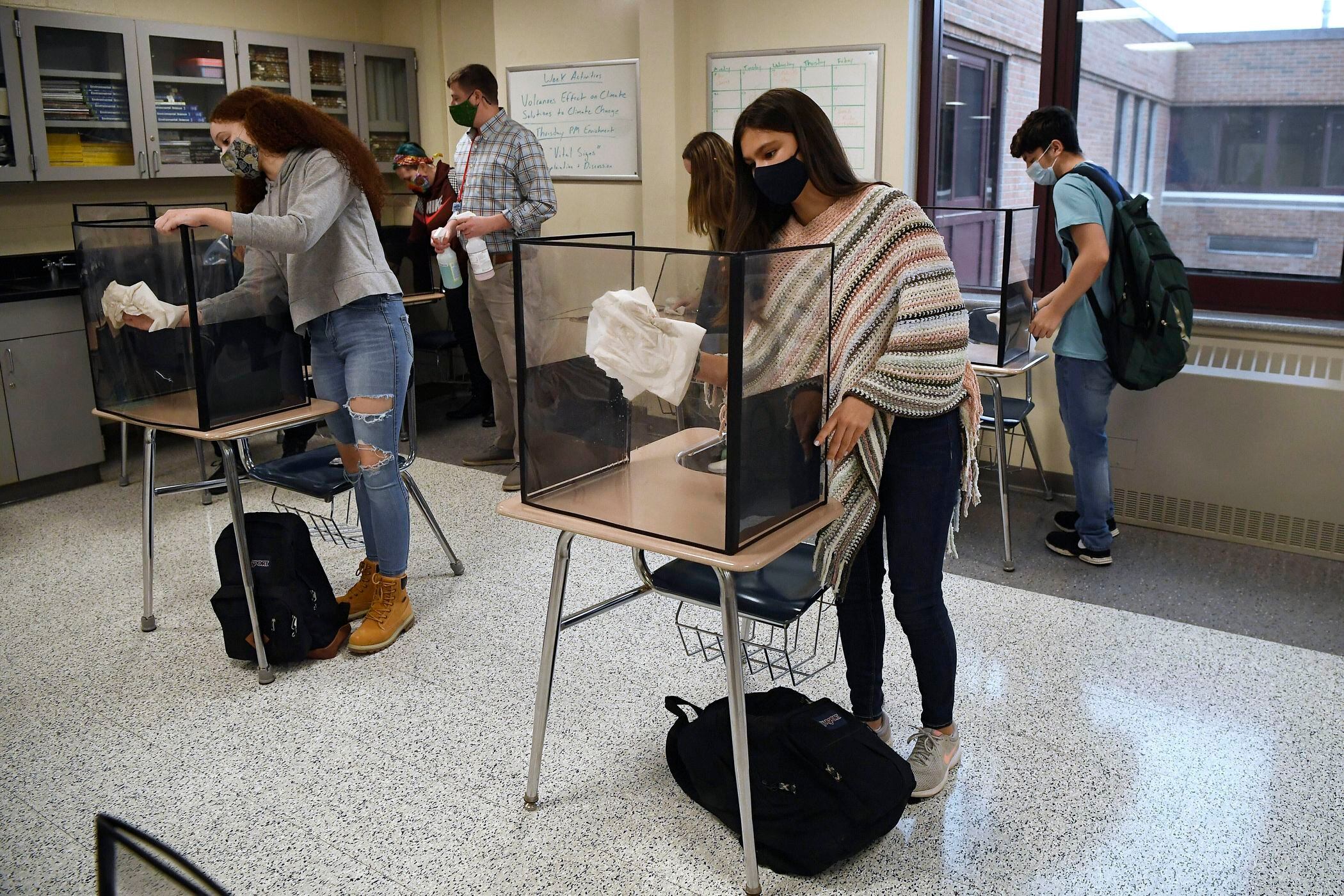
U.S. health officials are relaxing social distancing recommendations for schools, now saying students can sit as close as 3 feet to each other in classrooms.
The Federal Reserve says it will restore capital requirements for large banks that were relaxed as part of the Fed’s efforts to shore up the financial system during the early days of the pandemic.
Rep. Marilyn Strickland (D-Wash. 10th District), one of four Korean Americans to be elected to Congress, talked about the need for urgency and accountability following the killing of eight people, including six Asian women.
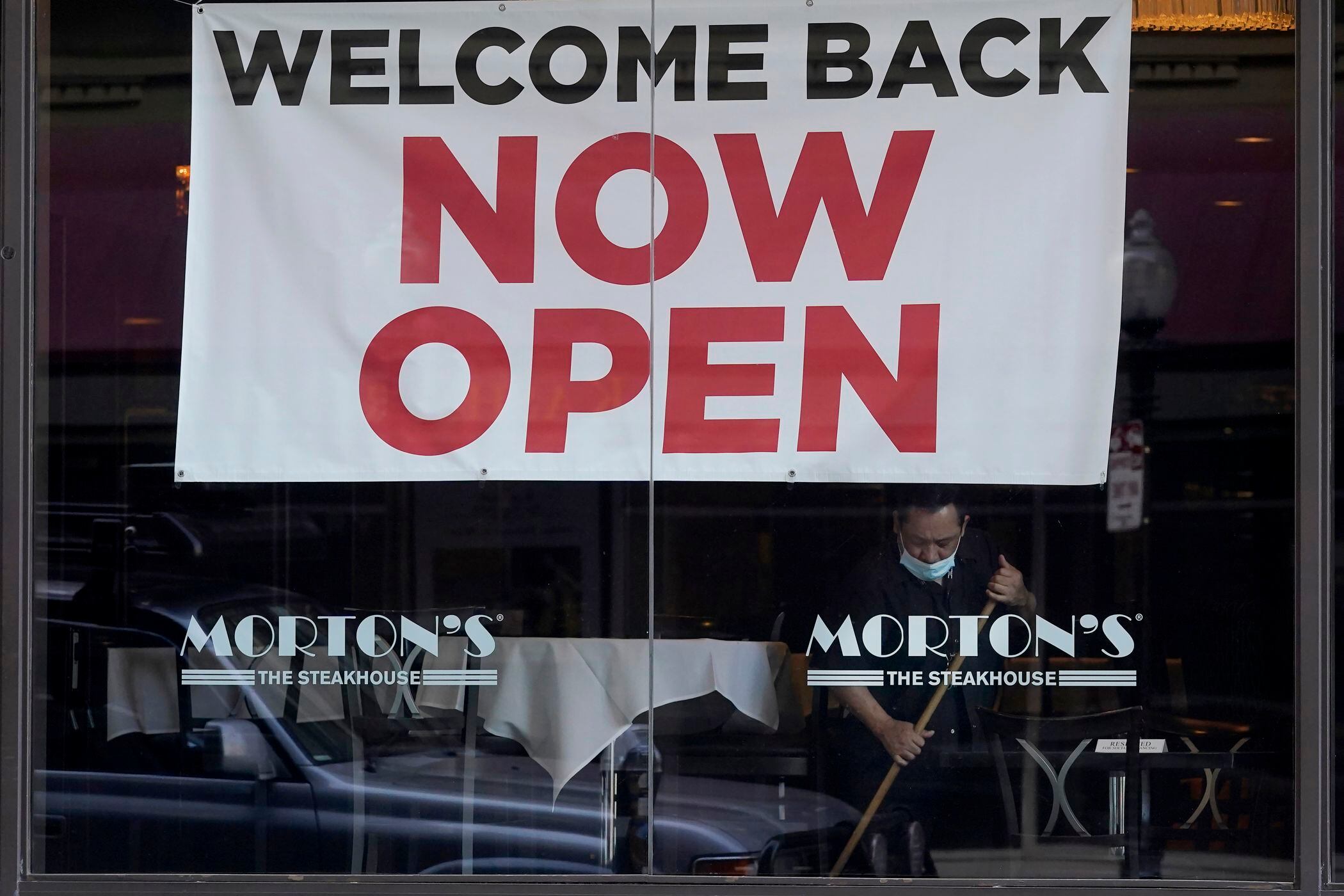
The number of Americans seeking unemployment benefits rose last week to 770,000, a sign that layoffs remain high even as much of the U.S. economy is steadily recovering from the coronavirus recession.
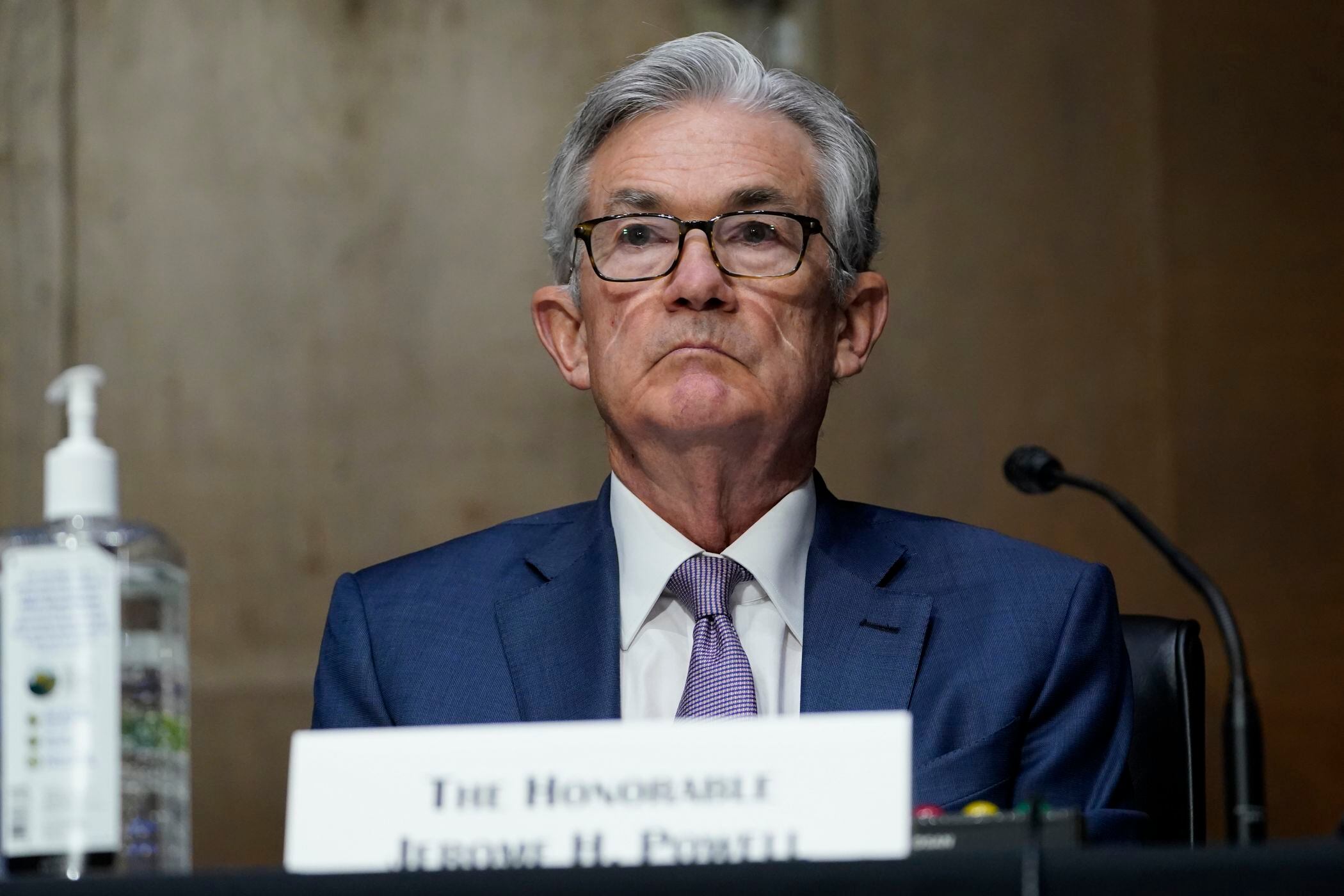
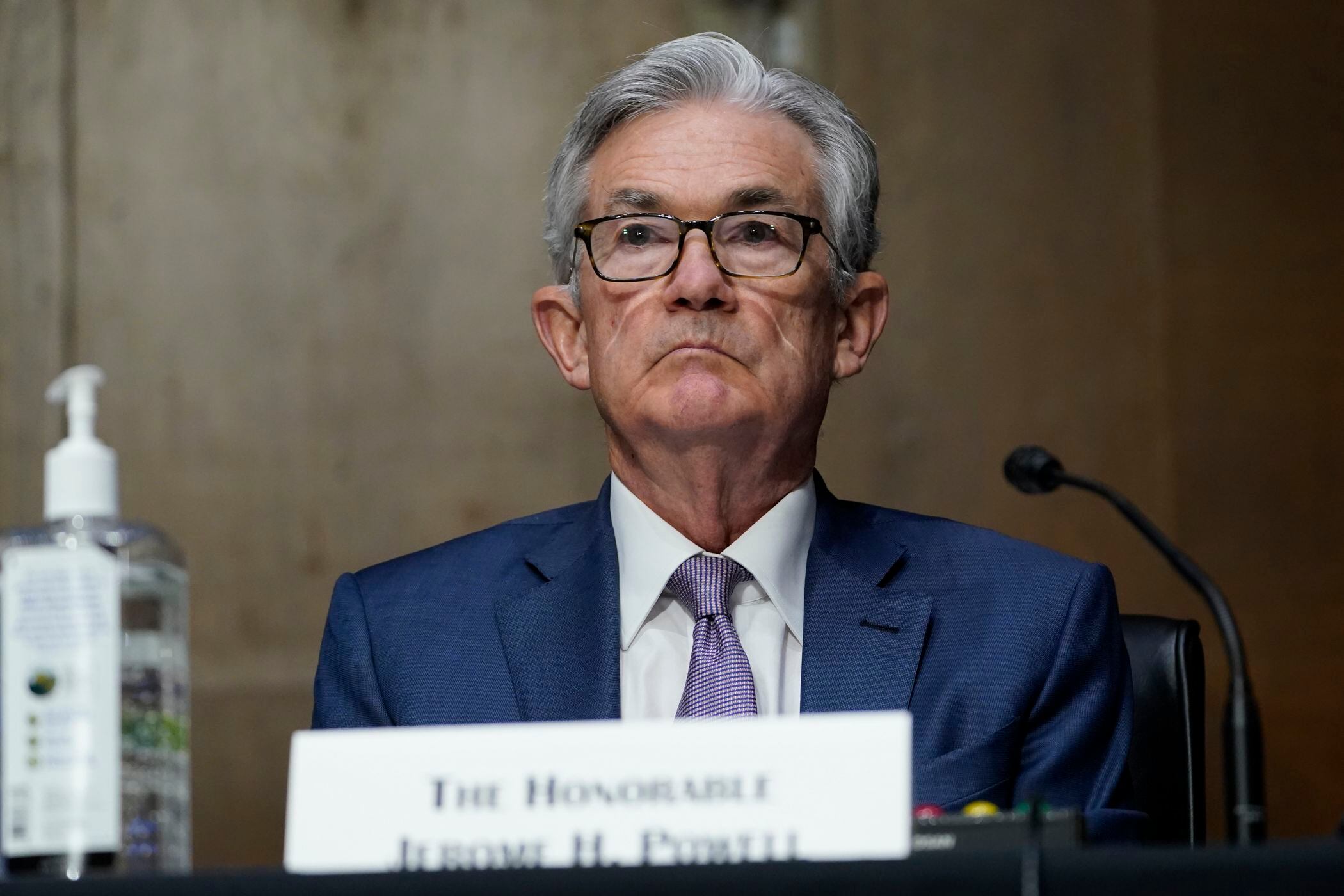
Federal Reserve Chairman Jerome Powell once again doubled down on the easy money policies that have defined the central bank's response to the pandemic-fueled economic downturn.
Stop AAPI Hate co-founder Cynthia Choi joined Cheddar to discuss anti-Asian hate crime reporting and what Americans can do to combat incidents of racial discrimination against Asian and Pacific Islander Americans.