The National Oceanic and Atmospheric Administration has released its 2023 Spring outlook and the ongoing trend of unseasonable weather could be continuing.
One of the major takeaways from the report is that drought conditions in the Western U.S. are set to improve. The region that has been inundated with wet weather for much of the winter will see some reprieve when it comes to drought.
"Climate change is driving both wet and dry extremes, as illustrated by NOAA's observations and data that inform this seasonal outlook," said Rick Spinrad, Ph.D, NOAA administrator. "Under the Bipartisan Infrastructure Law and Inflation Reduction Act, and in support of the Biden Administration's priority to tackle the climate crisis, NOAA will invest significant resources to build a Climate-Ready Nation that gives communities tailored information about changing conditions so that residents and economies are protected."
In California, drought status is expected to improve even more as snowpacks that built up over the winter eventually melt. The conditions in the central Plains and in Florida are also expected to improve with Spring rainfalls.
Meanwhile, when it comes to heat and high temperatures, a swath of Southern and East Coast states will be above average. Alaska and Hawaii are also predicted to see above average temperatures between April and June.
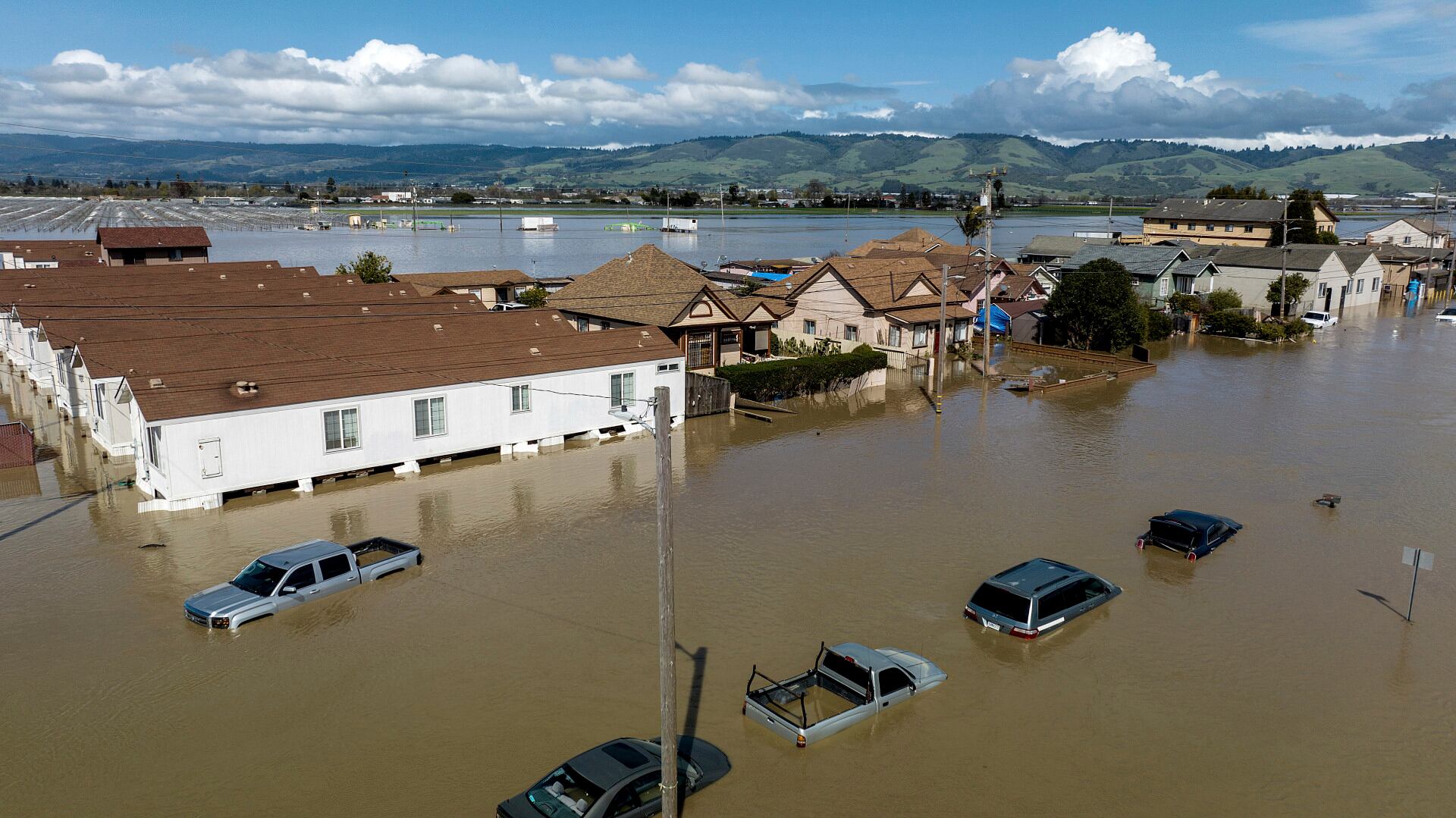
NOAA said flooding could also significantly impact most states east of the Mississippi River.
"Approximately 44 percent of the U.S. is at risk for flooding this spring," said Ed Clark, the director of NOAA's National Water Center. "California's snowpack, coupled with spring rain, is heightening the potential for spring floods."
Australia says it will fight against plans to downgrade the Great Barrier Reef’s World Heritage status due to climate change, while environmentalists are applauding the U.N. World Heritage Committee’s proposal.
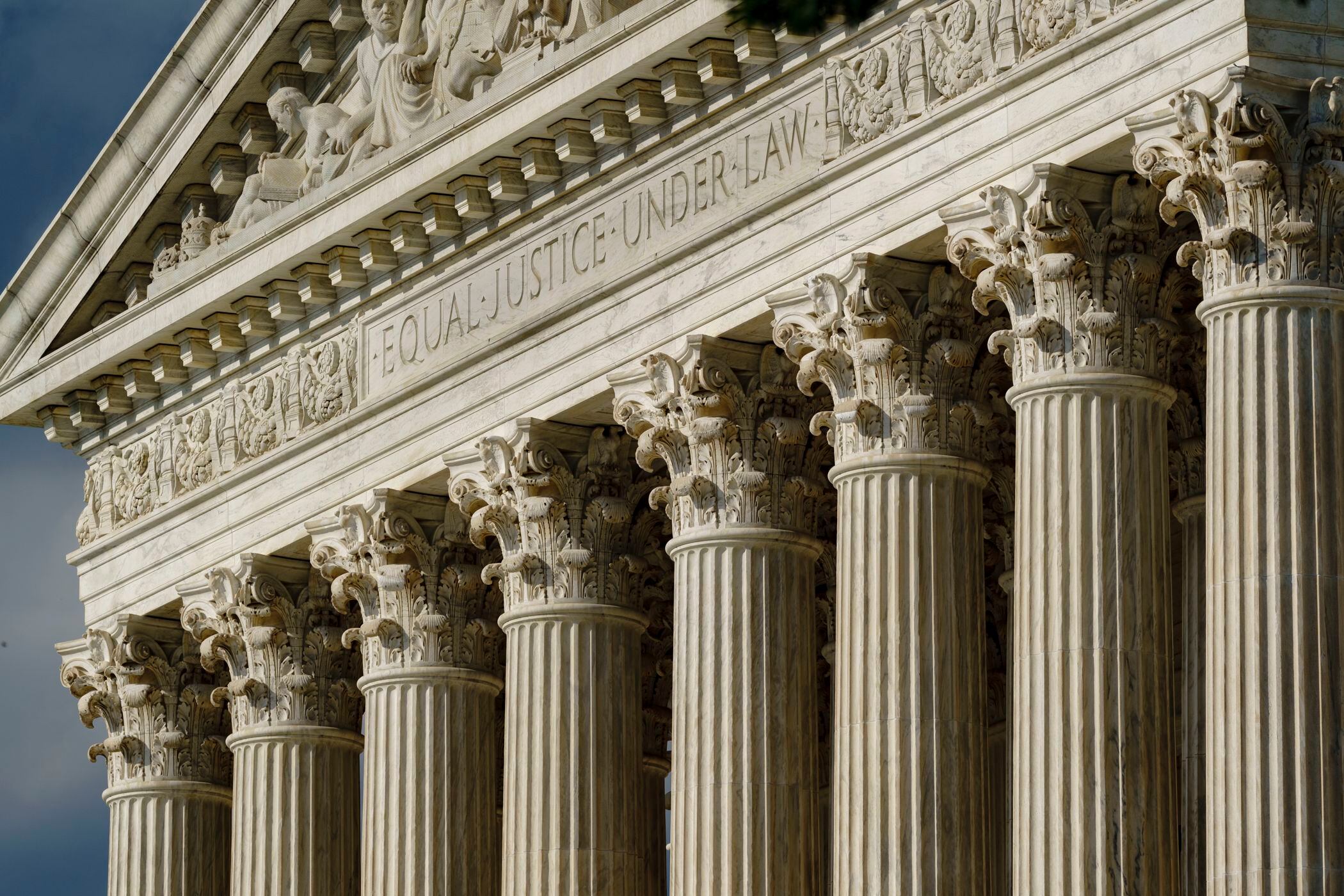
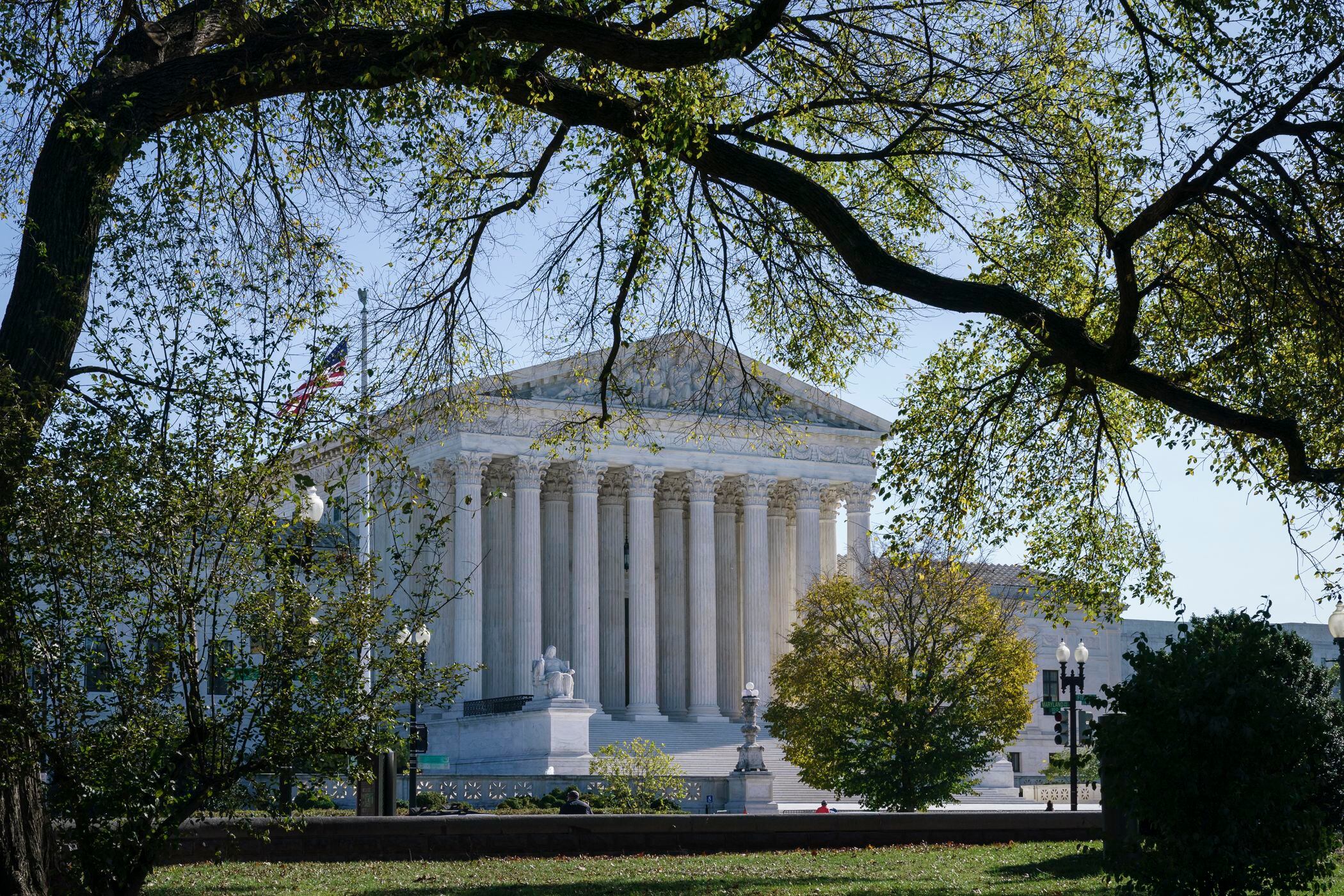
he Supreme Court has decided unanimously that the NCAA cannot enforce rules limiting education-related benefits that colleges offer to student athletes — things like computers and paid internships.
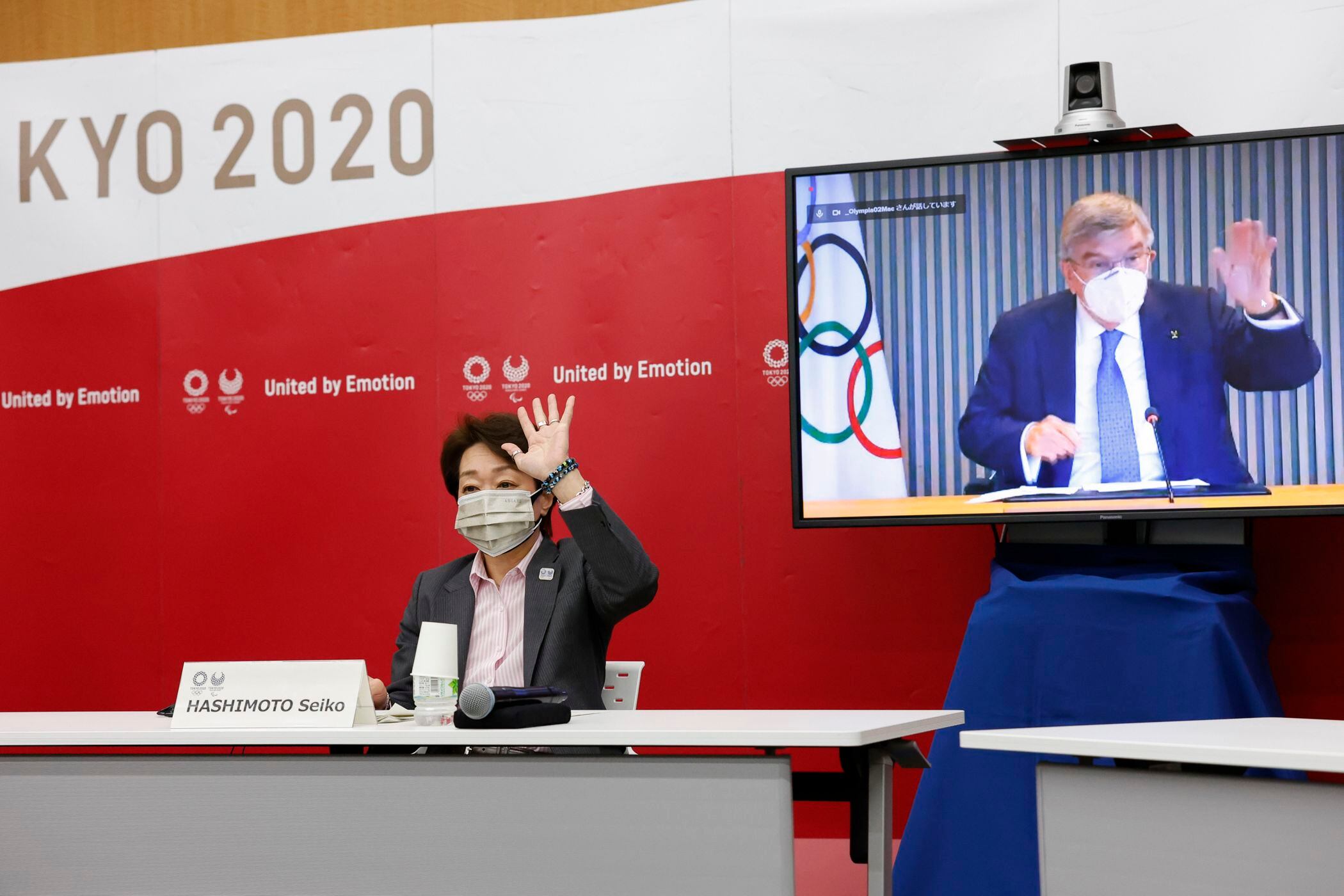
A sharply limited number of fans will be allowed to attend the Tokyo Olympics. The decision announced Monday comes as organizers try to save some of the spirit of the Games where even cheering has been banned.
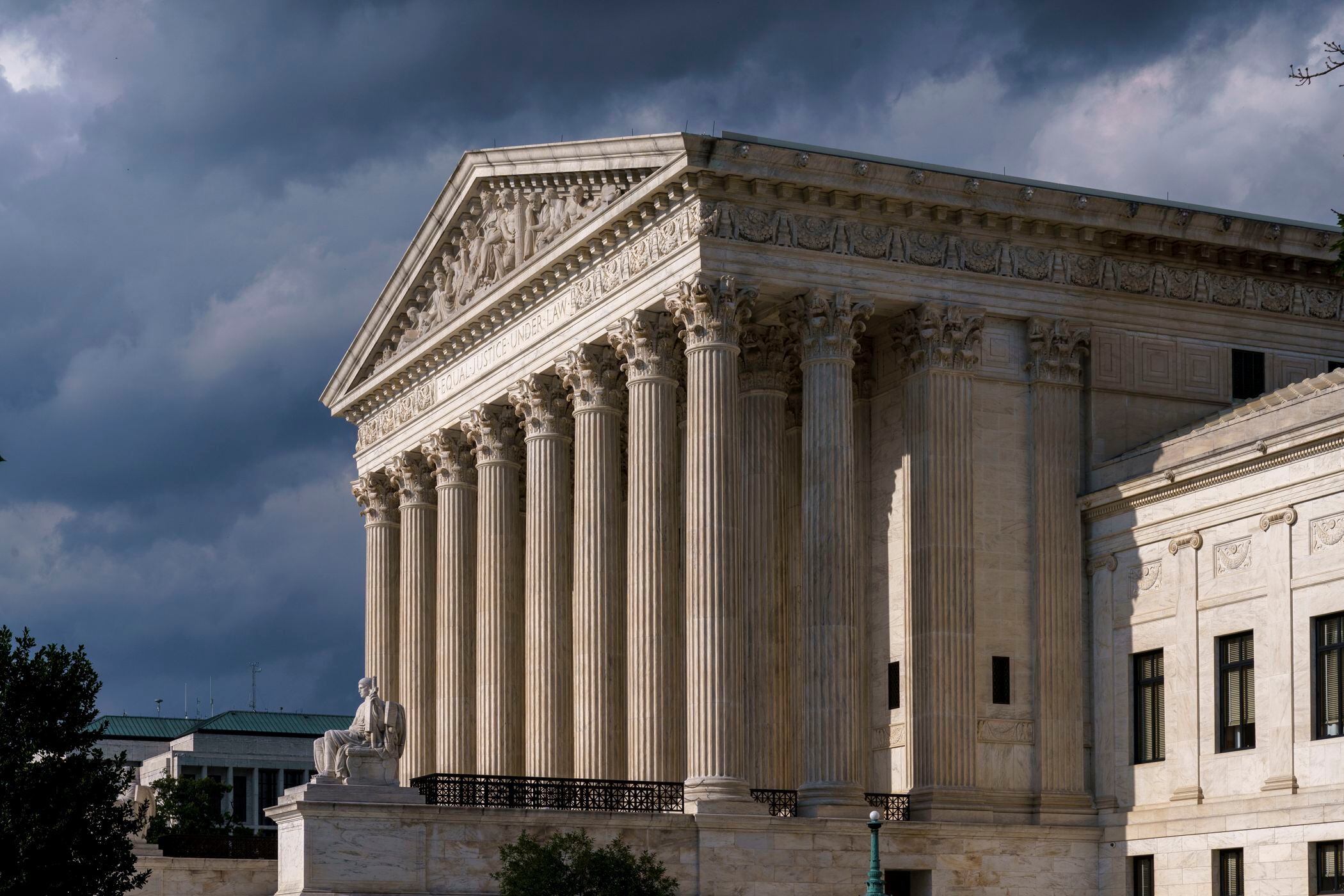
The Supreme Court has dismissed a challenge to the Obama era health care law, preserving insurance coverage for millions of Americans.
The Supreme Court has ruled that the city of Philadelphia violated the Constitution by limiting its relationship with a Catholic foster care agency over that group's refusal to certify same-sex couples as foster parents.
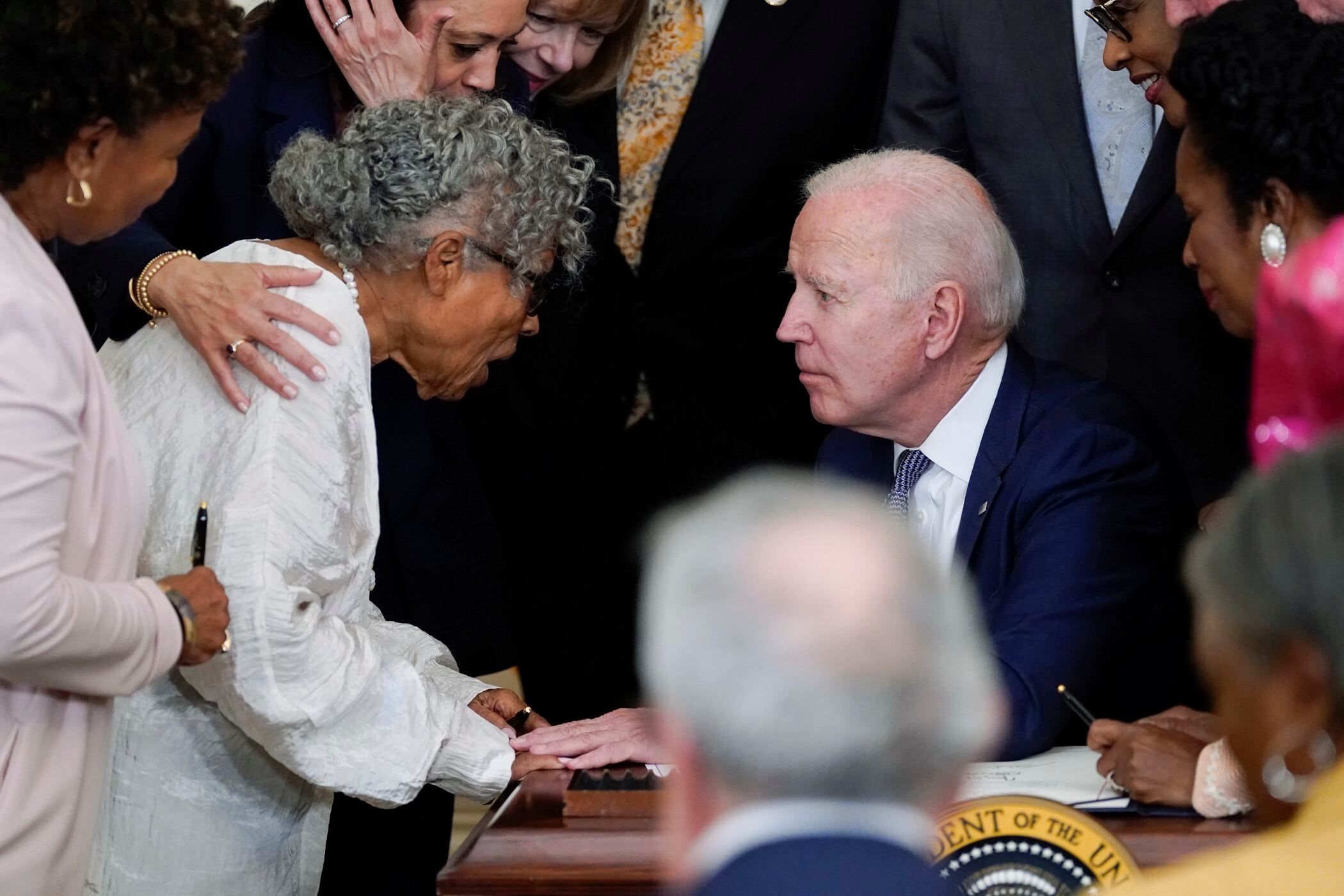
President Joe Biden has signed legislation Thursday establishing a new federal holiday commemorating the end of slavery, saying he believes it will go down as one of the greatest honors he has as president.
The number of Americans applying for unemployment benefits rose last week for the first time since April despite widespread evidence that the economy and the job market are rebounding steadily from the pandemic recession.
How much do you think cops make? A few hundred thousand per year? It sounds extreme, but this is the case in many cities across the country thanks to a slew of financial perks in ironclad union contracts.
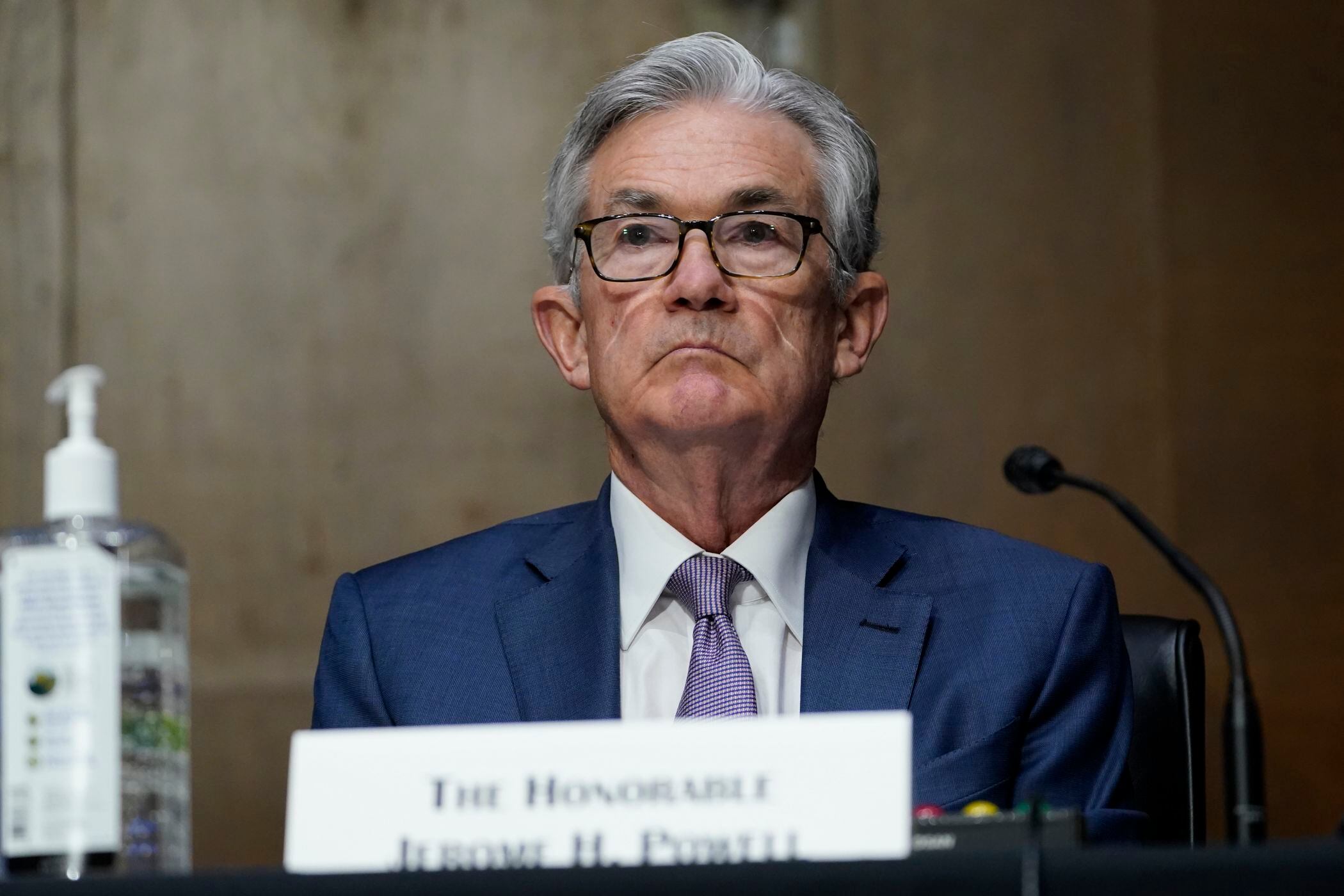
The Federal Reserve is holding steady on the dovish policy stance that it's maintained since the beginning of the pandemic but not without a hat-tip to those worried about rising inflation.
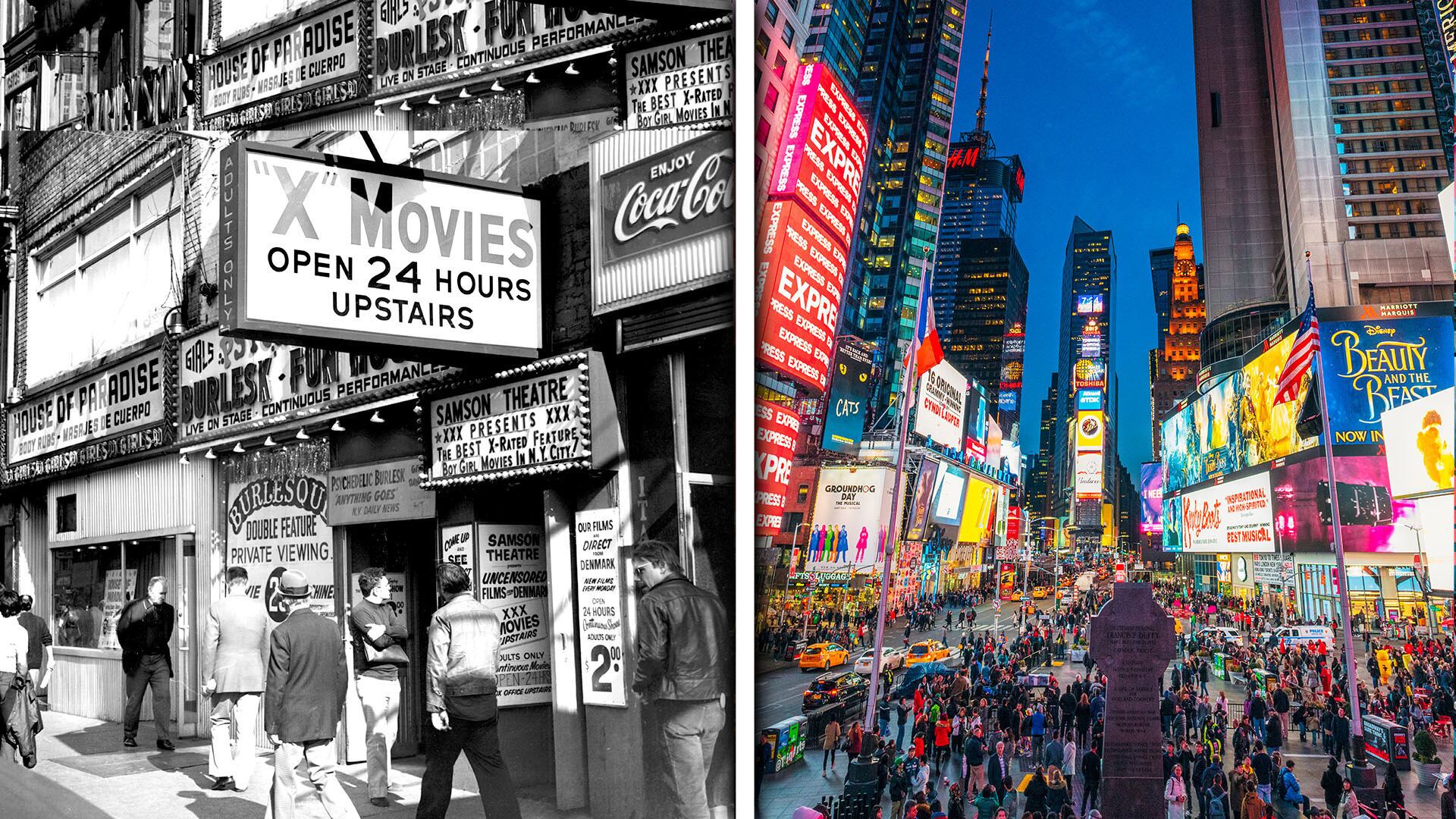
Just 40 years ago, New York City's Times Square was a very different place: crime-ridden and adult theaters as the main source of entertainment. Cheddar explains how it went from this to one of the top tourist attractions in the world.