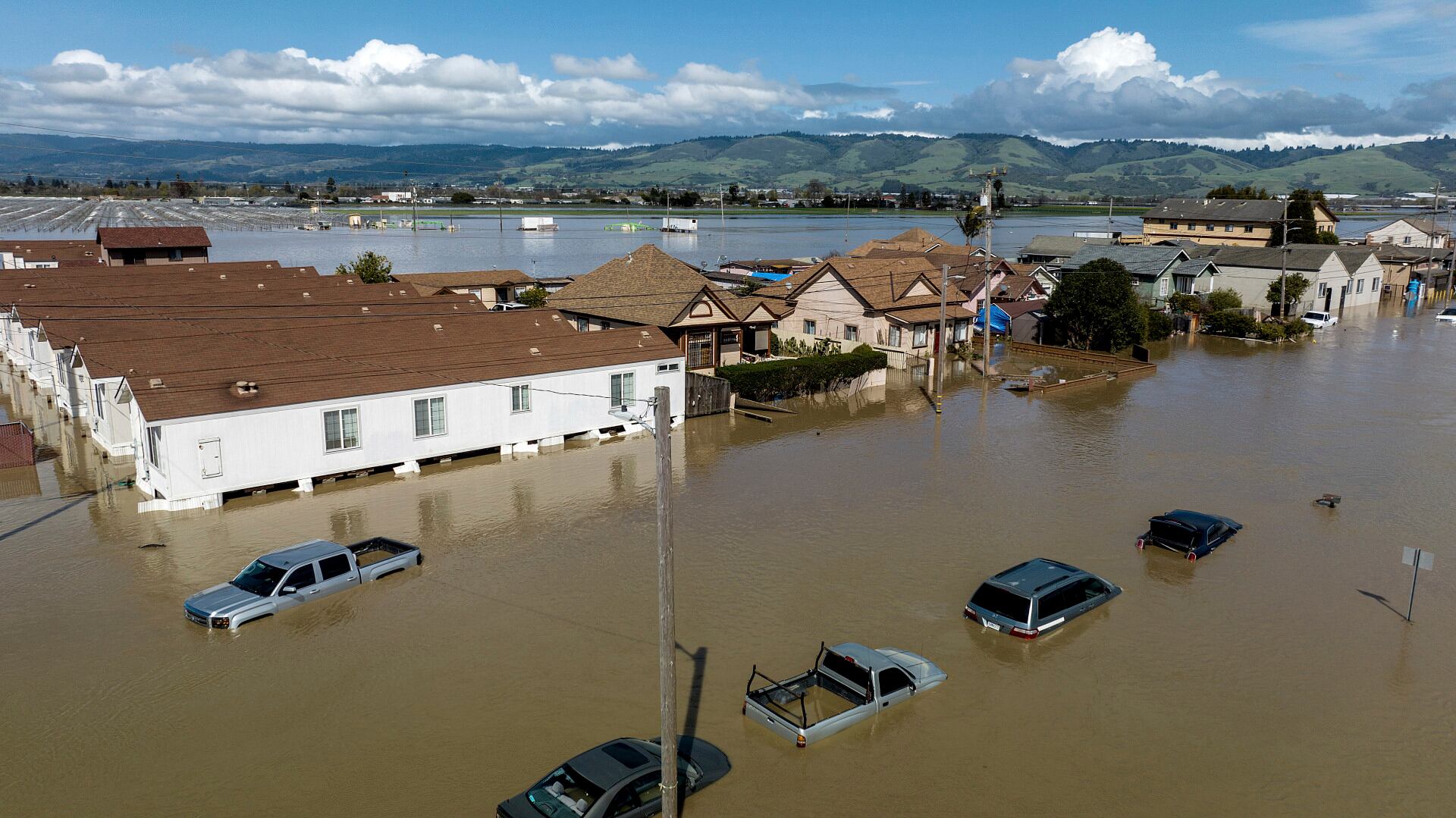
The National Oceanic and Atmospheric Administration has released its 2023 Spring outlook and the ongoing trend of unseasonable weather could be continuing.
One of the major takeaways from the report is that drought conditions in the Western U.S. are set to improve. The region that has been inundated with wet weather for much of the winter will see some reprieve when it comes to drought.
"Climate change is driving both wet and dry extremes, as illustrated by NOAA's observations and data that inform this seasonal outlook," said Rick Spinrad, Ph.D, NOAA administrator. "Under the Bipartisan Infrastructure Law and Inflation Reduction Act, and in support of the Biden Administration's priority to tackle the climate crisis, NOAA will invest significant resources to build a Climate-Ready Nation that gives communities tailored information about changing conditions so that residents and economies are protected."
In California, drought status is expected to improve even more as snowpacks that built up over the winter eventually melt. The conditions in the central Plains and in Florida are also expected to improve with Spring rainfalls.
Meanwhile, when it comes to heat and high temperatures, a swath of Southern and East Coast states will be above average. Alaska and Hawaii are also predicted to see above average temperatures between April and June.
NOAA said flooding could also significantly impact most states east of the Mississippi River.
"Approximately 44 percent of the U.S. is at risk for flooding this spring," said Ed Clark, the director of NOAA's National Water Center. "California's snowpack, coupled with spring rain, is heightening the potential for spring floods."
President Joe Biden says he stands “squarely behind” his decision for the U.S. to leave Afghanistan.
Stock indexes closed at record highs on Wall Street Monday, despite rising coronavirus infections in the U.S. and around the globe, as well as geopolitical concerns in Asia.
From Wall Street to Silicon Valley, these are the top stories that moved markets and had investors, business leaders, and entrepreneurs talking this week on Cheddar.
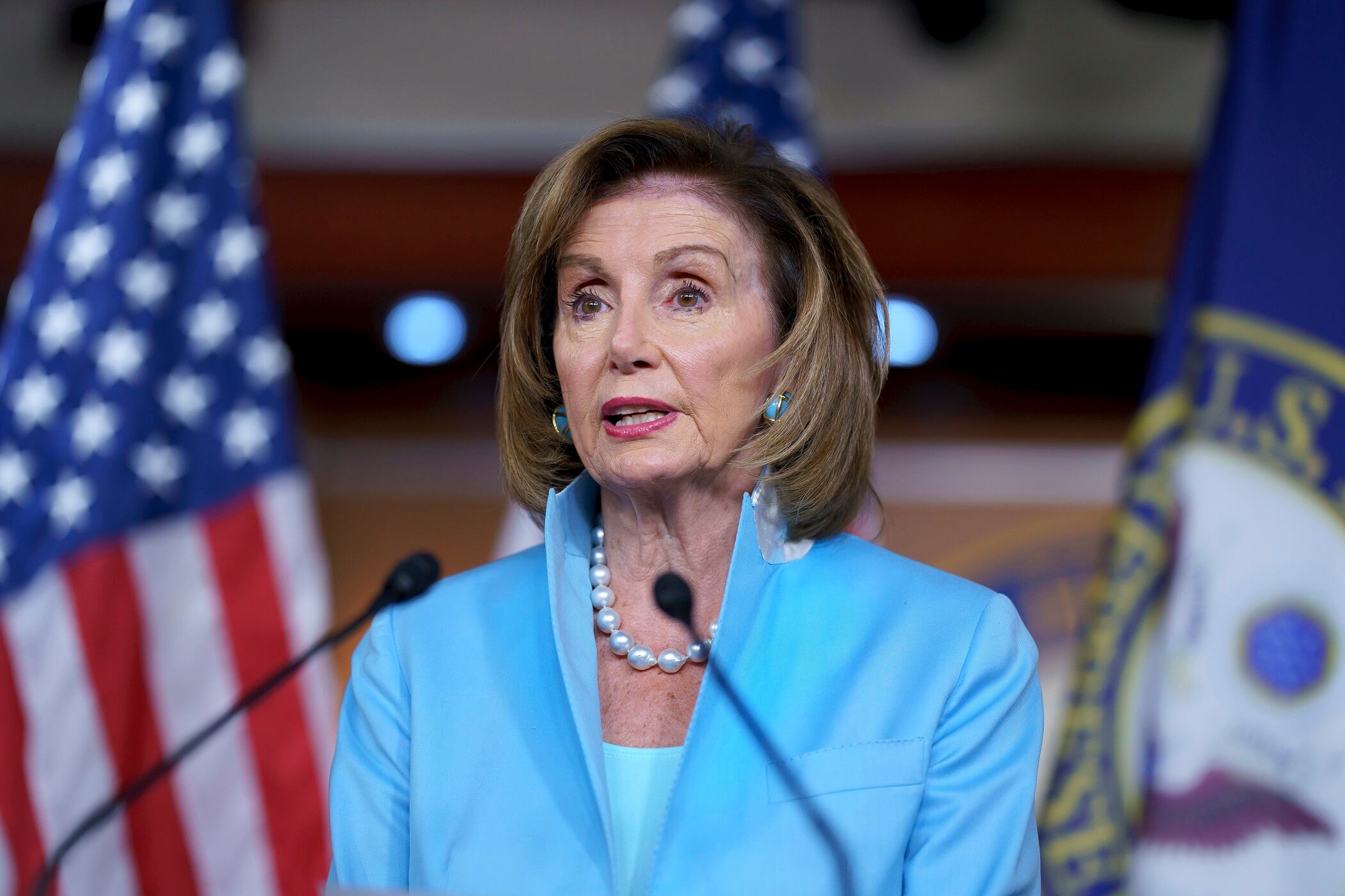
House Speaker Nancy Pelosi is facing a fresh hurdle to passing President Joe Biden’s multi-trillion dollar domestic policy aspirations.
Collapse of Afghanistan, Future of Fast Food & Britney Gets a Win
The U.S. is sending an additional 3,000 troops to Afghanistan to assist in the evacuation of some personnel from the U.S. Embassy in Kabul.
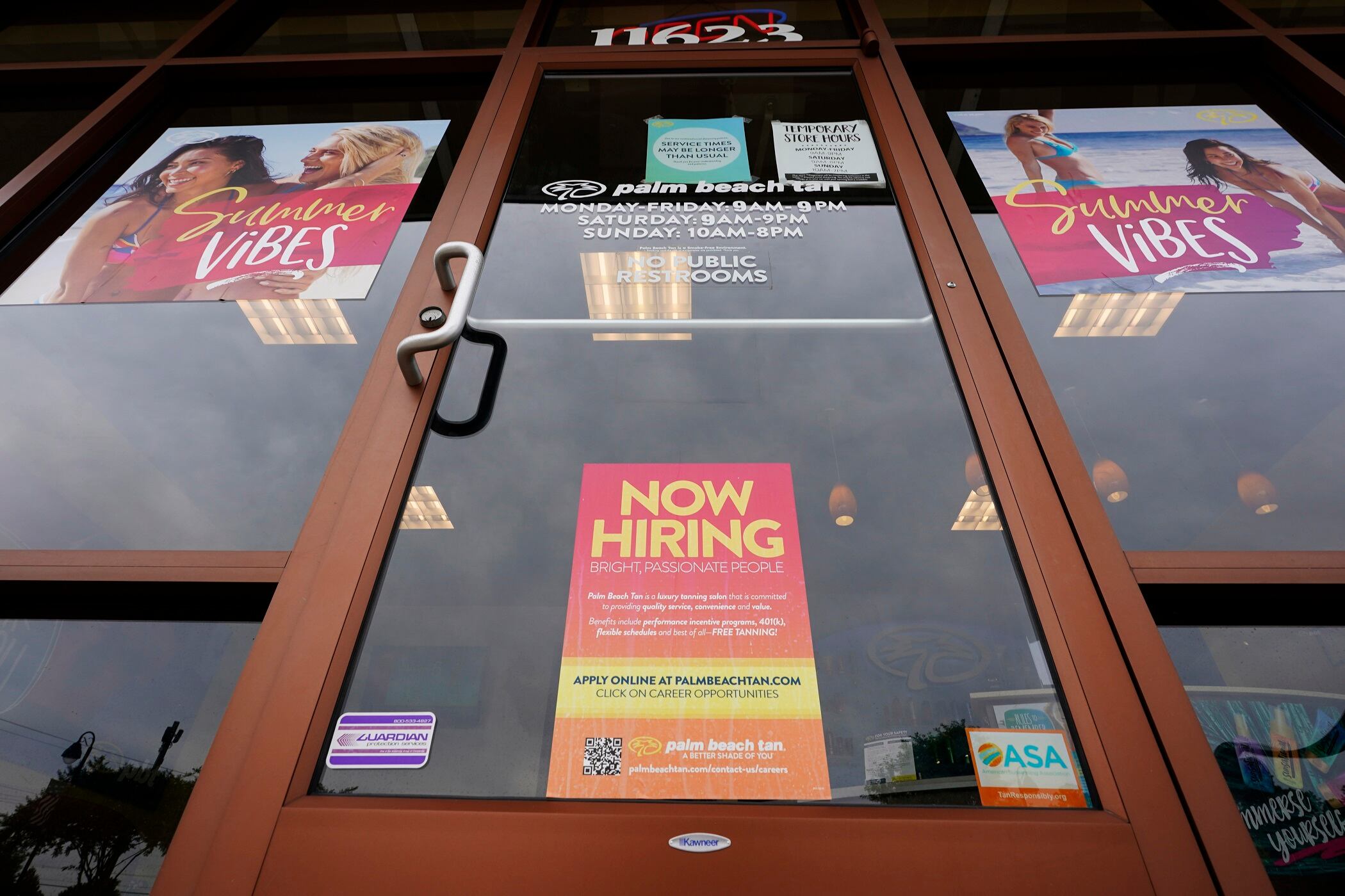
The number of Americans seeking unemployment benefits fell for a third straight time last week, the latest sign that employers are laying off fewer people as they struggle to fill a record number of open jobs and meet a surge in consumer demand.
A controversial crypto provision, which would impose tax-reporting requirements on a broad cross-section of digital asset holders, slipped into the Senate infrastructure bill despite pushback from the industry's nascent lobbying arm.
Prices for U.S. consumers rose last month but at the slowest pace since February, a sign that Americans could gain some relief after four months of sharp increases that elevated inflation to its fastest pace in more than a decade.
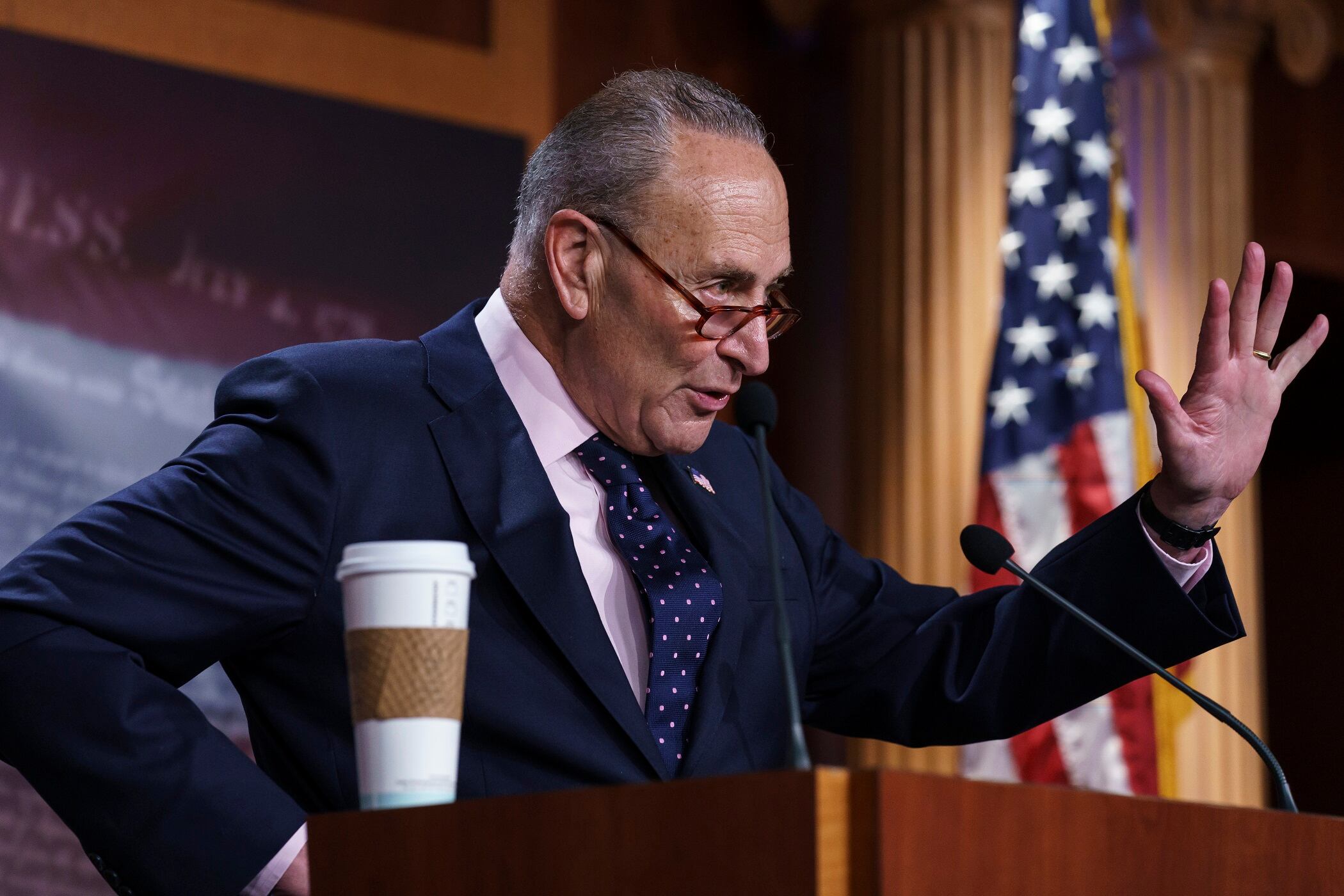
Senate Majority Leader Chuck Schumer is conceding that Democrats face a tough pathway to delivering a $3.5 trillion package for family, health and environment programs to President Joe Biden’s desk.