The National Oceanic and Atmospheric Administration has released its 2023 Spring outlook and the ongoing trend of unseasonable weather could be continuing.
One of the major takeaways from the report is that drought conditions in the Western U.S. are set to improve. The region that has been inundated with wet weather for much of the winter will see some reprieve when it comes to drought.
"Climate change is driving both wet and dry extremes, as illustrated by NOAA's observations and data that inform this seasonal outlook," said Rick Spinrad, Ph.D, NOAA administrator. "Under the Bipartisan Infrastructure Law and Inflation Reduction Act, and in support of the Biden Administration's priority to tackle the climate crisis, NOAA will invest significant resources to build a Climate-Ready Nation that gives communities tailored information about changing conditions so that residents and economies are protected."
In California, drought status is expected to improve even more as snowpacks that built up over the winter eventually melt. The conditions in the central Plains and in Florida are also expected to improve with Spring rainfalls.
Meanwhile, when it comes to heat and high temperatures, a swath of Southern and East Coast states will be above average. Alaska and Hawaii are also predicted to see above average temperatures between April and June.
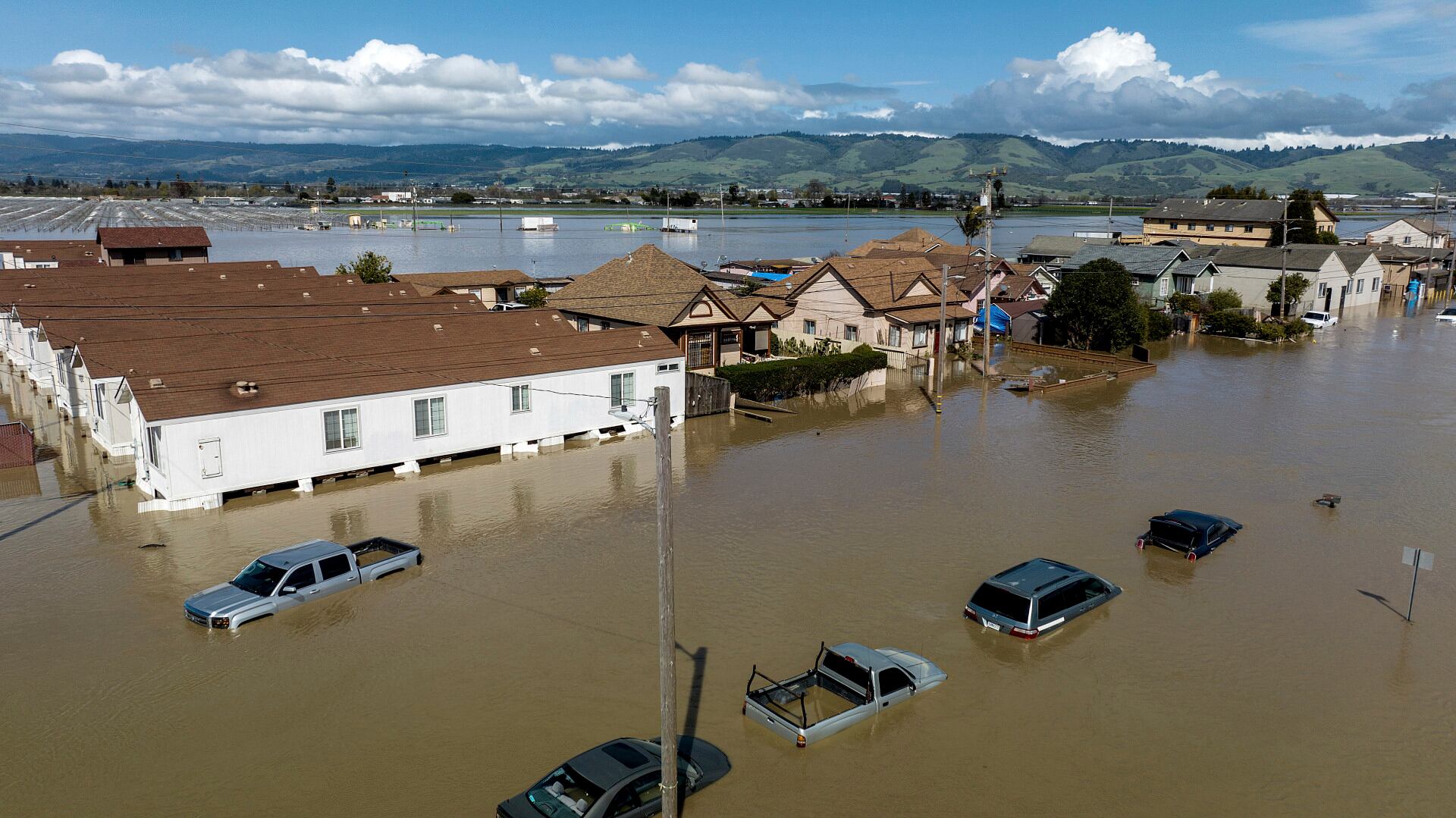
NOAA said flooding could also significantly impact most states east of the Mississippi River.
"Approximately 44 percent of the U.S. is at risk for flooding this spring," said Ed Clark, the director of NOAA's National Water Center. "California's snowpack, coupled with spring rain, is heightening the potential for spring floods."
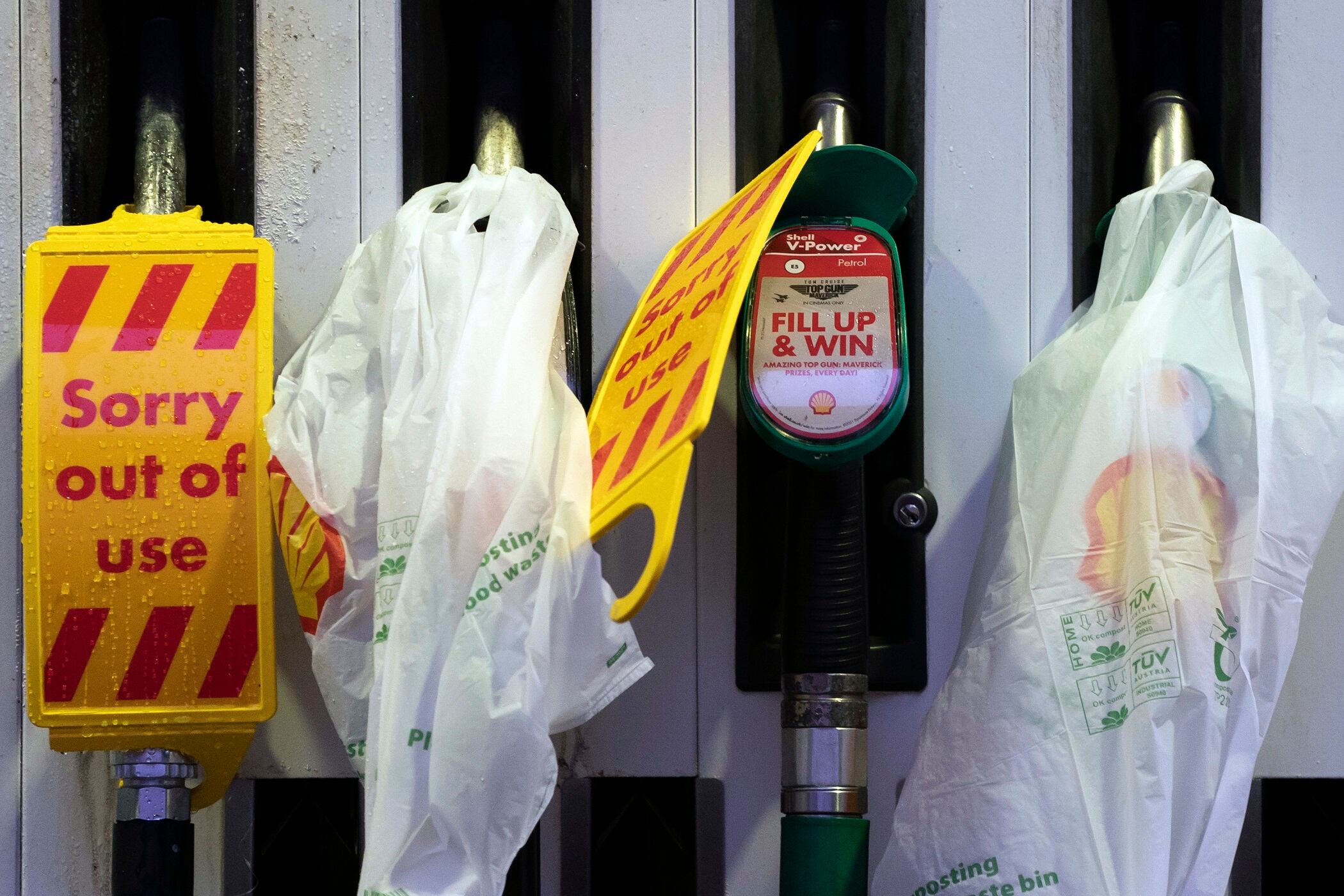
Lines of cars formed at British gas stations for a fourth day on Monday, as the government mulled bringing in the army to help ease supply disruption triggered by a shortage of truck drivers.
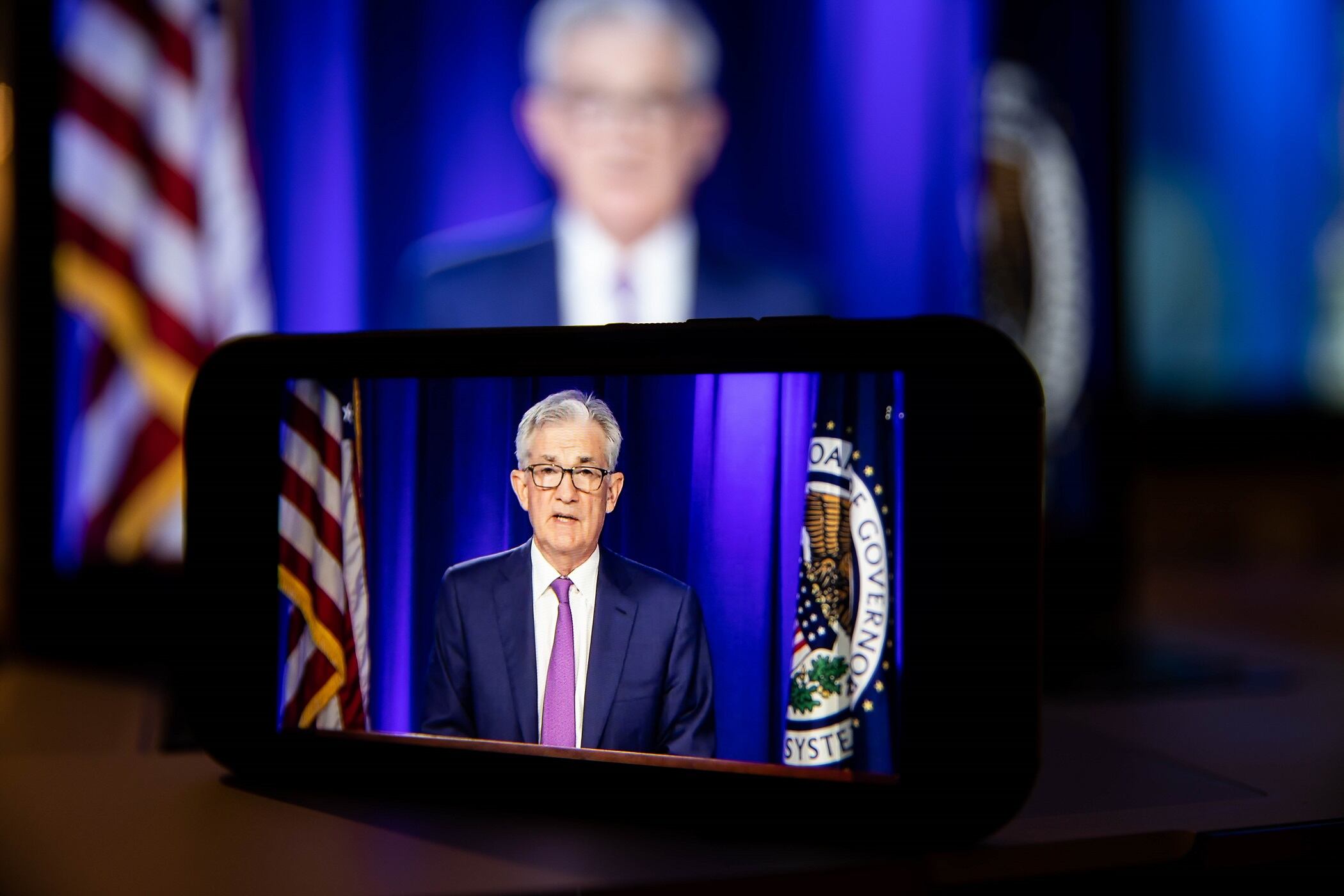
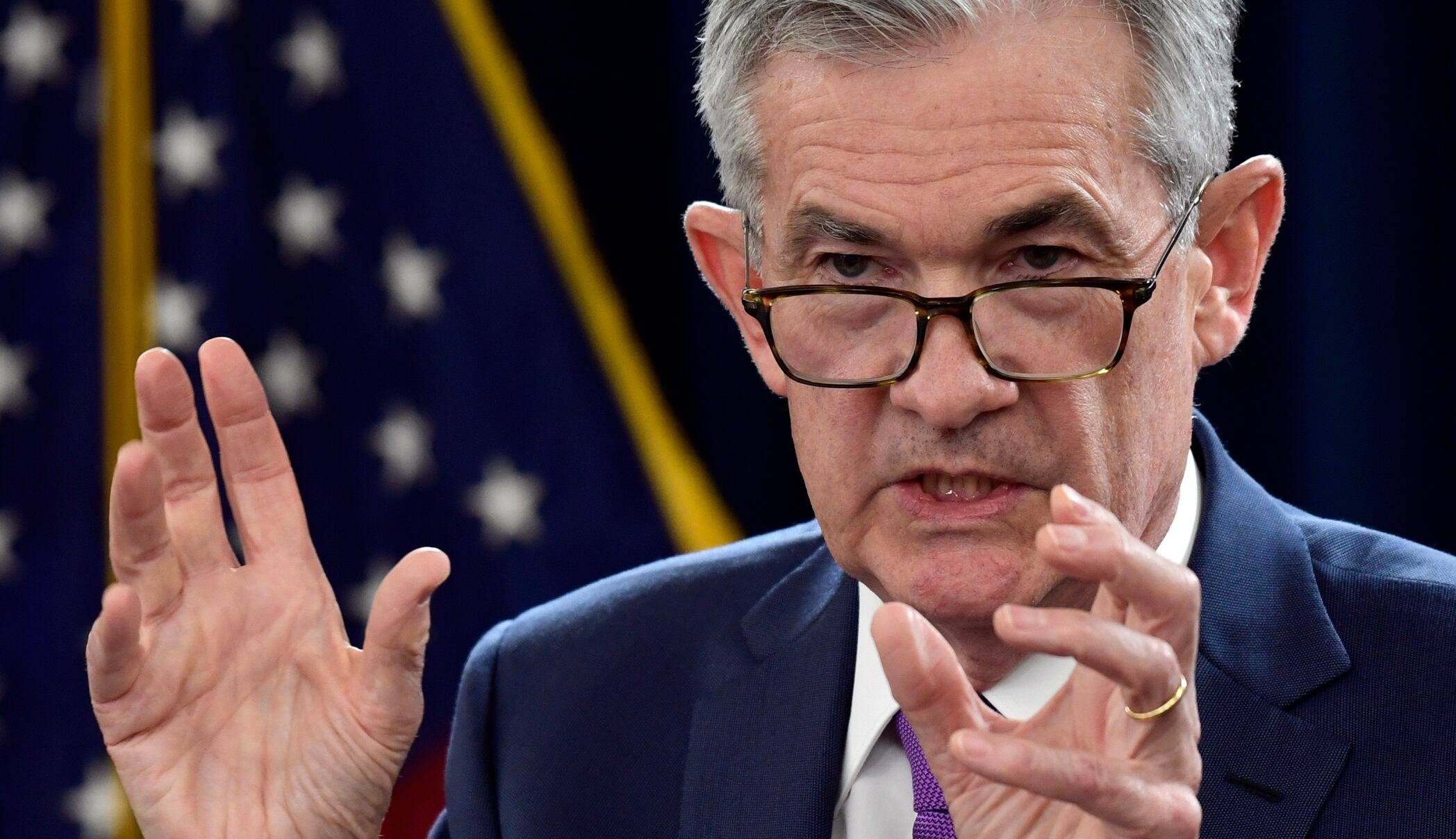
Powell on Wednesday shed new light on the possibility of launching a central bank digital currency (CBDC) in the U.S., and stakeholders in the worlds of both monetary policy and cryptocurrency took notice.
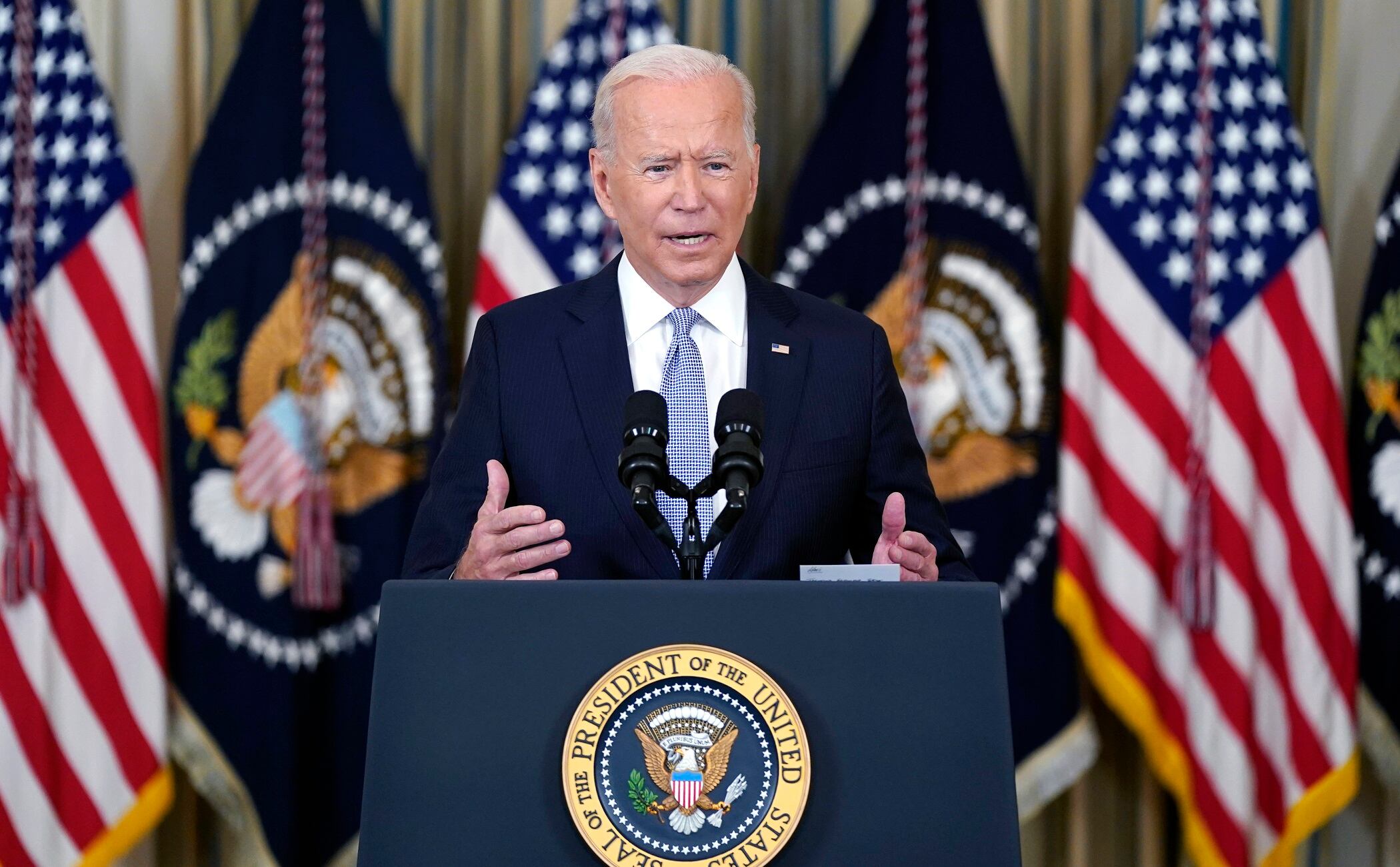
President Joe Biden is urging those now eligible for COVID-19 booster shots to get the added protection.
China’s central bank has declared all transactions involving Bitcoin and other virtual currencies illegal, stepping up a campaign to block use of unofficial digital money.
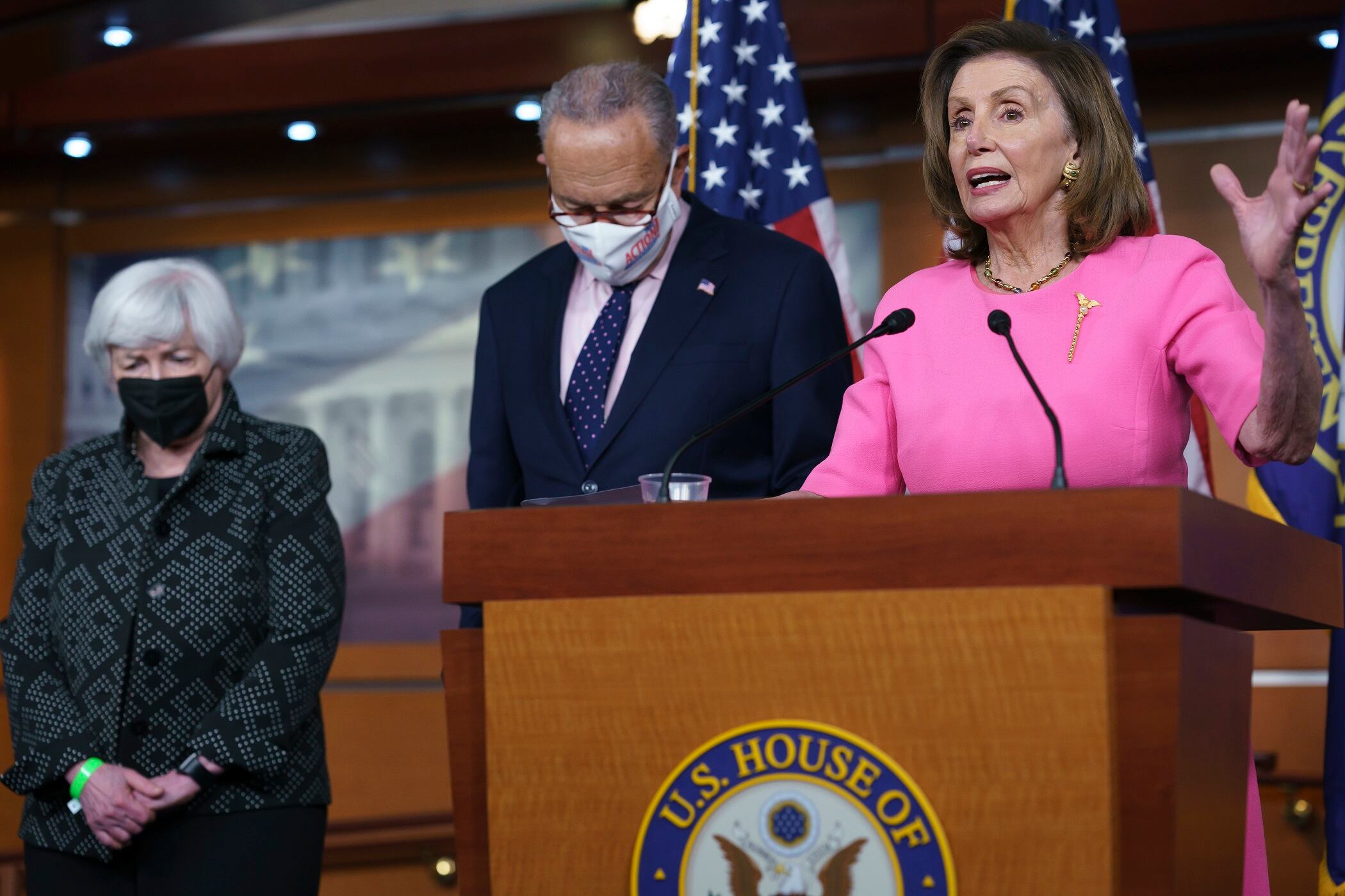
Senate Majority Leader Chuck Schumer and House Speaker Nancy Pelosi revealed the development to reporters on Thursday. But
The European Union is unveiling plans that would require smartphone makers to adopt a single charging method for mobile devices.
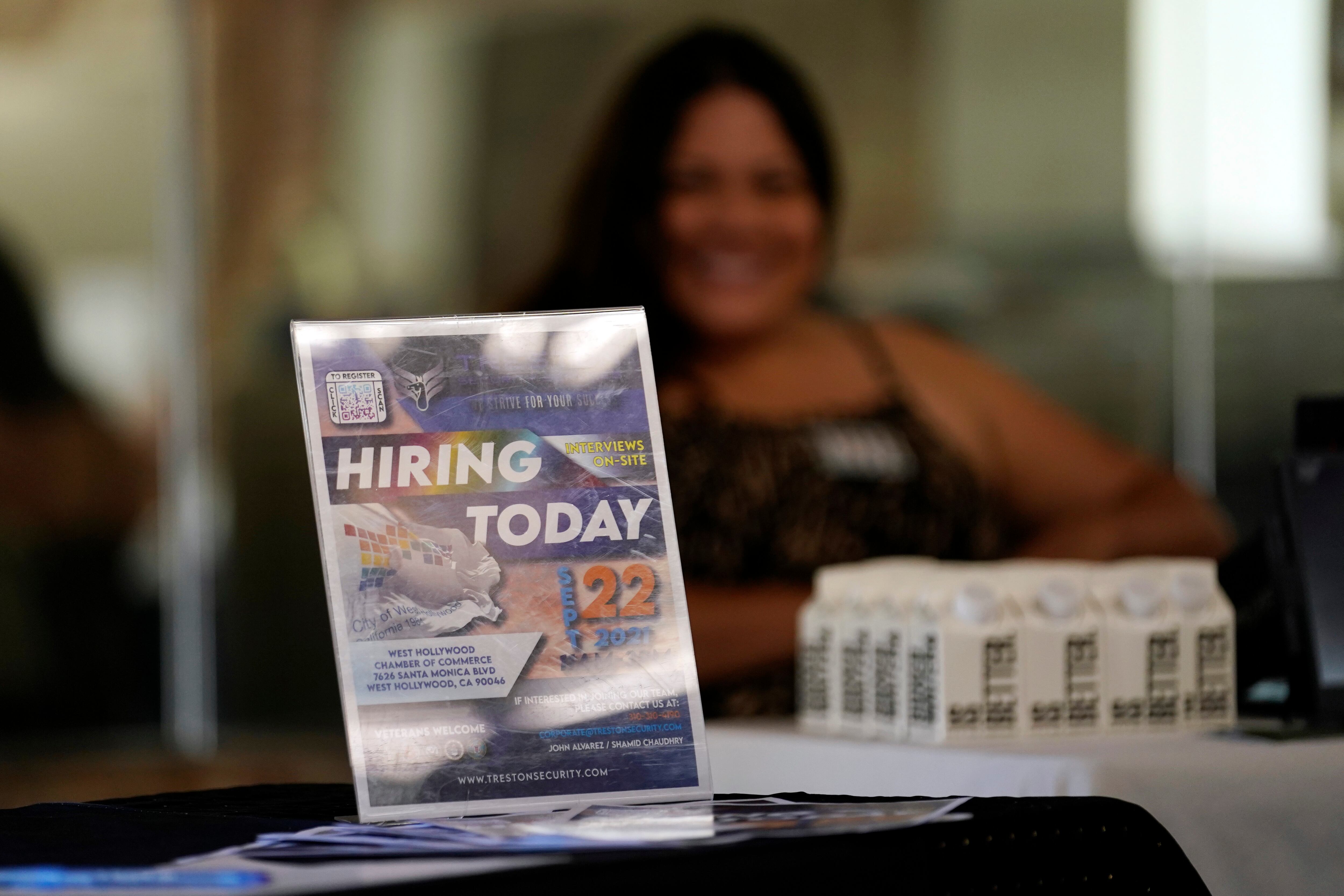
The number of Americans applying for unemployment aid rose last week for a second straight week to 351,000, a sign that the delta variant of the coronavirus may be disrupting the job market’s recovery, at least temporarily.
Many had expected Fed Chair Jerome Powell to clarify the timing of the long-anticipated taper following Wednesday's meeting of the Federal Open Market Committee (FOMC), and he didn't disappoint.
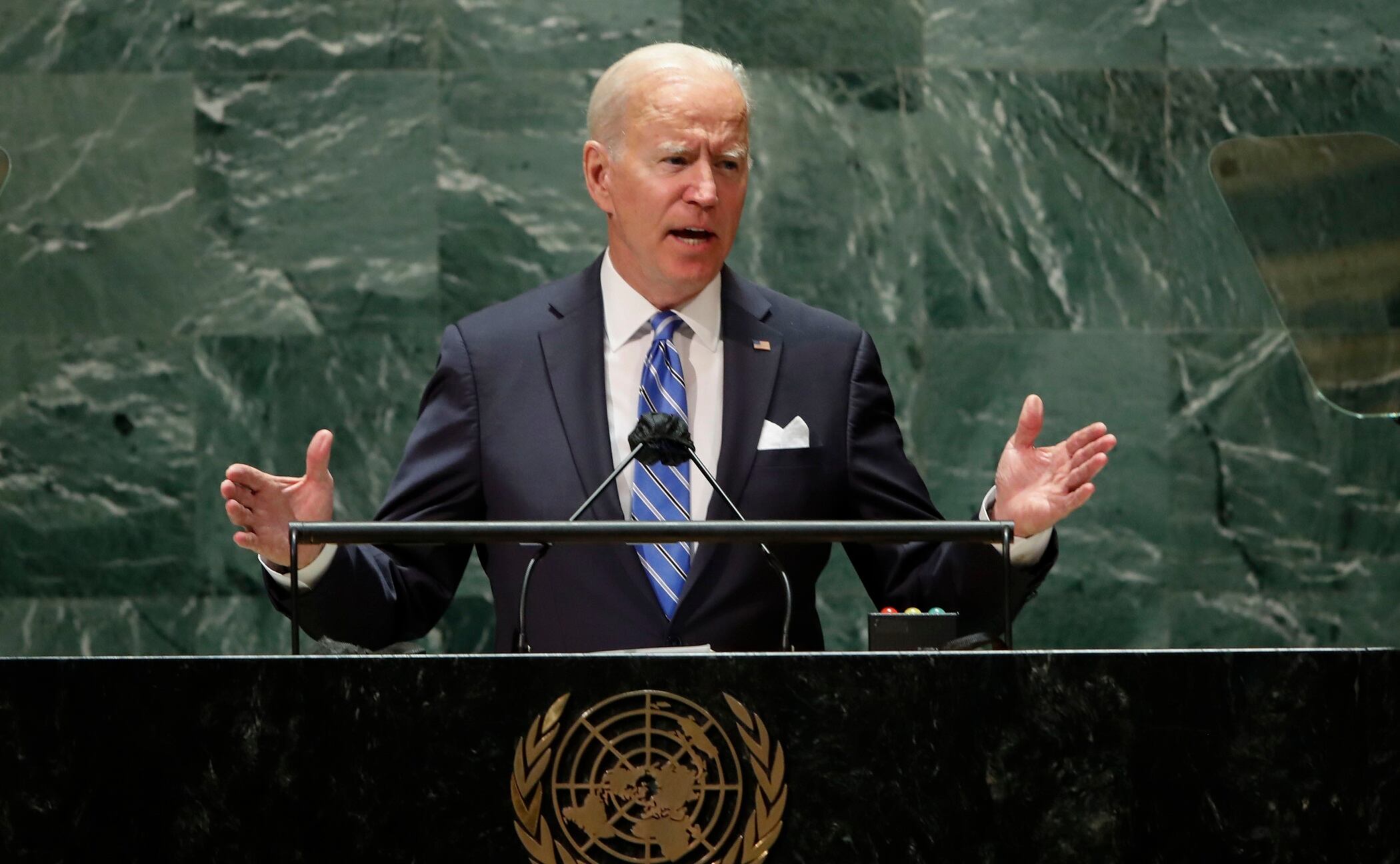
President Biden used his first address before the U.N. General Assembly to declare that the world stands and at an “inflection point in history” and that the world must act with haste to move quickly and cooperatively to address the festering issues.
The White House says President Joe Biden will ease foreign travel restrictions into the U.S. beginning in November.