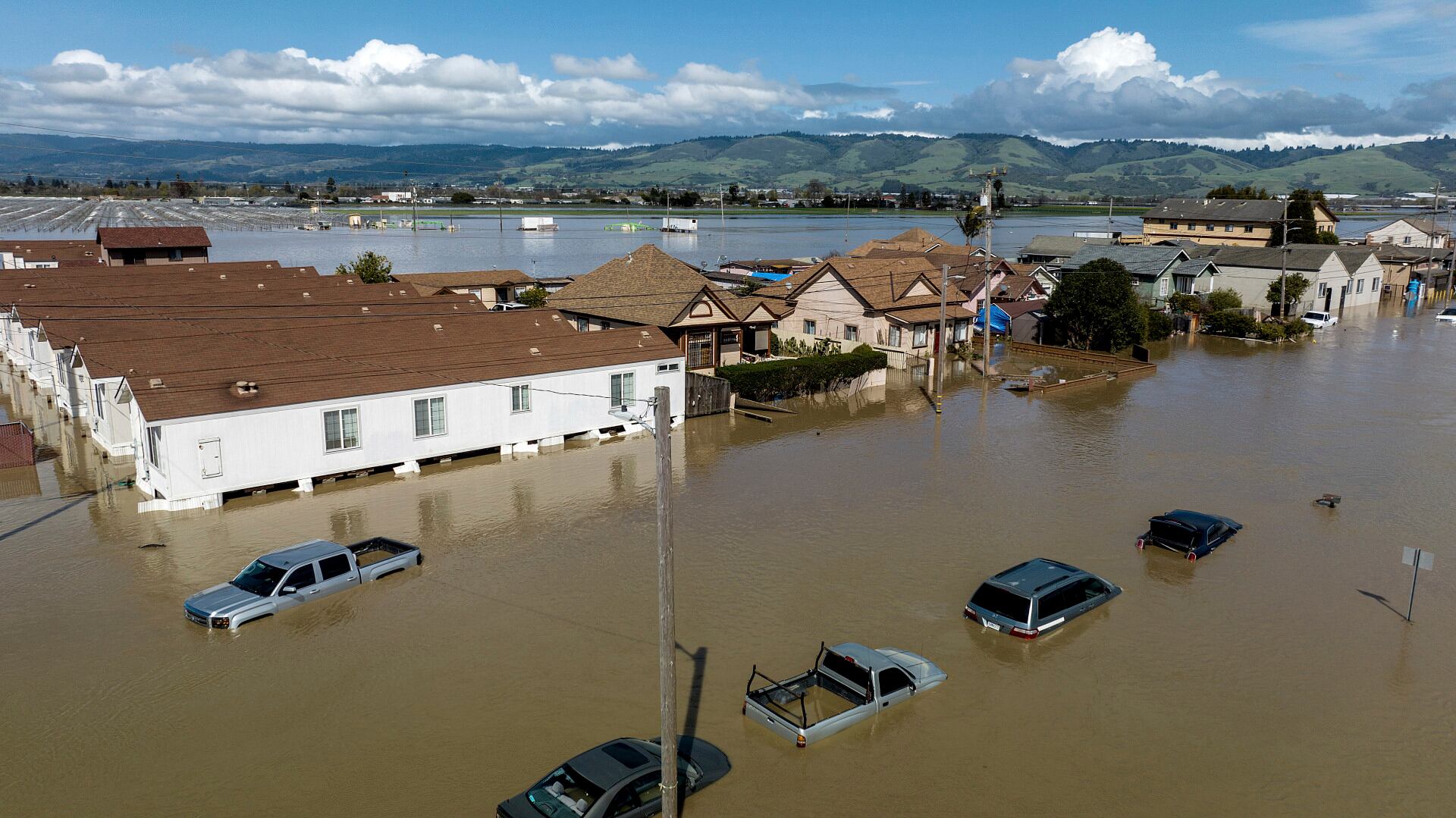
Floodwaters surround homes and vehicles in the community of Pajaro in Monterey County, Calif., on March 13, 2023. Record snowfall and rain have helped to loosen drought’s grip on parts of the western U.S. as national forecasters and climate experts warned Thursday, March 16, that some areas should expect more flooding as the snow begins to melt. (AP Photo/Noah Berger, File)
The National Oceanic and Atmospheric Administration has released its 2023 Spring outlook and the ongoing trend of unseasonable weather could be continuing.
One of the major takeaways from the report is that drought conditions in the Western U.S. are set to improve. The region that has been inundated with wet weather for much of the winter will see some reprieve when it comes to drought.
"Climate change is driving both wet and dry extremes, as illustrated by NOAA's observations and data that inform this seasonal outlook," said Rick Spinrad, Ph.D, NOAA administrator. "Under the Bipartisan Infrastructure Law and Inflation Reduction Act, and in support of the Biden Administration's priority to tackle the climate crisis, NOAA will invest significant resources to build a Climate-Ready Nation that gives communities tailored information about changing conditions so that residents and economies are protected."
In California, drought status is expected to improve even more as snowpacks that built up over the winter eventually melt. The conditions in the central Plains and in Florida are also expected to improve with Spring rainfalls.
Meanwhile, when it comes to heat and high temperatures, a swath of Southern and East Coast states will be above average. Alaska and Hawaii are also predicted to see above average temperatures between April and June.
NOAA said flooding could also significantly impact most states east of the Mississippi River.
"Approximately 44 percent of the U.S. is at risk for flooding this spring," said Ed Clark, the director of NOAA's National Water Center. "California's snowpack, coupled with spring rain, is heightening the potential for spring floods."
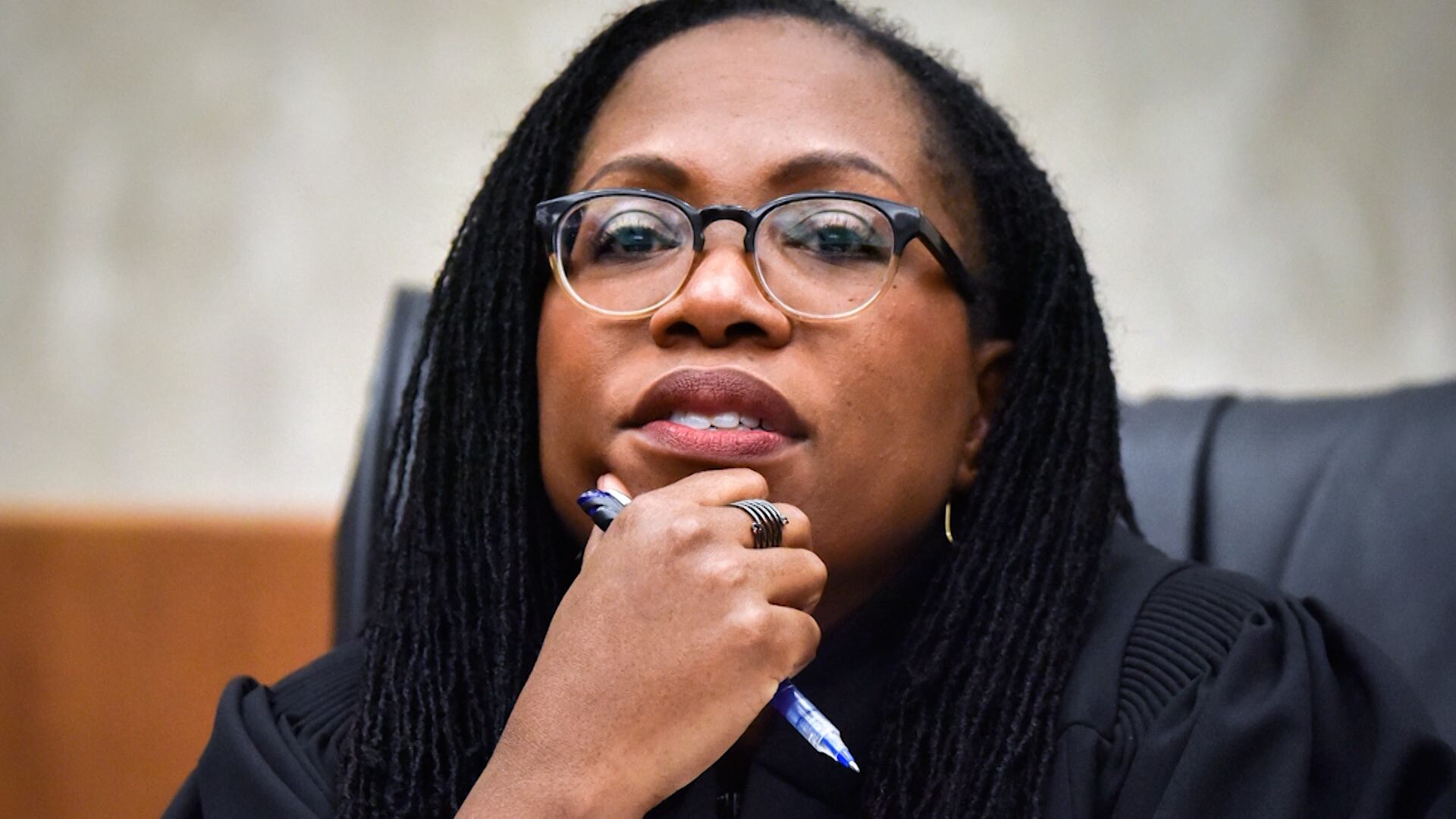
Tyler Pager, White House reporter at the Washington Post, and Reecie Colbert, founder of BlackWomenViews Media, join Cheddar Politics to discuss President Biden's Supreme Court nominee Judge Ketanji Brown Jackson. They break down how her nomination came to be and what comes next in her confirmation process.
Joel Rubin, former deputy assistant at Secretary of State & president of the Washington Strategy Group, joins Cheddar News to break down the latest between Russia and Ukraine.
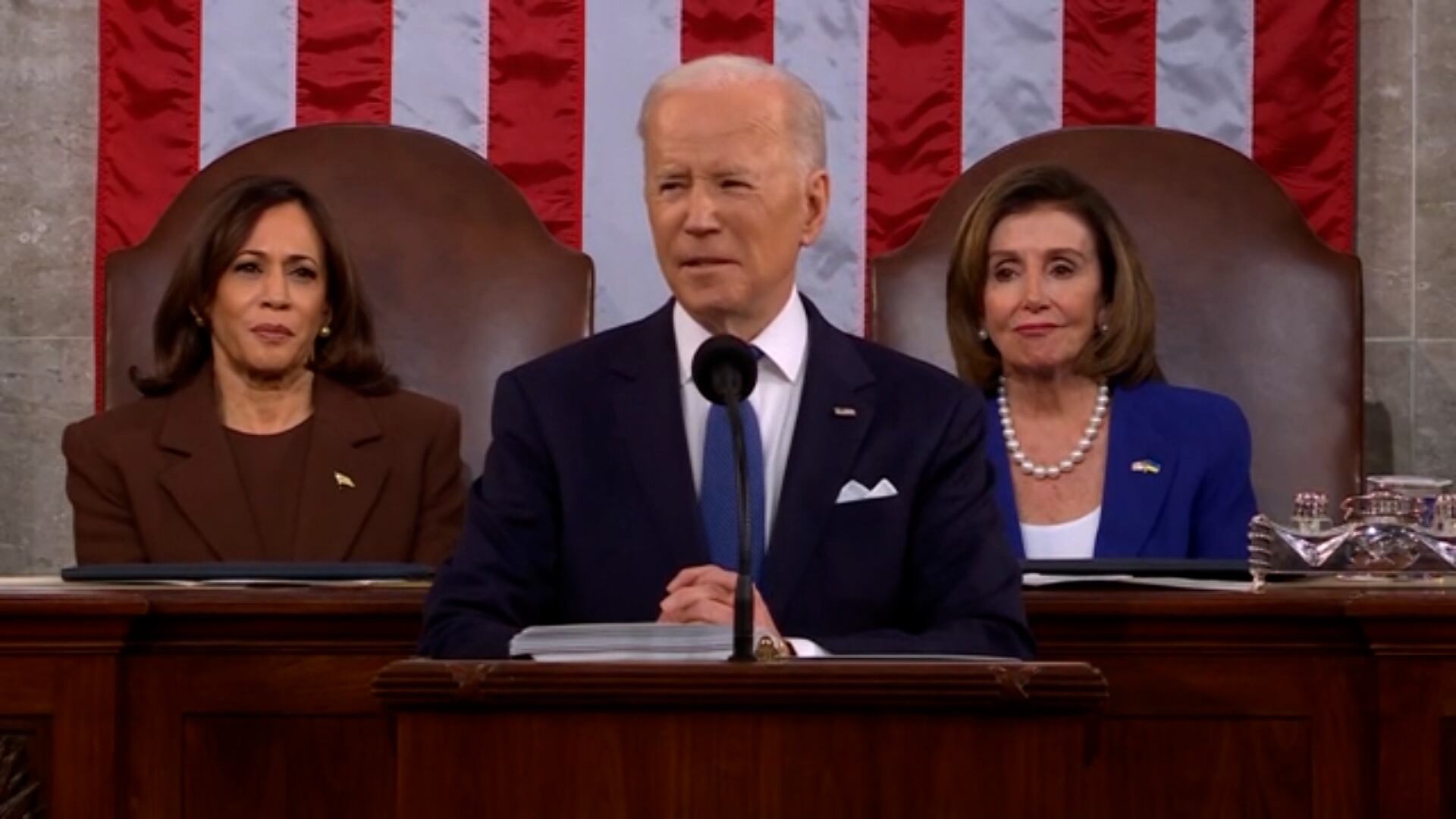
Nicole Goodkind, business and politics reporter at Fortune Magazine, joins Cheddar Politics to break down President Biden's first State of the Union address.
Londoners are facing travel chaos after around 10,000 transport workers walked off their jobs for the second day this week, leaving almost all of the capital’s subway lines suspended or severely disrupted.
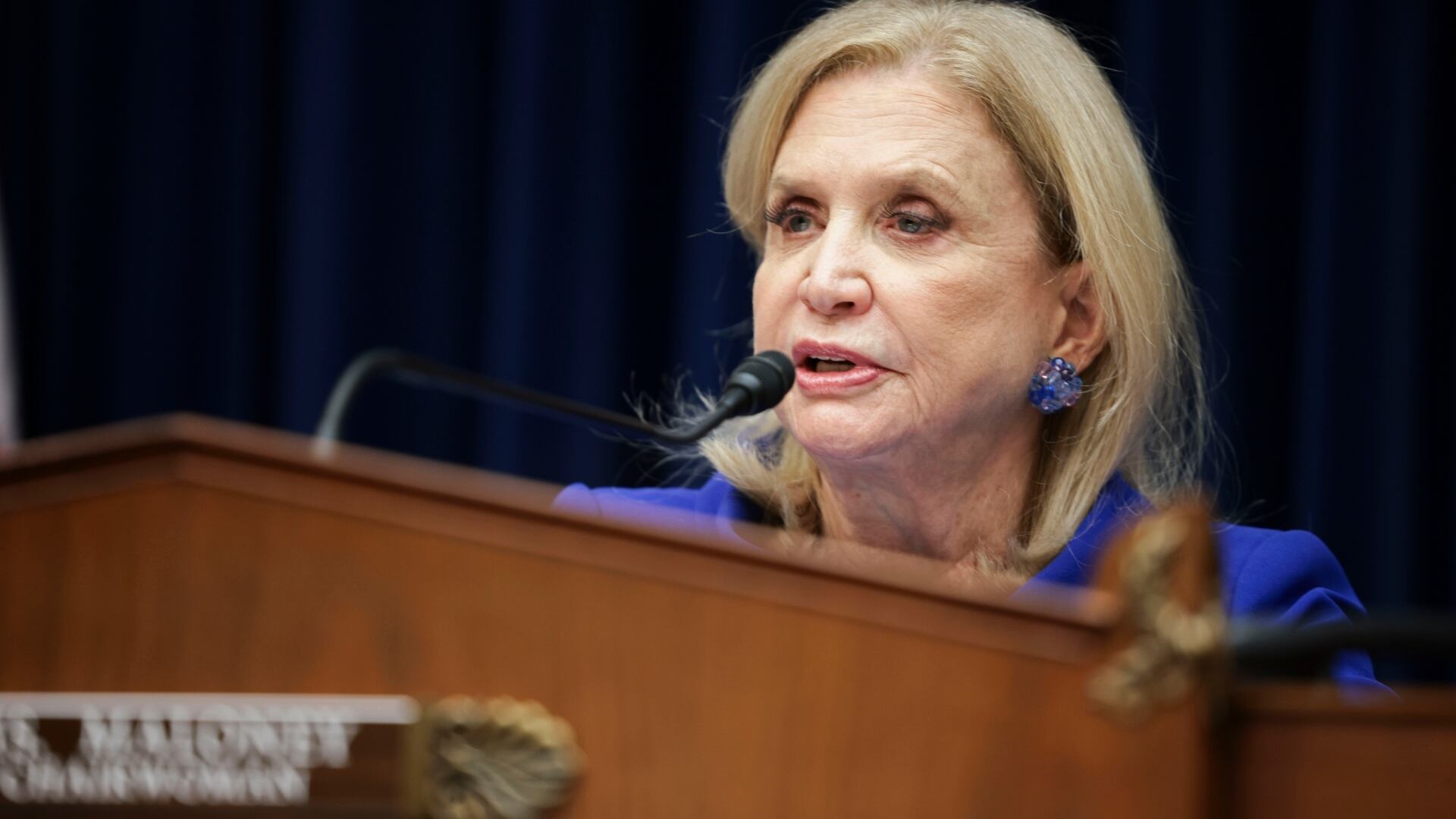
Rep. Carolyn Maloney joined Cheddar News after President Biden's State of the Union address to give her reaction and talk about the situation in Ukraine.
UN and Ukrainian officials say no radiation was released from a Russian attack at Europe’s biggest nuclear power plant in Ukraine and firefighters have extinguished a blaze at the facility..
Liz Landers Chief Political Correspondent at Vice News, breaks down the President's address including his stance on the Russian invasion and spotlights historic moments during his speech.
Markets opened higher on Thursday despite ongoing uncertainty amid the Russia-Ukraine conflict. John Petrides, Portfolio Manager, Tocqueville Asset Management joined Cheddar's Opening Bell to discuss early market activity.
Experts warn that social media is a root cause of mental health issues among many young adults. Sen. Tammy Baldwin (D-Wis.), who co-wrote a letter to TikTok demanding why its algorithms promote toxic content, joined Cheddar to discuss.