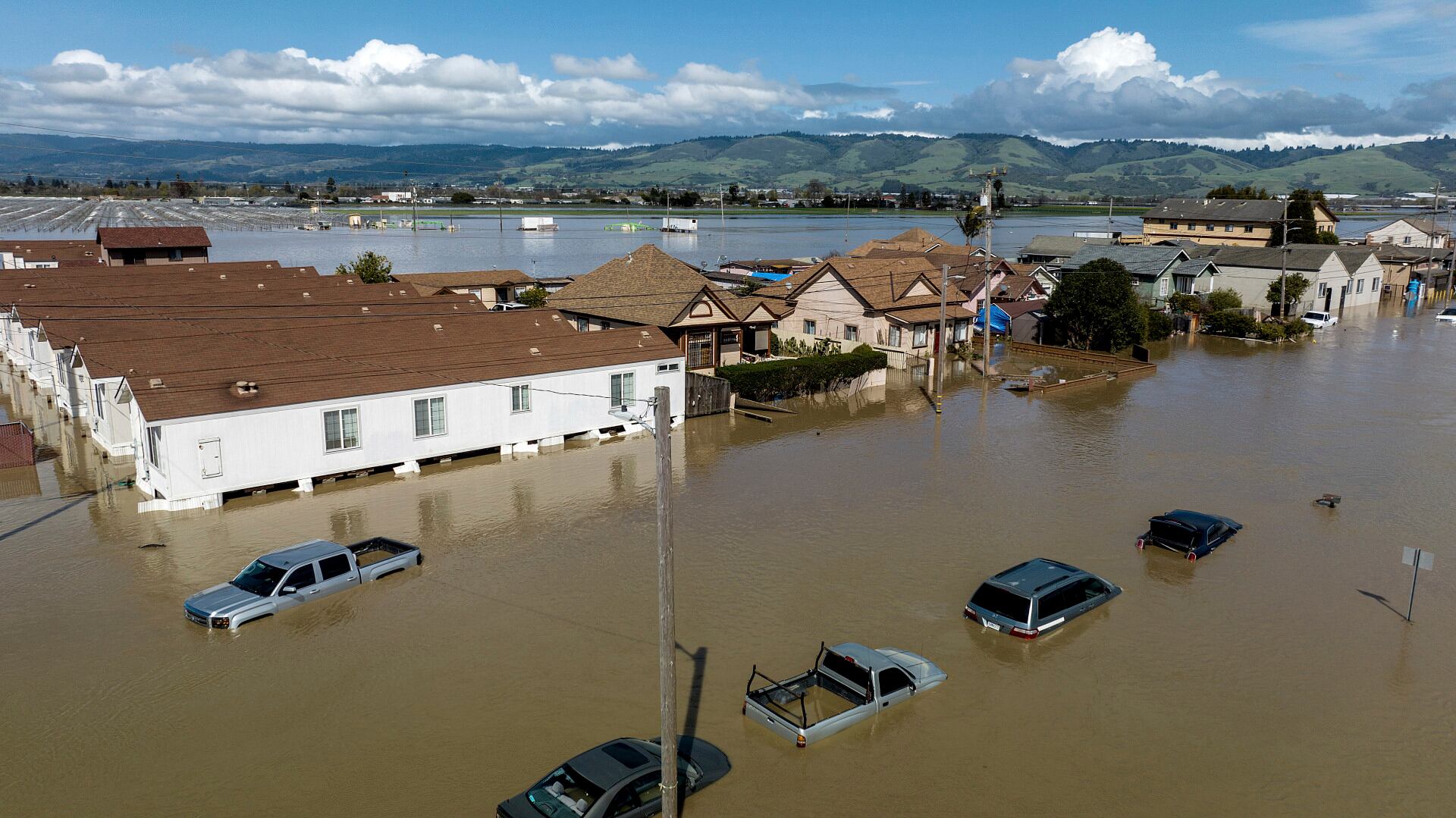
Floodwaters surround homes and vehicles in the community of Pajaro in Monterey County, Calif., on March 13, 2023. Record snowfall and rain have helped to loosen drought’s grip on parts of the western U.S. as national forecasters and climate experts warned Thursday, March 16, that some areas should expect more flooding as the snow begins to melt. (AP Photo/Noah Berger, File)
The National Oceanic and Atmospheric Administration has released its 2023 Spring outlook and the ongoing trend of unseasonable weather could be continuing.
One of the major takeaways from the report is that drought conditions in the Western U.S. are set to improve. The region that has been inundated with wet weather for much of the winter will see some reprieve when it comes to drought.
"Climate change is driving both wet and dry extremes, as illustrated by NOAA's observations and data that inform this seasonal outlook," said Rick Spinrad, Ph.D, NOAA administrator. "Under the Bipartisan Infrastructure Law and Inflation Reduction Act, and in support of the Biden Administration's priority to tackle the climate crisis, NOAA will invest significant resources to build a Climate-Ready Nation that gives communities tailored information about changing conditions so that residents and economies are protected."
In California, drought status is expected to improve even more as snowpacks that built up over the winter eventually melt. The conditions in the central Plains and in Florida are also expected to improve with Spring rainfalls.
Meanwhile, when it comes to heat and high temperatures, a swath of Southern and East Coast states will be above average. Alaska and Hawaii are also predicted to see above average temperatures between April and June.
NOAA said flooding could also significantly impact most states east of the Mississippi River.
"Approximately 44 percent of the U.S. is at risk for flooding this spring," said Ed Clark, the director of NOAA's National Water Center. "California's snowpack, coupled with spring rain, is heightening the potential for spring floods."
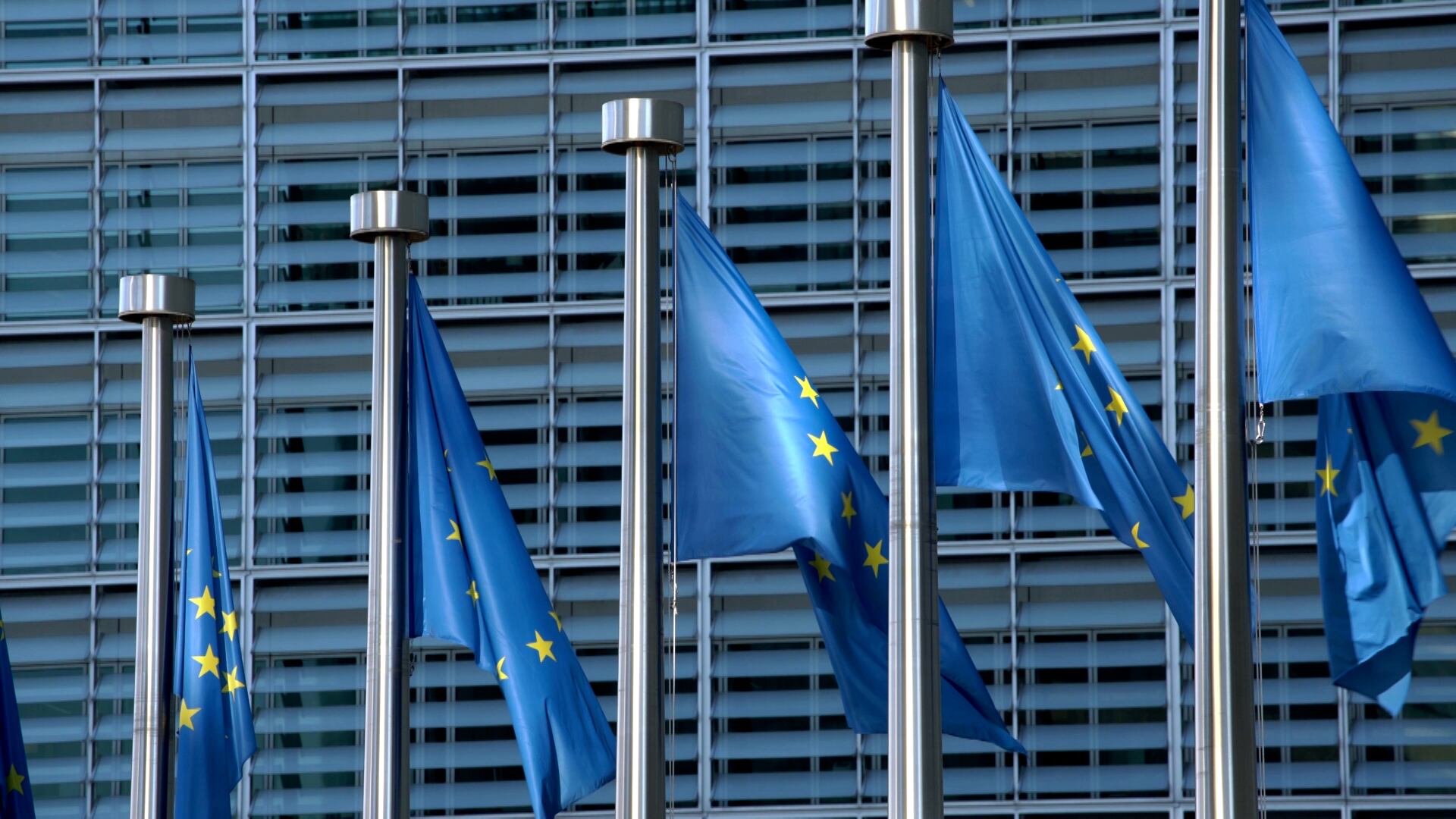
Catching you up on what you need to know on Tuesday, May 31, 2022, EU leaders agree to ban 90% of Russian oil by year-end, funerals begin in Uvalde, Texas one week after a mass shooting killed 19 children and two adults, and President Biden meets with the world's biggest boy band BTS.
The Week's Top Stories is a guided tour through the biggest market stories of the week, from winning stocks to brutal dips to the facts and forecasts generating buzz on Wall Street.
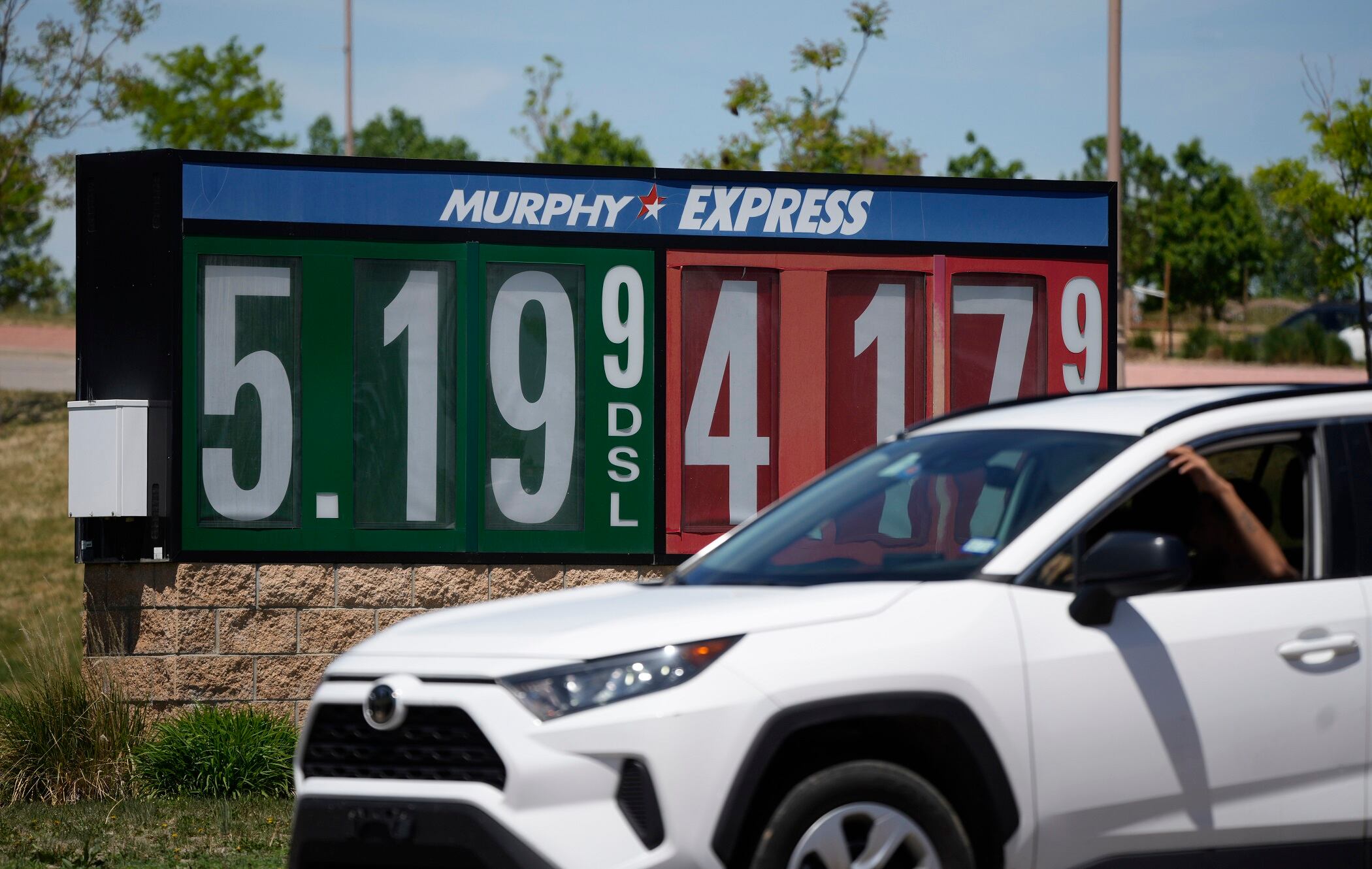
An inflation gauge closely tracked by the Federal Reserve rose 6.3% in April from a year earlier, just below a four-decade high set in March and the first slowdown since November 2020.
The pain and grief from this week’s shooting in a 4th grade classroom at Robb Elementary School in Uvalde, Texas is still with us. Cheddar's Shannon Lanier ends the week by pausing to remember some of the faces of the 19 children killed and their teachers.
Cheddar New’s reporter Megan Pratz reports from the scene in Uvalde, Texas, with additional details that indicate the shooter was inside Robb Elementary School for more than an hour before law enforcement was able to confront and kill him.
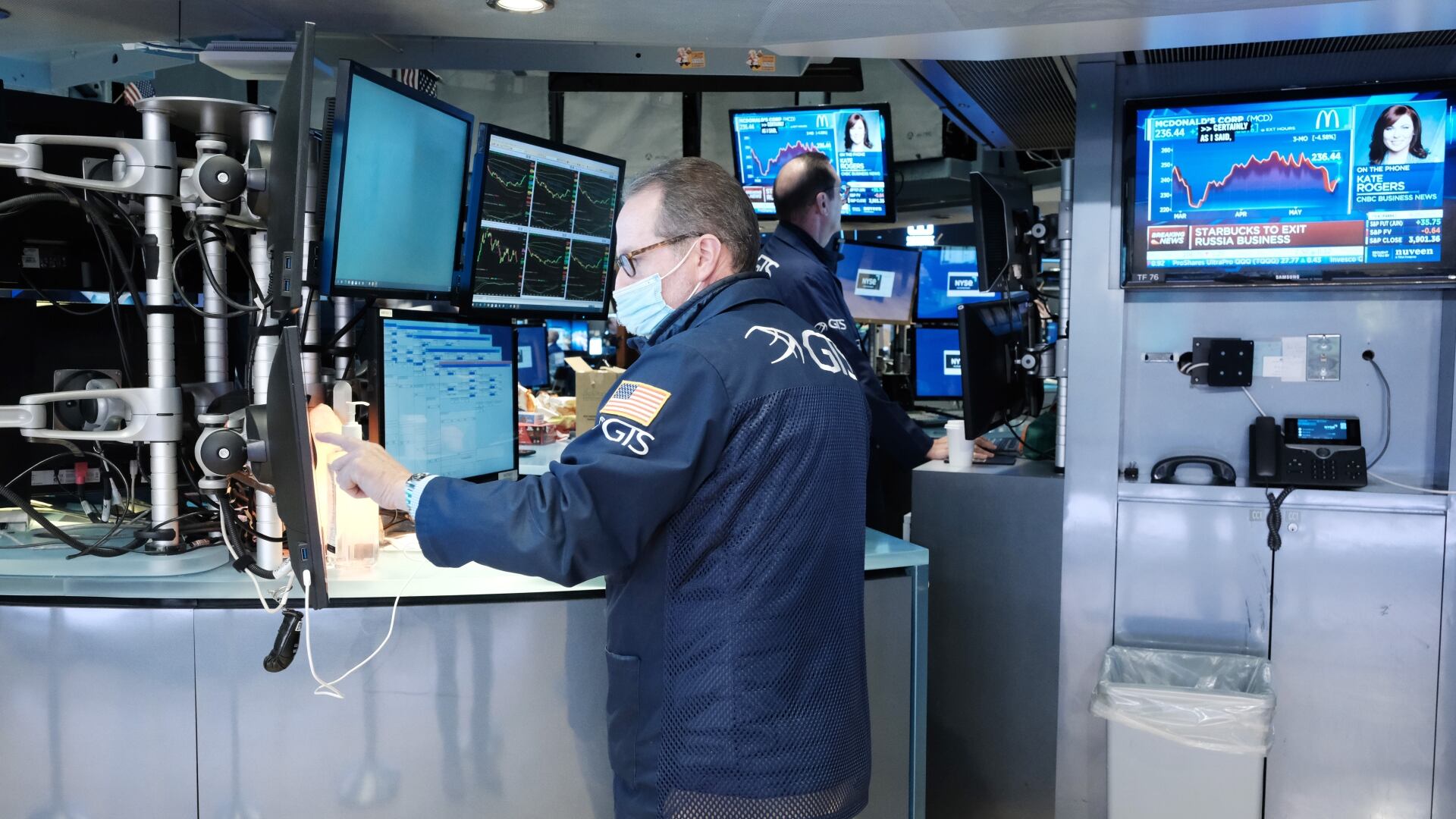
U.S. stocks ended near session highs to close Thursday's session after retailers released positive earnings results. Investors also continued to weigh the federal reserve's recent indication that the central will raise rates in an effort to curb inflation. Adam Johnson, Portfolio Manager for Adviser Investments, joins Cheddar News' Closing Bell to discuss.
After the horrific mass shooting at a Texas elementary school, activists are once again urging Congress to take action. Trevon Bosley, a gun violence prevention activist, joined Cheddar News to talk about how to push legislators on the issue of new gun restrictions. “Even 10 years later the same sense of hopelessness from before," Bosley said, referring to the lack of change since the Sandy Hook massacre.
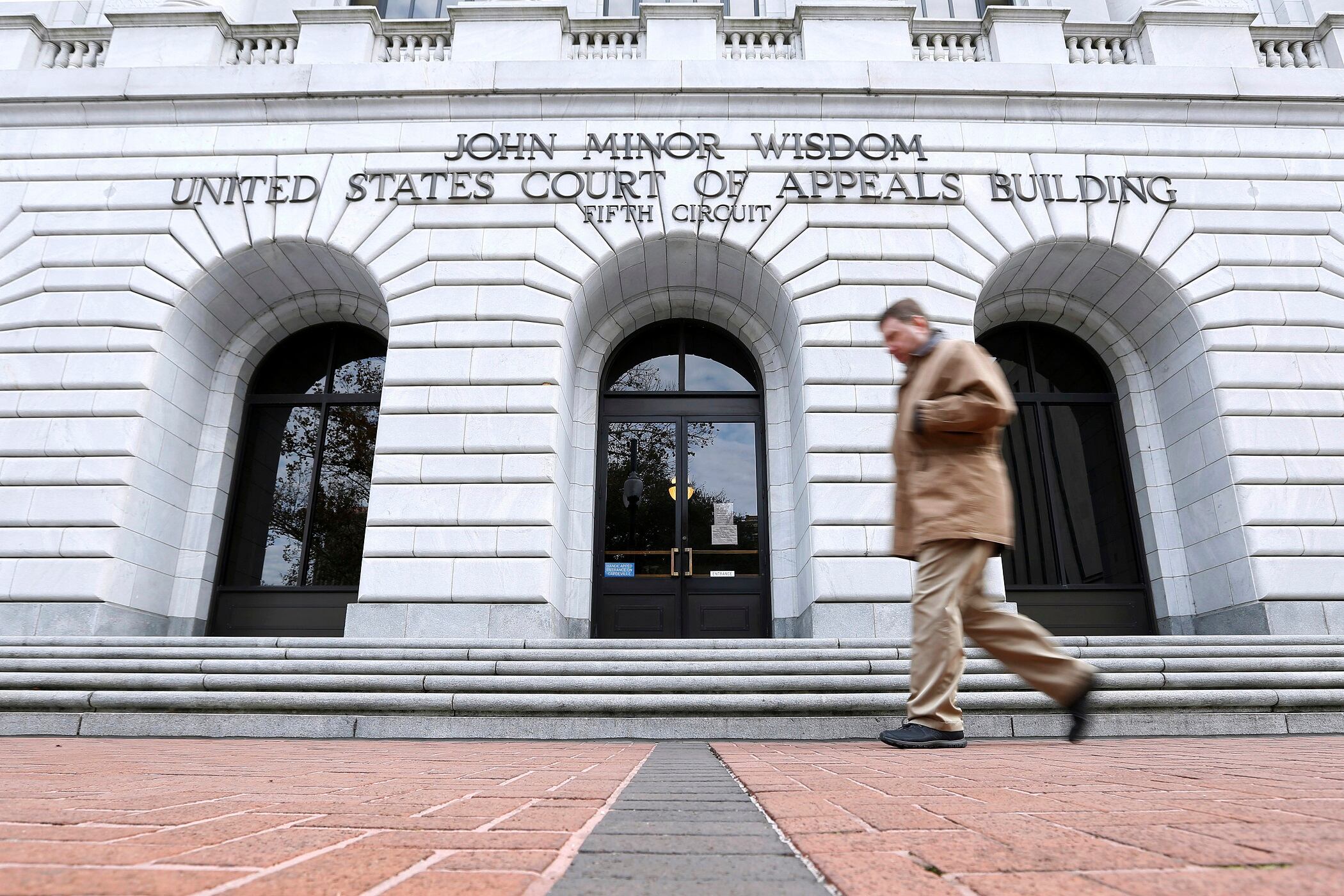
In Jarkesy v. Securities and Exchange Commission, the 5th U.S. Circuit Court of Appeals ruled that the SEC violated the U.S. Constitution. Cheddar's Alex Vuocolo dives into how the ruling could potentially change everything for regulators.