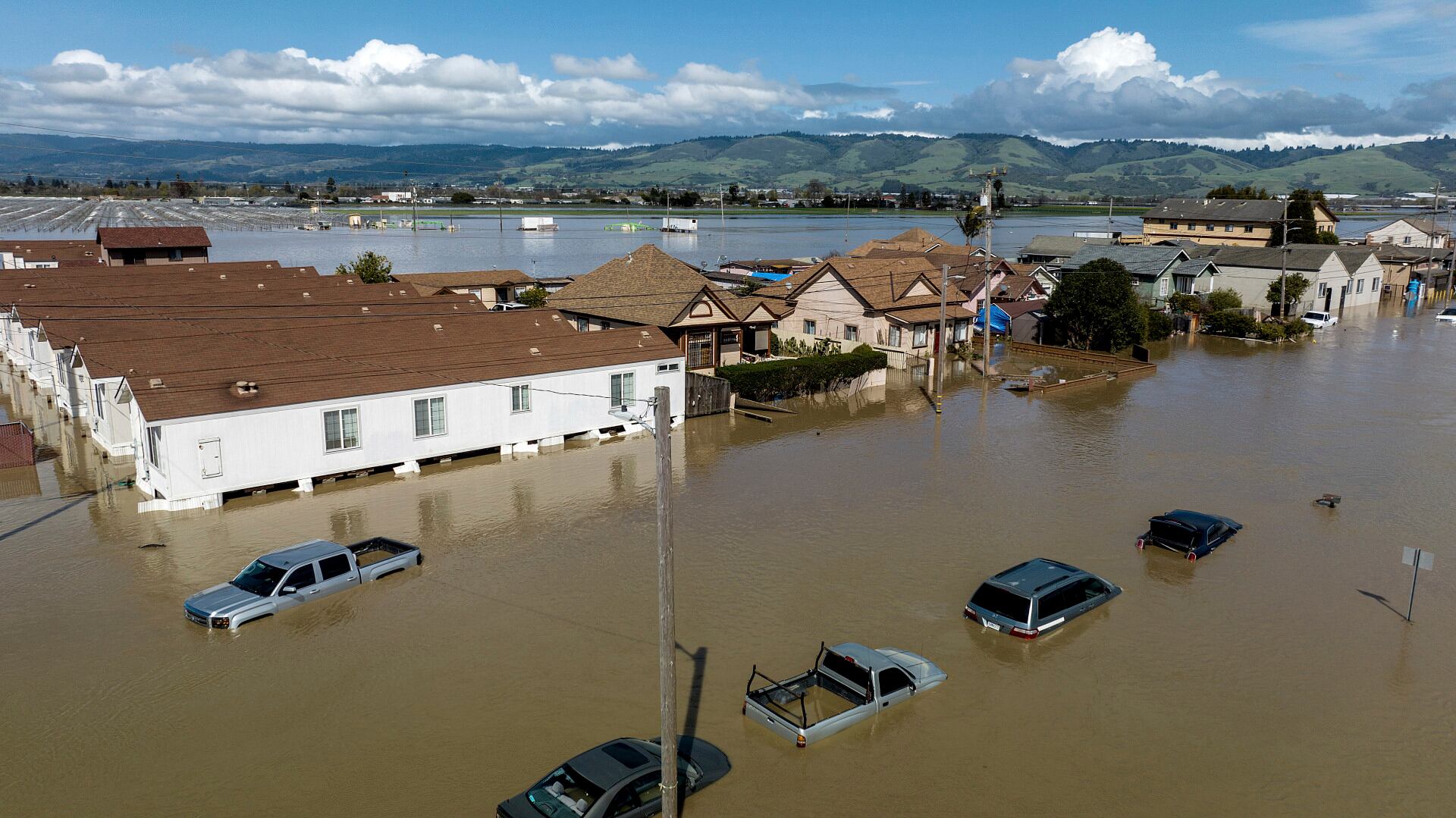
Floodwaters surround homes and vehicles in the community of Pajaro in Monterey County, Calif., on March 13, 2023. Record snowfall and rain have helped to loosen drought’s grip on parts of the western U.S. as national forecasters and climate experts warned Thursday, March 16, that some areas should expect more flooding as the snow begins to melt. (AP Photo/Noah Berger, File)
The National Oceanic and Atmospheric Administration has released its 2023 Spring outlook and the ongoing trend of unseasonable weather could be continuing.
One of the major takeaways from the report is that drought conditions in the Western U.S. are set to improve. The region that has been inundated with wet weather for much of the winter will see some reprieve when it comes to drought.
"Climate change is driving both wet and dry extremes, as illustrated by NOAA's observations and data that inform this seasonal outlook," said Rick Spinrad, Ph.D, NOAA administrator. "Under the Bipartisan Infrastructure Law and Inflation Reduction Act, and in support of the Biden Administration's priority to tackle the climate crisis, NOAA will invest significant resources to build a Climate-Ready Nation that gives communities tailored information about changing conditions so that residents and economies are protected."
In California, drought status is expected to improve even more as snowpacks that built up over the winter eventually melt. The conditions in the central Plains and in Florida are also expected to improve with Spring rainfalls.
Meanwhile, when it comes to heat and high temperatures, a swath of Southern and East Coast states will be above average. Alaska and Hawaii are also predicted to see above average temperatures between April and June.
NOAA said flooding could also significantly impact most states east of the Mississippi River.
"Approximately 44 percent of the U.S. is at risk for flooding this spring," said Ed Clark, the director of NOAA's National Water Center. "California's snowpack, coupled with spring rain, is heightening the potential for spring floods."
Kerryanne Burke, a former NYS Assembly Attorney & Government Policy Attorney joins Cheddar News to discuss recent protests by municipal city workers who oppose the city's vaccine mandate.
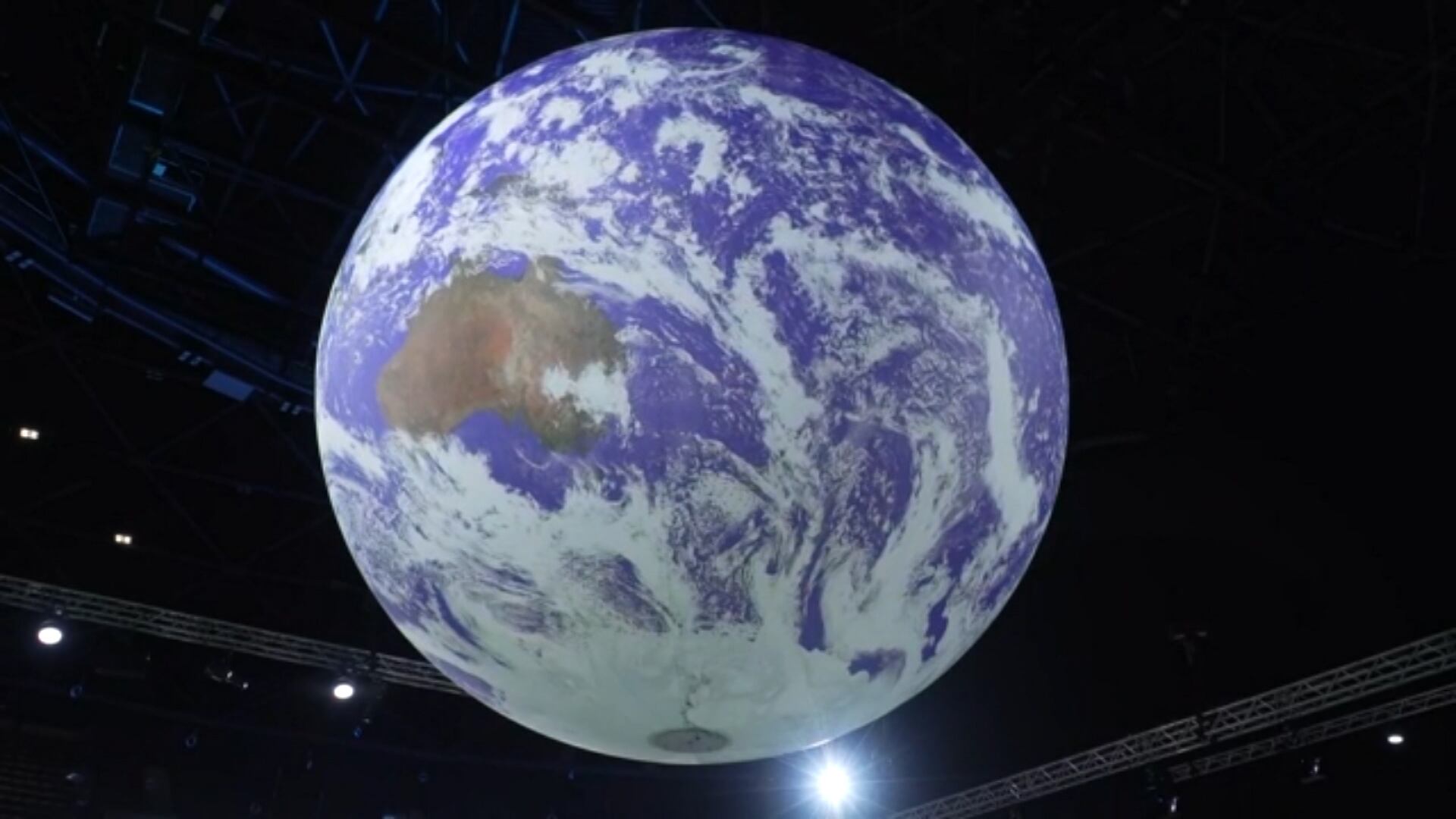
Dr. Rachel Cleetus, Policy Director and Lead Economist of the Climate and Energy Program for the Union of Concerned Scientists, joined Cheddar News to discuss the COP26 summit.
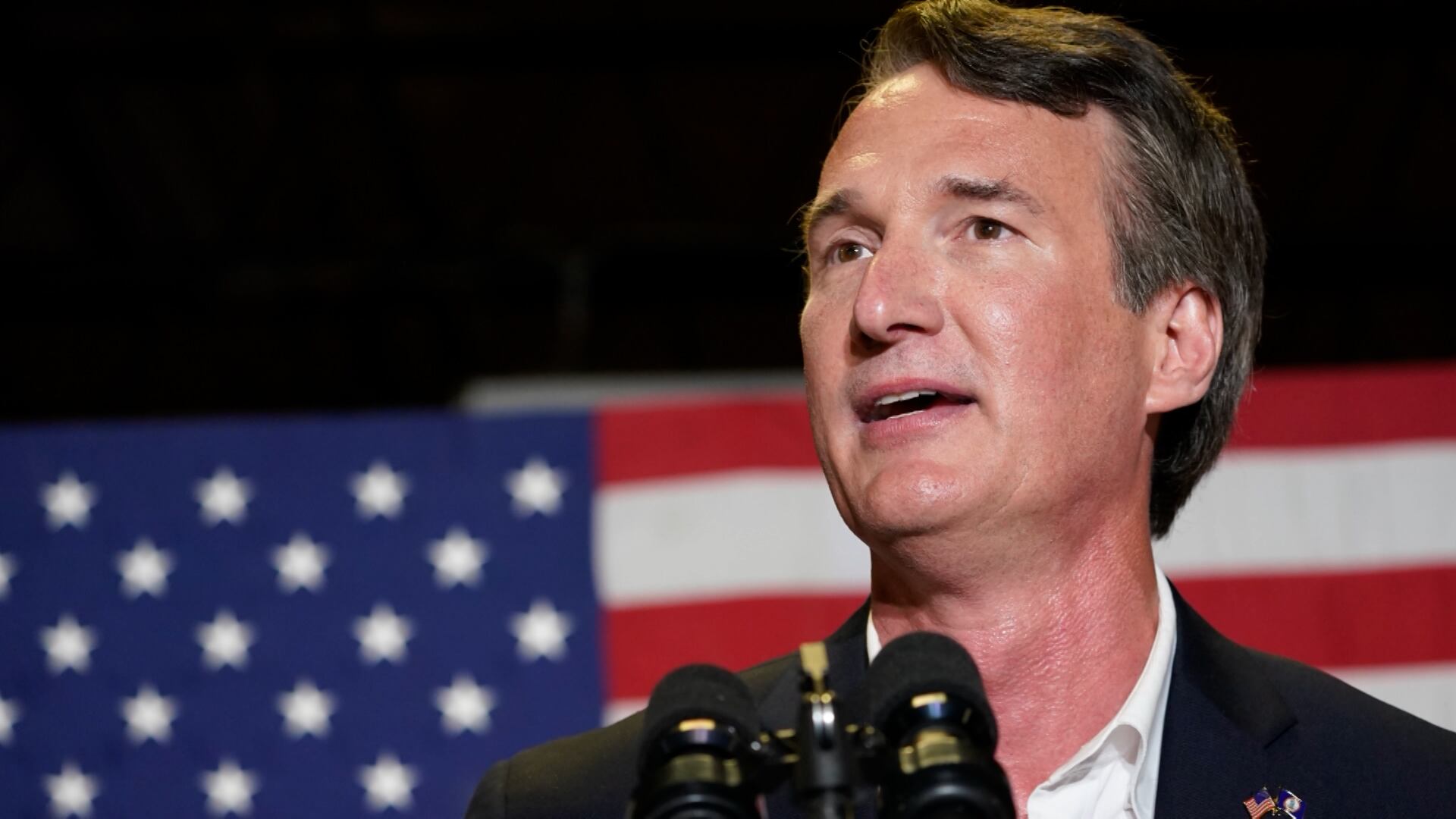
A Freitag pod with Carlo and Baker, talking about the upcoming federal vax-or-test deadline, the most shocking upset of this week's elections, an incredible story of selflessness and Love, Hate, Ate.
Clarence Cox III, a former police chief from Georgia, joined Cheddar to discuss Portland Mayor Ted Wheeler's plans to greatly increase the city's police budget. "I think his investments, as I read and understand, are in the right areas," Cox said. "Body-worn cameras are something that I'm a very big proponent of, and I think the mayor's going in the right direction with some of the initiatives."
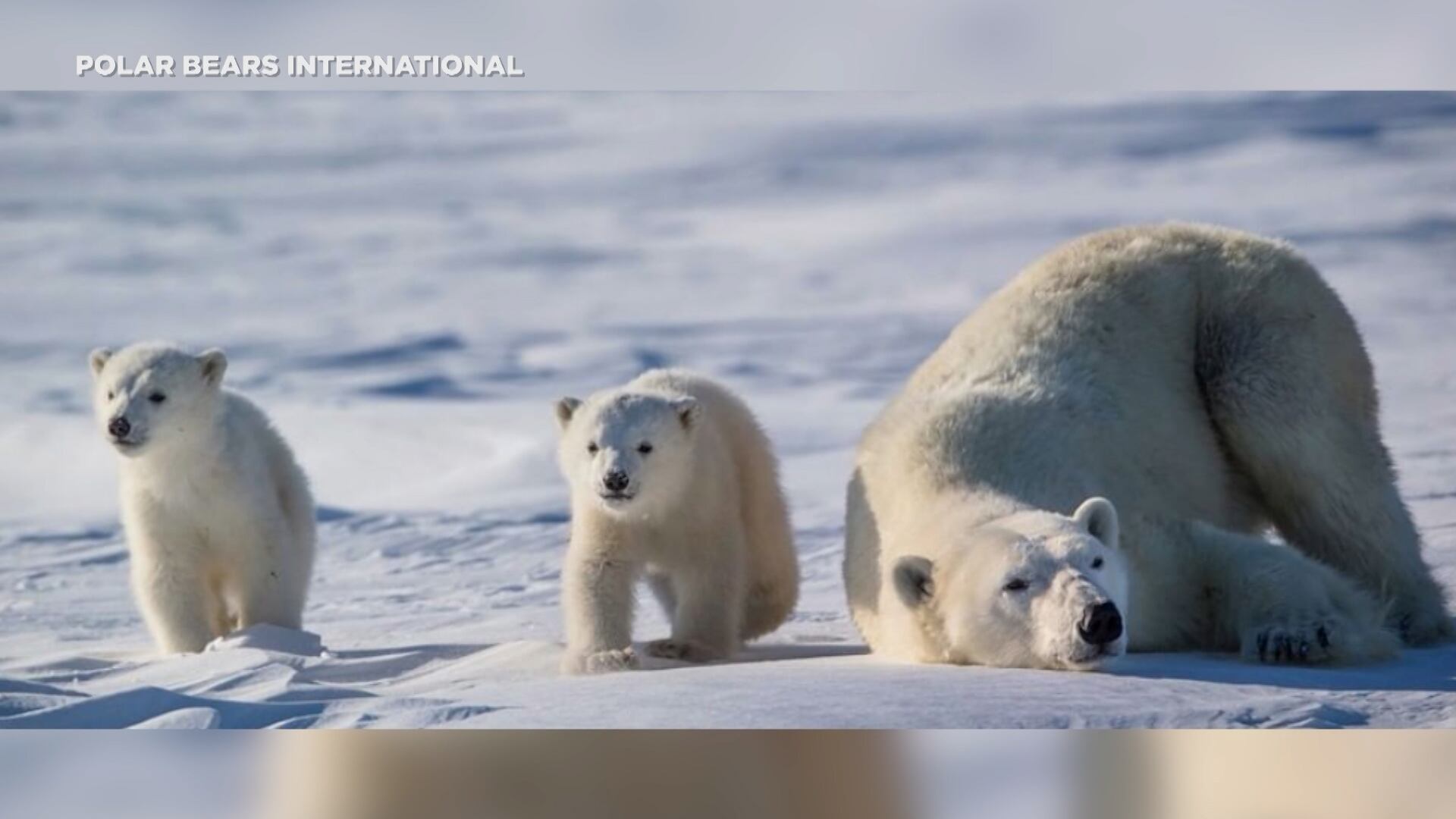
Alysa McCall, director of conservation outreach and staff scientist at Polar Bears International, joined Cheddar to discuss the ongoing fight to protect polar bears from extinction while world leaders gathered to discuss the climate crisis. McCall explained her organization's mission "to ensure the long term survival of polar bears by helping ensure their arctic sea ice habitat remains intact." McCall said she hopes actionable steps are taken after the UN climate summit to mitigate the crisis and not just more promises.
Carlo and Baker discuss the fallout from Tuesday's election and the flashing warning sign for Dems ahead of the midterms. Also, a big 2A case at the Supreme Court, Aaron Rodgers has Covid and is in big trouble, and a first for the MCU.
Milton Ezrati, Chief Economist at Vested, joins Cheddar News' Closing Bell, where he breaks down the Federal Reserve's latest policy decision and discusses what he will be listening for most closely when Fed Chair Jerome Powell takes the podium.