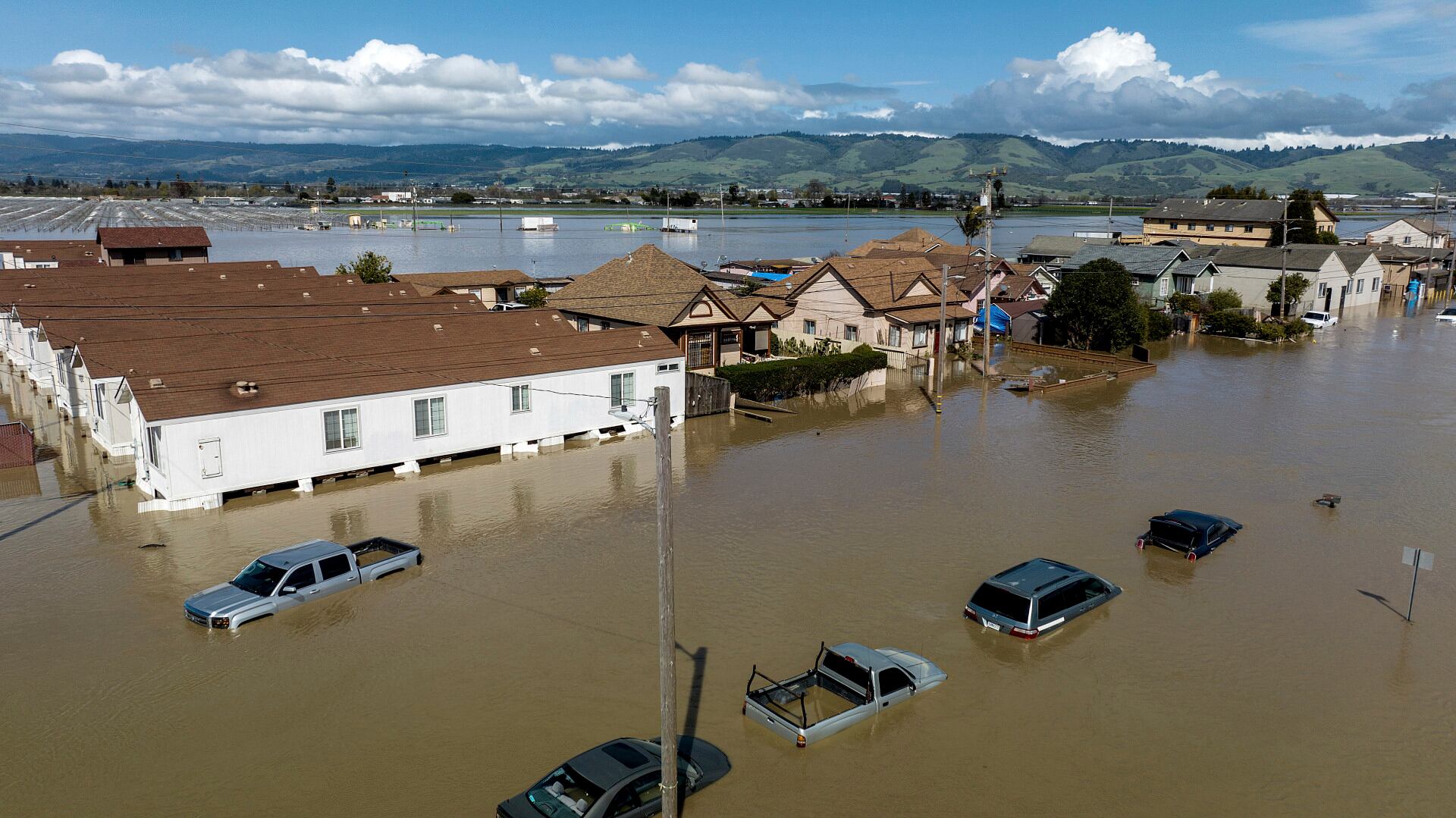
Floodwaters surround homes and vehicles in the community of Pajaro in Monterey County, Calif., on March 13, 2023. Record snowfall and rain have helped to loosen drought’s grip on parts of the western U.S. as national forecasters and climate experts warned Thursday, March 16, that some areas should expect more flooding as the snow begins to melt. (AP Photo/Noah Berger, File)
The National Oceanic and Atmospheric Administration has released its 2023 Spring outlook and the ongoing trend of unseasonable weather could be continuing.
One of the major takeaways from the report is that drought conditions in the Western U.S. are set to improve. The region that has been inundated with wet weather for much of the winter will see some reprieve when it comes to drought.
"Climate change is driving both wet and dry extremes, as illustrated by NOAA's observations and data that inform this seasonal outlook," said Rick Spinrad, Ph.D, NOAA administrator. "Under the Bipartisan Infrastructure Law and Inflation Reduction Act, and in support of the Biden Administration's priority to tackle the climate crisis, NOAA will invest significant resources to build a Climate-Ready Nation that gives communities tailored information about changing conditions so that residents and economies are protected."
In California, drought status is expected to improve even more as snowpacks that built up over the winter eventually melt. The conditions in the central Plains and in Florida are also expected to improve with Spring rainfalls.
Meanwhile, when it comes to heat and high temperatures, a swath of Southern and East Coast states will be above average. Alaska and Hawaii are also predicted to see above average temperatures between April and June.
NOAA said flooding could also significantly impact most states east of the Mississippi River.
"Approximately 44 percent of the U.S. is at risk for flooding this spring," said Ed Clark, the director of NOAA's National Water Center. "California's snowpack, coupled with spring rain, is heightening the potential for spring floods."
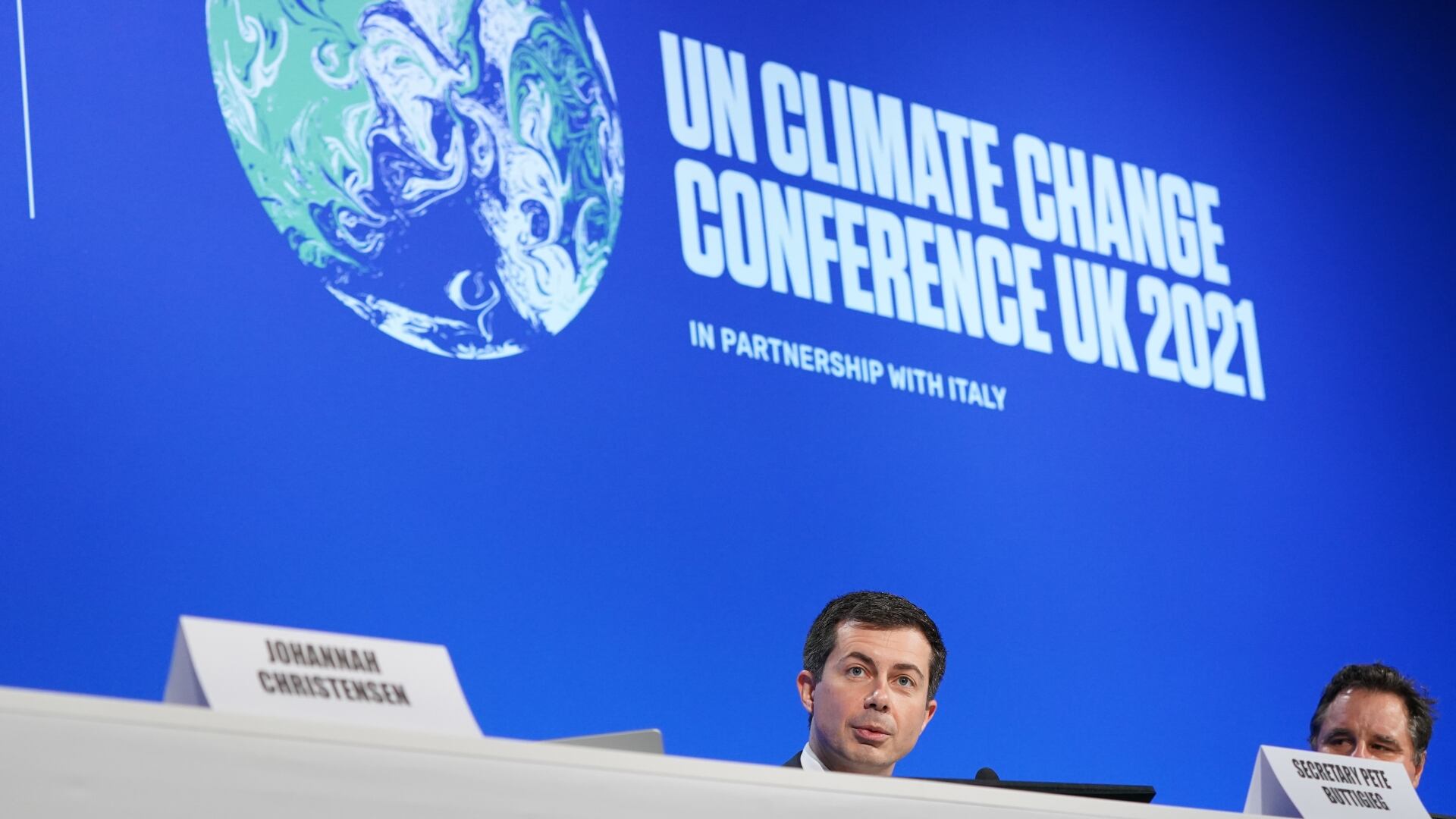
The COP26 summit in Scotland is in its final days, and the U.N. has just released a draft of an agreement for more than 200 world leaders to sign on Friday. The draft urges nations to set more aggressive goals in cutting emissions, while also calling for coal to be phased out. Chloe Demrovsky, President and CEO of Disaster Recovery Institute International, joins Cheddar News to discuss this agreement.
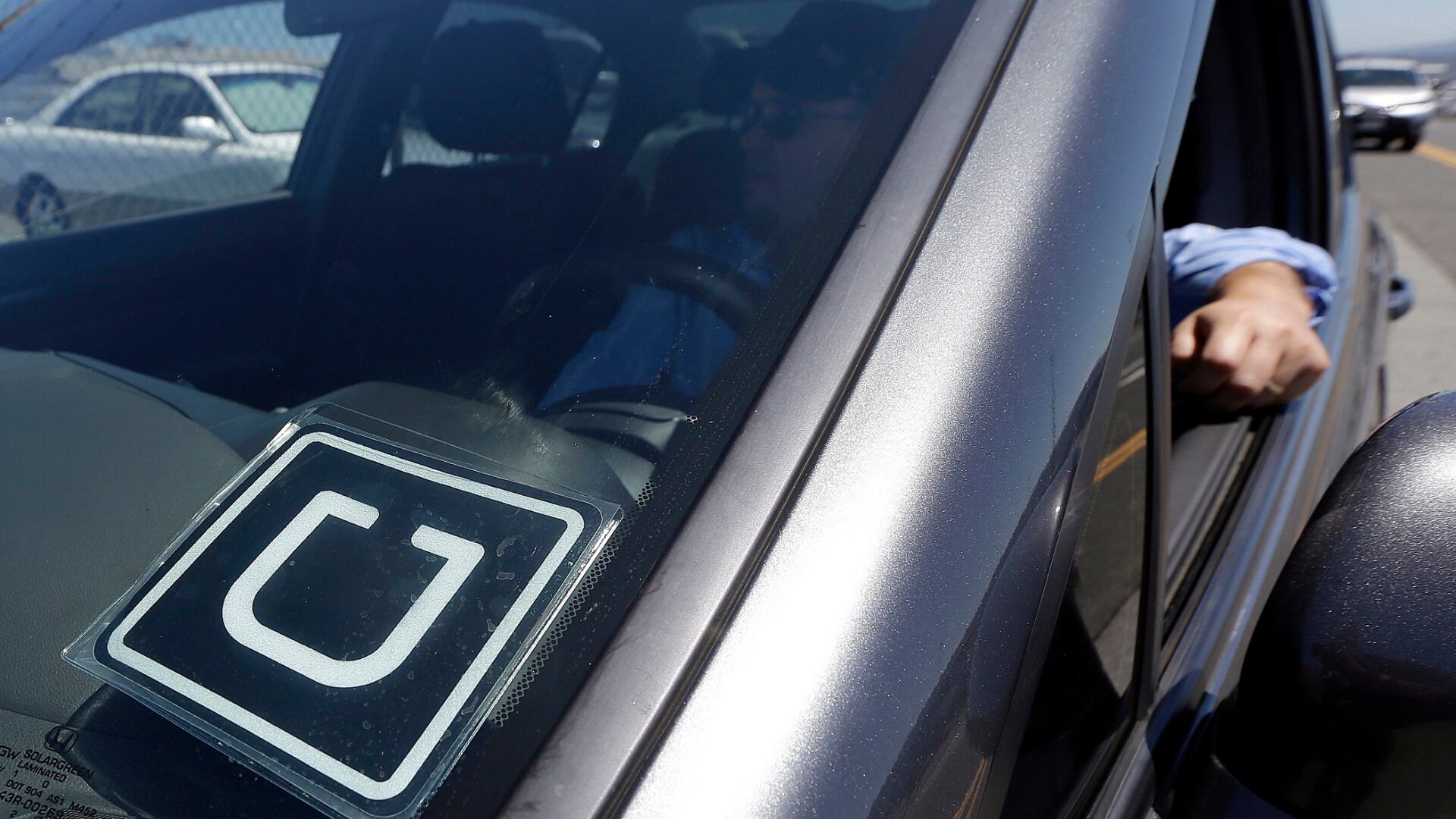
The Department of Justice has filed a lawsuit against Uber, alleging the ride-hailing company discriminates against customers with disabilities. The DOJ is arguing that its two-minute wait period before a cancellation fee is applied violates the Americans With Disabilities Act.
Stocks fell into the red on Wednesday after new data heightened fears over inflation. Vince Lorusso, Co-Founder and portfolio manager at Changebridge Capital, joins Cheddar News' Closing Bell where he says recent history suggests investors to buy the dips.
Iran is continuing to crack down on illicit bitcoin mining in the Islamic Republic after 227 mining rigs were seized. Businesses looking to run legal bitcoin mining operations have had to seek approval since 2019.
Tatenda Musapatike, Founder of the Voter Formation Project and former Political Ad Specialist at Facebook, joined Cheddar to discuss the outsized role social media plays in politics.
Amazon founder Jeffrey Bezos took to the stage at the U.N.'s COP26 Climate Summit to unveil a new plan to combat climate change, but some say it might do more harm than good. Justine Calma, Science Reporter at The Verge, joined Cheddar to discuss.
Rep. Ritchie Torres of New York talks about the importance of the historical Build Back Better Act and how these bills could help millions of Americans across the country.