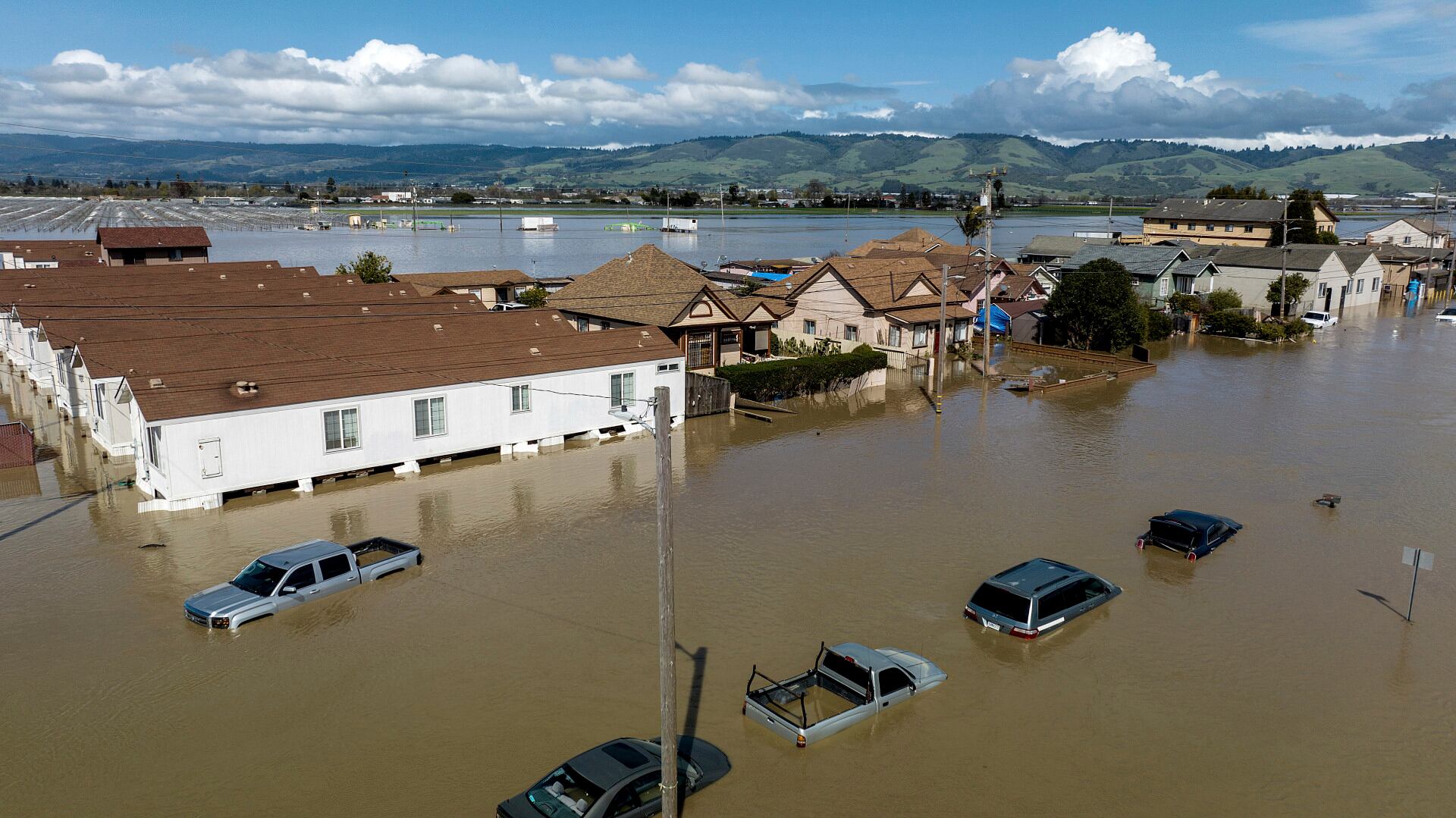
Floodwaters surround homes and vehicles in the community of Pajaro in Monterey County, Calif., on March 13, 2023. Record snowfall and rain have helped to loosen drought’s grip on parts of the western U.S. as national forecasters and climate experts warned Thursday, March 16, that some areas should expect more flooding as the snow begins to melt. (AP Photo/Noah Berger, File)
The National Oceanic and Atmospheric Administration has released its 2023 Spring outlook and the ongoing trend of unseasonable weather could be continuing.
One of the major takeaways from the report is that drought conditions in the Western U.S. are set to improve. The region that has been inundated with wet weather for much of the winter will see some reprieve when it comes to drought.
"Climate change is driving both wet and dry extremes, as illustrated by NOAA's observations and data that inform this seasonal outlook," said Rick Spinrad, Ph.D, NOAA administrator. "Under the Bipartisan Infrastructure Law and Inflation Reduction Act, and in support of the Biden Administration's priority to tackle the climate crisis, NOAA will invest significant resources to build a Climate-Ready Nation that gives communities tailored information about changing conditions so that residents and economies are protected."
In California, drought status is expected to improve even more as snowpacks that built up over the winter eventually melt. The conditions in the central Plains and in Florida are also expected to improve with Spring rainfalls.
Meanwhile, when it comes to heat and high temperatures, a swath of Southern and East Coast states will be above average. Alaska and Hawaii are also predicted to see above average temperatures between April and June.
NOAA said flooding could also significantly impact most states east of the Mississippi River.
"Approximately 44 percent of the U.S. is at risk for flooding this spring," said Ed Clark, the director of NOAA's National Water Center. "California's snowpack, coupled with spring rain, is heightening the potential for spring floods."
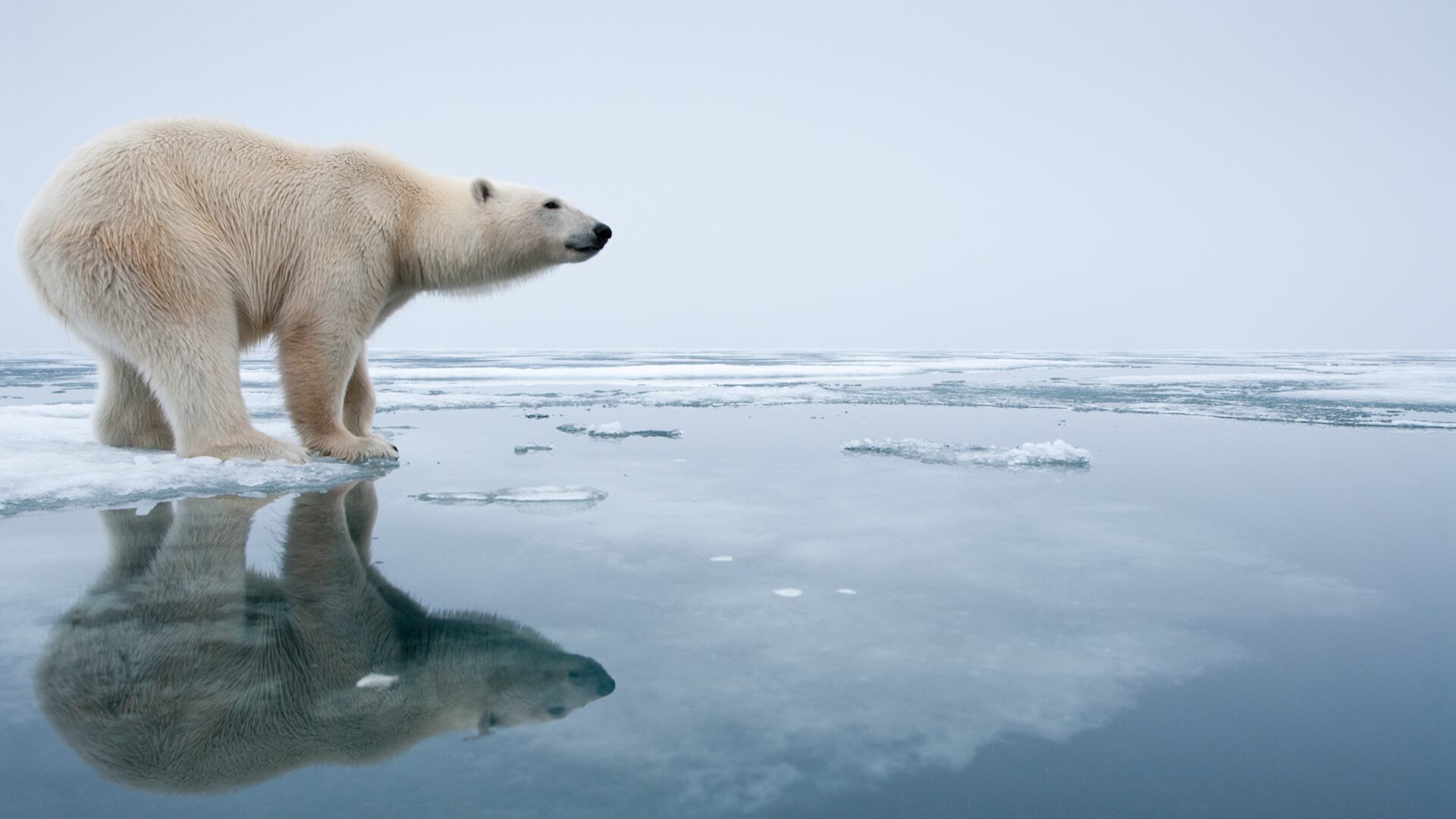
On this episode of Cheddar Reveals Richenda Sandlin-Tymitz, Marketing & Content Manager at Alaska Tour & Travel, breaks down when and how to plan your best trip to Alaska; Kristen Miller, Acting Executive Director, Alaska Wilderness League, discusses the Arctic National Wildlife Refuge and the oil drilling that threatens it; Cheddar gets a look at Curiosity Stream's 'The Magic of the Wild.'
Kristen Miller, acting executive director, Alaska Wilderness League, discusses the Arctic National Wildlife Refuge and the oil drilling that threatens it.
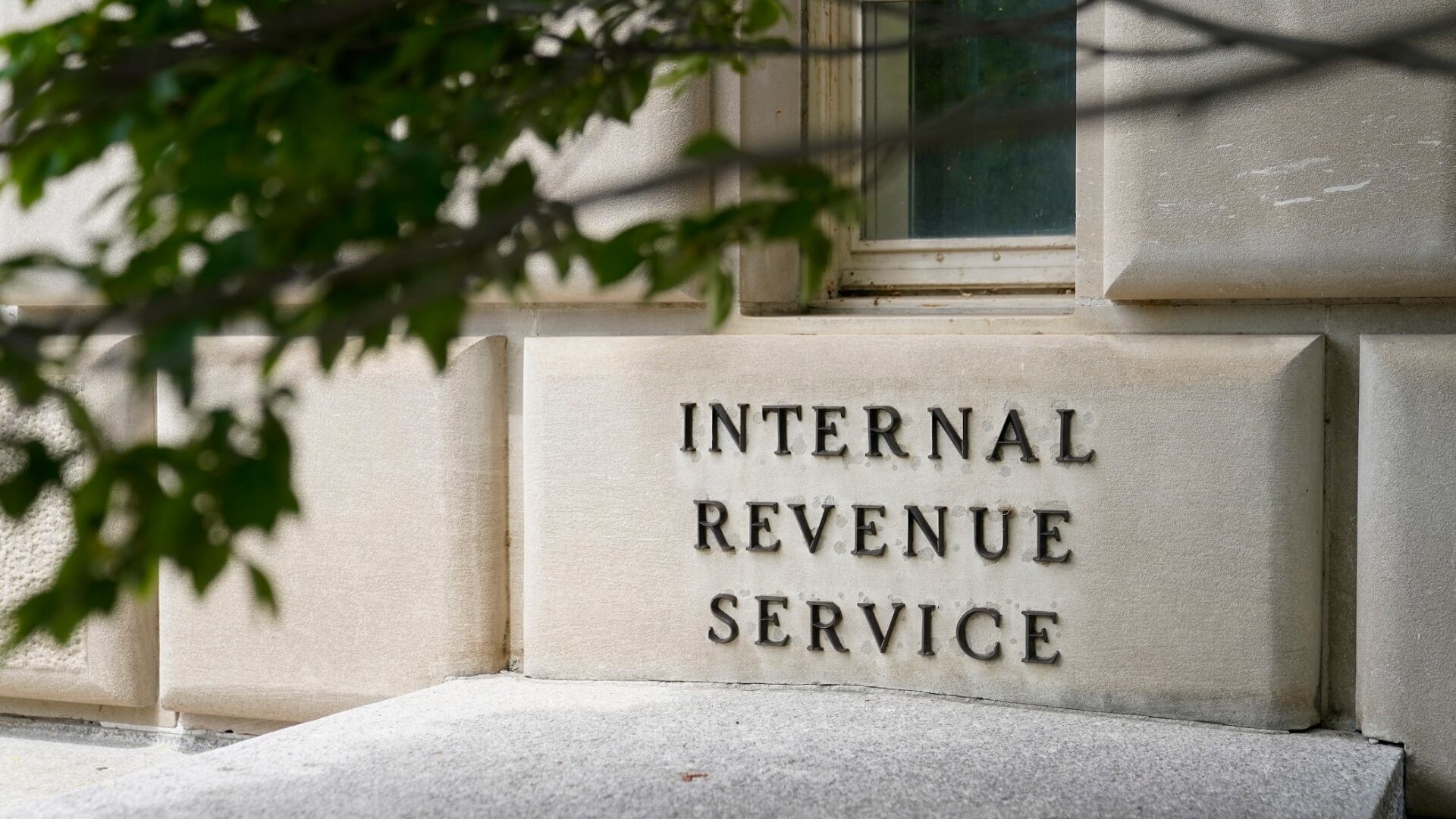
The Department of Treasury is warning Americans to expect delays on their tax returns this year as the IRS manages staffing shortages due to the pandemic.
The United States and Russia remain distant following a meeting between high-level officials for the two countries in Geneva, Switzerland. The nations remain conflicted over Washington's concern of a potential invasion of Ukraine by Russia and Moscow dispute with NATO expanding into former Soviet states. Hagar Chemali, host of Oh My World on YouTube and former spokesperson for the U.S. Mission to the U.N., joined Cheddar's "News Wrap" to give her take about the careful diplomatic negotiations underway. "I would expect more rounds," she said about the talks. "Both sides really remain adamant that we're not going to talk about Russia's proposal, and Russia doesn't want to talk about anything but its proposal. So once they start talking about the other items on the table, and there are a few other items, that's when negotiations can start."
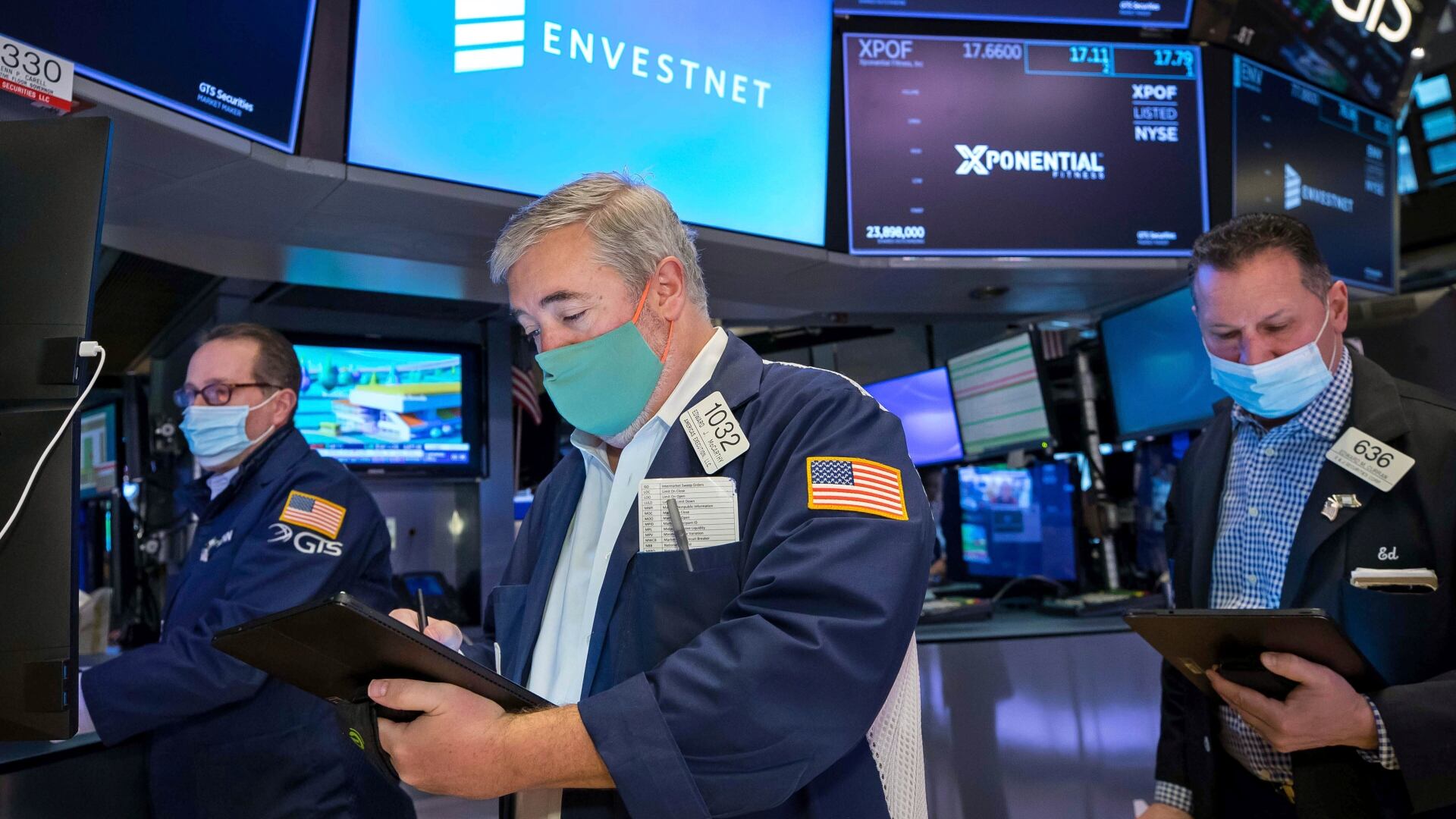
Markets closed the day mixed, and well off their lows of the day following a market meltdown earlier in the session. The Nasdaq staged a comeback late in the day, even amid ongoing worries about the Federal Reserve raising interest rates. Doug Flynn, certified financial planner and co-founder of Flynn Zito Capito, joined Cheddar News' Closing Bell to discuss the markets' close and what's driving the major indexes.
Eli Yokley, Senior Reporter at Morning Consult, joins Cheddar News to discuss how Americans are prioritizing economic issues over the pandemic when it comes to voting.
President Biden's disapproval rating hit a new high in December according to a poll from CNBC and Change Research, as Americans expressed their disapproval over the current state of the economy. This comes just months after the president signed a historic infrastructure bill back in November that was promised to bring a surge of jobs, especially in the manufacturing sector.
Change Research Senior Pollster Nancy Zdunkewicz spoke to Cheddar News about just what is driving the President’s disapproval rating.