By Deepa Bharath
California may become the first state in the nation to outlaw caste-based bias, a safeguard people of South Asian descent say is necessary to protect them from discrimination in housing, education and the tech sector where they hold key roles.
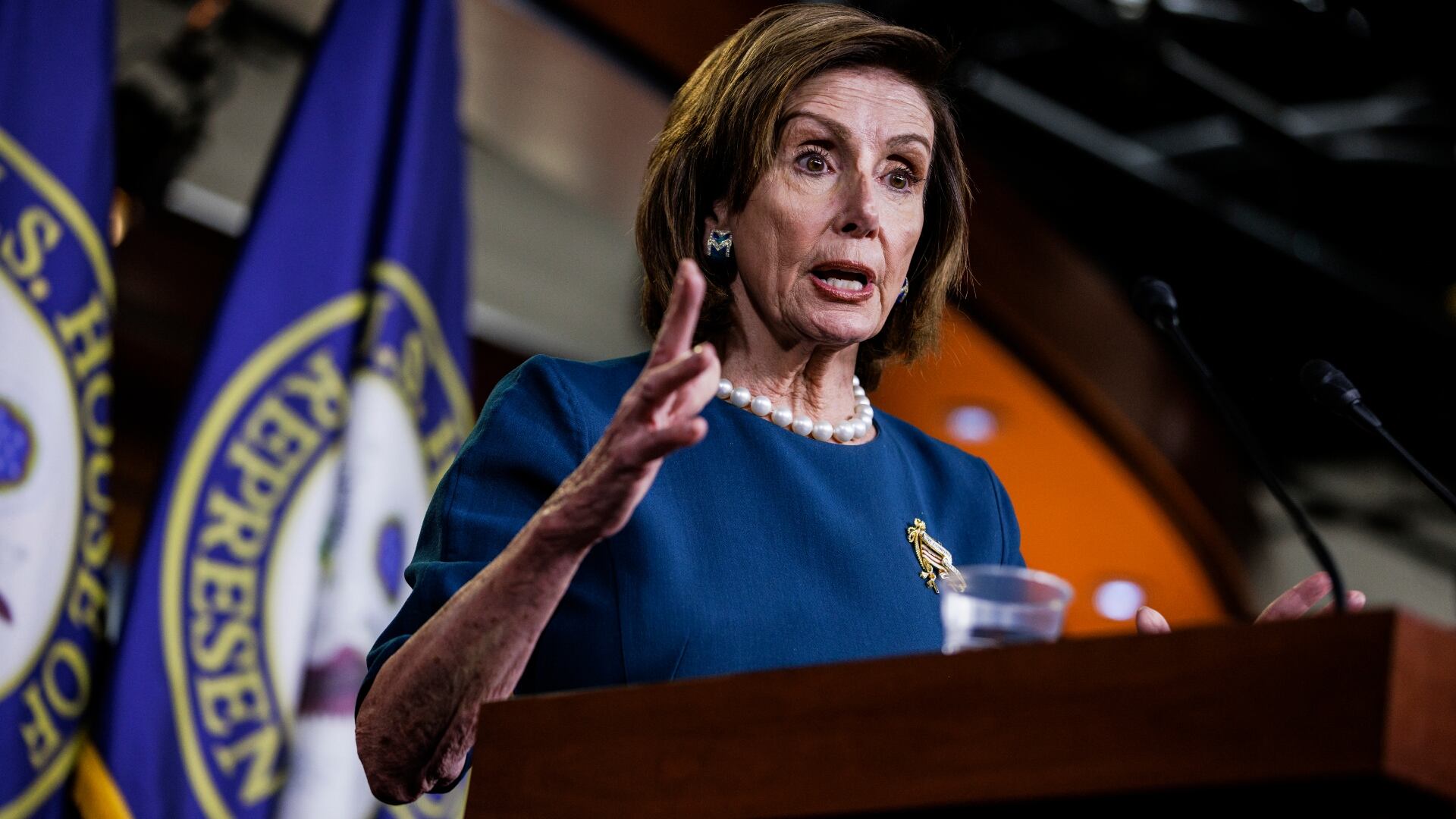
State Sen. Aisha Wahab, the first Muslim and Afghan American elected to the state legislature, introduced the bill Wednesday. It adds caste — a division of people related to birth or descent — as a protected category in the state’s anti-discrimination laws.
Those at the lowest strata of the caste system known as Dalits, have been increasingly calling for such legislation saying they have faced this kind of discrimination in the United States. But such policies remain divisive.
Wahab said caste discrimination is “a social justice and civil rights issue.”
“People came to this country so they can be free and can pursue their American dream without any disruption to their lives," Wahab said, adding that she heard about this form of discrimination growing up in Fremont, California, and living in the San Francisco Bay Area.
But some groups such as the Hindu American Foundation and the Coalition of Hindus of North America oppose such policies. They argue these measures will hurt a community that already faces hate and discrimination, and will specifically target Hindus and Indian Americans who are commonly associated with the caste system. The legislation is being backed by other groups such as Hindus for Human Rights and Hindus for Caste Equity.
A United Nations report in 2016 said at least 250 million people worldwide still face caste discrimination in Asia, Africa, the Middle East and Pacific regions, as well as in various diaspora communities. Caste systems are found among Buddhists, Christians, Hindus, Jains, Muslims and Sikhs.
Wahab said she is “deeply sensitive to how minority religions and groups are depicted.”
“Caste goes beyond religion and nationality,” she said. “This legislation primarily protects millions who live in silence and have never had such protection because there is little understanding of this issue. This bill is about protecting people who are vulnerable.”
In February, Seattle became the first U.S. city and the first jurisdiction outside South Asia to add caste to its anti-discrimination laws. Several colleges and universities have also enacted similar policies barring caste discrimination on campuses, including University of California, Davis.
A 2020 survey of Indian Americans by the Carnegie Endowment for International Peace found caste discrimination was reported by 5% of survey respondents. While 53% of foreign-born Hindu Indian Americans said they affiliate with a caste group, only 34% of U.S. born Hindu Indian Americans said they do the same.
However, a 2016 Equality Labs survey of 1,500 South Asians in the U.S. showed 67% of Dalits who responded reported being treated unfairly because of their caste.
California "has been ground zero for the caste equity movement,” said Thenmozhi Soundararajan, founder and executive director of Oakland, California-based Equality Labs, a Dalit advocacy group.
“This legislation is about clarifying existing protections and making them explicit,” she said.
The Hindu American Foundation disagrees. Samir Kalra, the group's managing director, said it is “a dangerous and misguided bill that targets, racially profiles, and institutionalizes bias against all residents of Indian and South Asian origin, as well as a few other vulnerable communities of color."
Kalra said California legislators should be protecting everyone's civil rights, but “they are instead trampling the fundamental constitutional rights of specific minority communities.”
According to a 2021 report by the Silicon Valley Institute for Regional Studies, Asians, including South Asians, hold 37.8% of technical roles and 25.3% of leadership roles at Silicon Valley's largest tech companies.
In 2020, California regulators sued Cisco Systems saying a Dalit Indian engineer faced caste discrimination at the company’s Silicon Valley headquarters. In another case, Tanuja Gupta, quit her senior manager job at Google News last year after blowback over inviting Soundararajan to speak to employees during April, which is Dalit History Month. The talk was canceled and Gupta accused her former employer of retaliation, which Google has denied.
Gupta said she is backing the bill because those facing caste discrimination have no protection or legal recourse right now.
“This is the form of accountability we need,” she said. “People are afraid to speak up when they are discriminated against because they are afraid to rock the boat and they fear they may lose their job or employment visa. It's a hard cycle to break and you can only do it when someone is willing to risk everything.”
Caste is “not a religious issue, but a civil rights issue,” said Gupta.
Shakeel Syed, executive director of South Asian Network in Artesia, California, said he sees caste discrimination among workers and he has helped in cases where caste played a role in wage theft and housing discrimination.
“When hardworking people are not respected or valued simply because of their caste, that is just blatantly wrong,” he said.