By Marcia Dunn
NASA held its first public meeting on UFOs Wednesday a year after launching a study into unexplained sightings.
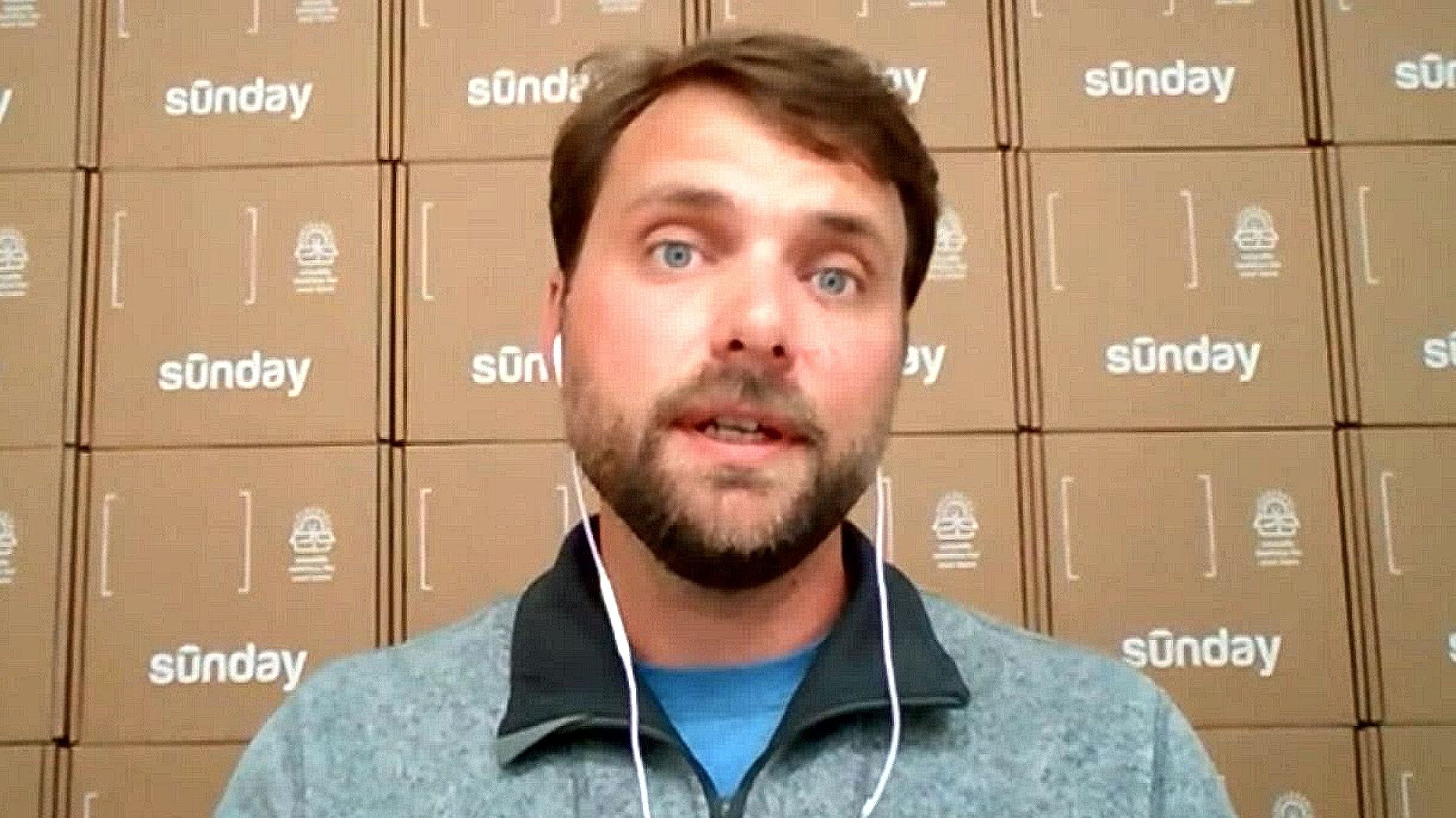
The space agency televised the hourslong hearing featuring an independent panel of experts. The team includes 16 scientists and other experts selected by NASA including retired astronaut Scott Kelly, the first American to spend nearly a year in space.
Several committee members have been subjected to “online abuse” for serving on the team, which detracts from the scientific process, said NASA's Dan Evans, adding that NASA security is dealing with it.
“It’s precisely this rigorous, evidence-based approach that allows one to separate the fact from fiction," Evans said.
The study is a first step in trying to explain mysterious sightings in the sky that NASA calls UAPs, or unidentified aerial phenomena.
The group is looking at what unclassified information is available on the subject and how much more is needed to understand what's going on in the sky, according to astrophysicist David Spergel, the committee's chair who runs the Simons Foundation.
No secret military data are included, such as anything surrounding the suspected spy balloons from China spotted flying over the U.S. earlier this year.
The meeting was held at at NASA headquarters in Washington with the public taking part remotely.
A final report is expected by the end of July.
The Associated Press Health and Science Department receives support from the Howard Hughes Medical Institute’s Science and Educational Media Group. The AP is solely responsible for all content.