By Marcia Dunn
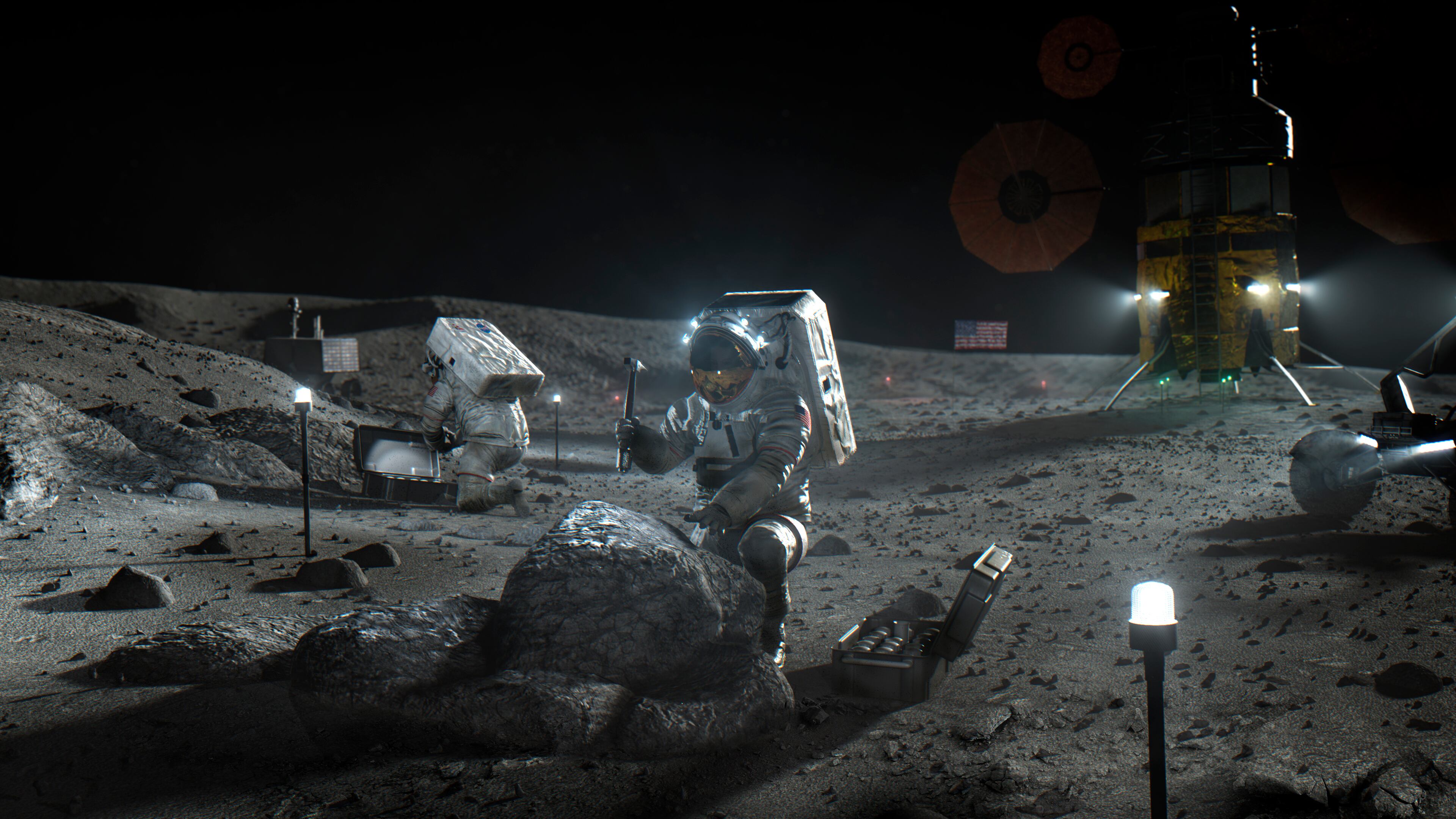
NASA held its first public meeting on UFOs Wednesday a year after launching a study into unexplained sightings.
The space agency televised the hourslong hearing featuring an independent panel of experts. The team includes 16 scientists and other experts selected by NASA including retired astronaut Scott Kelly, the first American to spend nearly a year in space.
Several committee members have been subjected to “online abuse” for serving on the team, which detracts from the scientific process, said NASA's Dan Evans, adding that NASA security is dealing with it.
“It’s precisely this rigorous, evidence-based approach that allows one to separate the fact from fiction," Evans said.
The study is a first step in trying to explain mysterious sightings in the sky that NASA calls UAPs, or unidentified aerial phenomena.
The group is looking at what unclassified information is available on the subject and how much more is needed to understand what's going on in the sky, according to astrophysicist David Spergel, the committee's chair who runs the Simons Foundation.
No secret military data are included, such as anything surrounding the suspected spy balloons from China spotted flying over the U.S. earlier this year.
The meeting was held at at NASA headquarters in Washington with the public taking part remotely.
A final report is expected by the end of July.
The Associated Press Health and Science Department receives support from the Howard Hughes Medical Institute’s Science and Educational Media Group. The AP is solely responsible for all content.
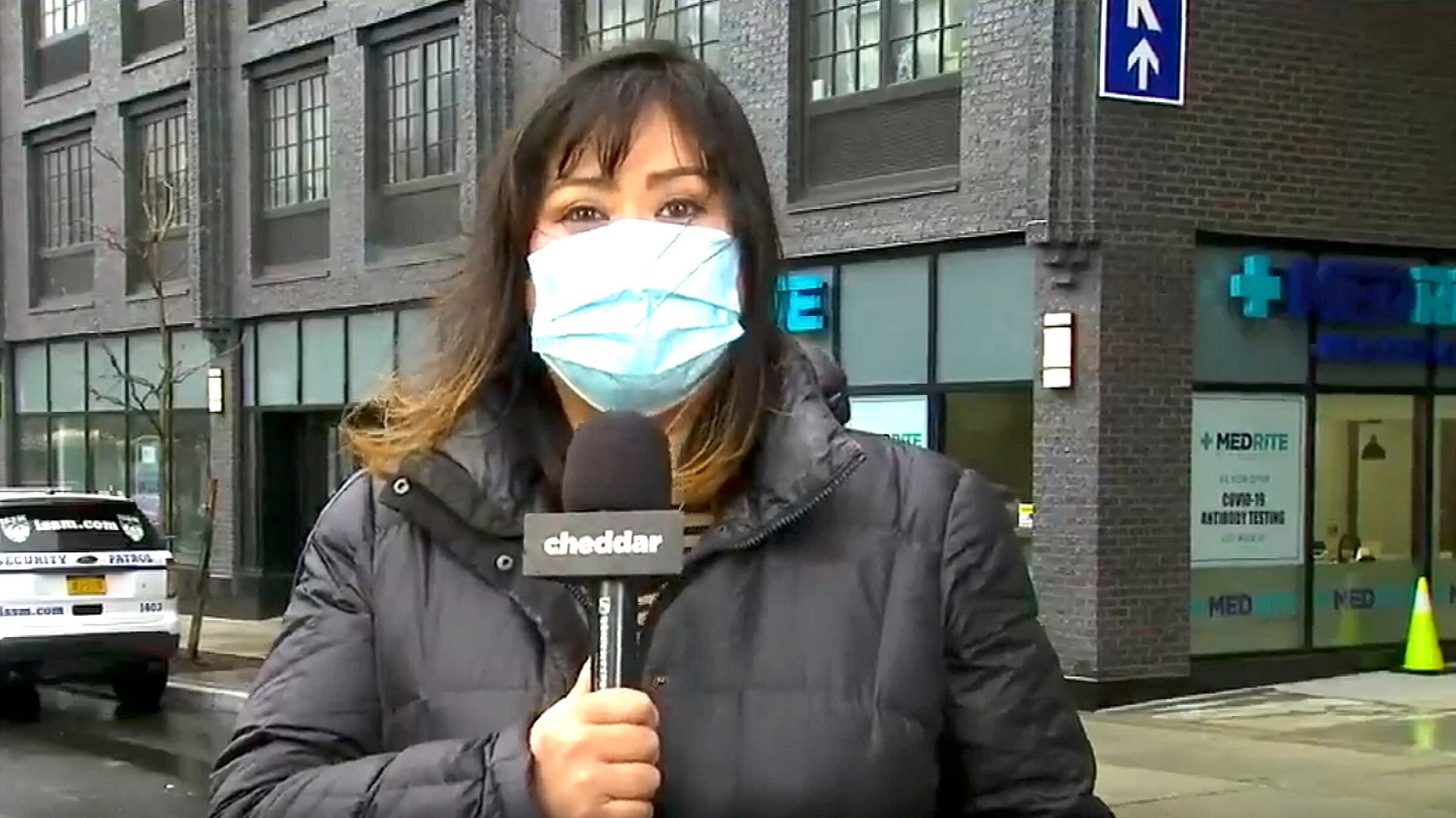
Cheddar's Michelle Castillo follows up on her antibody test, and breaks down why, despite some unavoidable risks, she may have remained coronavirus-free.
One day after saying that the COVID-19 task force would be winding down, President Donald Trump says it would continue on indefinitely, but focus on rebooting the economy.
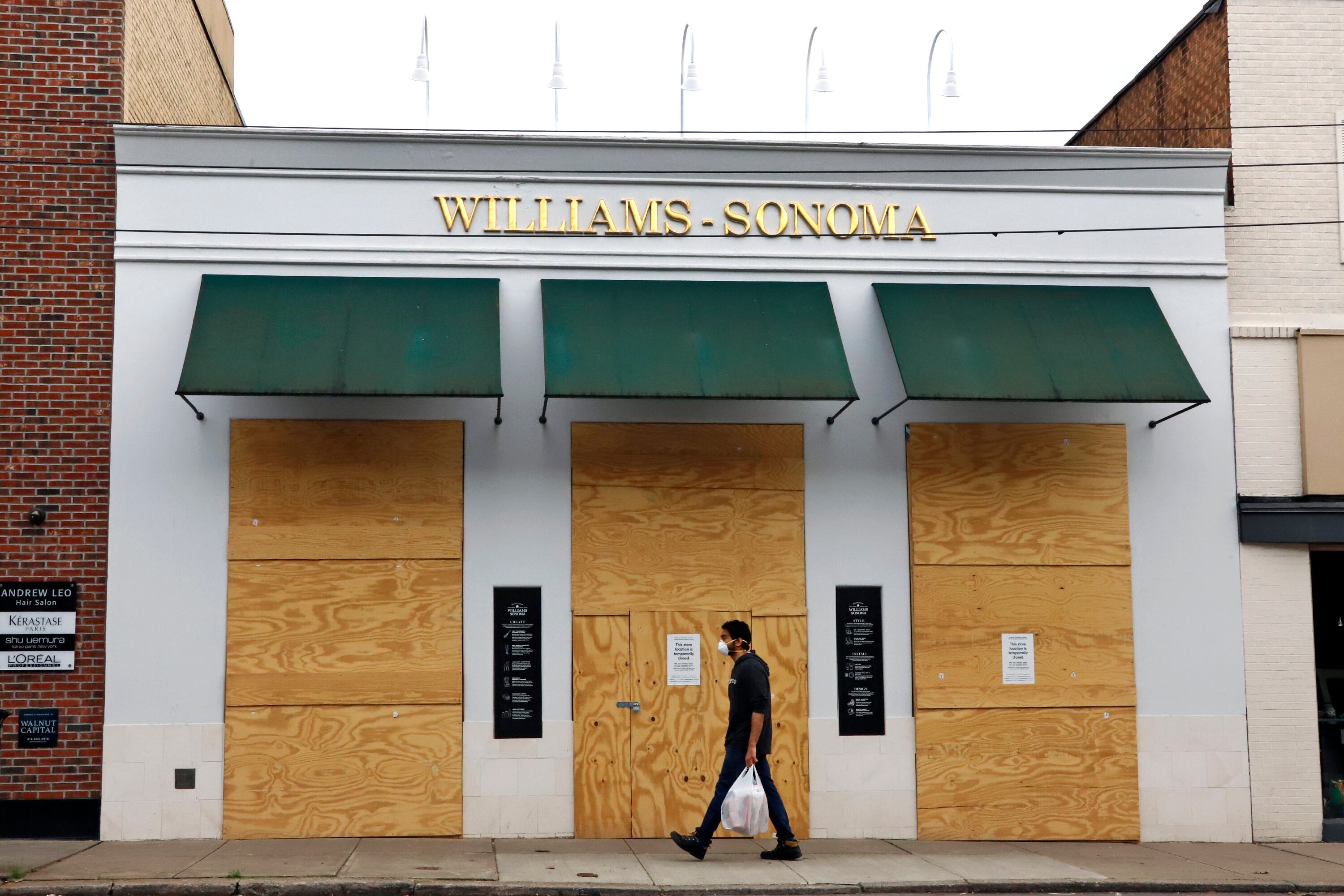
An Associated Press analysis finds that taking the New York metropolitan area’s progress against the coronavirus out of the equation shows the rest of the U.S. moving in the wrong direction, with the infection rate rising even as states move to lift their lockdowns.
Vice President Mike Pence says the White House coronavirus task force could wind down its work by early June.
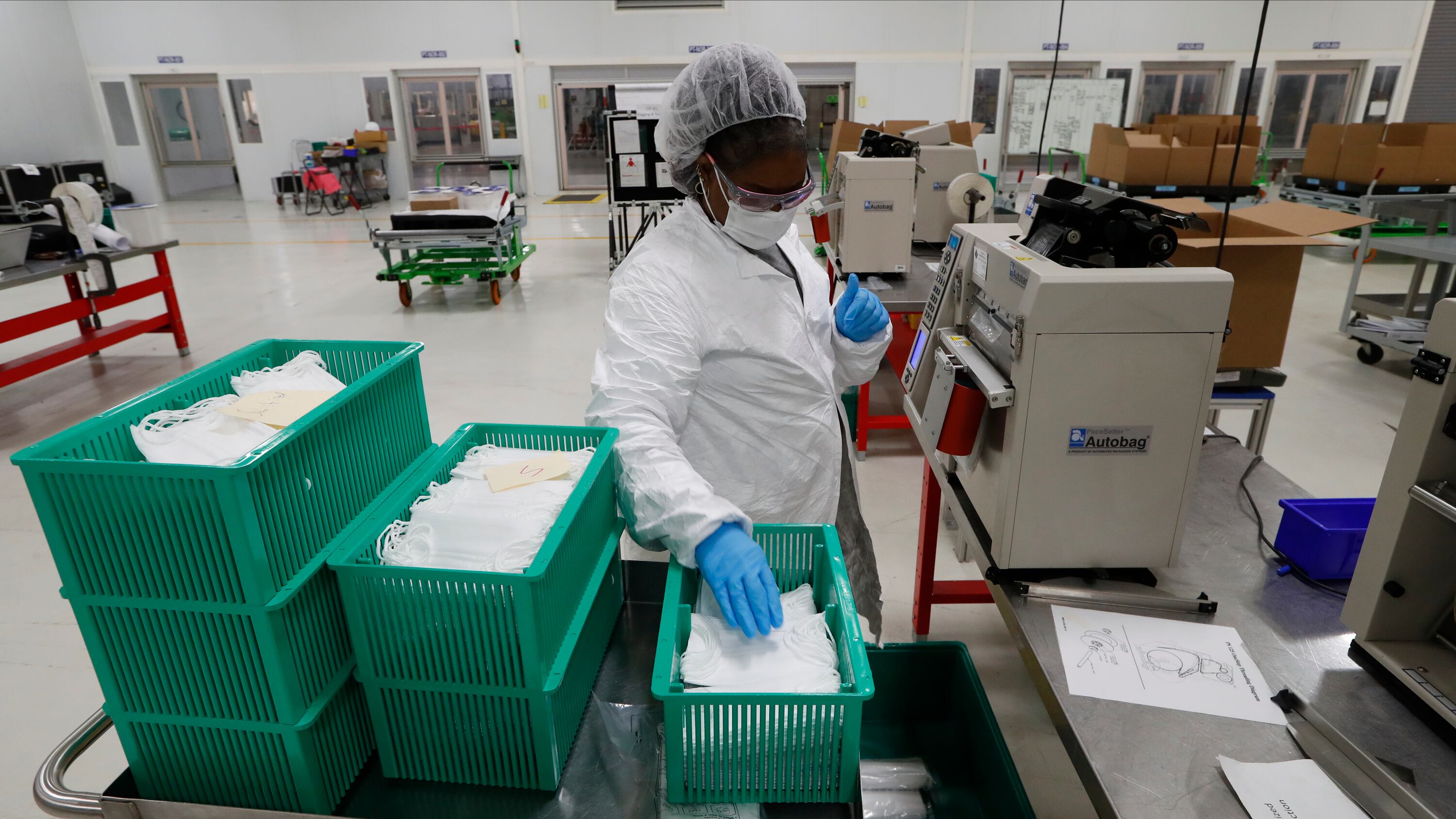
Companies across a wide swath of industries have found ways to give back to communities in their time of need amid the COVID-19 pandemic.
COVID-19 tests look for antibodies, which are proteins the body develops in response to toxic or foreign substances inside the bloodstream.
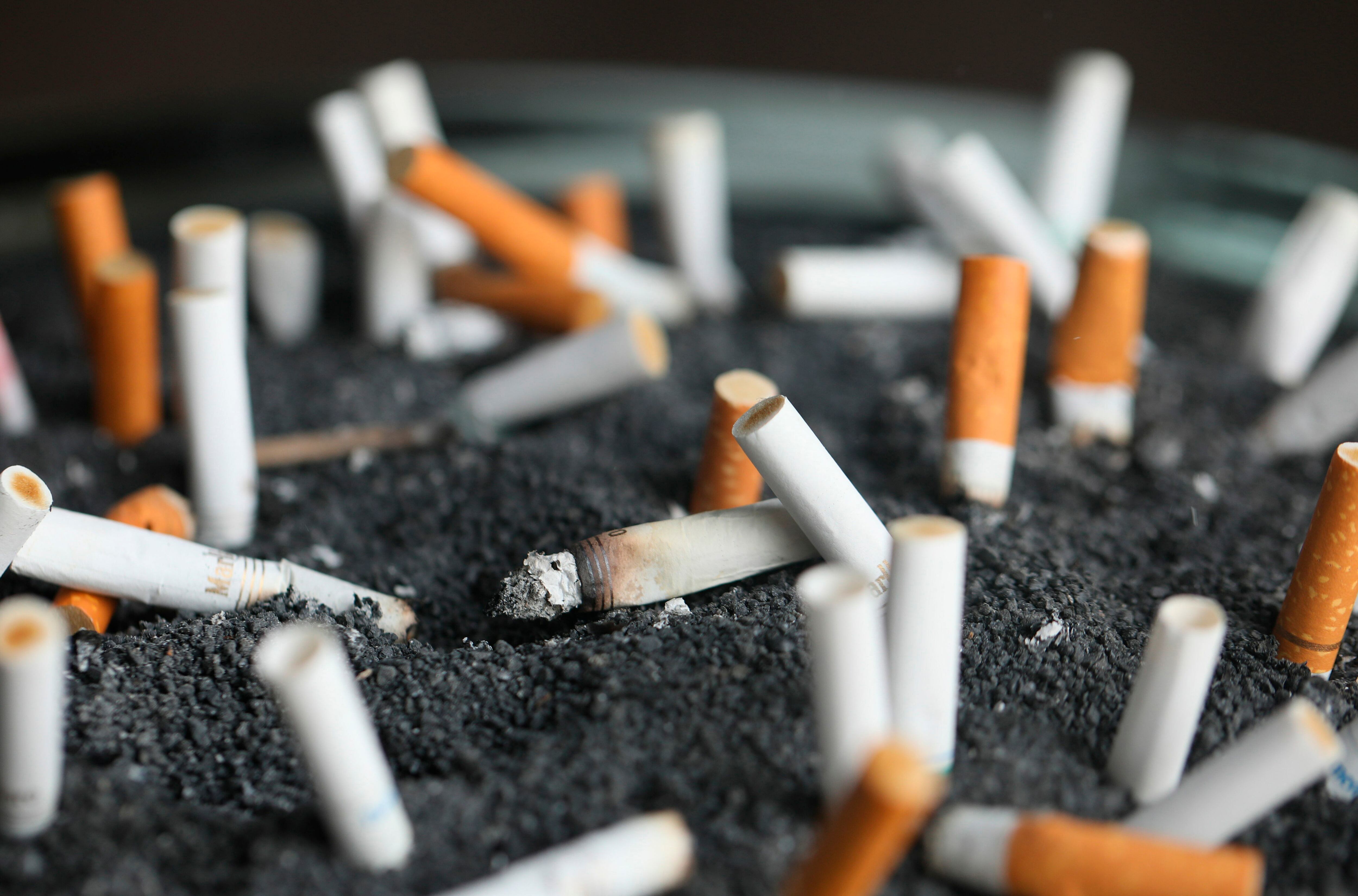
A new study out of a Paris hospital suggests nicotine may help prevent infection and serious illness from coronavirus — but doctors caution against picking up a smoking habit.
From Wall Street to Silicon Valley, these are the top stories that moved markets and had investors, business leaders, and entrepreneurs talking this week on Cheddar.
NASA Administrator Jim Bridenstine announced Thursday the three companies that will develop, build and fly lunar landers, with the goal of returning astronauts to the moon in 2024 and ultimately on to Mars.
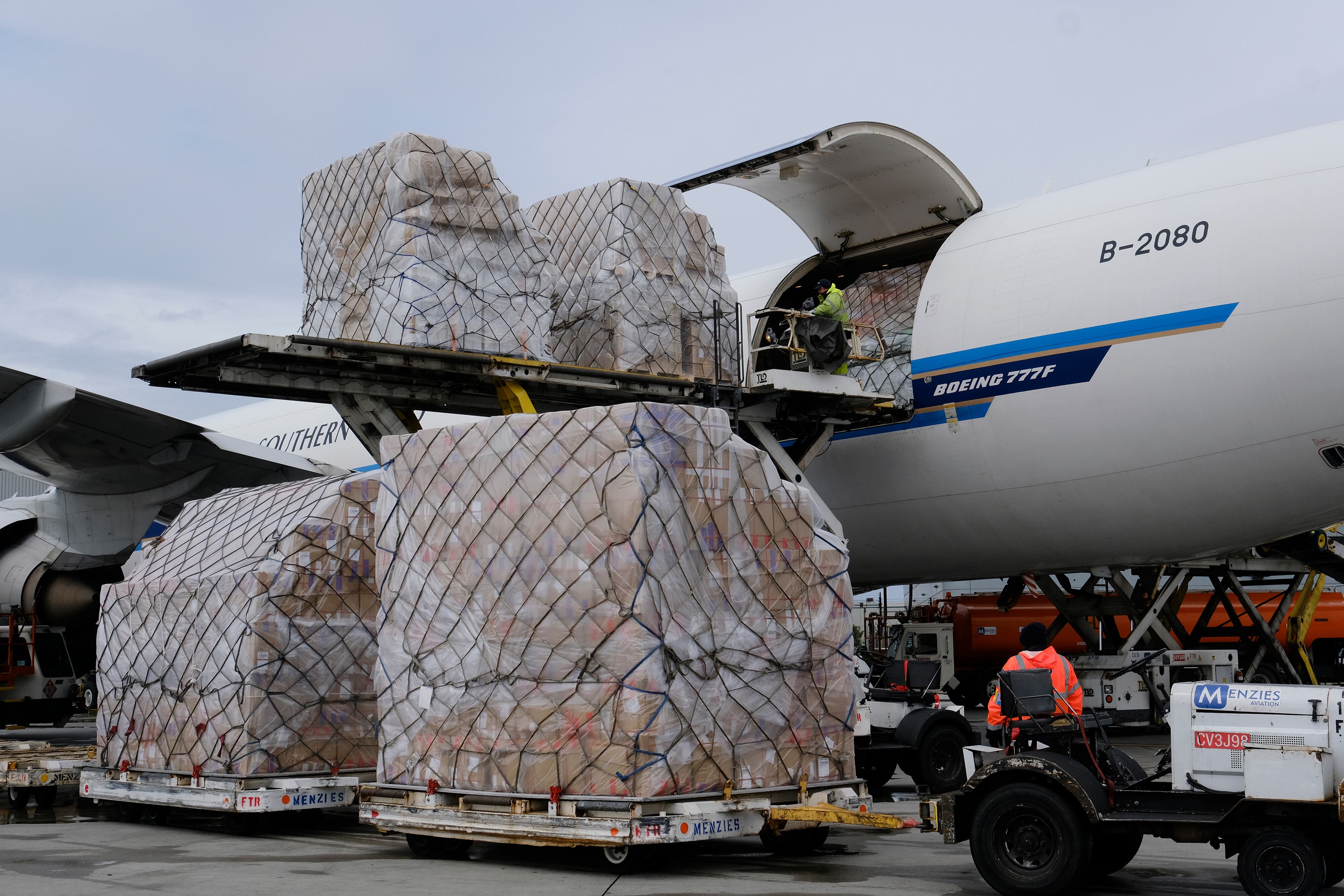
A shortage of personal protective equipment is a critical problem for frontline medical workers and one of the toughest issues the organization is facing, said Thomas Tighe, CEO of Direct Relief.