By Marcia Dunn
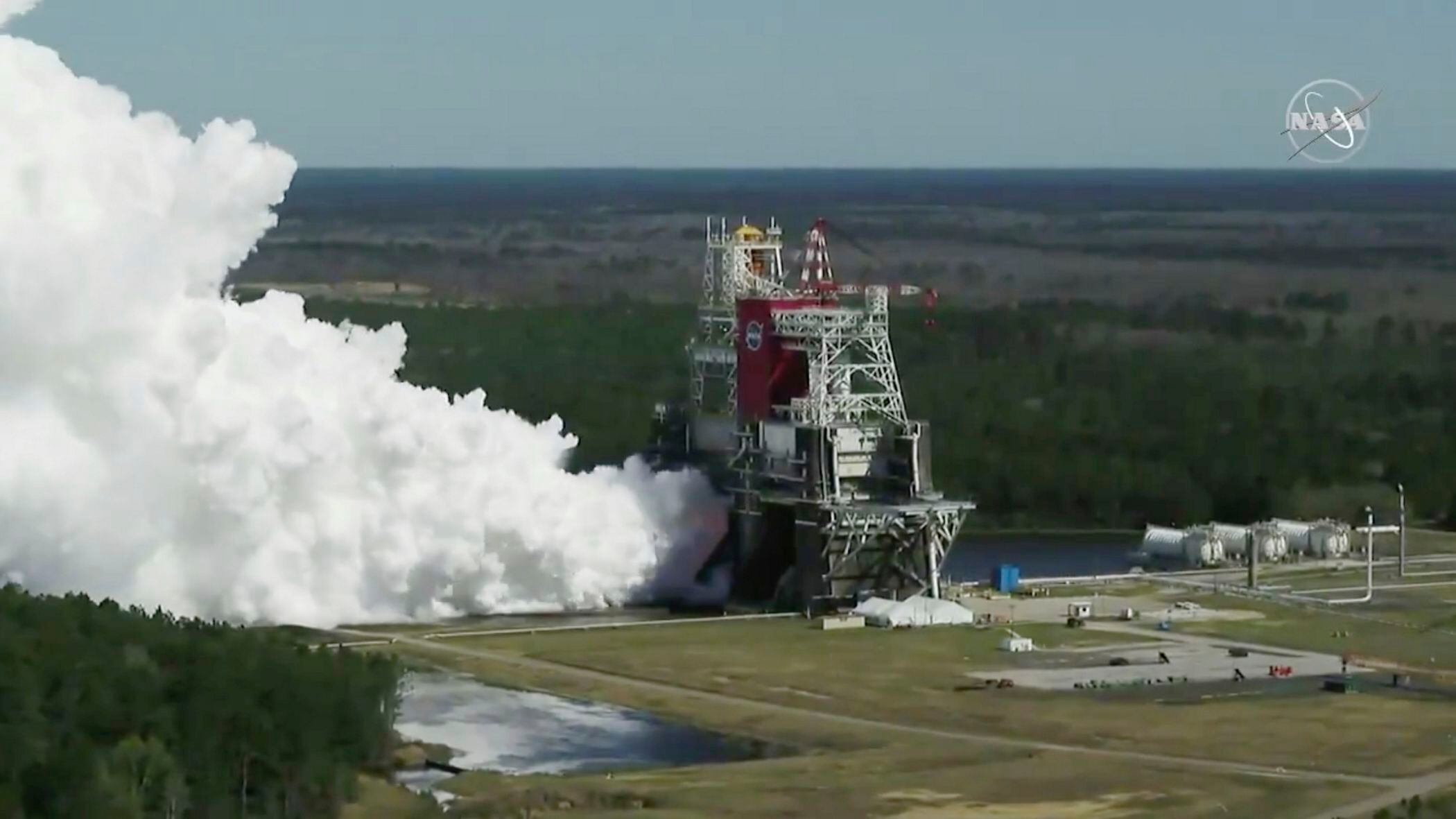
NASA completed an engine test firing of its moon rocket Thursday, after the first attempt in January ended prematurely.
This time, the four main engines of the rocket’s core stage remained ignited for the full eight minutes. Applause broke out in the control room at Mississippi's Stennis Space Flight Center once the engines shut down on the test stand.
NASA officials called it a major milestone in sending astronauts back to the moon, but declined to say when that might occur or even whether the first test flight without a crew would occur by year's end as planned.
John Honeycutt, NASA's program manager for the Space Launch System or SLS rocket, said everything seemed to go well in Thursday's test firing. “The core stage ... got an A-plus today,” he told reporters.
During the first test, the engines fired for just a minute, automatically cut short by strict test limits that were relaxed for the redo. Valve issues also had to be resolved prior to Thursday's countdown.
With this critical test finally finished — and assuming everything went well — NASA can now send the rocket segment to Florida's Kennedy Space Center to prepare it for launch.
Noting they're taking it one step at a time, officials declined to say whether this first SLS launch will occur by year's end as had been planned or will bump into 2022. The SLS rocket will send an empty Orion capsule to the moon and back.
The four engines tested Thursday actually flew into orbit on NASA's space shuttles and were upgraded for the more powerful SLS system. The orange core stage is reminiscent of the shuttle's external fuel tank, which held the liquid hydrogen and oxygen that fed the main engines.
Boeing built the core stage, which stands 212 feet (65 meters.)
The Trump administration had pressed for a moon landing by astronauts by 2024, a deadline increasingly difficult if not impossible to achieve at this point. The current White House has yet to issue a revised timeline.
NASA Acting Administrator Steve Jurczyk said the space agency is conducting an internal study to determine a schedule for the astronaut moon landings — “what we can optimally do” based on budgets. The review will take a few months, he noted.
Sara Fischer, Media reporter for Axios, discusses how data effects foreign investments in U.S. Technology. Ripple Partners With MoneyGram to Lower Remittance Cost. Turner CEO John Martin gives his take on future of media and TV. Walmart announce it is closing 63 Sam's Club stores across the country. Former White House Chief Strategist Steve Bannon is set to appear next week before the House Intelligence Committee.
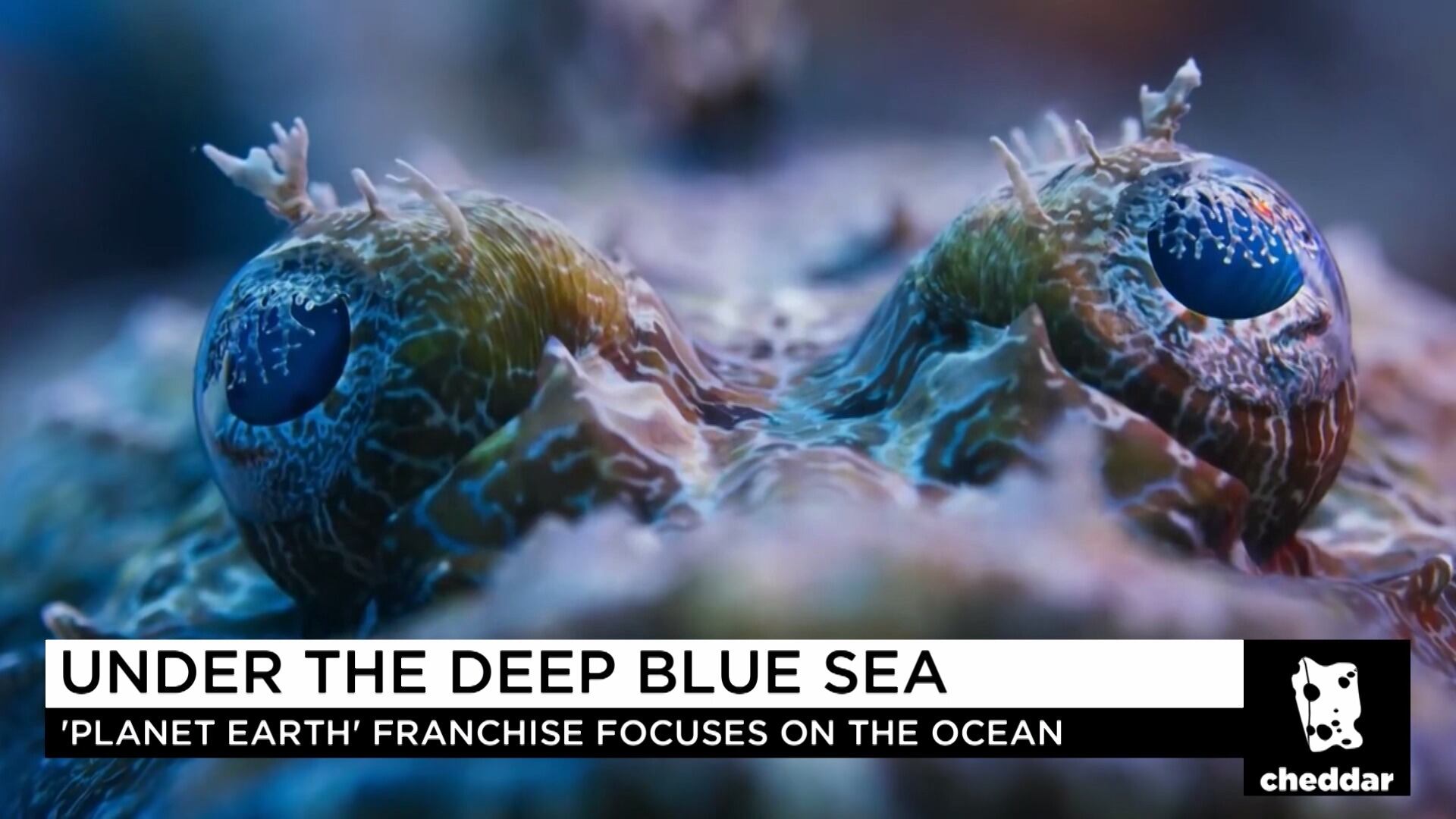
"Blue Planet" is the Emmy-Award winning series that looks at life under the deep blue sea. It's back for a new season 17 years after the original aired in 2001. The producers sit down with Alyssa Julya Smith in Los Angeles to talk about the four-year production of the latest installment.
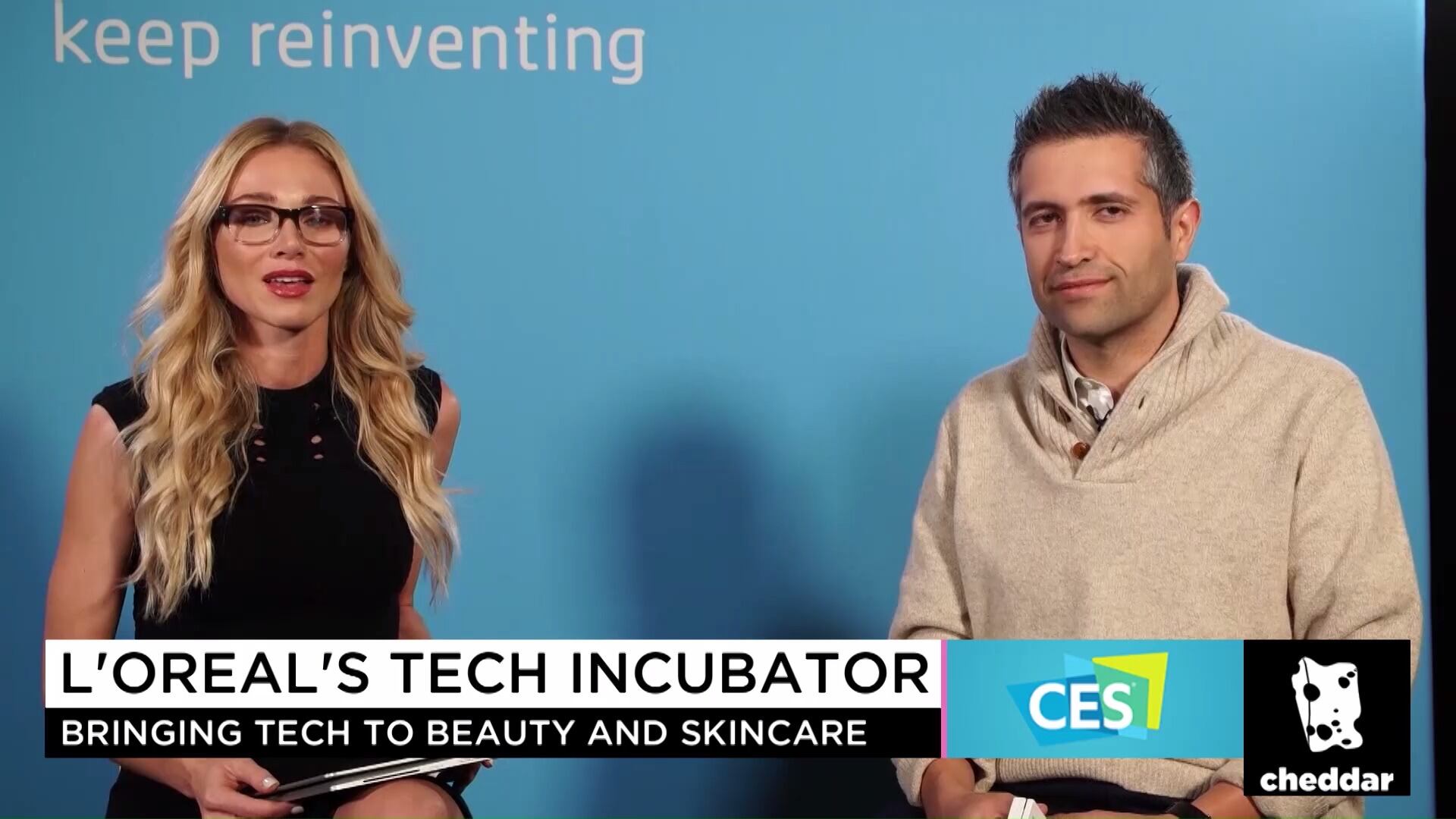
In 1935 L'Oreal developed the first commercial sunscreen product. Now, the beauty company is out with the first battery-free wearable that help will with UV protection. UV Sense could usher in a new wave of preventative sun skincare.
Space Mysteries: the search for Zuma. How DJ Khaled will change Weight Watchers, we're cruising with Volvo Cars at CES. With YourTango, Scientific American, and more.
Conspiracy theories are flying around after reports that a secret government satellite went missing during the most recent SpaceX launch. The Zuma satellite is rumored to be lost in space, but not everyone is convinced that's true.
As officials struggle to fight the opioid epidemic that is plaguing the country, some big cities are considering creating "safe injection" sites. No city has submitted a formal plan, but the idea is already stirring up controversy.
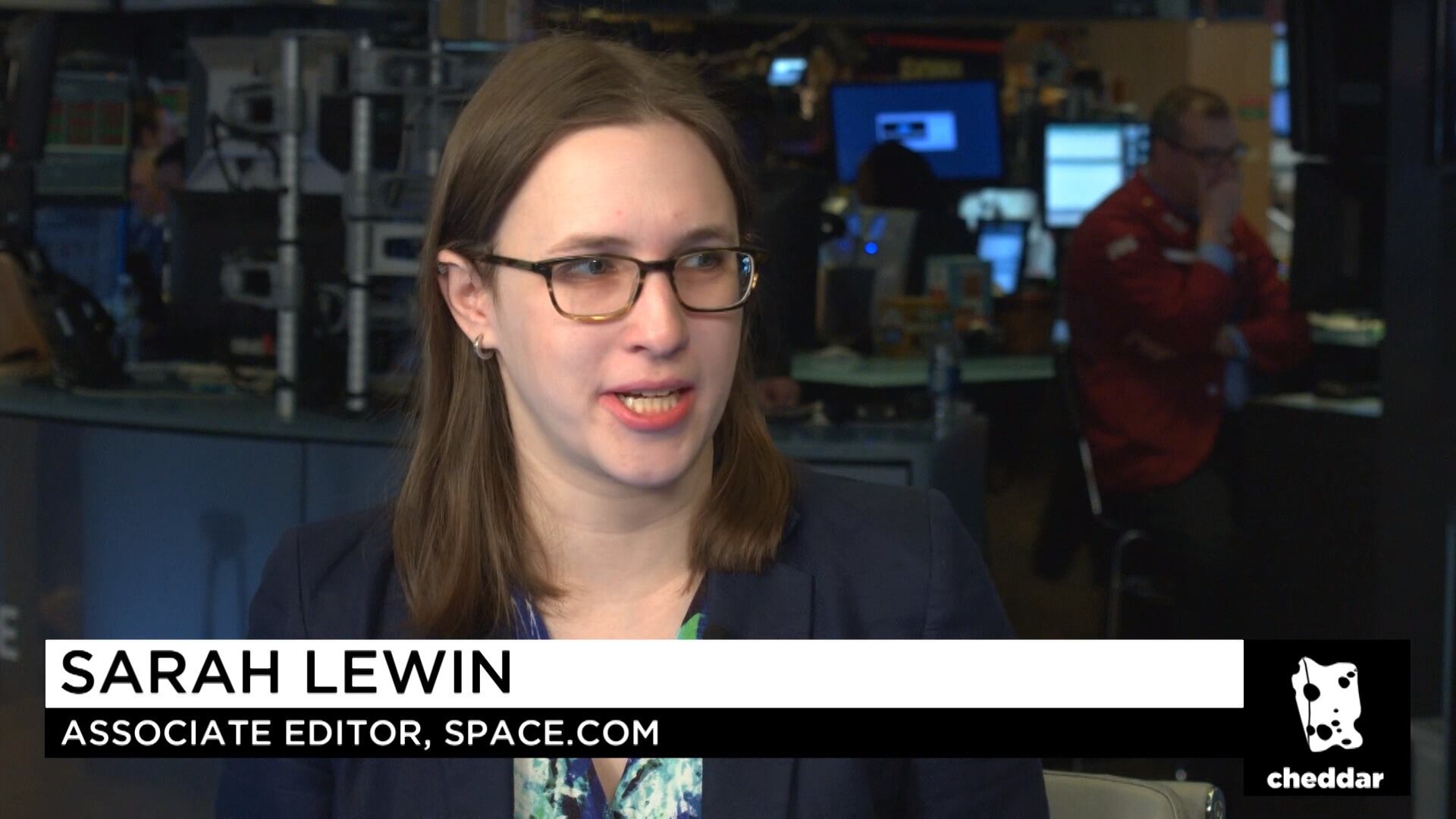
Associate editor at Space.com Sarah Lewin sheds some light on SpaceX's mysterious Sunday night launch and breaks down the fascinating new photos we just got of Jupiter.
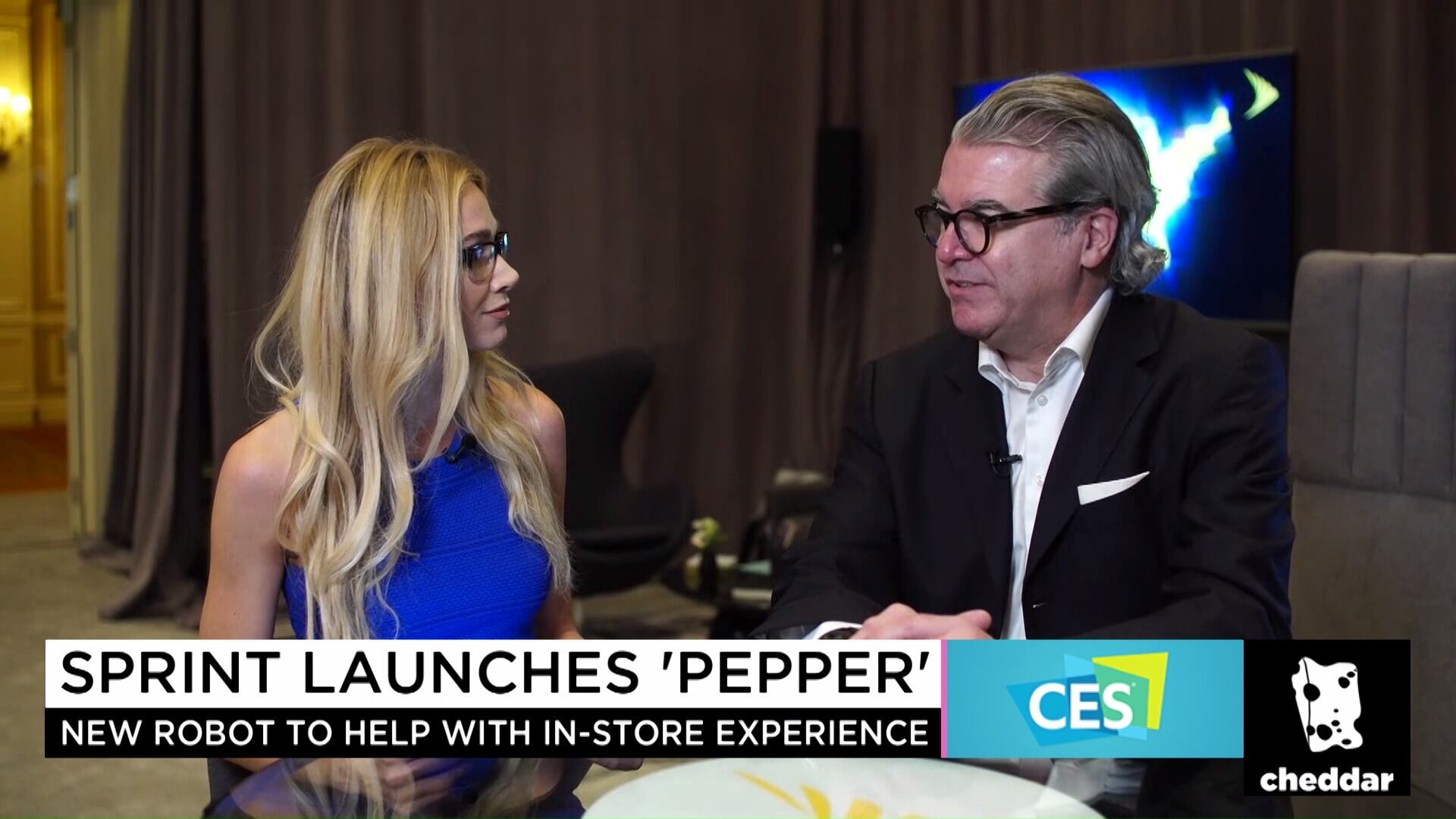
The next time you walk into a Sprint store you could be greeted by their newest employee, the humanoid robot "Pepper." Pepper uses machine learning and artificial intelligence to greet customers and work with them throughout their Sprint store experience. Pepper is already in some stores across America.
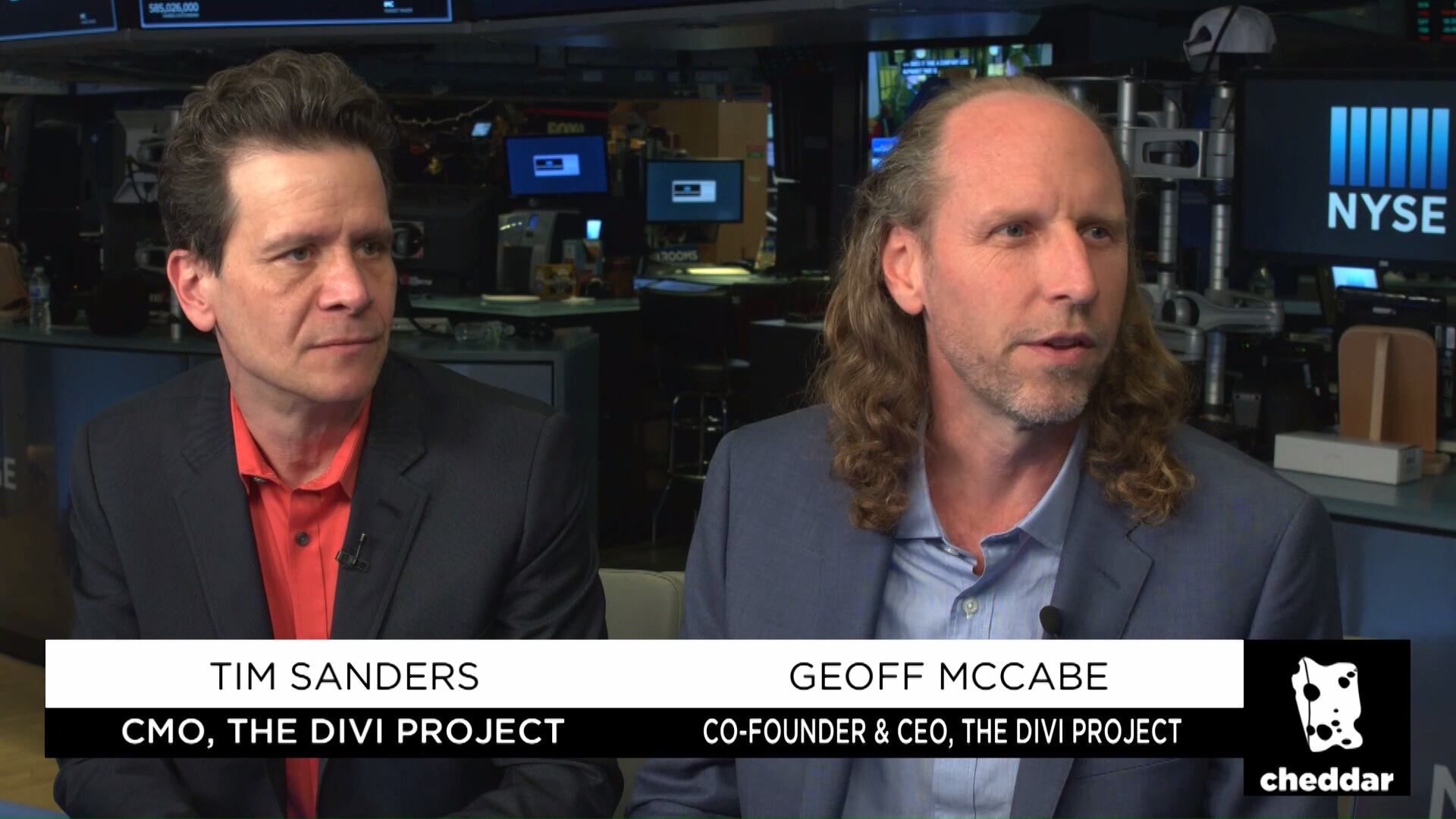
Divi Coins wants to make their cryptocurrency as convenient and accessible as possible. The Divi Project is a new crypto company that closed their initial coin sale in November. The new crypto is looking to replace exchanges like Paypal or Venmo.
This Changes Things: Advice for the executives and leaders of tomorrow, sponsored by American Express OPEN. On Between Bells: the latest from the Consumer Electronics Show, net neutrality's last stand, and more. With Petco, Curiosity, Daily Kos, Popular Science, and more.