By Marcia Dunn
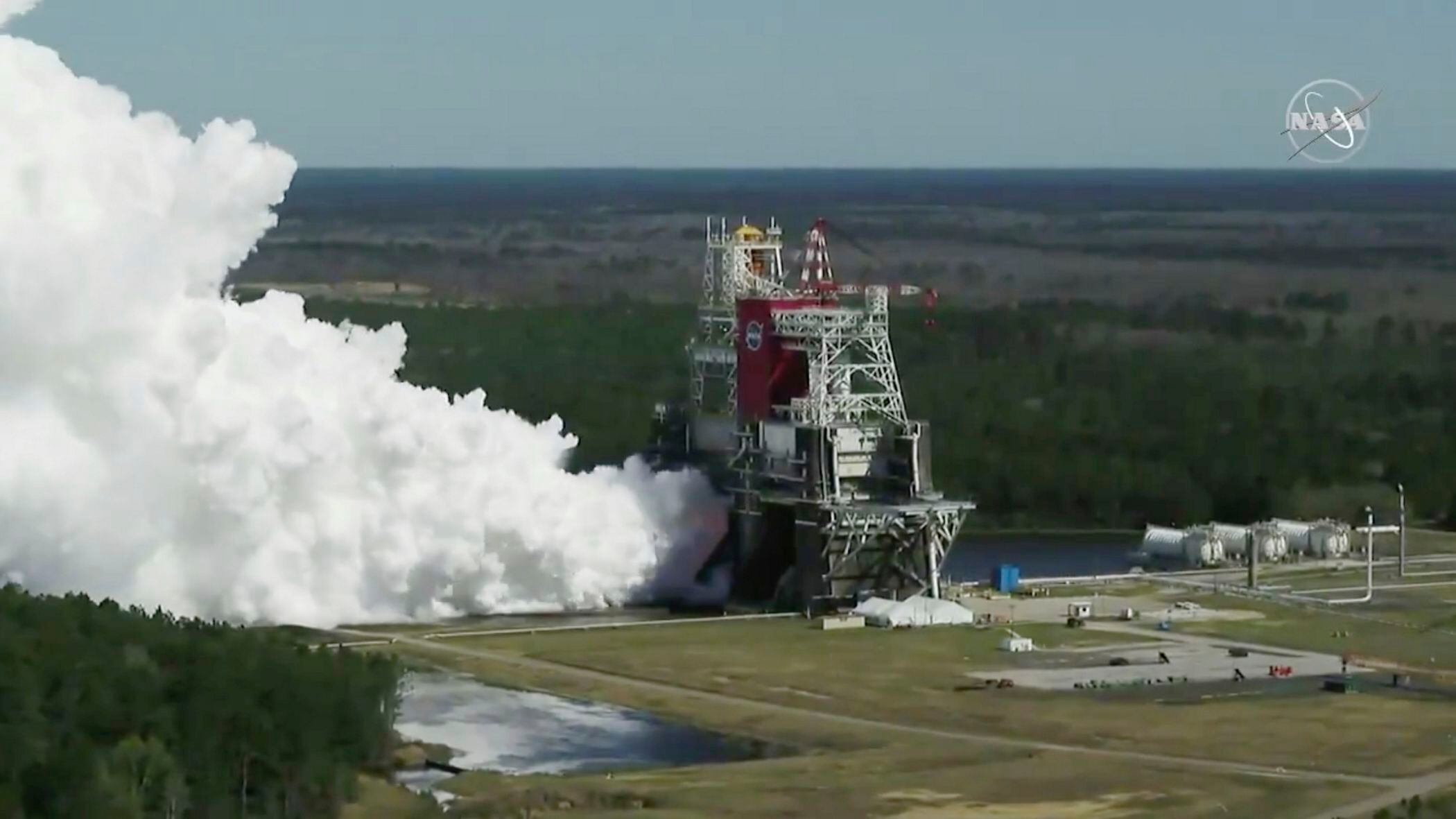
NASA completed an engine test firing of its moon rocket Thursday, after the first attempt in January ended prematurely.
This time, the four main engines of the rocket’s core stage remained ignited for the full eight minutes. Applause broke out in the control room at Mississippi's Stennis Space Flight Center once the engines shut down on the test stand.
NASA officials called it a major milestone in sending astronauts back to the moon, but declined to say when that might occur or even whether the first test flight without a crew would occur by year's end as planned.
John Honeycutt, NASA's program manager for the Space Launch System or SLS rocket, said everything seemed to go well in Thursday's test firing. “The core stage ... got an A-plus today,” he told reporters.
During the first test, the engines fired for just a minute, automatically cut short by strict test limits that were relaxed for the redo. Valve issues also had to be resolved prior to Thursday's countdown.
With this critical test finally finished — and assuming everything went well — NASA can now send the rocket segment to Florida's Kennedy Space Center to prepare it for launch.
Noting they're taking it one step at a time, officials declined to say whether this first SLS launch will occur by year's end as had been planned or will bump into 2022. The SLS rocket will send an empty Orion capsule to the moon and back.
The four engines tested Thursday actually flew into orbit on NASA's space shuttles and were upgraded for the more powerful SLS system. The orange core stage is reminiscent of the shuttle's external fuel tank, which held the liquid hydrogen and oxygen that fed the main engines.
Boeing built the core stage, which stands 212 feet (65 meters.)
The Trump administration had pressed for a moon landing by astronauts by 2024, a deadline increasingly difficult if not impossible to achieve at this point. The current White House has yet to issue a revised timeline.
NASA Acting Administrator Steve Jurczyk said the space agency is conducting an internal study to determine a schedule for the astronaut moon landings — “what we can optimally do” based on budgets. The review will take a few months, he noted.
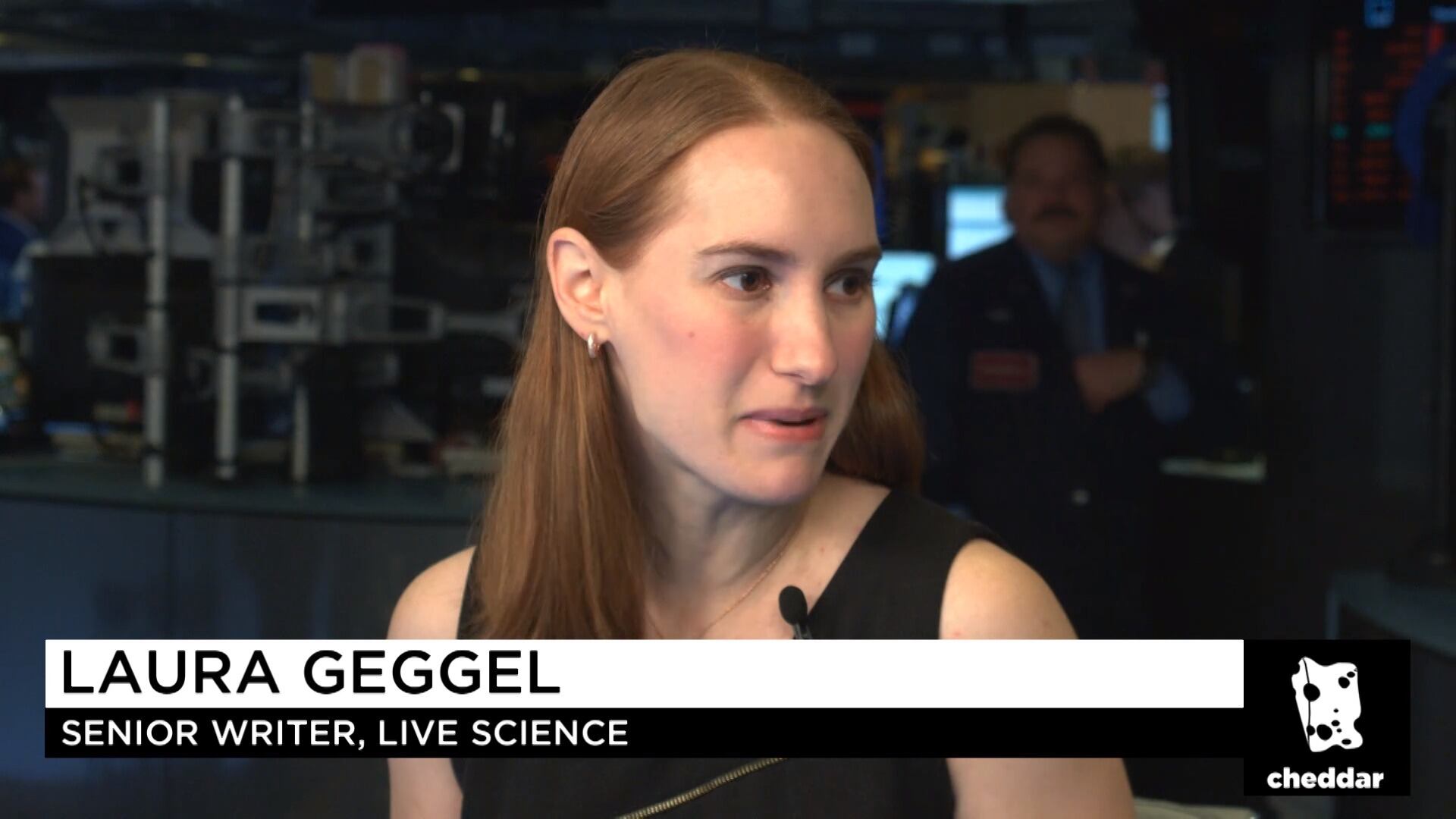
Laura Geggel, Senior Writer at Live Science, discusses the recently found void in Egypt's Great Pyramid, and how tiny robots are being used to understand this discovery.
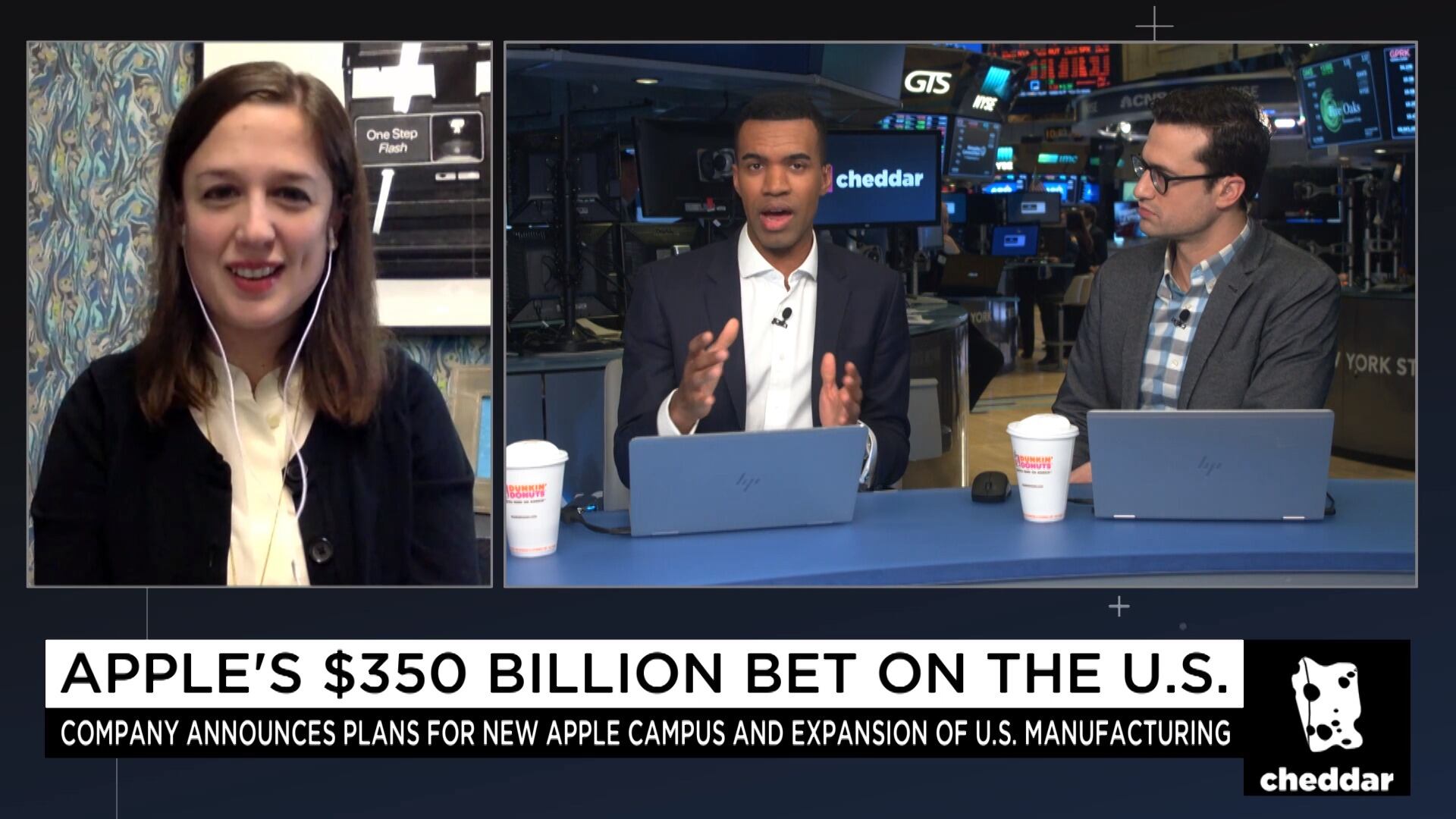
Dana Wollman, Executive Editor at Engadget, discusses Apple's announcement this week that it would invest $350 billion into the U.S. economy over the next five years. Plus, Amazon released its short list of candidates for the highly anticipated HQ2.
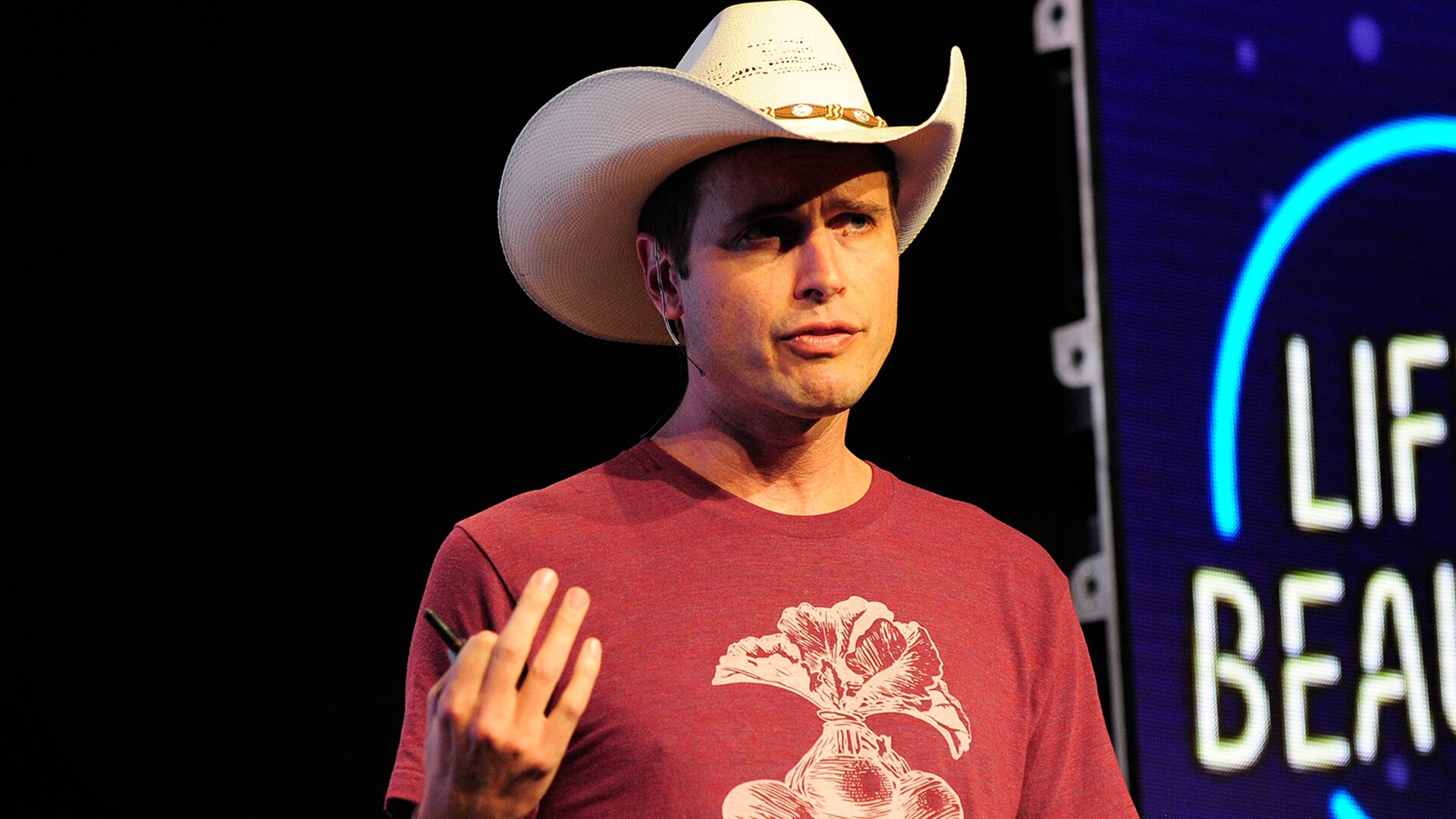
Kimbal Musk is on a mission to bring clean and good food to kids and families across the country. That is why he joins Cheddar to make some big announcement about his non-profit.
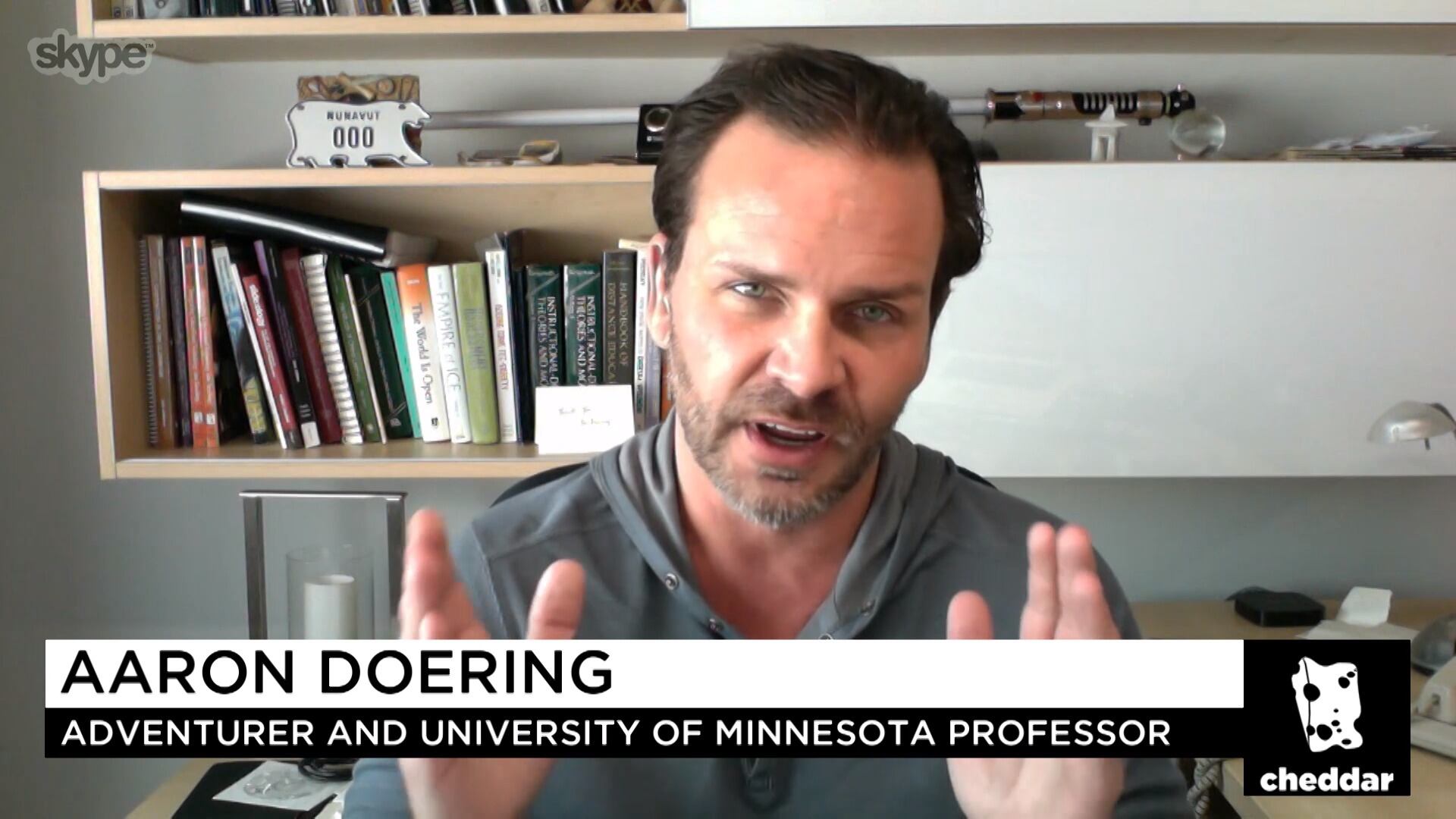
Climate change is widely accepted as science, but the cause of the phenomenon has led to many headed debates. Adventurer and University of Minnesota Professor Aaron Doering is traveling the world to document the ways climate change is quickly changing our planet.
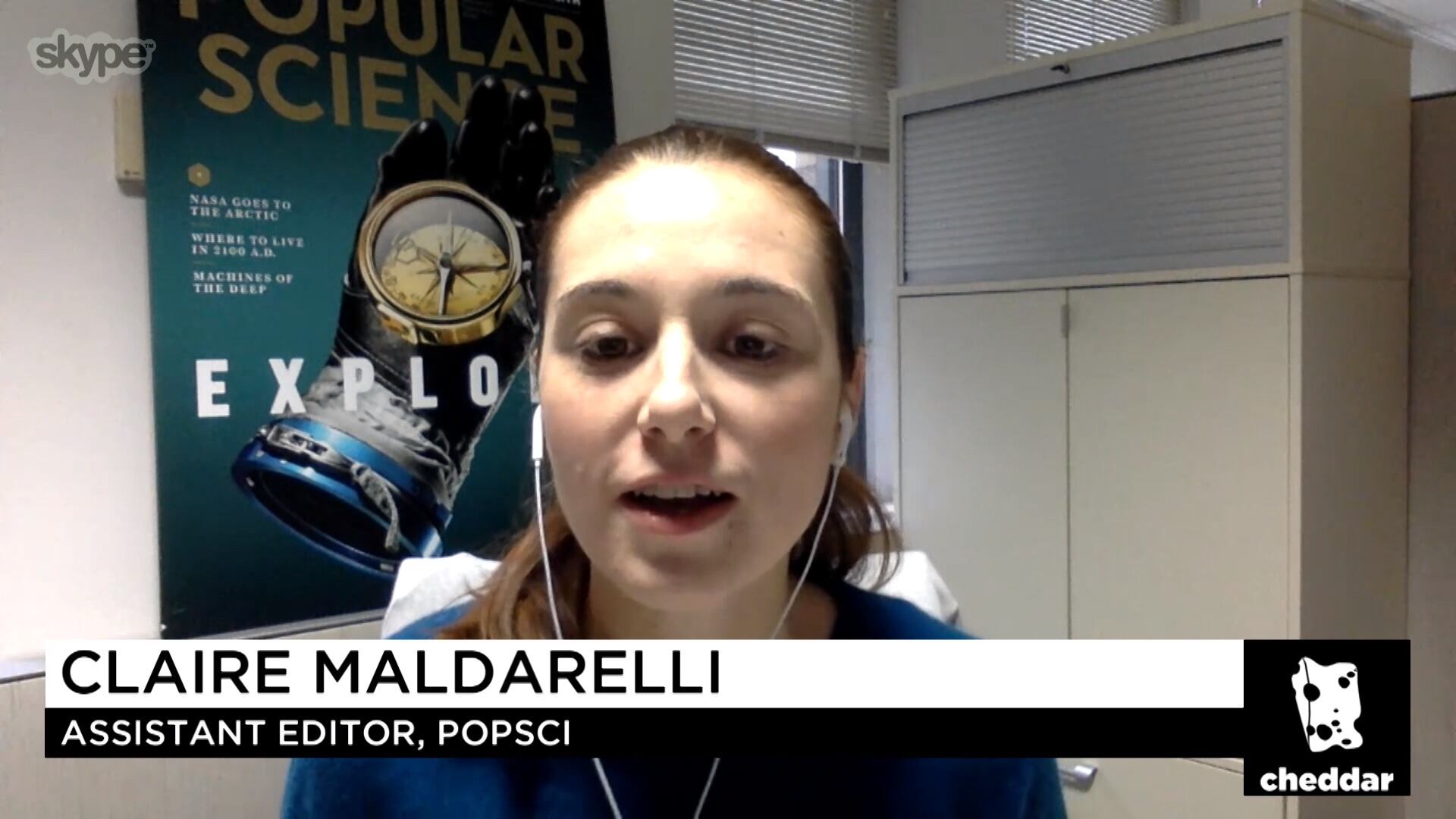
Claire Maldarelli, Assistant Editor at PopSci, discusses the publication's labeling of January as "Fat Month," where they help readers understand fat's impact on the human body as people embark on New Year's resolutions to get fit.
A look at the business of marijuana on Cheddar Cannabiz. Vermont awaits the Governor's signature on a bill making recreational marijuana legal. A former Brooklyn D.A. prosecutor has a new crime series. Facebook announce changes are coming to messenger. Bitcoin and other cryptocurrencies plunge as some countries call for more regulation. The White House releases the results of President Trump's health exam.
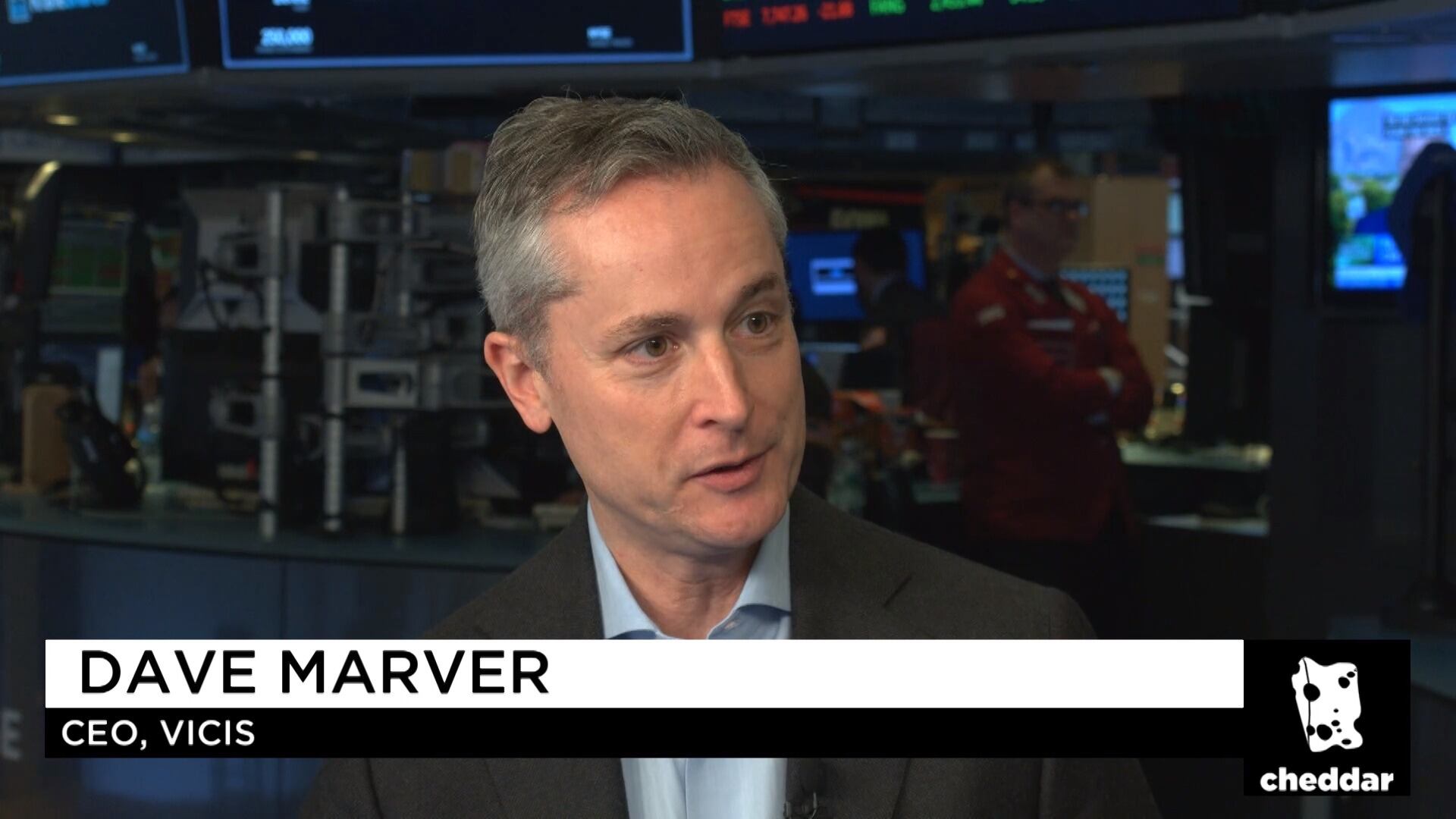
VICIS CEO Dave Marver discusses the Zero1 helmet, rated by the NFL as the safest ever made. Marver explains what makes the helmet different and what's next for the company.
Sandra Makarem and Emily Khasidy were friends for 15 years before they went into business together. The two are co-founders of The Collective Child, a membership-based subscription box for kid's clothing.
Facebook is changing up its News Feed, a new twist in the "All the Money in the World" wage gap controversy, and Lindsay Lohan might design a manmade island in Dubai. Plus, wrapping up the biggest headlines from CES with Wired, celebrity fashion designer Isaac Mizrahi, and the star of Amazon's "Philip K. Dick's Electric Dreams."
Andrew Bennett, SVP of I.O.T. Ecostruxure at Schneider Electric, joins us to speak about the company's mission to help customers optimize their energy use, regardless of whether the source is coal, wind or solar.