By Marcia Dunn
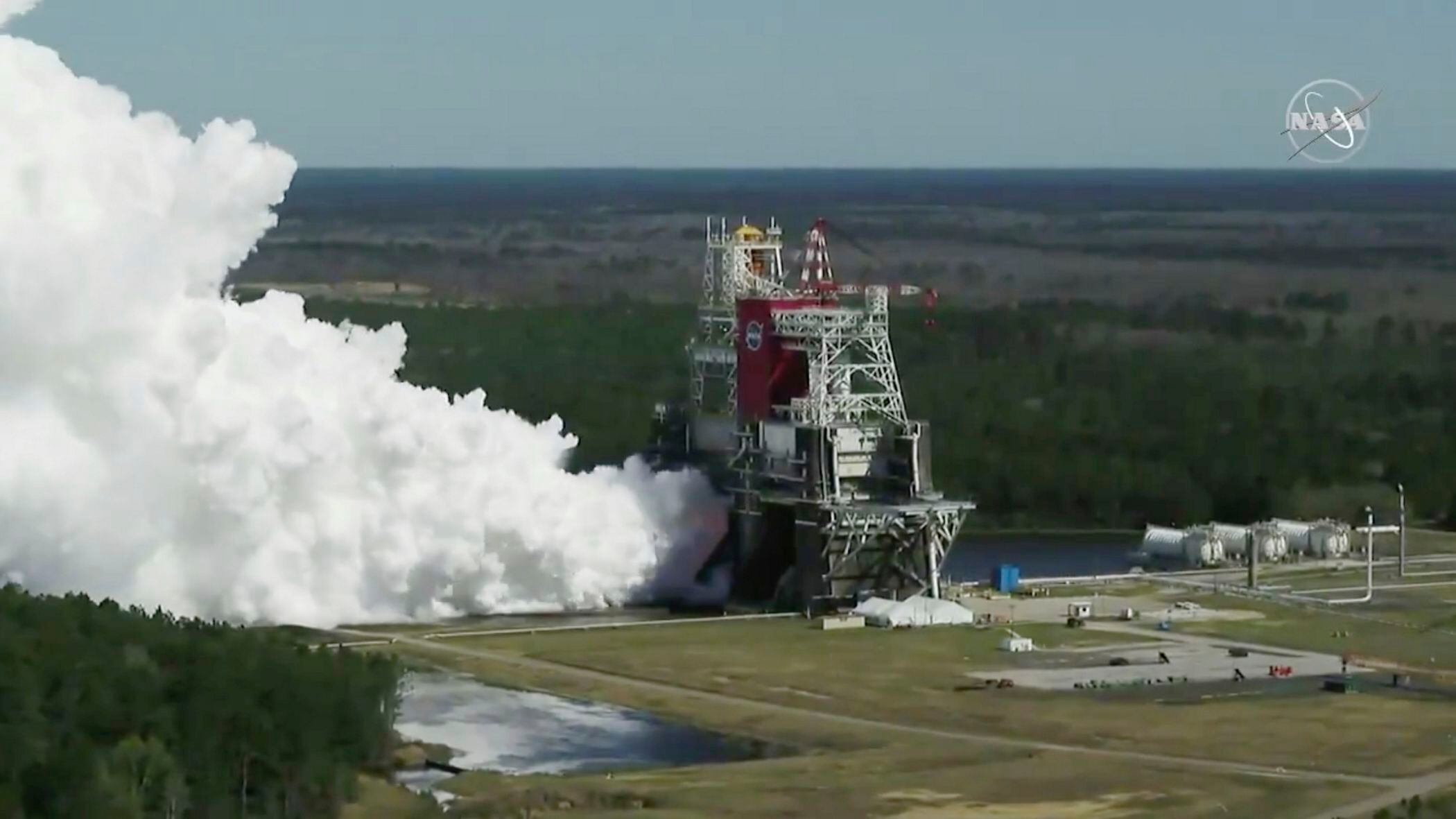
NASA completed an engine test firing of its moon rocket Thursday, after the first attempt in January ended prematurely.
This time, the four main engines of the rocket’s core stage remained ignited for the full eight minutes. Applause broke out in the control room at Mississippi's Stennis Space Flight Center once the engines shut down on the test stand.
NASA officials called it a major milestone in sending astronauts back to the moon, but declined to say when that might occur or even whether the first test flight without a crew would occur by year's end as planned.
John Honeycutt, NASA's program manager for the Space Launch System or SLS rocket, said everything seemed to go well in Thursday's test firing. “The core stage ... got an A-plus today,” he told reporters.
During the first test, the engines fired for just a minute, automatically cut short by strict test limits that were relaxed for the redo. Valve issues also had to be resolved prior to Thursday's countdown.
With this critical test finally finished — and assuming everything went well — NASA can now send the rocket segment to Florida's Kennedy Space Center to prepare it for launch.
Noting they're taking it one step at a time, officials declined to say whether this first SLS launch will occur by year's end as had been planned or will bump into 2022. The SLS rocket will send an empty Orion capsule to the moon and back.
The four engines tested Thursday actually flew into orbit on NASA's space shuttles and were upgraded for the more powerful SLS system. The orange core stage is reminiscent of the shuttle's external fuel tank, which held the liquid hydrogen and oxygen that fed the main engines.
Boeing built the core stage, which stands 212 feet (65 meters.)
The Trump administration had pressed for a moon landing by astronauts by 2024, a deadline increasingly difficult if not impossible to achieve at this point. The current White House has yet to issue a revised timeline.
NASA Acting Administrator Steve Jurczyk said the space agency is conducting an internal study to determine a schedule for the astronaut moon landings — “what we can optimally do” based on budgets. The review will take a few months, he noted.
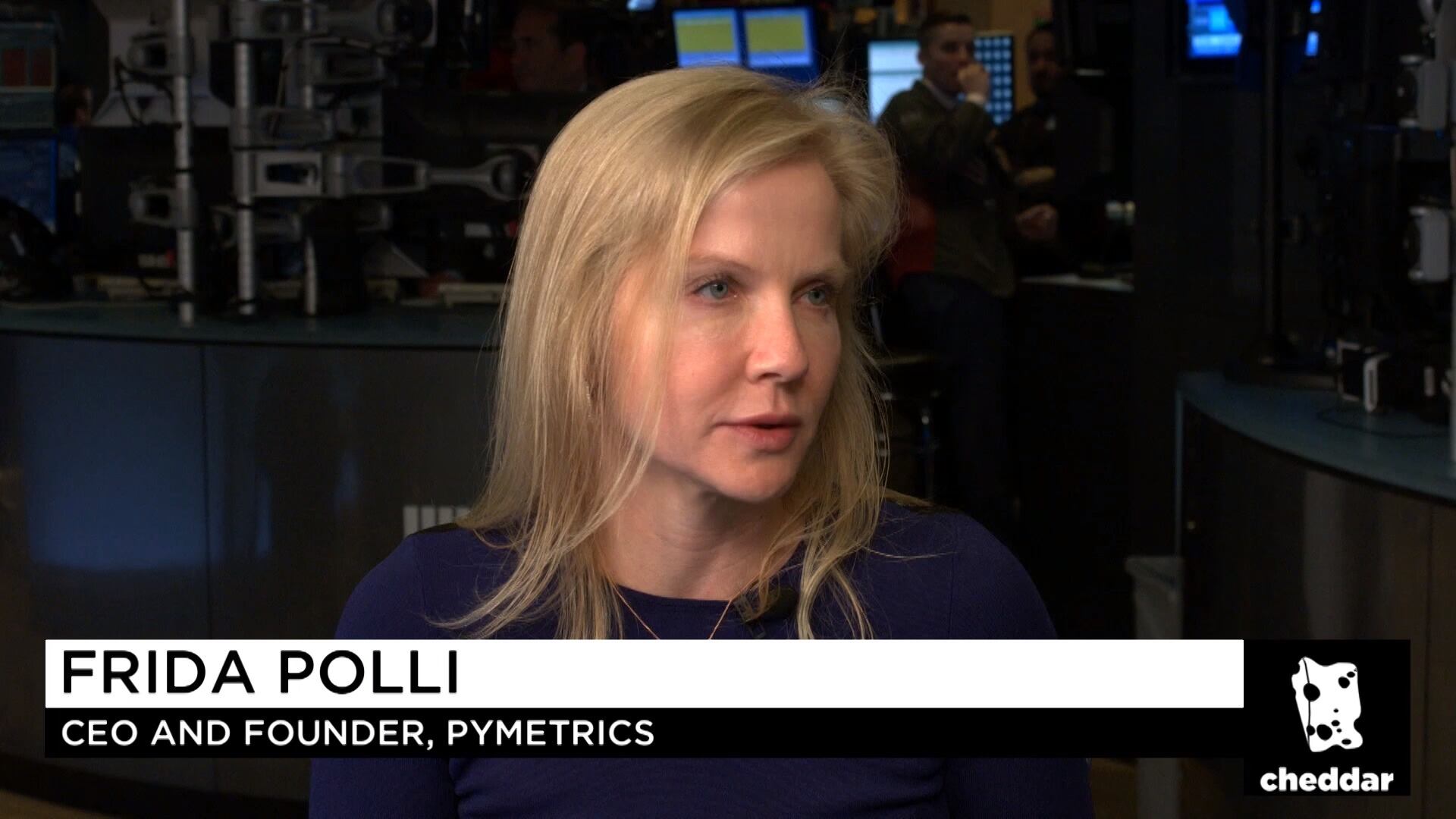
Dr. Frida Polli, founder and CEO of Pymetrics, explains how her website is helping people find their dream jobs. Pymetrics uses A.I. and machine learning to match people with jobs.
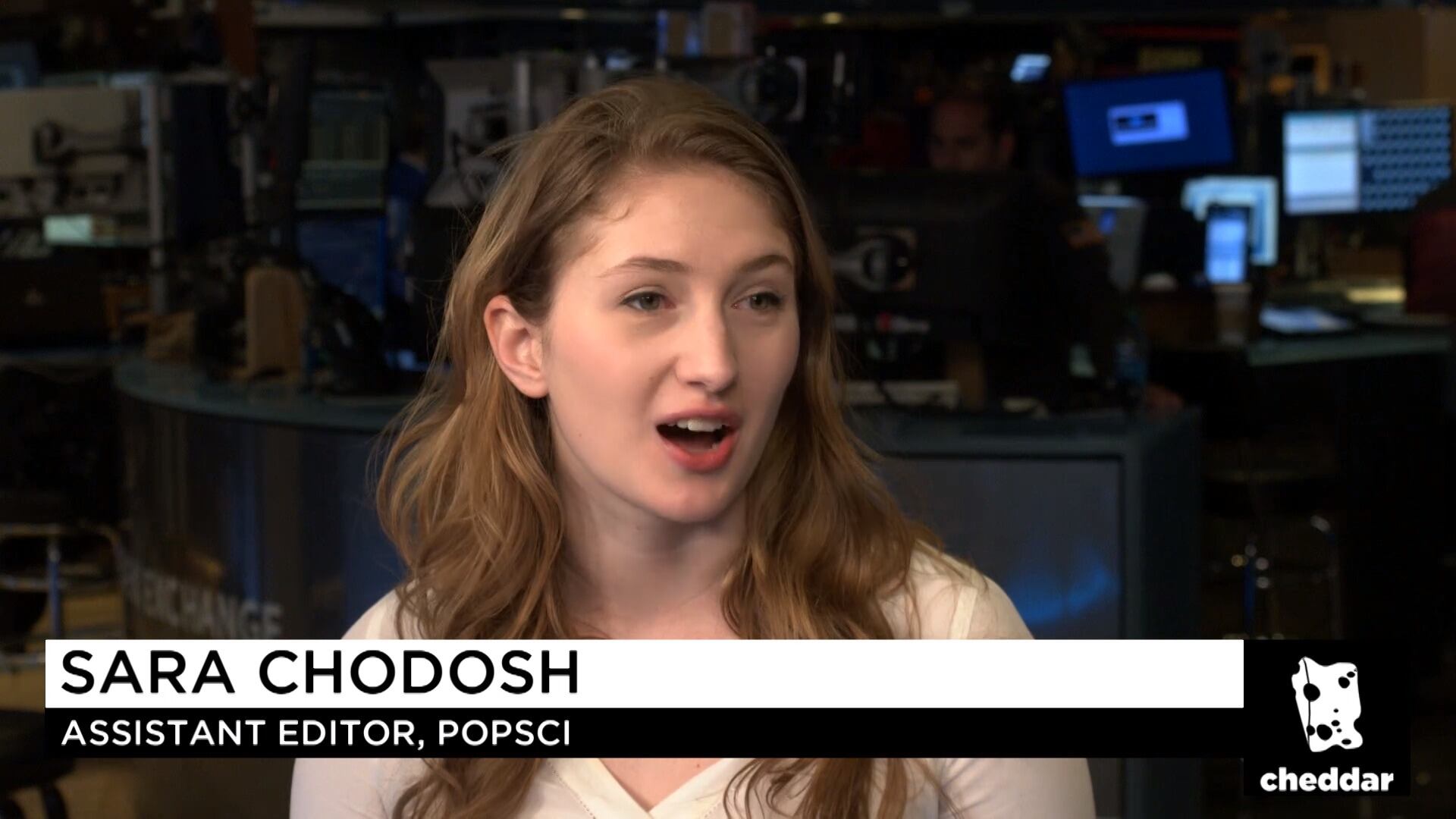
Sara Chodosh, assistant editor at PopSci, talks about the 2017-2018 flu season, widely regarded as one of the worst since the 2009 swine flu epidemic.
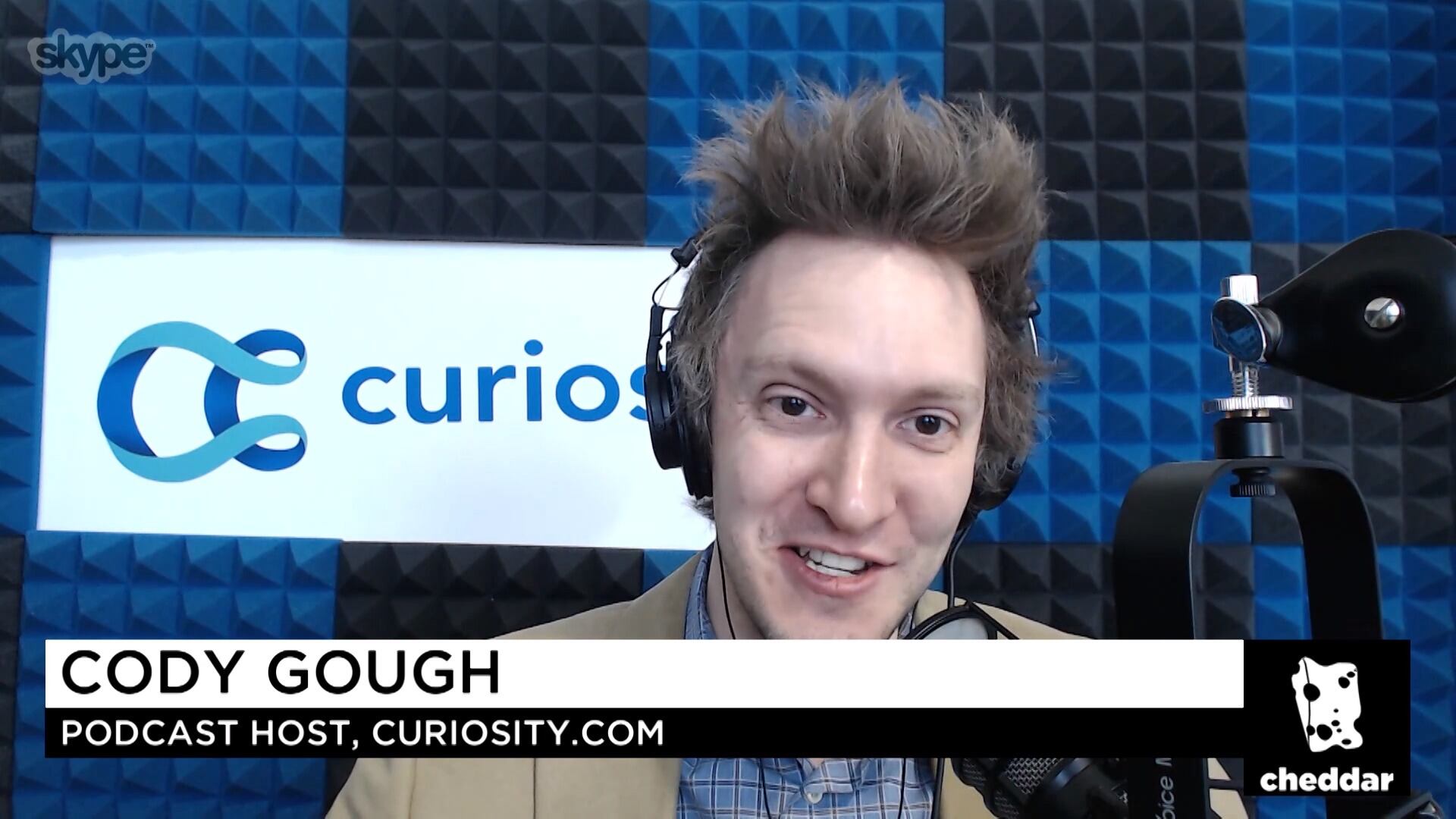
Cody Gough, podcast host for Curiosity.com, cooks up some surprising statistics about Super Bowl food and explains why daydreaming might be good for you.
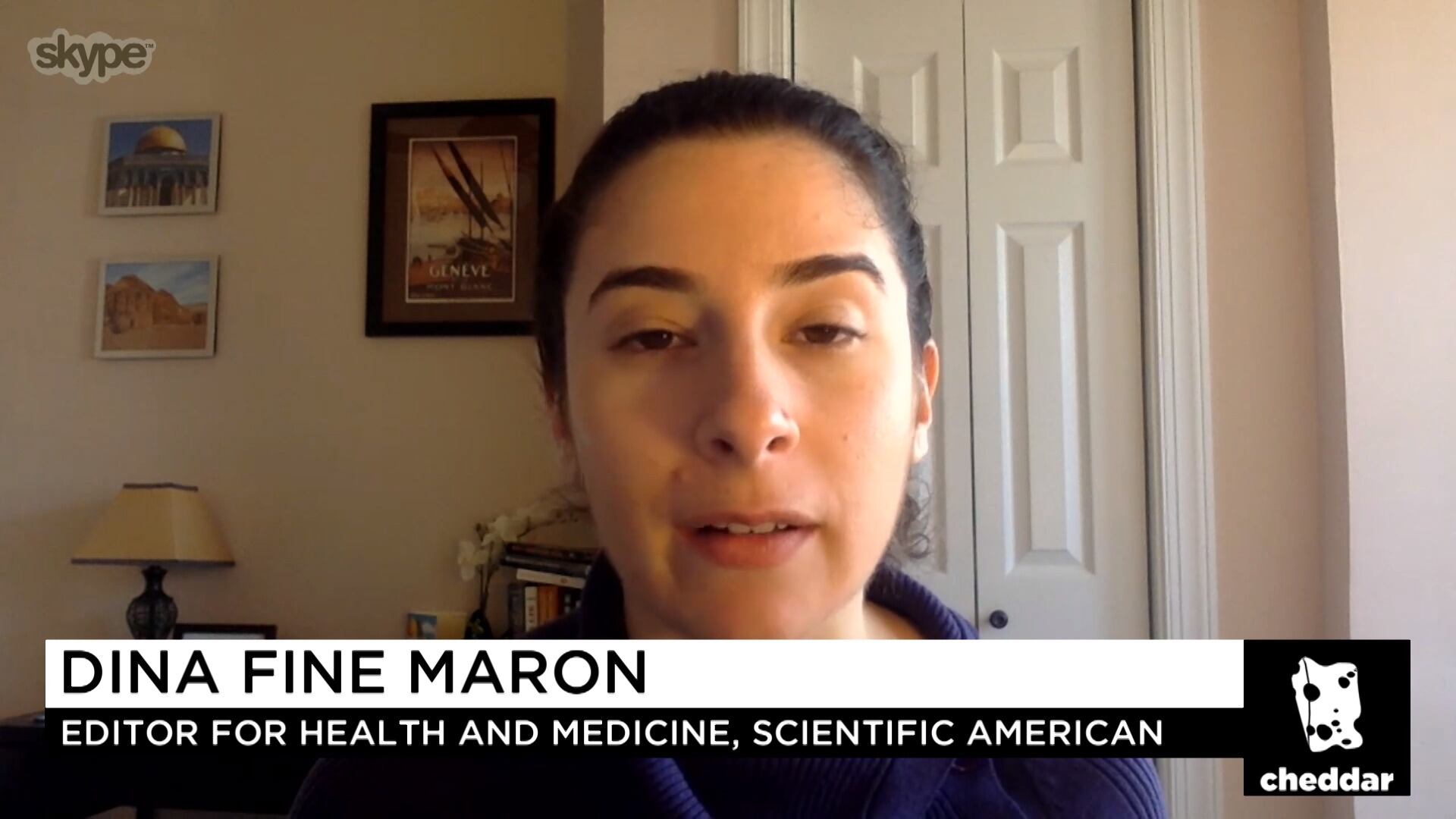
Dina Fine Maron, editor of Health & Science Medicine at Scientific American, discusses the news that Chinese scientists recently cloned two monkeys, raising questions about the practice.
Harvard Business Review recently launched a brand new podcast. The six-episode "Women at Work" podcast explores women's place in the workplace. Grammy Awards are returning to New York City. Starbucks and Intel announce earnings. Actor Jake Johnson is teaming up with Natural Light for a new Super Bowl campaign. President Trump wraps the first day of a summit with world leaders in Davos. Reports reveal CBS and Viacom are talking about a merger. Robbinhood will let you buy and sell crypto without any transaction fees.
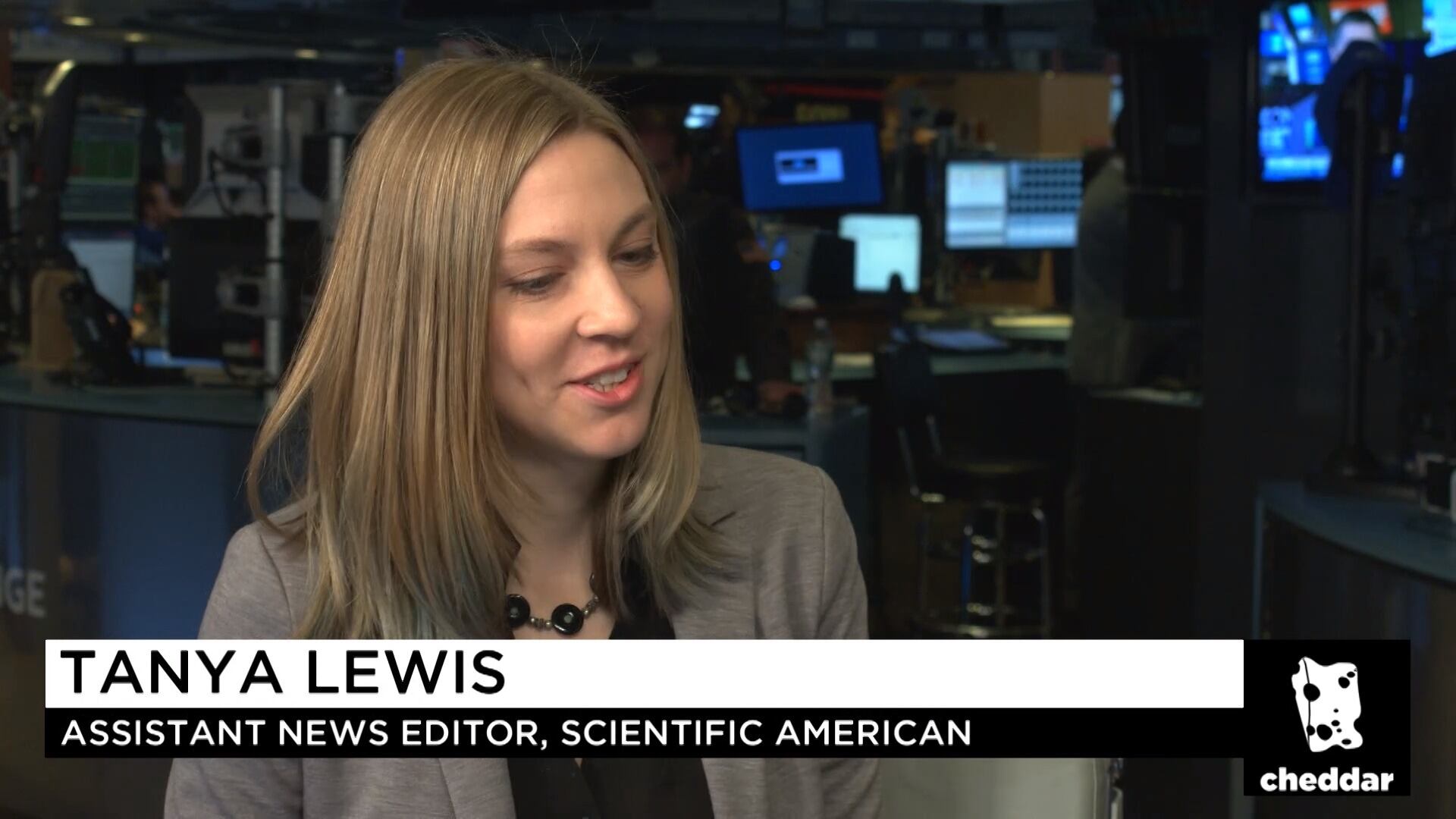
Tanya Lewis, assistant editor at Scientific American, discusses the new tax the Trump administration recently placed on imported solar panels. She weighs in on what the decision means for the U.S. economy and for the consumer.
Snapchat's VP of Product Tom Conrad is leaving the social media company after two years. Kroger and Alibaba are reportedly discussing a potential partnership.
Meryl Streep joins the cast of Big Little Lies." The White House announces it will roll out immigration Framework. Cheddar speaks with Danica Patrick about how she is readying for this race and life after Nascar. President Trump announces new tariffs on imported solar panels and washing machines. Burger King releases a net neutrality commercial. Hewlett Packard's CEO announcers her new venture.
The European Union fines Qualcomm for allegedly violating antitrust laws. Starbucks and Disney announce pay raises and better employee benefits thanks to savings from the new tax reform bill. We talk to the directors behind the newest Netflix series, "Dirty Money," premiering this Friday, January 26th. And Brett Holts, VP of Nike Running Footwear, introduces Nike's newest sneaker, the Epic React Flyknit.
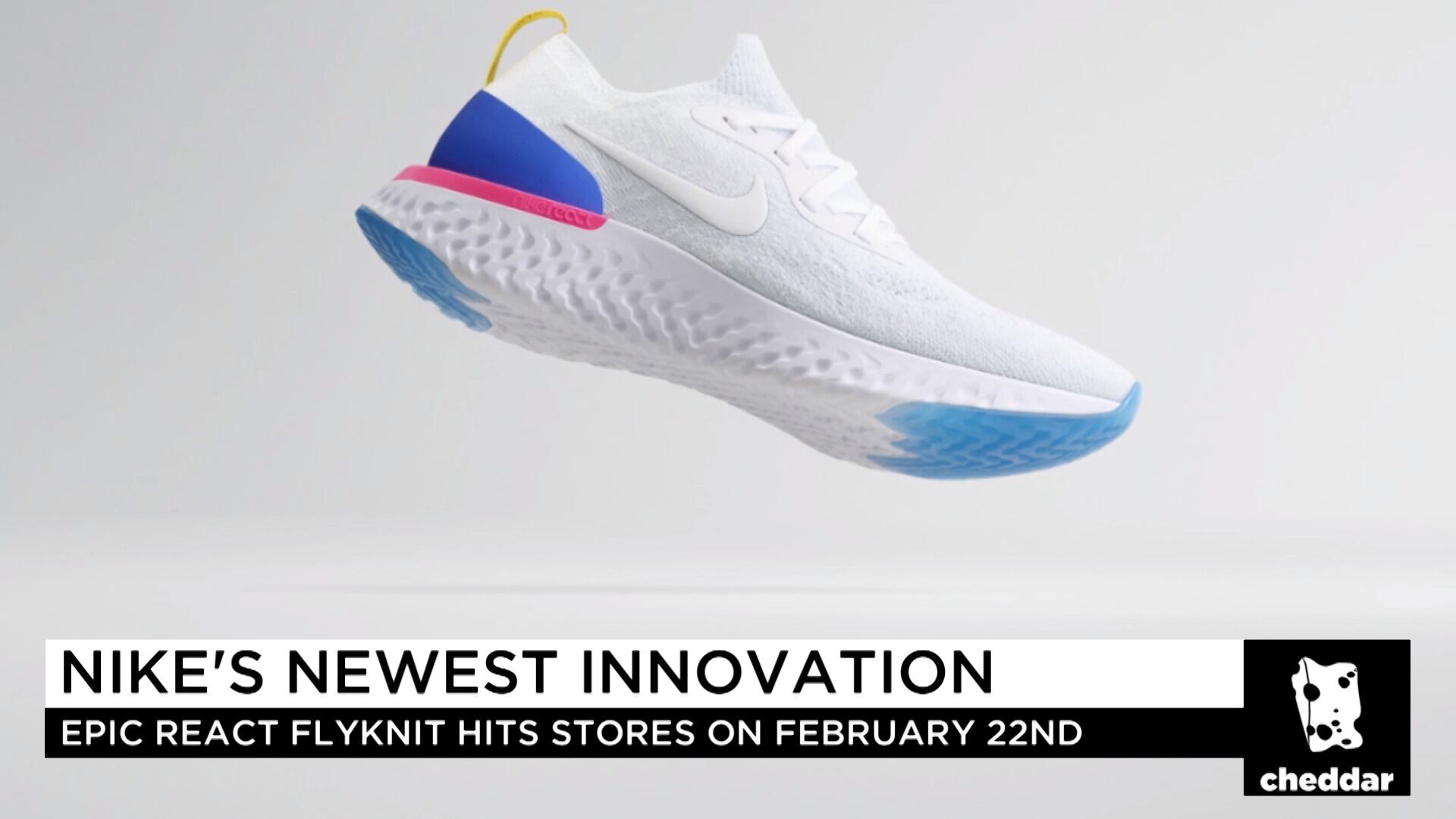
Brett Holts, Vice President of Nike Running Footwear, introduces Nike's newest sneaker, the Epic React Flyknit. The new shoe features a brand new foam compound.