By Marcia Dunn
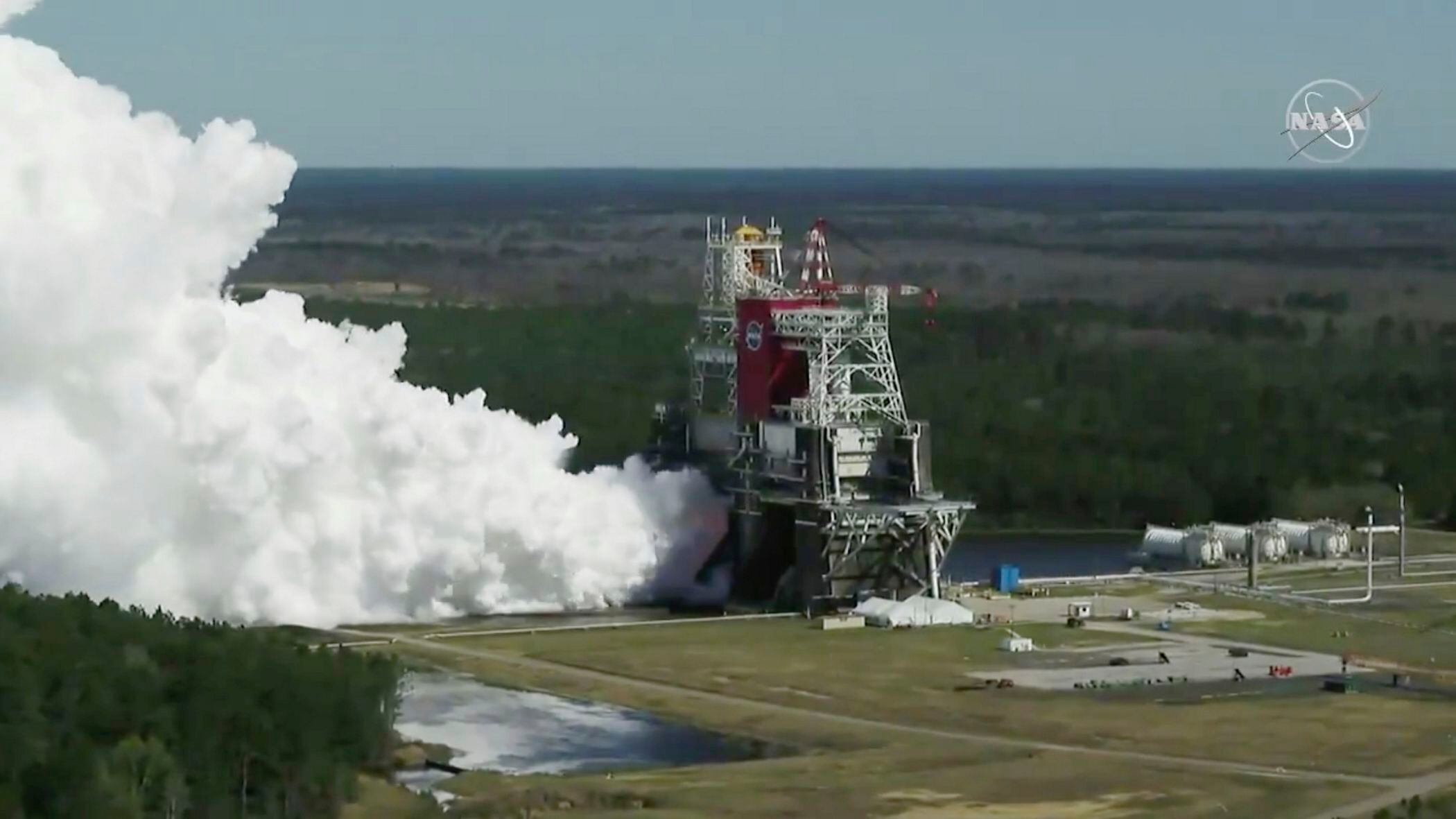
NASA completed an engine test firing of its moon rocket Thursday, after the first attempt in January ended prematurely.
This time, the four main engines of the rocket’s core stage remained ignited for the full eight minutes. Applause broke out in the control room at Mississippi's Stennis Space Flight Center once the engines shut down on the test stand.
NASA officials called it a major milestone in sending astronauts back to the moon, but declined to say when that might occur or even whether the first test flight without a crew would occur by year's end as planned.
John Honeycutt, NASA's program manager for the Space Launch System or SLS rocket, said everything seemed to go well in Thursday's test firing. “The core stage ... got an A-plus today,” he told reporters.
During the first test, the engines fired for just a minute, automatically cut short by strict test limits that were relaxed for the redo. Valve issues also had to be resolved prior to Thursday's countdown.
With this critical test finally finished — and assuming everything went well — NASA can now send the rocket segment to Florida's Kennedy Space Center to prepare it for launch.
Noting they're taking it one step at a time, officials declined to say whether this first SLS launch will occur by year's end as had been planned or will bump into 2022. The SLS rocket will send an empty Orion capsule to the moon and back.
The four engines tested Thursday actually flew into orbit on NASA's space shuttles and were upgraded for the more powerful SLS system. The orange core stage is reminiscent of the shuttle's external fuel tank, which held the liquid hydrogen and oxygen that fed the main engines.
Boeing built the core stage, which stands 212 feet (65 meters.)
The Trump administration had pressed for a moon landing by astronauts by 2024, a deadline increasingly difficult if not impossible to achieve at this point. The current White House has yet to issue a revised timeline.
NASA Acting Administrator Steve Jurczyk said the space agency is conducting an internal study to determine a schedule for the astronaut moon landings — “what we can optimally do” based on budgets. The review will take a few months, he noted.
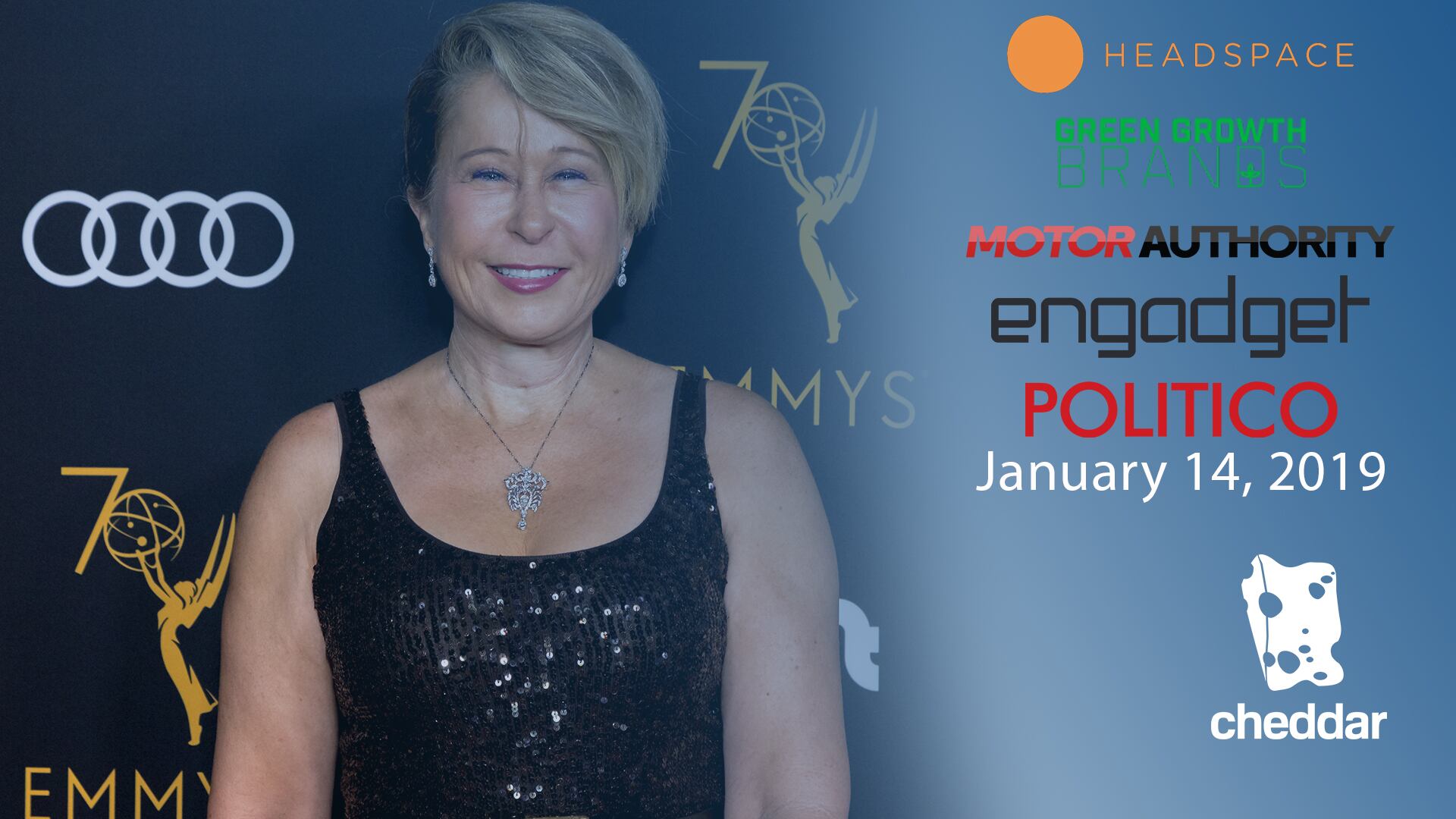
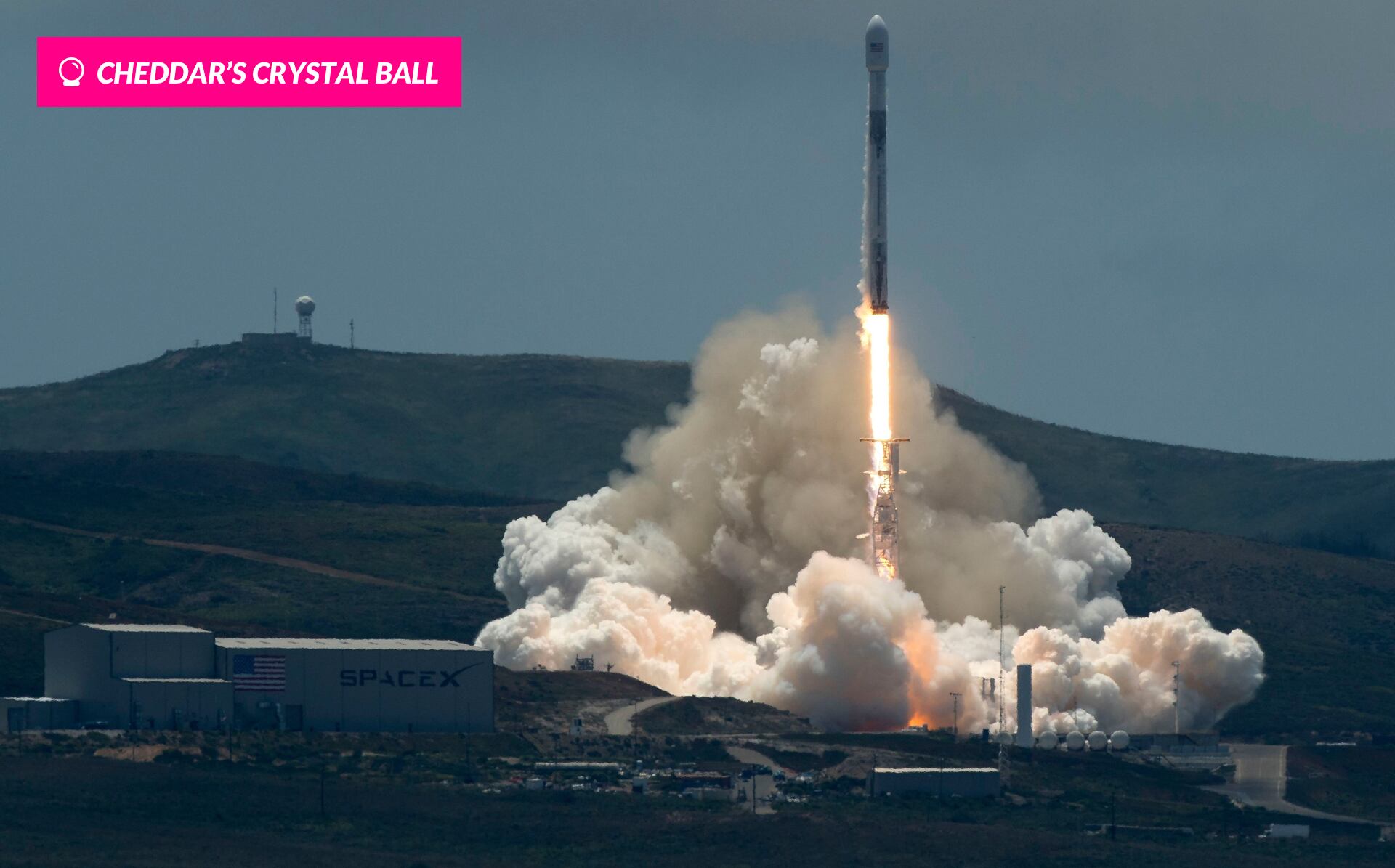
Weak economic data from China and the ongoing government shutdown appeared to drag down the major U.S. indexes on Monday morning. SpaceX is slashing its workforce by 10 percent in an effort to become "leaner." Plus, we sit down with Emmy-award winning actor and producer Yeardley Smith who is most famous for voicing the iconic cartoon character, Lisa Simpson.
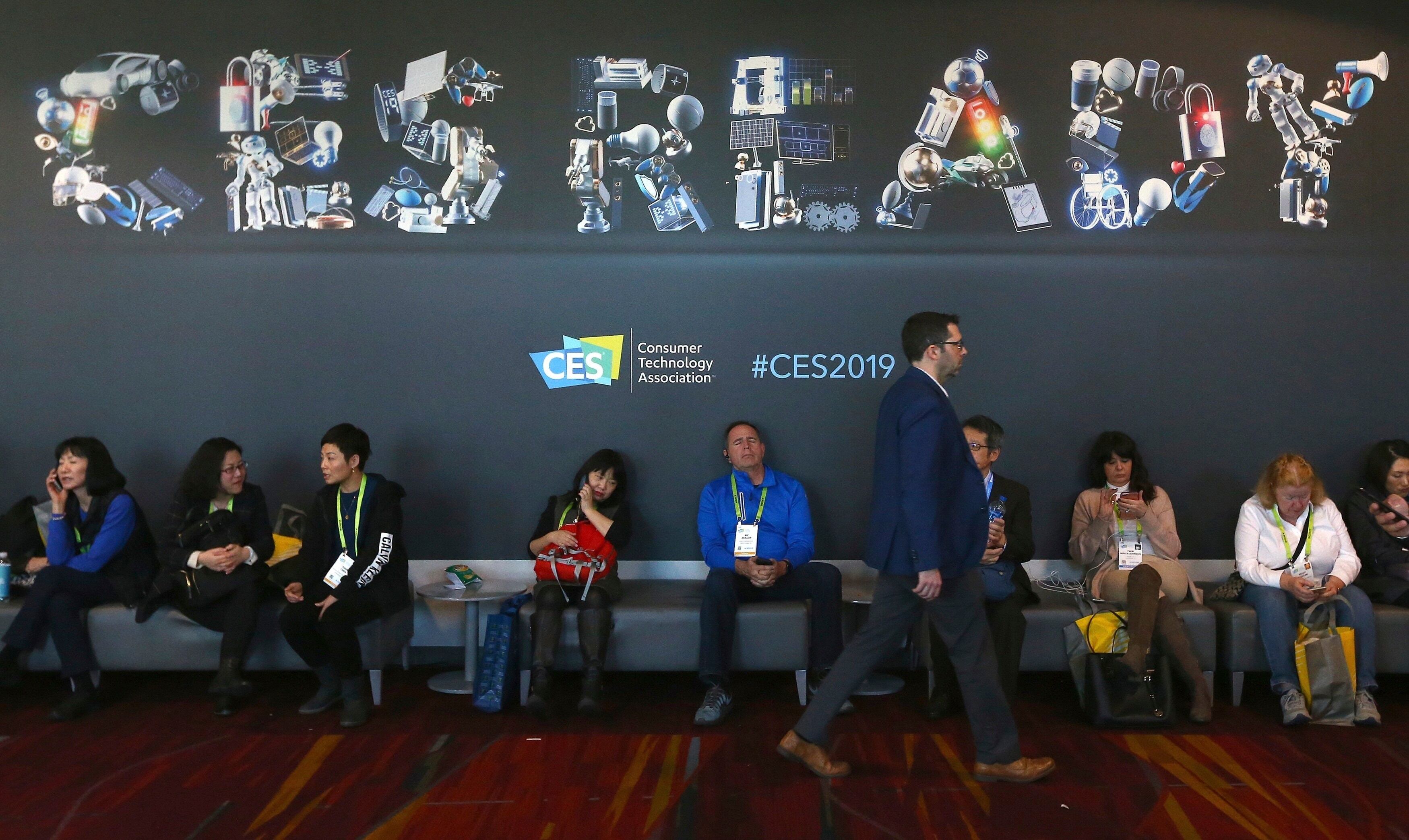
Cheddar's Hope King looks back at her first trip to the Consumer Electronics Show in Las Vegas.
There seem to be endless options when it comes to diet plans, new workouts, and high-tech help. But could too many options be a bad things? A new study by Jenny Craig looks at how all those choices can lead to misinformation. The company's CEO Monty Sharma talked to Cheddar about the best ways to get healthy.
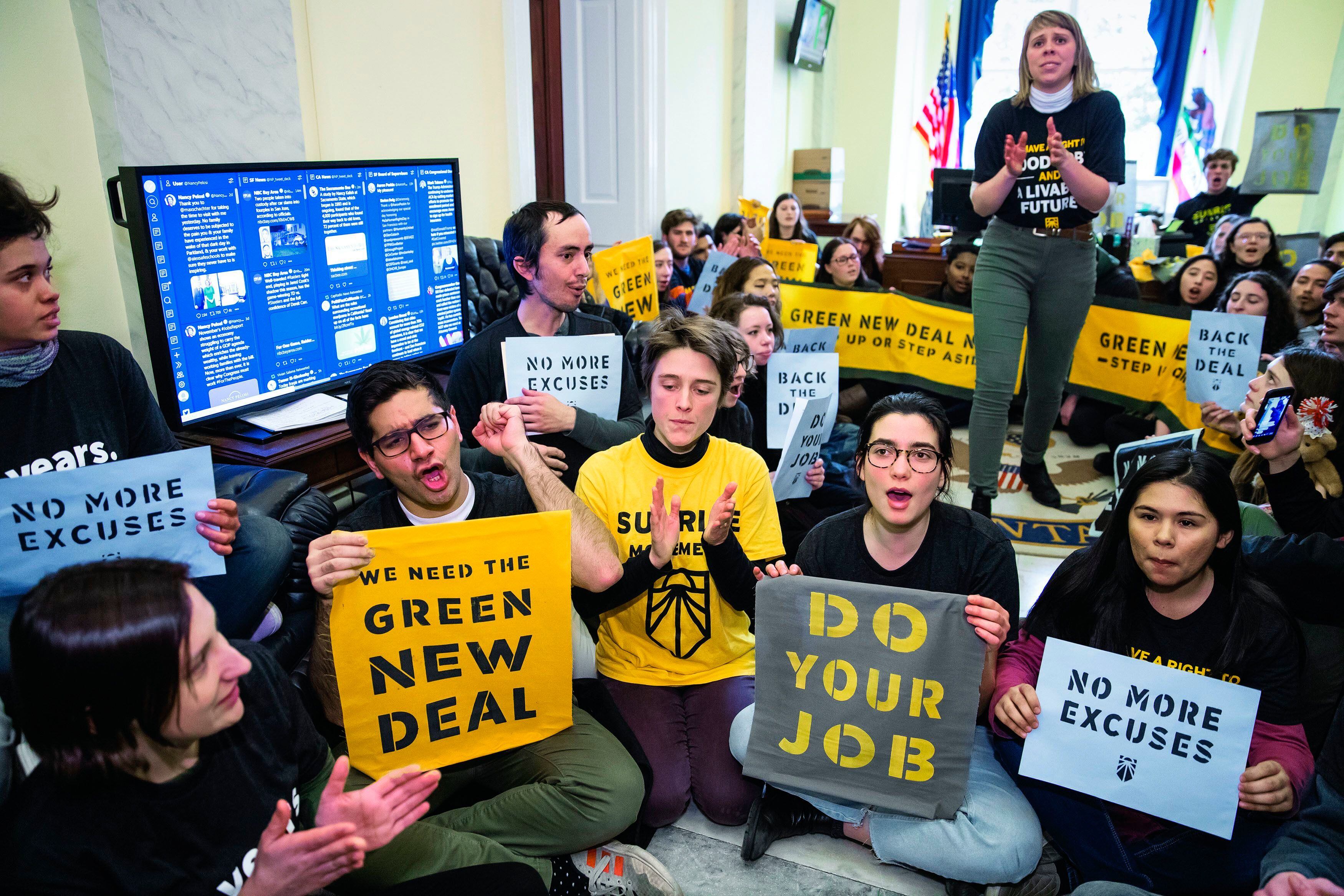
The Democratic Party establishment still have a chance to embrace the Green New Deal ー and their success in upcoming elections might just depend on it, Justice Democrats Communications Director Waleed Shahid told Cheddar on Monday.
These are the headlines you Need 2 Know for Wednesday, Jan. 2, 2019.
The salad chain known for its reusable bowl program is doubling down on its ambitions for a green 2019. As part of its efforts, Just Salad has appointed Janani Lee as its new chief sustainability officer. She'll lead sustainability initiatives at the salad, sandwich, and smoothie company, which means everything from front-of-house and back-of-house composting projects to ingredient tracking that can help prevent food-borne illnesses.
This year marked the first voyage for Cheddar's weekly series Cheddar Rides, covering the changes happening in transportation and the future of getting from here to there. To celebrate the last episode of its inaugural year, Rides is looking at the road ahead.
If you’re looking to make a move in 2019, you could do worse than some of the cities below. Each one is using technology ー IoT, machine learning, data analysis, autonomy, A.I. ー to remake the way its citizens interact with their surroundings. But a smart city is more than just innovative technology, as Mike Barlow and Cornelia Levy-Bencheton, authors of "Smart Cities, Smart Future," told Cheddar. It's about improving lives in concrete, everyday ways.
A study released on Monday found a dramatic increase in vaping among teenagers ー after a second study found that the increasingly popular habit comes with not-insignificant health risks. "Vaping appears to be less harmful than smoking, but then again smoking kills half of the people who do it long-term. So, again, it's a low bar to be safer than smoking," Rachel Becker, a reporter with the Verge, told Cheddar on Monday.
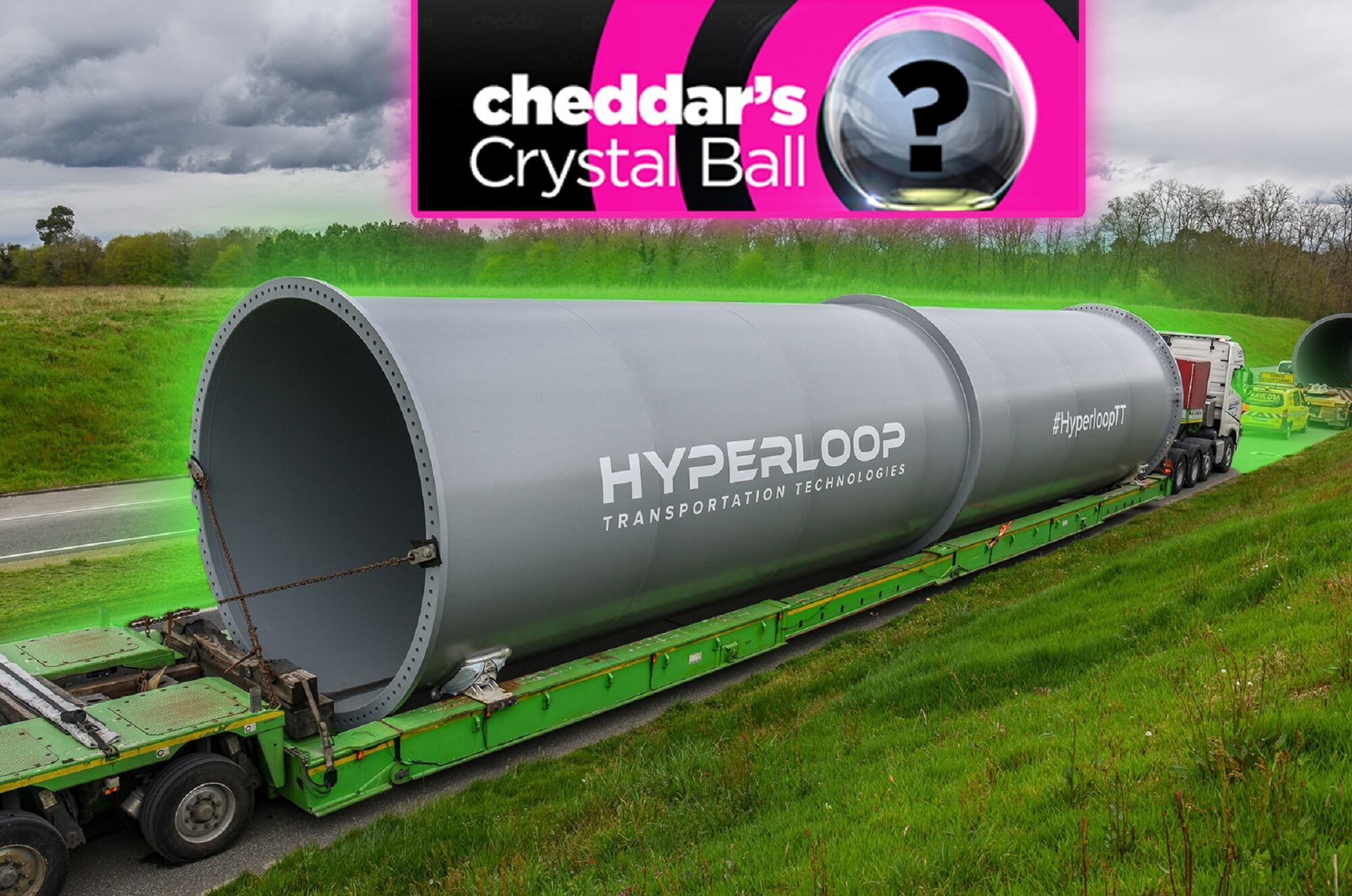
2018 was a year of serious advancement in tech. It brought us more driver-less cars, Bitcoin adoption, and more A.I. But as the year dwindles, we're looking to the future, not the past. As we gaze into Cheddar's Crystal Ball, here are our top five picks for the technology that is most likely to advance even further in 2019.