By Marcia Dunn
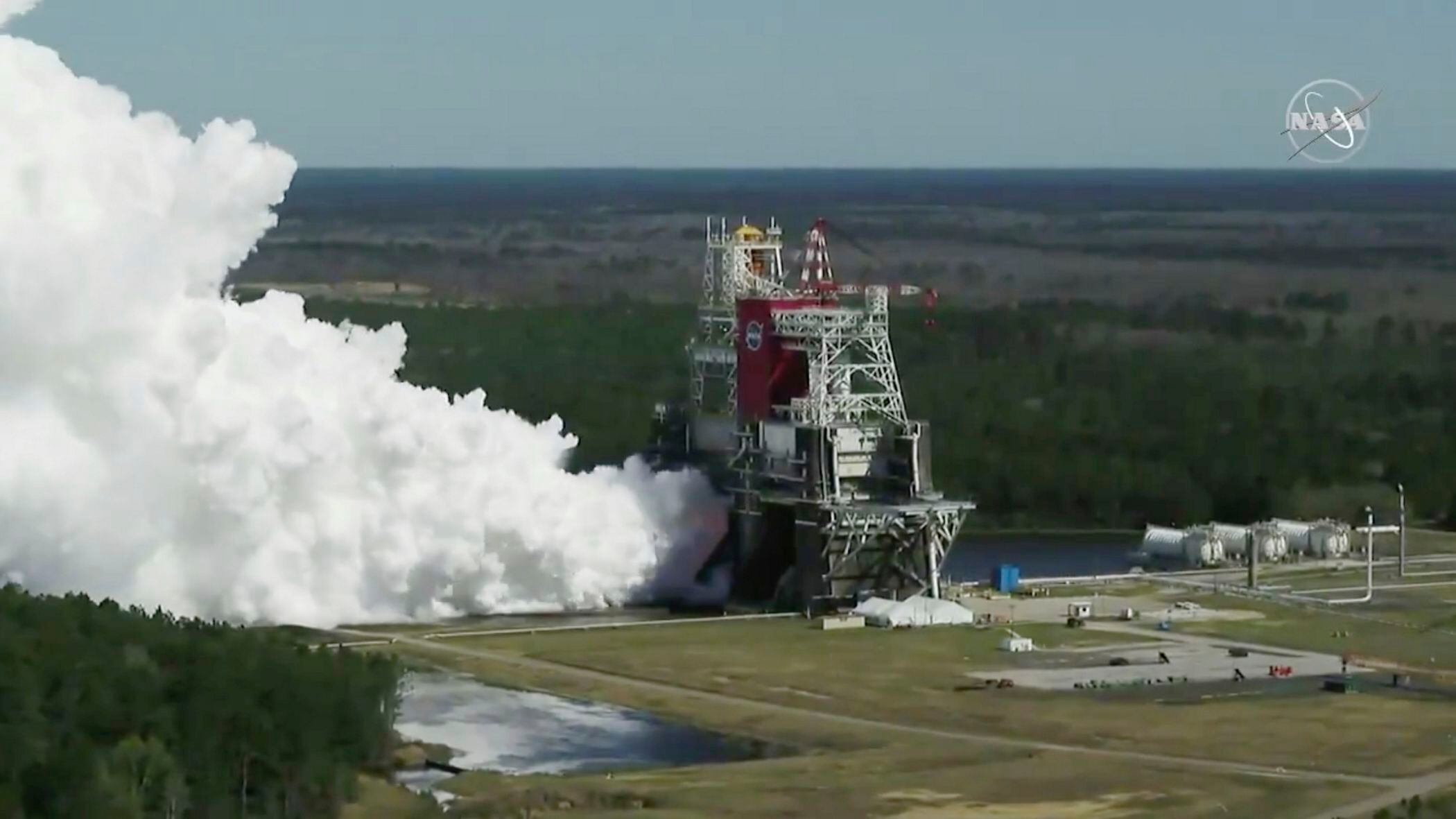
NASA completed an engine test firing of its moon rocket Thursday, after the first attempt in January ended prematurely.
This time, the four main engines of the rocket’s core stage remained ignited for the full eight minutes. Applause broke out in the control room at Mississippi's Stennis Space Flight Center once the engines shut down on the test stand.
NASA officials called it a major milestone in sending astronauts back to the moon, but declined to say when that might occur or even whether the first test flight without a crew would occur by year's end as planned.
John Honeycutt, NASA's program manager for the Space Launch System or SLS rocket, said everything seemed to go well in Thursday's test firing. “The core stage ... got an A-plus today,” he told reporters.
During the first test, the engines fired for just a minute, automatically cut short by strict test limits that were relaxed for the redo. Valve issues also had to be resolved prior to Thursday's countdown.
With this critical test finally finished — and assuming everything went well — NASA can now send the rocket segment to Florida's Kennedy Space Center to prepare it for launch.
Noting they're taking it one step at a time, officials declined to say whether this first SLS launch will occur by year's end as had been planned or will bump into 2022. The SLS rocket will send an empty Orion capsule to the moon and back.
The four engines tested Thursday actually flew into orbit on NASA's space shuttles and were upgraded for the more powerful SLS system. The orange core stage is reminiscent of the shuttle's external fuel tank, which held the liquid hydrogen and oxygen that fed the main engines.
Boeing built the core stage, which stands 212 feet (65 meters.)
The Trump administration had pressed for a moon landing by astronauts by 2024, a deadline increasingly difficult if not impossible to achieve at this point. The current White House has yet to issue a revised timeline.
NASA Acting Administrator Steve Jurczyk said the space agency is conducting an internal study to determine a schedule for the astronaut moon landings — “what we can optimally do” based on budgets. The review will take a few months, he noted.
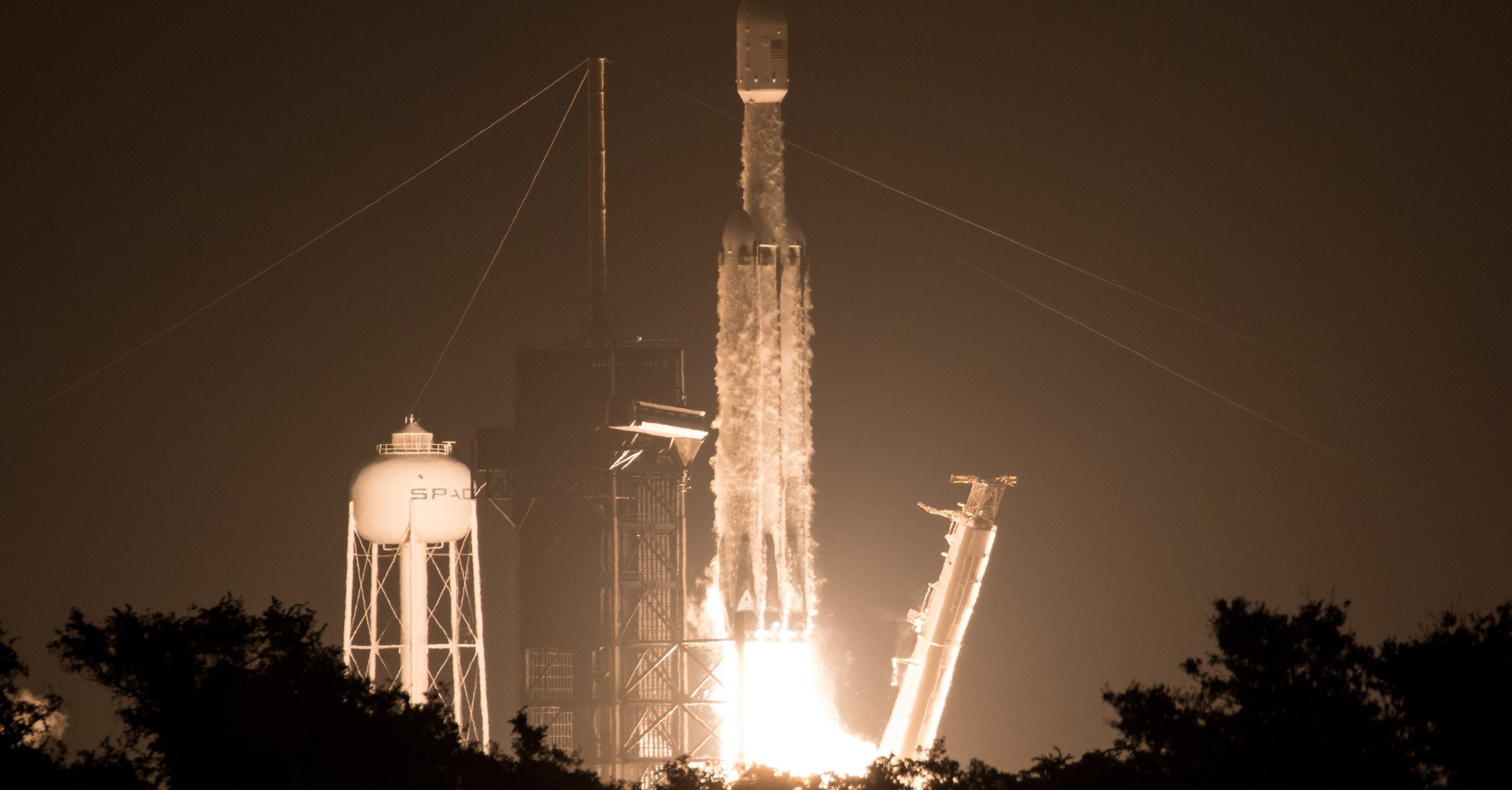
The sophisticated rocket sent a payload that included 24 satellites, a new, solar-powered space sail, and the ashes of 152 people, into space with its side boosters successfully returning to Earth unscathed.
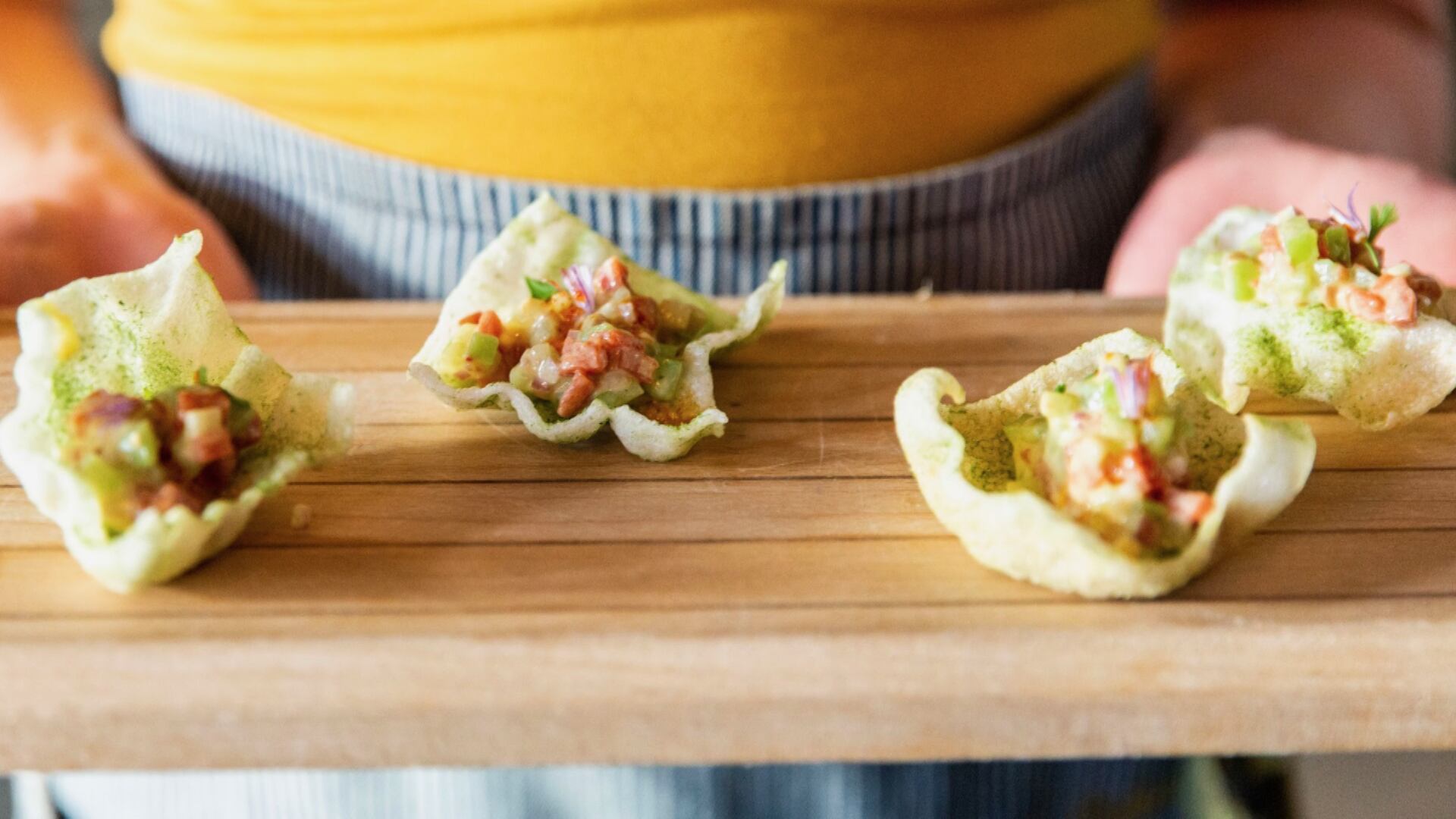
That next step for meat alternatives will apparently include fish as companies like Wild Type, BlueNalu, and Finless Foods wager that, in the age of plant-based burgers, there’s room for seafood grown in the lab.
These are the headlines you Need 2 Know for Wednesday, June 19, 2019.
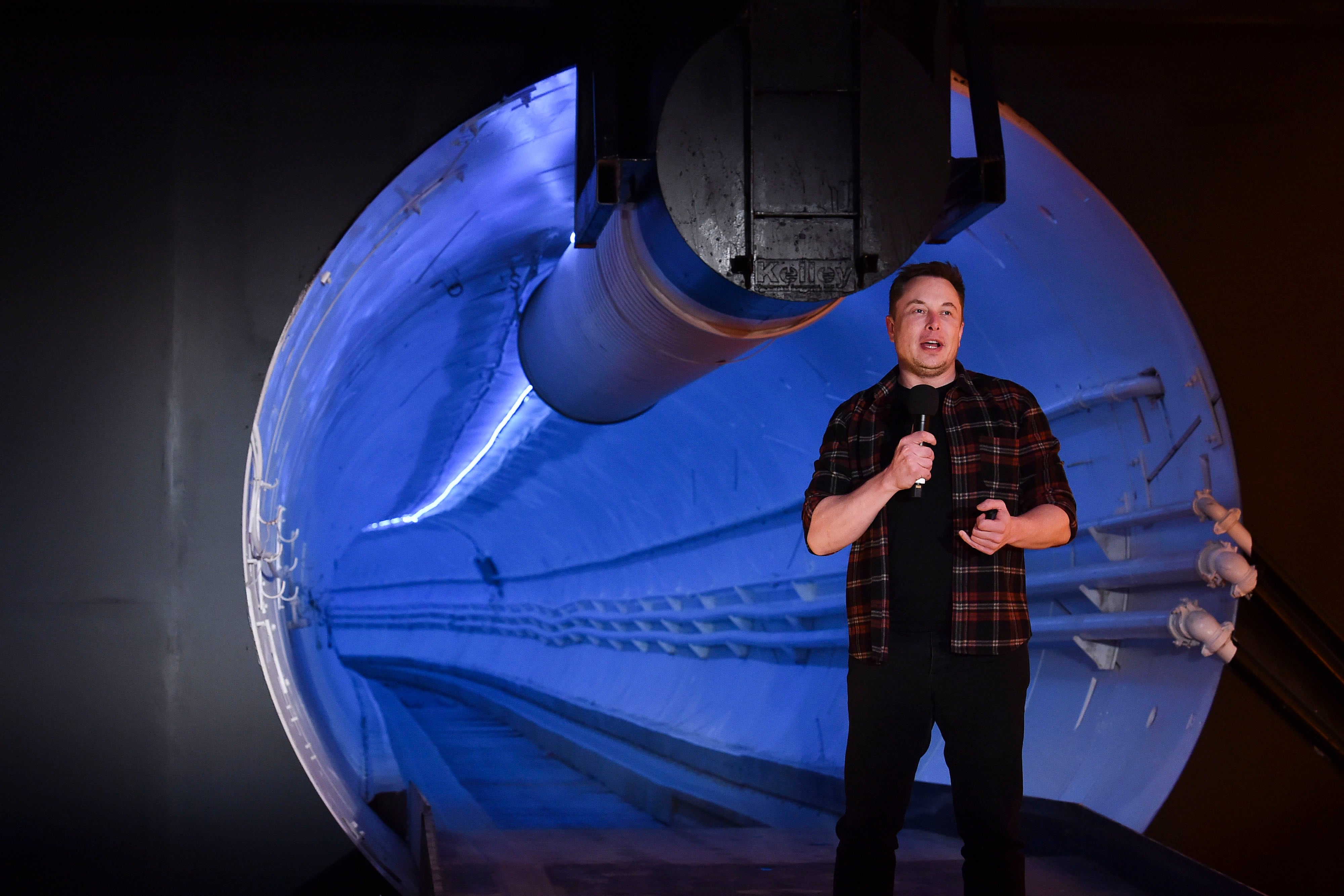
Elon Musk may be going to Vegas. The Las Vegas Convention and Visitors Authority has recommended that The Boring Company be chosen to construct a "people mover" below the expanding convention center.
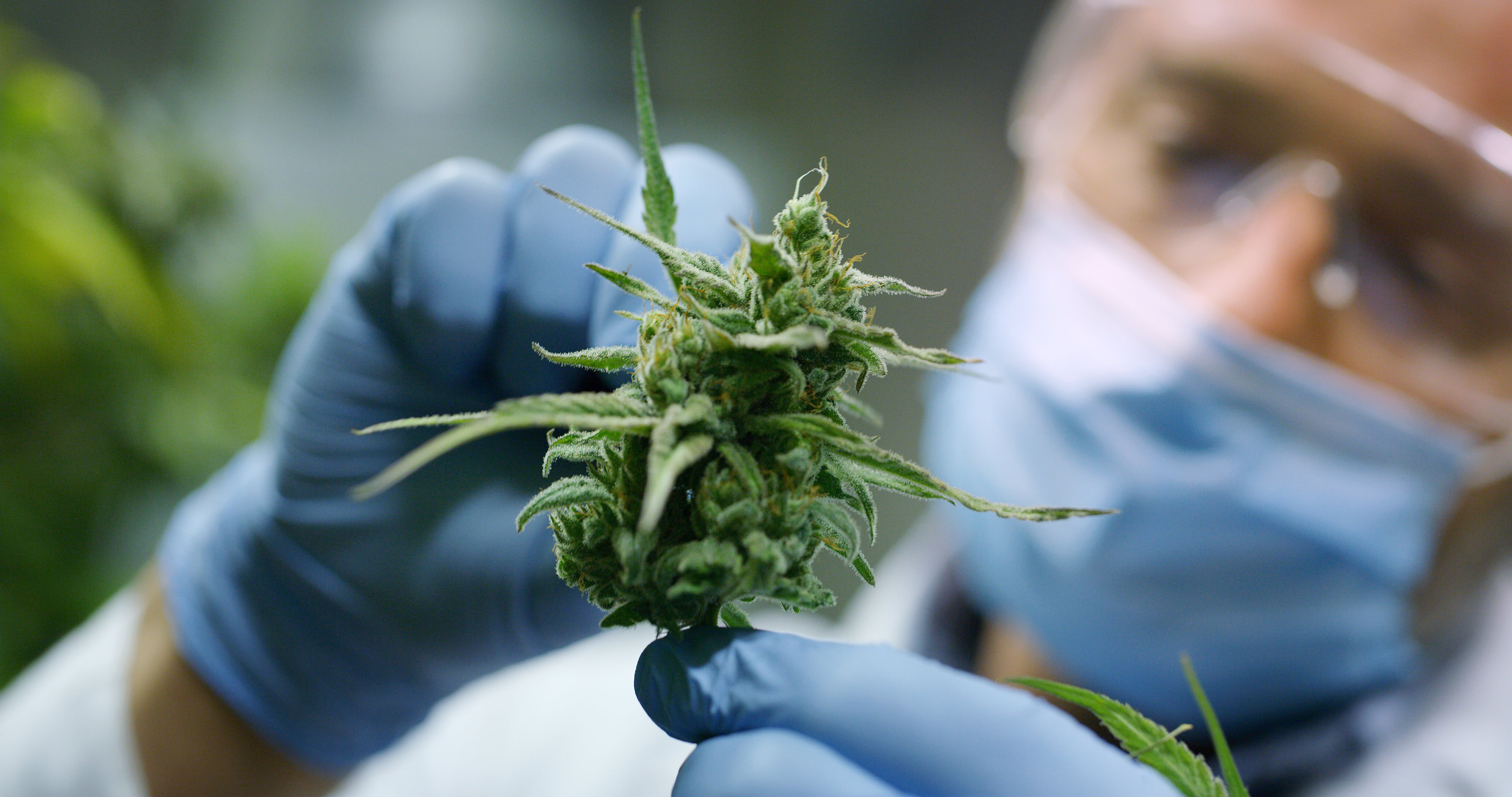
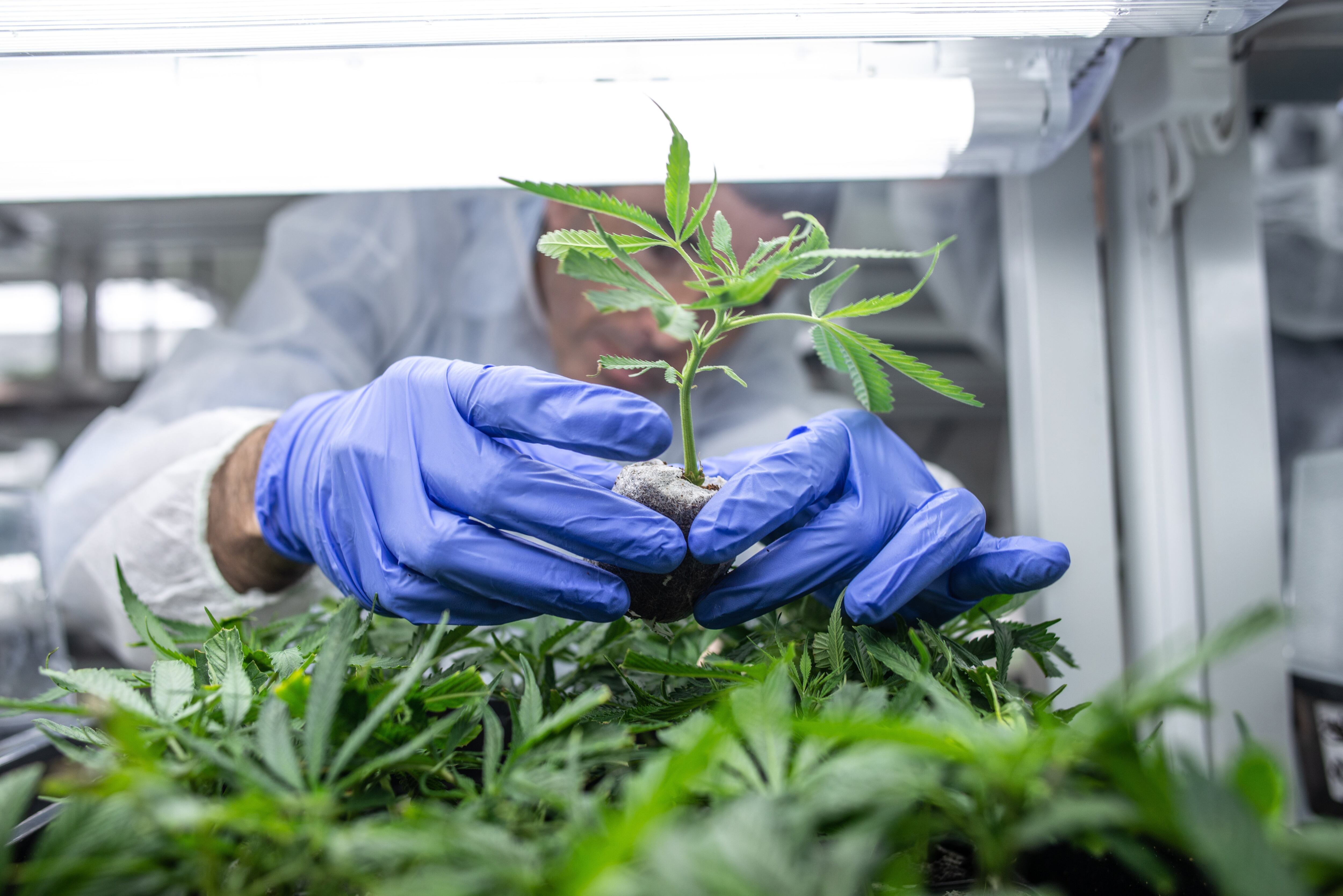
Cannabis, hemp, reefer, marijuana, dope, pot, grass ー no matter what term you choose, they all refer to the same plant: cannabis sativa. It’s a common misconception that cannabis sativa exclusively means that particular strain of weed that makes you creative and focused (as opposed to indica, which promotes relaxation)ー but it’s actually the scientific name of the single plant that yields marijuana, CBD, and hemp, among other products.
These are the headlines you Need 2 Know for Tuesday, Feb. 19, 2019.
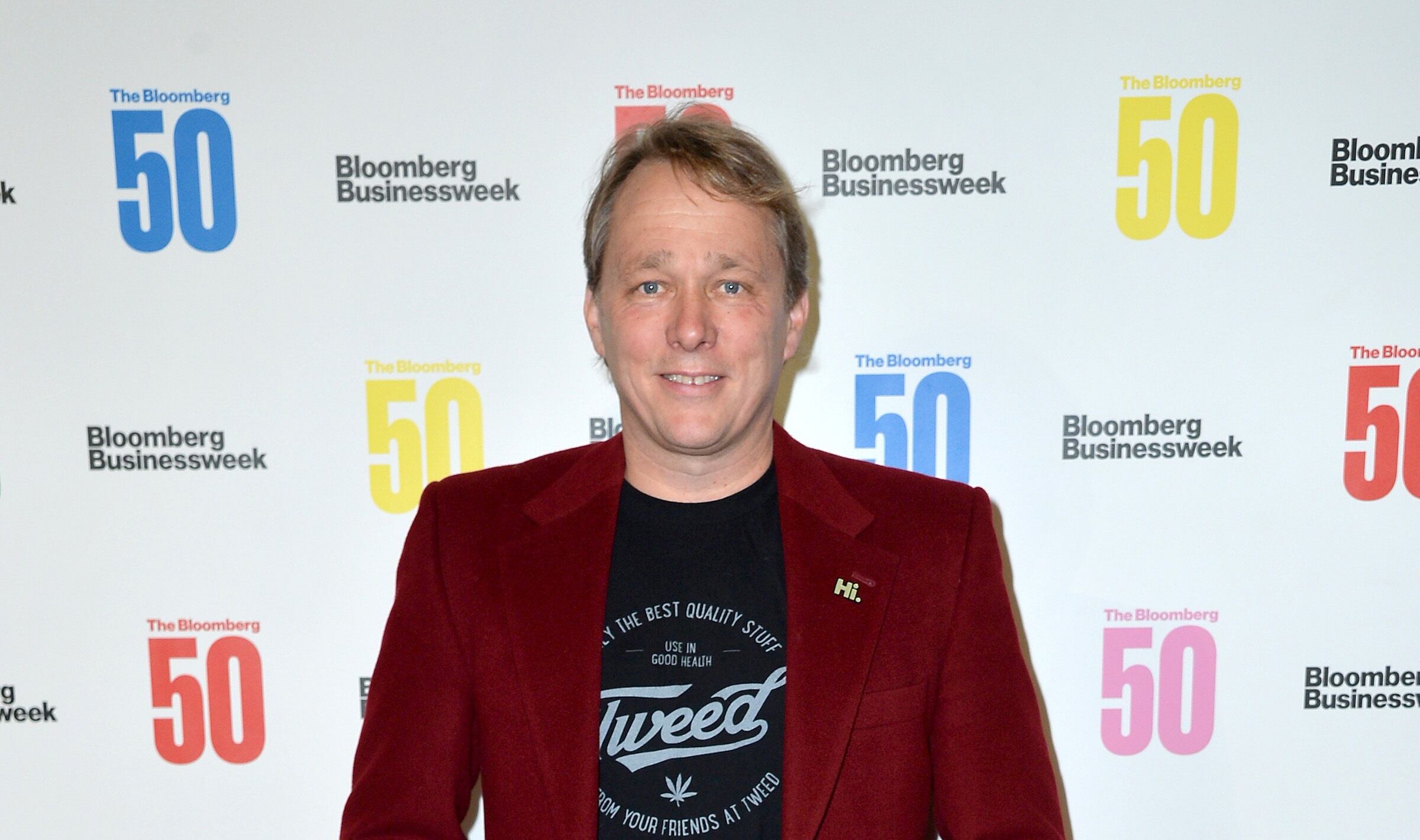
Canopy Growth CEO Bruce Linton won't guarantee investors dividends. What he will promise is a stake in global cannabis domination. "If people want a dividend, we are probably not the right stock. If they want some entity aimed at dominating a global opportunity that started in Canada, we are probably your best bet," Linton told Cheddar on Friday, one day after the company reported a massive spike in third-quarter revenue.
These are the headlines you Need 2 Know for Friday, Feb, 15, 2019.
It's a big week in cannabis earnings ー Aurora Cannabis reported Monday and Canopy Growth will report Thursday ー but Paul Rosen, CEO of cannabis private equity firm Tidal Royalty, said he's noticing a concerning trend."All the companies are facing gross margin compression because there are excise taxes, there's a massive marketing spend as we go to recreational cannabis, and there's also increased packaging costs. So I think you're going to see a trend line here, which is revenue and capacity going up, but gross margin is going down," Rosen told Cheddar Wednesday.
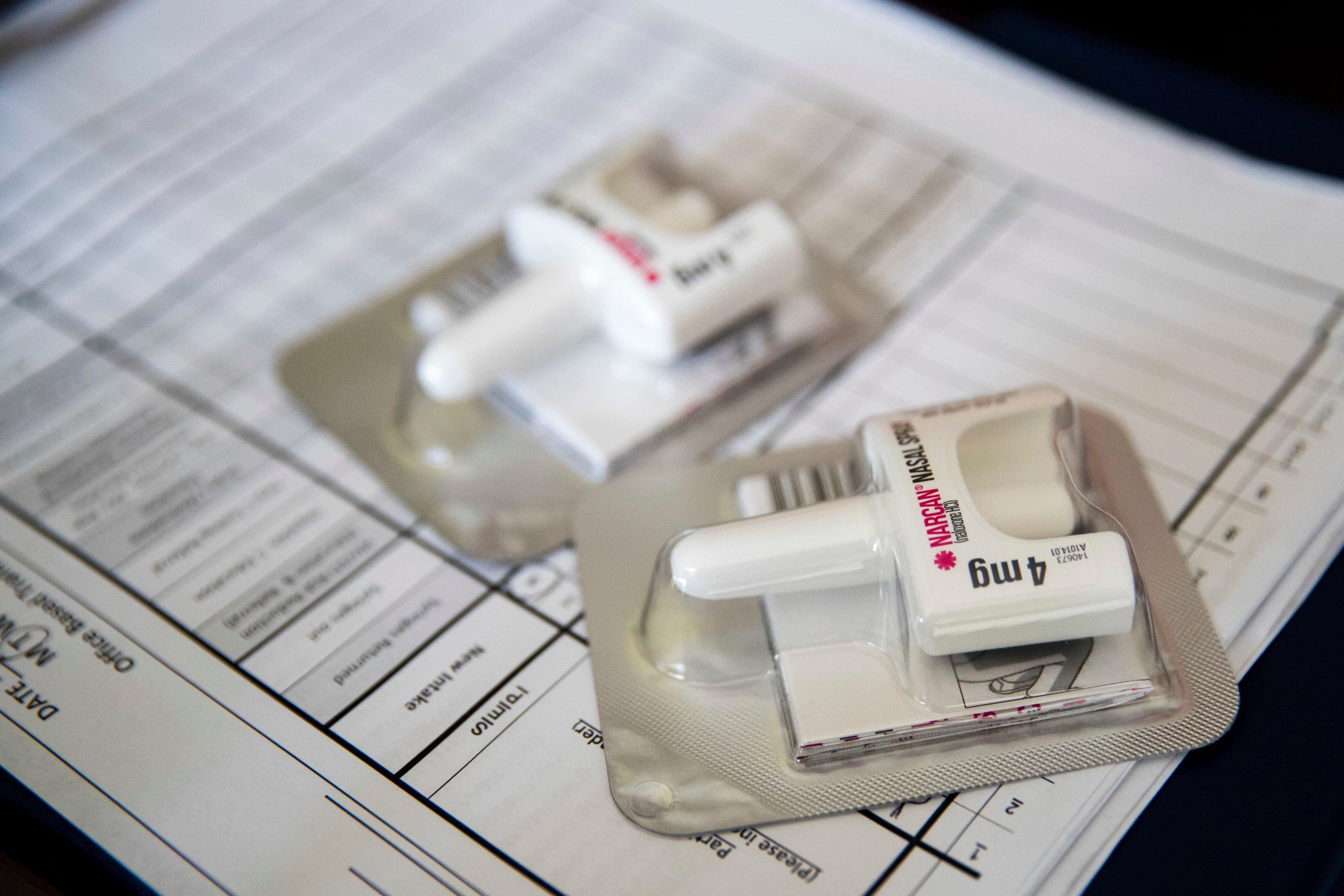
Opiant Pharmaceuticals, the developer of opioid antidote NARCAN, is in the process of developing a version of its lifesaving drug for cannabanoid overdoses, the company's CEO told Cheddar in an interview on Wednesday.