By Marcia Dunn
NASA completed an engine test firing of its moon rocket Thursday, after the first attempt in January ended prematurely.
This time, the four main engines of the rocket’s core stage remained ignited for the full eight minutes. Applause broke out in the control room at Mississippi's Stennis Space Flight Center once the engines shut down on the test stand.
NASA officials called it a major milestone in sending astronauts back to the moon, but declined to say when that might occur or even whether the first test flight without a crew would occur by year's end as planned.
John Honeycutt, NASA's program manager for the Space Launch System or SLS rocket, said everything seemed to go well in Thursday's test firing. “The core stage ... got an A-plus today,” he told reporters.
During the first test, the engines fired for just a minute, automatically cut short by strict test limits that were relaxed for the redo. Valve issues also had to be resolved prior to Thursday's countdown.
With this critical test finally finished — and assuming everything went well — NASA can now send the rocket segment to Florida's Kennedy Space Center to prepare it for launch.
Noting they're taking it one step at a time, officials declined to say whether this first SLS launch will occur by year's end as had been planned or will bump into 2022. The SLS rocket will send an empty Orion capsule to the moon and back.
The four engines tested Thursday actually flew into orbit on NASA's space shuttles and were upgraded for the more powerful SLS system. The orange core stage is reminiscent of the shuttle's external fuel tank, which held the liquid hydrogen and oxygen that fed the main engines.
Boeing built the core stage, which stands 212 feet (65 meters.)
The Trump administration had pressed for a moon landing by astronauts by 2024, a deadline increasingly difficult if not impossible to achieve at this point. The current White House has yet to issue a revised timeline.
NASA Acting Administrator Steve Jurczyk said the space agency is conducting an internal study to determine a schedule for the astronaut moon landings — “what we can optimally do” based on budgets. The review will take a few months, he noted.
Announcing 599 deaths in the last 24 hours, Cuomo called the fatality number “effectively flat for two days,” which he said hints at a possible flattening of New York’s curve, along with fewer hospital and ICU admissions
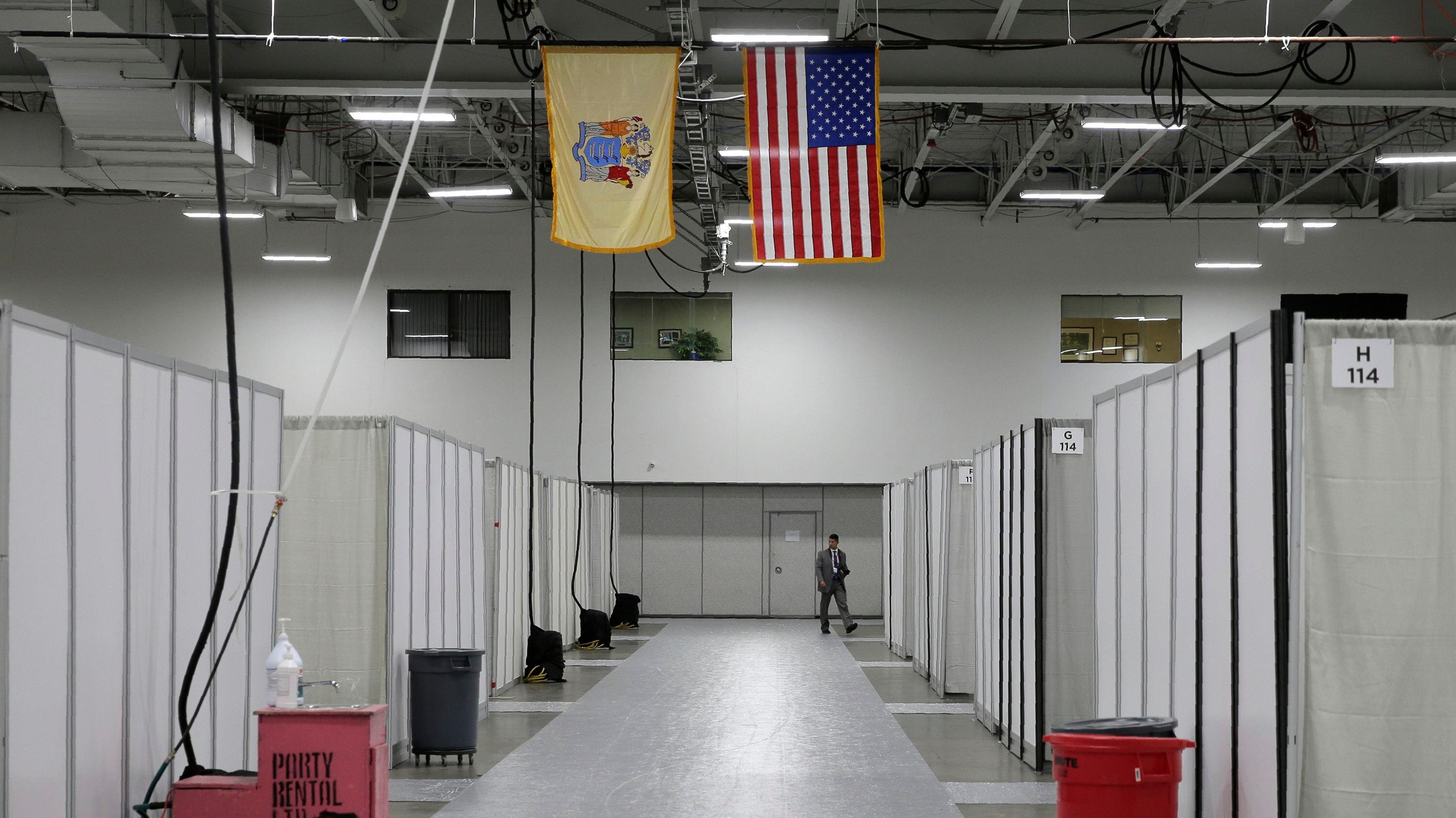
New Jersey is emerging as another hot spot of COVID-19 with nearly 40,000 confirmed cases and 917 deaths. However, the head of one of the state's health care systems said officials there hope they are beginning to see a peak.
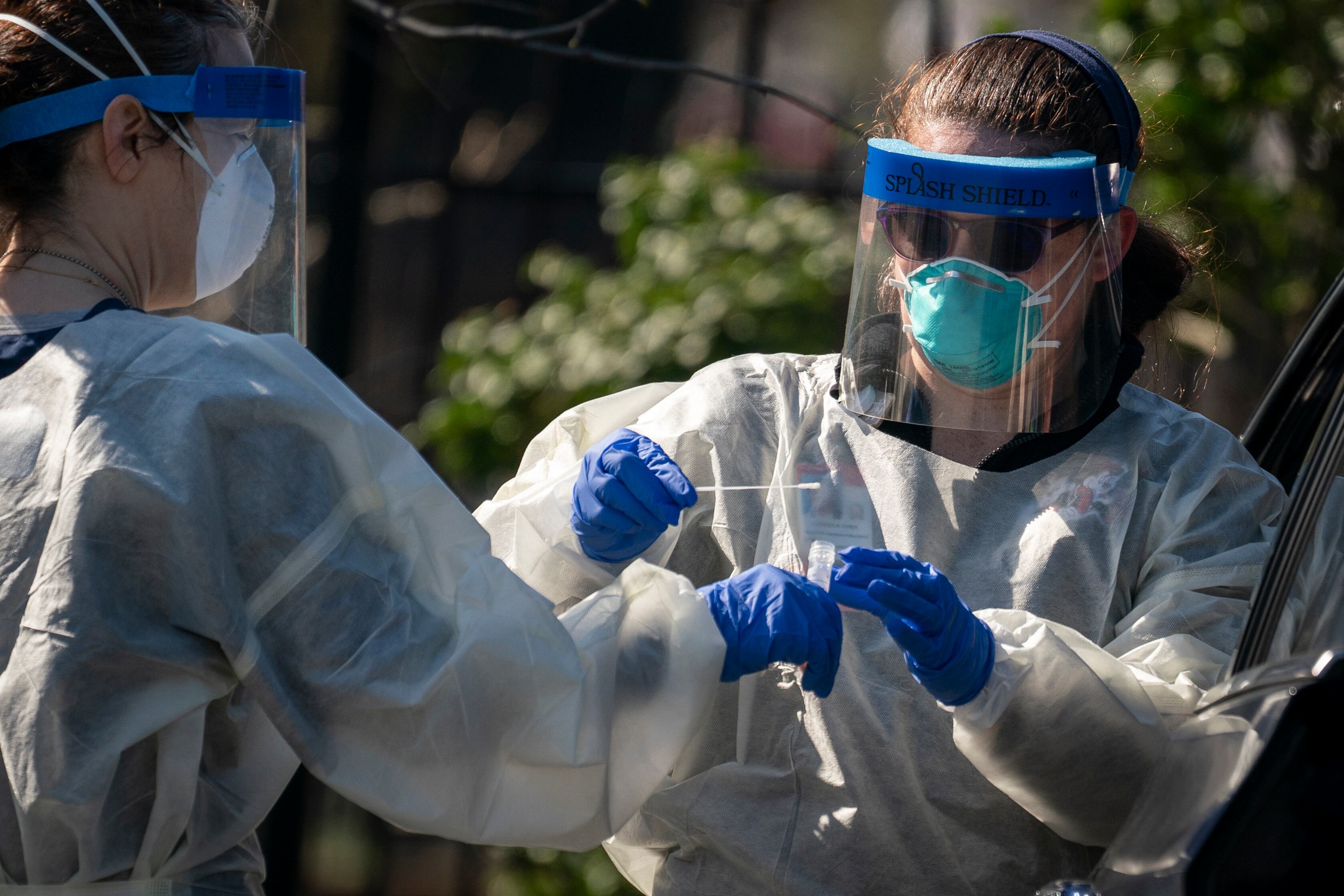
With the number of coronavirus patients exploding in hotspots like New York and hospitals facing a critical shortage of life-saving equipment, health care providers may soon be facing an excruciating choice: Who gets to live. And who doesn’t.
Experts maintain that despite social distancing and quarantining measures during the coronavirus pandemic, people should still attempt to socialize "serendipitously" and commit to acts of kindness to mitigate the stress.
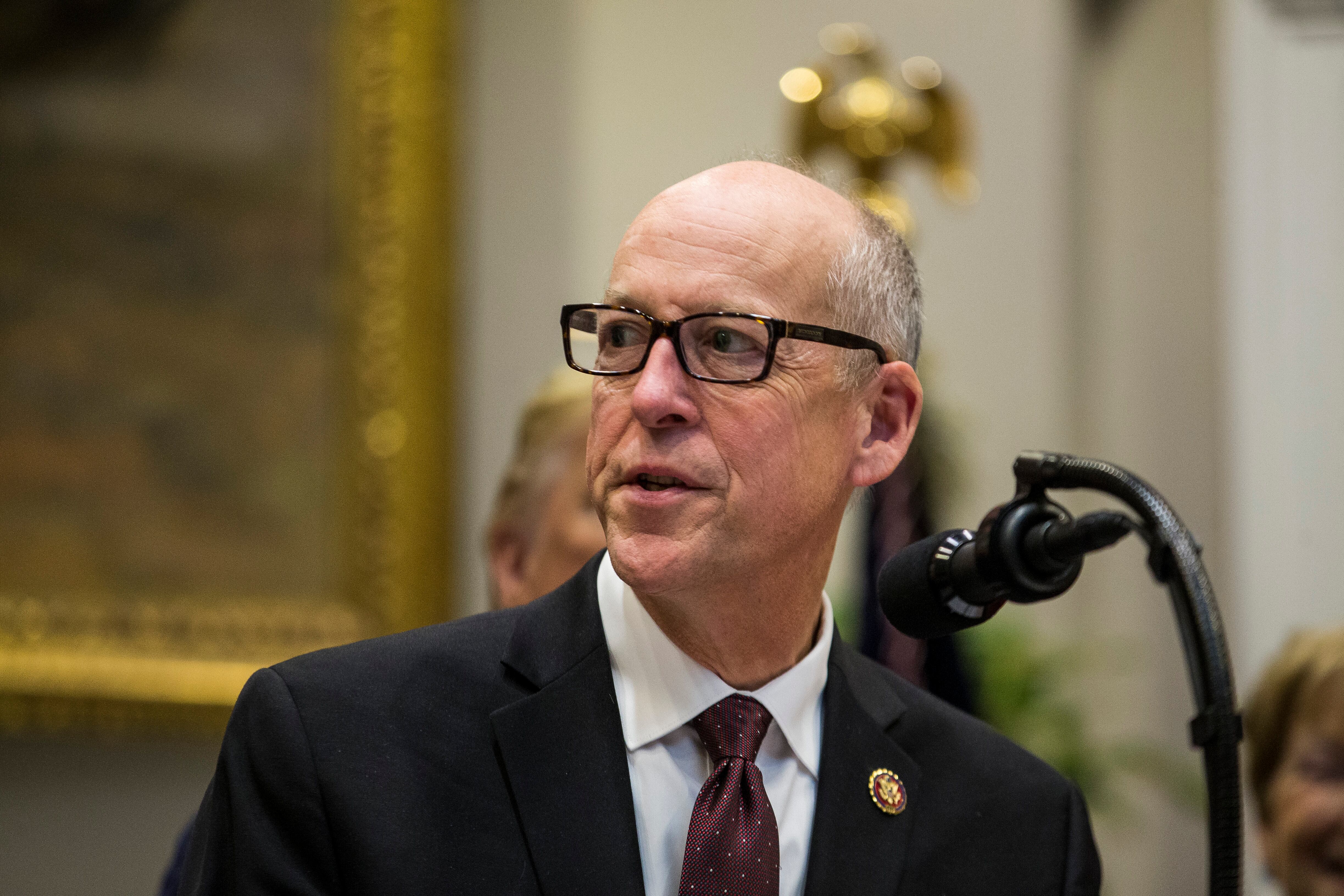
Rep. Greg Walden (R-Ore. 2nd District) supports the "basic public health protocol" is leading to drastic mitigation of the pandemic in his state of Oregon.
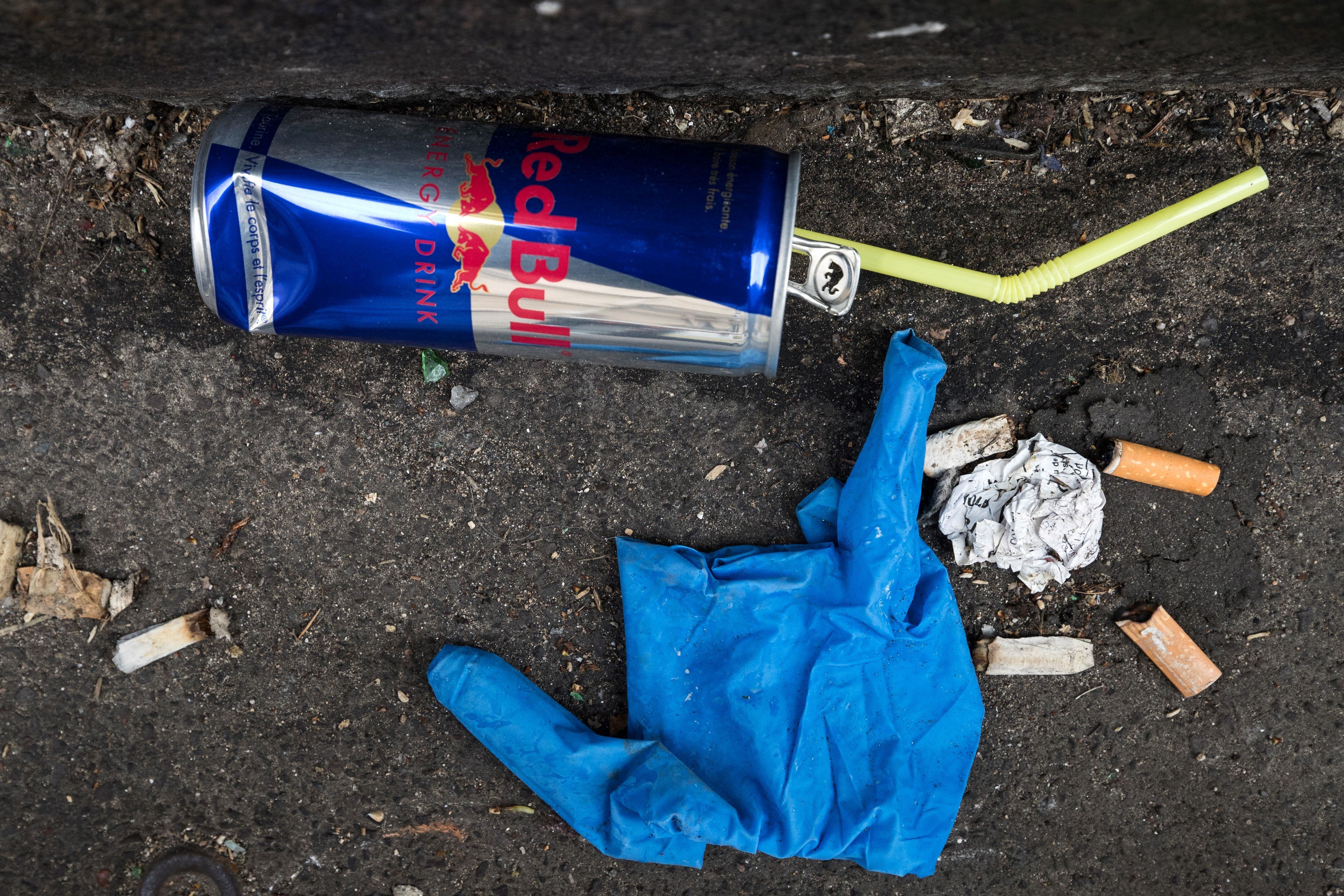
Like many of you out there, everyone at Cheddar is cooped up at home for maximum social distancing. And we’ve noticed something: in our respective self-quarantines, we’re taking out the trash a lot more than usual.
So our Megan Pratz teamed up with HEATED’s Emily Atkin to figure out the impact this extra waste is having on our communities.
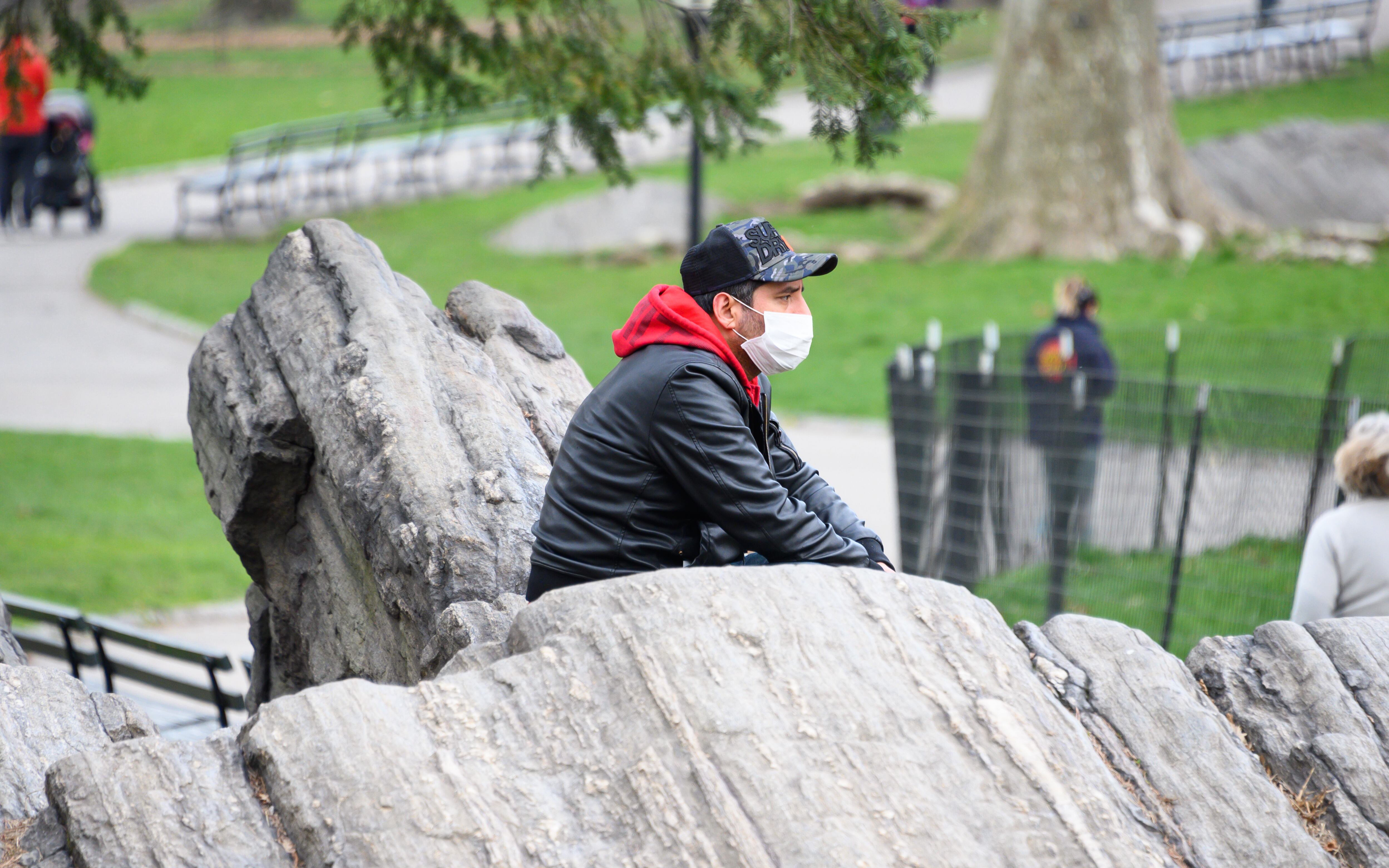
The Trump administration is formalizing new guidance to recommend that many Americans wear face coverings in an effort to slow the spread of the new coronavirus, as the president is aggressively defending his response to the public health crisis.
The coronavirus outbreak has triggered a stunning collapse in the U.S. workforce, with 10 million people losing their jobs in the past two weeks. Meanwhile, the number of confirmed infections worldwide has hit 1 million, with more than 50,000 deaths, according to the tally kept by Johns Hopkins University.
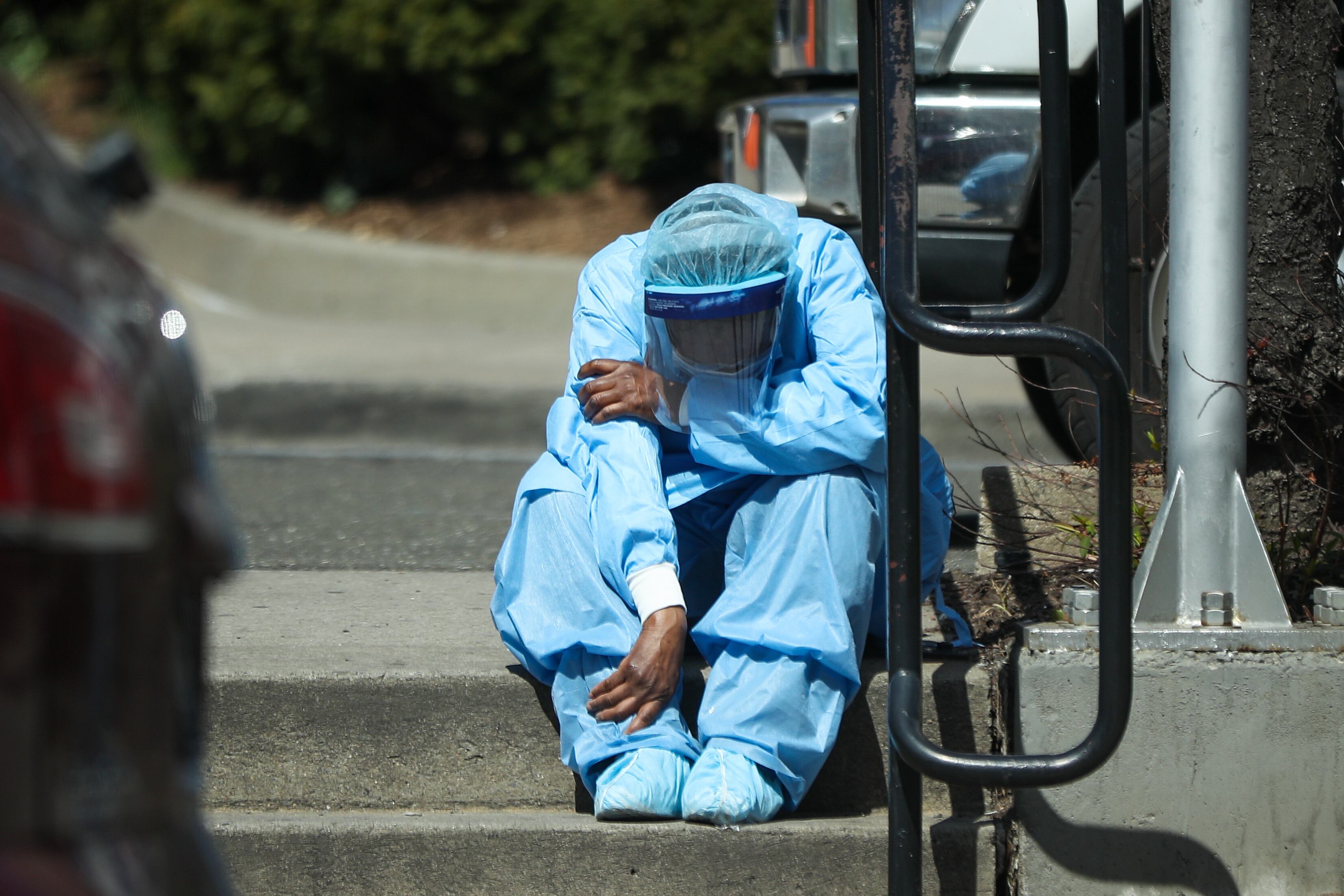
Dr. Eric Wei, chief quality officer for NYC Health + Hospitals, told Cheddar that one of his biggest fears as a hospital administrator and ER doctor is the potential impact of the pandemic on the emotional and mental well being of the health care workers.
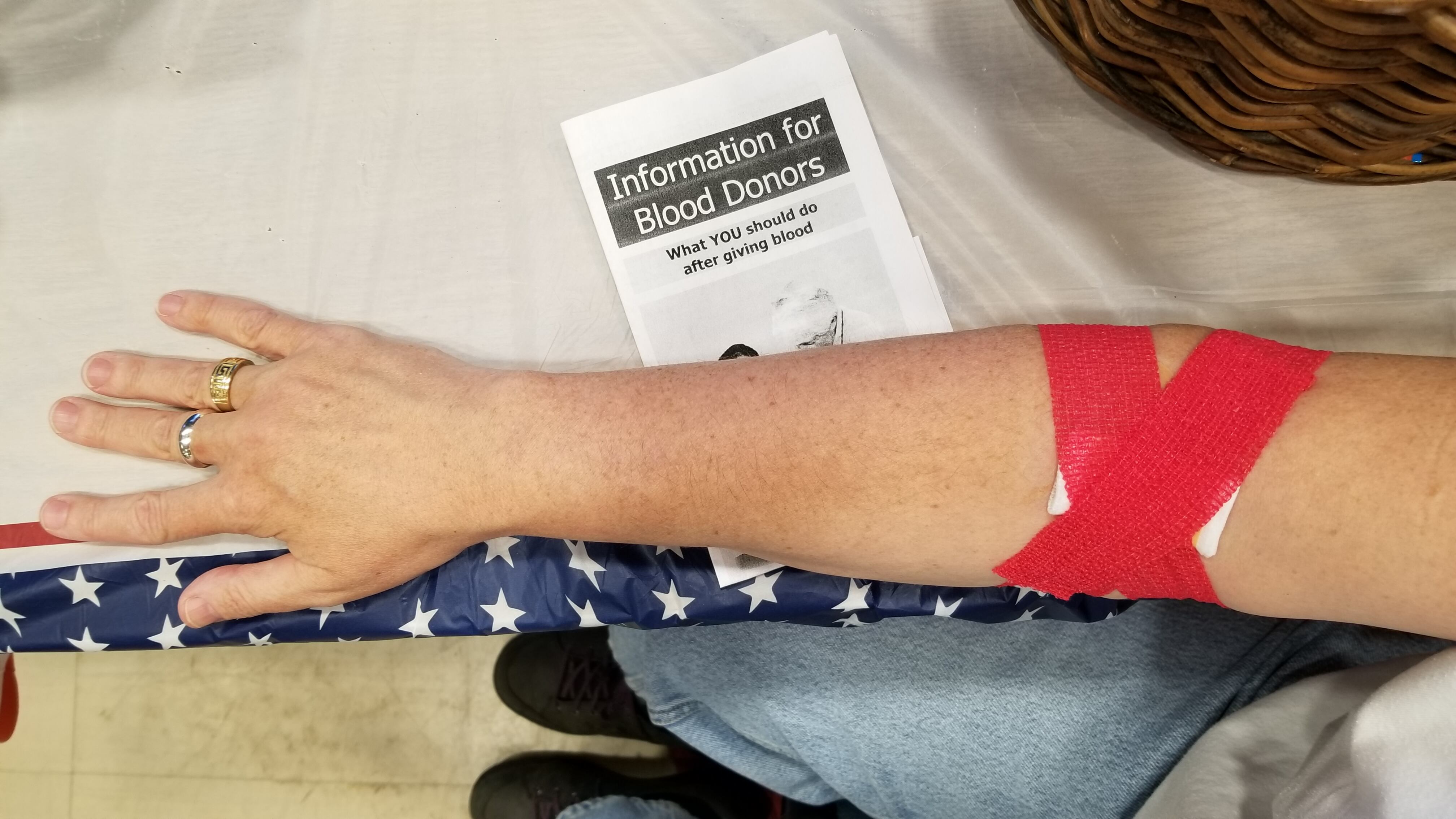
The U.S. Food and Drug Administration has released new guidelines for blood donors to bolster the supply of urgently needed blood and blood components. Most notable perhaps is a partial lifting of the controversial ban on men who have had sexual relations with another man within the last 12 months.